There are few bonds as powerful as the one you share with your cat. They’ve been your companion through quiet evenings and early mornings, a constant presence that somehow understood you without words. Yet there comes a moment when you notice something shifting, something subtle but undeniable.
Your cat might seem distant or perhaps more clingy than usual. Maybe they’re sleeping in odd places or ignoring their favorite toy. These small changes can feel confusing at first, but they’re often your cat’s way of communicating something profound. Recognizing these signals isn’t about facing the inevitable with dread. It’s about honoring the relationship you’ve built and ensuring your feline friend feels safe, comfortable, and deeply loved in their final chapter.
They Seek Solitude and Hide More Often
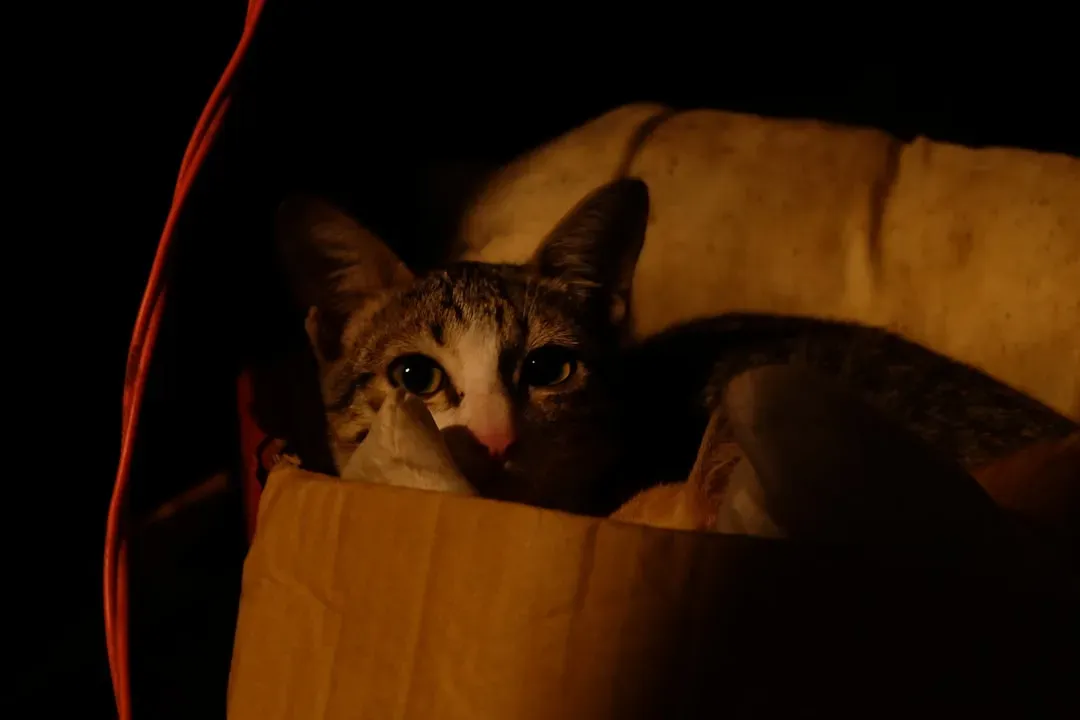
One of the most common signs a cat is dying is they will try to find somewhere quiet to be on their own, a throwback to their days in the wild, when they knew it was safer to hide away from predators. Your normally social cat who once followed you from room to room might suddenly prefer the back of the closet or a secluded corner under the bed. This withdrawal isn’t personal.
Hiding or seeking solitude in unusual places becomes their way of coping with discomfort and vulnerability. You might find them in spots they’ve never chosen before, tucked away from household activity. If your usually affectionate companion suddenly wants nothing to do with family interactions, it can be heart-wrenching but it’s a natural instinct taking over.
Their Appetite Disappears Almost Entirely
Lack of appetite and interest in food and water is perhaps one of the clearest indicators something serious is happening. Your cat might sniff their bowl and walk away, or they may stop approaching their feeding station altogether. Cats can go days without eating and, as long as their other symptoms are managed, may still derive enjoyment from life.
Still, when food refusal stretches beyond a day or two, it’s a signal their body is shutting down. A cat who stops eating or drinking for more than 24–48 hours needs immediate veterinary care. You can try offering their favorite treats or warming up wet food to make it more aromatic. Sometimes they’ll nibble, other times they won’t. The key is understanding that this isn’t stubbornness. It’s their system beginning to slow.
Breathing Becomes Labored or Irregular
Labored or irregular breathing patterns are alarming to witness, but they’re part of the body’s declining function. A dying cat may have an abnormal breathing pattern, with her respiratory rate speeding up and slowing down at random. She may even stop breathing for short periods of time and then start back up again. You might notice your cat breathing through their mouth, which is highly unusual for felines.
Their chest may rise and fall with visible effort, or you might hear wheezing and raspy sounds. If your cat is breathing heavily, with a lot of effort, or with their mouth open, these are signs that something is wrong. Honestly, this is one of those moments where your presence matters most. Sit nearby, speak gently, and let them know they’re not alone.
Extreme Lethargy Sets In
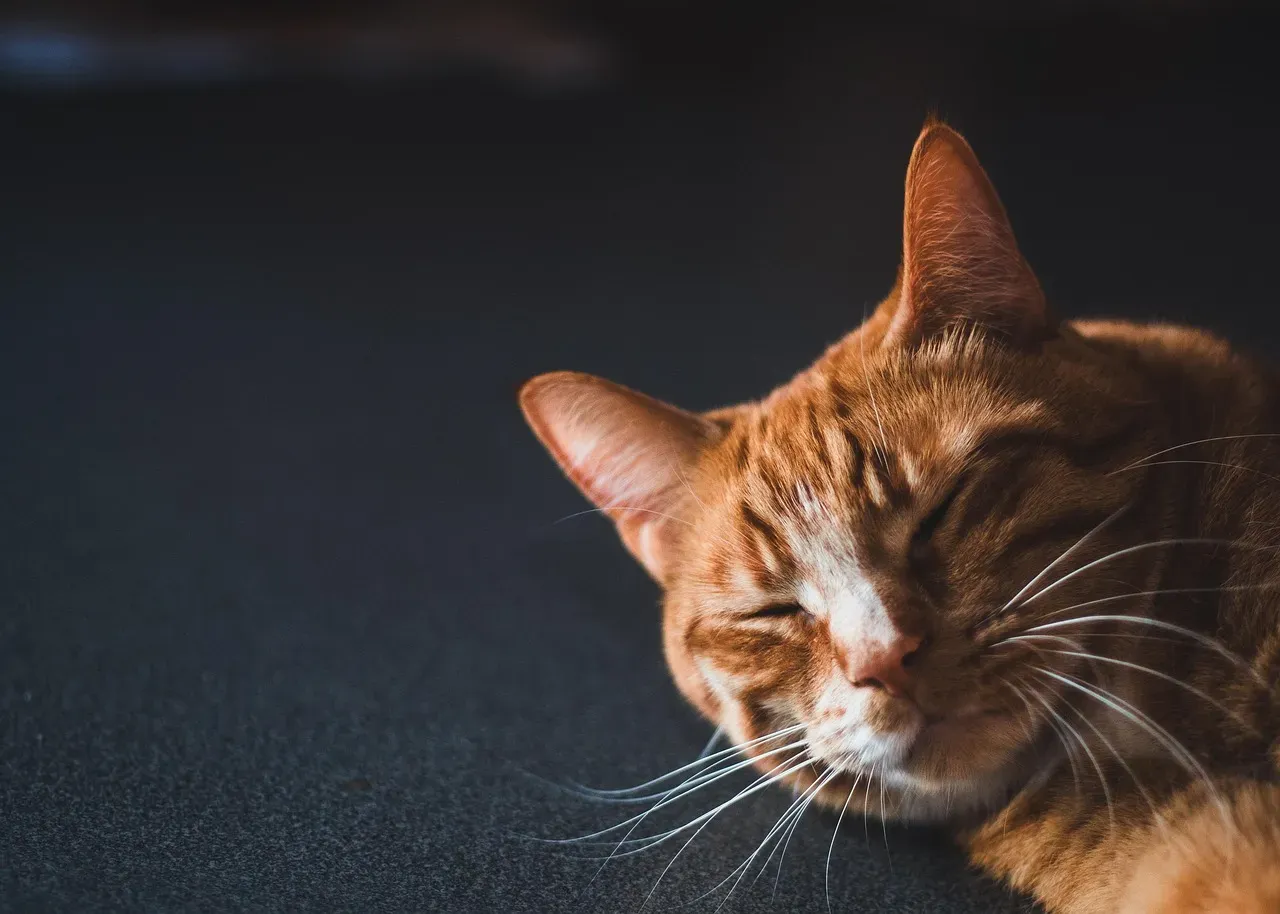
As your cat nears the end of her life she will probably be less active. She will sleep more and more and may be too weak to stay awake. What used to be a few afternoon naps has now become nearly constant slumber. They barely lift their head when you enter the room, and even their favorite toy dangling in front of them gets no reaction.
This happens because the body is conserving energy for essential functions. Sometimes these changes simply reflect aging or arthritis, but when mobility becomes noticeably limited or your cat seems exhausted most of the time, it may indicate a more significant decline in overall health. You’ll see them lying in the same spot for hours, too tired to shift positions. Their world is narrowing, and sleep becomes their refuge.
They Stop Grooming Themselves
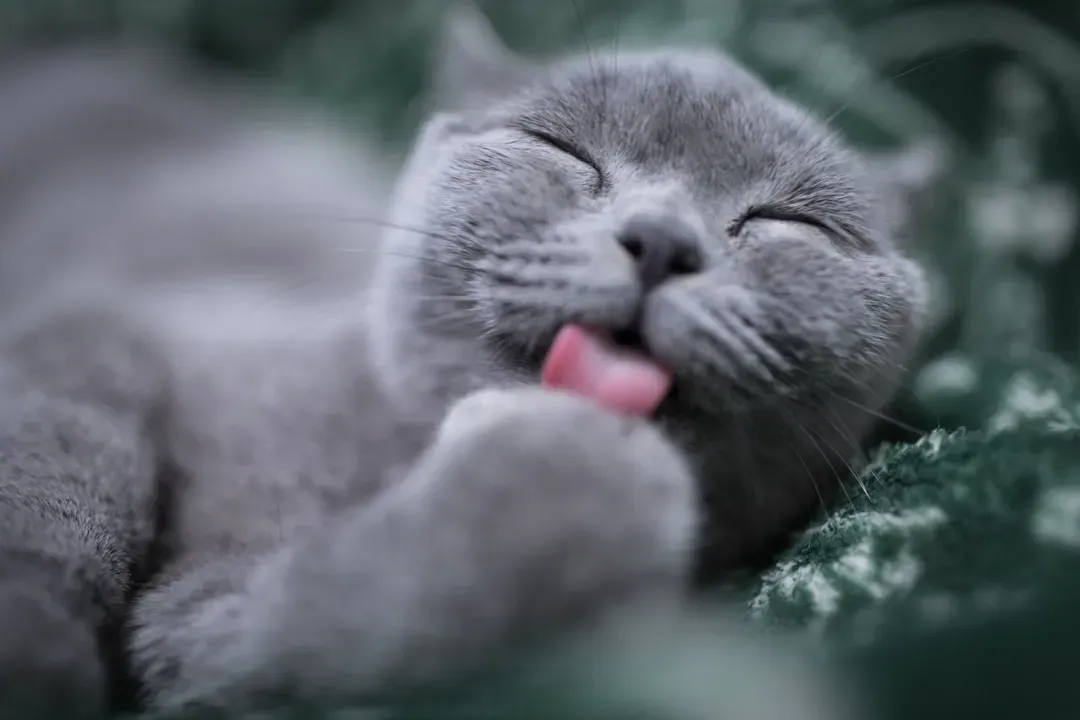
Cats usually spend up to 50% of their waking hours grooming. So when your once-meticulous cat develops a matted, greasy coat, it’s a glaring red flag. Avoidance of grooming or a messy, unkempt coat signals they simply don’t have the strength or interest anymore.
You may notice your cat’s fur becoming dull and matted if they’ve stopped grooming themselves. They might have clumps of loose fur clinging to their body or visible dirt around their face and paws. This lack of self-care isn’t laziness. This also occurs due to pain and illness. When grooming becomes too taxing or uncomfortable, they abandon it entirely.
Dramatic Weight Loss Occurs
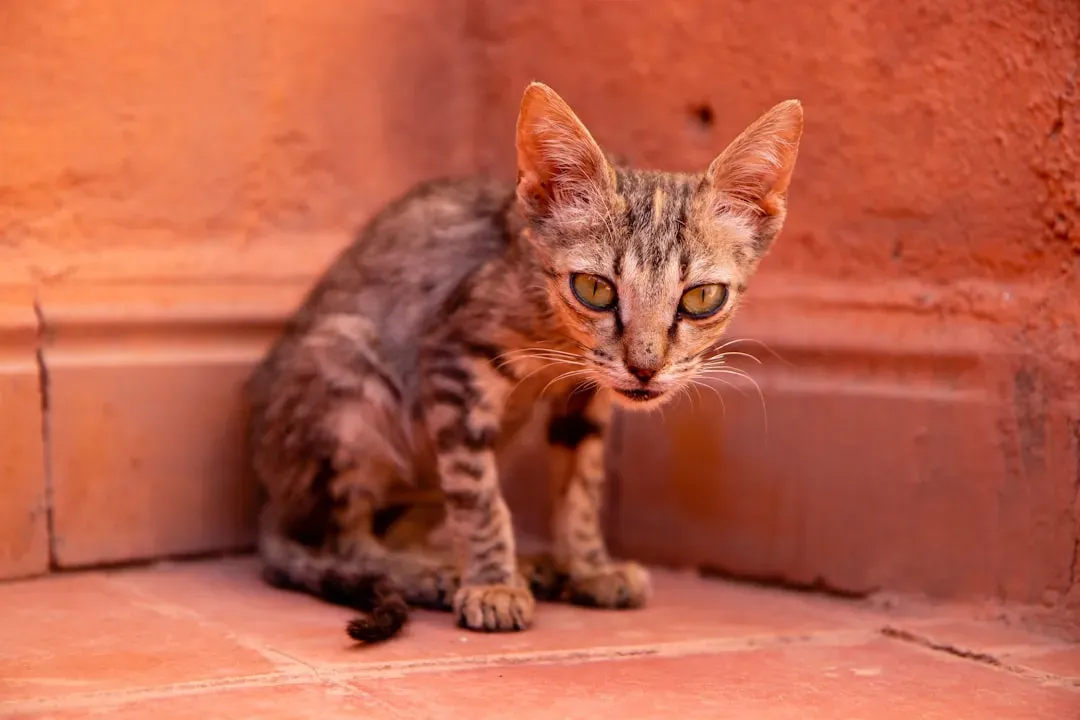
One of the clearest signs of a cat that is nearing the end of its life is significant weight loss. You might suddenly feel every vertebra along their spine or notice their ribs protruding sharply when you pet them. Even a cat who’s still eating might experience weight loss as they approach the end of life.
Weight loss is common in senior cats due to muscle loss and less efficient protein digestion. Even if your cat eats well, she may still lose weight. Their body is consuming itself, unable to properly process nutrients. What once was a healthy, solid frame becomes frail and bony. It’s shocking how quickly it can happen, sometimes over just a few weeks.
Their Body Temperature Drops Noticeably
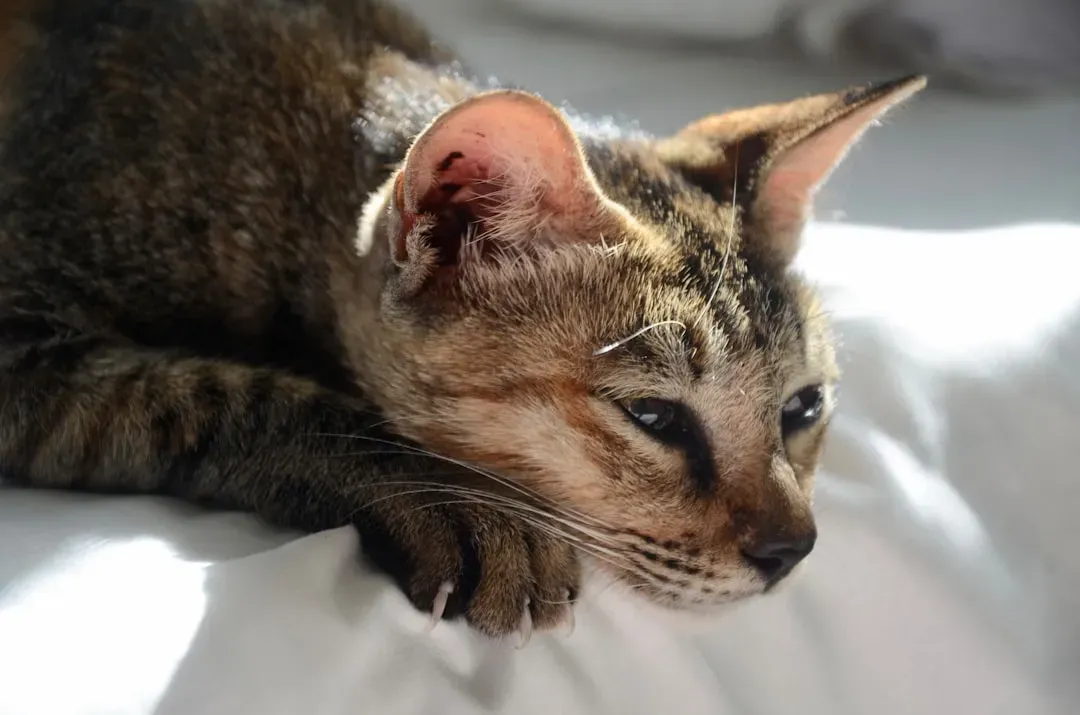
Senior cats increasingly have trouble regulating their body temperature, and will be more susceptible to heat and cold than healthy adult cats. Even when provided with a warm bed and environment, cats nearing death often have a low body temperature. When you touch your cat’s ears or paw pads, they feel cold to the touch instead of their usual warmth.
A drop in a cat’s temperature (below 100 Fahrenheit) is very concerning in cats, and can indicate extreme debilitation or serious illness. You might notice them seeking out warm spots more desperately than before, or shivering despite blankets piled around them. Their little body is struggling to maintain basic functions, and temperature regulation is one of the first things to fail.
Incontinence or Litter Box Avoidance Begins
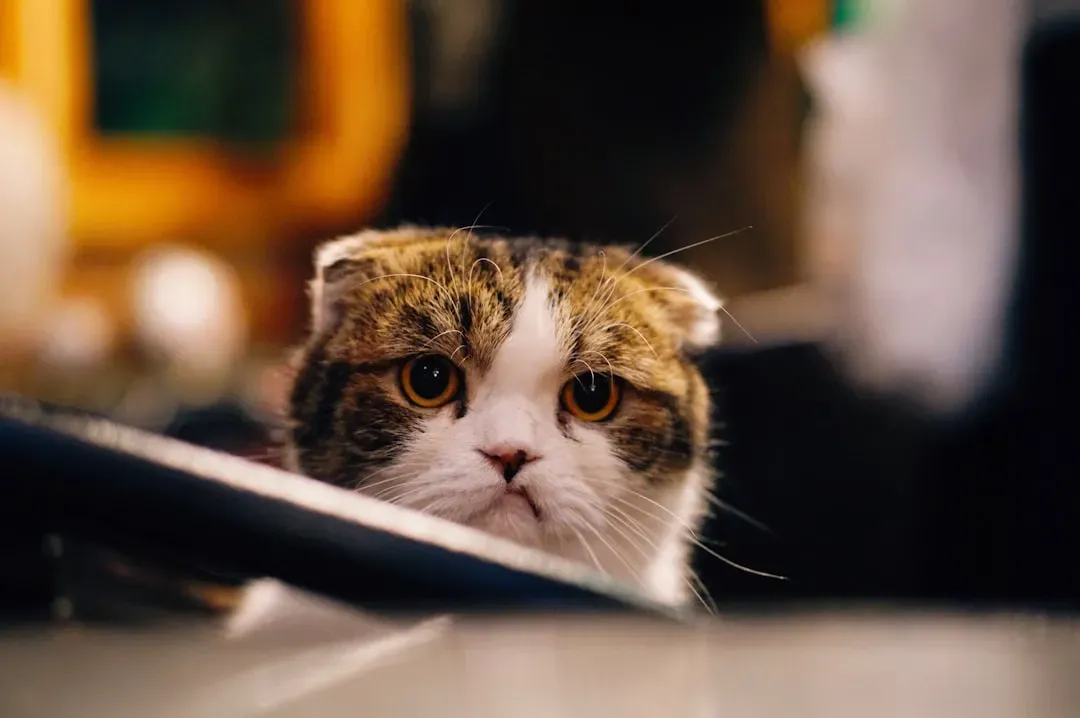
A lack of bladder or bowel control in cats may be due to a treatable medical condition, but it can also be a sign that your cat is approaching the end of their life. You might find unexpected messes around the house or notice your cat lying in their own waste without attempting to move. This is deeply distressing for both of you.
Vomiting, diarrhea, or incontinence can occur as organs begin to fail. Your fastidious cat, who always prided themselves on litter box etiquette, simply can’t control their bodily functions anymore. It’s not their fault, and they’re likely just as uncomfortable about it as you are saddened by it. Gentle cleaning and soft bedding become essential now.
Unusual Vocalizations or Complete Silence Emerges
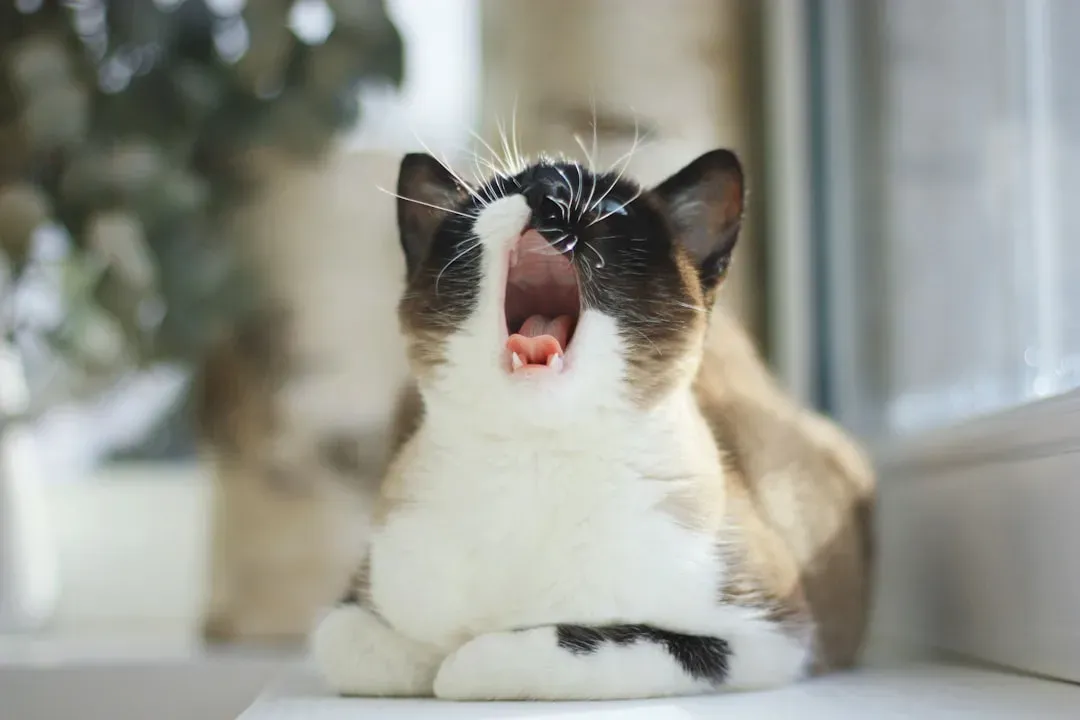
Changes in vocalization (e.g., yowling, meowing excessively, or silence) can be particularly jarring. Some cats become suddenly vocal, crying out at odd hours with sounds you’ve never heard before. Occasionally, cats that are dying may become suddenly, loudly, and unexpectedly vocal. These sounds might include yowling, meowing, or whining and might be a sign of pain or distress.
Others go the opposite direction, becoming eerily quiet. They might have problems moving or might cry all the time or stop vocalizing altogether. The silence can be just as unsettling as the yowling. You strain to hear their familiar purr or soft meow, but nothing comes. Both extremes are their way of communicating something they can’t express otherwise.
They Display an Abnormal Body Odor
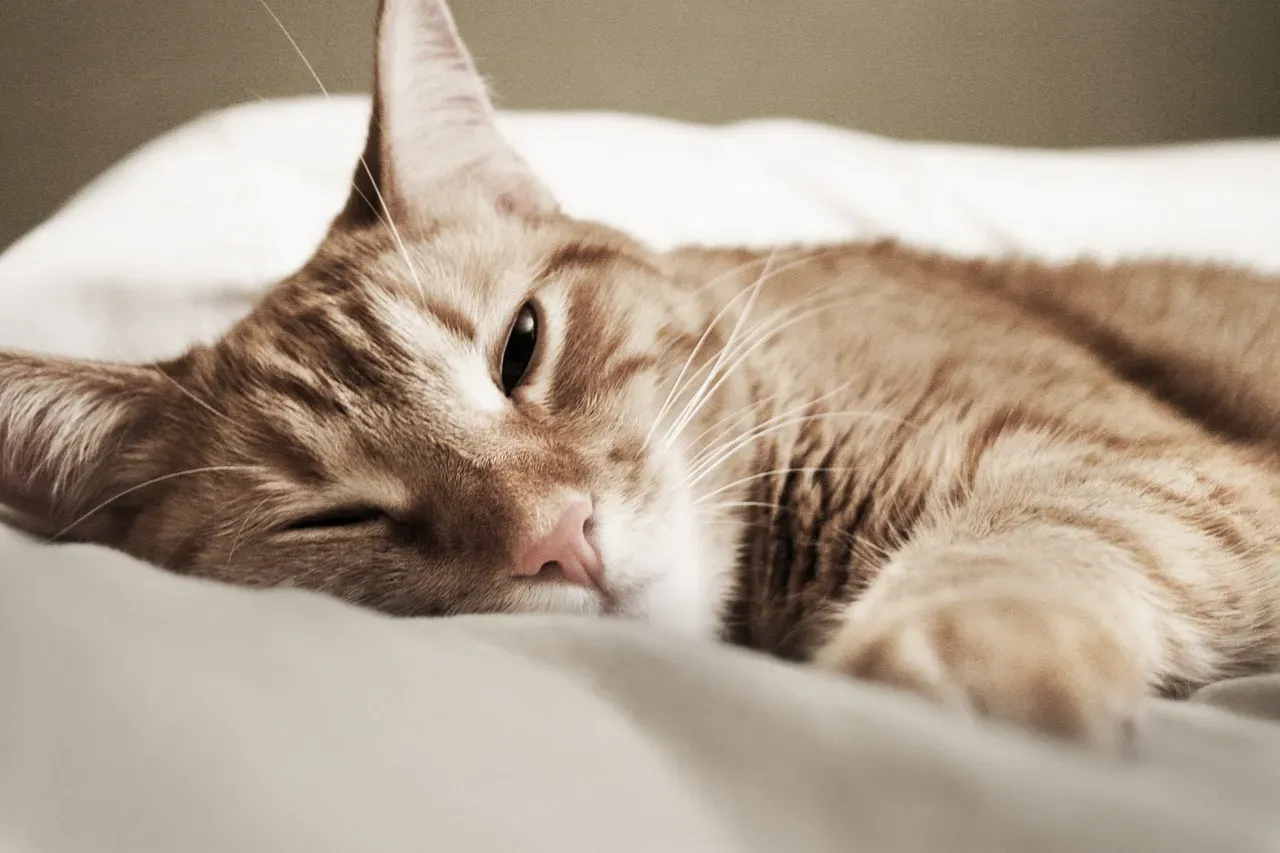
As your cat nears the end of her life she may develop an abnormal body odor. This is due to the breakdown of tissues and buildup of toxins in the body. You might notice a sickly sweet smell or something more unpleasant that you can’t quite identify. It’s not the result of poor hygiene alone.
Cats experiencing diabetic ketoacidosis can have a sickly sweet smell, and cats in kidney failure may have breath that smells like ammonia. The odor comes from internal systems failing, toxins accumulating, and the body’s inability to process waste properly. It’s one of those signs you can’t ignore, even though you wish you could. This smell is the body’s final chemical distress signal.
Conclusion

Watching your beloved cat approach the end of their life is one of the most emotionally challenging experiences you’ll face as a pet parent. These ten signs aren’t meant to frighten you but to prepare you. Understanding what your cat is going through allows you to respond with compassion rather than confusion.
Whether you choose hospice care, palliative support, or humane euthanasia, the most important thing is that your cat feels your love in their final days. Stay close, speak softly, and let them know they’re safe. Your presence is the greatest comfort you can offer. Have you noticed any of these signs in your cat? Share your thoughts or experiences in the comments below.
Kristina is a young writer from India. An arts graduate and an avid content creator, Kristina is passionate about animals and wildlife. She enjoys exploring topics related to pet care, animal behavior, conservation, and nature, combining thorough research with engaging storytelling.