Ever wondered why some cats seem to have a shorter fuse than others? You know those cats that go from zero to hiss in two seconds flat. Maybe you’ve met one at a shelter, or perhaps you’re living with one right now, trying to decode what sets them off.
The truth is, not all cats are created equal when it comes to temperament. While most felines are fairly chill and adaptable, certain breeds come hardwired with personalities that lean toward the defensive, territorial, or just plain feisty. These cats aren’t necessarily mean or unlovable. They simply have stronger boundaries, bigger attitudes, and zero patience for nonsense. Let’s dive into the breeds that are most likely to let you know when you’ve crossed the line.
Siamese Cats
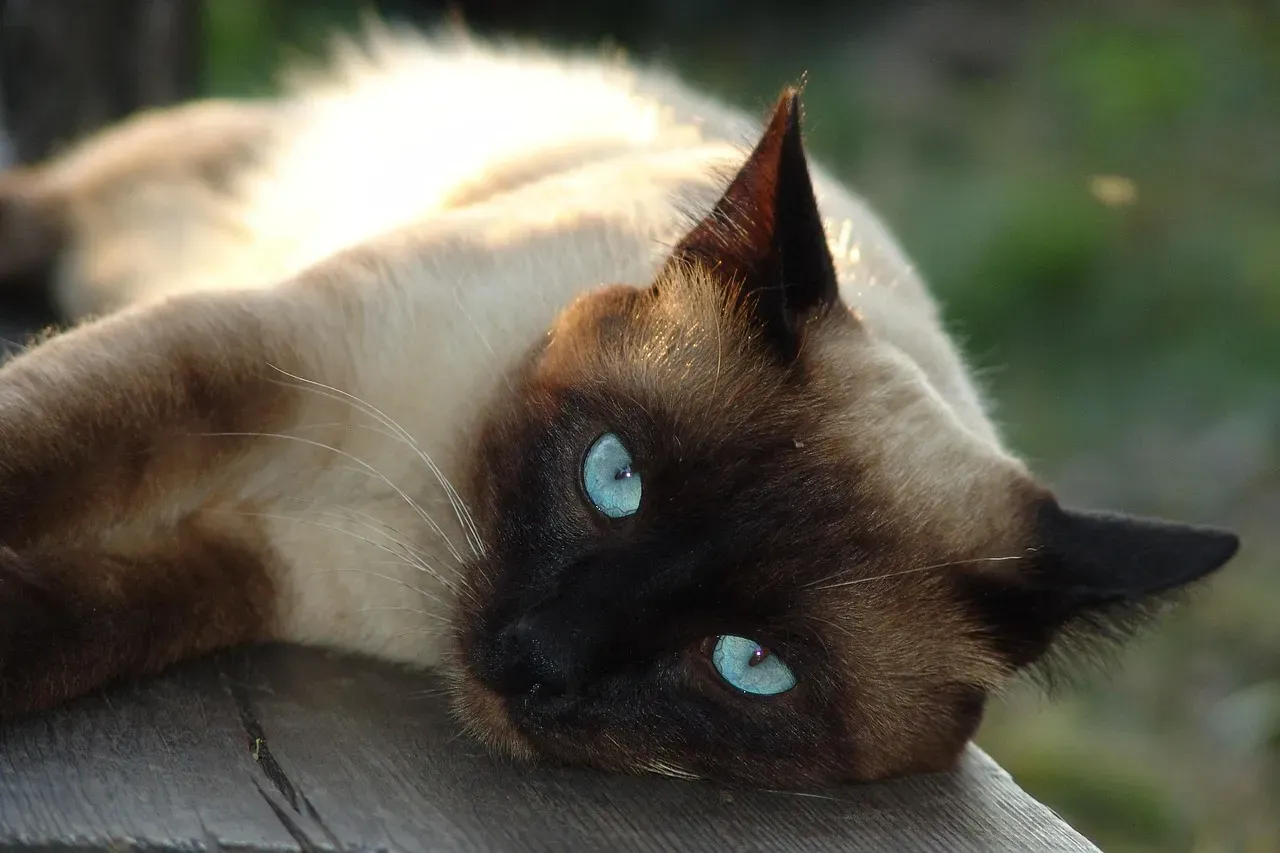
Siamese cats can be aggressive due to the breed’s tendency to get very jealous of other pets and their needy and clingy nature. These striking felines form incredibly strong bonds with one specific person and expect undivided attention. If you dare to pet another cat or even chat with a friend for too long, your Siamese might lash out just to remind you who really matters.
Siamese cats bond intensely with their owners and may become possessive or jealous, don’t enjoy being left alone for long periods, and may act out by swatting, biting, or howling incessantly if ignored. Their vocalizations are legendary, often described as loud, demanding, and impossible to ignore. Honestly, living with a Siamese is like having a very opinionated roommate who refuses to be quiet.
Bengal Cats
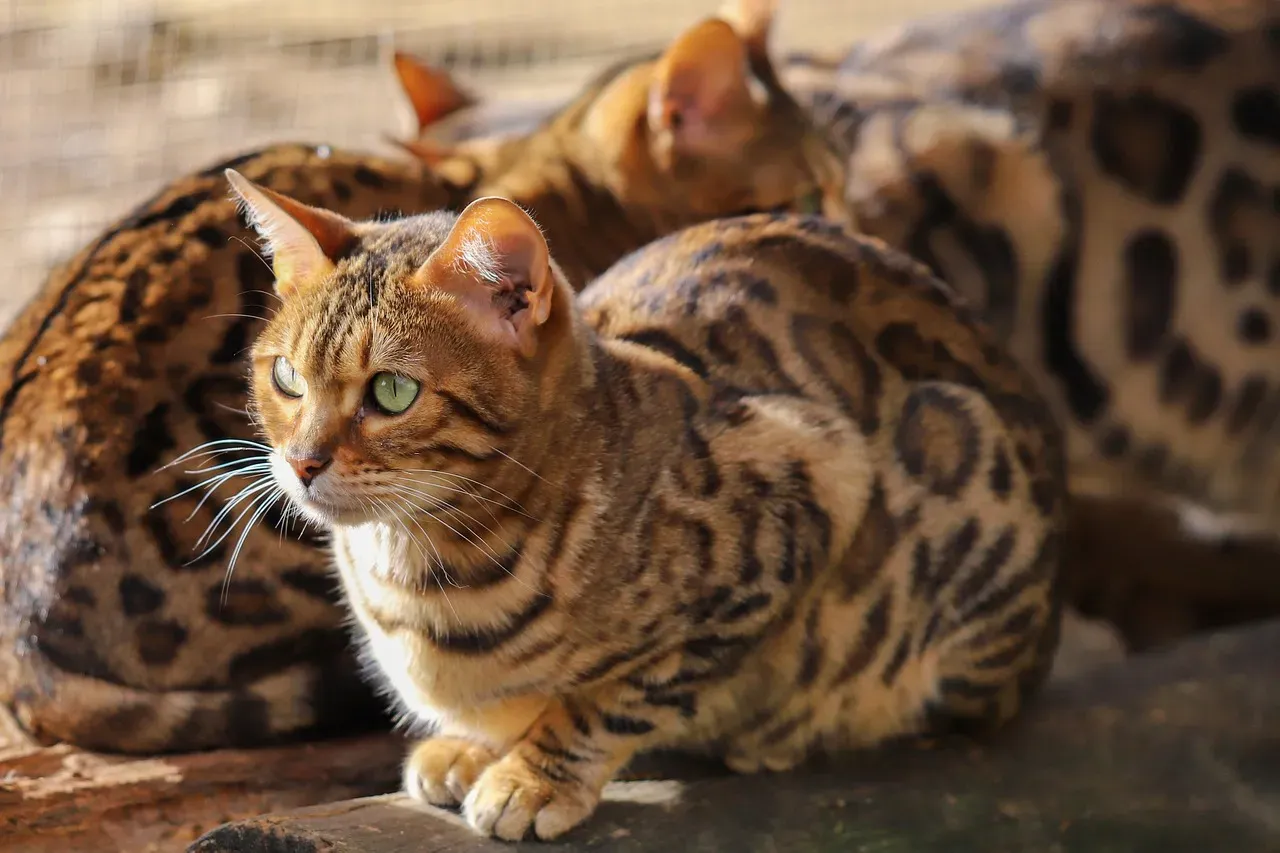
The Bengal cat is large and feels as if it still belongs in the wild, and even later generation Bengals have a bit of a destructive streak. These cats are part wild Asian leopard cat, which means they’ve got energy levels that could power a small city. Without proper outlets for their natural hunting instincts, they can become reactive and aggressive.
Bred from domestic cats and wild Asian leopard cats, Bengals are energetic, athletic, and highly intelligent, with aggressive behaviors often stemming from lack of exercise or inadequate stimulation, and they will become destructive or reactive if confined to a boring environment. They need interactive play, climbing structures, and mental challenges. Leave a Bengal alone with nothing to do, and you’ll come home to chaos. These aren’t lap cats; they’re athletes who happen to live in your house.
Turkish Van Cats
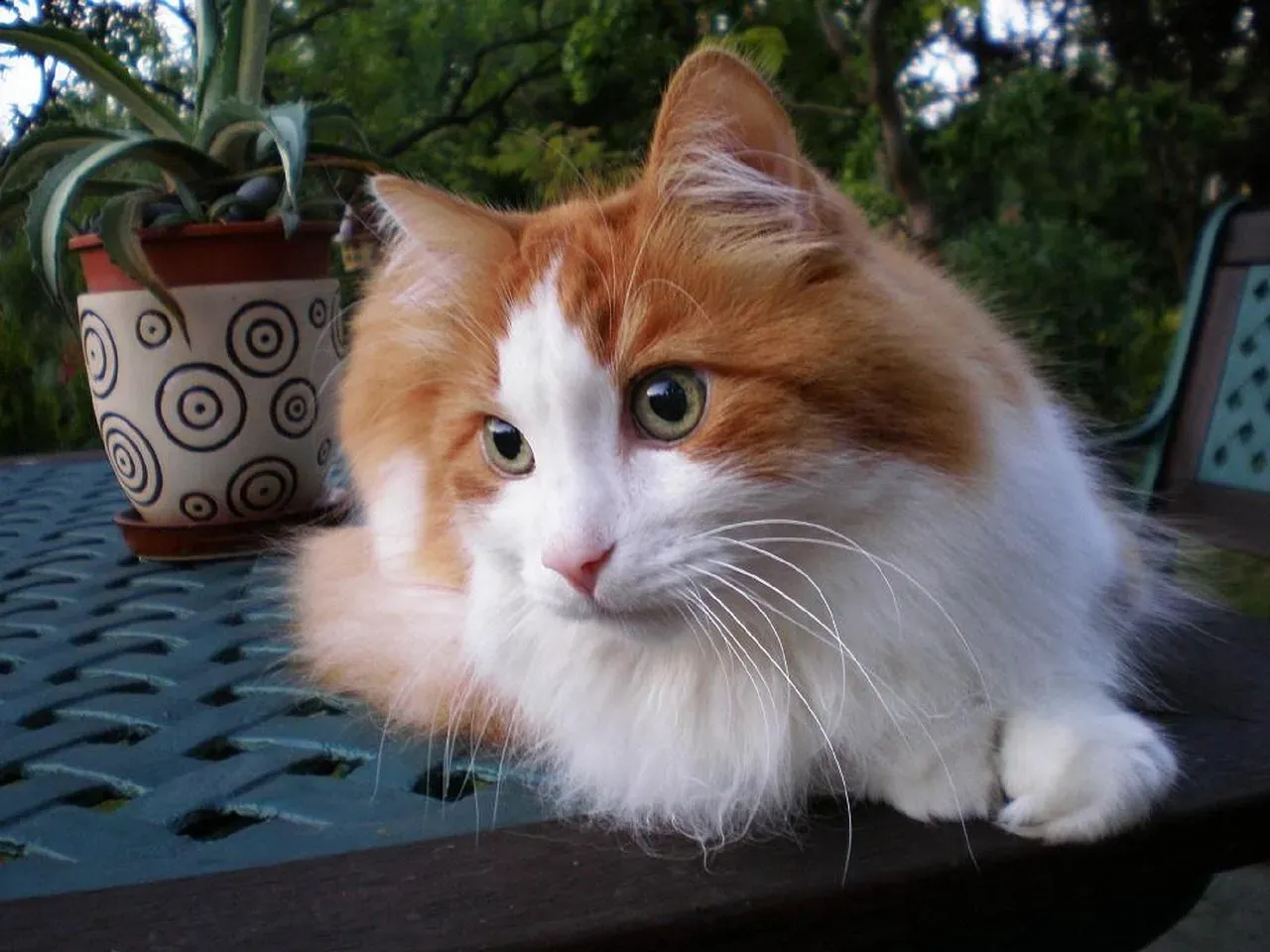
A recent study of over 40 breeds found that Turkish Vans were the most likely to display aggression towards people and other cats, and they prefer to be the only cat in the household. This breed doesn’t do well with competition, whether from other pets or even household members they haven’t bonded with. They want their territory respected and their space unchallenged.
Turkish Vans are also surprisingly territorial about their favorite spots in the home. They’ll claim a specific chair, windowsill, or even a person, and defend it fiercely. Introducing a new pet to a Turkish Van household requires extreme patience and careful planning, otherwise you’re asking for daily hissy fits and potential altercations.
Sphynx Cats
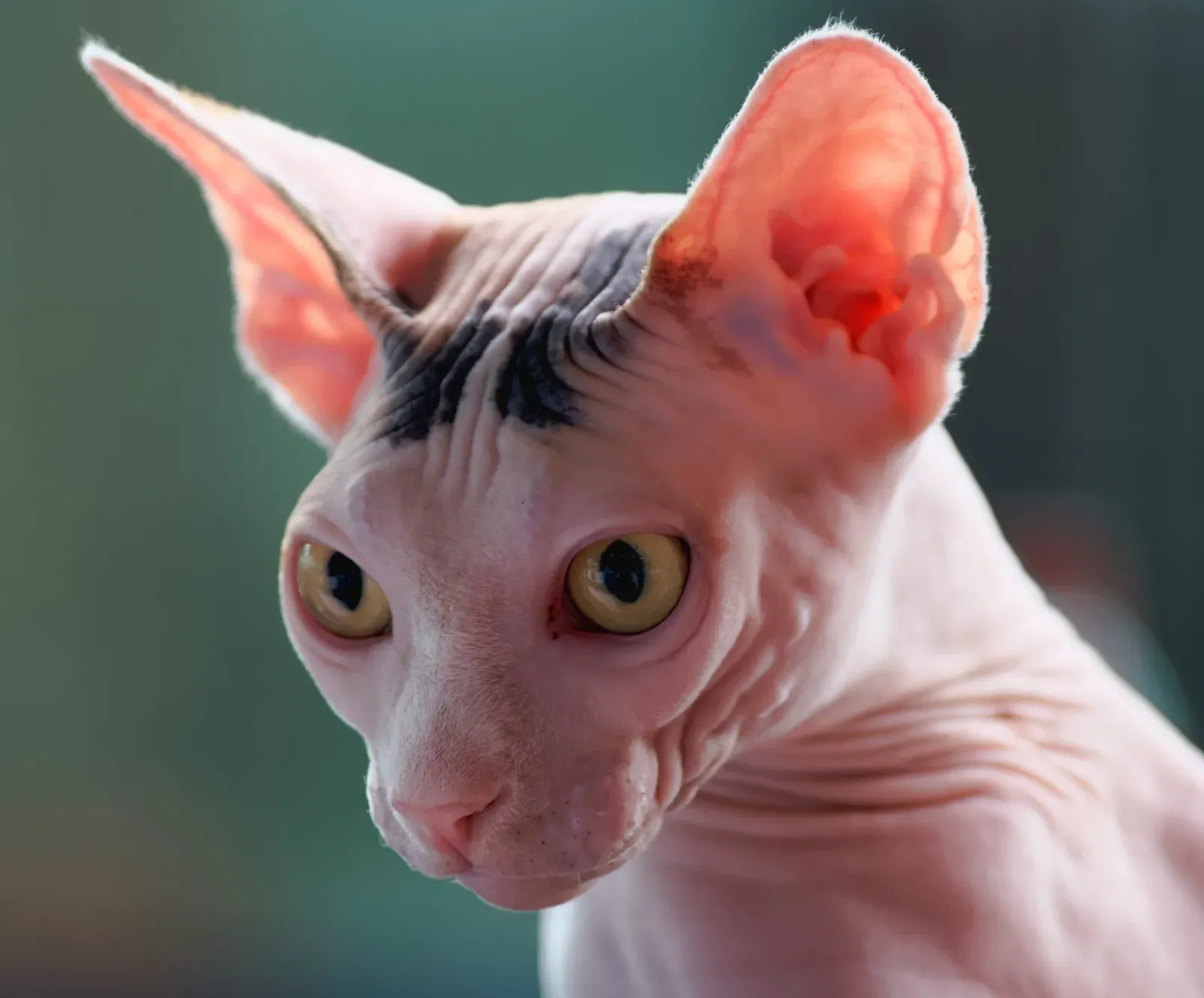
The Sphynx cat is very demanding, always wanting to be the center of attention. Despite their hairless, vulnerable appearance, these cats have huge personalities and even bigger expectations. They’re not aggressive out of meanness but rather out of neediness. When their social or physical needs aren’t met, they snap.
Hairless and highly affectionate, the Sphynx demands constant love and attention, with aggression usually appearing when their intense social needs are not being met, and they may respond with nips or growling if they feel rejected or overstimulated. They’re also sensitive to temperature changes and rough handling, which can trigger defensive behavior. Think of them as high-maintenance companions who expect you to read their minds.
Scottish Fold Cats
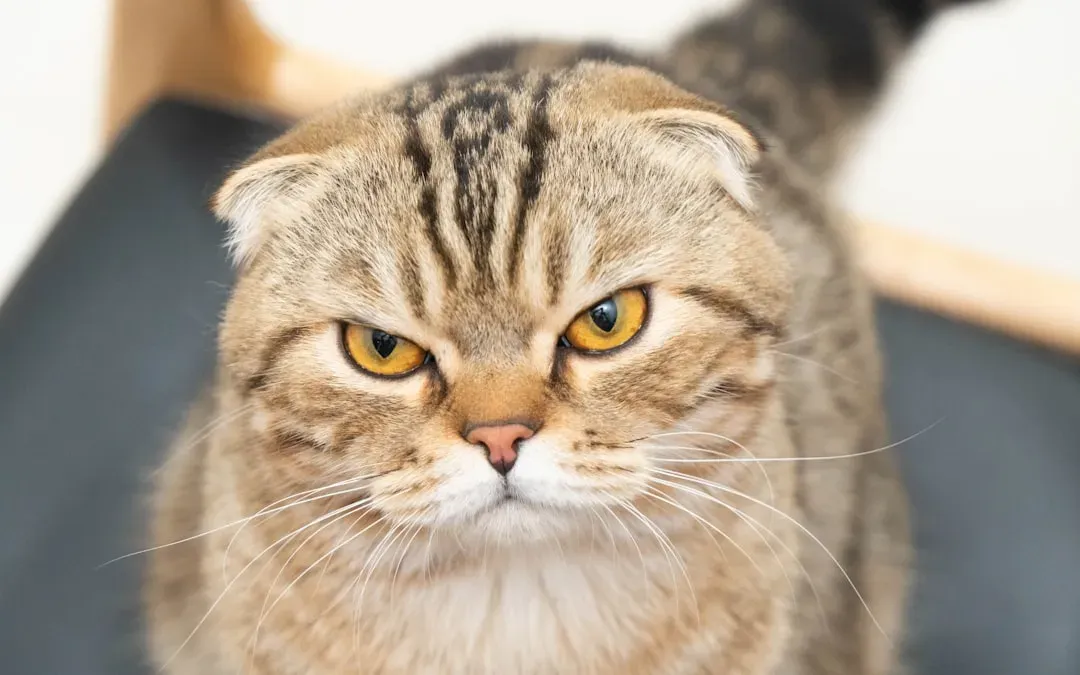
It’s probably surprising to see the Scottish Fold here, but this breed is quite sensitive to change and may become aggressive when new pets are brought home, and they can be sensitive around babies and children. Those adorable folded ears and round faces hide a surprisingly stubborn and territorial personality.
Scottish Folds don’t like sharing attention, and they have very specific preferences about how they want to be touched. They can go from purring contentedly to hissing and swatting if you pet them the wrong way or for too long. Early socialization helps, but even well-adjusted Scottish Folds have limits that they’ll enforce with teeth and claws if necessary.
Egyptian Mau Cats
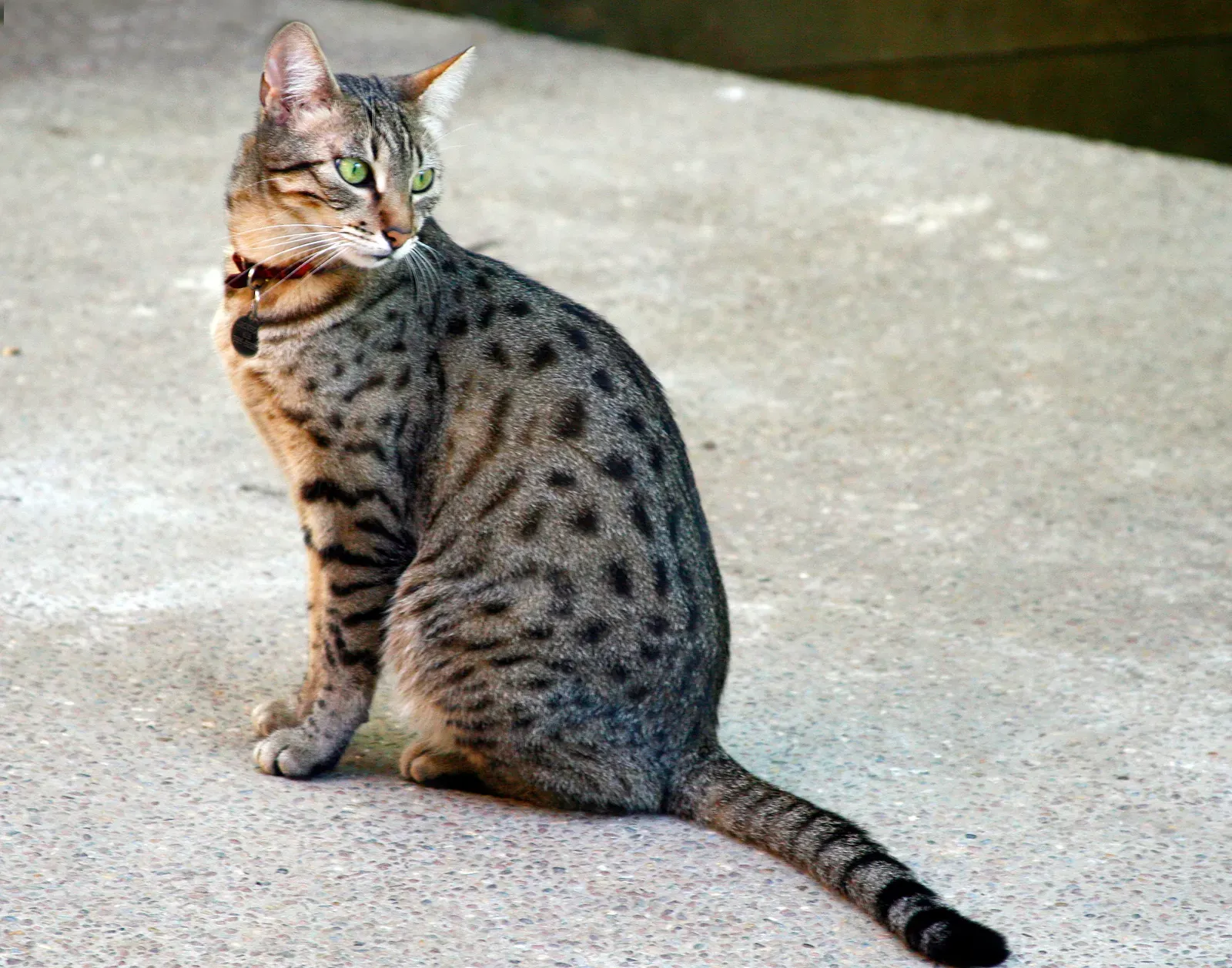
The Egyptian Mau is known for loud vocalizations and while quite loud with their family, they can be a bit wary of strangers, are known for fear-based aggression, and often don’t like strangers coming into their space and will act out against them. This ancient breed is incredibly loyal to their chosen family but views outsiders with deep suspicion.
Their fear-based aggression means they react defensively to anything or anyone unfamiliar. A stranger walking through the door might trigger hissing, growling, or even a swipe. These cats need time to warm up to new people and situations, and rushing the process only makes them more reactive and aggressive.
Abyssinian Cats
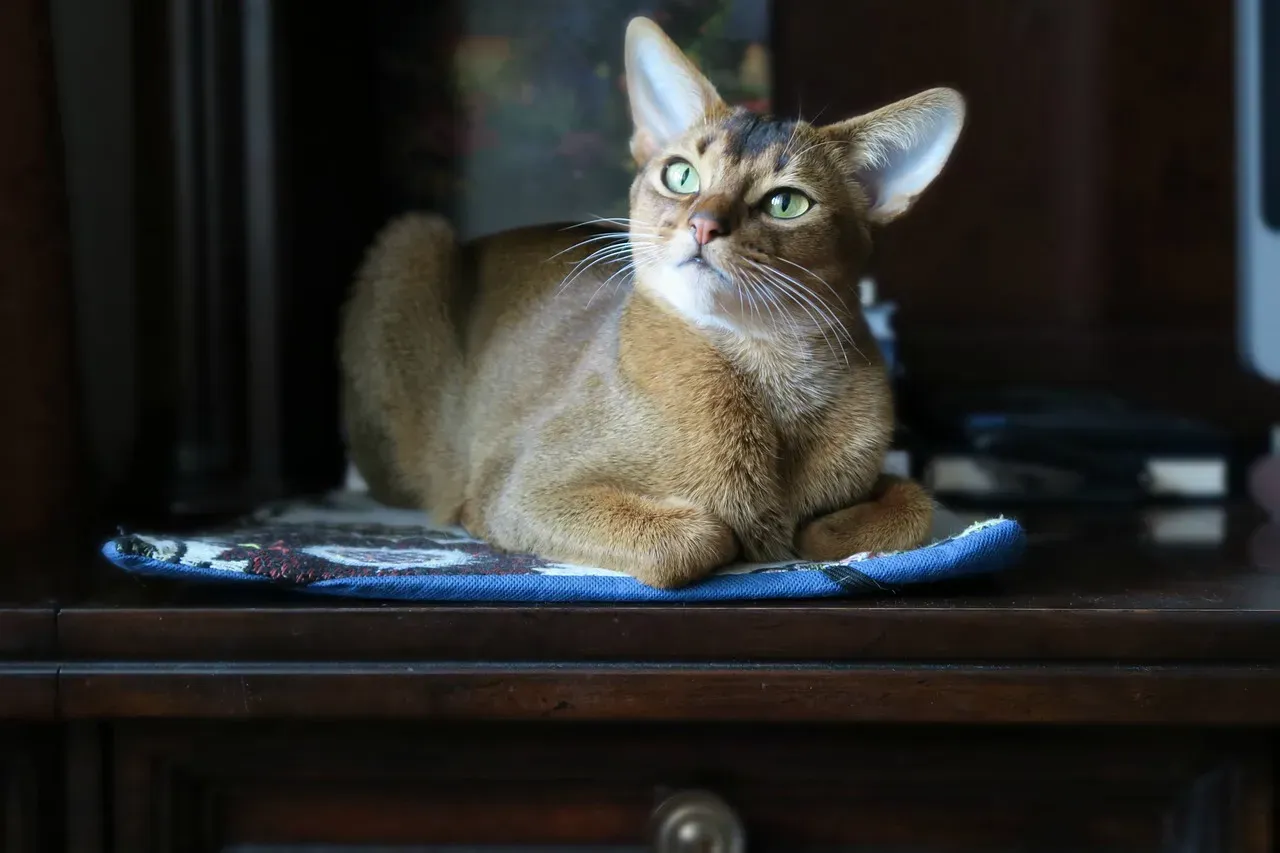
Abyssinian cats can be predisposed to aggression. These cats are incredibly active, curious, and independent, which sounds great until you realize they don’t always follow your house rules. They’re determined to explore every nook and cranny, and if you try to stop them, they might voice their displeasure loudly.
Abyssinians can become frustrated easily when bored or confined. Their intelligence works against them sometimes because they quickly figure out what they want and expect immediate results. When things don’t go their way, hissing and snapping become their go-to communication methods.
Cymric Cats
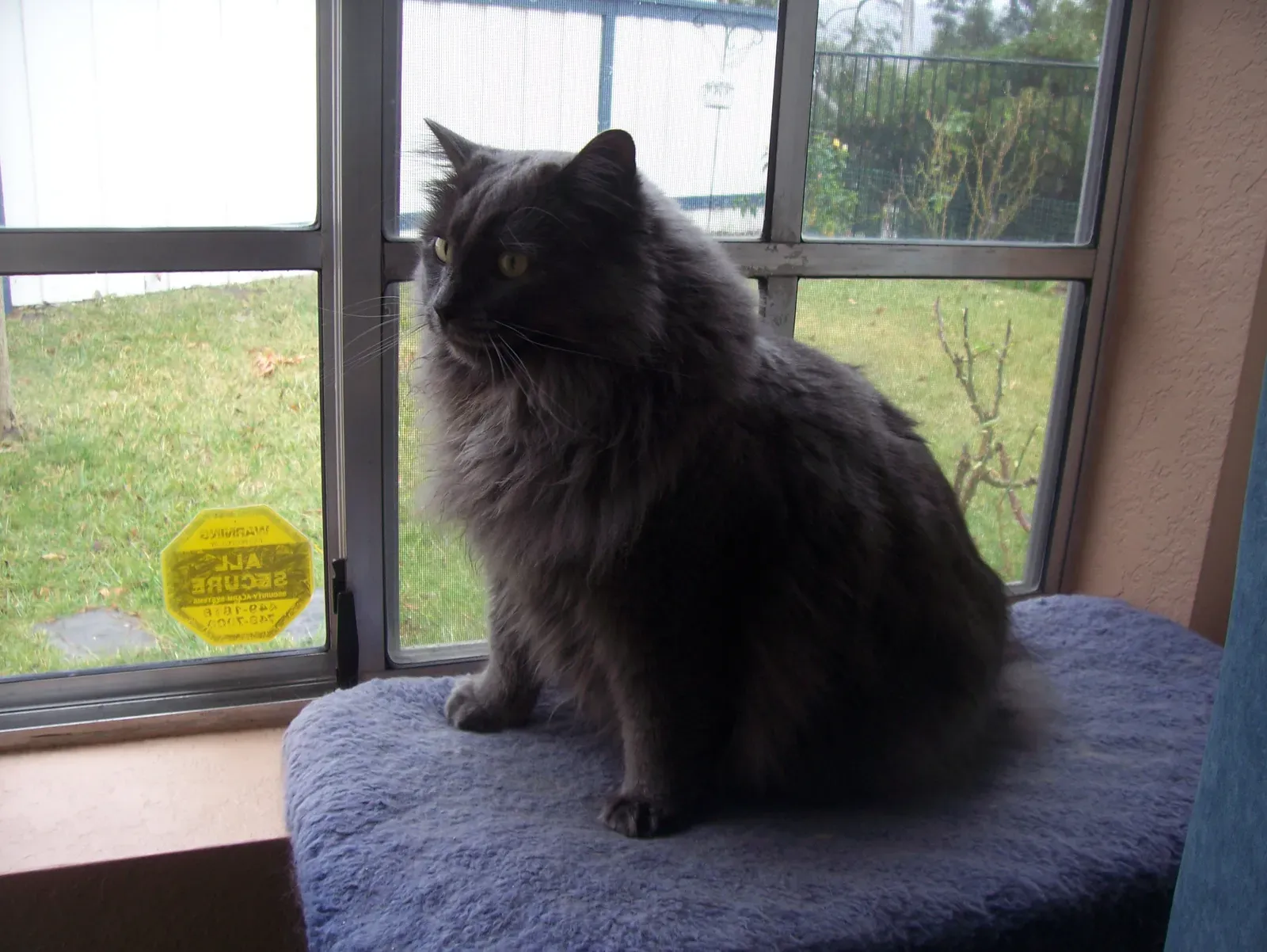
This loyal companion makes a decent family pet but is exceptionally protective and territorial, with some even described as growling similarly to dogs, and they don’t like their personal space being invaded, which can be an issue with children. These tailless or short-tailed cats have big attitudes packed into their compact bodies.
Cymrics are known for their dog-like behaviors, including their tendency to guard their territory. They’ll patrol the house, monitor who comes and goes, and aren’t shy about expressing disapproval through hisses and growls. Their protective nature can be endearing, but it also means they need clear boundaries and consistent training.
Bombay Cats
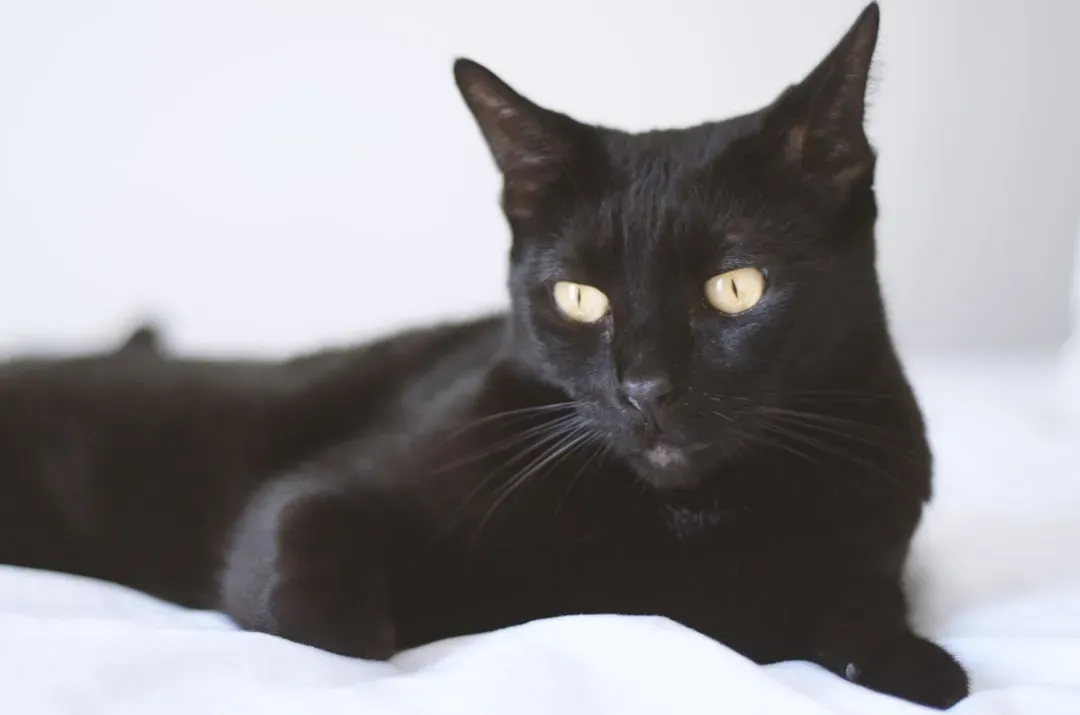
The Bombay cat breed looks dark and mysterious like a jaguar but is much more affectionate, though they are a bit sensitive, often startled by loud noises and sudden noises in general, and might lash out in fear when it hears a noise that startles them. Their sleek black coats give them an intimidating appearance, and their fear-based reactions can make them seem more aggressive than they really are.
These cats need calm, predictable environments to thrive. Loud households with unpredictable schedules can turn a Bombay into a nervous wreck who hisses at every sudden sound. They’re not mean-spirited, just easily overwhelmed, and they use hissing as their primary defense mechanism.
Maine Coon Cats
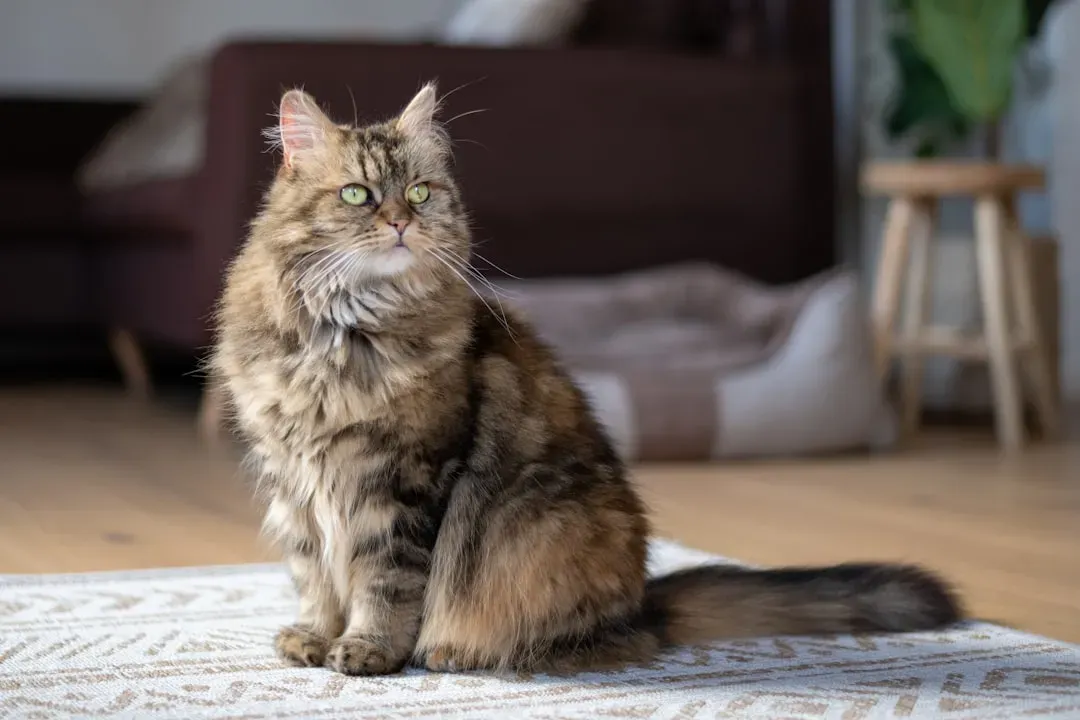
While often called gentle giants, Maine Coons aren’t immune to aggressive episodes, especially when their space is threatened, and these large, majestic cats are typically friendly but can be fiercely territorial around other pets, and may hiss, growl, or swat if they feel like their domain is being encroached upon. Their size alone makes their aggressive displays more intimidating than those of smaller breeds.
Despite their reputation as friendly giants, Maine Coons can be surprisingly protective of their territory. They might tolerate other pets initially but draw hard lines when it comes to food bowls, favorite sleeping spots, or their human’s lap. Their vocalizations are deep and impressive, and when paired with their substantial size, even a warning hiss carries serious weight.
Conclusion
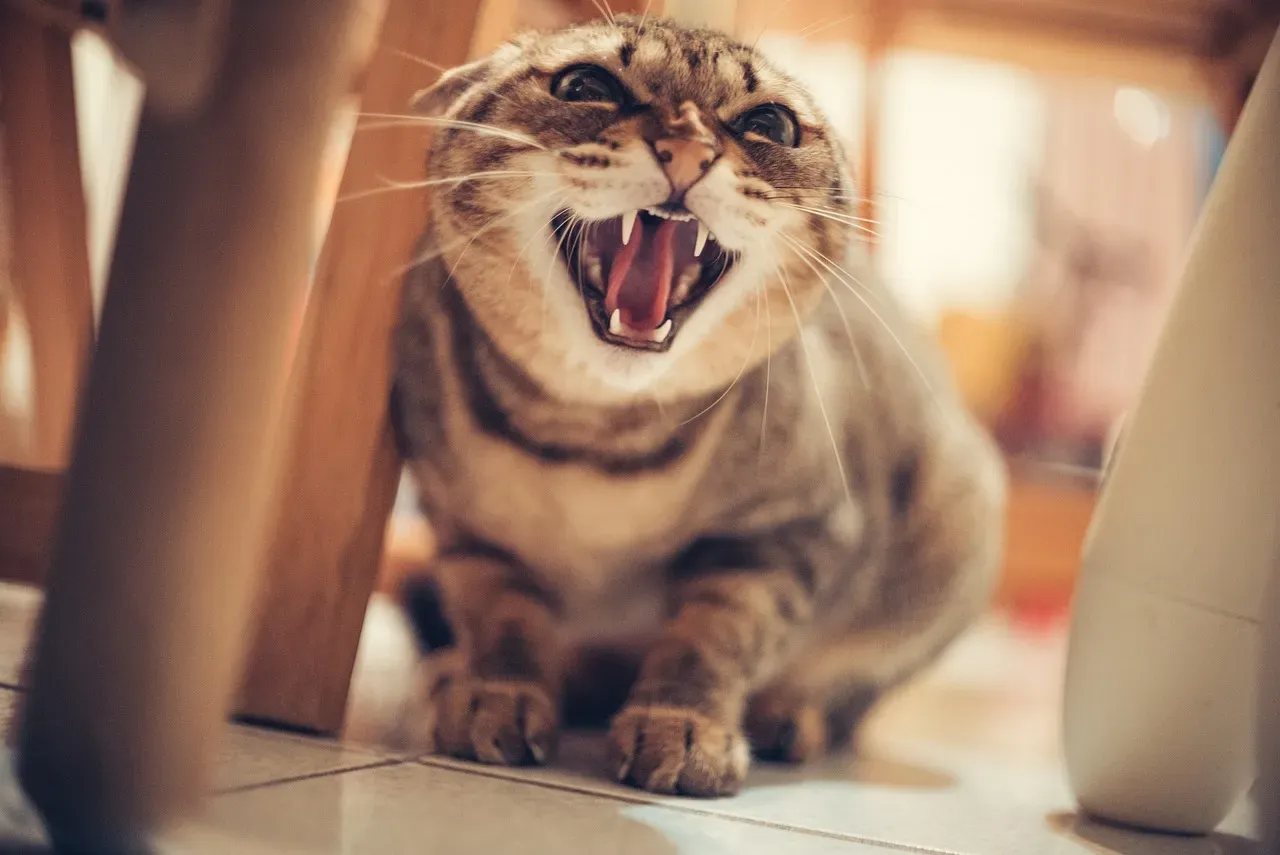
Understanding that certain breeds are more prone to snapping and hissing doesn’t mean they’re bad cats. It just means they need owners who respect their boundaries, recognize their triggers, and provide appropriate outlets for their energy and instincts. These breeds often make incredibly loyal, intelligent companions when their needs are met and their personalities are properly understood.
The key is matching the right cat with the right home environment. If you’re considering one of these breeds, be prepared for a cat with strong opinions and even stronger reactions when those opinions are ignored. What’s your experience with feisty felines? Have you found ways to live peacefully with a cat who doesn’t hesitate to hiss?
Kristina is a young writer from India. An arts graduate and an avid content creator, Kristina is passionate about animals and wildlife. She enjoys exploring topics related to pet care, animal behavior, conservation, and nature, combining thorough research with engaging storytelling.