Choosing a feline companion is supposed to be one of life’s simple joys. You imagine peaceful afternoons with a purring friend curled up beside you, maybe the occasional playful swat at a feather toy. especially, cats can bring tremendous comfort and companionship during retirement years. The independent reputation of cats makes them seem like the perfect low-maintenance pet.
Here’s the thing though. Not all cat breeds are created equal when it comes to being compatible with a senior’s lifestyle. Some require exhausting levels of energy, others demand grooming sessions that would challenge a professional stylist, and certain breeds simply won’t take no for an answer when they want attention. Let’s be real, if you’re looking to enjoy your golden years without being bossed around by a furry dictator or spending hours each day maintaining a complicated coat, you’ll want to know which breeds to avoid.
1. Persian: The Beauty Queen Who Demands Daily Maintenance
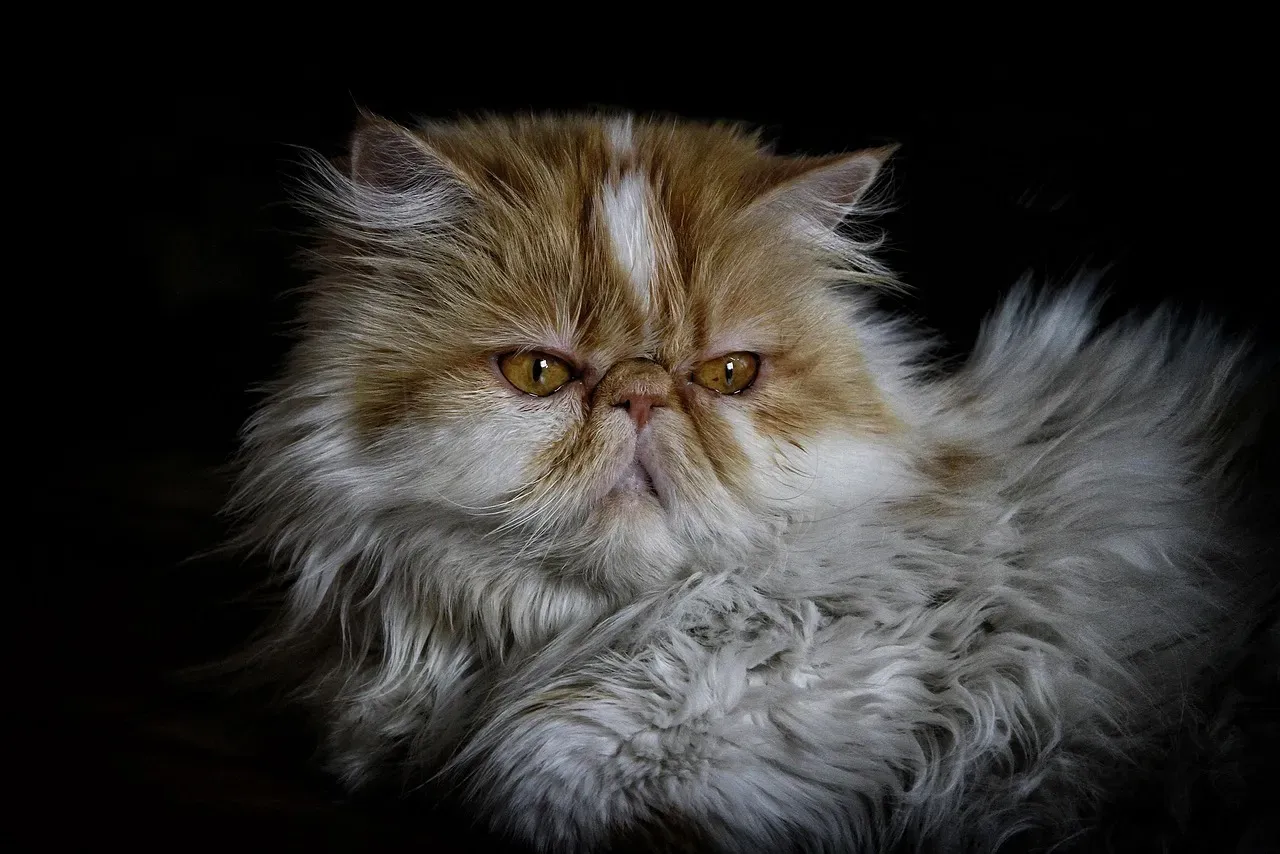
Persians are adorable balls of fluff and one of the world’s oldest breeds, which makes them incredibly popular. Their luxurious long coat demands daily grooming to prevent mats and tangles. This isn’t a quick brush-through either.
You’re looking at a serious time commitment every single day, and honestly, skipping even one session can result in painful matting that requires professional intervention. Persians are prone to kidney and heart conditions, and because of their short, flatter face, they struggle to breathe properly, with many getting short of breath quickly. Their health issues alone can mean frequent vet visits and mounting medical bills that put strain on a fixed income.
2. Bengal: The Wild Child With Unstoppable Energy
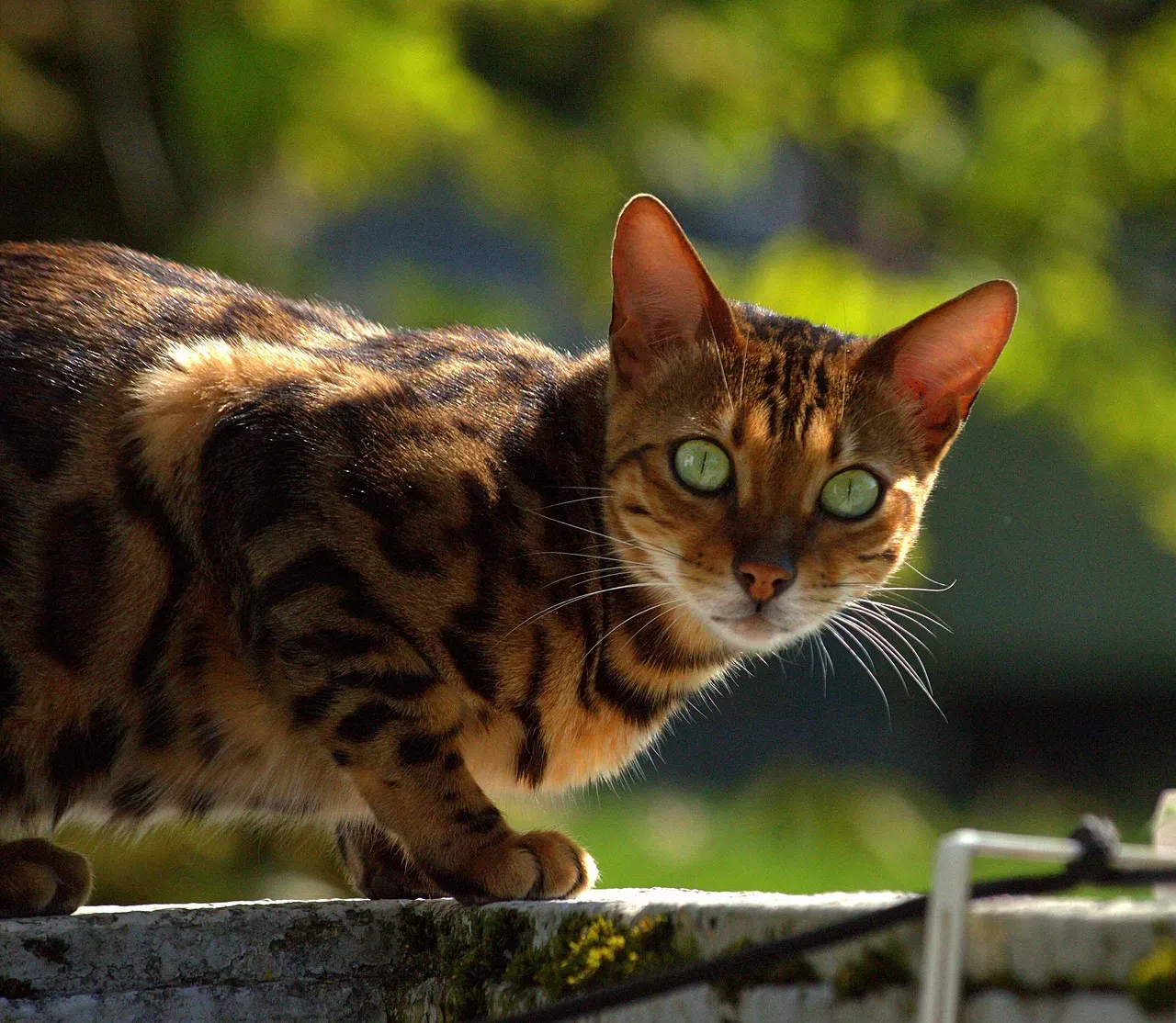
Bengal cats are strikingly beautiful but incredibly high-maintenance, requiring constant mental stimulation and physical activity. These aren’t your typical lap cats who’ll sleep the day away. They’re prone to destructive behaviors if bored, and their wild ancestry makes them challenging to control, needing specialized diets, large spaces to roam, and owners who can match their intense energy levels.
Picture a cat that literally never stops moving. If you can’t dedicate multiple hours each day to interactive play and mental challenges, a Bengal will tear your home apart out of sheer boredom. They’re basically the extreme athletes of the cat world, and let’s face it, that’s not what most seniors are signing up for.
3. Siamese: The Vocal Attention Monopolizer
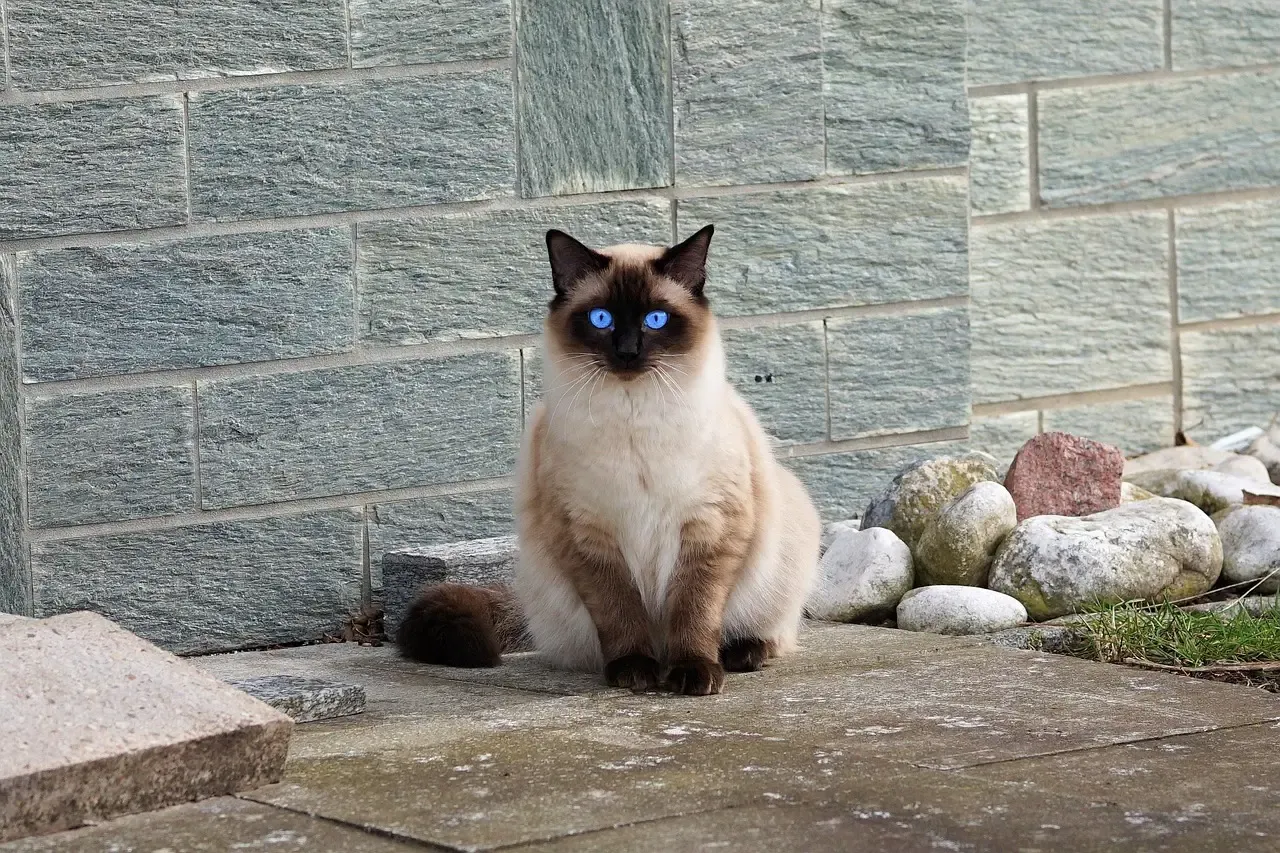
Siamese cats can be aggressive toward other pets due to jealousy, becoming needy and clingy. Siamese cats are famous for their striking appearance and engaging personalities, but they have very high social needs, are highly vocal and crave constant interaction.
We’re talking about nonstop meowing, chirping, and basically narrating their entire existence. These cats are not happy when left alone for extended periods and can become anxious or demanding, requiring mental stimulation and companionship vital to their wellbeing. If you value peace and quiet, or need time to yourself without a cat screaming for your attention, the Siamese is absolutely not for you.
4. Sphynx: The Hairless Drama King
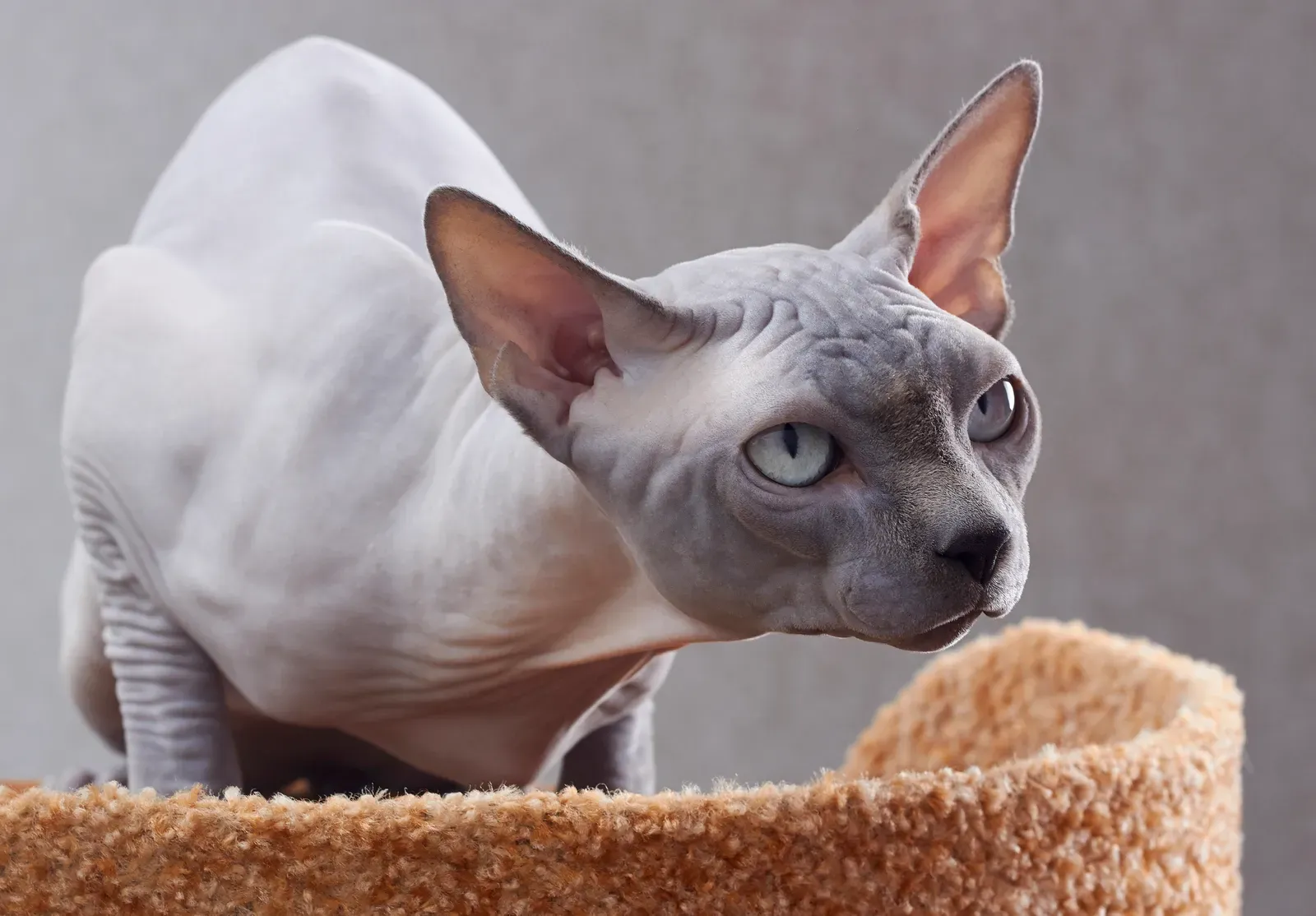
While the Sphynx might seem appealing because there’s no shedding to deal with, that’s where the easy part ends. Sphynx cats need regular bathing to remove the buildup of oils on their skin, which can otherwise cause skin problems. They are more sensitive to temperature extremes due to their lack of fur, have a higher metabolism and may require more food than other cats to maintain their energy levels.
Think about wrestling a cat into a bath weekly, keeping your home at the perfect temperature year-round, and monitoring their food intake constantly. Sphynx cats are very social and demand a lot of attention and interaction from their pet parents. They’re essentially high-maintenance toddlers wrapped in warm, peach-fuzz skin.
5. Maine Coon: The Gentle Giant With a Weight Problem
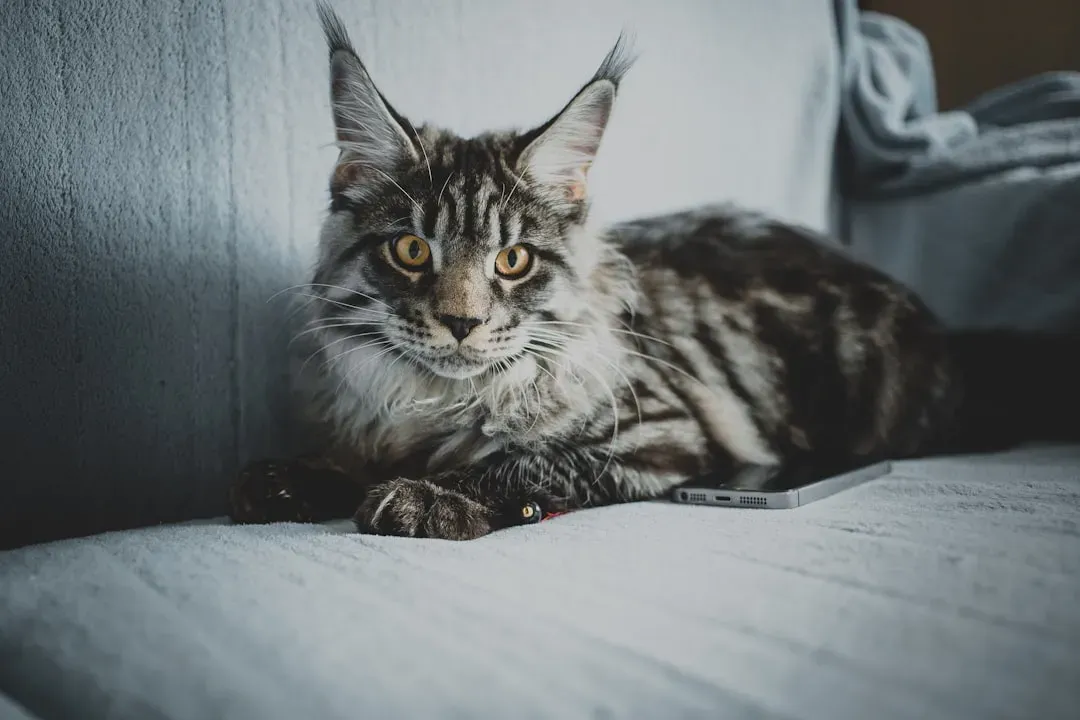
Maine Coons have wonderful personalities and are often recommended as therapy cats, which initially makes them sound perfect. The problem? They are built very sturdy, which means they tend on the heavier side, which can present challenges looking to pick up and snuggle with their cat. Maine Coons are one of the largest domesticated cat breeds, known for their thick fur coats and tufted ears that require regular grooming, engaging in moderate to high levels of activity.
Imagine trying to lift a cat that weighs close to twenty pounds onto your lap or the vet’s examination table. Their sheer size combined with daily brushing requirements to maintain that gorgeous coat makes them physically demanding. with arthritis or limited strength, this becomes a real challenge rather than a joy.
6. Devon Rex: The Mischievous Attention Seeker
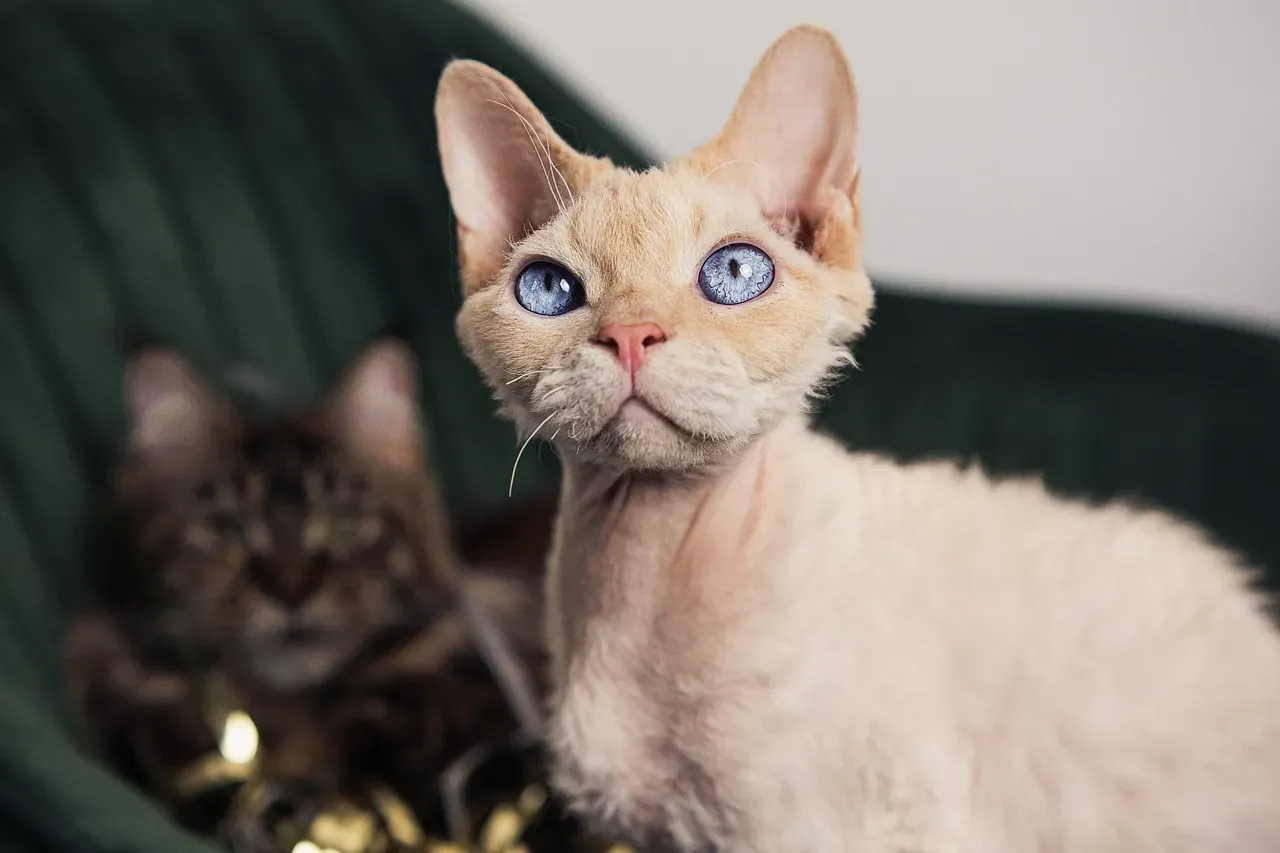
The Devon Rex is a medium-sized cat with a wedge-shaped head, giant ears, and large eyes, with curls extending to their whiskers, needing a huge level of input from their owners to curtail destructive behavior. Devon rexes have energetic, cheeky, and mischievous natures and their intelligence means they can be trained to respond to commands.
A person must be prepared to be owned by a Devon, as they will eat with you, sleep with you, and perch cozily on your shoulder while you are on the computer or reading. If you wanted a cat who respects personal boundaries, keep looking. These curious troublemakers will be involved in absolutely everything you do, whether you like it or not.
7. Balinese: The Demanding Long-Haired Drama Queen
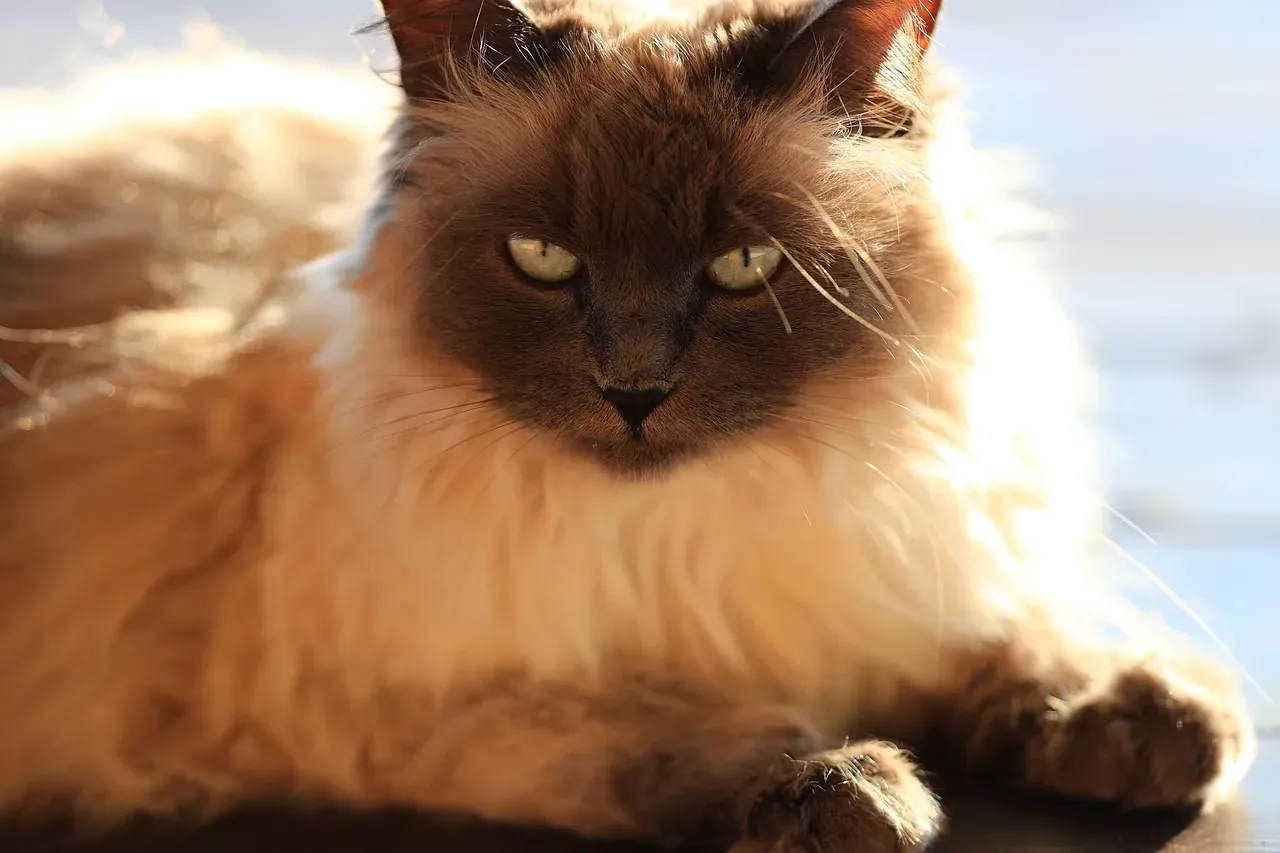
Balinese cats demand a lot of attention and get into mischief so should not be left alone for long periods of time, and are also prone to progressive retinal atrophy, mediastinal lymphoma, and systemic amyloidosis. The health concerns alone are worrying, honestly.
The Balinese is a long-haired breed closely related to the Siamese and is a great fit for families, including those with children, but that doesn’t mean they’re great . They demand attention constantly and become destructive when they don’t get enough. You’re basically dealing with the Siamese’s demanding personality wrapped in a coat that requires constant grooming.
8. Turkish Angora: The High-Energy Acrobat
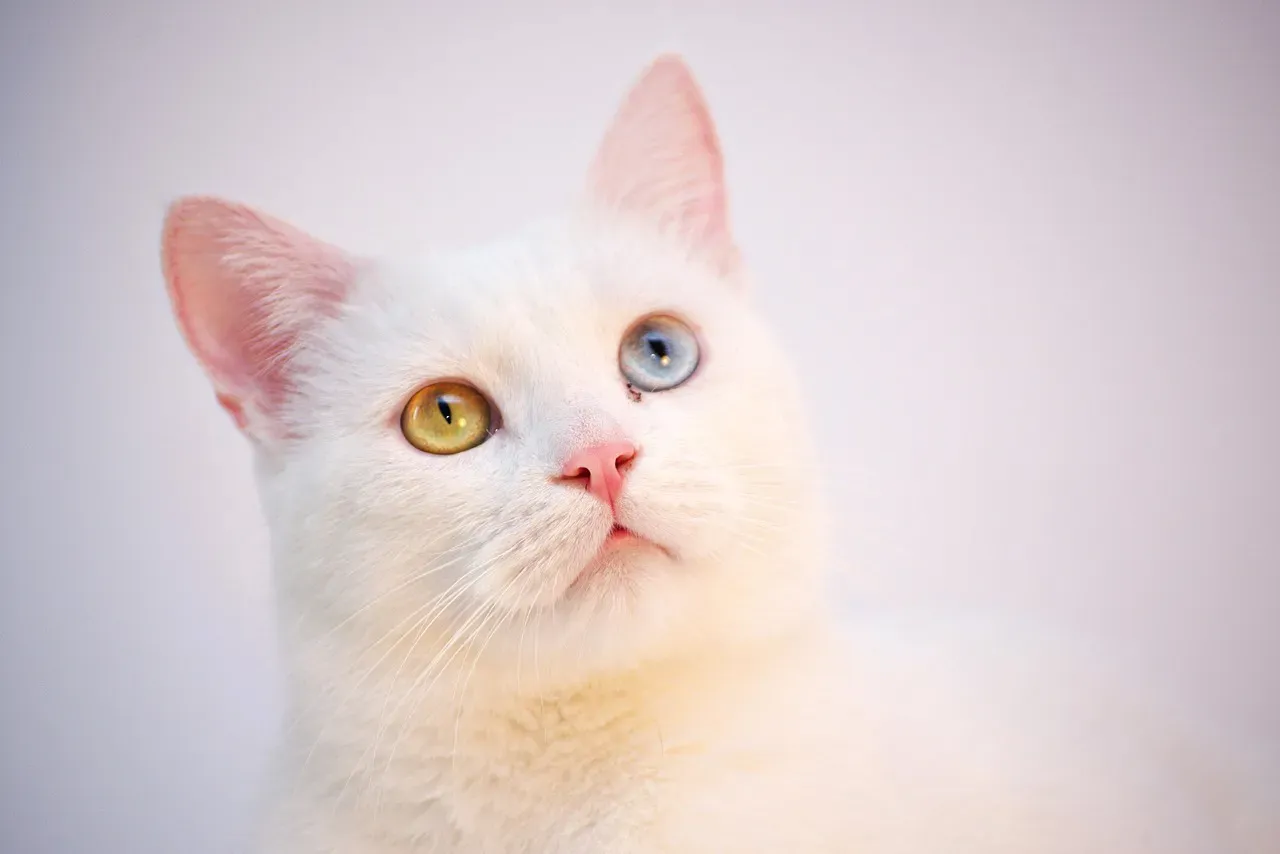
The W gene responsible for their white coat and blue eyes can cause problems with deafness in Turkish angora cats, and the breed is very active, requiring high-quality calories to maintain their energy levels and overall health with premium foods where the main ingredients are real meats. These cats aren’t content to lounge around.
They’re climbers, jumpers, and explorers who need constant stimulation and specialized nutrition. Potential health issues like deafness and heart problems add another layer of concern. on a budget or with limited mobility, keeping up with a Turkish Angora’s dietary needs and activity requirements becomes exhausting rather than enjoyable.
9. Abyssinian: The Hyperactive Shadow
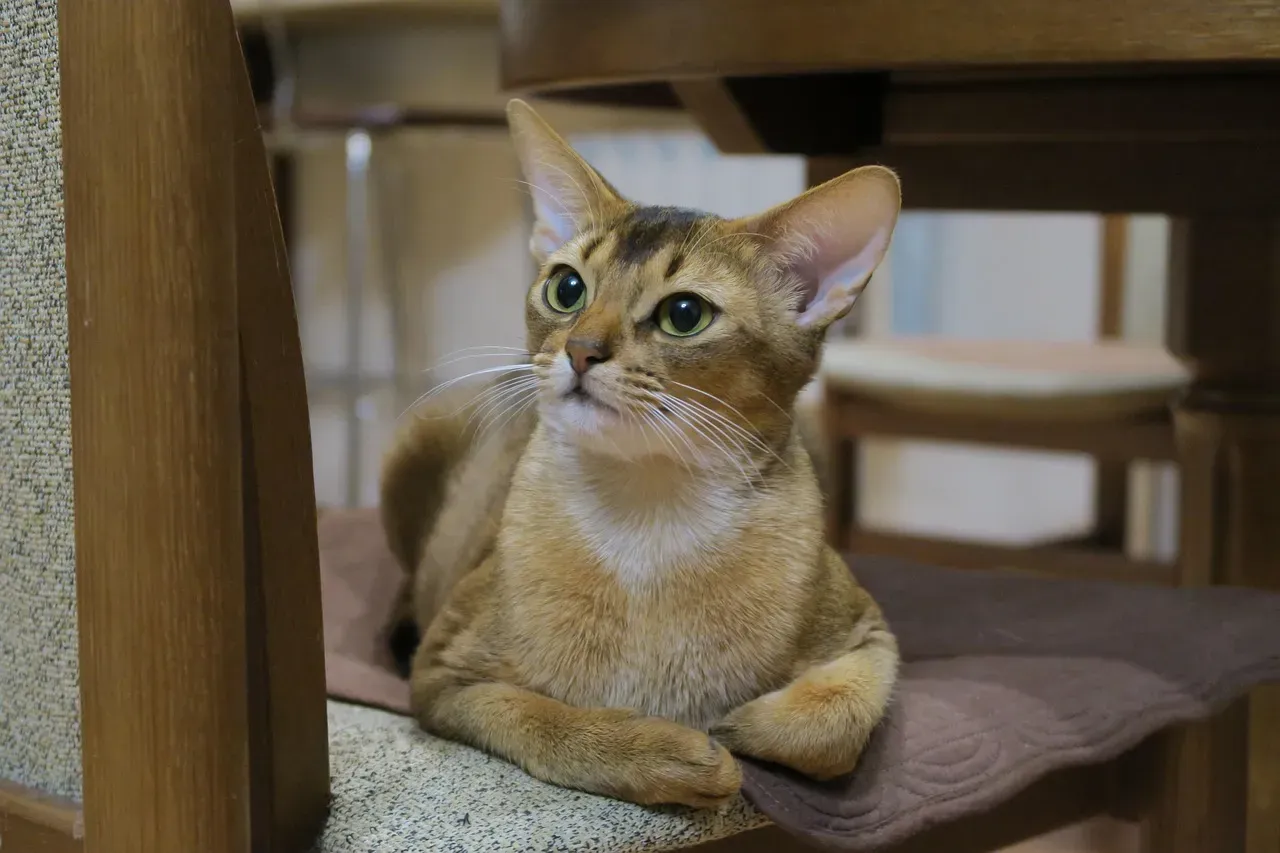
The Abyssinian is an intelligent and friendly cat breed that loves to stay close to their owners, whether joining you in the kitchen, perching on your shoulder while you work, or snuggling during a movie night, and you’ll need to match their high energy levels. Sounds sweet until you realize what that actually means day to day.
The Abyssinian’s constant companionship and wild adventures make them one of the most loving and engaging cat breeds, but that’s code for “you will never have a moment of peace.” If you wanted to read a book quietly or take a nap without a cat launching themselves at you every five minutes, this breed will test your patience. They live every minute to the fullest, which is exhausting when you’re trying to live your retirement years at a slower pace.
10. Egyptian Mau: The Control Freak
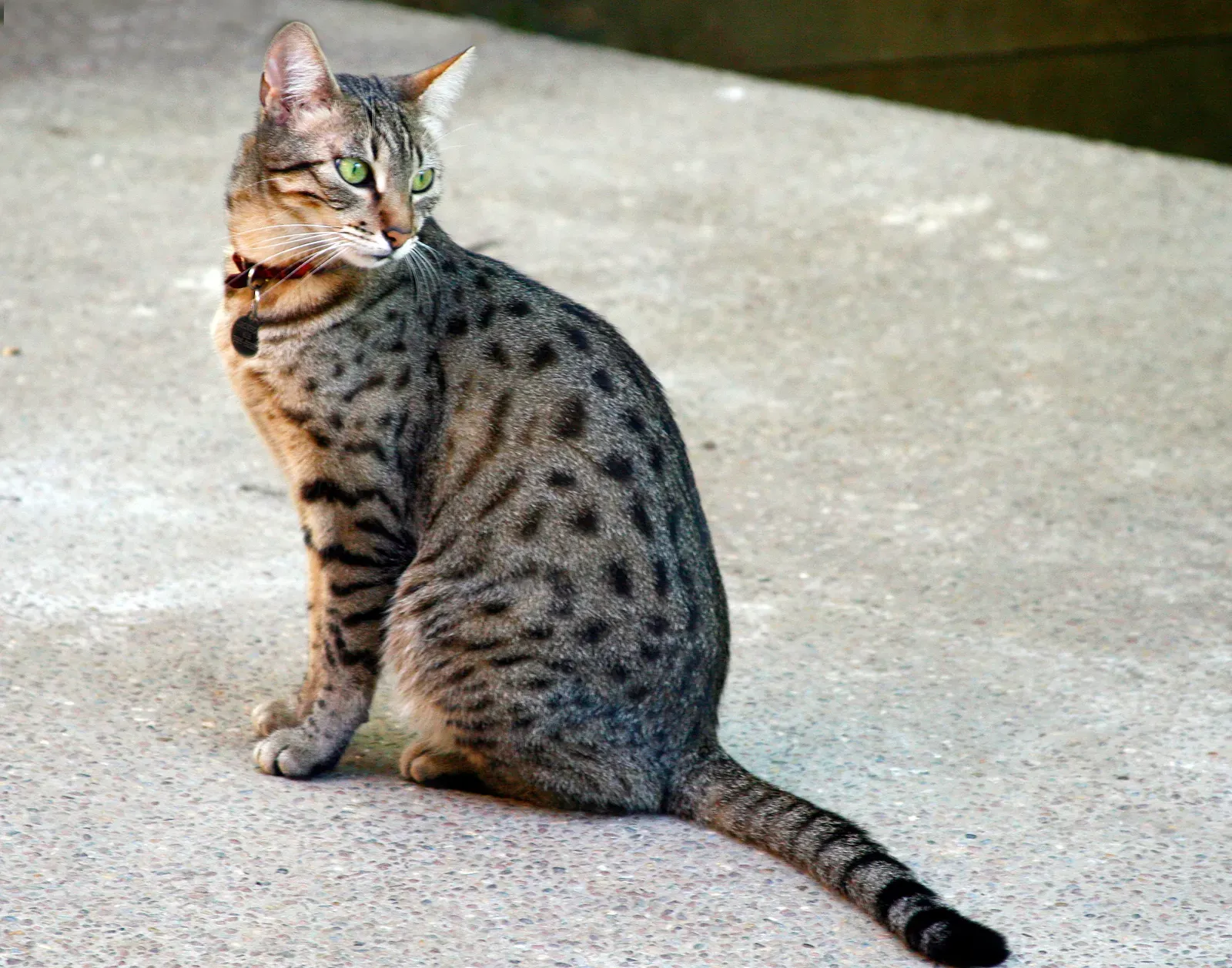
This intense breed wants to be “the center of your world,” and a typical Egyptian mau will “command your attention,” not allowing owners to push it away. Most Egyptian Maus have very distinct ideas about who can handle them and when, being sensitive, people-oriented cats, but they like things on their terms.
These beautiful spotted cats essentially run the household on their schedule, not yours. They decide when you can pet them, when you can’t, and when they need your undivided attention. For a senior hoping for a companionable, flexible pet, the Egyptian Mau’s demanding and controlling nature quickly becomes frustrating. They’re gorgeous to look at, sure, but living with one means you’re constantly walking on eggshells trying to please a furry dictator.
Conclusion
Selecting the right cat breed for your senior years truly matters for your quality of life. While these ten breeds each have devoted fans who adore their unique characteristics, they simply demand too much time, energy, money, or patience for most seniors to handle comfortably. The grooming marathons, constant attention-seeking, high energy levels, and potential health complications create stress rather than the peaceful companionship most people seek in retirement.
There are plenty of wonderful, lower-maintenance breeds out there that can provide all the love and comfort without the exhausting demands. Consider visiting your local shelter where you might find a calm, mature cat whose personality you can assess before committing. What’s your experience been with high-maintenance cat breeds? Did any of these surprise you?
Kristina is a young writer from India. An arts graduate and an avid content creator, Kristina is passionate about animals and wildlife. She enjoys exploring topics related to pet care, animal behavior, conservation, and nature, combining thorough research with engaging storytelling.