Have you ever stopped to wonder if your furry companion is doing more for you than just being adorable? You’re not alone. Most people bring cats into their homes thinking they’re simply adding a cuddly presence to their living space. Yet there’s something deeper happening beneath the surface.
Your cat might be one of the best health investments you’ve ever made. While you’ve been busy feeding them, cleaning their litter box, and snapping endless photos of their antics, they’ve quietly been working behind the scenes to improve your physical and mental well-being. Let’s be honest, it sounds almost too good to be true. A pet that makes you healthier just by existing in your space?
Your Heart Gets Stronger Protection Than You Think
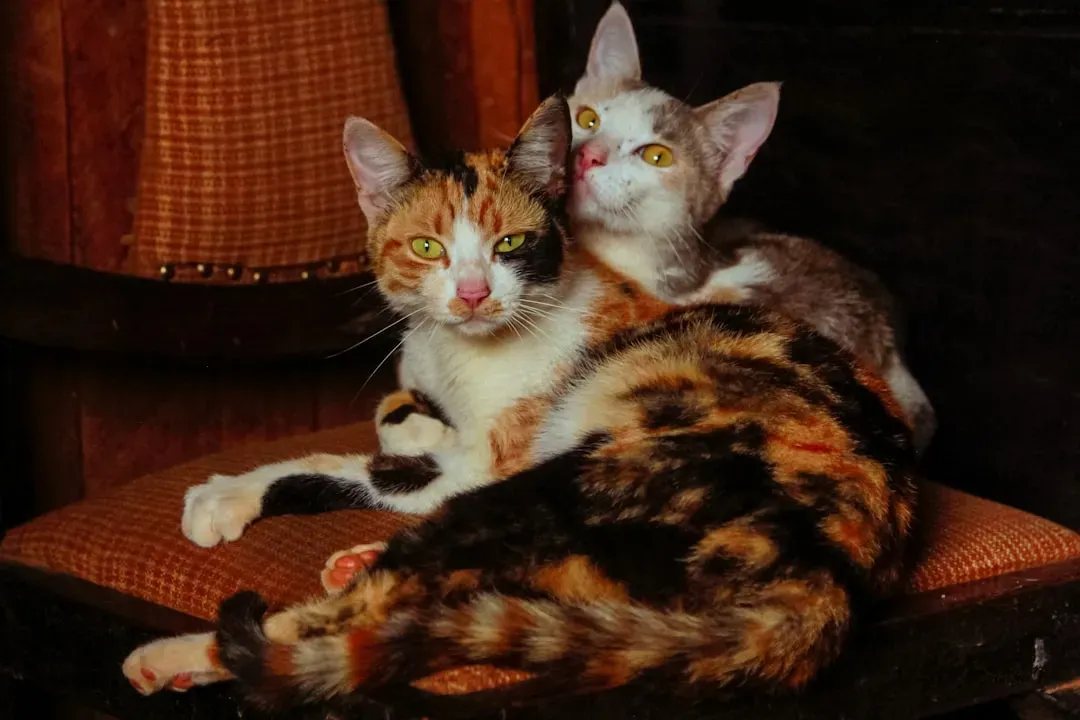
Research has revealed something remarkable about cat ownership and cardiovascular health. When scientists tracked thousands of participants over two decades, they found that people who owned cats had a significantly lower risk of dying from heart attacks compared to those who never owned cats. The protection extends beyond just heart attacks too.
Studies have demonstrated that being close to cats relieves stress, which reduces the risk of cardiovascular disease. The time you spend with your feline friend can reduce the possibility of various heart diseases and stroke by approximately 30 percent. Think about that for a moment. Your cat lounging on your lap while you watch television might be actively lowering your risk of a major cardiovascular event. It’s hard to say for sure exactly how this works, but the connection between cat companionship and heart health is becoming increasingly clear to researchers.
Stress Melts Away Faster With Feline Companionship
When researchers monitored people during stressful tasks like solving difficult math problems, cat owners demonstrated lower resting heart rates and blood pressure before the tasks even began. During the challenges, they were more likely to feel challenged than threatened, maintained lower vital signs, and even made fewer errors. The calming presence of a cat seems to create a buffer against life’s daily pressures.
Snuggling your cat can reduce cortisol levels in your body, the stress hormone that contributes to numerous health problems. Some studies suggest that just spending time with your cat can even lower your heart rate and blood pressure. When you’ve had a terrible day at work and come home to your cat purring beside you, something physiological is actually shifting inside your body. Your nervous system is recalibrating, bringing you back to a more balanced state.
You Experience Less Anxiety and Depression
A 2021 study found that pet parenthood in general may be linked to fewer symptoms of anxiety and depression. Researchers who interviewed cat parents discovered that most activities people did with their cats increased feelings of enjoyment and provided feelings of purpose. Caring for a cat helped people lower levels of stress, better manage their emotions, and even increased their ability to handle difficult life circumstances.
Your cat provides something essential that many people struggle to find: a sense of being needed. When you’re feeling low, your cat still depends on you for food, water, and affection. That daily routine creates structure and meaning. Cats lower anxiety by making you feel loved, giving you a sense of calm and closeness, and allowing you to self-soothe through petting, sharing moments together, and listening to them purr. Honestly, there’s something deeply comforting about a creature who seeks out your presence simply because they enjoy being near you.
The Purring Sound Creates Genuine Healing Effects
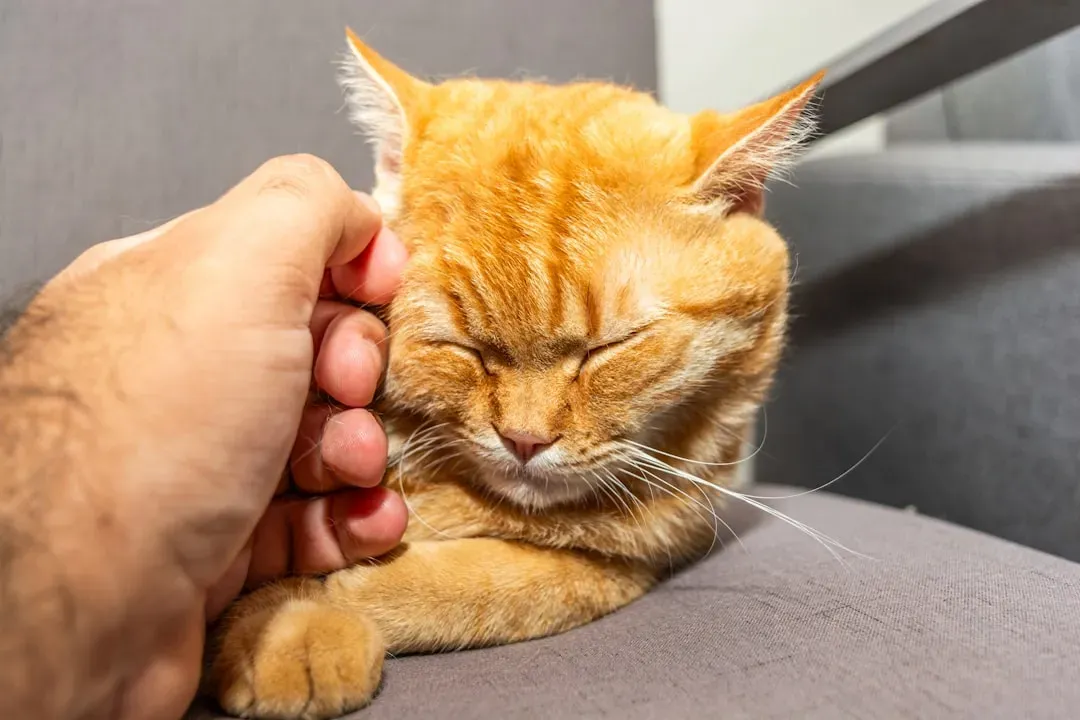
Here’s where things get truly fascinating. The frequency of cat purring falls between 25 and 150 Hertz, the same range as vibrational and electrical frequencies that are used in clinical settings to treat pain and injuries. Your cat isn’t just making a pleasant sound when they purr contentedly beside you.
A cat purrs within a range of 20-140 Hz which is known to be medically therapeutic for illnesses in humans. A cat’s purr can not only lower stress but can also help labored breathing, lower blood pressure, help heal infections, and even heal bones. I know it sounds crazy, but the vibrations your cat produces might actually be promoting physical healing in your body. The ancients may have known something we’re only now rediscovering through modern science.
Your Children May Develop Stronger Immune Systems
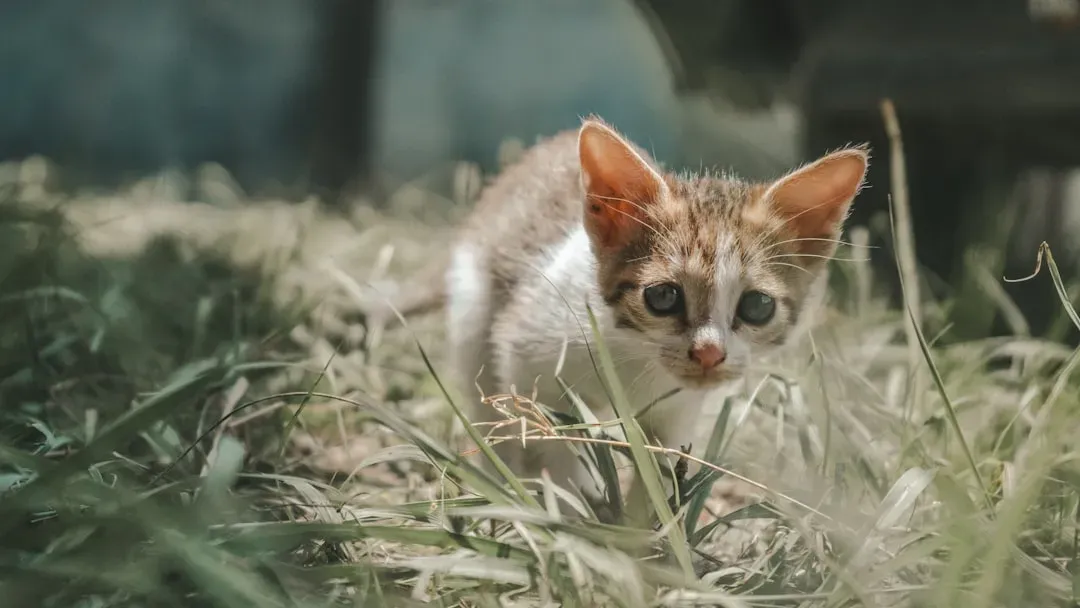
While cat hair is often cited as one of the most common allergens, if a child is surrounded by cats in the first few years of their life, they are more likely to develop an immune system that fights not only allergies caused by cats, but also other types of allergens. This flies in the face of conventional wisdom that told parents to avoid pets if they wanted to protect their children from allergies.
Research has found that children exposed to cats were less likely to develop egg, wheat and soybean allergies. Children who live with cats or dogs during fetal development and early infancy may be less likely than other kids to develop food allergies. The exposure needs to happen early when the immune system is still developing, but the protective effects can last for years. Your decision to have a cat in your home might be giving your children an immunological advantage that extends far beyond just tolerating pet dander.
You Build Better Social Connections
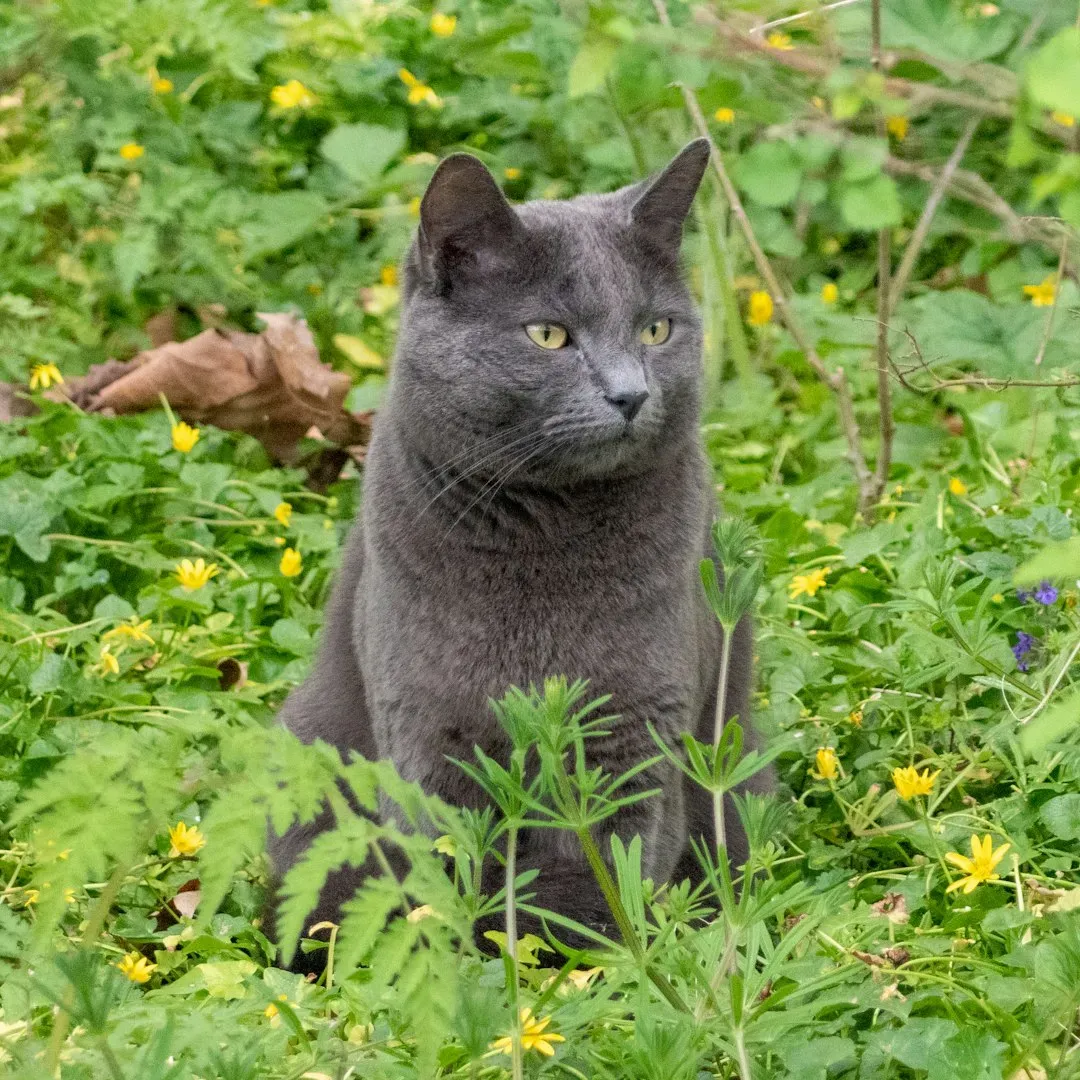
Research has shown that cat owners are more socially sensitive and trust others more. When someone makes you feel good, it improves your ability to be kind and generous to others. Cats play the role of a kind of social catalyst, starting conversations and providing common topics with others. Think about how many times you’ve bonded with someone over shared stories about your pets.
Your cat gives you something to talk about in social situations where you might otherwise feel awkward. They provide neutral ground for connection. Cat ownership creates an instant community of fellow cat lovers who understand the quirks and joys of living with these independent creatures. You’re part of a global network of people who get it, who laugh at the same absurd cat behaviors, and who share advice about everything from litter box solutions to the best toys.
Physical Touch and Affection Become Part of Your Routine
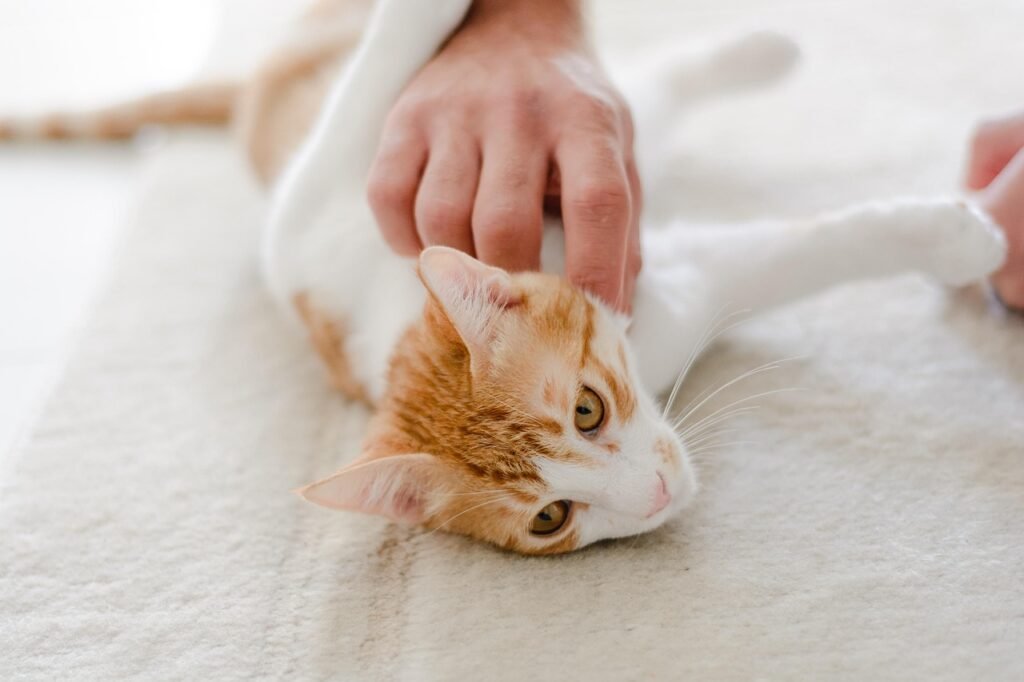
Research found that petting or cuddling with a cat for just 10 minutes relieved stress and improved students’ moods. For people who live alone or don’t have regular physical contact with others, cats provide essential touch that humans need to thrive. Your cat doesn’t judge you, doesn’t ask questions about your day, and doesn’t require you to perform emotionally.
They simply curl up against you and accept your affection. That simple act of stroking soft fur, feeling the warmth of another living being, and hearing the rumble of contentment can fulfill a biological need for connection. Many people don’t realize how touch-starved they are until they have a cat who regularly seeks them out for petting. The physical contact helps regulate your nervous system in ways that talking or thinking simply cannot achieve.
You Develop More Routine and Purpose in Daily Life
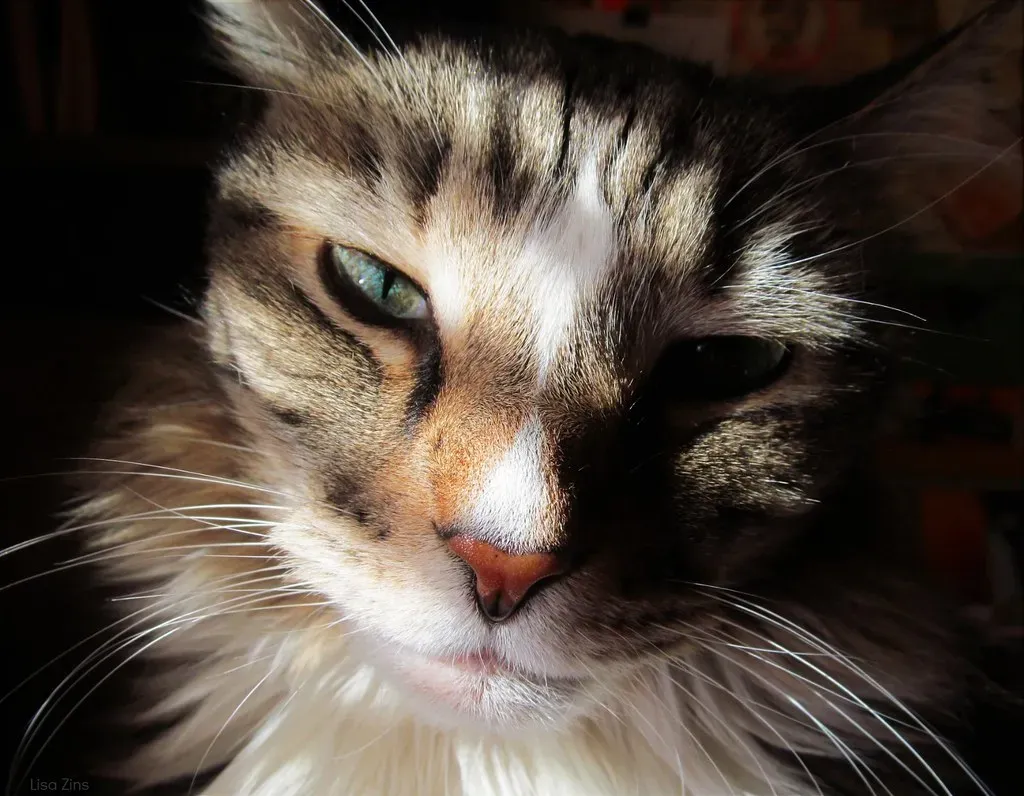
Cats thrive on routine, and by extension, so do you. When you have a cat, you’re responsible for feeding them at regular times, keeping their water fresh, and maintaining their litter box. These simple tasks create structure in your day. For people dealing with depression or other mental health challenges, that structure can be lifesaving.
You can’t just stay in bed all day when your cat is meowing for breakfast. You have a reason to get up, to move, to engage with the world even when you don’t feel like it. The purpose that comes from caring for another living creature shouldn’t be underestimated. Most activities people did with their cats increased feelings of enjoyment and provided feelings of purpose. Your cat depends on you, and that dependence creates meaning.
Your Blood Pressure Stays More Stable

Research found that people with pets had significantly lower resting baseline heart rates and blood pressure, significantly smaller increases in heart rate and blood pressure in response to stress, and faster recovery of these parameters to baseline after cessation of stress. Your cardiovascular system literally responds differently to challenges when you live with a cat.
A 1992 Australian study analyzing over 5,700 people found that pet owners had significantly lower systolic blood pressures than people who did not own any pets. A 2002 study of 240 married couples found that both systolic and diastolic blood pressures were significantly lower in those who owned a dog or cat. Lower blood pressure means less strain on your heart, arteries, and organs over time. It’s a gift your cat gives you every day simply by sharing your space and your life.
You May Experience Better Recovery From Illness
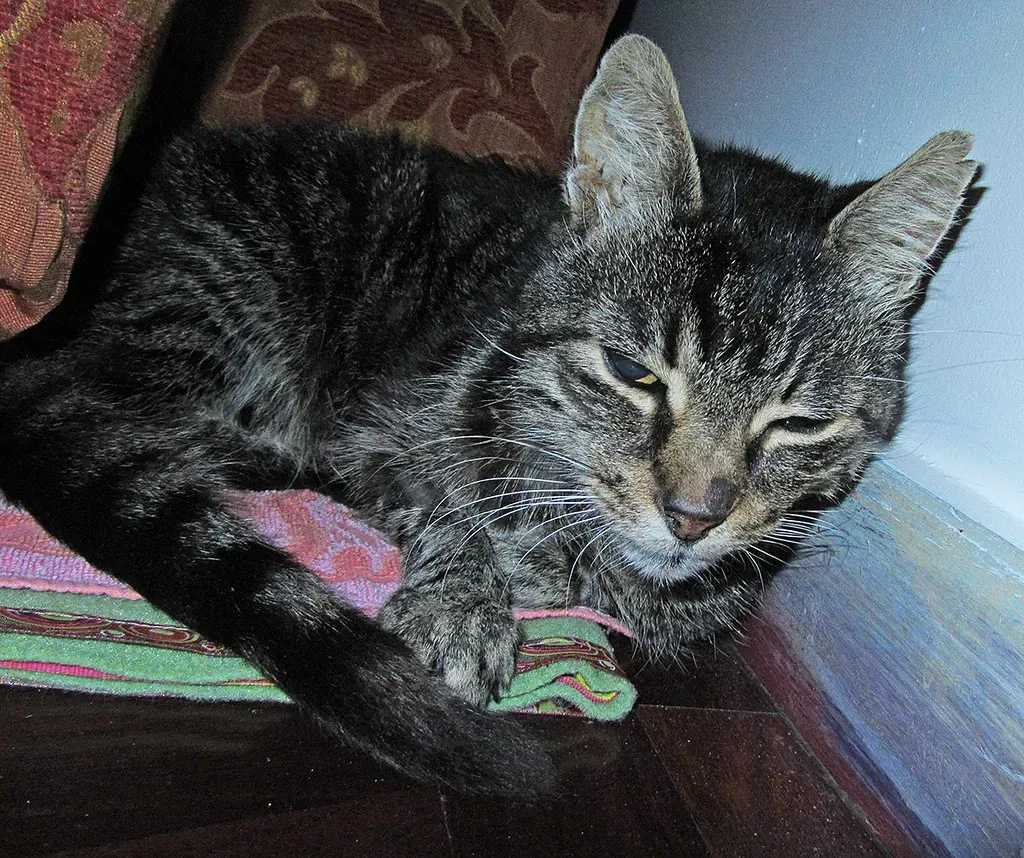
Pet owners with medical heart conditions had higher survival rates after one year of follow-up. Post-analysis of research demonstrated lower mortality at one year after recruitment with pet ownership. While cats aren’t a substitute for medical treatment, their presence seems to support healing in measurable ways.
Cats are important for mental and physical health because they can calm you down, reduce stress levels, and provide companionship. They serve as therapy animals in many settings including schools, hospitals, and rehabilitation centres. When you’re recovering from surgery, dealing with chronic illness, or managing a health condition, your cat’s presence provides emotional support that translates into physical benefits. They keep you company during difficult times without demanding anything in return except basic care and affection.
Recovery often feels lonely and isolating. Your cat breaks that isolation. They don’t care that you’re sick or moving slowly. They still want to be near you, and that acceptance can be incredibly healing. The routine of caring for them also keeps you engaged with life rather than retreating entirely into illness. There’s something powerful about a living being who needs you even when you’re at your lowest.
Living with a cat transforms your daily experience in ways both obvious and subtle. From the measurable cardiovascular benefits to the less tangible sense of purpose and connection, your feline friend is working overtime to keep you healthy. The next time your cat interrupts your work by sitting on your keyboard or wakes you at dawn demanding breakfast, remember they’re also actively contributing to your longevity and quality of life. Not bad for a creature who spends most of their day napping. What’s been the biggest health benefit you’ve noticed since bringing your cat home?
Kristina is a young writer from India. An arts graduate and an avid content creator, Kristina is passionate about animals and wildlife. She enjoys exploring topics related to pet care, animal behavior, conservation, and nature, combining thorough research with engaging storytelling.