Choosing a cat for your family feels like such a joyous experience. The excitement of bringing home a fluffy companion, watching your children play with their new friend, hearing purrs echo through the hallway. But here’s the thing nobody really talks about openly: not every cat breed is cut out for the chaos that comes with kids.
Some felines simply don’t mesh well with the unpredictable energy, sudden movements, and enthusiastic affection that children naturally bring. I think we sometimes forget that cats, unlike dogs, have very specific boundaries and temperaments that don’t always align with a busy household. While individual personalities matter, certain breeds consistently show traits that make them less suitable for homes with young ones.
Bengal Cats: Wild Energy Meets Domestic Chaos
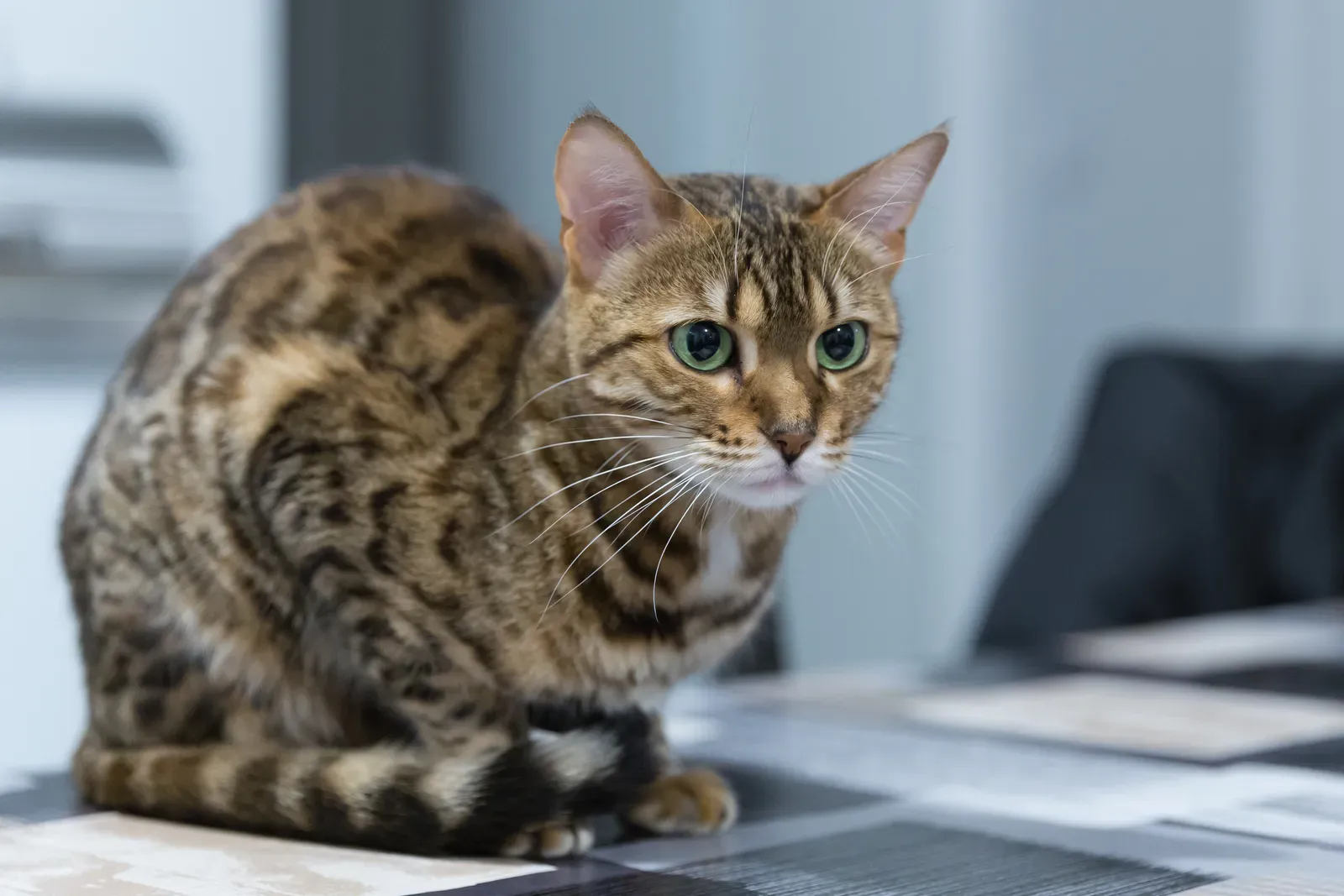
Bengal cats descend from crosses with the Asian leopard cat, particularly in early generations. They’re notoriously high maintenance and require substantial time investment to prevent aggressive behavior. Young children often can’t read the subtle cues these cats give before lashing out.
Behavioral issues like territorial spraying and play aggression are common when their needs aren’t met, and their wild heritage combined with high energy makes them exceptionally challenging for families with children. These cats need constant stimulation and space to roam. Let’s be real, most families with toddlers can barely keep the living room tidy, much less provide the kind of structured environment a Bengal demands.
Siamese Cats: The Jealous Attention Seekers
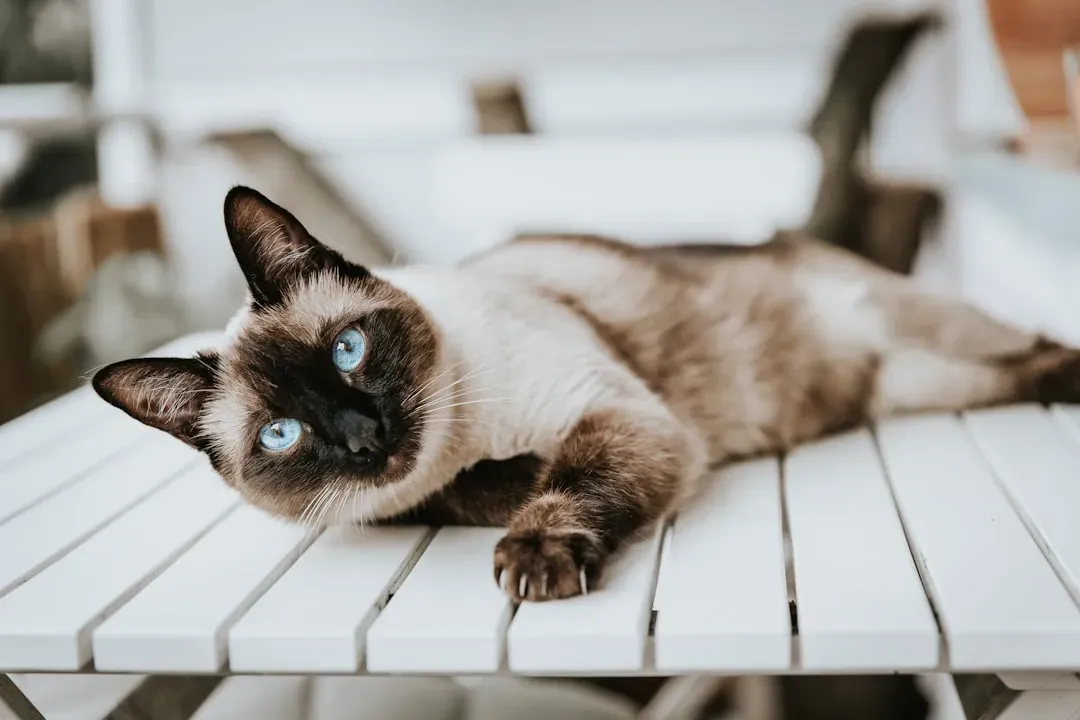
Siamese cats can exhibit aggressive tendencies, particularly largely due to their tendency to become extremely jealous of other pets and their needy, clingy nature as they become very attached to one person. Children naturally demand attention in a household, which can trigger territorial behavior in these vocal felines.
Known for their loud meows and affectionate nature, Siamese cats usually attach themselves to one person and can be easily upset by too much noise or rowdy playing. Honestly, if you’ve got multiple kids running around, this breed might spend half its time hiding or hissing. The constant need for attention combined with their intolerance for chaos creates a recipe for stress on both sides.
Sphynx Cats: High Maintenance Drama Queens
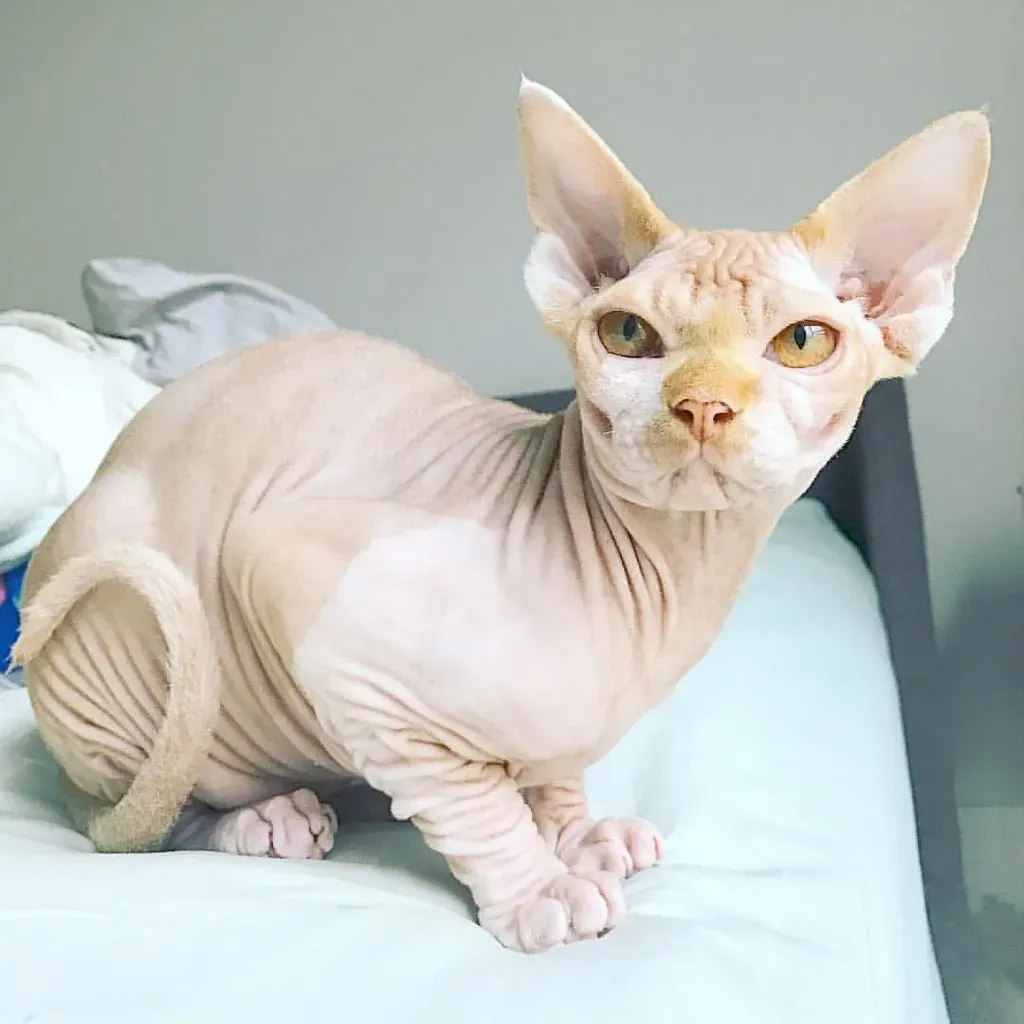
High intelligence coupled with low stimulation could result in a Sphynx that lashes out of boredom, making constant entertainment necessary to avoid aggressive tendencies. These hairless wonders demand to be the center of attention at all times. When they’re not getting what they want, tantrums ensue.
Kids might find their unusual appearance fascinating at first. The novelty wears off quickly when you realize these cats require specialized care and can become irritating when neglected. The Sphynx always wants to be the center of attention, and if they’re not getting the attention they desire, they will act out to get what they want. That’s a lot of drama for a household already managing bedtime routines and homework battles.
Scottish Fold Cats: Adorable But Territorial

Scottish Folds are quite sensitive to change and may become aggressive when new pets are brought home, they can be shy around babies and children, and they don’t like to share attention while being fond of rough petting. Those folded ears might look cute in photos, but behind that teddy bear face lies a surprisingly possessive personality.
Scottish Fold cats are gentle and affectionate but may be shy and reserved around strangers or loud noises, making them unsuitable for families with kids who might have friends over or engage in high-energy activities that may startle or stress the cat. A birthday party with screaming children? That’s basically a nightmare scenario for this breed.
Chausie Cats: Too Much Wild For Little Hands
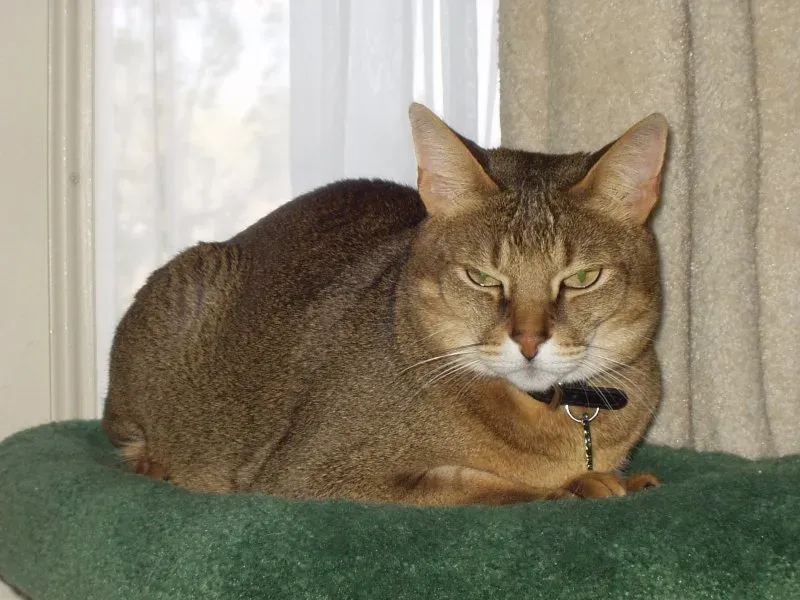
Families with small children should be wary of leaving this cat breed alone with their kids if they haven’t been taught how to handle cats with care and caution, as their roughhousing way of play and territorial behavior is something to keep an eye on with young ones. This hybrid breed retains too much of its wild jungle cat ancestry to be truly comfortable in a typical family setting.
The Chausie is incredibly large and energetic, and without proper socialization these cats may view small pets and even children as prey. It’s hard to say for sure, but I wouldn’t want to take that risk with my own kids. These cats need experienced owners who understand feline behavior deeply, not families just looking for a cuddly pet.
Turkish Van Cats: Space Invaders Not Welcome
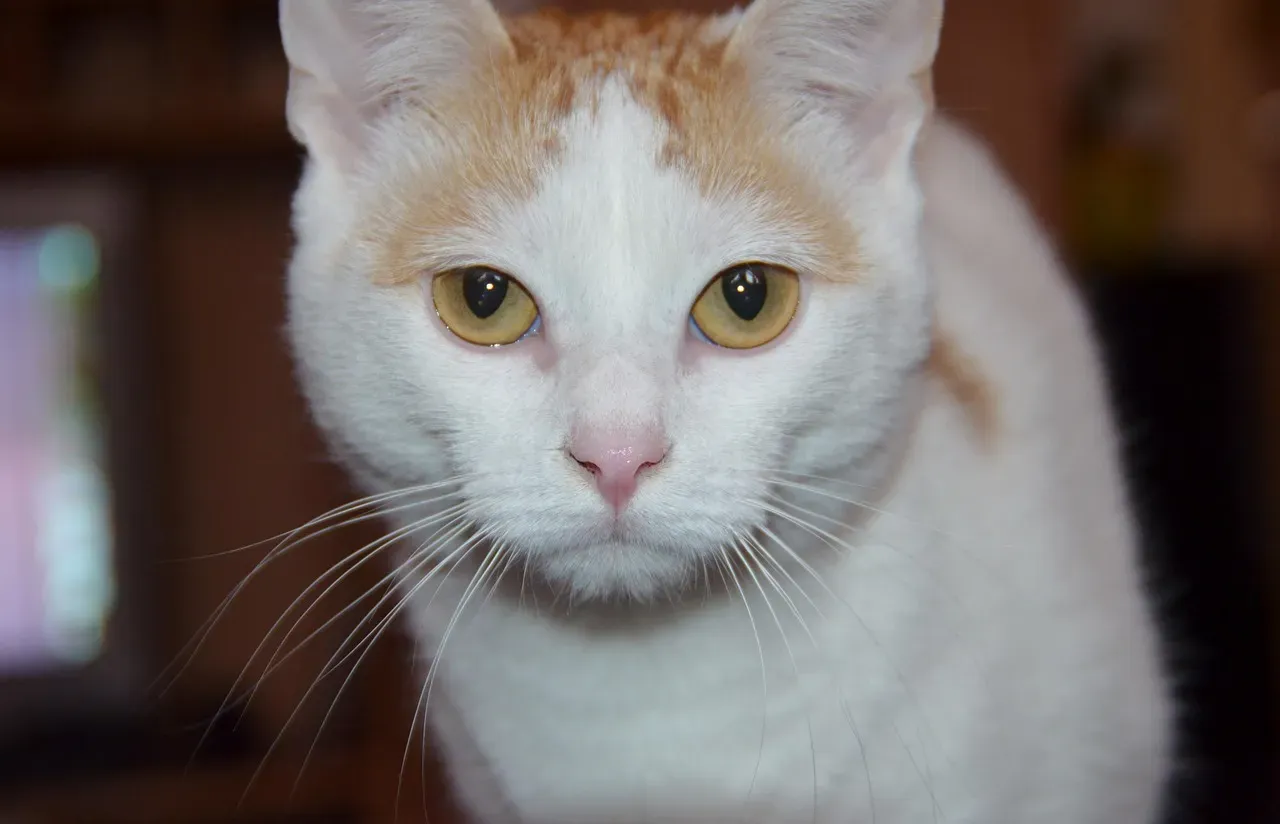
Turkish Vans are an affectionate breed but do not like to be cuddled or held for long periods of time, which small children may have trouble understanding, and they like their space respected and do not take well to unwarranted affection. Kids naturally want to squeeze and carry their pets around like stuffed animals. This breed absolutely will not tolerate that.
The Turkish Van is territorial and loves gazing out windows for hours, thriving on attention and pampering, but neglect can trigger behavior changes leading to potential aggression towards other pets or humans in your home. They demand respect for their boundaries, something most children under eight simply don’t have the impulse control to consistently provide.
Bombay Cats: Deceptively Feisty Felines

Bombays are known to be fearless and can display aggressive play, and despite their small-to-medium bodies they can be surprisingly forceful during playfights, requiring significant attention which when not met can manifest as aggressive tendencies. These miniature panther lookalikes pack more punch than their size suggests.
They’re not necessarily prone to aggressiveness but like to play rough, so expect scratches and bite marks, and they can lash out if spooked by loud noises or surprises, making them one of the worst cat breeds for families with small children. Small kids don’t understand the difference between playful roughhousing and actual danger. That learning curve could involve some painful lessons.
Finding The Right Fit For Your Family
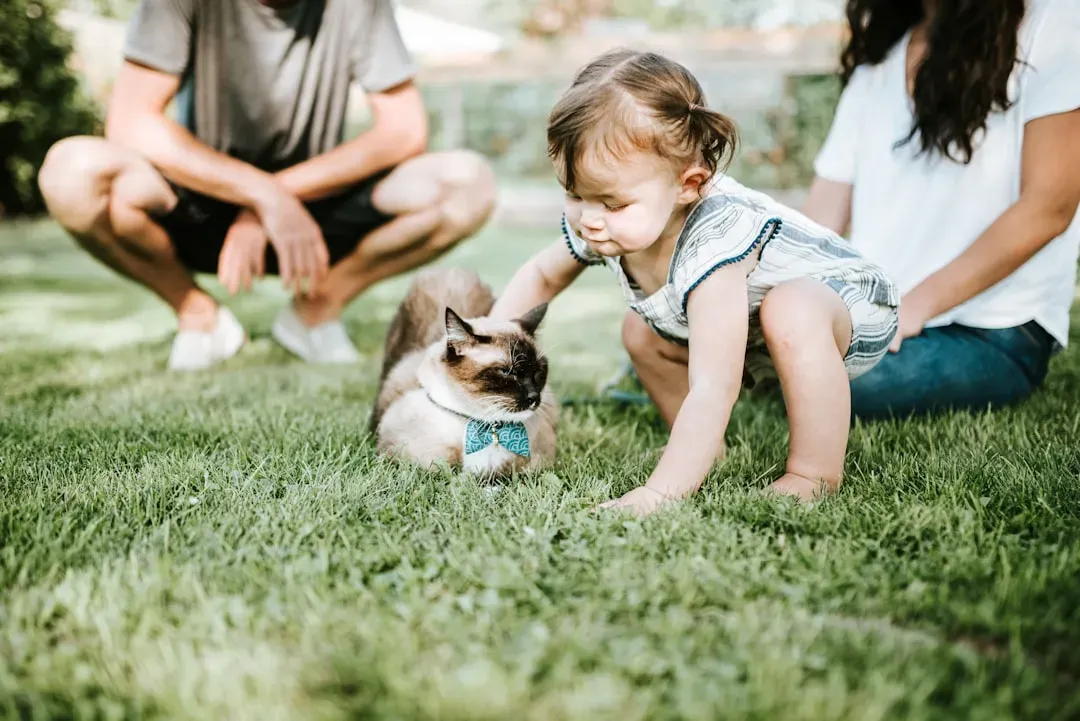
Every family deserves the joy of having a pet that truly fits their lifestyle. While the breeds mentioned here pose challenges for homes with children, there are many wonderful alternatives that thrive in busy, energetic households. Cats like Ragdolls, Maine Coons, and American Shorthairs consistently prove themselves patient and adaptable with kids of all ages.
The key lies in honest assessment. Ask yourself whether your children understand boundaries, whether your home can provide the specific environment a breed requires, and whether you’re prepared for the reality rather than the fantasy of cat ownership. I’ve seen too many cats surrendered to shelters because families didn’t do their homework beforehand.
Remember that individual cats within any breed can surprise you, for better or worse. Adoption from shelters where staff know each cat’s temperament personally often yields better matches than selecting purely by breed. The goal isn’t to avoid certain cats out of prejudice, but to make informed choices that protect both your children and the animal from preventable stress and unhappiness. What’s your experience been with cats and kids? Have you found the perfect match, or learned the hard way about incompatibility?
Kristina is a young writer from India. An arts graduate and an avid content creator, Kristina is passionate about animals and wildlife. She enjoys exploring topics related to pet care, animal behavior, conservation, and nature, combining thorough research with engaging storytelling.