You spent good money on that electronic mouse with realistic squeaks and lifelike fur. You even splurged on the multi-level cat condo with dangling feathers and hidden compartments. Yet here’s your cat, batting around a crinkly foil ball like it’s the greatest invention since sliced tuna. It’s frustrating, right?
This puzzling behavior isn’t just your cat being stubborn or ungrateful. There’s actually fascinating science behind why your feline friend gravitates toward the simplest, cheapest toys while ignoring the elaborate contraptions you carefully selected. Let’s dive into the mysterious mind of your cat and uncover what really makes them tick when it comes to playtime.
The Power of Unpredictable Movement
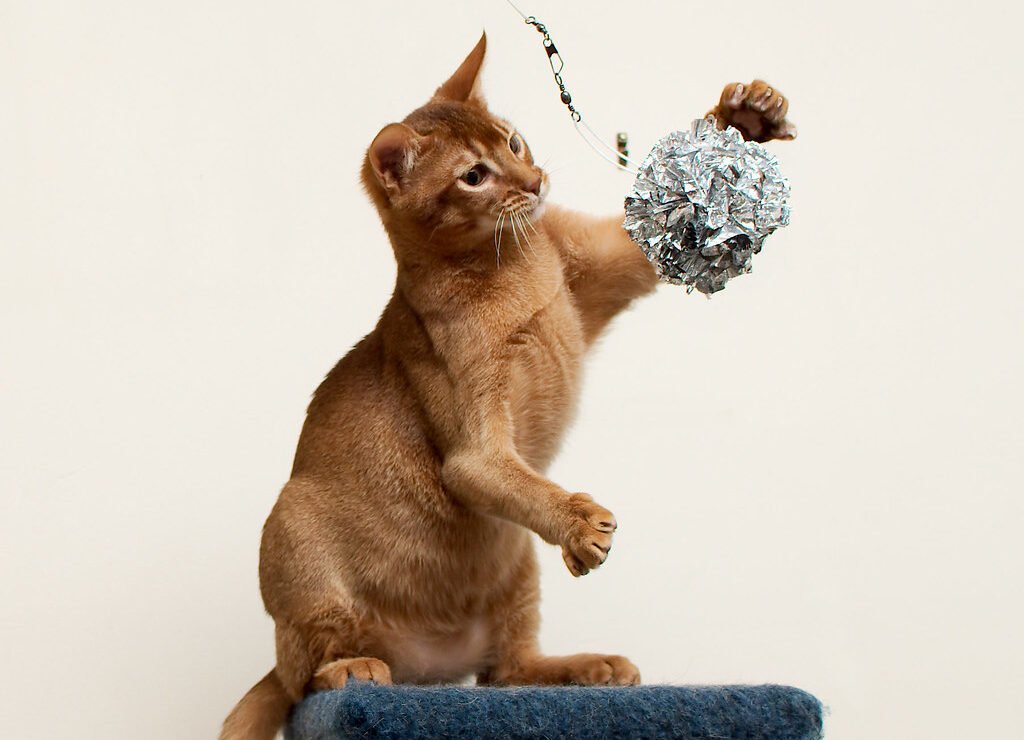
Your cat’s brain is hardwired for hunting, and nothing excites a predator more than prey that moves erratically. When you toss a crinkly ball across the floor, it bounces, rolls, and changes direction in ways that mimic a scurrying mouse or darting insect. Fancy electronic toys often follow predictable patterns, which your cat figures out within minutes.
That simple crinkly ball? It never moves the same way twice. Each bat of your cat’s paw sends it careening in a new direction, keeping the chase fresh and exciting. This unpredictability triggers your cat’s natural hunting response far more effectively than any programmed toy ever could, no matter how expensive or technologically advanced it might be.
The Satisfying Crinkle Sound Mimics Real Prey
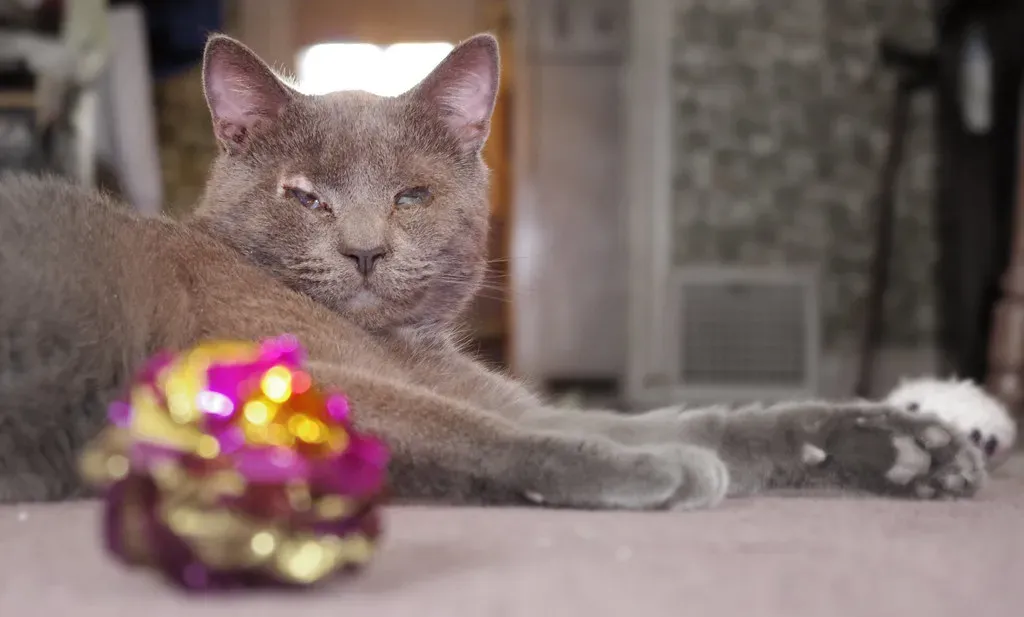
Think about the sounds small prey animals make when they move through leaves, grass, or underbrush. That crinkling, rustling noise is deeply embedded in your cat’s predatory instincts. When your cat hears that crinkly sound, something primal awakens inside them.
Fancy toys might squeak, chirp, or beep, yet these artificial sounds don’t quite hit the same neurological sweet spot. The crinkling noise feels authentic to your cat’s ancient hunting programming. It’s similar to how certain sounds make humans feel instantly alert or relaxed. Your cat isn’t being picky, they’re just responding to what their DNA tells them is worth pursuing.
Lightweight Toys Are Easier to Bat Around
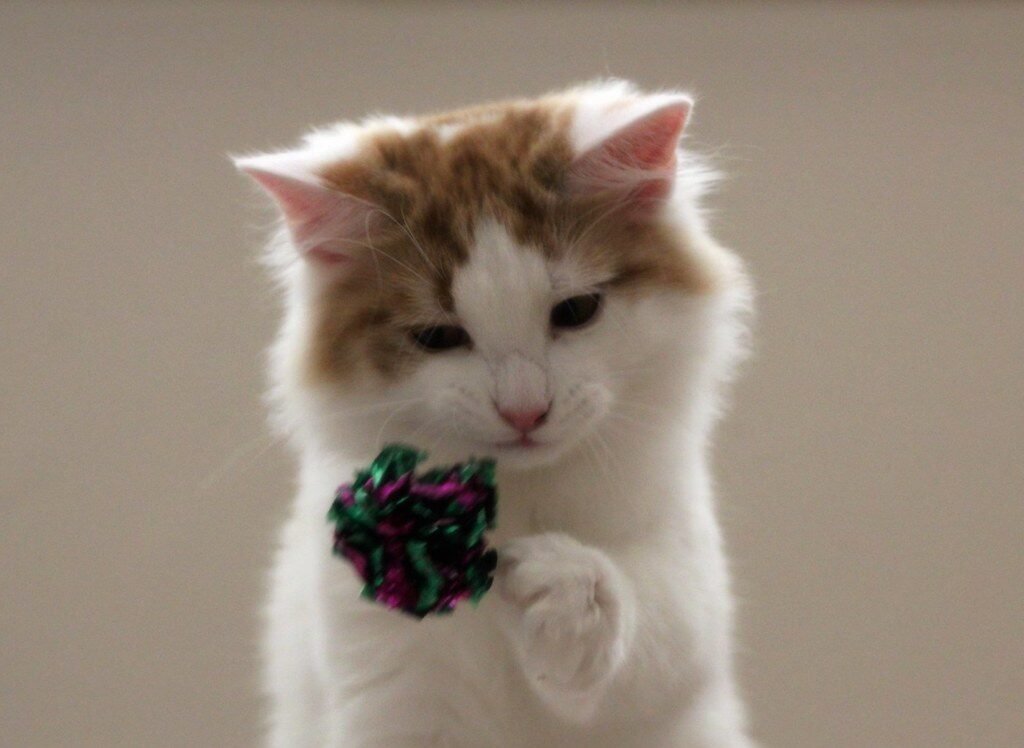
Your cat wants to feel powerful during play. A lightweight crinkly ball flies across the room with minimal effort, making your cat feel like the ultimate hunter. Heavy or bulky toys require more energy to move, which can quickly become frustrating rather than fun.
There’s also a physical component here. Cats have relatively small mouths and delicate jaw structures compared to dogs. A simple, lightweight ball is easy to grab, carry, and toss. Those elaborate toy structures with multiple parts? They’re often too awkward for your cat to manipulate the way their instincts tell them they should.
Simple Toys Don’t Overwhelm Their Senses
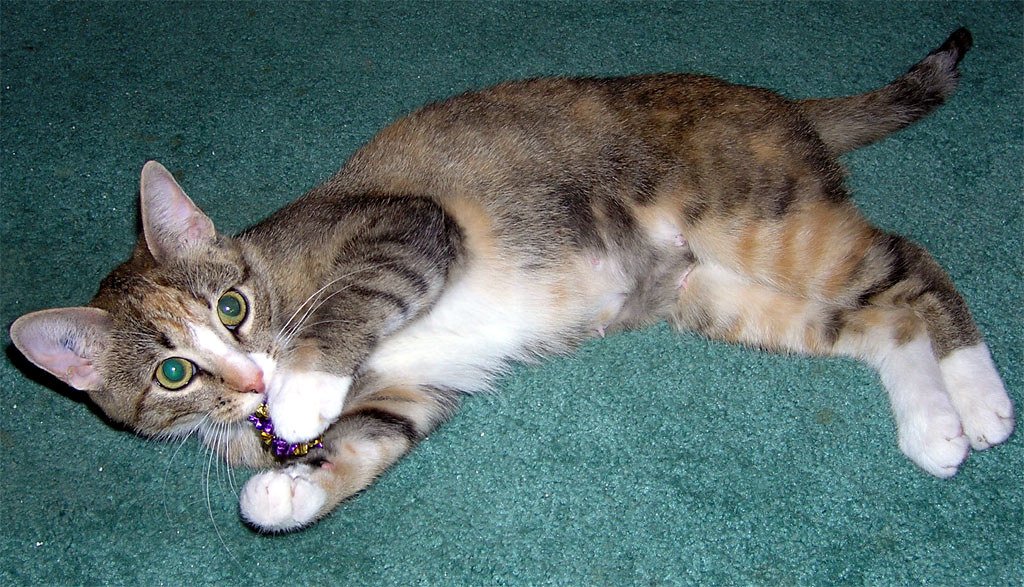
Cats have incredibly sensitive hearing and can easily become overstimulated by too much sensory input. A toy that lights up, makes multiple sounds, and moves on its own might seem exciting to you, but it can actually stress your cat out. Honestly, imagine trying to hunt something that’s louder and flashier than you are.
A crinkly ball provides just enough stimulation without crossing into overwhelming territory. It makes one type of sound, has a simple texture, and doesn’t assault your cat’s sensitive eyes with flashing lights. This balanced sensory experience keeps your cat engaged without triggering their stress response, which is crucial for genuinely enjoyable play.
They Can Control the Interaction Completely
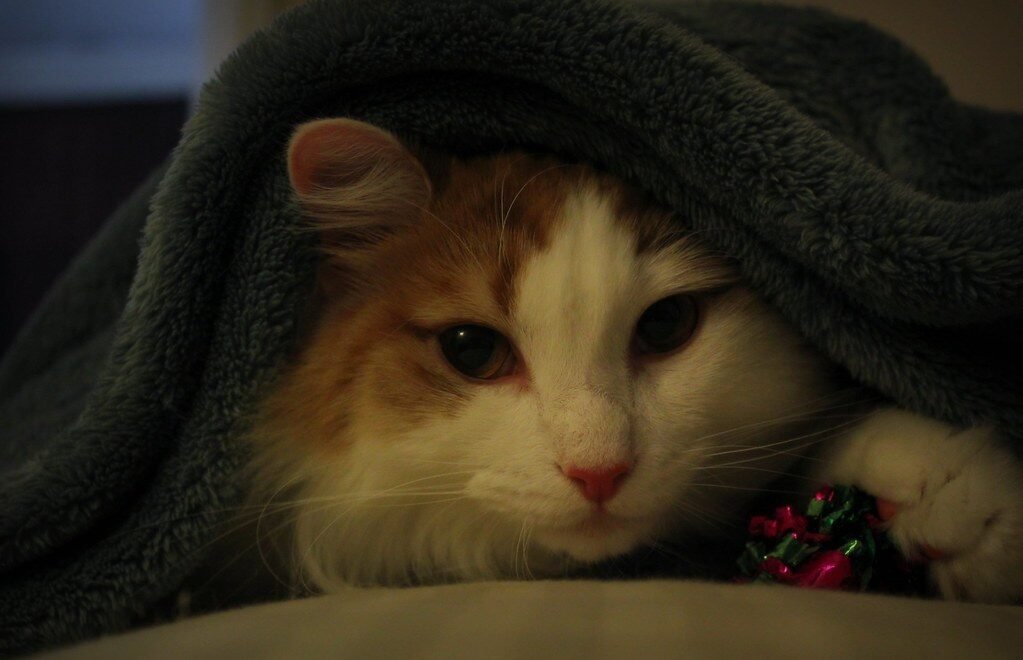
Here’s the thing: cats are control enthusiasts. They want to dictate when play starts, how intense it gets, and when it ends. Automated toys take that control away, operating on their own schedule and intensity level. Your cat might find this annoying rather than entertaining.
With a simple ball, your cat is the director of the entire show. They decide when to pounce, how hard to bat it, and when to simply sit and stare at it. This sense of agency is deeply important to cats, who are solitary hunters by nature. The toy doesn’t do anything unless your cat makes it happen, which aligns perfectly with how they’re wired to interact with the world around them.
The Texture Appeals to Their Tactile Preferences
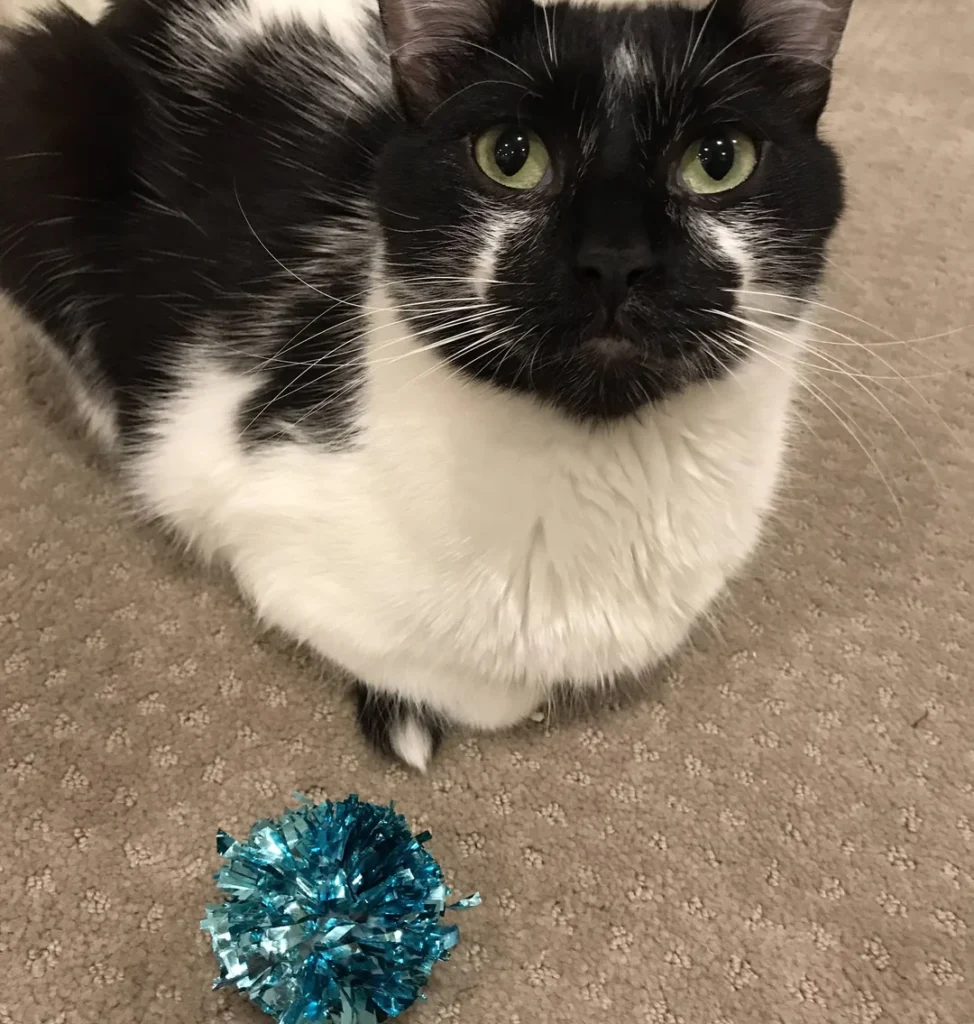
Your cat’s paws are loaded with sensitive nerve endings that help them assess prey. The crinkly texture of foil or thin plastic provides interesting feedback that smooth, hard surfaces simply can’t match. Each touch tells your cat something different, keeping their paws engaged and curious.
Many expensive toys are made from rigid plastic or smooth rubber that feels boring to your cat’s sensitive paw pads. The slightly irregular, responsive texture of crinkly materials is much more similar to what they’d encounter when batting at a real creature. It’s hard to say for sure, but this tactile satisfaction might be just as important to your cat as the visual or auditory aspects of play.
Novelty Wears Off Faster with Complex Toys
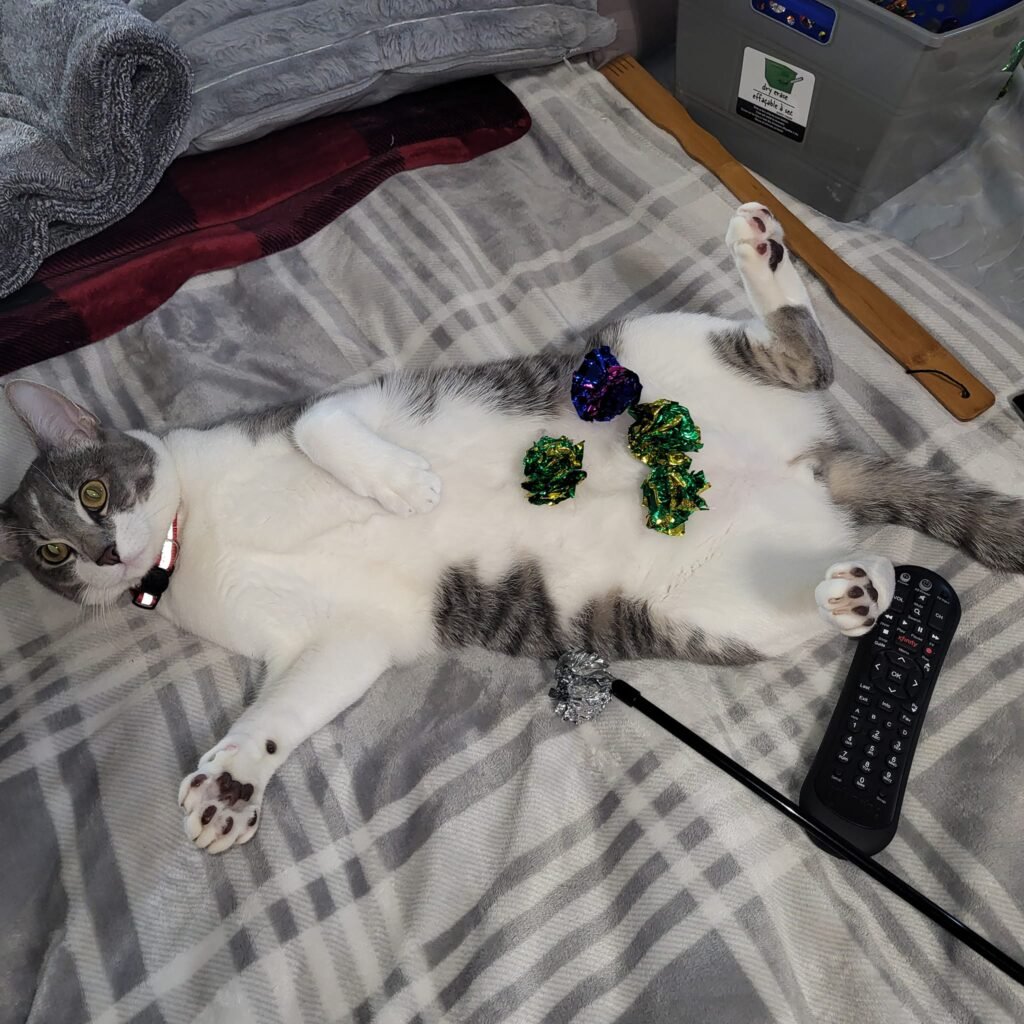
You might think a complicated toy would hold your cat’s attention longer, yet the opposite is often true. Once your cat figures out the trick, their interest vanishes completely. That electronic mouse that circles the same track? Your cat has mapped its entire route after three minutes.
A simple ball remains perpetually novel because your cat’s own actions create the variety. Every play session is different because your cat is different each time they play – sometimes energetic, sometimes lazy, sometimes creative with their batting techniques. The simplicity becomes an advantage because it’s a blank canvas for whatever mood your cat brings to the game.
They’re Practicing Essential Hunting Skills
Play isn’t just entertainment for your cat, it’s serious business. Every pounce, swat, and chase helps maintain the hunting skills their wild ancestors needed to survive. Simple toys that allow for natural hunting sequences – stalk, chase, pounce, capture – are more valuable than passive entertainment.
Those fancy toys that do all the work? They don’t let your cat practice the full range of behaviors they need to rehearse. A crinkly ball forces your cat to strategize, adjust their approach, and problem-solve in real time. This mental and physical workout satisfies them in ways that watching a mechanical toy perform can never match.
The Simplicity Reduces Distraction
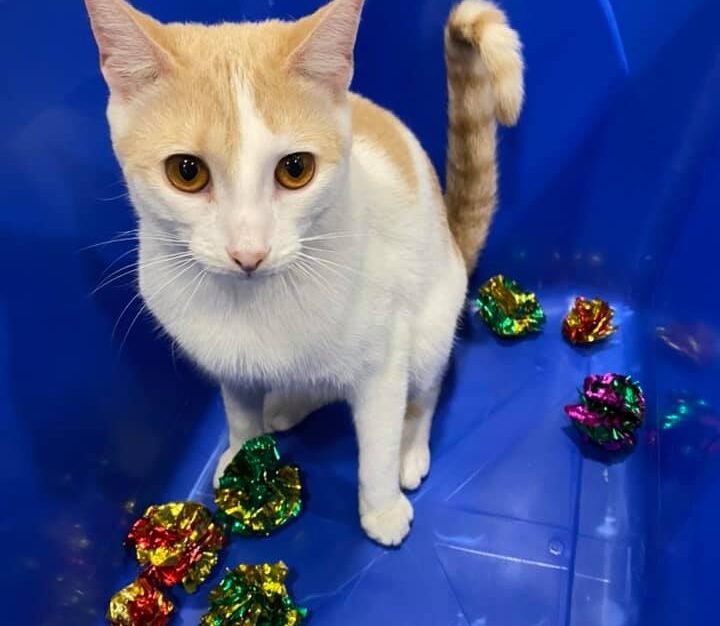
Your cat has a relatively short attention span when something isn’t genuinely engaging. Complex toys with multiple features can actually split your cat’s focus, making it harder for them to enter that flow state where they’re fully absorbed in the hunt. One stimulus pulling them in multiple directions isn’t ideal.
A single crinkly ball keeps everything focused on one clear objective: catch that thing. This clarity allows your cat to dive deep into the experience rather than being pulled out of it by competing stimuli. Let’s be real, sometimes less actually is more, especially when you’re dealing with a creature whose brain is optimized for laser focus on a single target.
Conclusion: Simplicity Wins the Hunting Game
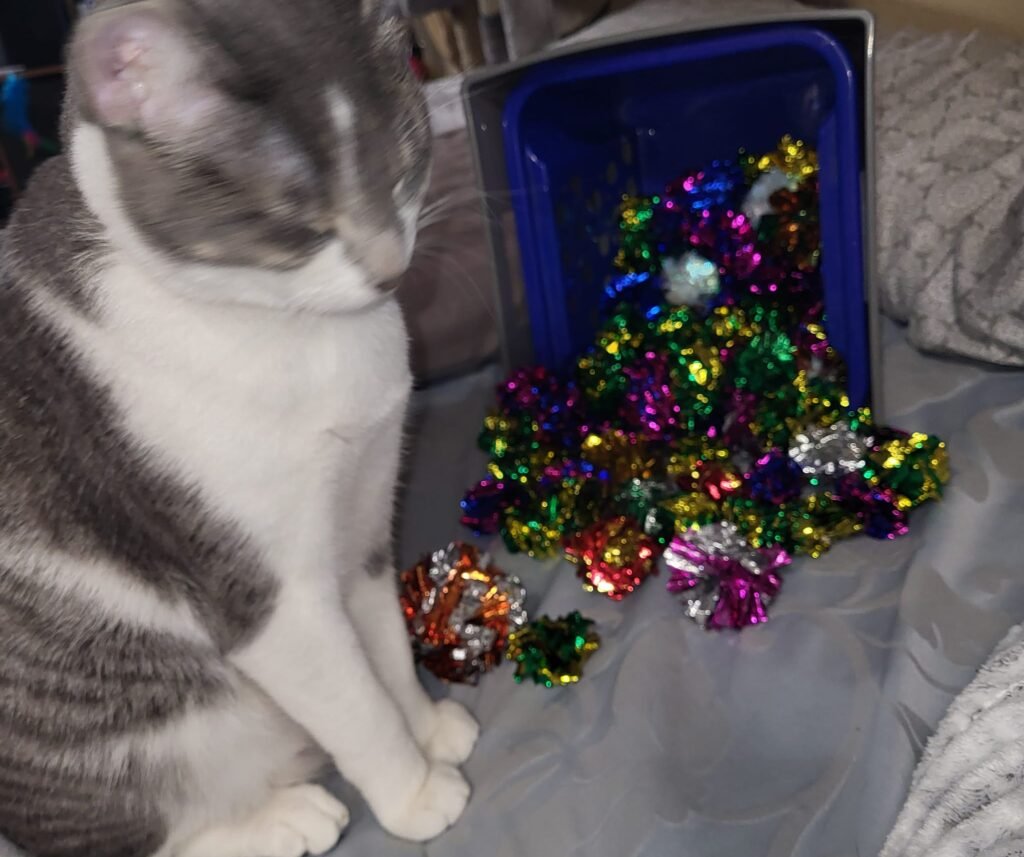
Your cat’s preference for crinkly balls over expensive toys isn’t a rejection of your gift giving skills. It’s a testament to how deeply their hunting instincts still run, even after thousands of years of domestication. Those simple toys accidentally replicate the qualities of real prey better than any high tech gadget can.
So next time you’re tempted to buy that elaborate toy setup, maybe grab a few crinkly balls instead and save yourself some cash. Your cat will probably appreciate it more anyway. What’s the simplest toy your cat has ever become obsessed with? Tell us in the comments.
Kristina is a young writer from India. An arts graduate and an avid content creator, Kristina is passionate about animals and wildlife. She enjoys exploring topics related to pet care, animal behavior, conservation, and nature, combining thorough research with engaging storytelling.