Have you ever glanced around your living room only to find your feline friend perched atop the tallest bookshelf, surveying everything below with regal composure? That quirky behavior isn’t some random habit your cat picked up. It’s actually hardwired into their very DNA, passed down from their wild ancestors who roamed forests and savannas thousands of years ago. Your sweet, domesticated tabby carries deep survival instincts that compel them to seek out those lofty vantage points, even when there’s no real danger in sight.
Let’s be real, your couch might be perfectly comfortable. Your cat’s plush bed sits invitingly on the floor. Yet time and again, you’ll find your cat scaling furniture, leaping onto countertops, or claiming the highest spot available. This isn’t rebellion or mischief. This is evolution at work, quietly steering behaviors that once meant the difference between life and death in the wild. Understanding why your cat craves elevation helps you see the world through their eyes and appreciate just how remarkable these creatures truly are.
A Legacy Written in Ancient DNA
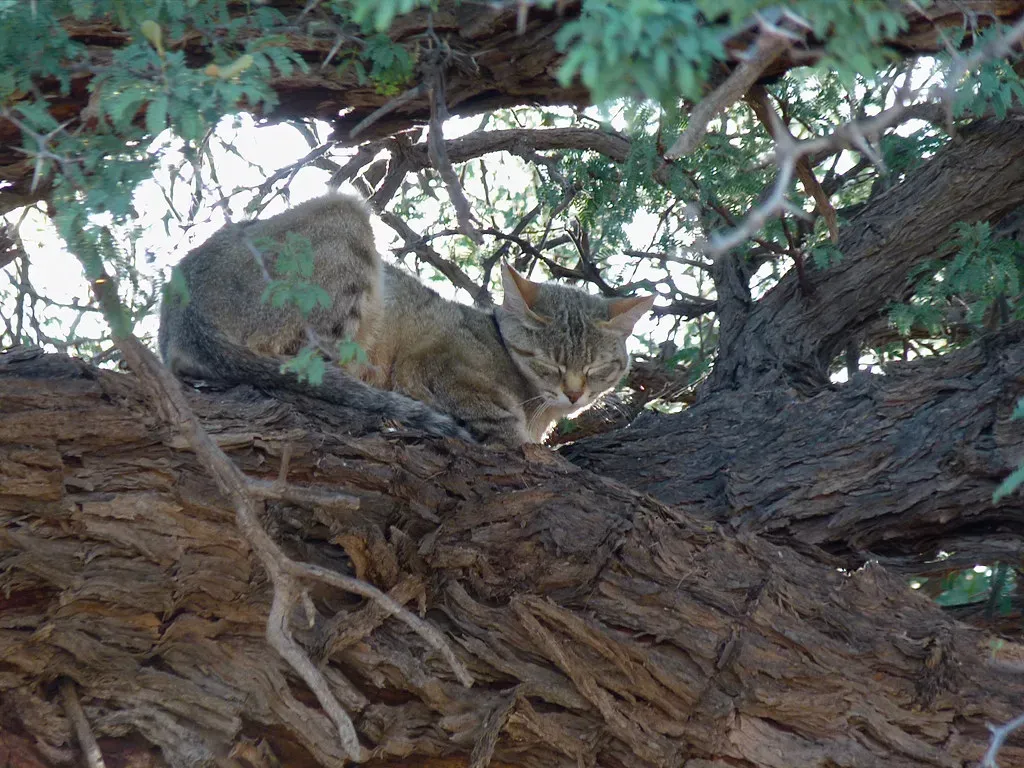
Your cat’s ancestors, like the African wildcat, thrived in environments where survival depended on keen observation and strategic positioning. These early felines weren’t apex predators with overwhelming size or strength. Instead, they carved out their niche by being clever, adaptable, and exceptionally aware of their surroundings. Climbing trees or rocky outcrops gave them a crucial edge in a world filled with both opportunities and threats.
In their natural environment, cats found themselves right in the middle of the food chain, vulnerable to other larger predators despite being skilled hunters themselves. This dual role shaped their behavior profoundly. Height became their safety net, literally. When danger approached, scrambling up a tree meant survival. When hunger struck, an elevated perch offered the perfect hunting blind to spot prey scurrying below.
The Predator and Prey Paradox
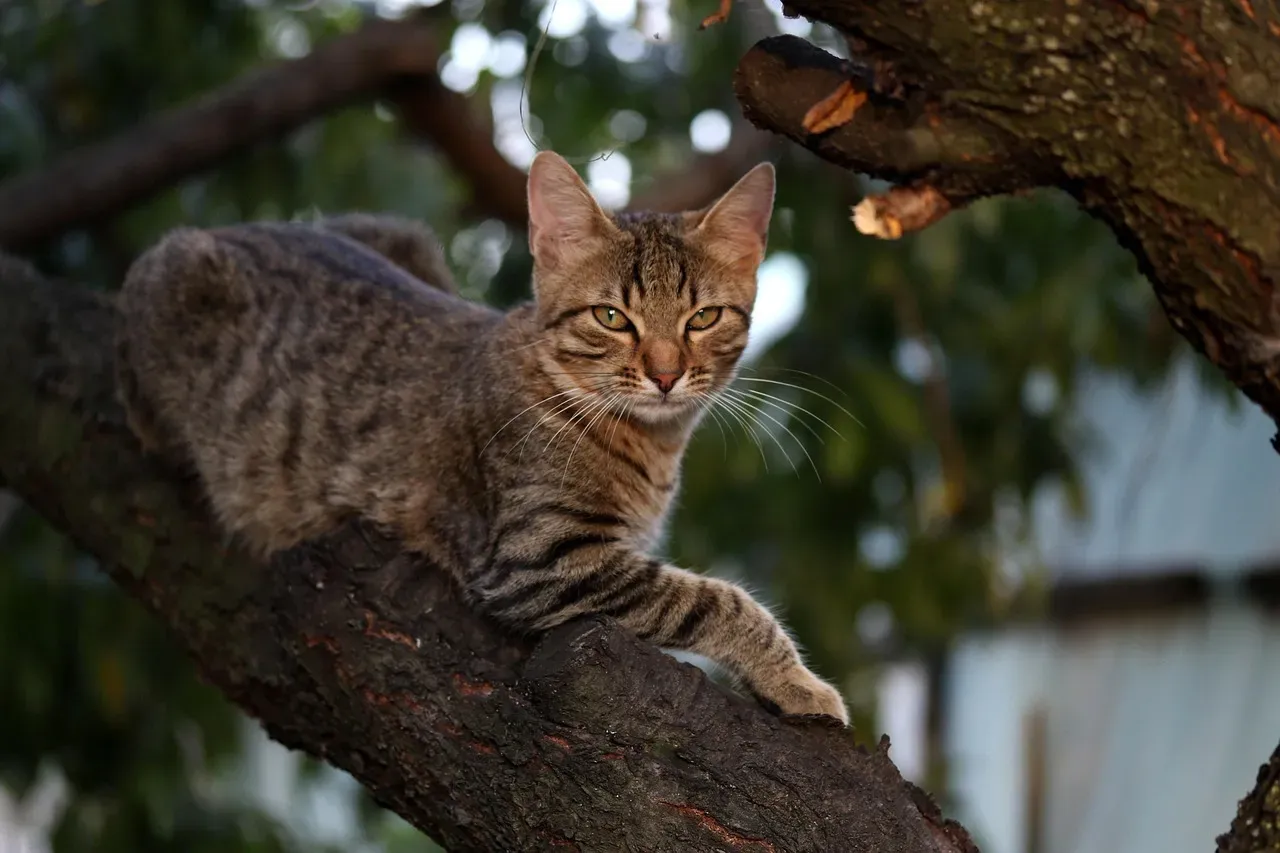
From a biological standpoint, cats are both prey and predators – before gracing our homes, they were potential meals for wild animals while also seeking out small rodents and birds. This fascinating duality explains so much about your cat’s seemingly contradictory behaviors. One moment they’re bold hunters; the next, they’re hiding under the bed at the sound of a vacuum cleaner.
Being up high gave cats a good view of prey nearby while also providing safety from other predators. Think about it from their perspective. Imagine being small enough that eagles, coyotes, or larger cats could pose genuine threats. Now imagine discovering that by simply climbing higher, you become nearly invisible to those dangers while maintaining a perfect view of everything around you. It’s a brilliant evolutionary solution.
Built for Vertical Living
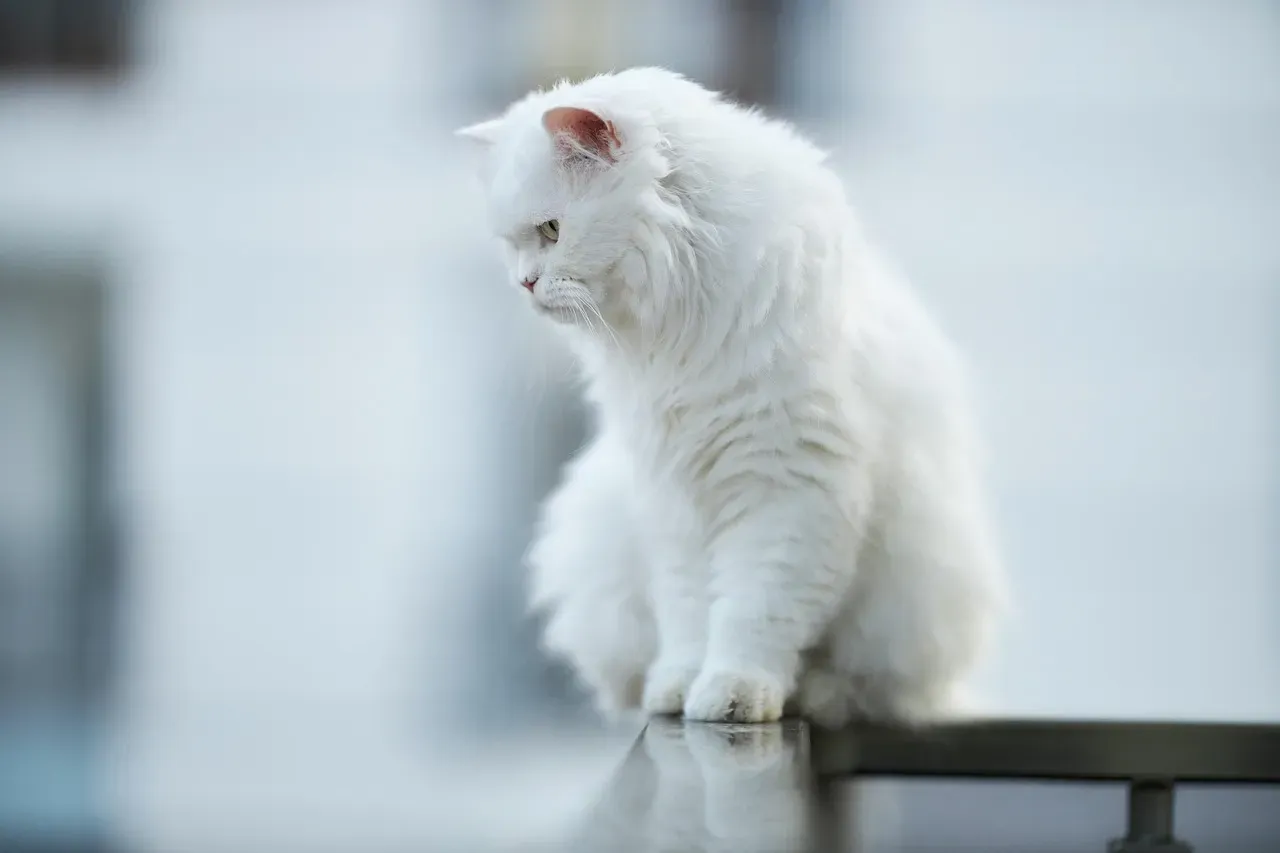
Cats possess an extremely flexible musculoskeletal system allowing them to jump six to nine times their own height. Their bodies are essentially climbing machines. Every muscle, tendon, and bone works in harmony to make vertical movement seem effortless. Watch your cat prepare for a jump sometime – that focused stare, the subtle wiggle, then the explosive launch. It’s pure athleticism.
Their retractable claws enhance tree-climbing prowess, coupled with razor-sharp teeth and potent jaws. These physical adaptations didn’t appear randomly. Over millions of years, cats that could climb effectively had better survival rates. They escaped predators more successfully, caught more prey, and passed these advantageous traits to their offspring. Your modern house cat is the product of this relentless natural selection.
The Visual Advantage From Above
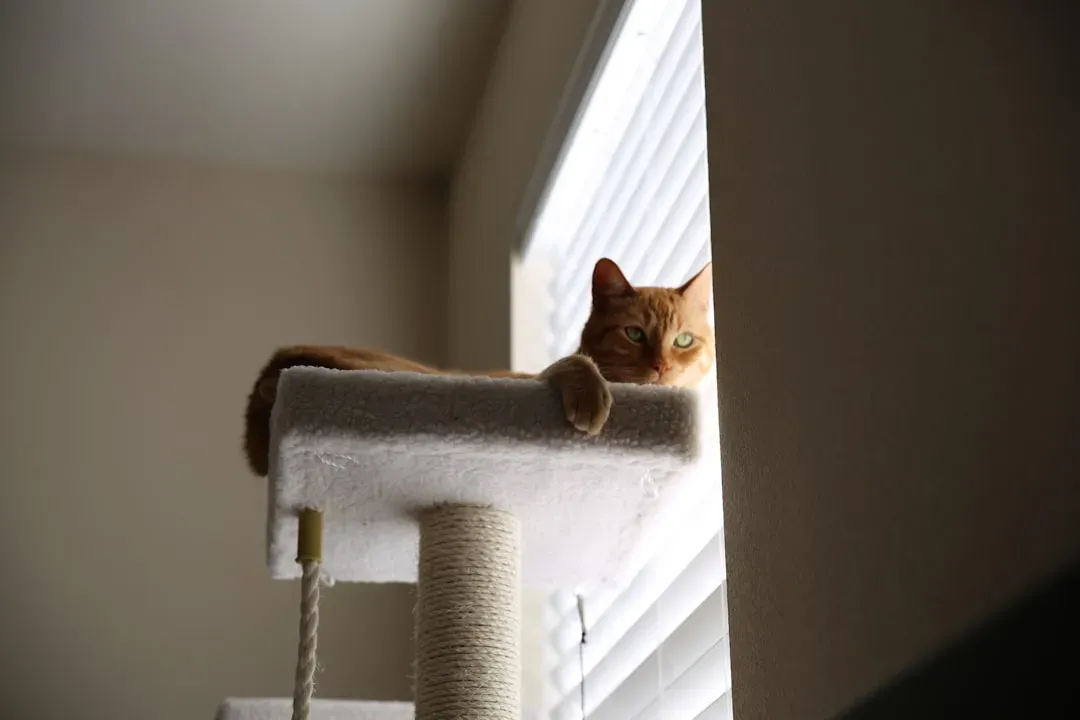
Cats possess a visual field of approximately 200 degrees compared to our 180 degrees, giving them a wider field of view that helps them spot prey better while hunting. This panoramic vision becomes even more valuable when combined with height. From an elevated position, your cat can monitor a much larger area without moving their head constantly.
Cats have a much higher concentration of rods than humans, giving them wider visual fields and far better nighttime vision – features that come in handy when hunting prey. During dawn and dusk, when many prey animals are most active, this enhanced vision allows cats to spot the slightest movement from their high perches. It’s honestly remarkable how perfectly their eyes evolved for this hunting lifestyle.
Territory Patrol and Power Dynamics
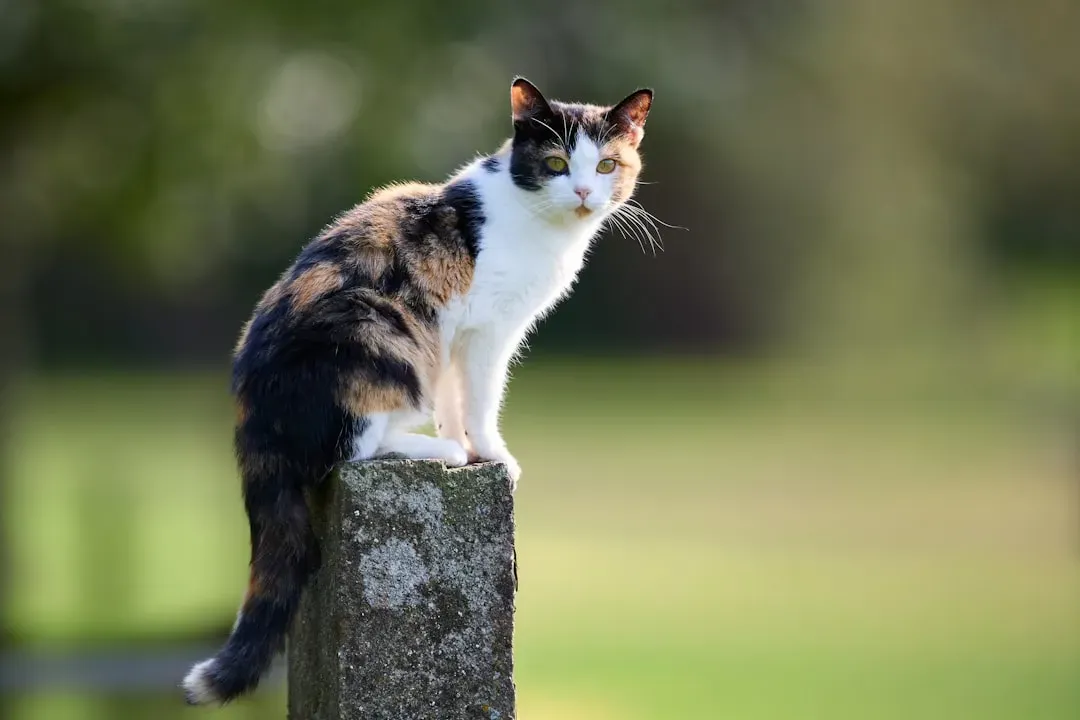
High perches allowed cats to monitor their territory and keep an eye out for rivals or intruders, helping them maintain territorial control. In the wild, territory means resources – food, water, shelter, and mating opportunities. Cats who could effectively defend and monitor their territories had better reproductive success. Height provided the ultimate surveillance system without requiring constant energy expenditure.
In multi-cat households, vertical space becomes particularly important for establishing hierarchy, with dominant cats often claiming the highest spots. You might notice this in your own home if you have multiple cats. There’s often an unspoken agreement about who gets which perch. The cat on top literally holds the high ground, asserting status without physical confrontation.
Safety Through Elevation
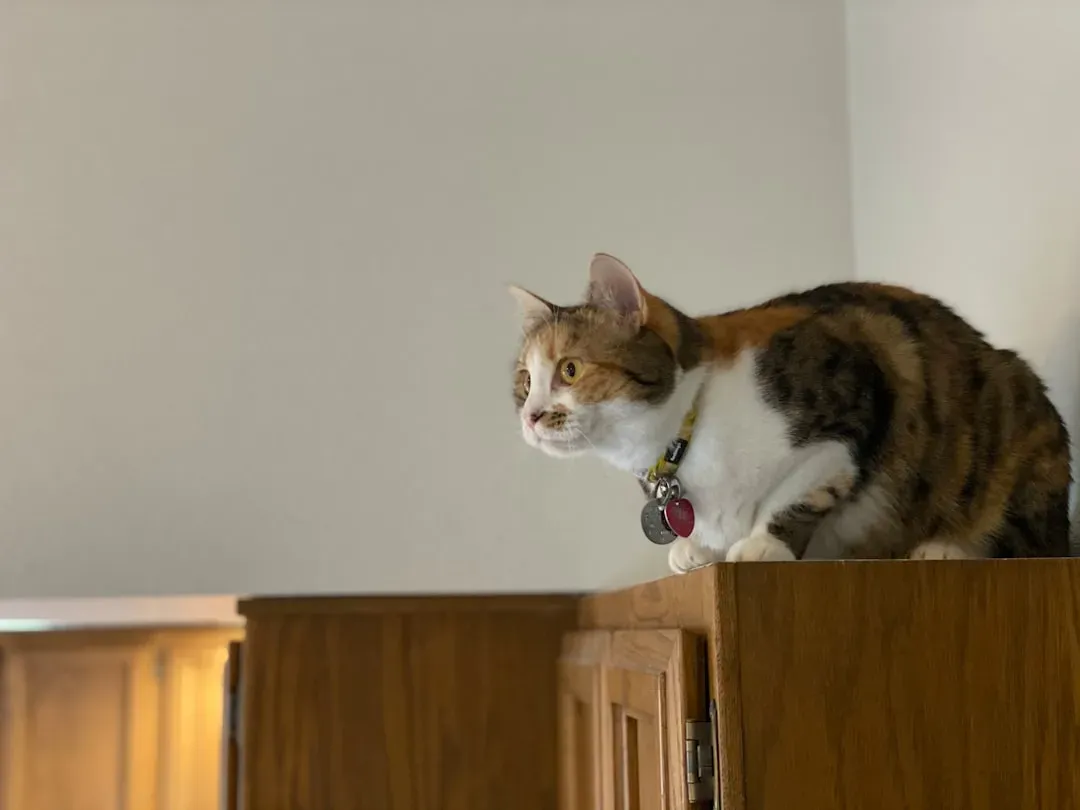
Height equals safety for cats – being up high reduces the chance of being surprised by threats, whether dogs, other cats, or loud noises. This instinct runs incredibly deep. Even cats who’ve lived their entire lives indoors, never encountering a genuine predator, still feel this powerful urge to seek elevated positions when stressed or anxious.
When sleeping, cats are most vulnerable to potential threats, making elevated perches secure and undisturbed spaces to relax. Sleep is non-negotiable for survival, but it’s also when animals are most defenseless. By choosing high sleeping spots, your cat’s ancestors could rest while maintaining some defensive advantage. If you’ve ever wondered why your cat insists on sleeping on top of the refrigerator, now you know – it’s ancient wisdom telling them they’re safer up there.
The Warmth Factor Nobody Talks About
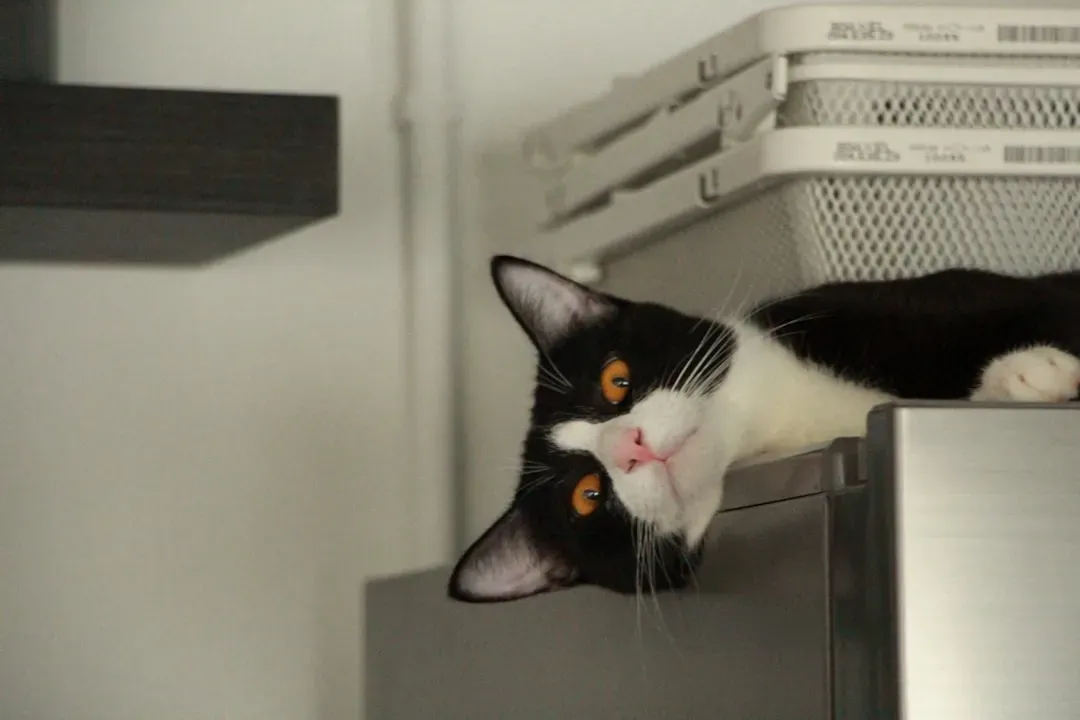
Heat rises, making high places warmer and a preferred resting spot, especially during colder months. This often-overlooked benefit played a significant role in survival. Wild cats didn’t have central heating or heated beds. Conserving body heat meant conserving energy, which meant better survival odds during harsh conditions.
Warmer air rises, so cats might prefer the tops of appliances, cat trees, and bookshelves over cold floors. Next time you find your cat lounging on top of your warm refrigerator, they’re not being weird – they’re being efficient. That spot combines height-based security with delicious warmth. Honestly, it’s hard to blame them.
Mental Stimulation and Environmental Enrichment
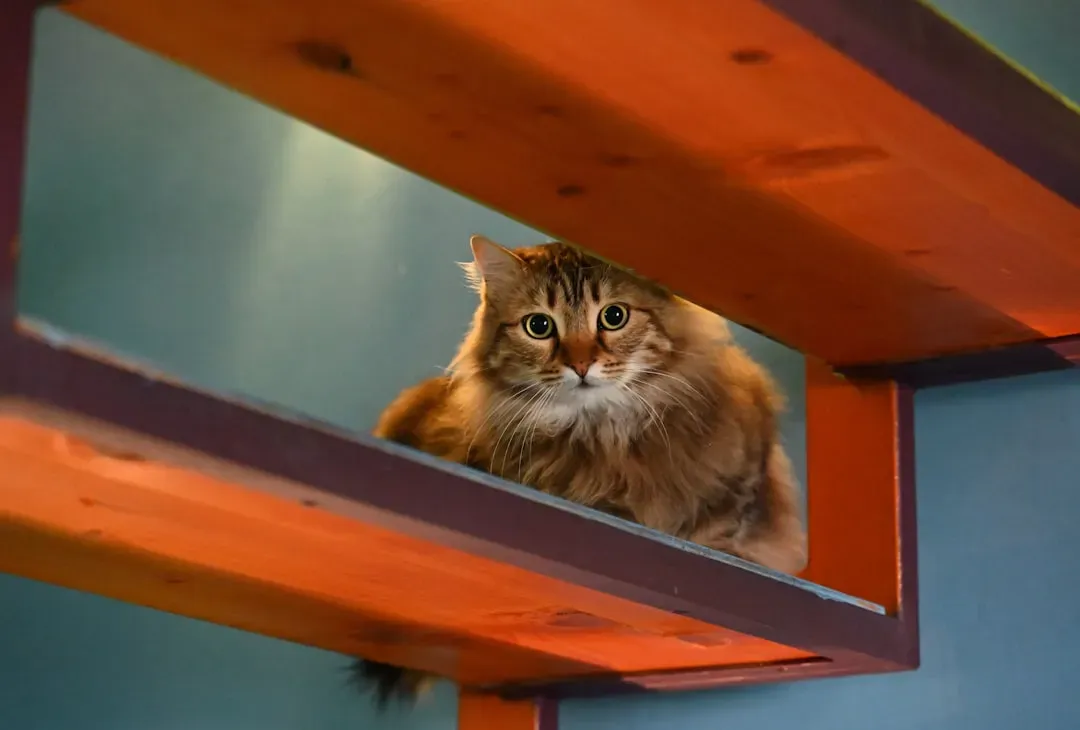
Being up high gives cats a different vantage point to spy on goings-on below. Boredom is more than just unpleasant for cats; it can lead to behavioral problems and health issues. Elevated positions provide constantly changing perspectives and stimulation. Your cat might watch birds through the window, monitor household activities, or track that mysterious shadow on the wall – all from their elevated throne.
Providing vertical space in shelters significantly reduced stress levels in cats by allowing them to engage in natural behaviors such as climbing and observation. Research supports what cat owners have long suspected: access to vertical space isn’t luxury – it’s necessity. When cats can’t express these natural behaviors, stress accumulates. I think we often underestimate how much environmental enrichment affects our pets’ mental health.
Escaping the Chaos Below
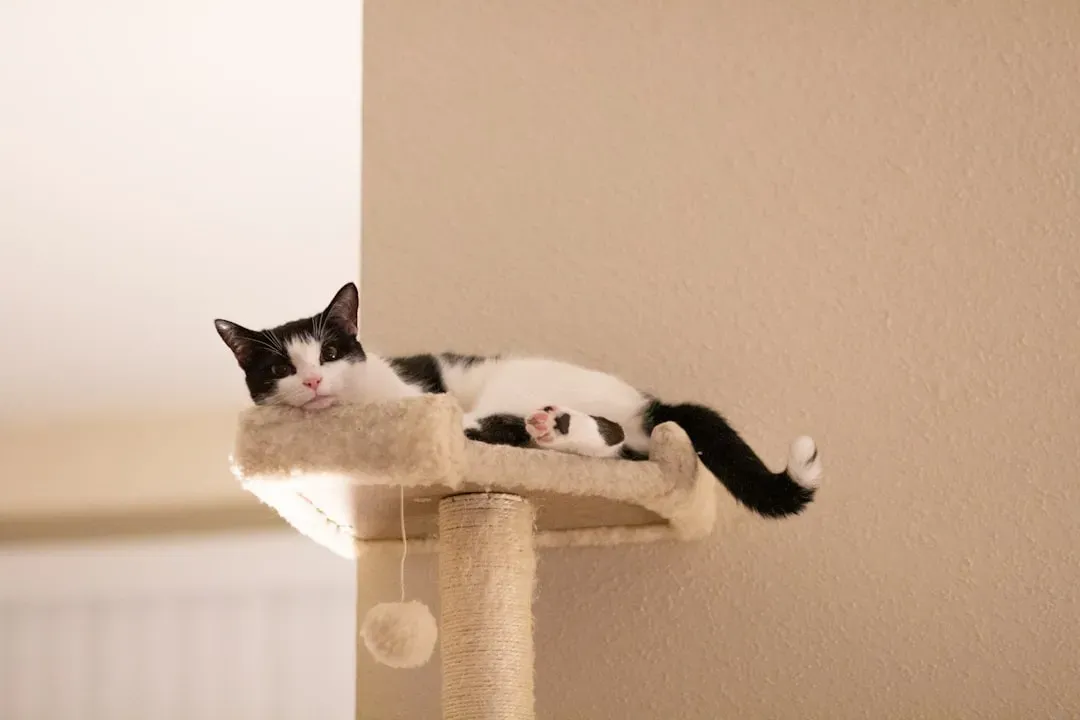
Cats might want to get away from dogs, toddlers, or other cats by retreating to towers or high spaces. Your home might feel comfortable to you, but from your cat’s perspective, it can sometimes feel overwhelming. That boisterous puppy, those grabby-handed children, even you vacuuming – all potential stressors that drive your cat upward.
Having a high perch gives cats a sense of safety while allowing them to be part of the action and see what’s happening. Here’s the thing: most cats don’t actually want to be completely isolated. They want to observe and participate on their own terms. A high perch offers the perfect compromise – close enough to stay connected, distant enough to feel secure. It’s like having a VIP box seat to watch the household drama unfold.
The Modern Cat’s Ancient Needs
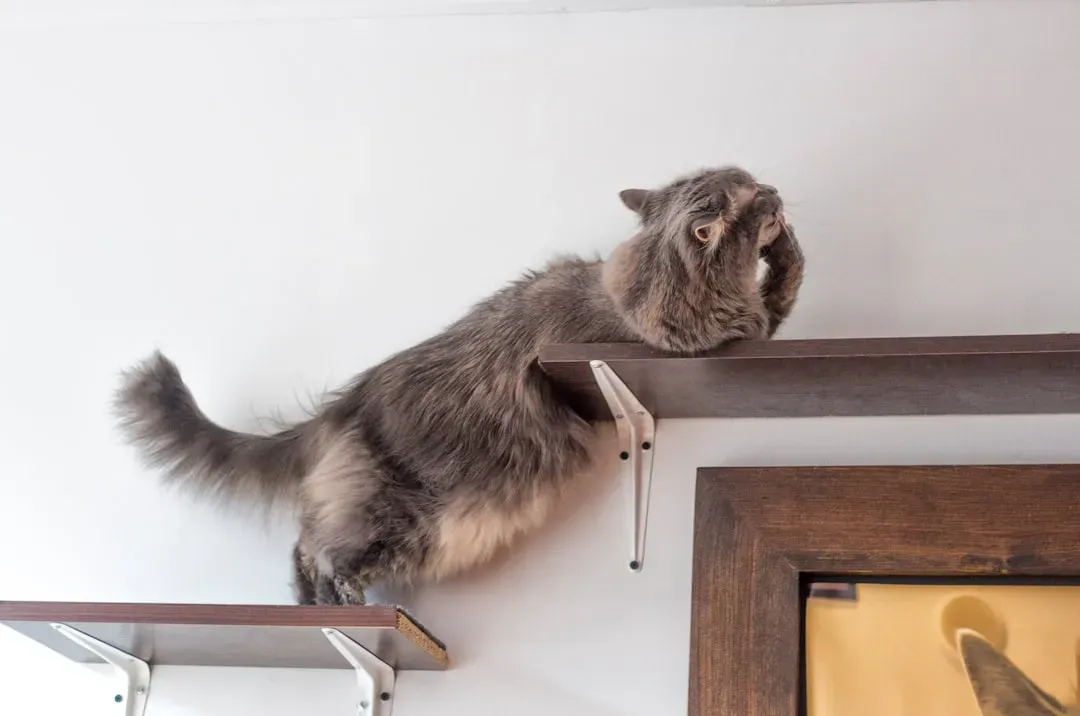
Evolved behaviors like seeking high places are difficult to stop and shouldn’t be stopped; instead, we need to provide for them. Your indoor cat doesn’t need to hunt for survival or escape from predators anymore. Yet these instincts persist, sometimes causing frustration when cats climb curtains or knock items off shelves. The solution isn’t suppressing these behaviors – it’s channeling them appropriately.
The more vertical areas available to your cat, the more it increases their territory. In limited indoor spaces, thinking vertically transforms available territory. Your cat doesn’t just see floor space; they perceive a three-dimensional world full of potential pathways and resting spots. Cat trees, wall shelves, and window perches aren’t just accessories – they’re essential infrastructure for your cat’s psychological well-being.
Conclusion: Respecting Your Cat’s Evolutionary Blueprint
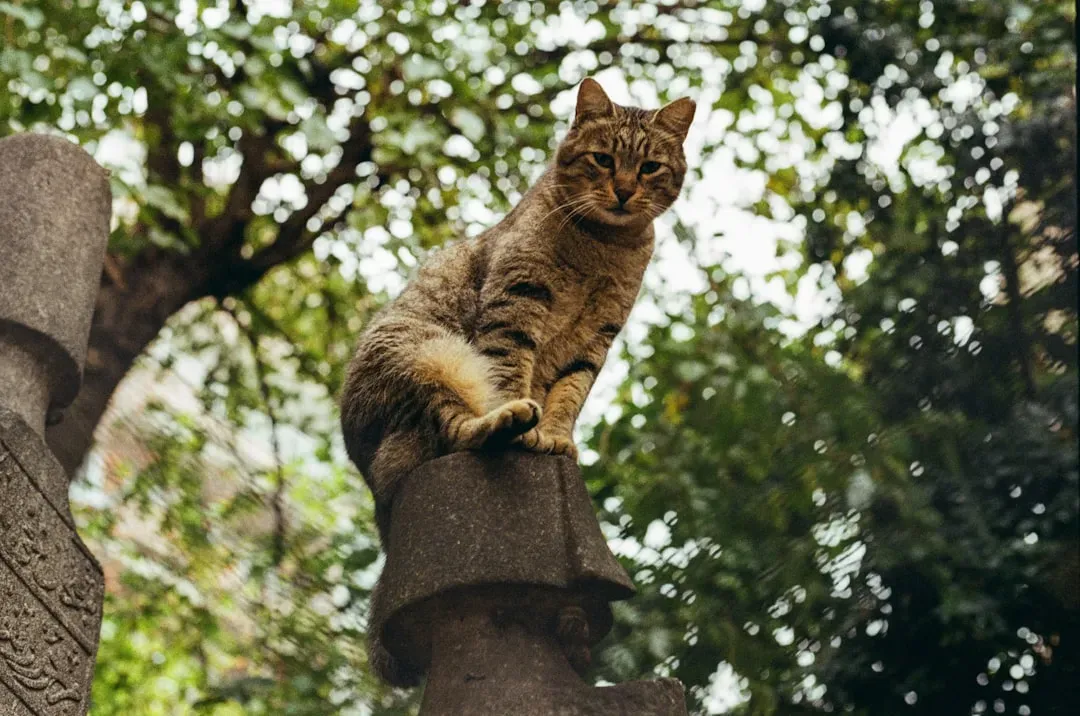
Understanding reveals a fascinating window into evolutionary biology. These behaviors aren’t random quirks – they’re sophisticated survival strategies honed over millions of years. Your cat scaling the bookshelf is following the same instincts that kept their ancestors alive in unforgiving wild environments. Those instincts don’t simply vanish because we brought cats indoors and filled food bowls twice daily.
By providing appropriate vertical spaces, you’re not spoiling your cat – you’re meeting fundamental psychological and physical needs. Whether through cat trees, shelves, or cleared-off furniture tops, giving your feline friend access to heights shows respect for their evolutionary heritage. Next time you discover your cat perched impossibly high, smile and remember you’re witnessing behavior shaped by millions of years of natural selection. That peculiar habit is actually a testament to your cat’s remarkable ancestry and their enduring wild spirit. What elevated spots does your cat claim as their kingdom? Share your observations in the comments below.
Kristina is a young writer from India. An arts graduate and an avid content creator, Kristina is passionate about animals and wildlife. She enjoys exploring topics related to pet care, animal behavior, conservation, and nature, combining thorough research with engaging storytelling.