Have you ever watched your cat do something completely bizarre and thought, what on earth is going through that little furry head? You’re definitely not alone. Cats have this mysterious way about them, like they’re constantly speaking a secret language we weren’t invited to learn. One moment they’re rubbing their face all over your leg, and the next they’re staring at the wall like it owes them money. Here’s the thing, though. Your cat is actually communicating with you all the time through these quirky behaviors. Once you crack the code, you’ll realize your feline friend has been telling you exactly how they feel. Let’s dive into what your cat is really trying to say.
The Slow Blink: Your Cat’s Version of Blowing Kisses
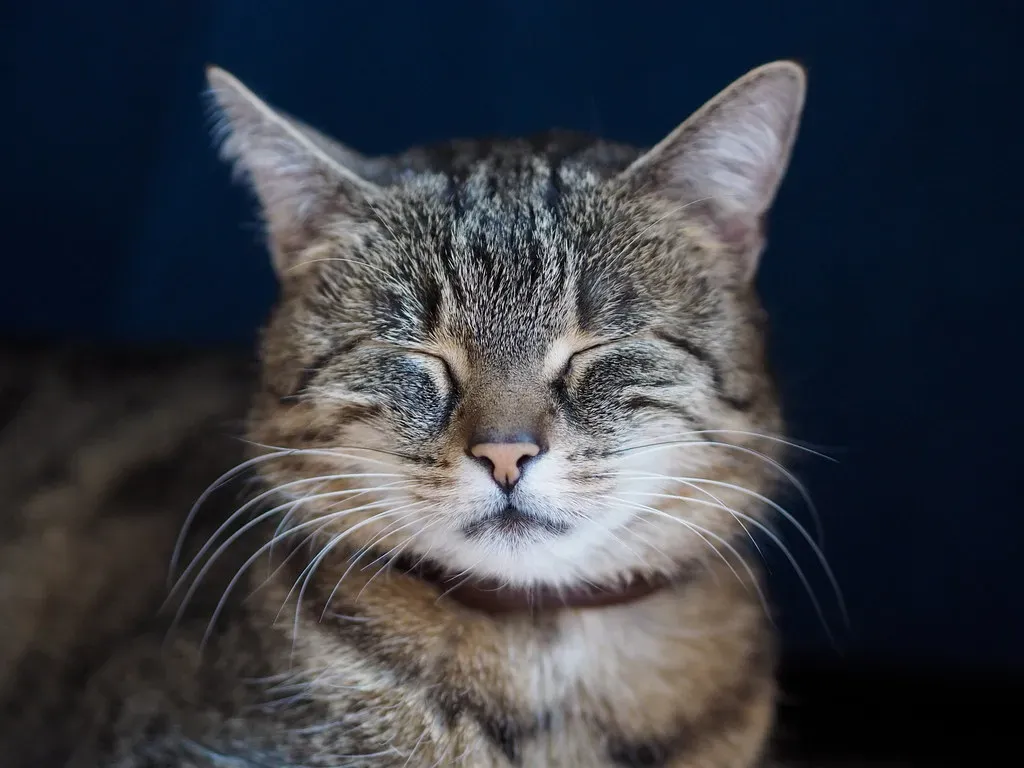
When your cat gives you those slow, deliberate blinks, they’re essentially telling you they trust you completely. Think of it as the feline equivalent of a warm hug or an “I love you” whispered across the room. Cats slow blink when they are relaxed and showing affection, which means you’ve earned their respect and companionship.
Try blinking back slowly at your cat next time they do this. Seriously, it works like magic. You’re basically having a silent conversation that says “I feel safe with you too.” It’s one of those beautiful little moments that reminds us why we love these enigmatic creatures so much.
Kneading: Making Biscuits on Your Lap
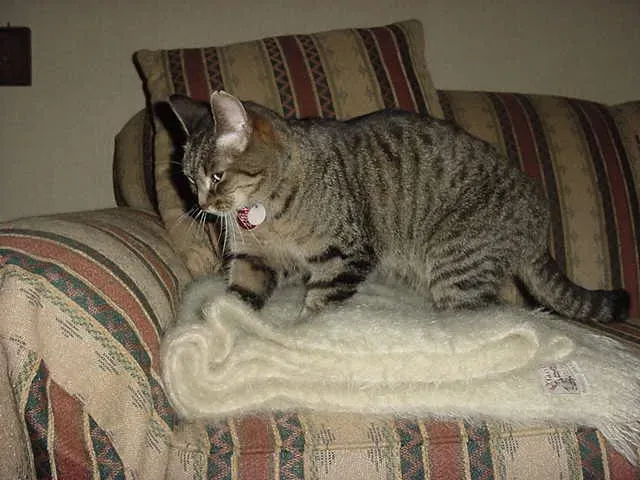
Kittens knead their mother’s mammary glands to stimulate the milk flow, and they may grow to associate kneading with the deep comfort of nursing. When your adult cat pushes their paws rhythmically into your lap, they’re recalling that warm, safe feeling from kittenhood. Scientists who study cat behavior believe kneading to be a sign of a relaxed cat, and it usually occurs near a favorite person.
Now, let’s be honest. Those claws can hurt when they’re going to town on your thighs. Some cats drool a little when kneading because they’re reminded of drinking milk. It might be uncomfortable for you, but remember your cat is in pure bliss mode, basically telling you that you remind them of their mother in the best possible way.
The Tail Held High: A Confident Hello
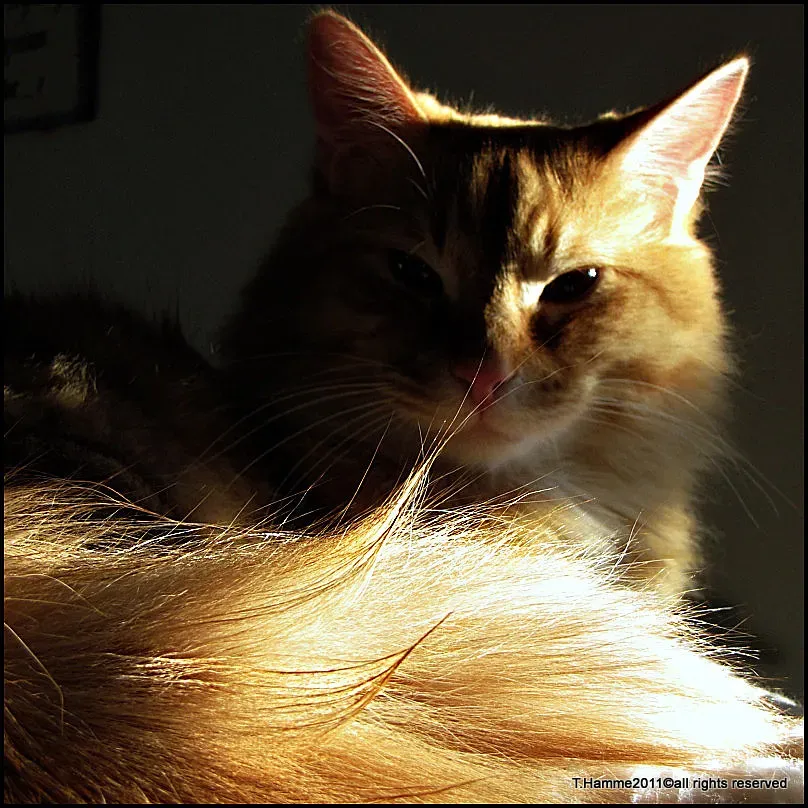
When your cat holds their tail high in the air as they move about their territory, they’re expressing confidence and contentment, signaling happiness and a willingness to be friendly. That little question mark curve at the tip? A tail held high with a “question mark” curve at the tip is friendly and usually in a good mood. Consider it your cat’s way of saying “Hey, I’m in a great mood and I’d love to hang out with you.”
Watch the tip of an erect tail, as a little twitch can mean a particularly happy moment. This is probably the best time to approach your cat for some quality bonding time. Their body language is basically screaming that they’re comfortable in their environment and open to interaction.
Head Bunting: Claiming You as Their Own
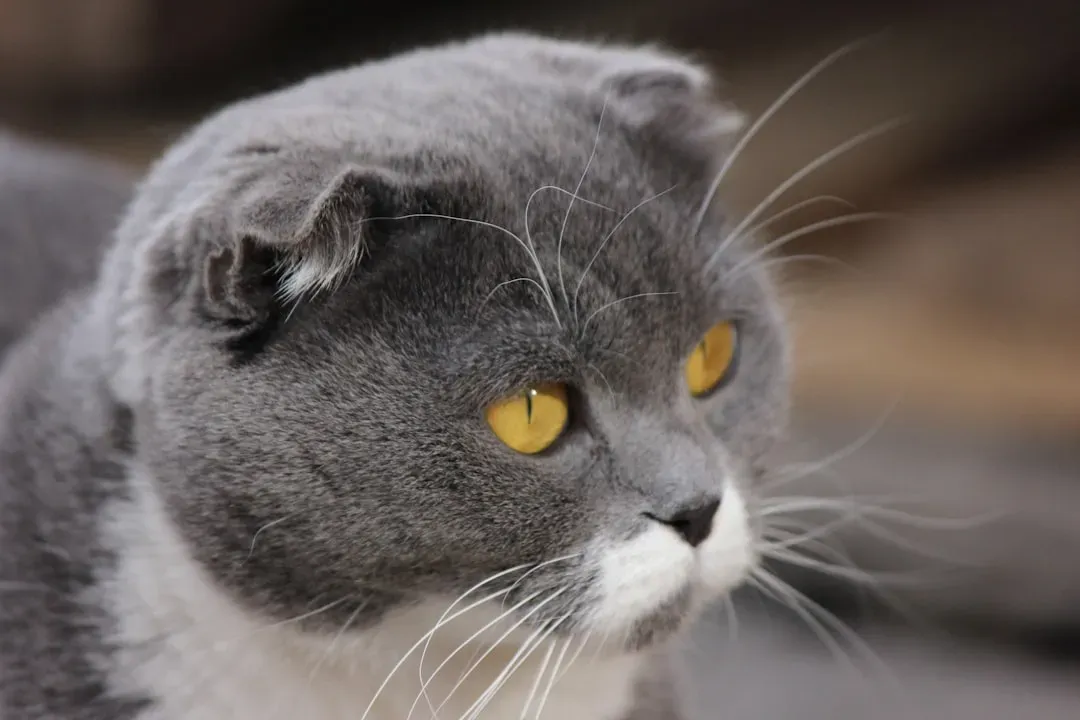
When cats rub against you they are marking their territory, as cats have scent glands on their face that deposit unique identifying odors. Pheromones are actually being released from the cat’s head and it is their way of showing ownership over you. Honestly, it’s pretty adorable when you think about it. Your cat is literally putting their signature all over you.
This behavior isn’t just about territory, though. It’s also a sign of genuine affection. Your cat is mixing their scent with yours, creating a shared family smell. Next time your cat headbutts your shin or nuzzles your hand, they’re basically saying “You’re mine, and I’m yours.” What’s not to love about that?
Chattering at Birds: The Frustrated Hunter
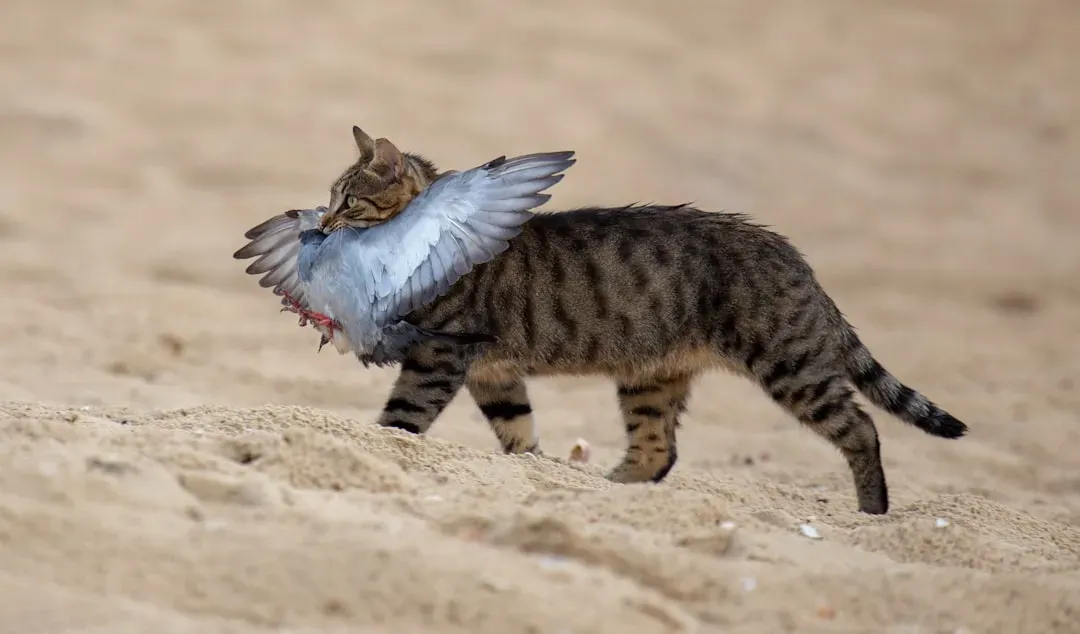
You have probably heard your cat emit a fast and intense teeth chattering especially when they spot a bird while gazing out of a window, and behaviorists speculate that this is because your cat is frustrated that they cannot get outside to hunt prey. Chattering occurs when hunting or tracking potential prey, consisting of quick chirps made while the mouth vibrates.
Some experts think this strange jaw movement might be your cat’s instincts kicking in, preparing their muscles for the killing bite they’d use on actual prey. It’s like they’re practicing their hunting technique in real time. Either way, it’s completely normal and kind of amusing to watch your indoor cat go full predator mode at a sparrow through the glass.
The Zoomies: Sudden Bursts of Wild Energy
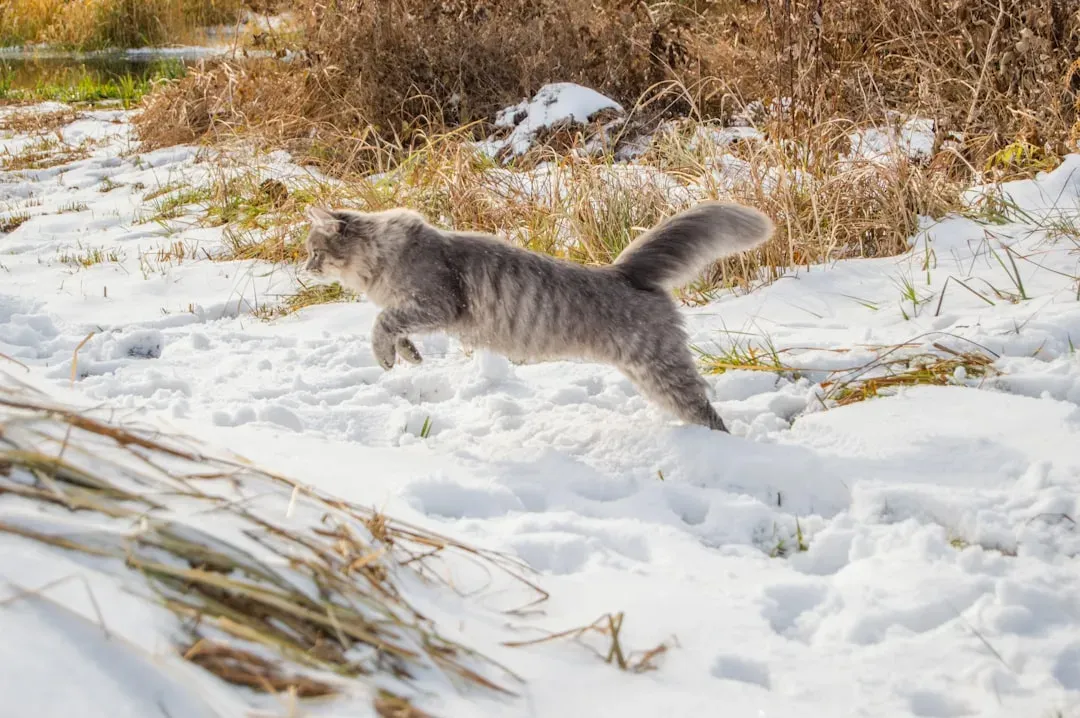
We’ve all been there. You’re sitting peacefully on the couch when suddenly your cat tears through the house like they’ve been possessed by a caffeinated demon. Most house cats have a lot of energy that they pent up and need to release during the day, and they are also nocturnal by nature, so their instinct to “hunt” at night could keep you up.
Cats are known for getting the zoomies at dawn, a time when you’d like to get a little more sleep before your alarm goes off, but this cat behavior comes naturally. Think of it as your cat’s workout routine. In the wild, they’d be climbing trees and stalking prey. Since your living room doesn’t offer quite the same excitement, those random sprints are how they burn off excess energy.
Purring: More Complex Than You Think
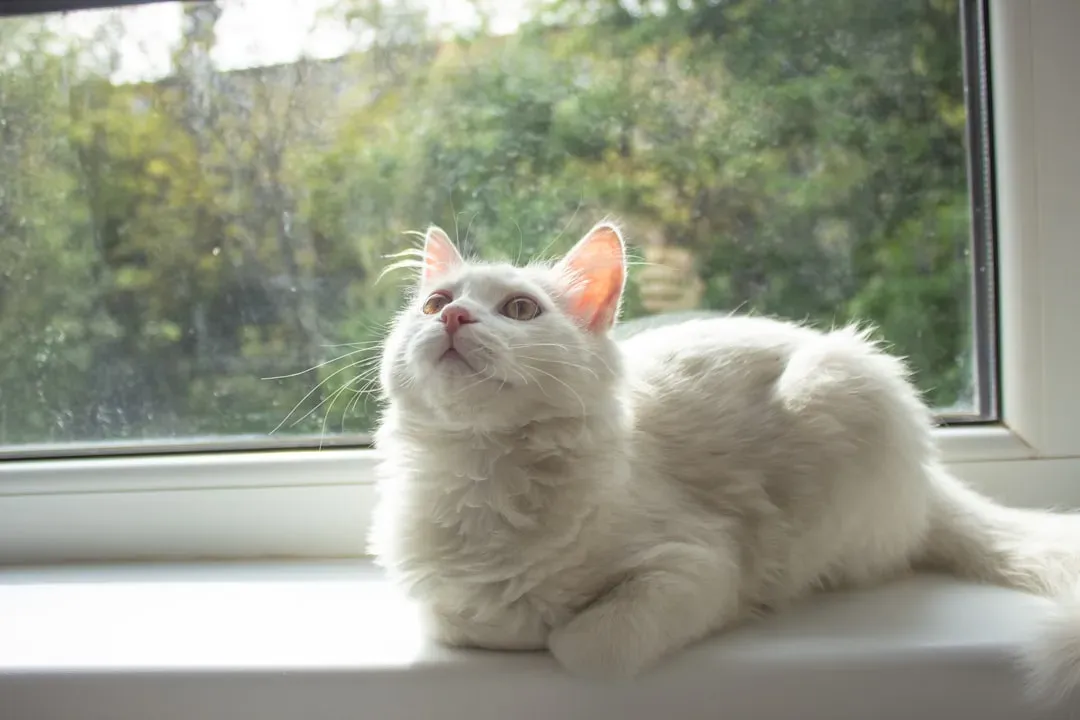
Purring has many different meanings, as cats often purr when they’re feeling relaxed, but they may also purr to self-soothe if they are feeling stressed or are injured. It’s fascinating, really. We tend to assume purring always equals happiness, but cats are way more nuanced than that.
Purring is commonly associated with relaxation and contentment in cats, occurring during activities such as eating and resting. Sometimes though, a cat might purr at the vet when they’re clearly nervous. They’re essentially trying to comfort themselves, like humans might hum or rock back and forth when anxious. So context matters when interpreting this rumbling sound.
Bringing You “Gifts”: A Token of Affection
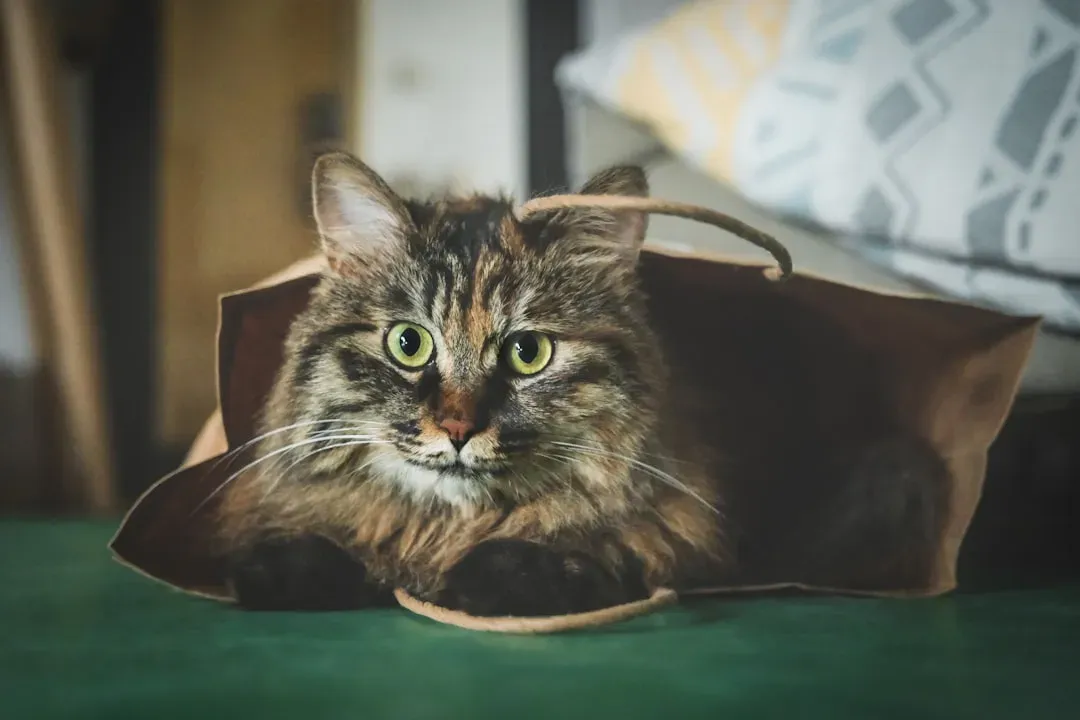
Cats have an innate hunting instinct, and by presenting items as gifts, cats are demonstrating their desire to contribute to the group’s wellbeing and ensure that their humans are well-fed. I know, finding a dead mouse on your doorstep isn’t exactly delightful. Actually, it’s kind of gross. Still, your cat genuinely thinks they’re doing you a favor.
Your kitty is acknowledging you as a member of their group, and is sharing their hunting success with you. In their mind, you’re a terrible hunter who can’t catch your own food, so they’re stepping up to help. It’s misguided kindness, but kindness nonetheless.
Showing the Belly: A Trust Test
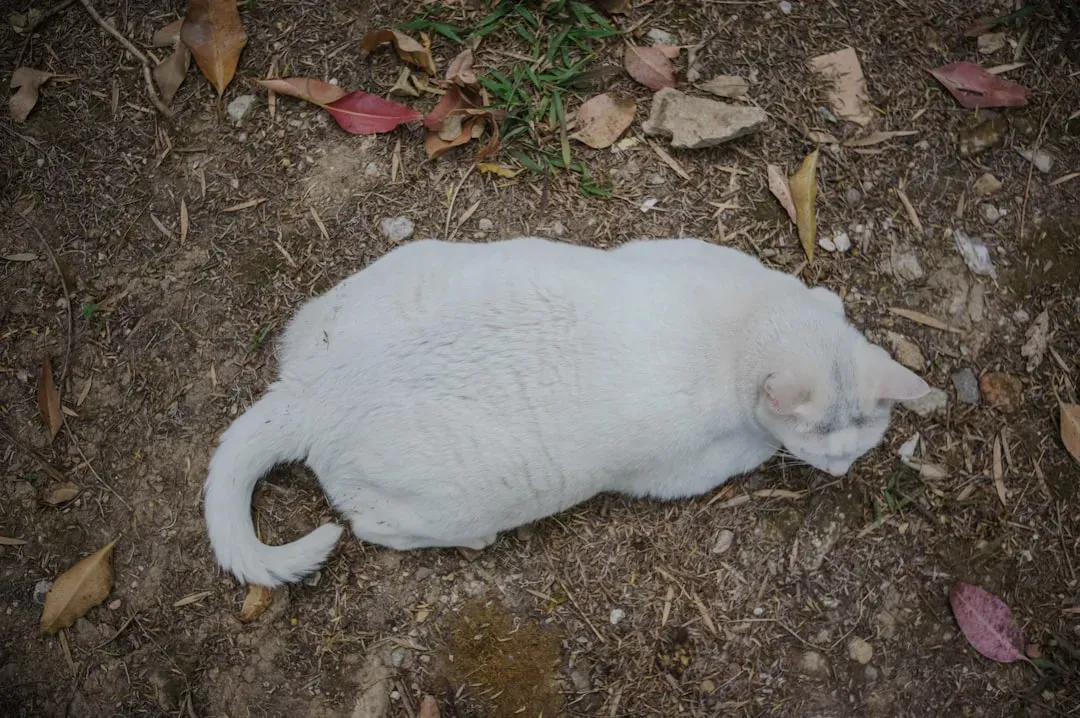
Your cat rolls over and exposes that fluffy belly, which naturally makes you want to reach out and give it a good rub. Then suddenly, claws and teeth appear out of nowhere. What gives? Exposing the belly is actually a sign of trust and relaxation, but it doesn’t necessarily mean your cat wants you to touch it.
The belly is one of a cat’s most vulnerable areas. When they show it to you, they’re saying they feel safe in your presence. Touching it, however, can trigger their defensive instincts. It’s like they’re saying “I trust you to see this, but let’s not get carried away.” Respecting these boundaries actually strengthens your bond.
Knocking Things Off Tables: Attention-Seeking Chaos
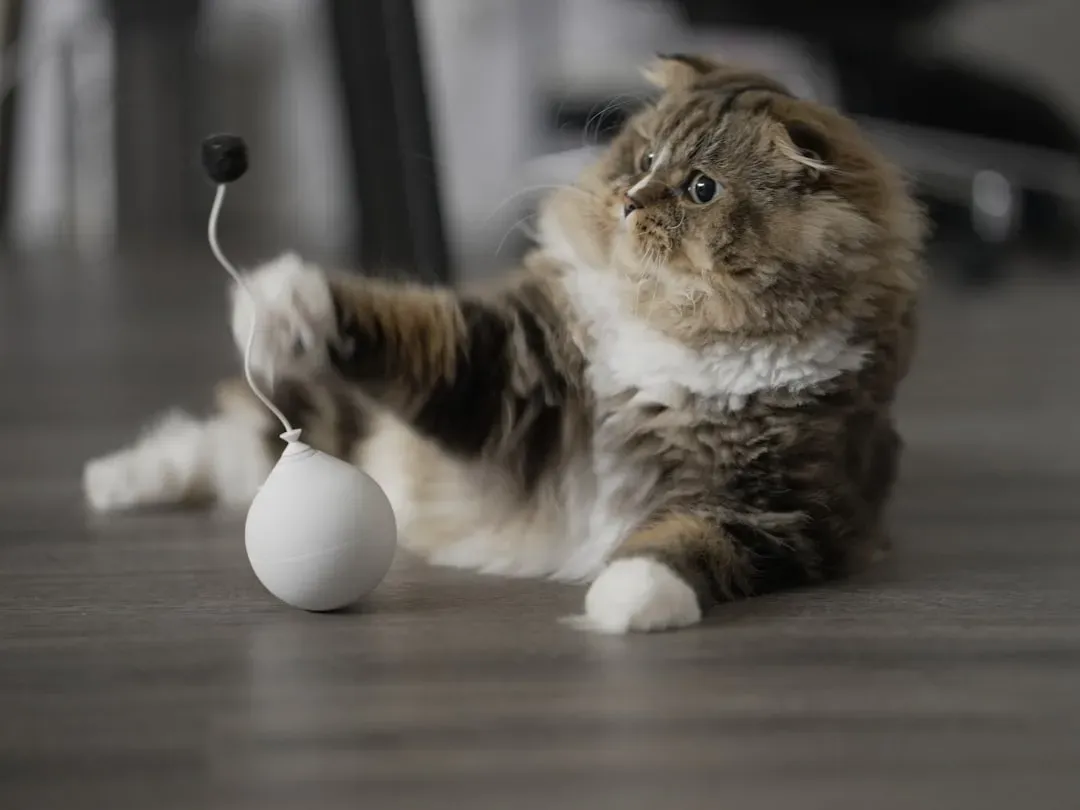
Many cat owners struggle with their pets knocking things over, whether it’s a glass on a table or books off a shelf, and here are two theories why your cat might have this annoying habit: It’s fun to swat at things. Cats have an inherent curiosity about their surroundings and often engage in exploratory behavior by using their paws to touch and interact with objects, which is why you may observe them “batting” or pushing items around.
They want attention, and few things say “stop ignoring me” like knocking something over. Let’s be real, it works. You immediately look at them when your phone crashes to the floor. They’ve learned this cause-and-effect relationship, and they’re using it to their advantage. Clever little troublemakers.
Licking You: Grooming Their Favorite Human
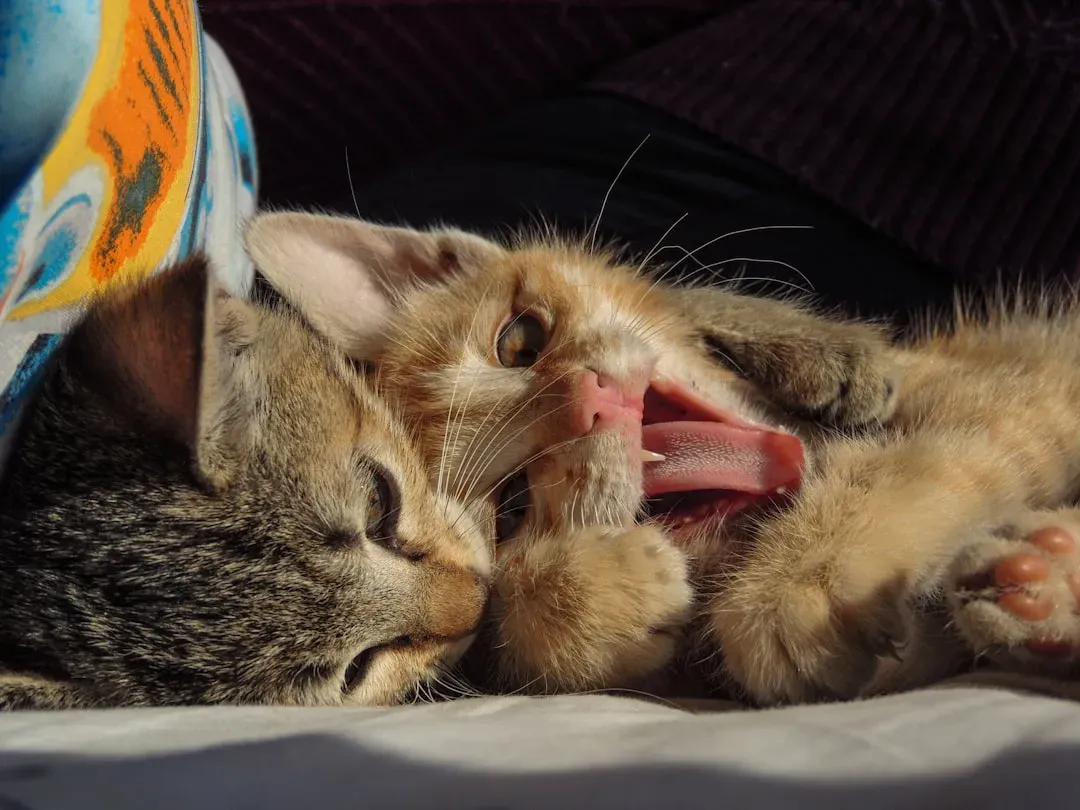
When your cat licks your hand or face with that sandpapery tongue, they’re treating you like family. Cats groom each other as a social bonding activity, and when they lick you, they’re including you in their inner circle. It’s a sign of affection and acceptance.
Honestly, it can feel a bit weird having a cat tongue scrape across your skin repeatedly. The sensation isn’t exactly pleasant. Still, try to appreciate it for what it is: your cat is showing you love in the only way they know how. They’re mixing scents, strengthening bonds, and basically giving you a feline stamp of approval.
Tail Thrashing: Back Off Right Now
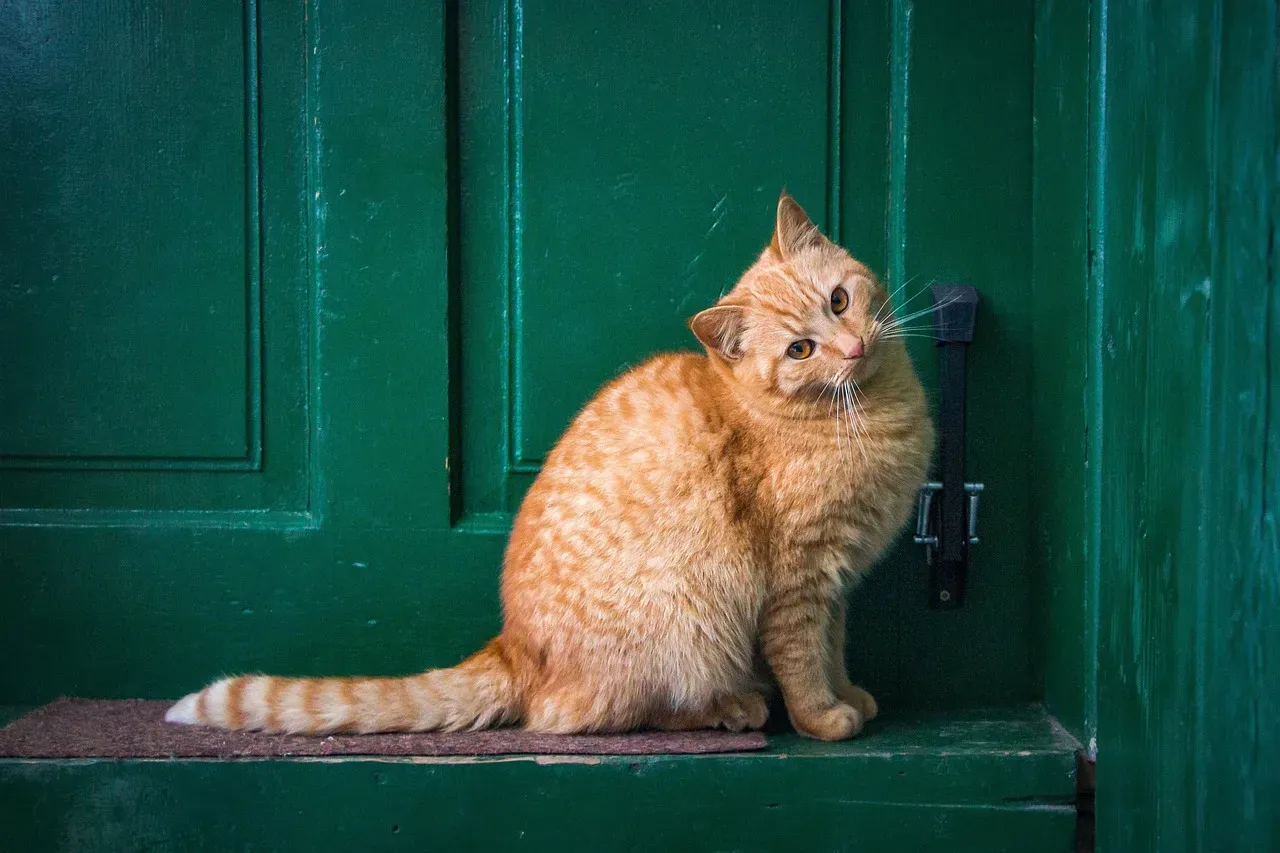
Whipping or lashing of the tail is a sign that at cat is angry, and that they may take a sudden, strong action in the near future, so it’s time to take a step backwards to give the cat some space. If your cat thrashes his entire tail quickly or hits the ground with it, he’s annoyed about something, which is aggressive behavior, so stay away until your kitty is in a better mood.
This is completely different from a gentle swish or a curious twitch. A thrashing tail is your cat’s way of saying they’re at their limit. Maybe you’ve been petting them too long, or there’s something in their environment stressing them out. Whatever the reason, respect this signal and give them space before those claws come out.
Wrapping Their Tail Around You: The Ultimate Compliment
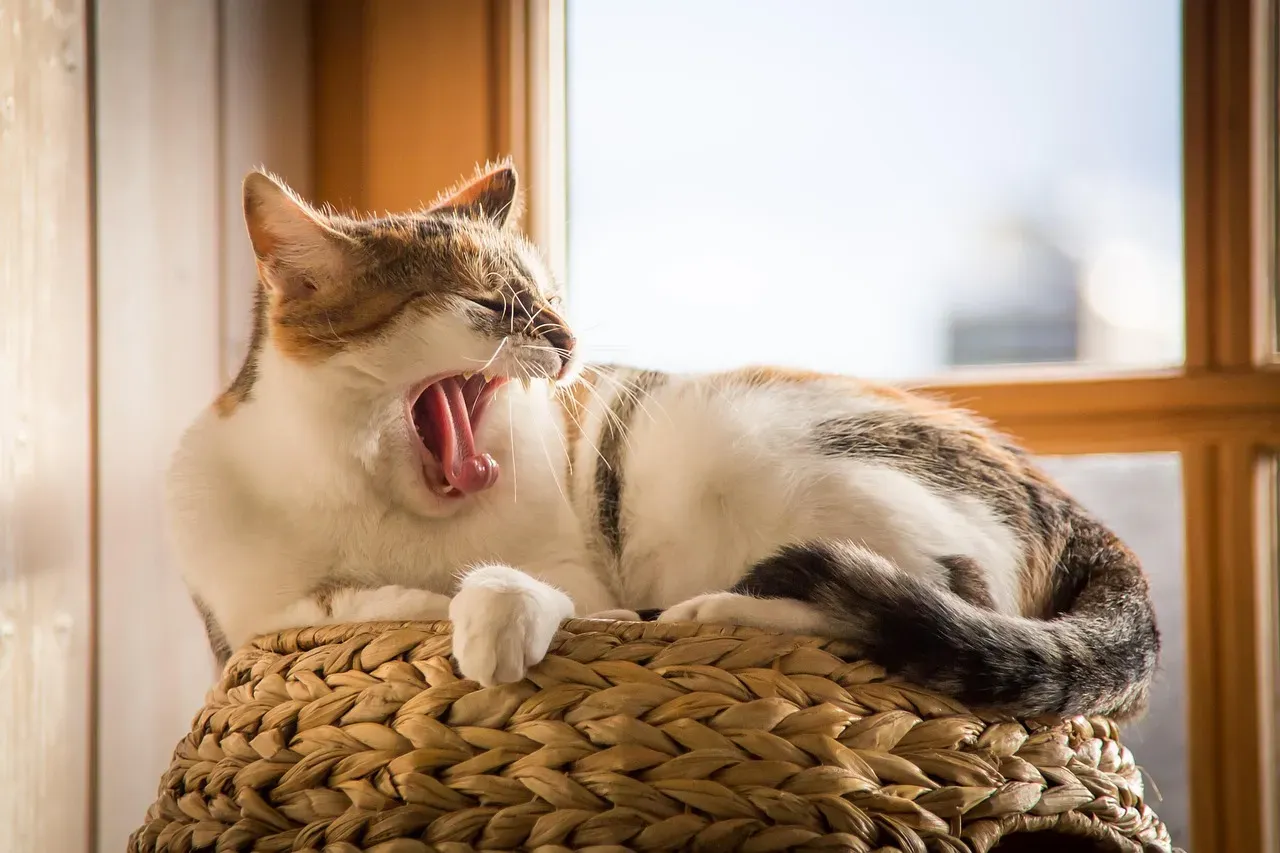
When a cat wraps their tail around a person or animal, it is usually a sign of affection, and if a cat uses their tail to wrap around your leg, or perhaps another cat’s tail, this is a sign of close affection. When resting, a cat may wrap their tail over another cat with whom they are bonded, as an affectionate display, and your cat may also gently wrap their tail over your arm when resting nearby.
Think of it as your cat’s version of holding hands. They’re creating a physical connection that says “I choose to be close to you.” It’s subtle, gentle, and incredibly sweet. This is your cat at their most vulnerable and affectionate, showing you that you’ve made it into their very small circle of trusted companions.
Understanding your cat’s behavior isn’t just about decoding quirky actions. It’s about building a deeper connection with a creature who communicates in whispers rather than shouts. Every slow blink, every headbutt, every annoying 3 AM zoomie session is your cat trying to tell you something. Now that you know what they’re saying, you can respond in ways that strengthen your bond and make both of you happier. So what do you think? Have you noticed any of these behaviors in your feline friend? Pay closer attention next time, and you might be surprised at just how much your cat has been trying to tell you all along.
Kristina is a young writer from India. An arts graduate and an avid content creator, Kristina is passionate about animals and wildlife. She enjoys exploring topics related to pet care, animal behavior, conservation, and nature, combining thorough research with engaging storytelling.