You’ve heard it before. That peculiar sound that makes your head turn and wonder whether there’s a bird somehow trapped inside your house. Yet when you look around, there’s just your cat, perched by the window, making a series of high-pitched, rapid-fire chirps that sound nothing like their usual meow. Let’s be real, it’s adorable and puzzling at the same time.
Your feline friend has a vast vocabulary, with 16 different vocalizations documented in scientific research, possibly even more according to experts. While we all know cats meow, purr, and occasionally hiss when they’re upset, chirping remains one of the most fascinating and misunderstood sounds in your cat’s repertoire. Whether you’ve caught your kitty chirping at birds through the window or greeting you at the front door with that distinctive trill, there’s way more happening beneath the surface than you might think. Buckle up, because we’re about to dive into the surprisingly complex world of feline chirps.
The Science Behind That Adorable Sound
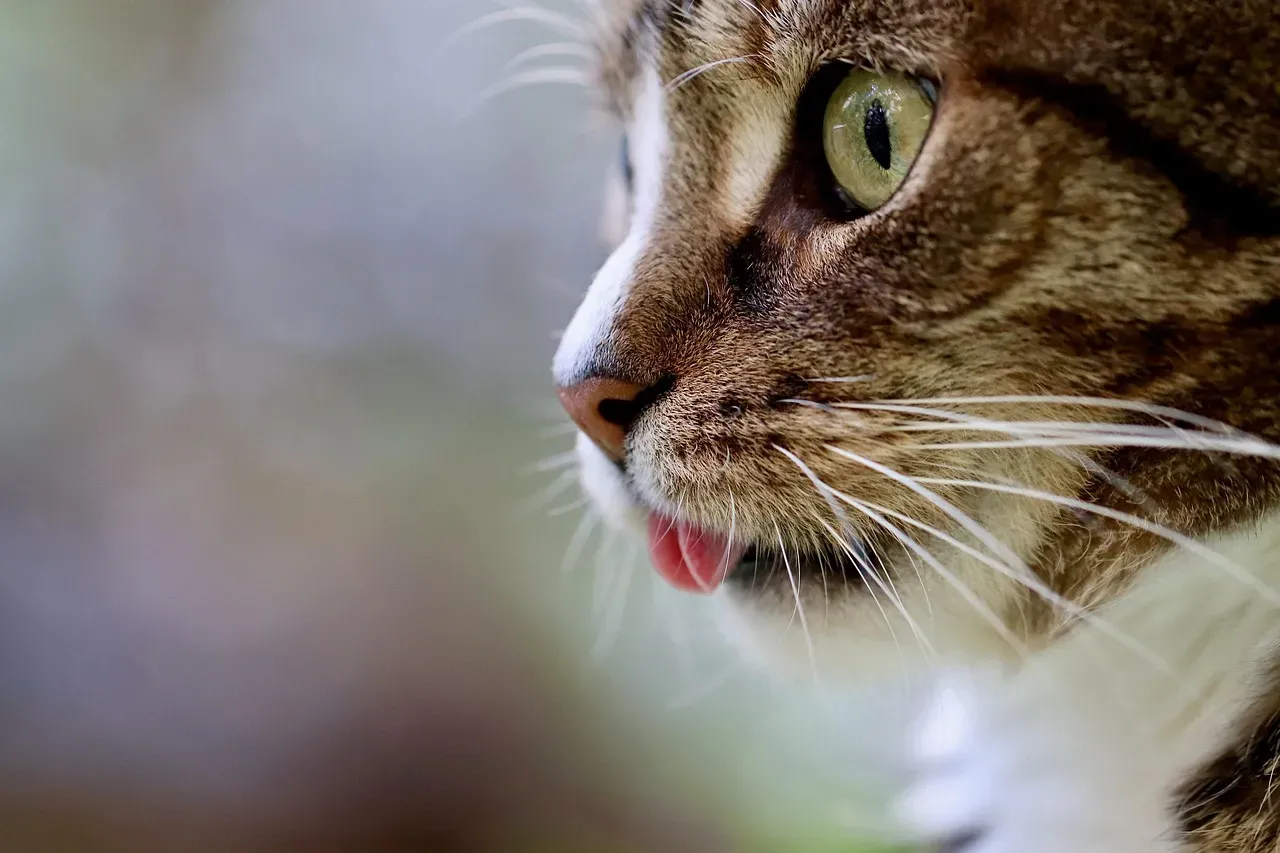
The cat chirp, also known as a chirrup or a trill, is a short, peep-like sound that’s very similar to a songbird’s warble. Think of it as somewhere between a meow and a coo, rolled right on the tongue. A chirp is considered to be a type of murmur, described as a sound that’s “mostly formed with the mouth closed”, which explains why it has that softer, almost musical quality compared to your cat’s more demanding meows.
What makes this sound unique is how it’s produced. It is a high-pitched, repetitive noise that comes out in short bursts. The anatomy behind this vocalization involves your cat’s larynx working in a very specific way, creating those distinctive rapid vibrations. Cats can produce very loud sounds such as the meow, but also very quiet ones such as the chirp. This versatility shows just how sophisticated their vocal communication system really is.
When Mama Cat Calls the Shots
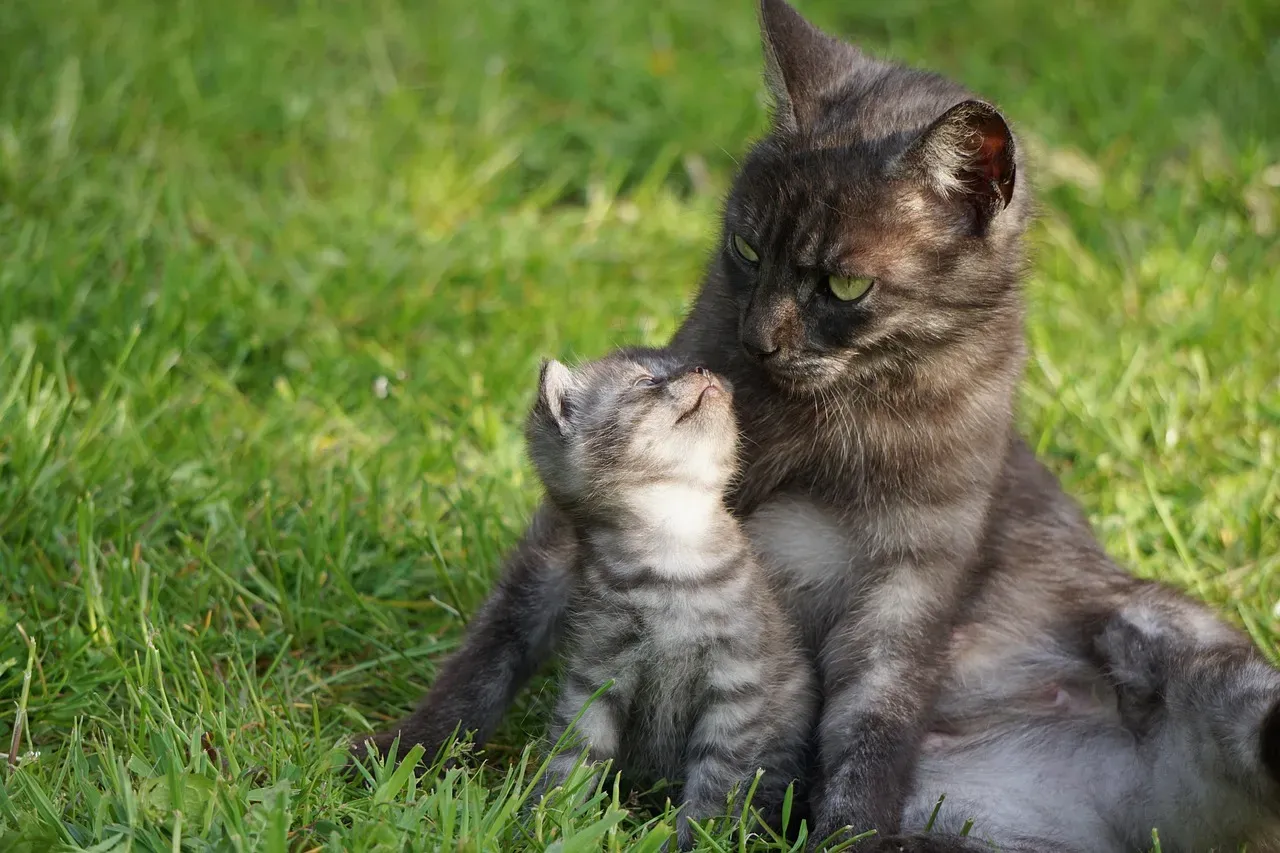
It is commonly used by mother cats to call their kittens inside the nest. This maternal chirp serves as a contact call, essentially saying “follow me” or “pay attention, babies.” What’s really fascinating here is the level of recognition involved. Kittens recognize their own mother’s chirp, but they do not respond to the chirps of other mothers.
The science gets even more impressive. The kittens are able to recognize their mother’s chirp vocalization from other mothers’ chirps and respond to it while the mother is approaching the nest. Acoustic analysis support that the mother’s chirps are distinctive and stable enough to be used as a vocal signature. Honestly, that’s some next-level communication right there. They will meow or chirp every time they enter the kitten pen or nest to signal their arrival. When it’s meal time, the cat mother will meow to her babies to let them know it’s time for dinner. It’s basically the feline version of “Dinner’s ready!”
The Window-Watching Mystery Explained
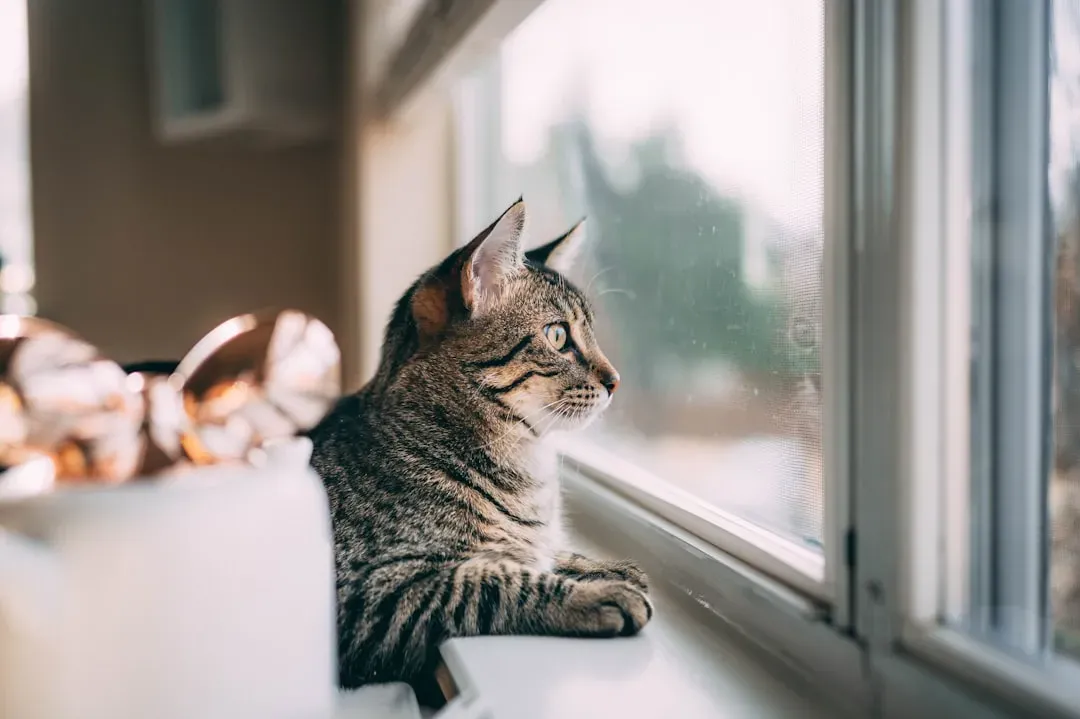
You know the scene. Your cat is glued to the window, tail twitching, eyes laser-focused on a bird hopping around outside. Then comes that staccato series of chirps and chatters. One of the most common reasons a cat chirps is when they see potential prey they cannot access, such as while watching squirrels or birds outside the window. In this context, a chirp can indicate excitement – mixed with a little frustration.
Some researchers have proposed a wild theory about this behavior. The chirping may be a way for the cat to “communicate” with the prey or mimic the sounds of small animals. It’s believed that the high-pitched sounds could mimic the noises that prey animals, like birds, make. There’s even evidence from a margay in the Amazon rainforest that was observed mimicking tamarin monkey calls to lure them closer. Whether your house cat is consciously trying to trick that sparrow or just can’t contain their excitement is still up for debate.
Your Cat’s Emotional Rollercoaster
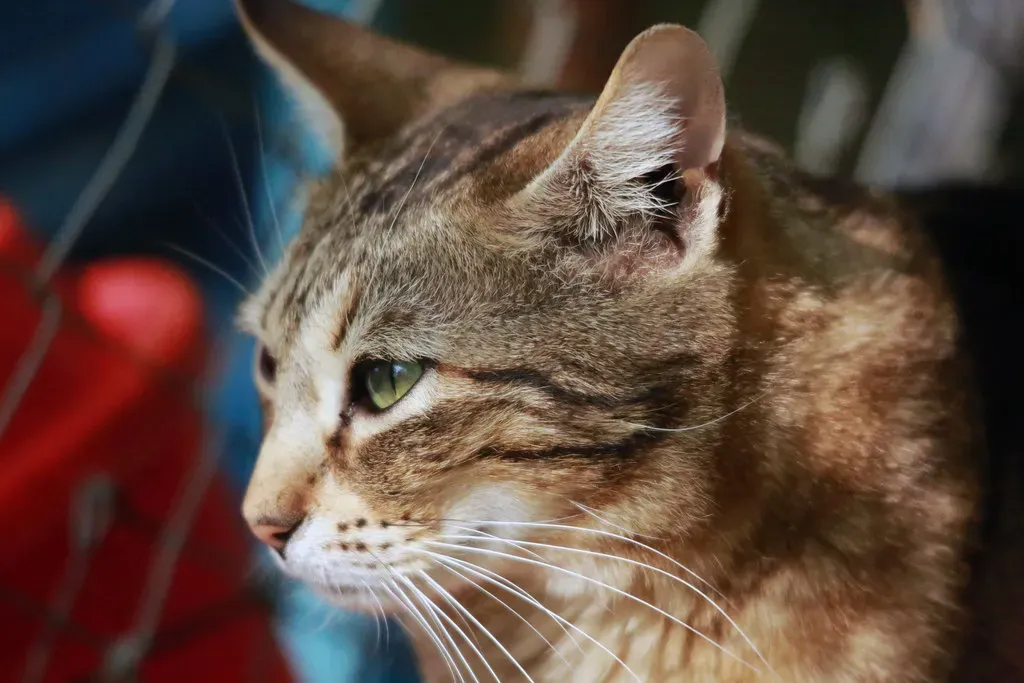
Sheer excitement – of a potential snack! “Cats are really excited when they see a bird or squirrel, and they want to get their mitts on it,” and that excited energy can result in this chattering sound. Think of it like when you see your favorite dessert being brought to the table. The anticipation is almost too much to handle.
Yet there’s another side to this coin. According to some experts, the chattering may express a cat’s frustration over not being able to catch the bird. So your cat isn’t just excited about seeing prey – they’re also dealing with the emotional complexity of wanting something they absolutely cannot have. Your cat may be experiencing a surge of adrenalin at the sight of prey, which in the wild would flood their system to give them a burst of energy for the attack. Chirping may also be an instinctual behavior rooted in the actual act of killing. Yikes, that got dark fast.
Not Just for Bird Watching
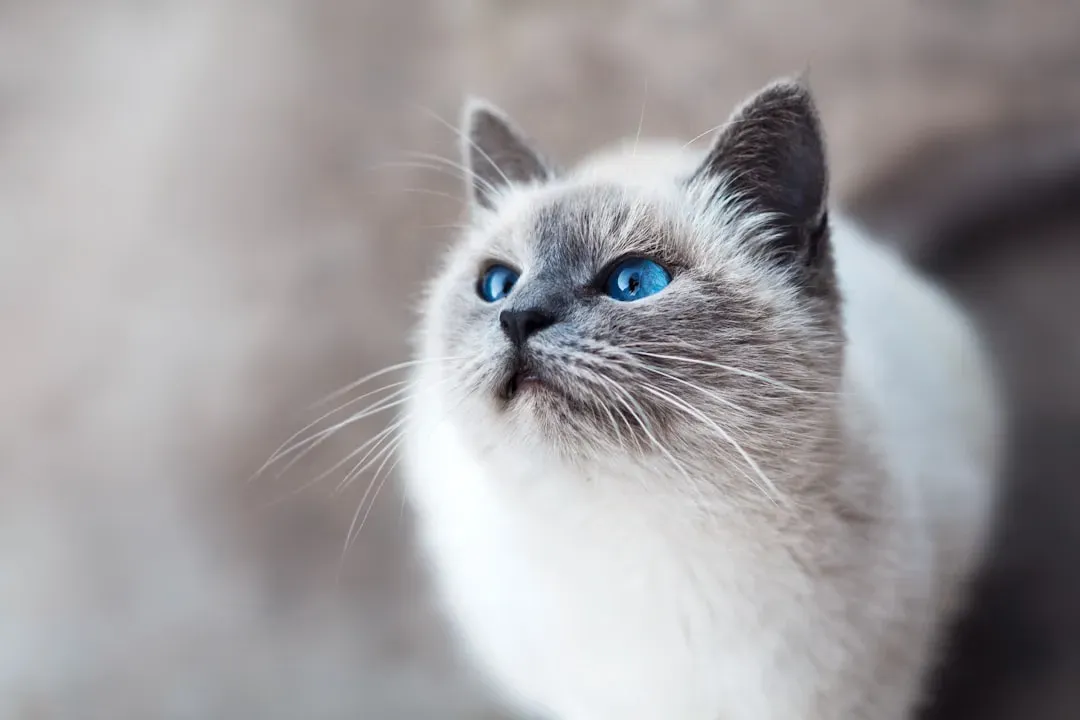
Here’s the thing most people don’t realize: chirping isn’t reserved exclusively for hunting scenarios. Chirps are “generally … used for greeting, attention, acknowledgment and approval.” A chirp is basically a high-pitched “Hello!” to their person. Your cat might chirp when you walk through the door after work, when they’re showing you their favorite toy, or when they want you to follow them to their food bowl.
Adult cats chirrup to get attention and to let other cats or people know their location – sort of like saying, “Hey! I’m over here!” Excitement and prey drive also play into this common cat sound. This versatility makes chirping one of the more adaptable sounds in your cat’s vocal toolbox. Some cats are naturally more vocal and will chirp regularly, while others might save it for special occasions.
The Genetics and Personality Factor
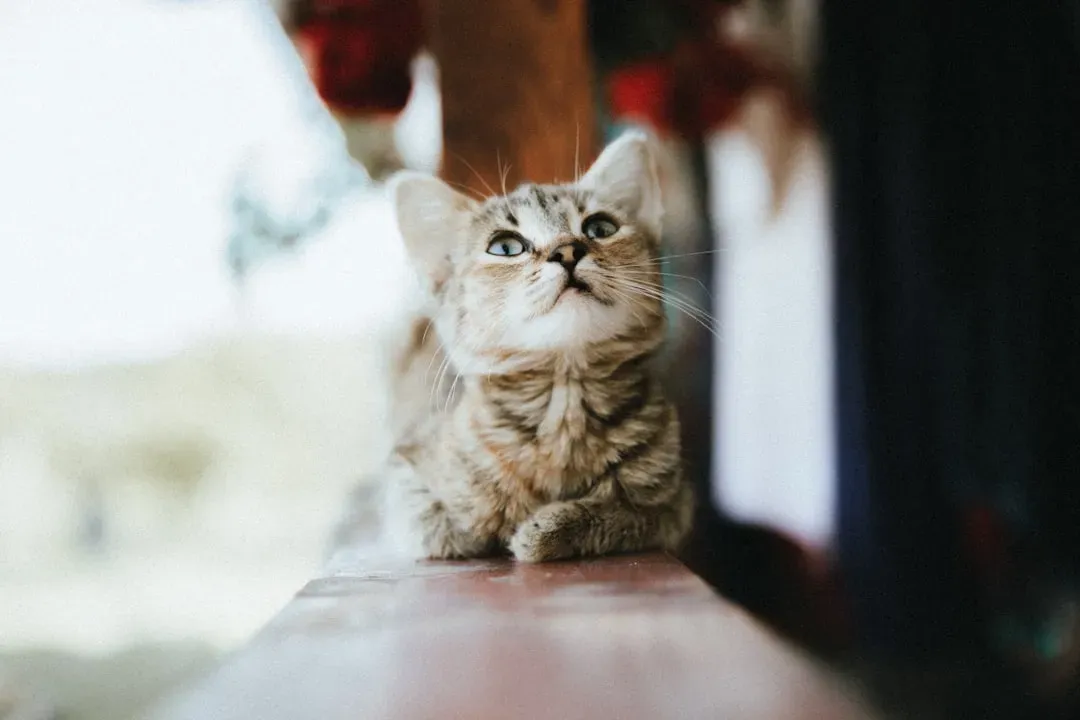
Not every cat is a chirper, and that’s totally fine. Some cats trill much more than others because they are generally more social cats. Hormones may also influence this type of vocalization, as female cats that are in heat (trying to find a mate) tend to trill frequently. Personality plays a massive role here. Some felines are naturally chatty and expressive, while others prefer to keep their feelings to themselves.
Factors such as the cat’s breed, age, and individual personality can influence the frequency and context of chirping. For instance, some breeds like the Bengal are known to be more vocal and may chirp more frequently than others. There’s also a fascinating genetic component at play, though researchers are still unraveling exactly how much of this behavior is hardwired versus learned from mama cat during those early weeks.
The Hunting Instinct Connection
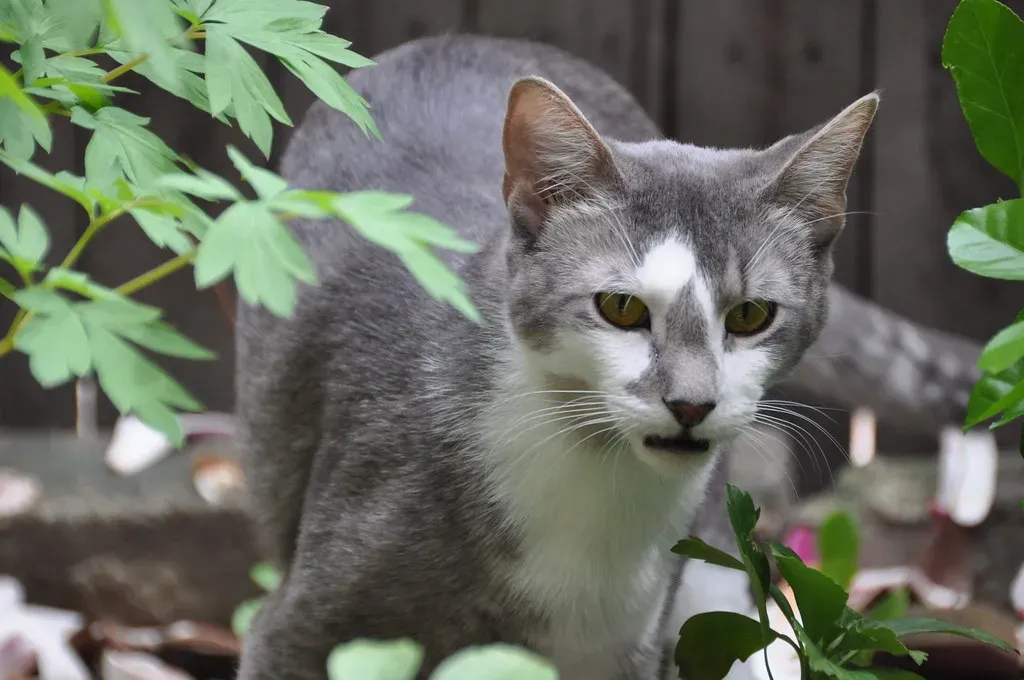
When cats get excited about birds and squirrels outside, this can initiate something called their “prey sequence,” or a series of behaviors that cats perform when they hunt. The first step of this prey sequence is staring at prey animals and getting excited (this is where your cat’s chirping or chattering might come in). The sequence continues with stalking or chasing, pouncing or grabbing, and finally the killing bite.
Your pampered indoor cat may never complete the full sequence, but that instinctual drive is still there. All cats are “wild carnivorous beasts, so it’s really important to give them an outlet for those instinctual habits”. That’s why interactive toys that mimic prey movements can be so satisfying for cats who chirp frequently at windows. They need that outlet to express their natural behaviors, even if they’ll never actually catch a real bird.
Decoding the Different Chirp Types
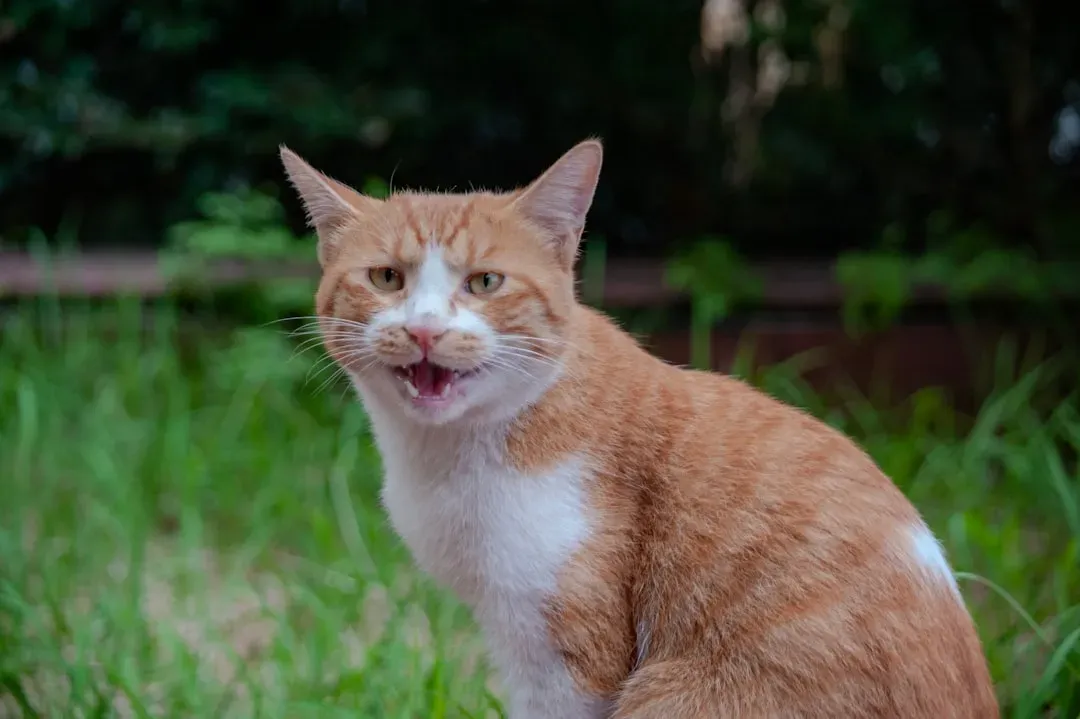
Not all chirps are created equal. There’s the greeting chirp, which tends to be shorter and softer. There’s the prey-focused chirp, usually accompanied by that distinctive teeth chattering movement. A sequence of chirps is called chirrups. A chirp is initially uttered by the mother cat as a contact call to her kittens, but adult cats may chirp to get attention and inform other cats or people of their location.
Then there’s the trill, which is technically a close cousin to the chirp. A trill is produced with a soft voice and sounds like a purr but with a higher pitch. Cats may trill to greet and thank their human family members for something, such as a snack or a pet. The subtle variations in pitch, duration, and intensity all convey slightly different meanings. Learning to distinguish these nuances can help you better understand what your cat is trying to tell you.
What Your Cat’s Body Language Reveals
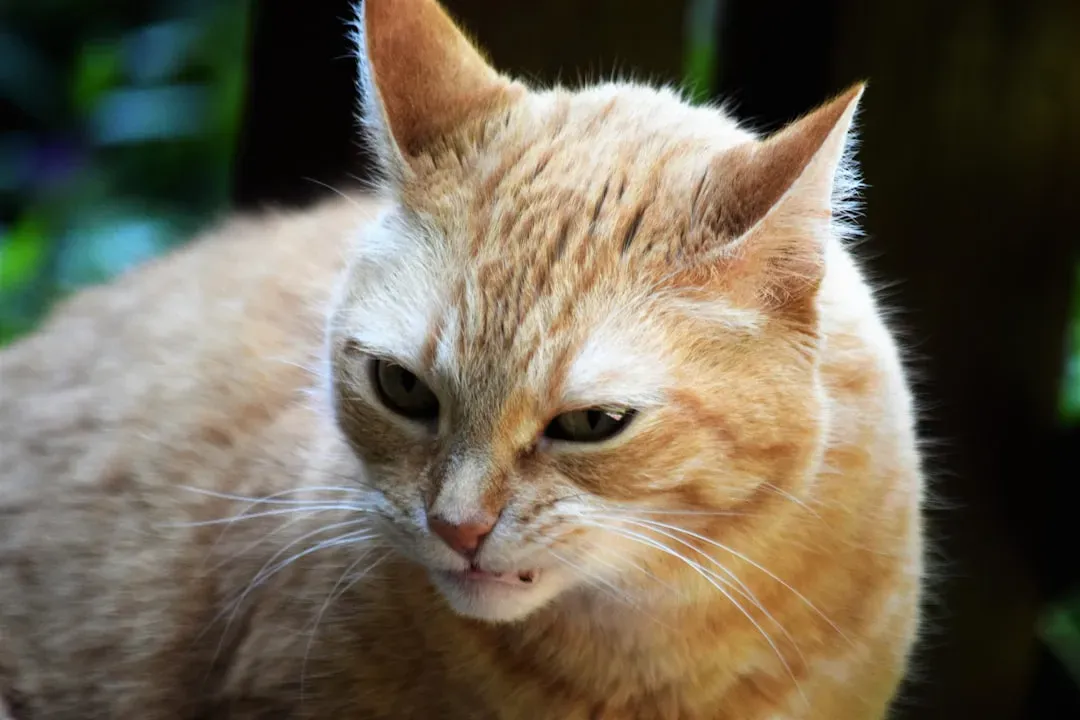
When your cat chirps, pay attention to the whole package, not just the sound. Cats may exhibit ears pointed upward, facing slightly forward, eyes wide with pupils darting as they follow birds, whiskers pointed forward away from the face, and tail held low and likely twitching. This physical stance tells you that your feline is hyper-focused and in full predator mode.
Context matters enormously. A chirp while staring out the window with dilated pupils and a twitching tail means something very different from a chirp when your cat trots up to greet you with their tail held high. Body language and vocalizations work together as a complete communication system. Miss one piece, and you might misinterpret what your cat is really trying to say.
Should You Encourage or Discourage Chirping?
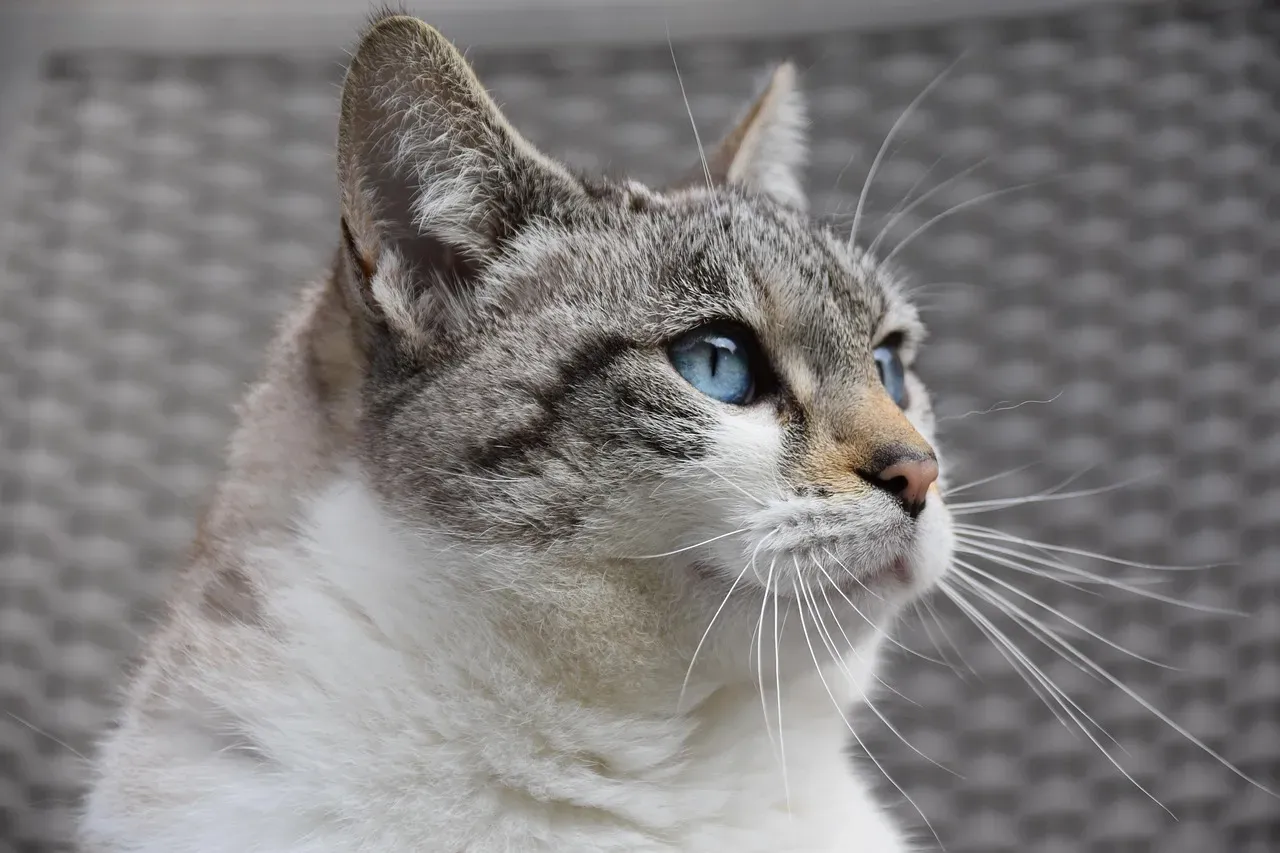
All three cat experts agree that cats chirping or chattering at their prey is completely normal and nothing to worry about. In fact, they all believe you should encourage your cat’s chirping noises! This might seem counterintuitive, especially if the sound drives you a bit bonkers, but it’s actually a healthy expression of natural feline behavior.
It is best to allow your cat to chirp and react when they see prey instead of trying to force them into acting in a way that is not natural. For a truly happy indoor cat, chirping at birds should be encouraged. Trying to stop this behavior would be like trying to stop a bird from singing. It’s completely harmless and gives your cat a way to engage with their instincts safely. Removing your cat’s outlet for performing their natural prey sequence can cause them to become stressed.
When Chirping Might Signal Something’s Wrong
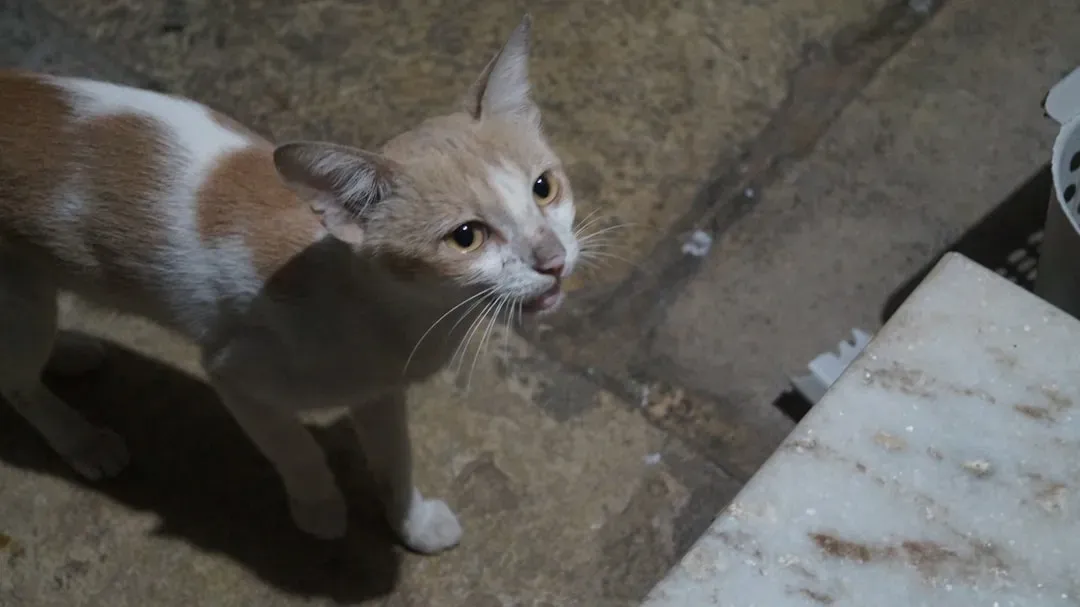
While chirping is usually totally normal, there are rare occasions when changes in vocalization warrant a closer look. Any change in a cat’s vocalization – the frequency, intensity, duration, or pitch – warrants a visit to the veterinarian to evaluate for pain, illness, or anxiety. For some cats, medications to reduce anxiety or pain may be necessary to address the root cause of the vocalization.
If your previously quiet cat suddenly becomes excessively vocal, or if a normally chirpy cat goes silent, that’s worth noting. While rare, in some cases, excessive or unusual chirping can signal an underlying health issue. If a cat starts chirping more than usual, especially in situations where they’re not looking at prey or playing, it might indicate stress, anxiety, or discomfort. Trust your gut. You know your cat better than anyone, and sudden behavioral changes should always be checked out by a professional.
Conclusion: The Hidden Depths of a Simple Sound
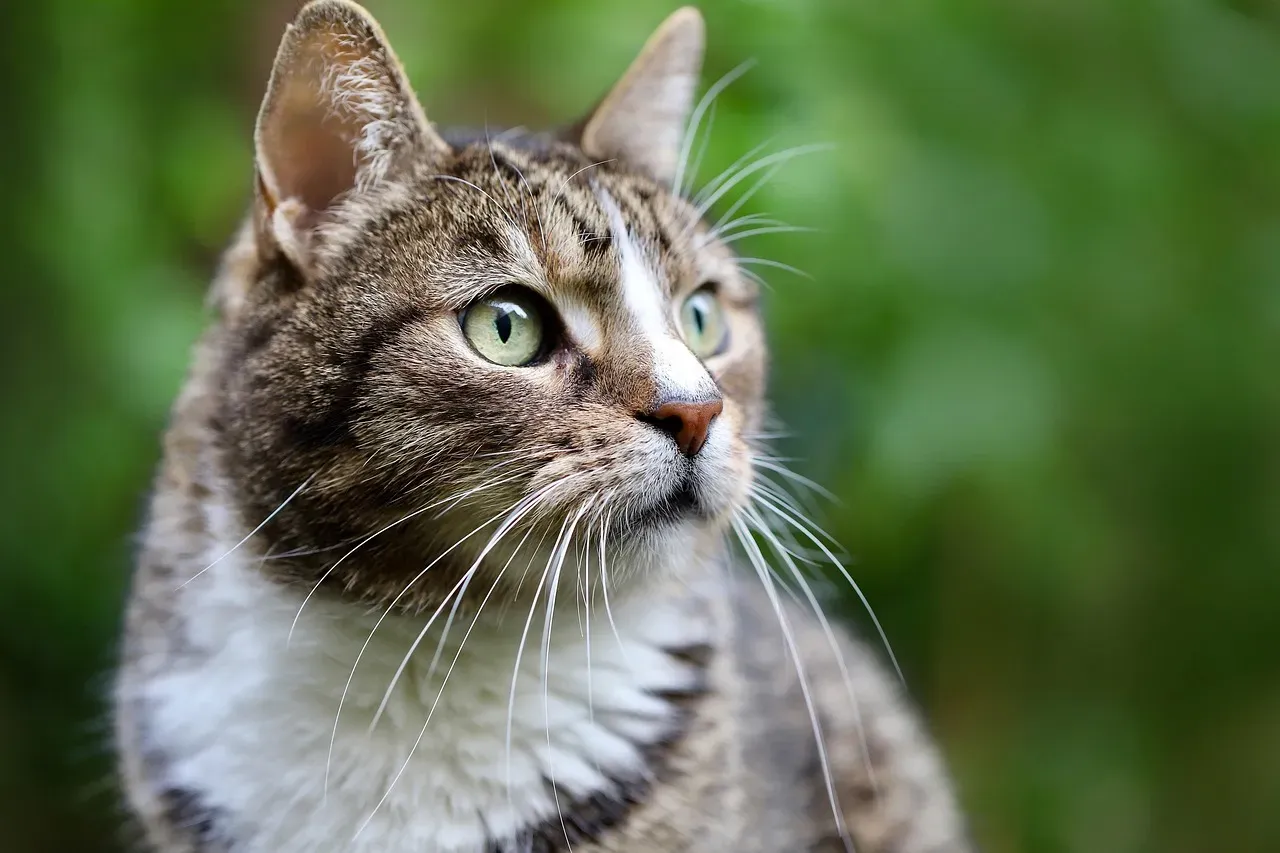
So there you have it. What seems like a simple, quirky little noise is actually a sophisticated form of communication with roots in maternal bonding, hunting instincts, emotional expression, and social interaction. Your cat’s chirps reveal their excitement, frustration, greeting intentions, and predatory focus all rolled into one surprisingly complex vocalization.
Even if it long has been believed that cats were silent compared to dogs, the more the vocal communication system of the cat is studied the more we discover how complex it is. Next time your cat launches into a chirping session at the window or greets you with that distinctive trill, you’ll know there’s a whole world of meaning packed into those few seconds of sound. Pretty incredible for such a small creature, right?
What’s your cat’s chirping style? Are they a window-watcher extraordinaire or a greeting enthusiast? Share your stories in the comments below!
Kristina is a young writer from India. An arts graduate and an avid content creator, Kristina is passionate about animals and wildlife. She enjoys exploring topics related to pet care, animal behavior, conservation, and nature, combining thorough research with engaging storytelling.