A once-nomadic feline named Whiskers arrived at the local animal shelter for the third time in two years, seeking stability amid a life of uncertainty.
A History of Heartbreak
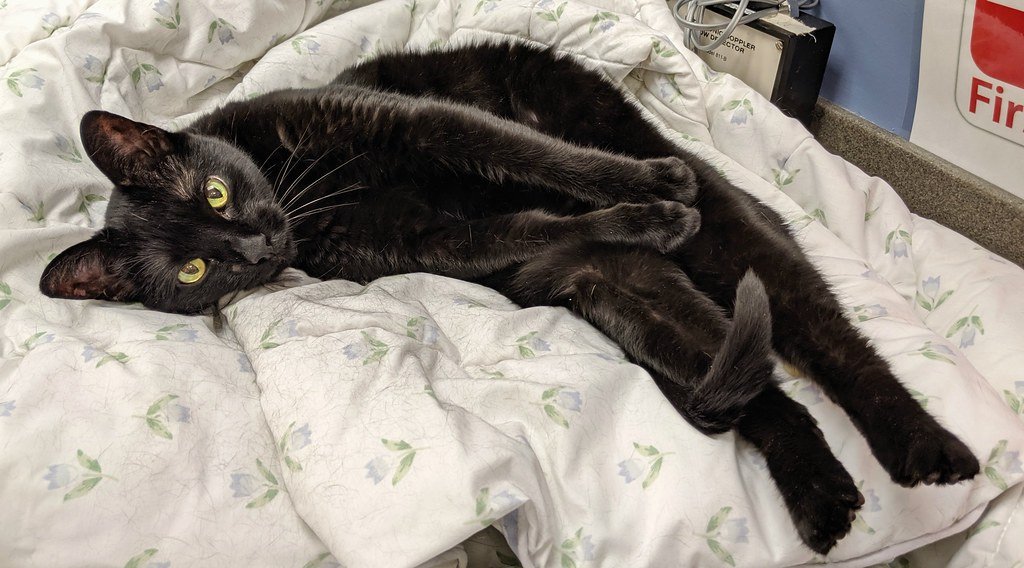
Whiskers first entered the shelter as a young stray, full of curiosity and energy. Adopters took her home twice before, each time promising a forever bond. Yet circumstances changed, and she found herself back at the facility, her trusting eyes reflecting quiet confusion.
Shelter staff noted that Whiskers displayed remarkable resilience despite the disruptions. She adapted quickly to new environments but always carried a subtle wariness. Records showed common reasons for her returns, including family relocations and unexpected allergies, highlighting the challenges many pets face in unstable homes.
Volunteers observed her gentle nature during intake, as she purred softly while being examined. This behavior contrasted with the stress many cats exhibit upon arrival. Over time, her story became a poignant reminder of the emotional toll repeated surrenders can take on animals.
Discovering Comfort in Unlikely Places
Upon her latest surrender, Whiskers gravitated toward a pile of donated blankets and toys in the common area. She burrowed into a soft, fleece throw, her body relaxing for the first time since arrival. Staff members watched in awe as she kneaded the fabric, a sign of contentment rarely seen so soon.
These donated goods, contributed by community members, transformed the shelter’s environment from stark to soothing. Whiskers spent hours nestled among the items, occasionally emerging to rub against volunteers’ legs. Her affinity for the blankets suggested a deep need for security after so many upheavals.
Experts in animal behavior explained that such comforts mimic the warmth of a mother’s care, aiding in stress reduction. Whiskers’ response underscored how simple donations can make a profound difference in a cat’s well-being.
The Role of Community Donations
Local shelters rely heavily on public contributions to provide essentials beyond basic food and shelter. Items like blankets, beds, and scratching posts create enriching spaces that promote mental health for animals in care. In Whiskers’ case, these donations offered an immediate outlet for her to feel safe.
Volunteers sorted through bins of gently used goods, ensuring everything met hygiene standards before distribution. One particularly plush blanket, donated by a family no longer in need, became Whiskers’ favorite retreat. Such stories illustrate the ripple effect of generosity in animal welfare efforts.
- Soft bedding helps reduce anxiety in sheltered cats by providing familiar textures.
- Toys encourage play, boosting mood and physical activity.
- Cleaning supplies from donations maintain a healthy environment for all residents.
- Warmth-retaining items like fleece are especially vital during colder months.
- Community drives often yield enough variety to personalize spaces for individual animals.
Paths to a Brighter Future
Shelter officials worked diligently to match Whiskers with a suitable adopter, emphasizing her affectionate personality. Potential families visited, drawn by her story shared on social media. One couple, experienced with senior cats, connected with her immediately during a meet-and-greet.
Meanwhile, Whiskers continued to thrive in her temporary haven, using the donated goods as a bridge to normalcy. Programs like foster-to-adopt initiatives offered hope for pets like her, allowing trial periods in homes. Her journey inspired increased donations, with locals contributing more items to support similar cases.
Animal welfare organizations reported that repeated surrenders affect thousands of cats annually, often due to life changes beyond owners’ control. Education on pet commitment remains key to reducing these instances.
Key Takeaways
- Donated goods provide essential comfort, helping cats like Whiskers cope with shelter stress.
- Repeated surrenders highlight the need for better support systems for pet owners facing hardships.
- Community involvement through donations directly improves outcomes for vulnerable animals.
Whiskers’ tale reveals the enduring spirit of shelter animals and the transformative power of compassion. As she awaits her next chapter, her story encourages more people to consider adoption and giving back. What do you think about supporting local shelters? Tell us in the comments.
Kristina is a young writer from India. An arts graduate and an avid content creator, Kristina is passionate about animals and wildlife. She enjoys exploring topics related to pet care, animal behavior, conservation, and nature, combining thorough research with engaging storytelling.