If you’re thinking about adding another furry companion to your home, you’re probably wondering whether your future feline will get along with your existing pets. Not every cat tolerates sharing their space with other animals. Some breeds, however, seem practically designed for bustling households where multiple species coexist. These sociable cats adjust smoothly to life alongside dogs, other cats, and even smaller pets, creating a sense of harmony rather than chaos.
Choosing the right breed can transform your multi-pet home from stressful to surprisingly peaceful. Let’s be real, personality matters just as much as proper introductions when it comes to successful integration. You want a cat who’s confident but not controlling, playful without being aggressive, and relaxed enough to handle the energy of other animals. So let’s dive into eight cat breeds that genuinely shine in multi-pet settings.
Maine Coon: The Gentle Giant
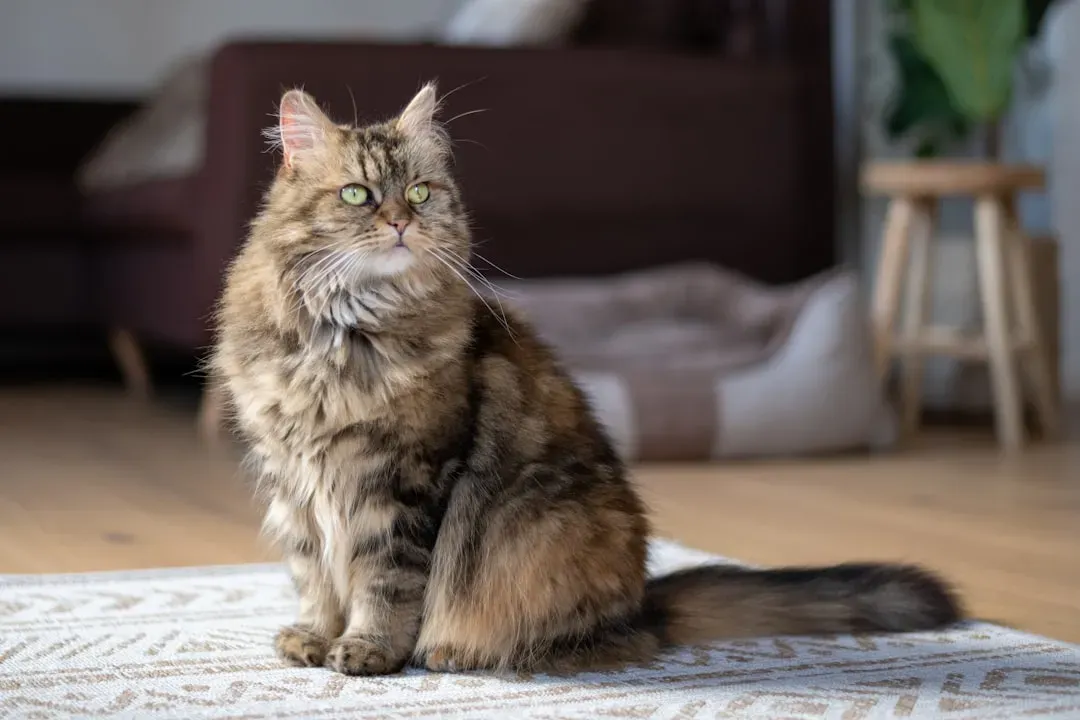
Your Maine Coon might be one of the largest domestic cats you’ll ever meet, yet they’re famously sweet-natured and social, making them a natural fit for homes with multiple pets. Think of them as the friendly neighborhood giant who somehow makes everyone feel comfortable. Their calm, patient personality allows them to accept dogs and other cats without unnecessary tension, and they’re confident without being domineering.
These cats are highly adaptable and intelligent, quickly learning household routines and boundaries, and rather than reacting aggressively, Maine Coons tend to observe and assess situations. You’ll notice they often act as social glue in your household, forming bonds across species. Maine Coon cats are known for their dog-like personalities and rarely show aggression toward other pets, even forming close friendships with family dogs. Honestly, their playful yet gentle nature makes them surprisingly versatile in busy, pet-filled homes.
Ragdoll: The Ultimate Peacekeeper
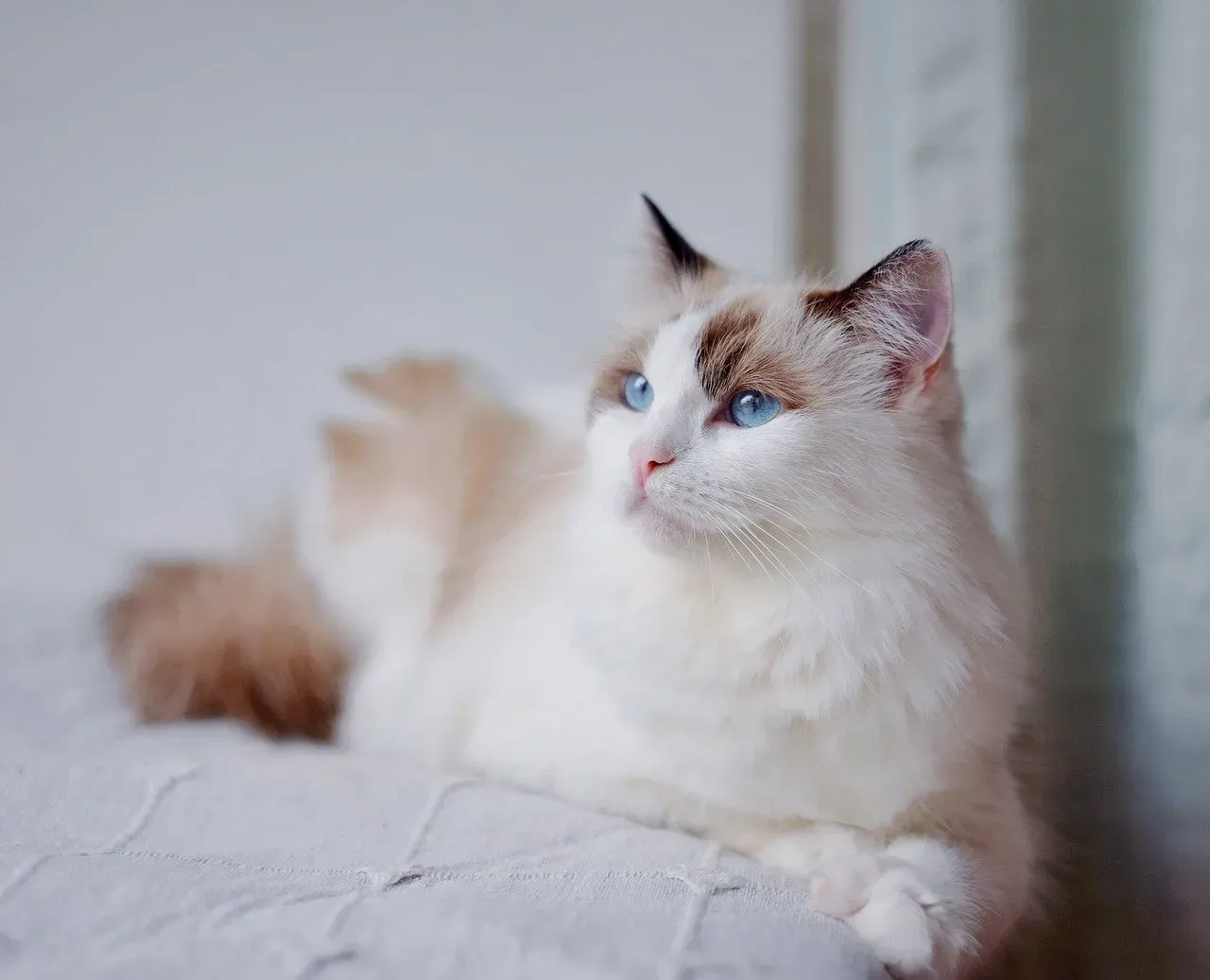
Your Ragdoll gets its name from its well-known tendency to relax so completely during petting, cuddling, or being held that it becomes noticeably limp and floppy, and this large, gentle breed goes limp when picked up. It’s hard to say for sure, but this trait hints at a naturally calm and trusting personality that extends to their interactions with other pets. They are rarely territorial and tend to approach other pets with quiet curiosity rather than defensiveness, and their low-reactive nature helps reduce tension, especially in homes with dogs or multiple animals.
Ragdolls are natural peacekeepers, often choosing companionship over competition, and instead of hiding away, they’re content to nap beside dogs or engage in gentle play with other pets. Their calm presence can even help balance out more energetic animals in the home, and because they don’t startle easily, Ragdolls adapt well to busy environments filled with movement and noise. You’ll find them lounging peacefully while chaos swirls around them, completely unbothered.
Abyssinian: The Social Butterfly
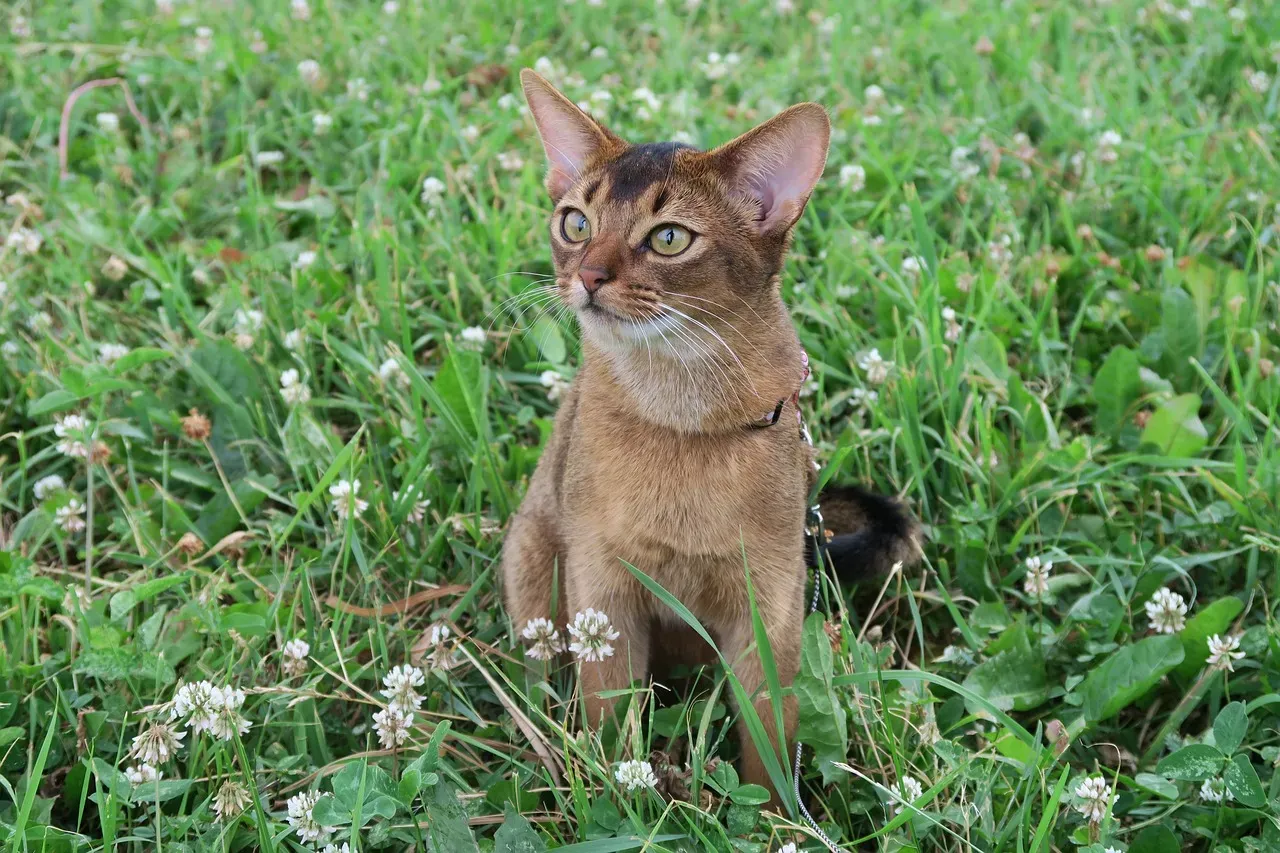
Your Abyssinian is exceptionally intelligent and very curious by nature, and this ancient-looking breed is famous for its high energy, curiosity, and confident presence in busy households. In multi-pet homes, Abyssinians stand out as social cat breeds that genuinely enjoy company. Here’s the thing: they’re not content sitting on the sidelines watching life happen. They want to be involved in everything, including interactions with your other pets.
Abyssinians are social cats who enjoy interacting with other animals, often engaging in play or simply sharing space in harmony, and they are curious about their surroundings and any companions within it, making them well-suited to homes with multiple pets where their adventurous spirit can be fully embraced. They’ll investigate new household members with enthusiasm rather than fear. Think of them as the extroverted friend who immediately starts chatting with everyone at the party. Their playful energy matches well with dogs who enjoy interactive play.
Burmese: The Charming Companion
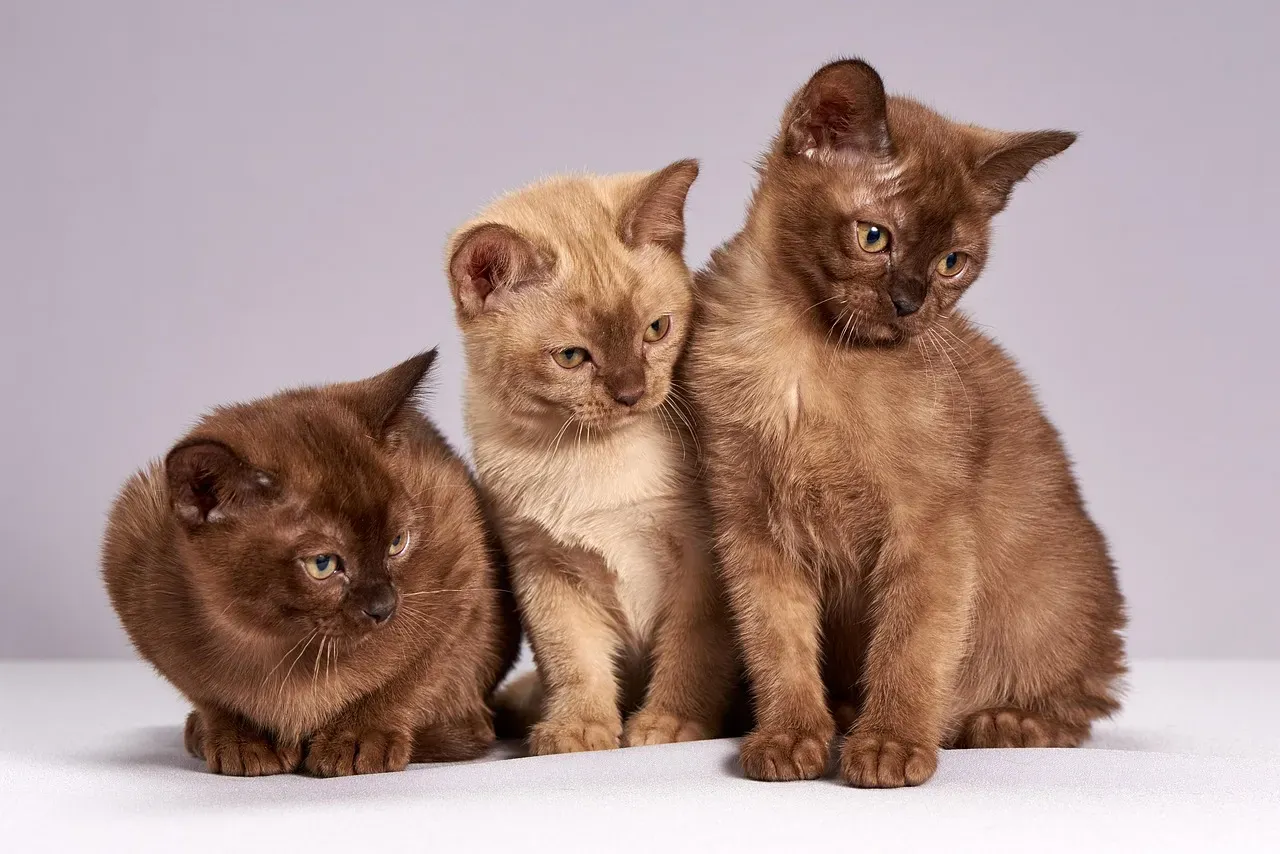
Your Burmese cat is known for its charm and confidence, quickly winning over families, and Burmese cats are famously social, making them an excellent choice for homes with other pets. They tend to bond easily with other cats and are gentle enough to coexist peacefully with friendly, easygoing dogs, helping reduce tension in shared spaces, and their personality plays a big role in creating a peaceful multi-pet home.
Energetic and often described as dog-like, Burmese cats enjoy interactive play, follow their humans from room to room, and thrive when included in daily family life rather than isolated, and affectionate and people-oriented, they crave companionship and rarely prefer being alone. This strong social drive often encourages positive interactions with other animals in the household. I know it sounds crazy, but many owners say having just one Burmese isn’t enough because these cats are genuinely that social and engaging.
British Shorthair: The Calm Observer
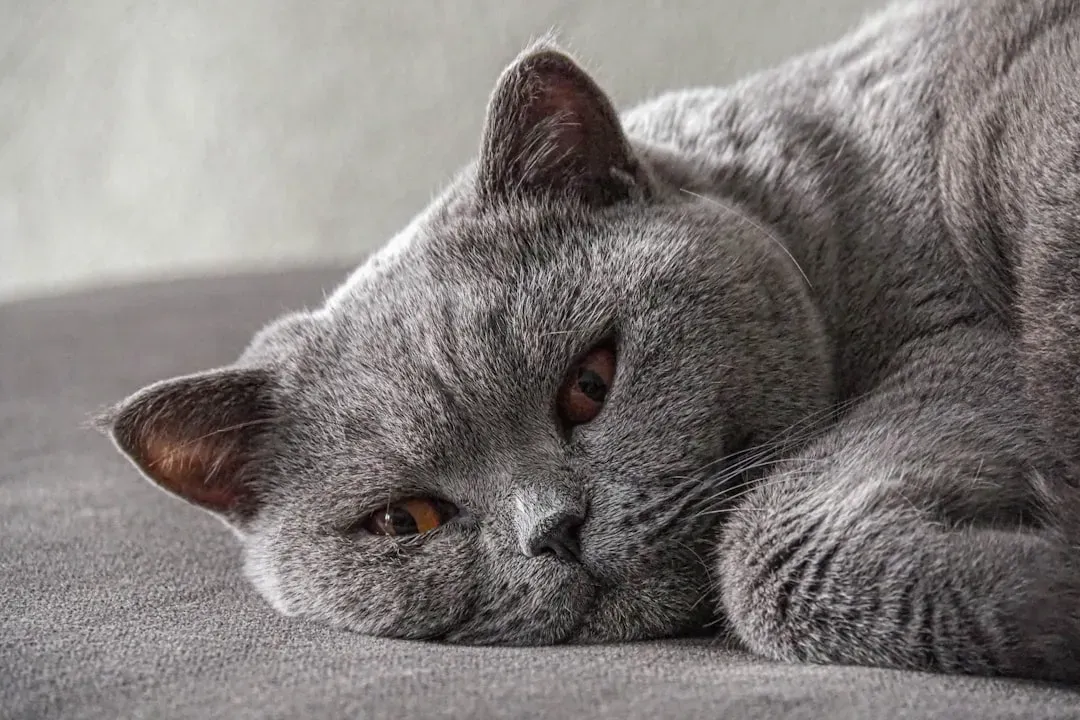
Your British Shorthair is an ancient breed admired for its round face, dense coat, and sturdy build, and British Shorthairs are generally calm cats and are often comfortable being independent, known for an easy-going temperament. In homes with multiple pets, the British Shorthair tends to coexist peacefully, and their relaxed, unobtrusive personality allows them to share space comfortably with other cats and makes them one of the cat breeds known for being friendly with dogs when introductions are handled gradually.
Rather than being overly demanding, these cats prefer a balanced routine, and they enjoy playtime and exploration around the house but aren’t hyperactive, which helps maintain harmony in households that include dogs or other animals with varying energy levels. You’ll appreciate their predictable, steady temperament in a busy home. They won’t compete for attention or create drama. Instead, they observe from their favorite spot, content to let the more energetic pets burn off their excess energy while they lounge nearby.
Siamese: The Vocal Socialite
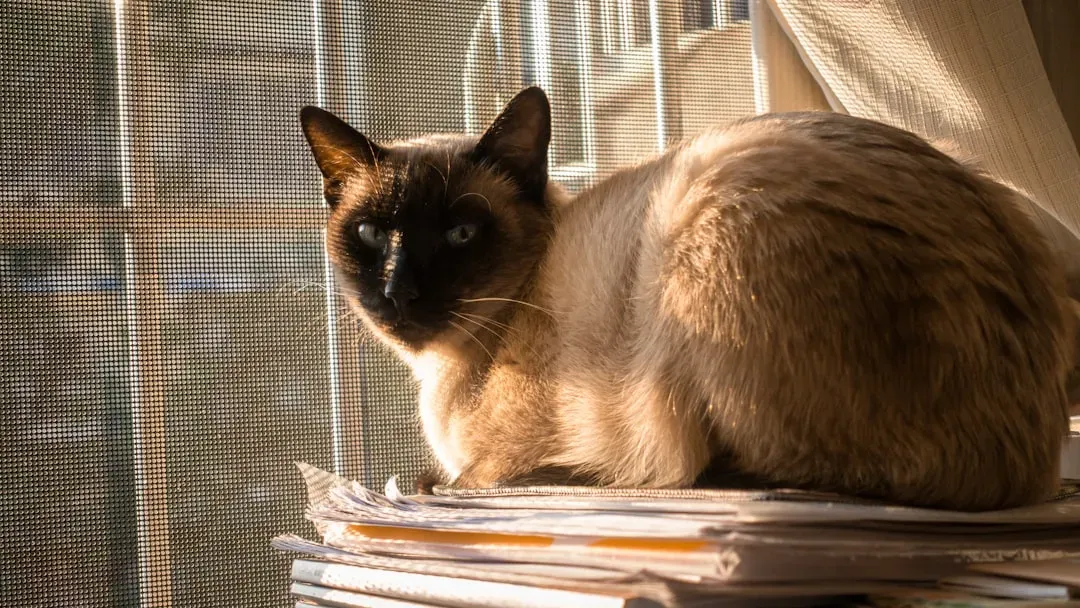
Siamese cats are vocal, interactive, and love being involved in whatever their humans are doing, and cats like the Siamese are more social and can happily keep up with a dog’s energy. Siamese cats are quick learners and can easily understand the behaviors and boundaries set by their canine friends, and with proper socialization and training, Siamese cats can coexist harmoniously with dogs, often forming strong bonds.
Their playful nature allows for engaging interactions, and they can often participate in games alongside their canine companions, but it’s essential to provide each pet with their own space and boundaries, as Siamese cats can be sensitive to overstimulation. Let’s be real, these cats want to be the center of attention, so they’ll insert themselves into whatever activities your other pets are doing. Being an extremely sociable cat, the Siamese will do better in a multi-cat house where they can play with other felines. Their intelligence and curiosity often make them household leaders.
Birman: The Sacred Companion
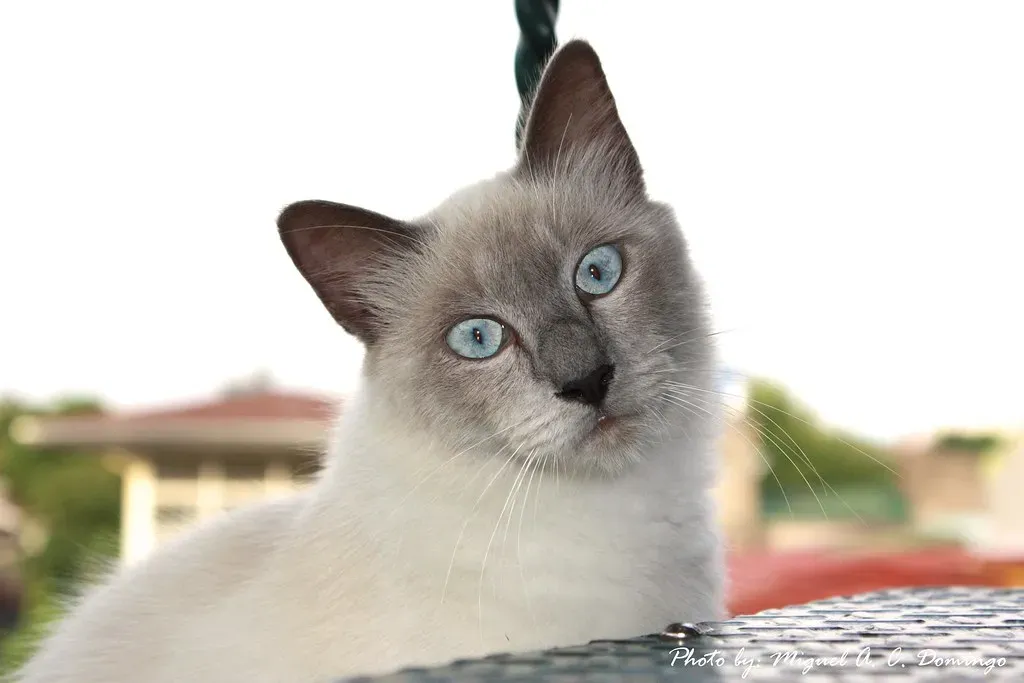
Your Birman is a gentle, affectionate, and sociable cat that thrives in the company of their human families and other pets. Birman cats are the social butterflies of the feline realm, boasting high intelligence and curiosity, with a natural talent for making any household guest feel welcome, and their endearing “socked paws” perfectly complement their love for cozy evenings on the couch.
These sacred cats from Burma have a long history of being calm and friendly. Birman cats are easy-going and patient, quickly forming bonds with humans and other animals. Their gentle demeanor means they rarely start conflicts with other pets, preferring peaceful coexistence. You’ll find your Birman seamlessly integrating into your multi-pet home, making friends rather than rivals. They’re particularly good with children and calm dogs, adapting to various household dynamics without stress.
Scottish Fold: The Sweet-Tempered Friend
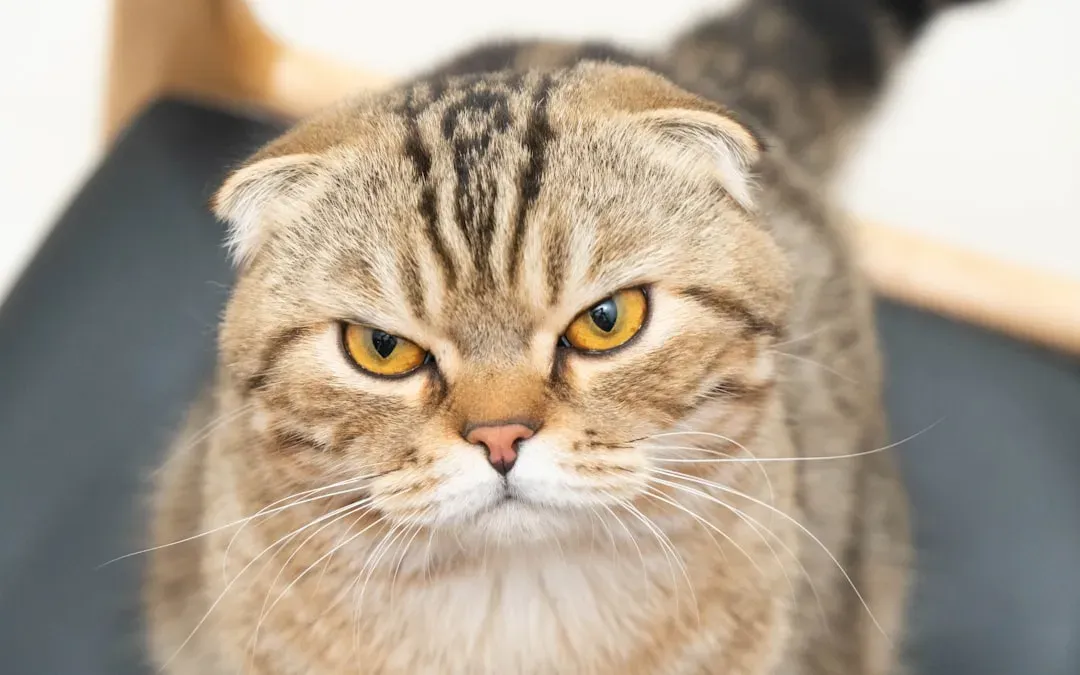
Your Scottish Fold is cherished for its unique folded ears and its incredibly sweet, calm, and companionable nature, and they easily adapt to living with other cats and dogs, often seeking out their company for nap times and gentle play. Scottish Folds are naturally sociable and form close bonds with their families, and they enjoy being around people and are known to coexist peacefully with other cats and dogs, often seeking shared naps or quiet play rather than rough activity.
Their social skills shine in multi-pet homes, where patience and adaptability matter, and while not overly boisterous, they welcome interaction and respond well to soft play, making them ideal companions for households that value harmony. Their moderate activity level means they won’t overwhelm shy pets or annoy high-energy dogs. Think of them as the diplomatic friend who somehow gets along with everyone at the party without trying too hard. They naturally seek companionship without demanding constant attention.
Creating a harmonious multi-pet household requires more than just luck. Choosing a breed with the right temperament gives you a significant advantage from the start. These eight breeds consistently demonstrate the patience, confidence, and social skills needed to thrive alongside other animals. Remember that proper introductions, patience, and respecting each pet’s individual boundaries remain essential regardless of breed. Yet starting with a naturally sociable cat definitely makes the journey smoother. Whether you’re bringing home your second pet or your fifth, these breeds prove that cats and other animals can genuinely enjoy each other’s company. What’s your experience with cats in multi-pet homes? Share your thoughts in the comments.

Hi, I’m Andrew, and I come from India. Experienced content specialist with a passion for writing. My forte includes health and wellness, Travel, Animals, and Nature. A nature nomad, I am obsessed with mountains and love high-altitude trekking. I have been on several Himalayan treks in India including the Everest Base Camp in Nepal, a profound experience.