You’ve probably noticed it. One cat drapes herself across your lap the moment you sit down, purring like an engine, demanding pets until your hand goes numb. Another retreats under the bed when visitors arrive, only emerging when the house falls silent. If you’ve ever wondered why your feline friend acts the way she does, you’re definitely not alone. Cats have earned themselves quite a reputation as unpredictable, mysterious creatures. Yet the reasons behind their dramatically different social behaviors are rooted in fascinating science.
Understanding what drives some cats to seek isolation while others beg for attention can help you become a better companion. It can help you respect your cat’s boundaries when she needs space or recognize when she’s actually asking for connection. Let’s explore the complex world of feline personalities and uncover the hidden reasons behind these intriguing differences.
The Wild Origins of Feline Independence
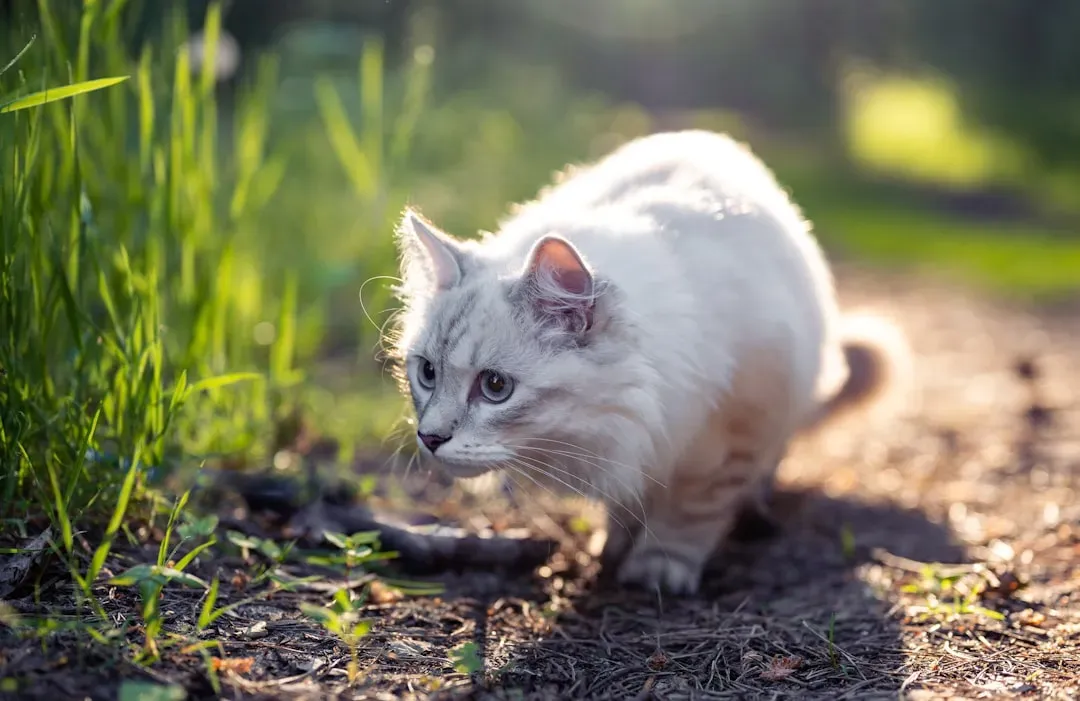
Unlike dogs, cats evolved as solitary hunters, and this ancestral blueprint still influences their behavior today. Picture a wildcat stalking prey alone in the desert, relying entirely on its own stealth and strategy. This independent streak became hardwired into their DNA over thousands of years. Cats descended from solitary wildcats that hunted alone and maintained individual territories, which is reflected in modern cats’ self-sufficient behavior.
Domestic cats are facultatively social, which means they’re able to live both socially and solitarily, depending largely on their environment and experiences. This incredible flexibility explains why your neighbor’s cat might follow them everywhere while yours prefers the quiet corner of the closet. Some cats lean heavily into their solitary ancestry, while others have adapted beautifully to social living with humans and other animals.
Genetics Play a Starring Role
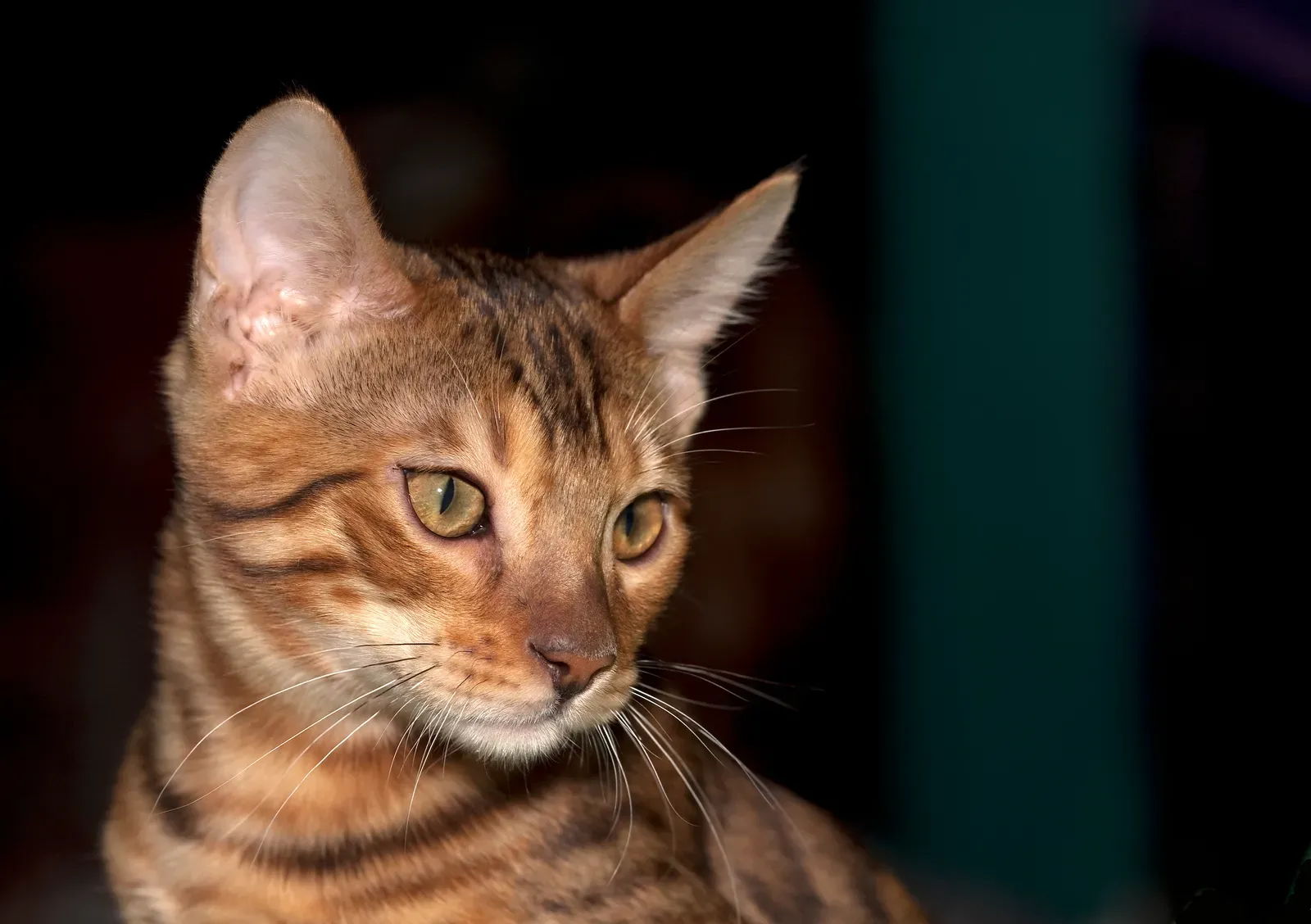
Here’s something you might find surprising. Genetics, especially those of the father, play a strong role in a cat’s personality. Research has shown that kittens may inherit their sociability and boldness from their fathers, with kittens born to friendlier fathers being friendly towards humans even without early socialization. Think of it like inheriting eye color, except it’s temperament that gets passed down.
Overall, the heritability of temperament among cats ranges from roughly forty to fifty-three percent, indicating that genes do play a substantial role. Still, genetics don’t tell the whole story. Two kittens from the same litter can develop wildly different personalities based on their individual experiences. Your cat’s behavior is essentially a dance between nature and nurture.
Early Socialization is Everything
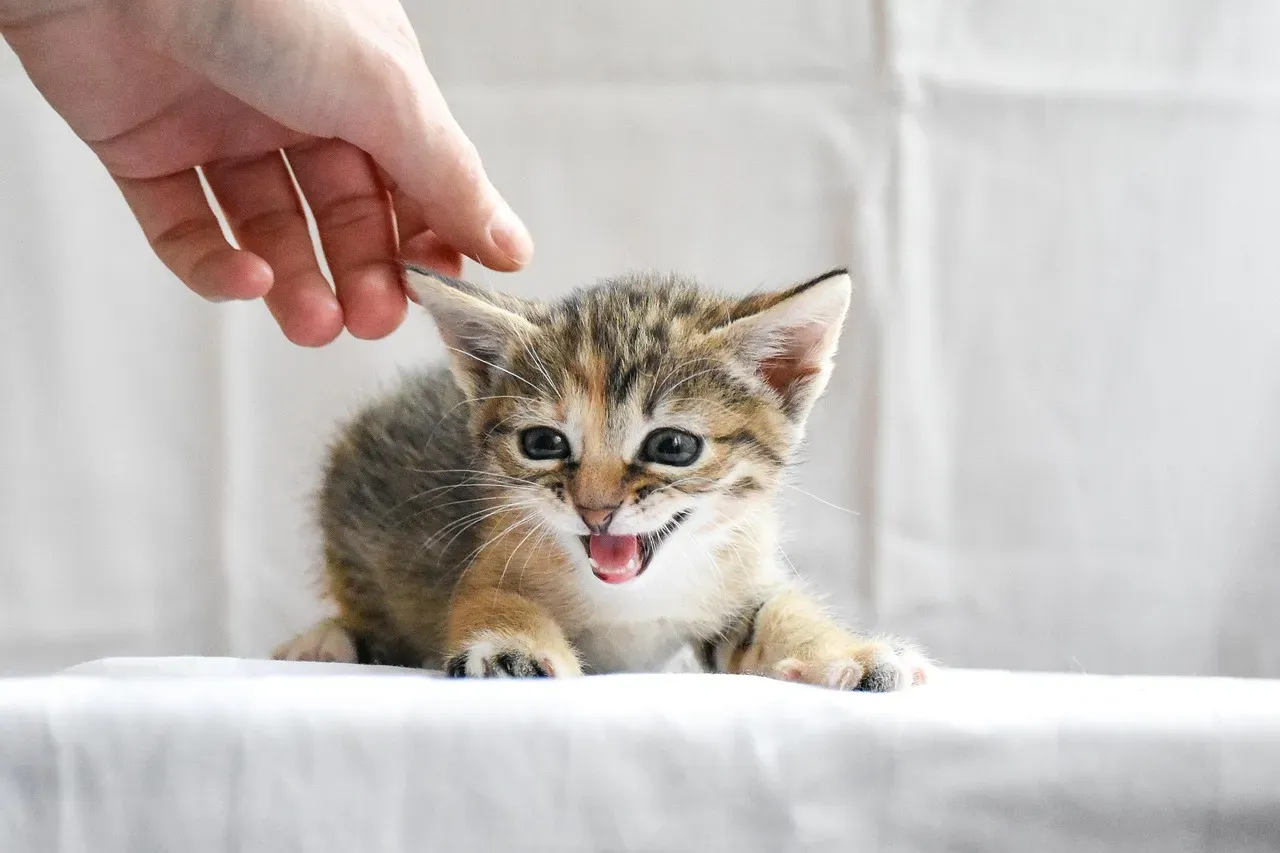
Let’s be real, those first few weeks of a kitten’s life matter immensely. If a cat does not receive social experiences with humans, especially early on during a sensitive period between two and seven weeks old, it may be extremely difficult for them to bond to a human, or they may never be able to do so. This window is absolutely critical.
The most sensitive period for socialization in kittens occurs when kittens are between two and seven weeks of age, when kittens form social attachments most easily and their experiences have a greater long-term effect than at other times in development. Kittens who are gently handled by different people, exposed to various sounds, and introduced to positive interactions during this time typically grow into confident, social adult cats. Those who miss this crucial period often remain fearful or aloof around humans.
Breed Differences Shape Social Behavior
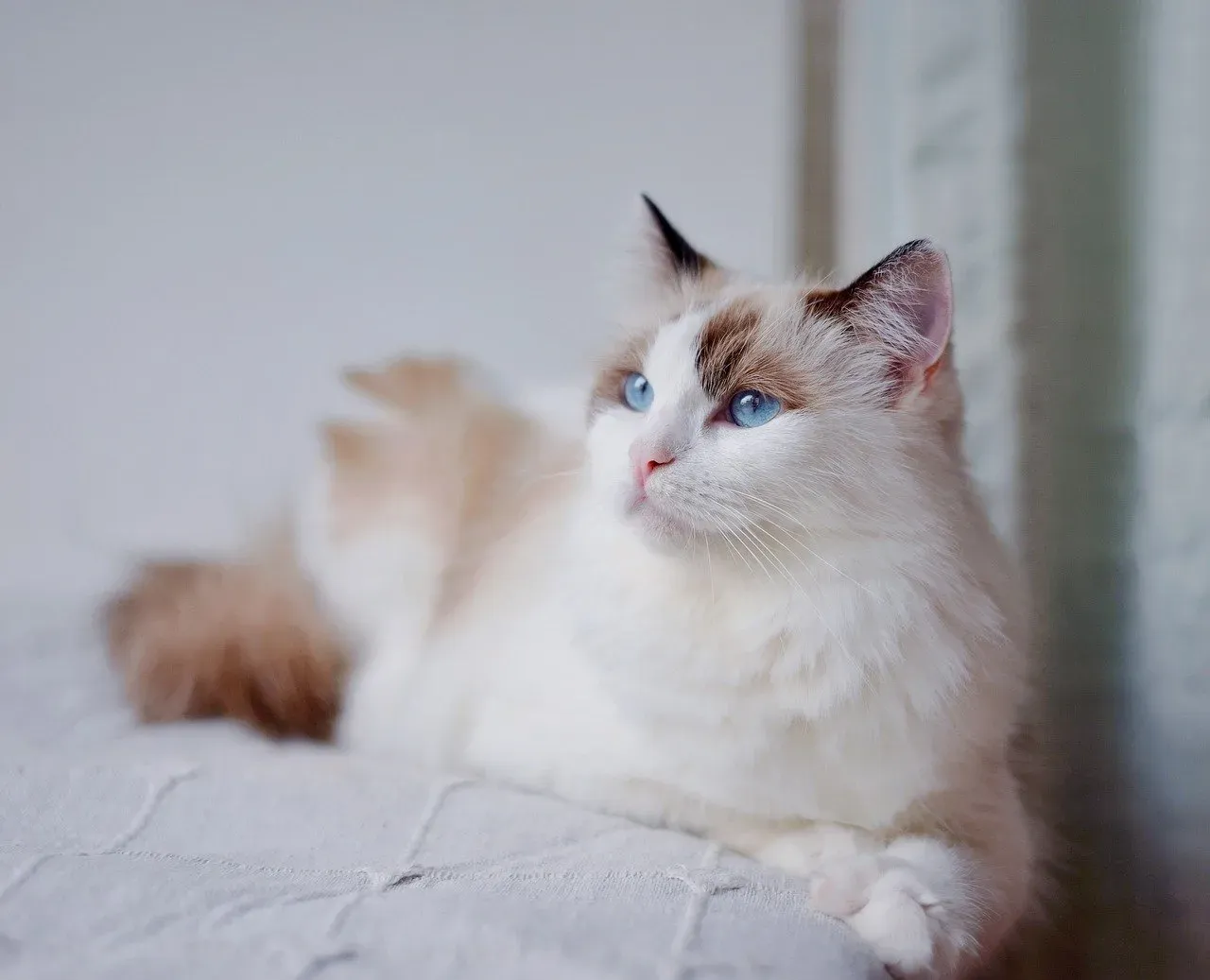
Not all cats are created equal when it comes to their desire for companionship. Breed-specific temperaments arise from selective breeding practices, with some breeds like the Siamese or Abyssinian being vocal and highly interactive, while others such as the Maine Coon or Ragdoll are characterized as calm and gentle. Your cat’s breed really can influence whether she’ll be a velcro kitty or more of a lone wolf.
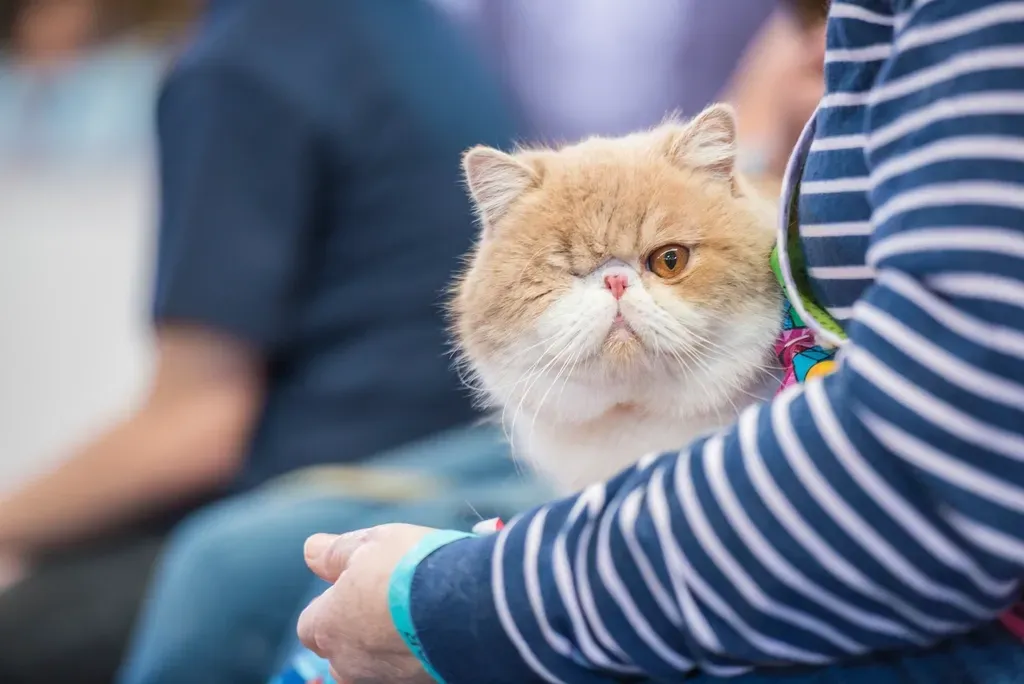
Persians are typically quiet and rather aloof, disliking loud noises and enjoying lounging regally, and although they do enjoy attention, they will not demand it. Meanwhile, Siamese cats bond strongly with their owners and are very loving, needing active, stimulating play and lots of affection, with their personalities requiring a great deal of social interaction. Knowing your cat’s breed tendencies can help set realistic expectations.
Individual Personality Trumps Everything
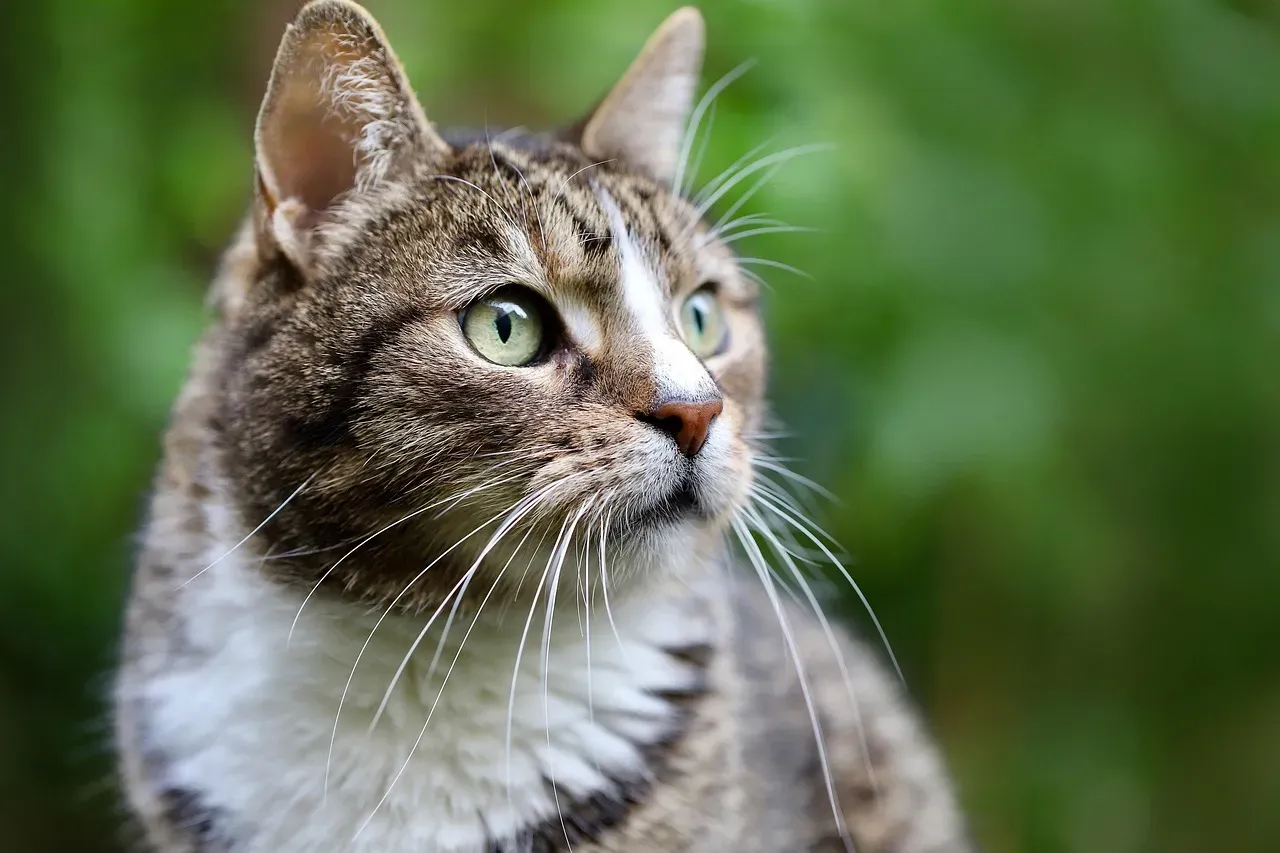
Despite all the genetic factors and breed characteristics, every single cat has her own unique personality. Like people, cats enjoy a full spectrum of personality types, with some cats being more introverted and needing more “me” time, while other cats can’t wait to catch up with all their friends in the neighborhood. I’ve seen this myself with my own cats over the years.
Personality will determine how much alone time a cat needs, and how friendly a cat is will depend on how they were raised as a kitten, with formative experiences determining how confident a cat is around other cats and humans. Some cats are naturally extroverted while others are born introverts, just like humans. Respecting these individual differences is key to a harmonious relationship.
Life Experiences Can Make or Break Social Confidence
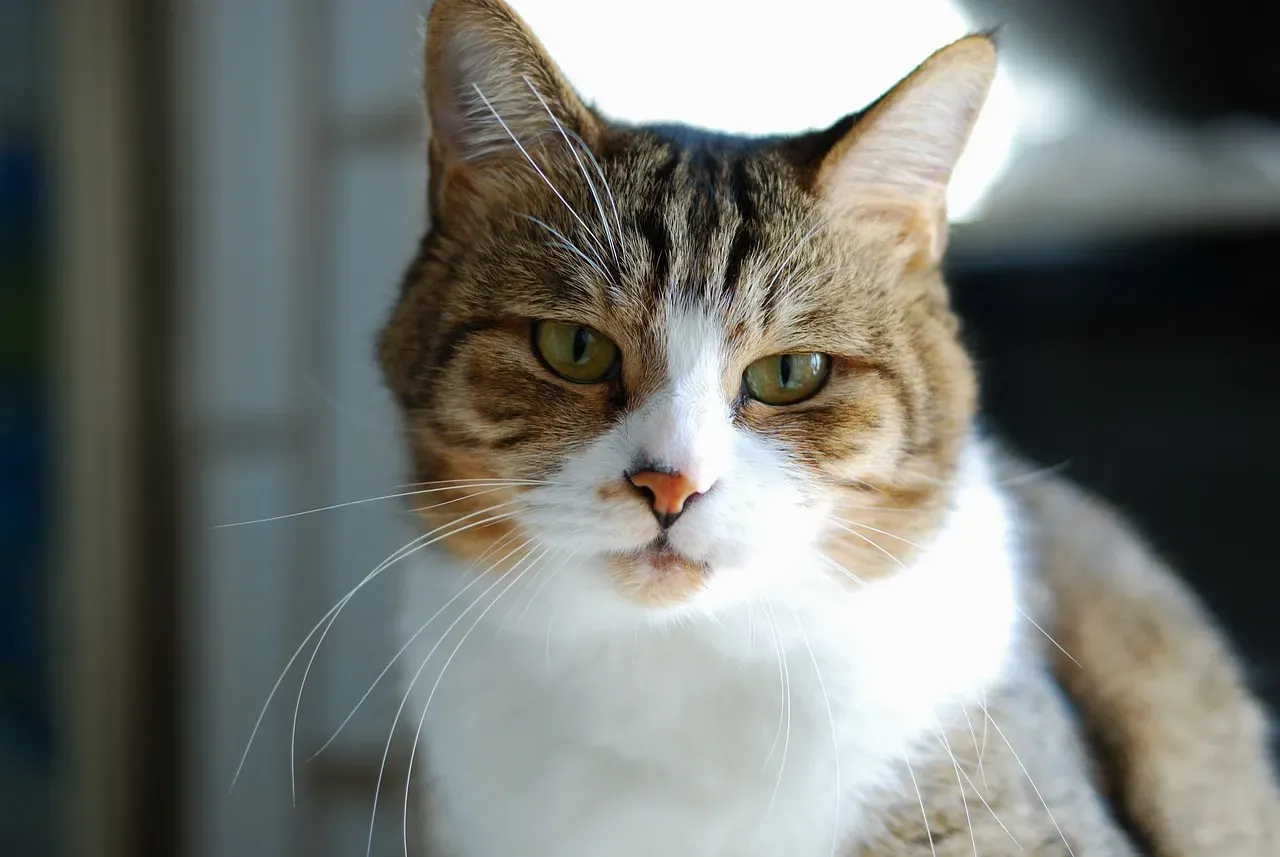
Imagine being a kitten who experienced rough handling or scary encounters with people. Those memories stick. Cats may exhibit exaggerated attention-seeking behavior due to boredom, personality and breed differences, learned behavior, fear or anxiety related to not being properly socialized or previous trauma, stress from changes in routine or environment, being left alone regularly for extended periods, or illness. Past experiences profoundly shape current behavior.
Every cat has a past, with formative experiences such as playing with their littermates and bonding with their mother determining confidence around other cats and humans, and how humans first treated a kitten coming out in their behavior as an adult. A cat who was abandoned might be clingy and anxious, constantly seeking reassurance. One who experienced early trauma might withdraw and avoid human contact altogether.
Environmental Factors Matter More Than You Think
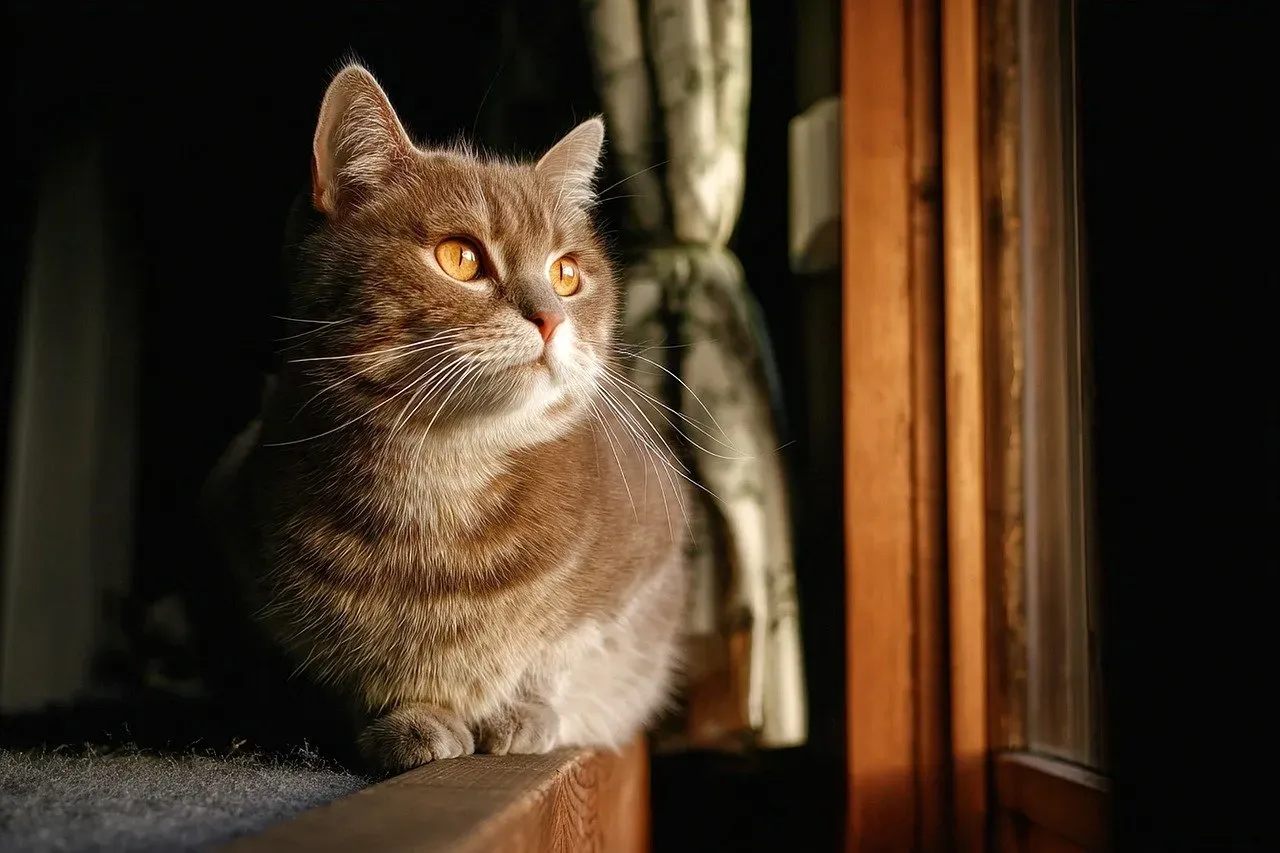
Your home environment plays a massive role in whether your cat seeks you out or hides away. A predictable and consistent routine is important for cats, and an inconsistent routine can be a source of chronic stress, which can have detrimental effects on their physical health and induce them to show more sickness behaviors and house soiling. Cats really are creatures of habit.
Social living in free-roaming outdoor cats is influenced by the distribution of vital resources such as food, shelter, and mates, with cat social groups typically occurring around areas of clumped resources while solitary living generally occurs around areas of dispersed resources. In your home, this translates to having enough litter boxes, food stations, and cozy resting spots so your cat doesn’t feel she needs to compete or retreat.
When Attention-Seeking Becomes Excessive
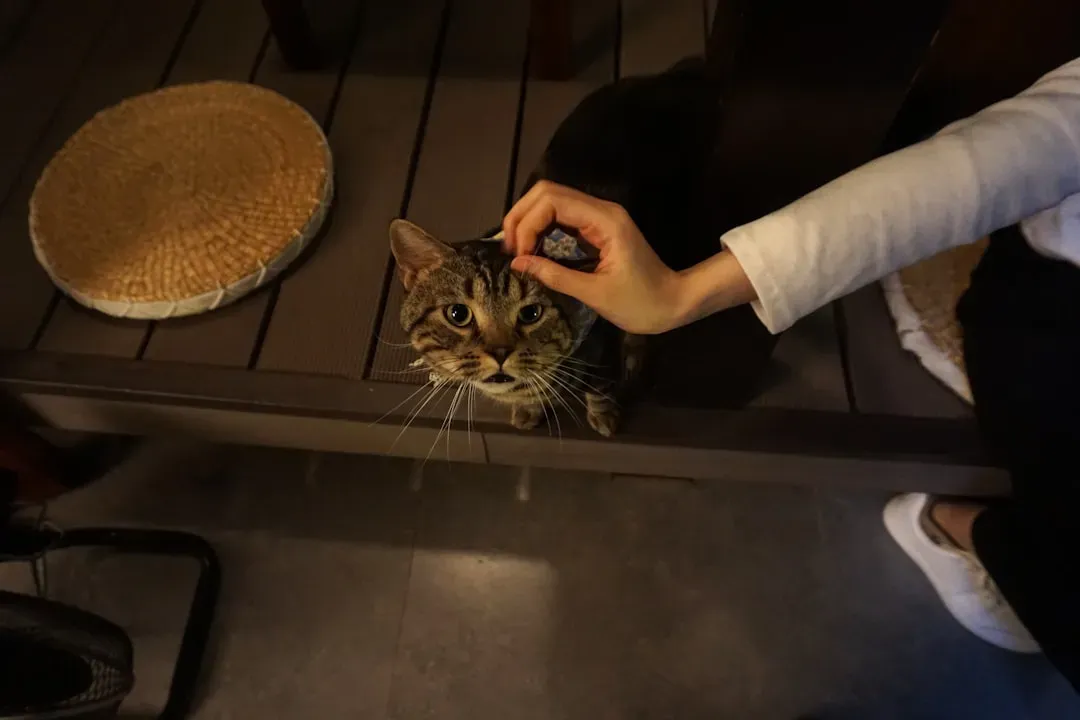
Sometimes cats swing to the opposite extreme and demand attention constantly. While many attachment behaviors are a normal aspect of cats’ bond with humans, and it’s natural for them to follow you around and seek interactions, they should also be capable of relaxing when you’re not present, and if your cat displays signs of distress or panic during separations, it may indicate they have become overly attached. Balance is crucial.
Attention-seeking behavior can be due to inconsistent schedules, too much time left alone, or improper training, with cats who suffer from separation anxiety or cognitive issues often engaging in attention-seeking behavior. If your cat won’t leave you alone for even a minute, she might be bored, anxious, or lacking adequate mental stimulation. Structured playtime and environmental enrichment can work wonders.
How Your Cat Shows Affection on Her Own Terms
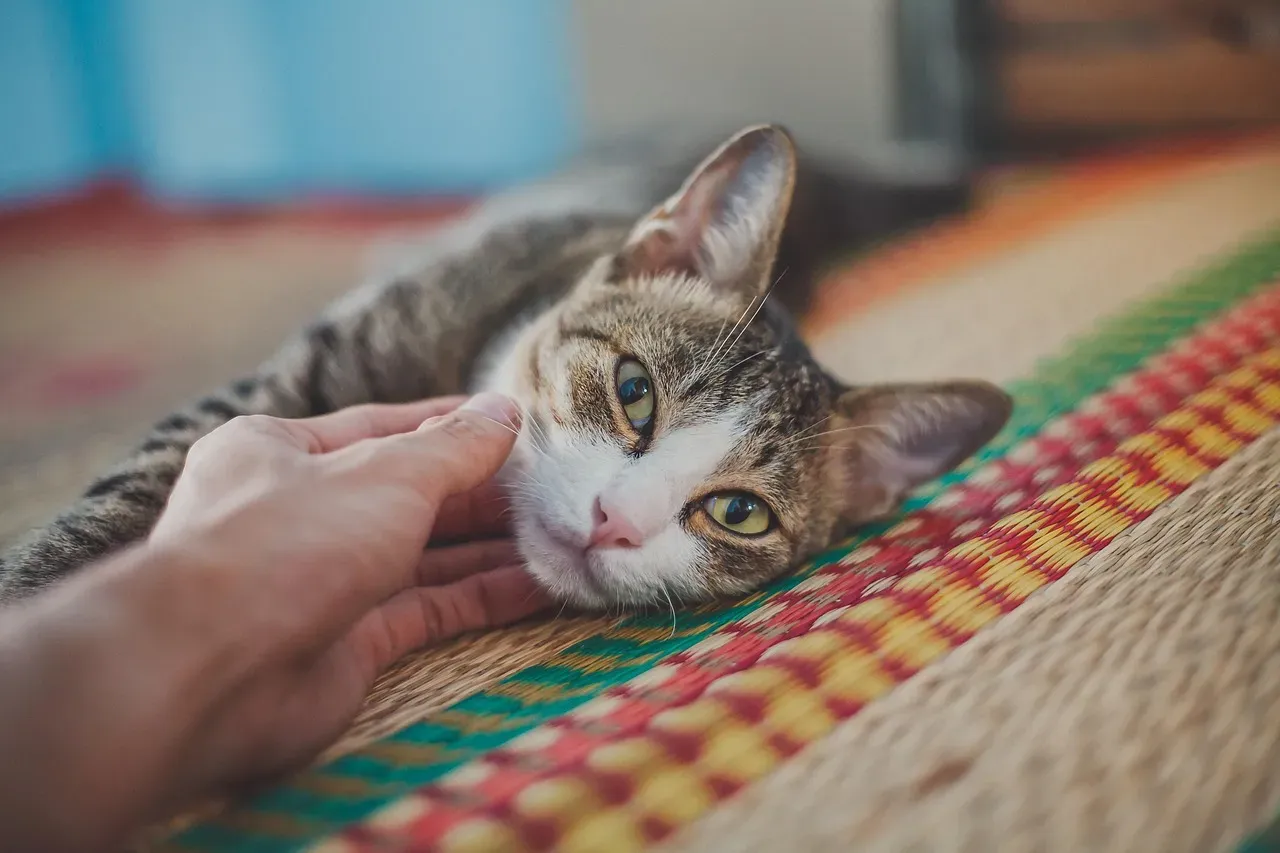
Just because your cat doesn’t sit on your lap doesn’t mean she doesn’t love you. Cats often express attachment in more subtle ways which can sometimes be mistaken for aloofness or independence, although many cats still form deep emotional bonds with their humans. Cats have their own language of love.
Signs of cat affection include slow blinking, gentle headbutting, and choosing to spend time in the same room as their owners. Your cat might not be a cuddler, yet she consistently follows you from room to room, keeping you in her line of sight. That’s her way of saying she wants to be near you without necessarily being touched. Understanding these subtle cues helps you appreciate the unique bond you share.
The Role of Stress and Mental Health
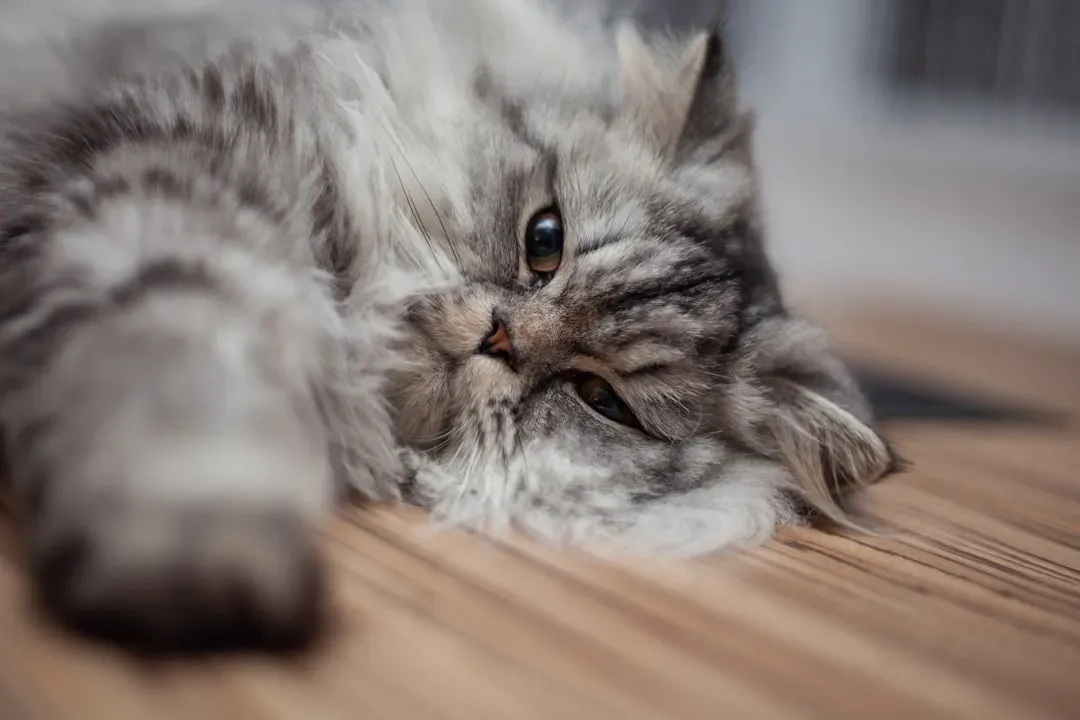
Stress can completely transform a cat’s social behavior. The tendency for all cats to revert to competitive territorial behavior when under stress leaves many individuals imperfectly equipped to deal with present-day urban living. A previously social cat might suddenly become reclusive if something in her environment changes or if she’s feeling unwell.
Certain cat attention-seeking behaviors may relate to anxiety, stress, pain, or other discomfort, with cats being sensitive creatures who often react strongly to sudden environmental changes, from unusual noise outside to changes in your schedule. If your typically aloof cat suddenly becomes clingy, or your affectionate cat starts hiding, it’s worth checking in with your veterinarian. Physical health and mental wellbeing are deeply interconnected.
Creating the Right Environment for Your Cat’s Personality
Keeping a cat’s routine and environment as consistent as possible, ensuring their needs are being met including a clean litter box in a quiet area, access to fresh water and regular meals, and having one resource per cat plus one extra in multi-cat households can help reduce stress. Your cat’s personality isn’t something you need to fix, but rather something to accommodate.
If you have a solitary cat, respect her need for quiet spaces and don’t force interaction. Provide hiding spots and elevated perches where she can observe from a safe distance. If you have an attention-craving cat, schedule regular play sessions and interactive time so she knows when to expect your focus. Providing structured attention rather than more attention, including scheduled play sessions and quiet-attention times, makes cats less likely to be pushy and demanding because they know they will be getting attention at regular times each day.
Whether your cat prefers solitude or craves constant companionship, she’s simply being true to her unique feline self. Understanding the complex interplay of genetics, early experiences, breed characteristics, environment, and individual personality helps you appreciate why your cat behaves the way she does. The key is observing, respecting, and adapting to your cat’s preferences rather than trying to mold her into something she’s not. So what do you think about your own cat’s personality now? Does it make a little more sense?
Kristina is a young writer from India. An arts graduate and an avid content creator, Kristina is passionate about animals and wildlife. She enjoys exploring topics related to pet care, animal behavior, conservation, and nature, combining thorough research with engaging storytelling.