Ever find yourself in a conversation where someone says cougar, then another person says mountain lion, and someone else chimes in with puma? You might wonder if they’re talking about different animals or if someone just got confused along the way. Let me tell you, this is one of those topics that sounds way more complicated than it actually is. These majestic cats have sparked confusion for years, partly because they roam such a massive territory and partly because people just love giving things new names.
Here’s the thing. You’re about to learn something that might surprise you, or maybe it’ll confirm what you’ve always suspected. Either way, understanding why this cat has so many names is actually fascinating. Let’s dive in.
They’re All The Same Animal
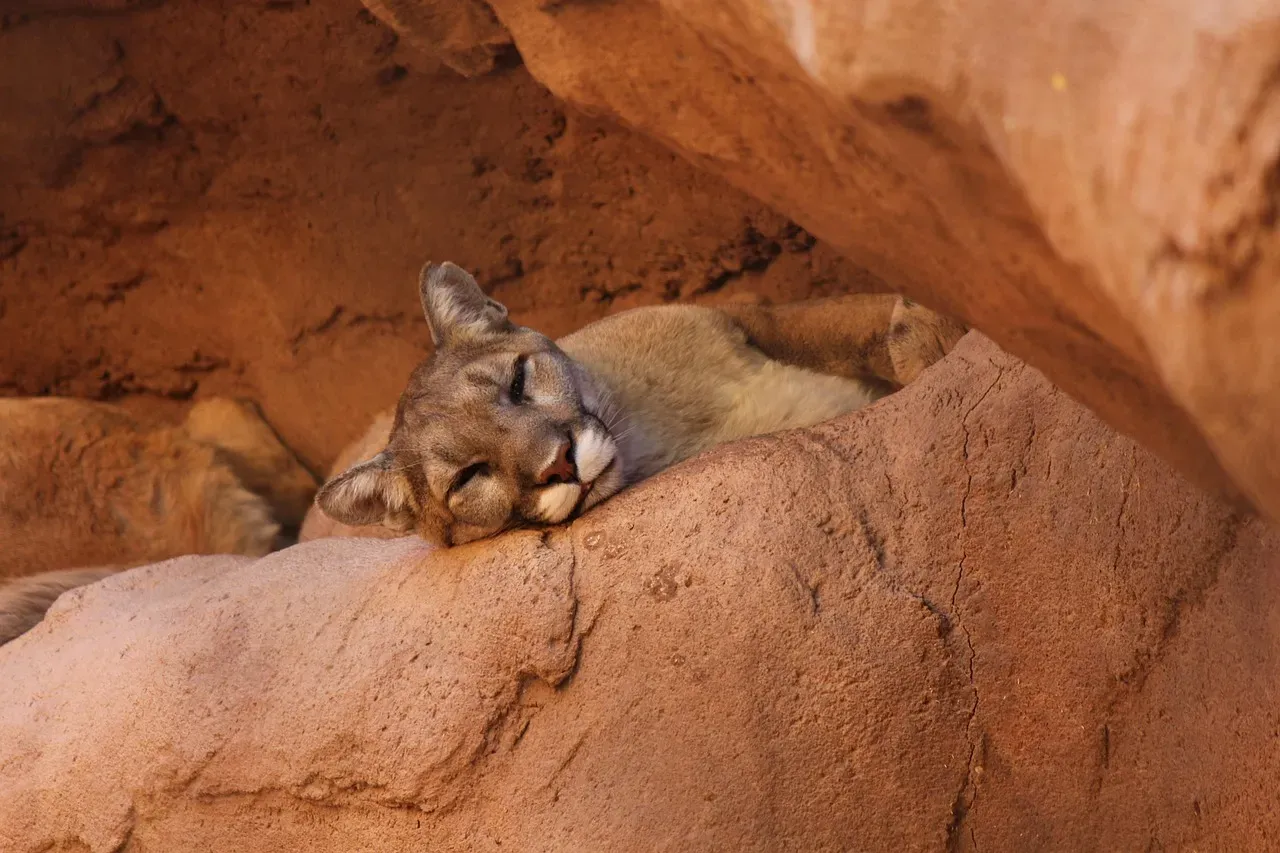
The cougar, puma, mountain lion, catamount, and panther are all the same species known scientifically as Puma concolor, where “concolor” means “of one color” in Latin. There’s literally no biological difference whatsoever. You could be staring at the exact same cat in Colorado and call it a mountain lion, then see its cousin in Chile and call it a puma.
They are all the same species: Puma concolor. So when you hear someone argue about which name is correct, honestly, they’re all right. The confusion doesn’t come from science but from geography and culture.
Why So Many Different Names
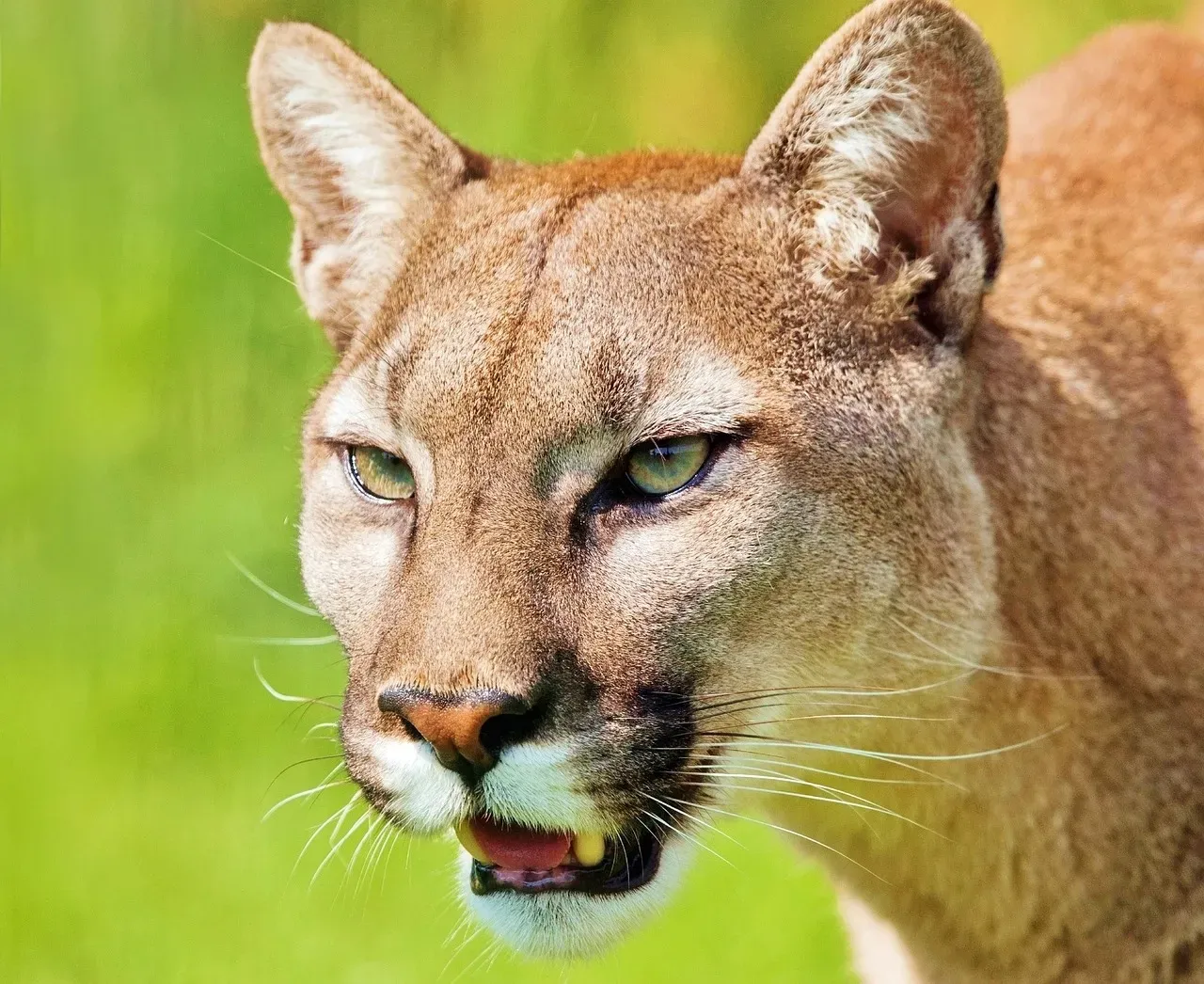
Mostly because they have such a large range, and people from different countries have called them different things. Think about it. This cat’s territory stretches from the Canadian Yukon all the way down to the southern tip of South America. That’s a lot of ground, which means a lot of different cultures, languages, and naming traditions.
Early Spanish explorers called them leon (lion) and gato monte (cat of the mountain), the Incas gave these cats the name puma in their language, and cougar seems to have come from an old South American Indian word, cuguacuarana, which was shortened to cuguar and then spelled differently. Regional nicknames stuck around as settlers moved through different areas. It’s kind of like how soda, pop, and coke all refer to the same fizzy drink depending on where you’re from.
Regional Naming Preferences Across The Americas
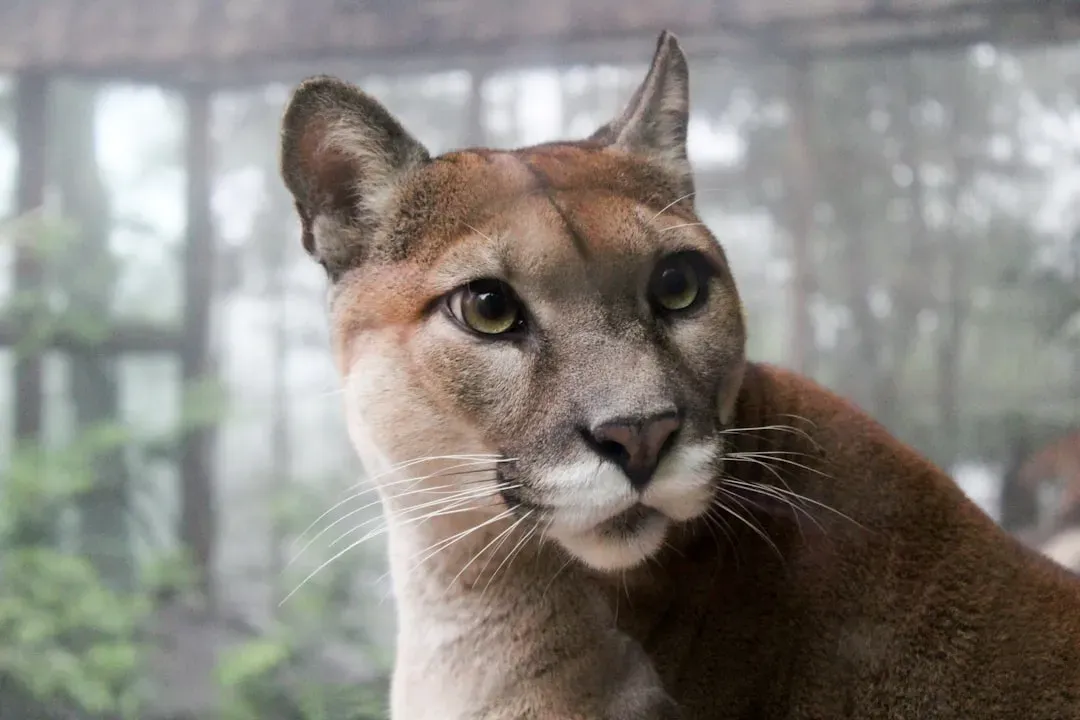
In the United States, the name mountain lion is commonly used, and in Canada, the name cougar is most commonly used. Travel south of the border and you’ll notice a shift. Puma is the most common name now used in the global scientific literature, is the common name used in Latin America and most parts of Europe and is occasionally used in the United States.
East of the Mississippi River, you might hear people say panther or even painter, particularly in older communities. It’s fascinating how location dictates language. Cougar, mountain lion, and puma are the most common names used in the western United States, while panther, painter, and catamount are more frequently heard east of the Mississippi.
The Guinness Record Holder For Most Names
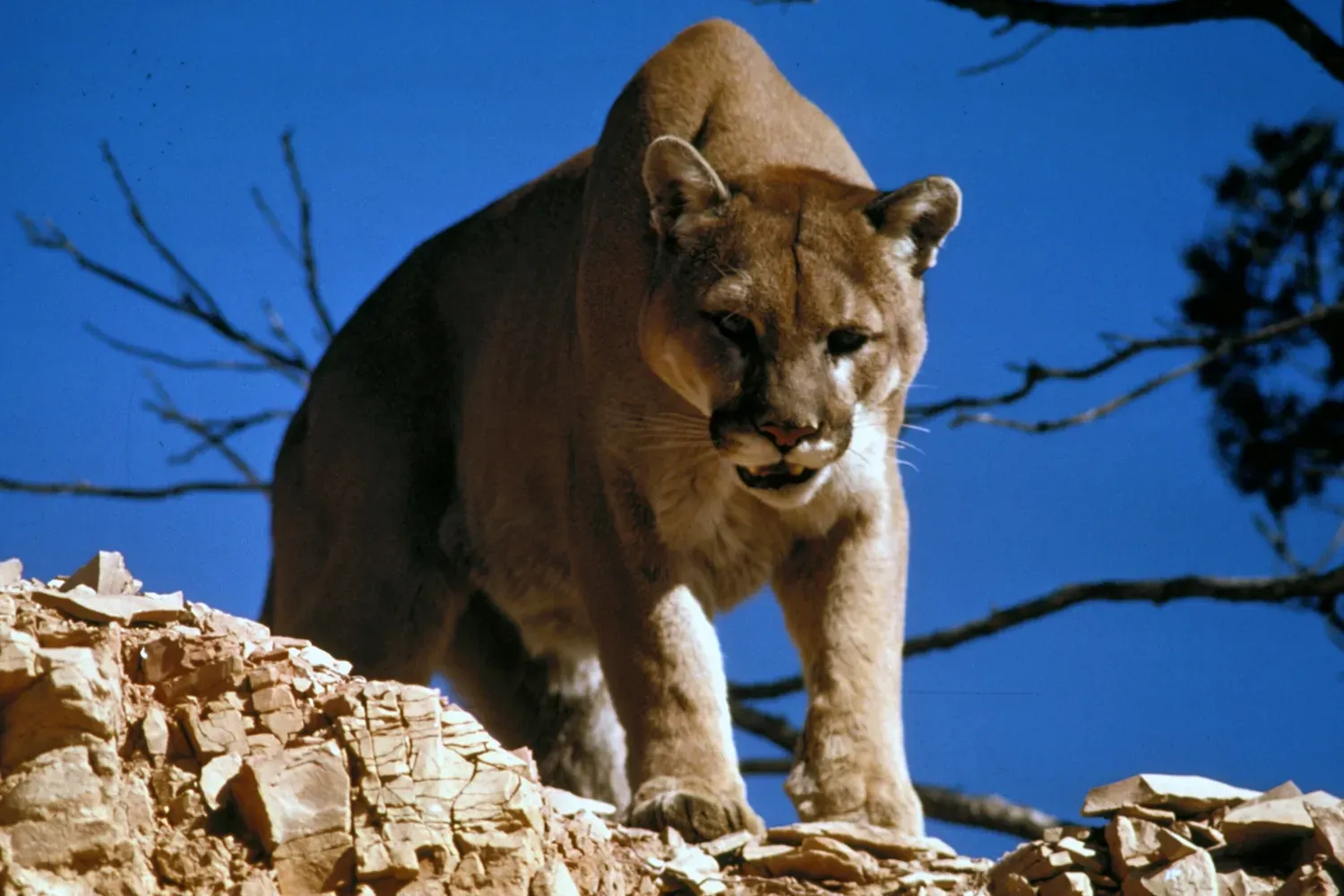
The cougar holds the Guinness record for the animal with the greatest number of names, with over 40 in English alone. That’s absolutely wild when you think about it. Imagine trying to keep track of all those names across dozens of languages and dialects.
Often called the cat of many names, it’s referred to as the puma, panther, mountain cat, mountain lion, mountain screamer, painter and catamount, just to name a few, and in fact, the cougar has more monikers than almost any other living mammal, around 40 in English alone. You’d think at some point someone would’ve said, “Hey, let’s just pick one,” but that’s not how culture works. Each name tells a story about the people who used it.
What The Scientific Name Really Means
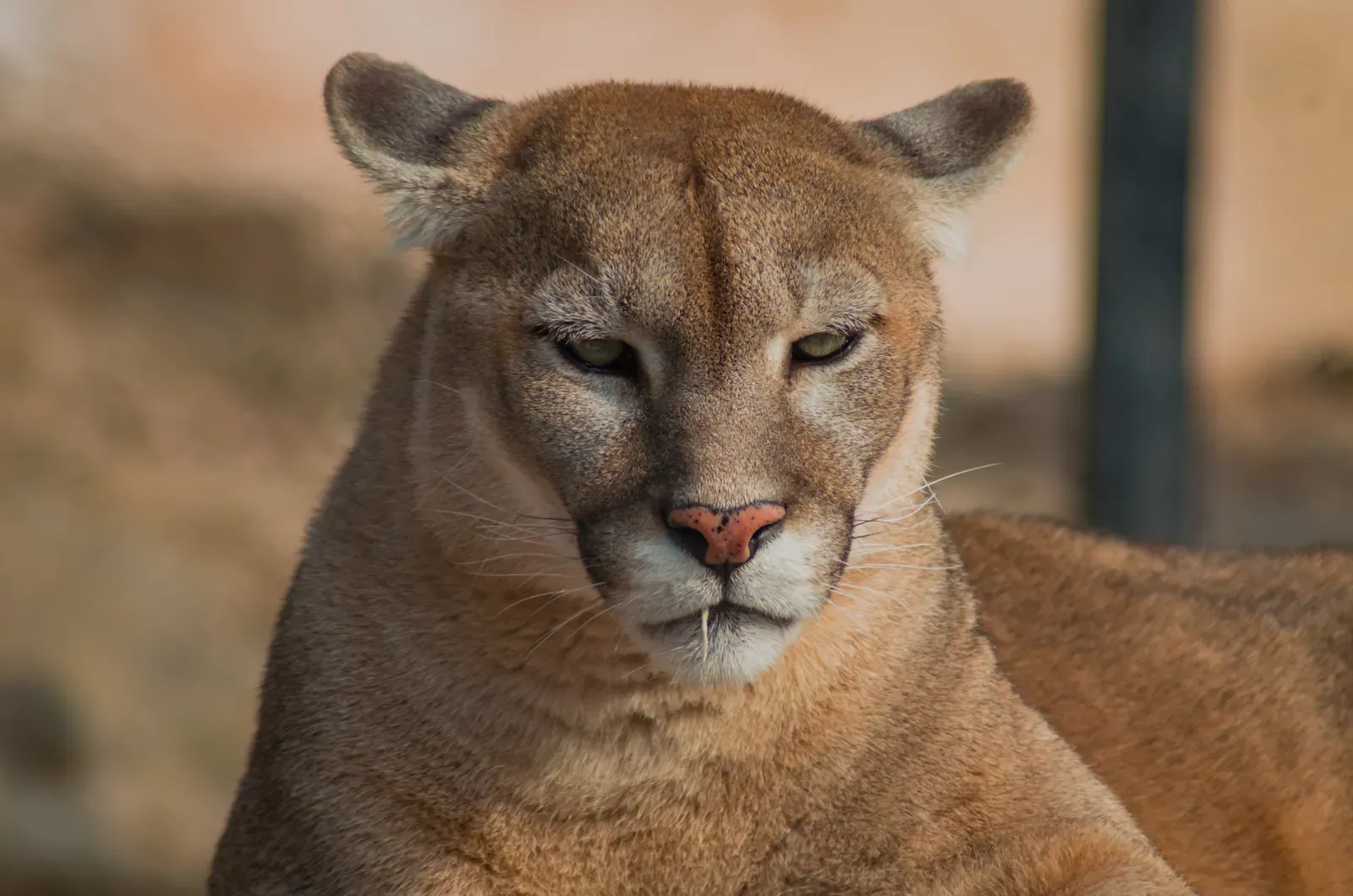
For mountain lions, Puma is the genus and concolor is the specific name, where concolor is Latin for a uniform color, describing the uniform tawny color of this cat. Scientists needed one universal name to avoid confusion in research and conservation efforts.
It was placed in the genus Puma by William Jardine in 1834, and this genus is part of the Felinae. The beauty of scientific naming is that no matter where you are in the world or what language you speak, Puma concolor means the same thing to every biologist. It eliminates the guesswork.
Not A True Big Cat Despite The Name
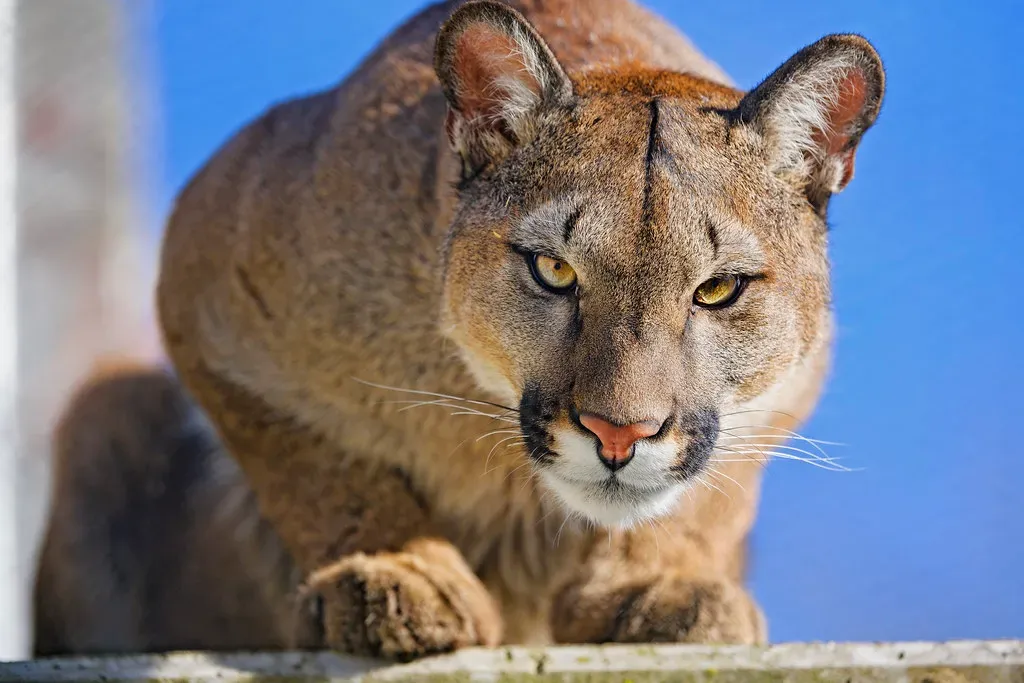
Scientists classify mountain lions as small cats, as they do not roar, but purr like smaller cats do. I know it sounds crazy, but this powerful predator that can take down a deer is technically classified with housecats rather than lions or tigers.
Cougars are not related to lions, as they belong to the Puma genus, while actual lions belong to the Panthera genus. The difference comes down to anatomy. True big cats have a specific vocal structure that lets them roar, while mountain lions lack this feature. Cougars emit low-pitched purrs and growls, and unlike other lions, they cannot roar but instead scream, hence the name mountain screamer.
The Enormous Geographic Range
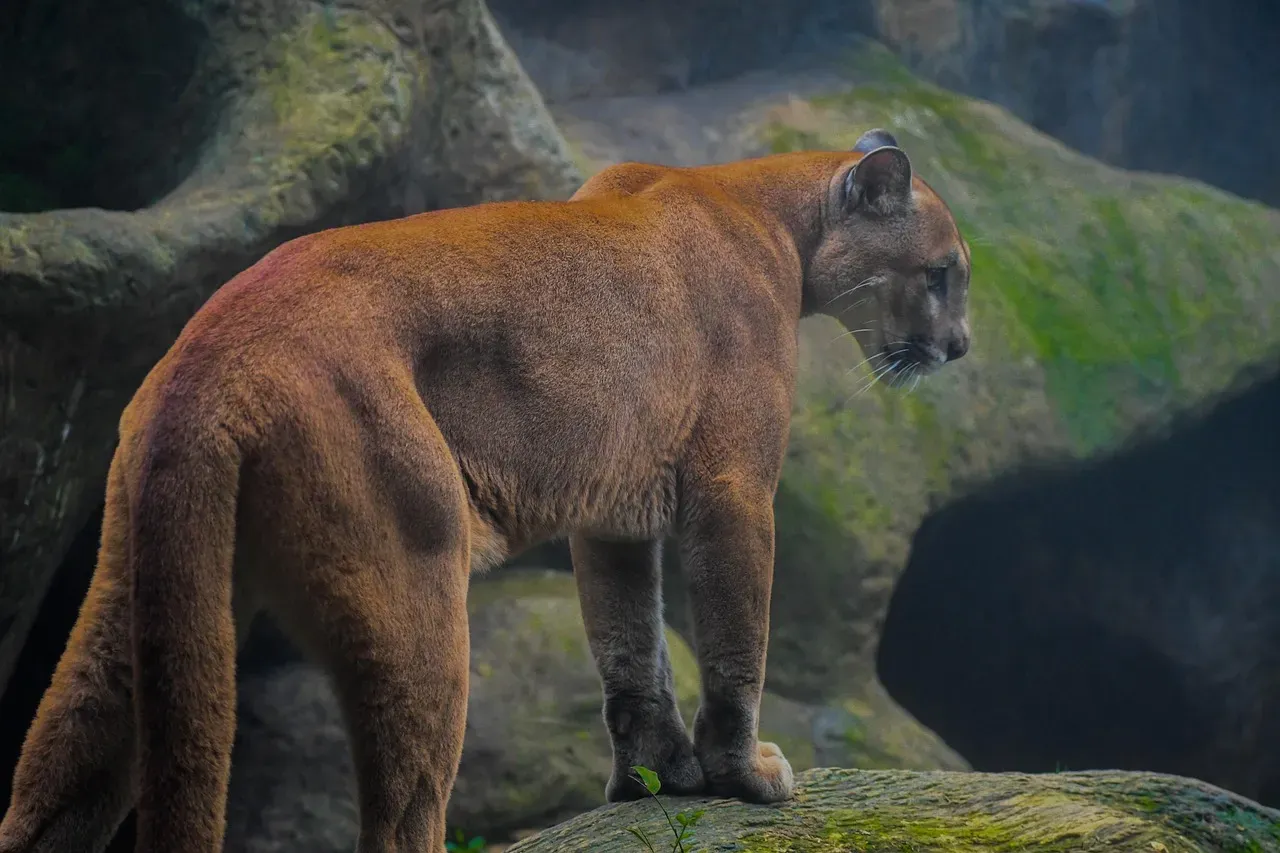
It inhabits North, Central and South America, making it the most widely distributed wild, terrestrial mammal in the Western Hemisphere, and one of the most widespread in the world. From snowy mountains to tropical rainforests to arid deserts, this cat adapts like few other large predators can.
The mountain lion boasts the most extensive range of any terrestrial mammal in the Western Hemisphere, spanning from the Canadian Yukon to the Strait of Magellan in Chile, and this adaptability allows them to inhabit a diverse array of ecosystems, including mountains, forests, deserts, and wetlands, provided there’s adequate shelter and prey. Their flexibility is remarkable.
Physical Appearance and Size Variations
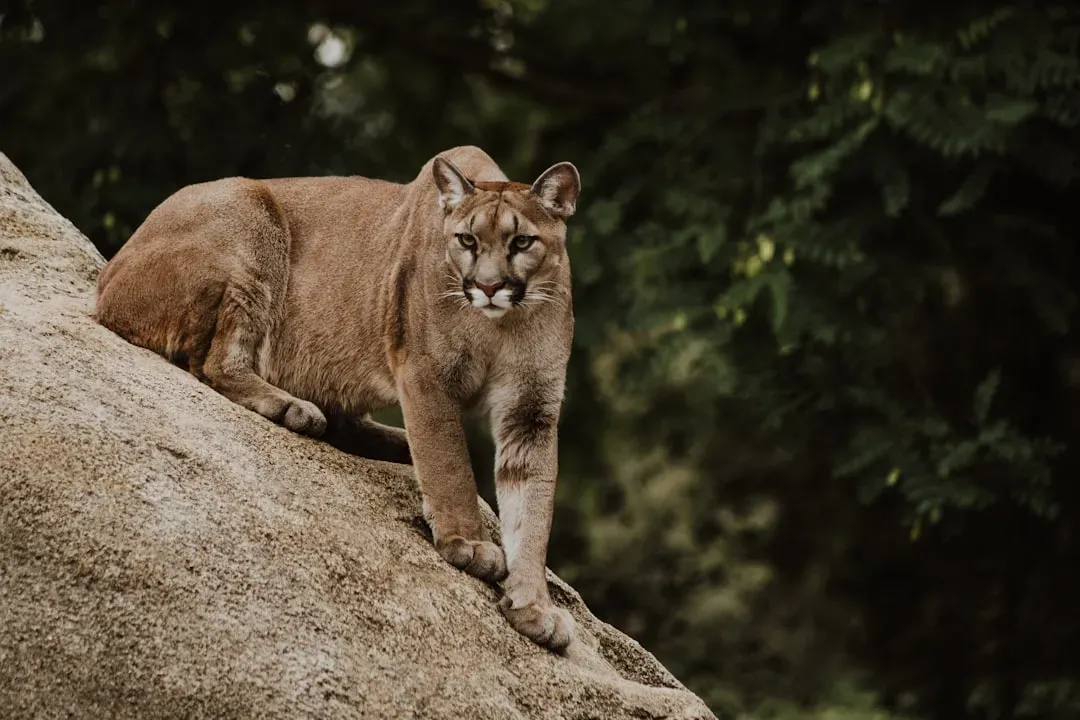
Mountain lions are generally a solid tawny color, with slightly darker hair on their back and a whitish underside, and those living in warm, humid areas tend to be a darker, reddish-brown color, and mountain lions found in colder climates have thicker, longer hair that is almost silver-gray in color. Climate plays a big role in how these cats look.
Mountain lions living closer to the equator are smaller, while those found nearer the poles grow significantly larger. On average, adult males weigh between 115 and 220 pounds, while females are smaller, ranging from 64 to 141 pounds. Males can be nearly twice the size of females, which is pretty typical for solitary hunters.
The Florida Panther Exception
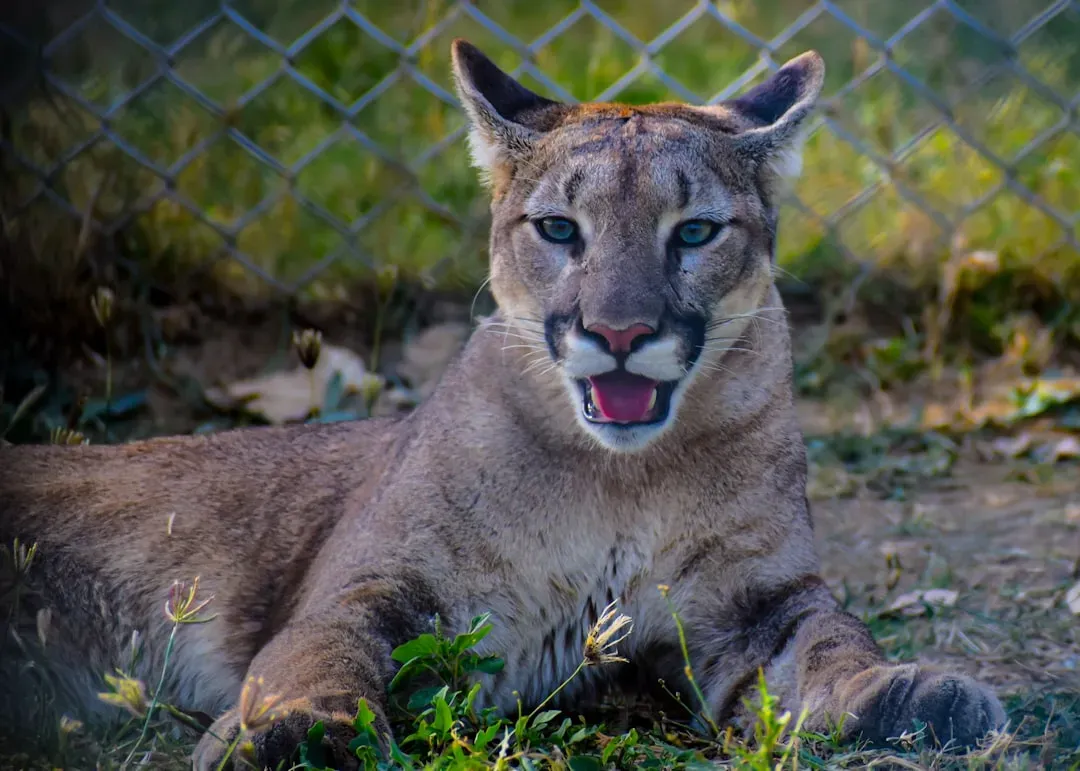
The Florida panther, the state’s official animal, is a subspecies of the mountain lion, and while not black in color, it features tawny-beige fur and a curved tail and is one of the most endangered mammals in the world. This population has been isolated for so long that it developed some unique characteristics.
They are a subspecies of mountain lion that used to be found from Texas throughout the southeast but now only live in southern Florida’s swamps and are Endangered, with only about 200 cats left, and conservation efforts are underway to save them. The Florida panther’s story is both heartbreaking and hopeful. Intensive conservation work has pulled them back from the brink.
Why Panther Is Technically Misleading
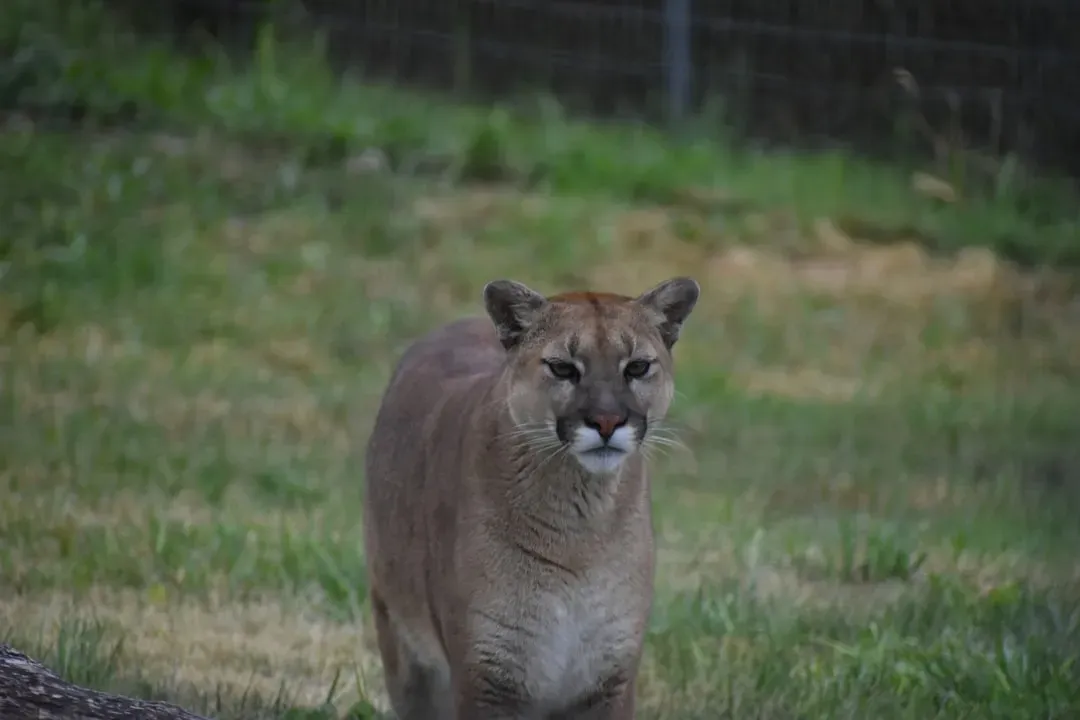
Panther is a general term for cats that have solid-colored coats, so it was used for black pumas as well as black jaguars and black leopards. People hear panther and often picture a sleek black cat prowling through the jungle.
Cougars are in the puma species, while the term panthers refers to the panthera species, and panther is basically a blanket term that can be applied to a variety of big cats found throughout the world, including jaguars, leopards, tigers, and lions. So technically, calling a mountain lion a panther is a bit of a stretch, even though it’s widely accepted in places like Florida.
Conclusion: One Cat, Many Stories
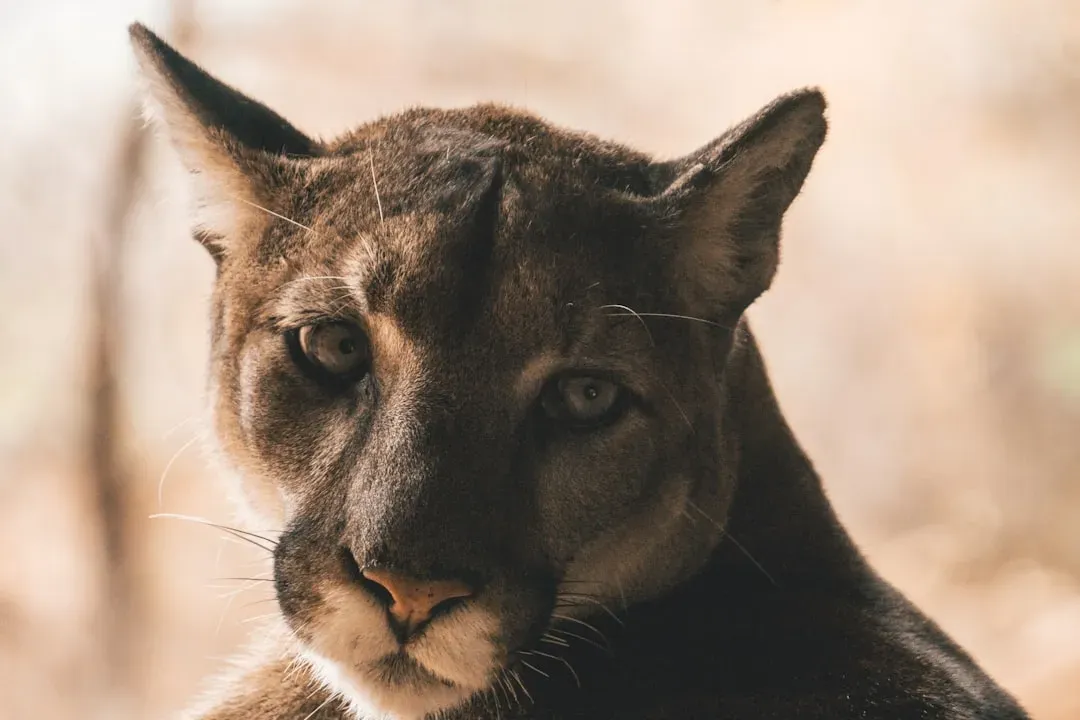
There’s no difference between a cougar, puma, and mountain lion. They’re the exact same magnificent predator wearing different cultural hats depending on where you encounter them. The variety of names doesn’t reflect different species or subspecies but rather the rich tapestry of human language and geography across the Americas.
Next time someone tries to correct you for calling it a puma instead of a mountain lion, you can smile and let them know they’re both right. These cats have been part of the American landscape for thousands of years, long before we started arguing about what to call them. What do you think? Which name rolls off your tongue the easiest?
Kristina is a young writer from India. An arts graduate and an avid content creator, Kristina is passionate about animals and wildlife. She enjoys exploring topics related to pet care, animal behavior, conservation, and nature, combining thorough research with engaging storytelling.