You ever wondered if your cat actually loves you, or if they’re just tolerating your presence for the food and warm lap? Here’s the thing: cats are notorious for being mysterious creatures. They don’t wag their tails like dogs or jump all over you when you walk through the door. Their affection is quieter, more subtle, almost like a secret language only the observant can decode.
The truth is, your feline companion has been telling you “I love you” all along. You just needed to know where to look. From those slow, deliberate blinks to the way they present their backside right in your face (yes, really), cats have developed fascinating ways to express their devotion. Let’s dive into the world of feline affection and discover what your cat has been trying to tell you this whole time.
The Slow Blink: Your Cat’s Version of a Kiss
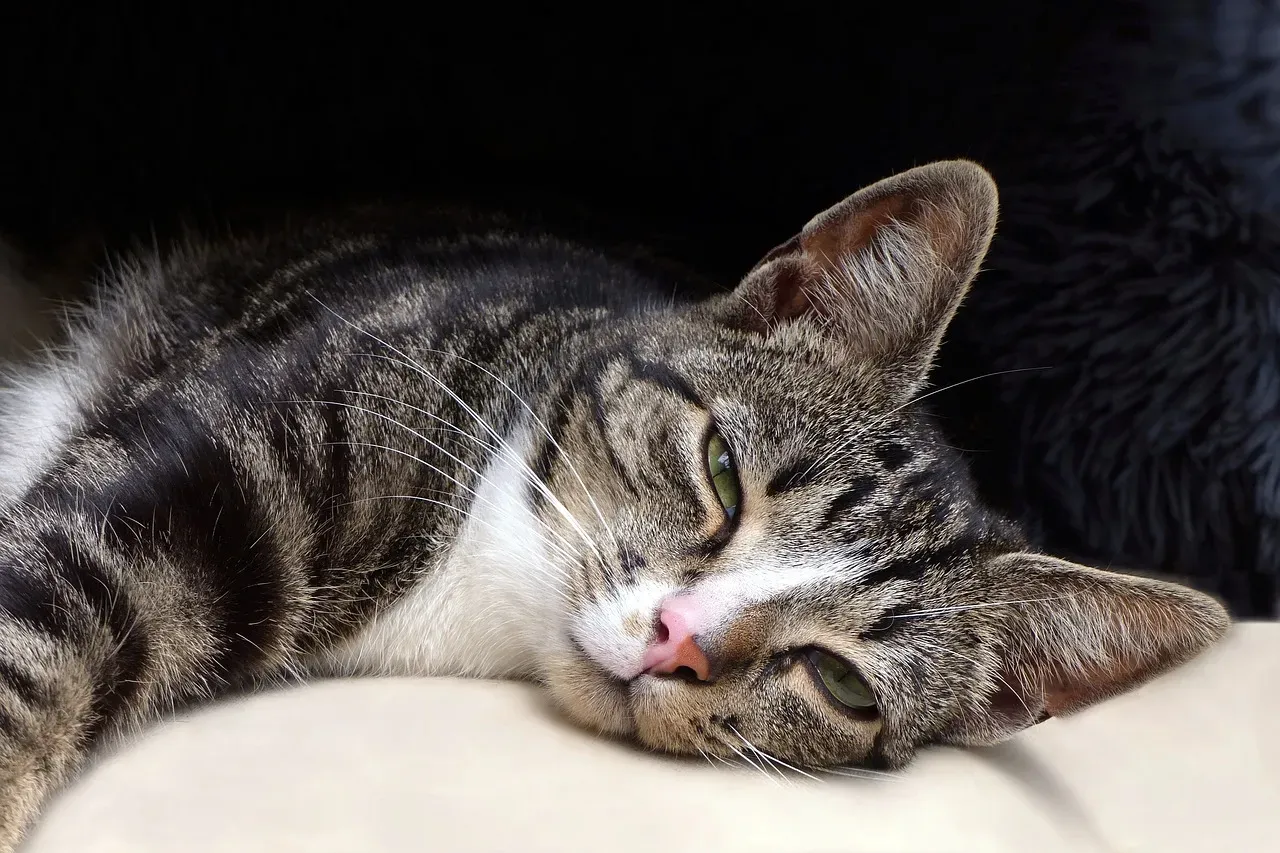
When your cat looks at you and slowly closes and opens their eyes, they’re giving you what’s often called a “cat kiss.” The slow blink shows your buddy feels relaxed, content, and safe. In the wild, closing your eyes around another creature makes you vulnerable to attack, so this gesture is a profound display of trust.
You can actually communicate back to your cat in their own language by returning the slow blink. You can bond with a cat that blinks slowly at you by blinking slowly back at them, which is a great way to communicate with your cats. Try it next time your feline friend gazes at you with those half-closed eyes. You might just strengthen your bond even more.
Head Butting and Cheek Rubbing: Claiming You as Their Own
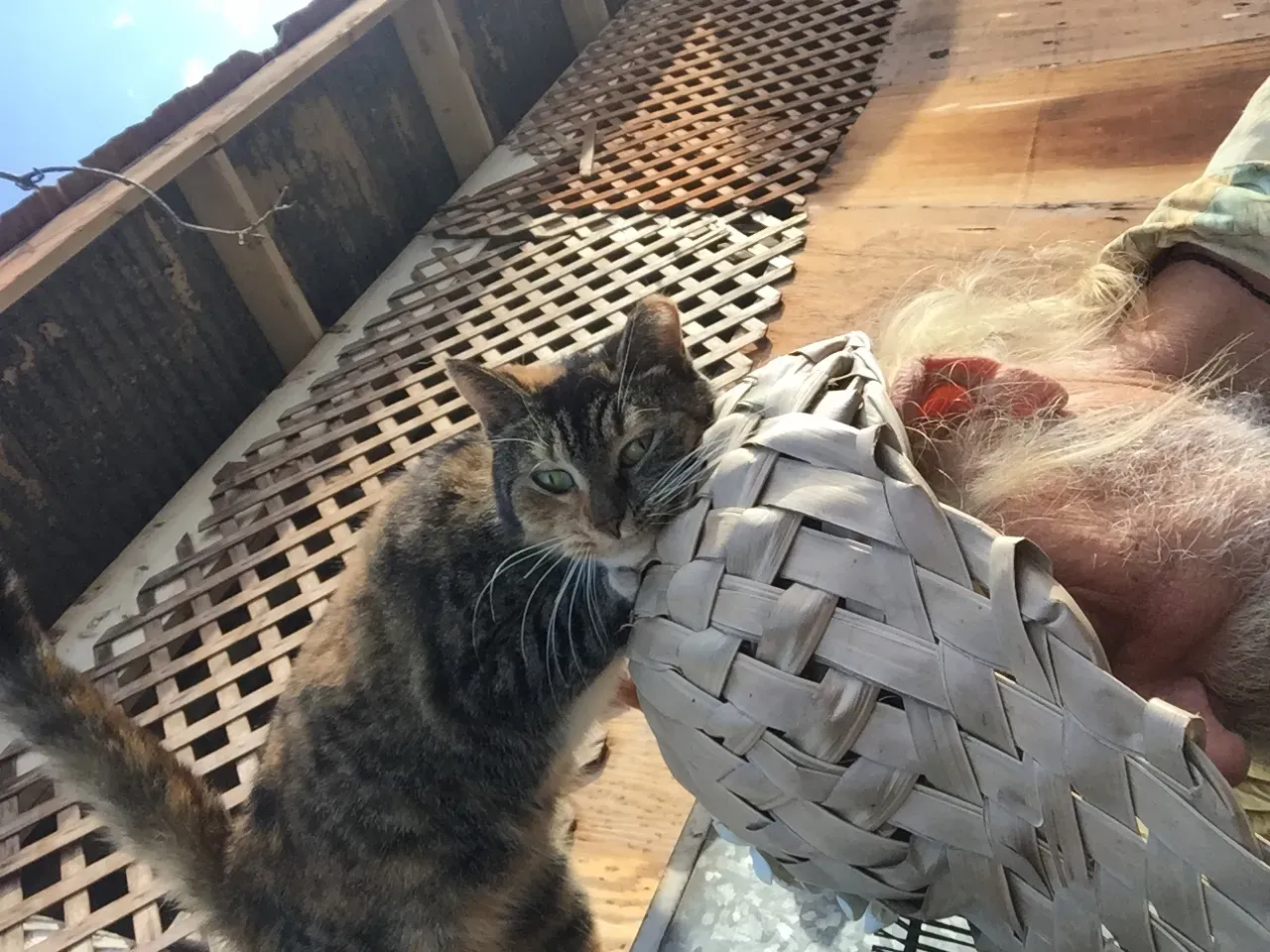
Headbutting is often an attempt to mark you with their scent to claim you as one of their own and helps cats bond. This affectionate action, known as head “bunting,” is usually reserved for members of a cat’s colony. When your cat presses their forehead against you or rubs their cheeks on your leg, they’re essentially saying you belong to them.
This behavior isn’t just about territory, though. Headbutting and cheek rubbing are social behaviors that are learnt and expressed throughout kitten-hood, and both are ways in which cats build bonds and affection with other animals and by extension, with the humans they do it to. It’s one of the most direct ways your cat can show you’re part of their inner circle.
Following You Around: Your Personal Feline Shadow
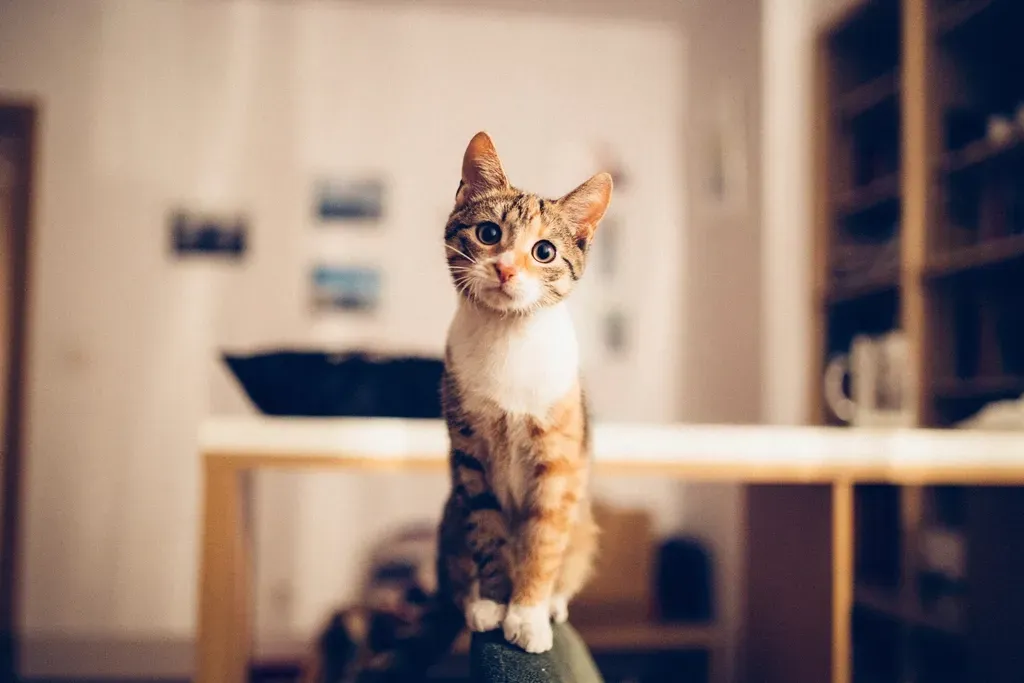
Cats often follow those they love and trust around the home, similar to greeting at your front door, where they follow behind you and keep you in sight at all times. If your cat trails you from room to room, even into the bathroom, take it as a compliment. They simply enjoy your company and want to be near you.
Let’s be real, not every following behavior means they want food. There can be many reasons for this, from wanting food to being anxious, but there are many cases in which your cat simply enjoys your company and wants to be with you. If it’s not mealtime and they’re just hanging around watching you do mundane tasks, that’s pure affection right there.
Kneading: The Ultimate Comfort Gesture
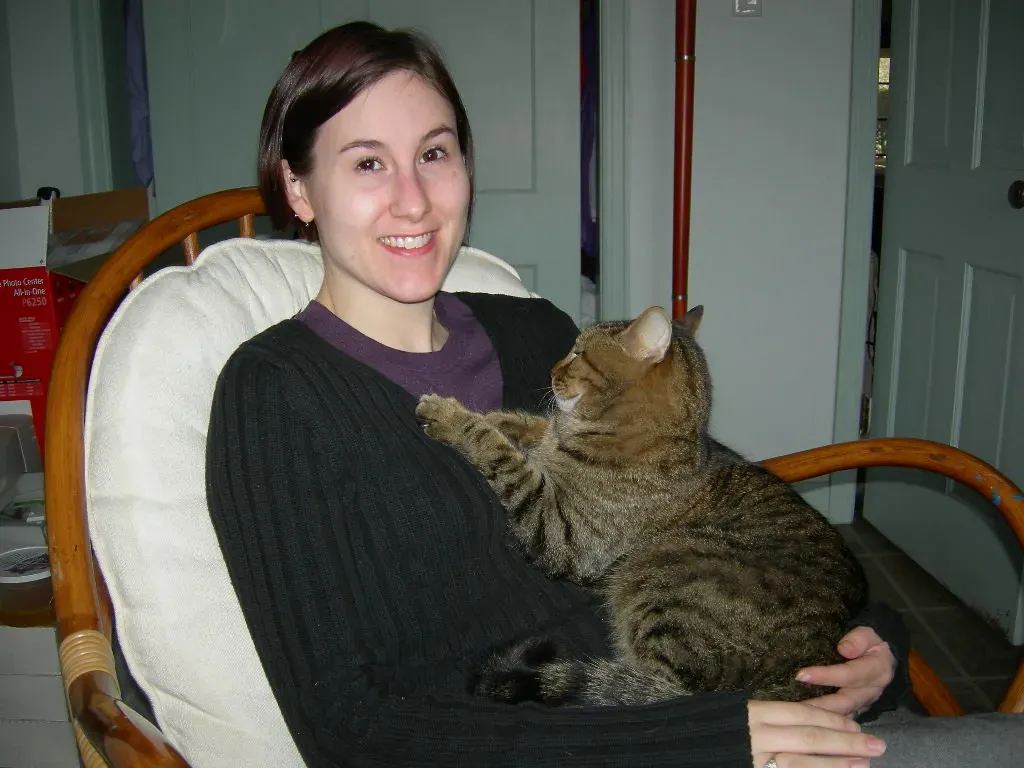
Kneading is a behavior that begins in kittenhood and is associated with nursing on their mother, and is believed to bring comfort by releasing endorphins to reduce stress and promote relaxation. When your adult cat rhythmically pushes their paws into your lap or a soft blanket, they’re reliving those cozy nursing moments when they felt most safe and loved.
When your cat kneads you, they’re being very clear that you make them feel loved and comfortable, and kneading is probably one of the most well-known ways cats show affection. Sure, those claws can be a bit uncomfortable, but try to appreciate the sentiment behind it. Your cat is literally telling you that being with you feels like being with their mother.
Purring in Your Presence: The Sound of Contentment
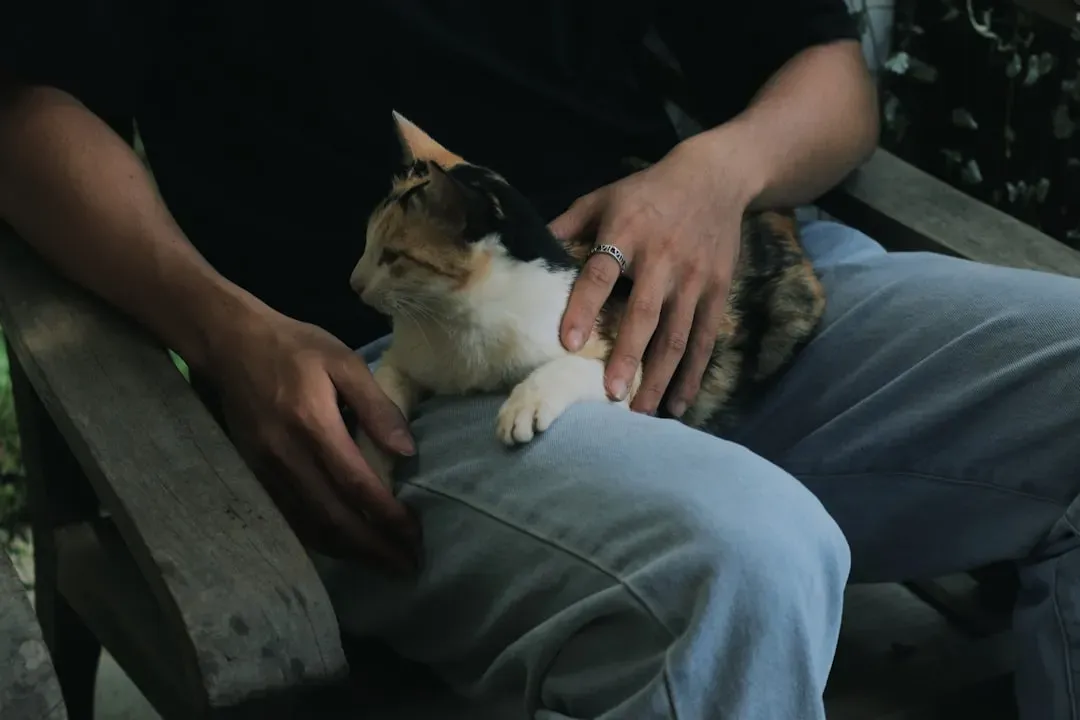
If your cat purrs contently when they are around you, there’s a good chance they also feel bonded with you and is relaxed in your presence. That rumbling, vibrating sound is one of the most obvious signs of feline affection. While cats can purr for various reasons, including self-soothing when stressed, context matters tremendously.
In a calm, loving home environment, purring is typically associated with a pleasant experience and means a cat loves you. When your cat curls up on your lap and starts their little motor running, they’re basically saying they feel completely at ease with you. Honestly, is there any better feeling than being chosen as someone’s safe space?
Grooming You: Welcome to the Family
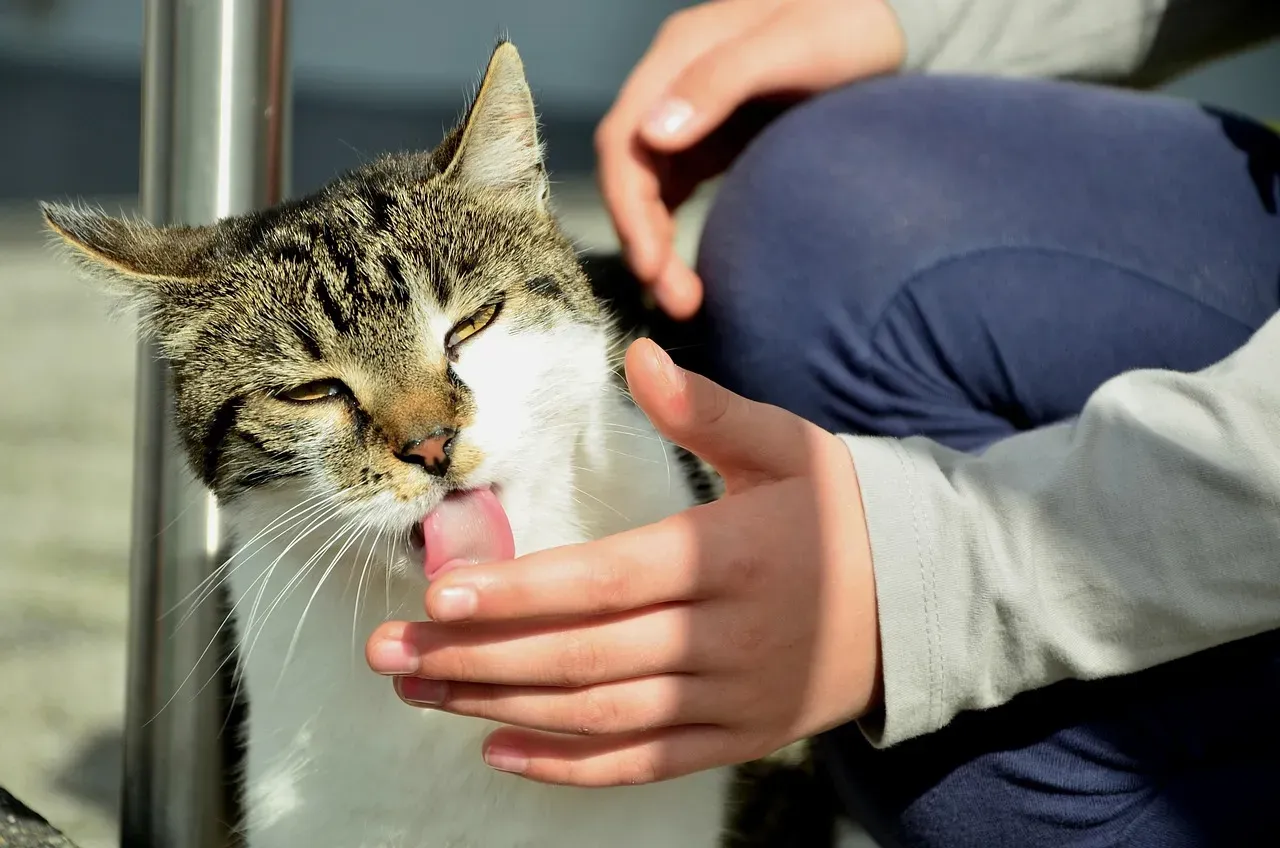
When your cat licks your skin or hair, they are performing allogrooming, which is a social bonding behavior they typically reserve for other cats in their colony. Cats groom each other as a display of affection, and this behavior will extend to humans when trust is built, allowing them to mark each other and build their bond.
You might find it a bit odd when your cat starts licking your hand or even your hair, but this is actually a huge honor. Just as mother cats will groom their young, cats who are bonded with each other will often groom one another, showing comfort and familial acceptance. By grooming you, your cat is treating you like family, plain and simple.
Showing You Their Belly: The Trust Sign
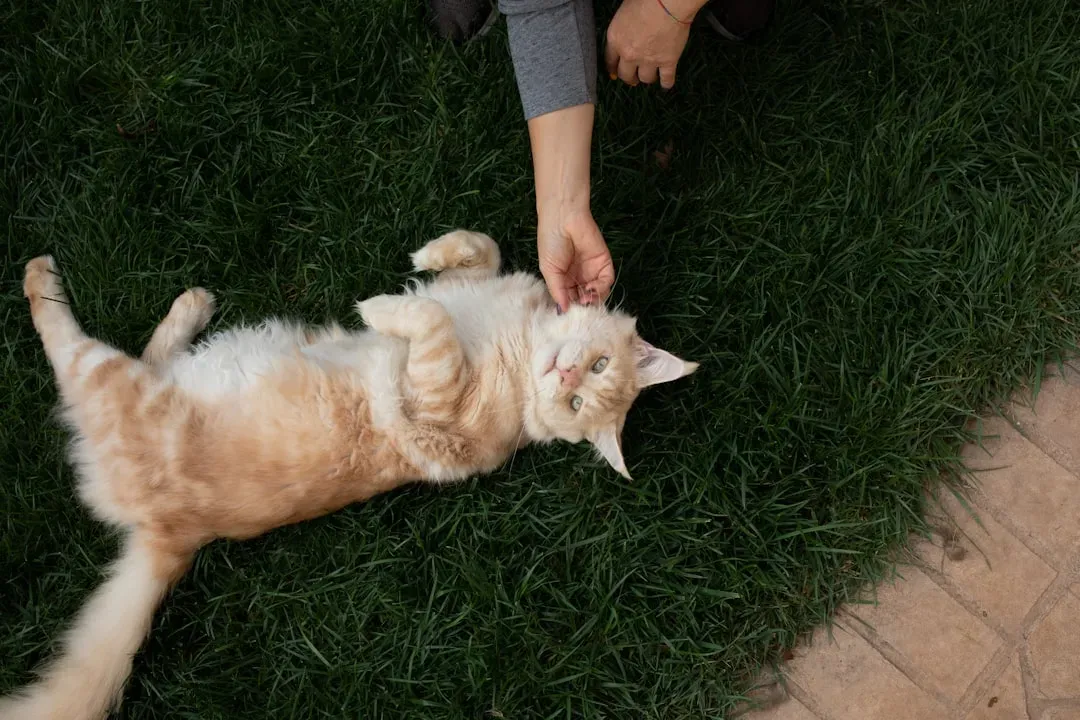
When cats walk in the house and stop right at your feet only to roll over and expose their belly, this position leaves your cat very exposed and vulnerable, and for them to come up to you and greet you in such a manner shows that they trust and love you. The belly is one of the most vulnerable areas on a cat’s body, so displaying it is a significant act of faith.
Now, here’s where it gets tricky. Just because your cat is showing you their tummy, it does not necessarily mean they are open for belly rubs, as some cats do indeed enjoy being petted here, but many others do not. The belly display is about trust, not necessarily an invitation to touch. Read their other body language cues carefully before you go in for a belly rub and risk those back claws.
Tail Talk: The Upright Greeting
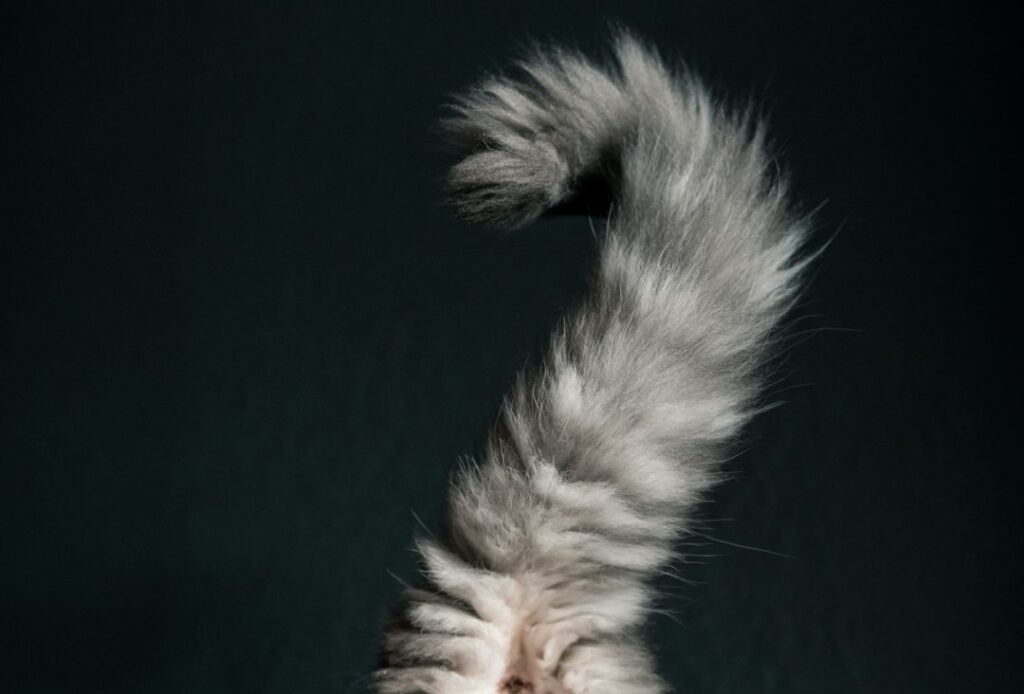
Cats often use their tails to express adoration for their pet parents, and a content cat will often hold their tail in an upright position with a C-shape or hook at the very top. One of the most positive signs in cat body language is a tail held straight up, which shows confidence, happiness, and approachability.
When your cat approaches you with their tail high in the air, possibly with a little curve at the tip, they’re essentially waving a flag of affection. A curved tip is a friendly greeting and invitation to interact with your cat, while a more gushy display of love is your cat wrapping their tail around your hands, ankles, arms, or really just any part of your body. That tail wrapped around your leg? That’s feline love language at its finest.
Bringing You Gifts: The Hunter’s Offering
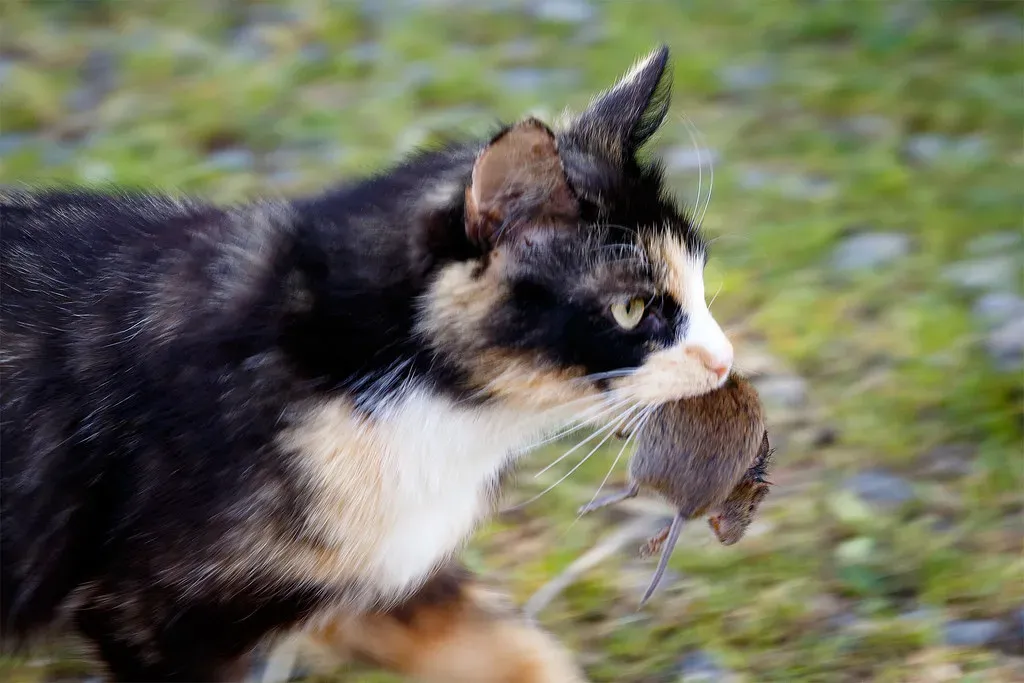
Oftentimes, cats show their affection by leaving presents for their caregivers to find, as cats are natural hunters, so when your kitty brings you freshly caught prey, they’re actually offering you a delicious meal. Yes, that dead mouse on your doorstep is actually a love letter, as strange as that sounds.
When your cat brings you “gifts” in the form of dead prey or toys, it’s actually a sign of their affection, as this behavior stems from a cat’s instinct to provide for their social group, and cats view you as a member of their family. I know it’s not the most appealing gift to receive, but try to appreciate the thought behind it. Your cat is essentially trying to take care of you in the way they know best.
Greeting You at the Door: The Welcome Committee
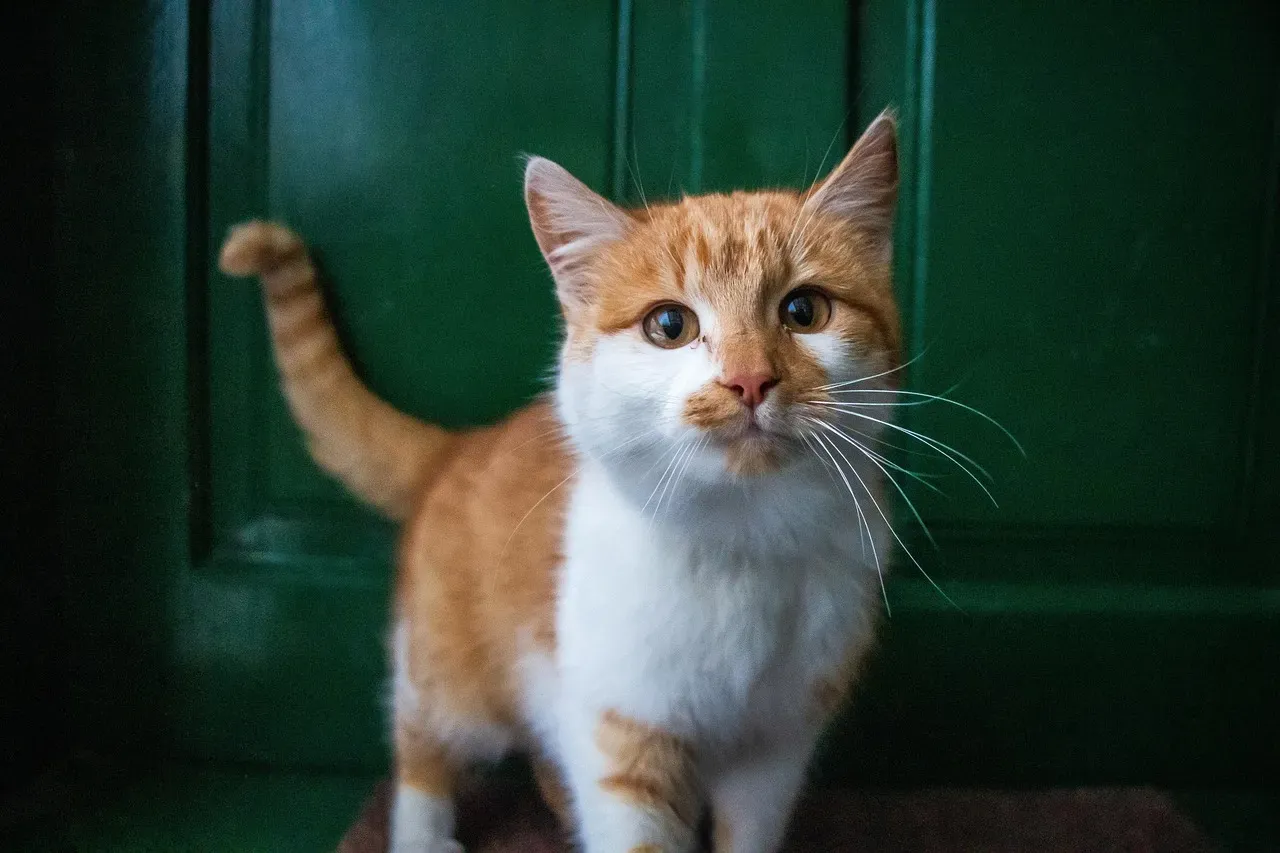
Your cat is trying to show you that they missed you when they greet you at the door, which is often followed by walking in-between your legs and curling their tail around your legs, sometimes accompanied by meowing and “rattle-tail” behavior. This enthusiastic greeting ritual is your cat’s way of saying they noticed you were gone and they’re genuinely happy you’re back.
Not all cats are demonstrative in this way, so if yours does greet you at the door, consider yourself lucky. This is your cat’s way of welcoming you home. They might also be reminding you about dinner or a dirty litter box, sure, but the initial greeting is typically about reunion and affection. It’s hard to say for sure, but the excitement in their movements often speaks volumes.
Sitting or Sleeping on You: Choosing You as Their Safe Space
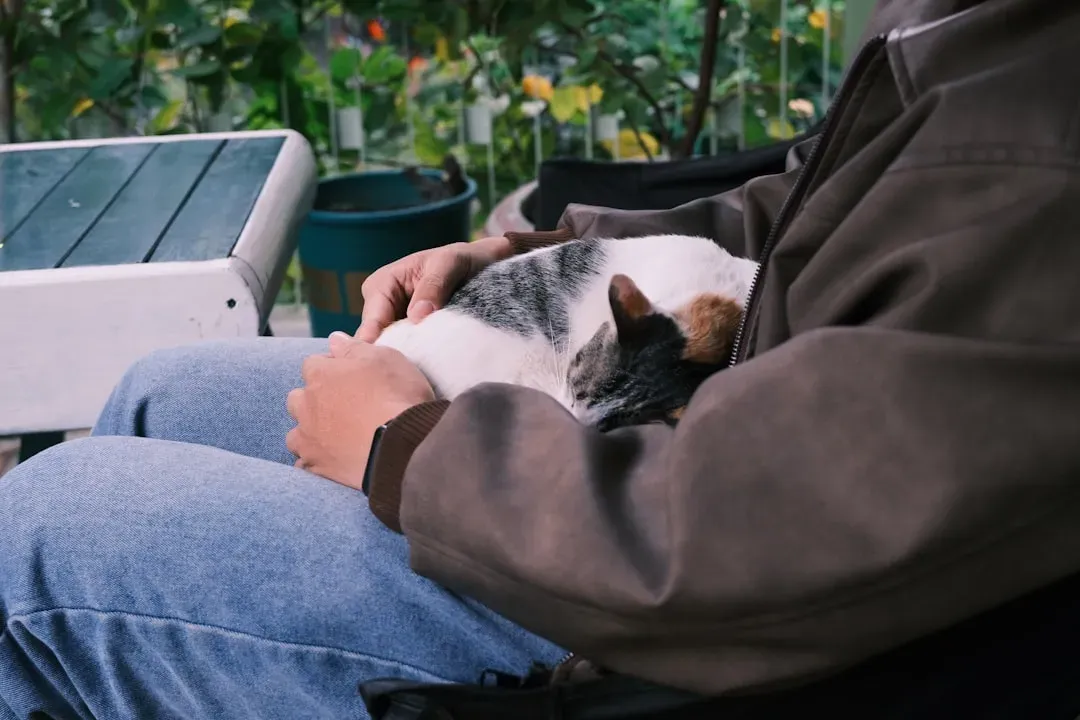
Cats pounce on their prey, but if your kitty comes and sits on you calmly, it’s an indicator of trust and affection, especially if your cat purrs while they do so. When your cat chooses to nap on your lap, chest, or even your face at three in the morning, they’re demonstrating incredible trust.
Curling up next to you for warmth and protection is a simple sign that your cat likes you, especially when they’re sleeping, and if they nap on top of you, take this as a significant reflection of your cat’s affection. Sleep is when cats are at their most vulnerable, so choosing to sleep on or near you means they feel completely safe in your presence. That’s about as high a compliment as a cat can give.
Trilling and Chirping: The Happy Sounds of Love
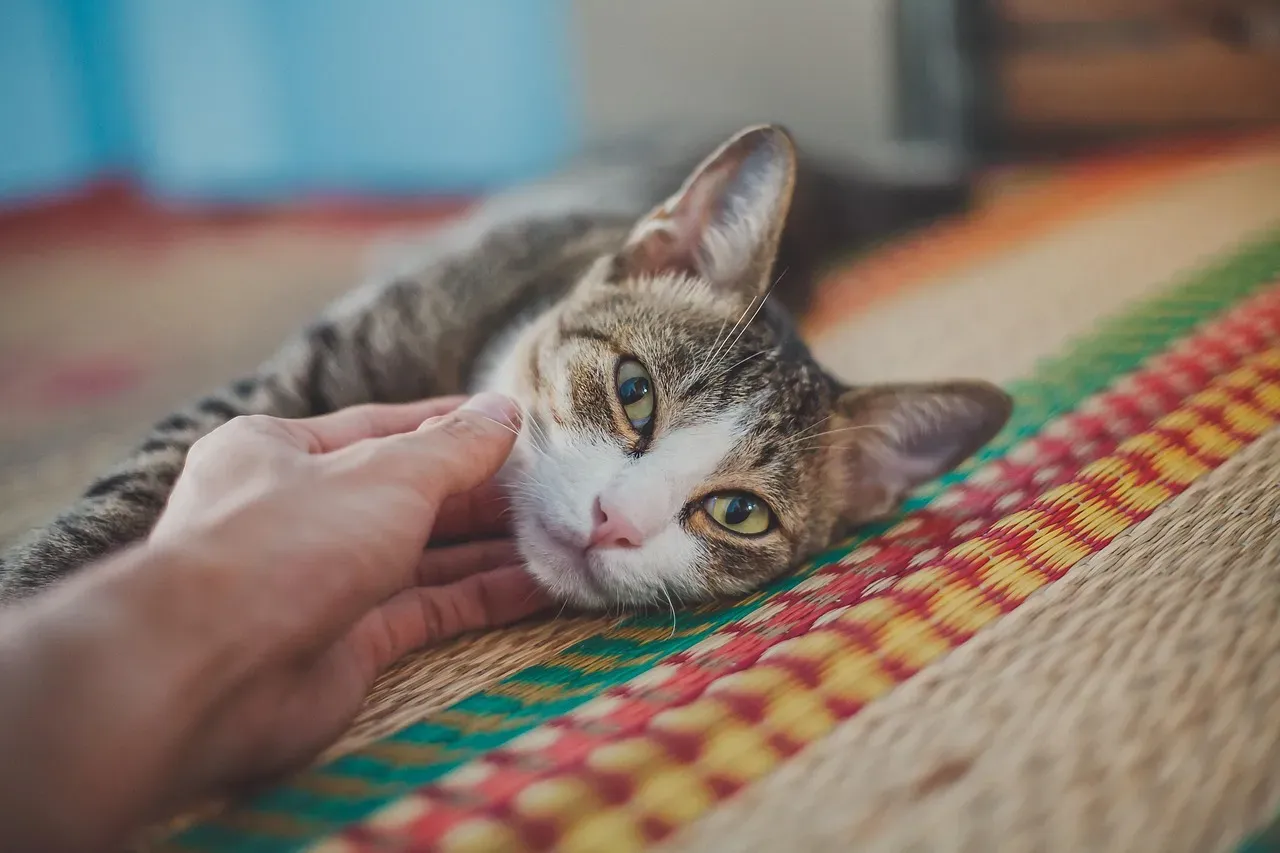
Trilling, also known as chirping, is the high-pitched, repetitive sound that cats make when they see someone they like and is trusted by them or when they are feeling content, and may also be an invitation for you to spend some quality time together. Unlike a meow, which can mean various things including annoyance, a trill is almost always positive.
A trill is always a sign of how much your cat loves you, whereas a meow can sometimes mean annoyance too. Adult cats typically only meow to communicate with people, as they often rely more on smell and body language when interacting with other kitties, and cats often meow to get their favorite people’s attention. So when your cat trills at you, they’re using a special vocalization reserved for expressing contentment and connection with you specifically.
Conclusion: Decoding Your Cat’s Secret Language
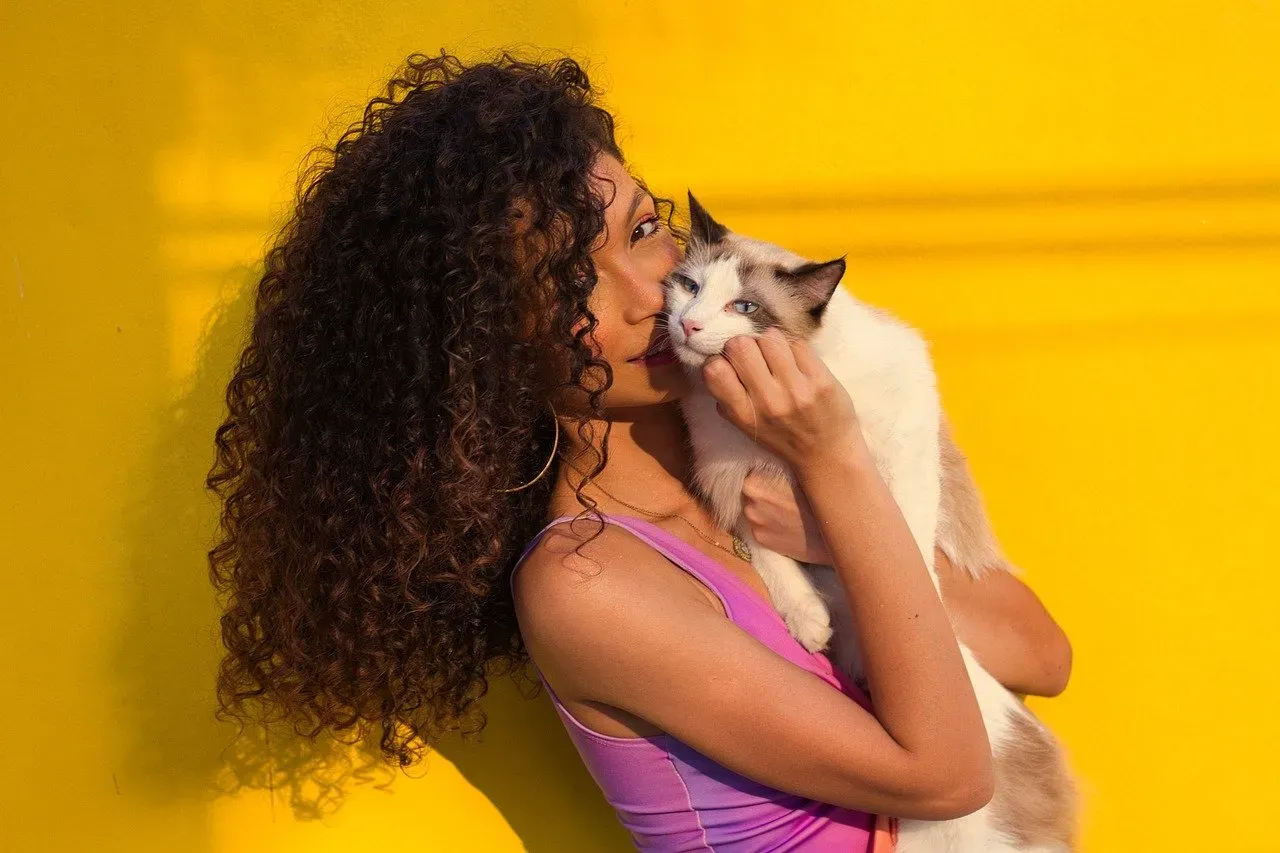
Understanding your cat’s unique way of expressing love transforms your relationship from simple cohabitation to genuine companionship. These twelve behaviors are your cat’s vocabulary of affection, and recognizing them helps you respond appropriately to their emotional needs. Every slow blink, every head bump, every early morning wake-up call with a tail in your face is your cat’s way of saying they’ve chosen you.
Cats may not be as obvious as dogs in showing their feelings, but that doesn’t make their love any less real or powerful. The subtlety of feline affection makes it all the more special when you finally crack the code. Next time your cat kneads your lap with those sharp little claws or presents you with a “gift” you’d rather not touch, remember they’re speaking their own language of love. What has your cat done recently to show you affection? You might be surprised at how many of these behaviors you’ve been receiving all along.
Kristina is a young writer from India. An arts graduate and an avid content creator, Kristina is passionate about animals and wildlife. She enjoys exploring topics related to pet care, animal behavior, conservation, and nature, combining thorough research with engaging storytelling.