If you’ve ever spotted your feline friend scratching endlessly or noticed those dreaded little specks moving through their fur, you know the panic that sets in. Fleas are more than just annoying pests; they can cause serious health issues for your beloved companion. Yet treating them doesn’t have to involve harsh methods that put your cat at risk. Your furry friend deserves effective relief that won’t compromise their wellbeing.
Understanding how to tackle a flea problem safely is crucial. You want your cat comfortable again, but not at the expense of their health. The good news? Modern flea control offers plenty of safe, effective options specifically designed for cats. Let’s explore how you can reclaim your home from these tiny invaders while keeping your cat happy and healthy.
Recognizing the Signs Your Cat Has Fleas

You might notice your cat scratching frequently, especially on their back legs where fleas love to hide. They could also be biting at their skin or fur. Sometimes the signs aren’t as obvious as you’d expect, though.
Overgrooming, excessive licking, or hair loss are warning signals, with hair loss often more prevalent on your cat’s back half. Skin irritation, redness, open wounds, or scabbing can develop. Here’s the thing: cats are such meticulous groomers that they often remove the evidence before you spot it. It can be difficult to see fleas on your cat, as they’re often swallowed when your cat is grooming, and the only signs you may notice are scratching or flea bites on your ankles.
The real giveaway is flea dirt. Look for flea dirt on your cat’s skin, and you can tell the difference by placing the specks on a damp paper towel; if they turn reddish-brown, it’s flea dirt. It sounds gross, but that’s digested blood, proving fleas are feasting on your cat.
Understanding the Flea Life Cycle
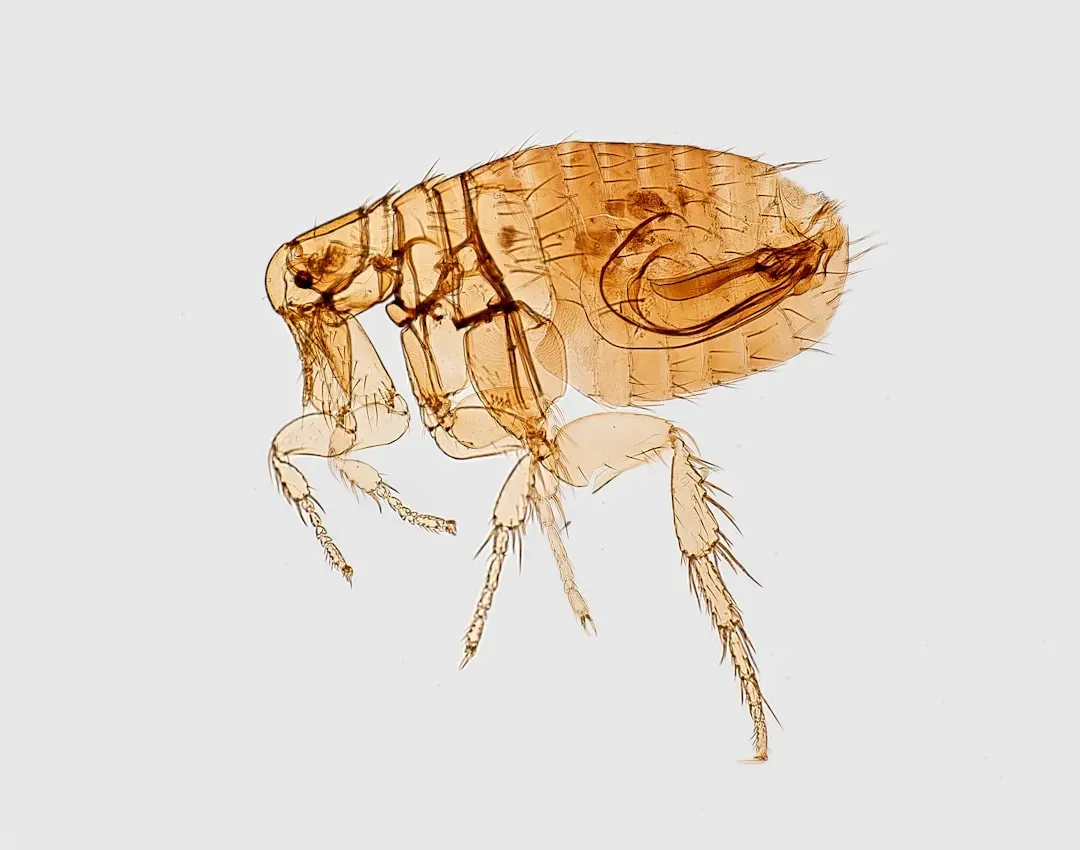
Knowing how fleas reproduce helps you fight them more effectively. Within two days of eating a blood meal and mating, the female flea begins to lay eggs, and under ideal conditions, the flea can complete its entire life cycle in as little as two weeks. That means a small problem can explode into a nightmare fast.
Flea eggs fall off animals into the environment, where they hatch into larvae that eat organic debris until they mature into pupae. The pupae may lie dormant for weeks to months, awaiting ideal environmental conditions before hatching into adults. This dormancy is why you might think you’ve won the battle only to face another wave of fleas weeks later.
Adult fleas only account for about five percent of an existing flea population, with ninety-five percent of the fleas in your home in earlier stages of the life cycle. That’s honestly why treating your cat alone won’t solve the problem. Your carpets, furniture, and bedding are harboring the next generation, waiting to pounce.
Choosing Veterinarian-Approved Flea Treatments
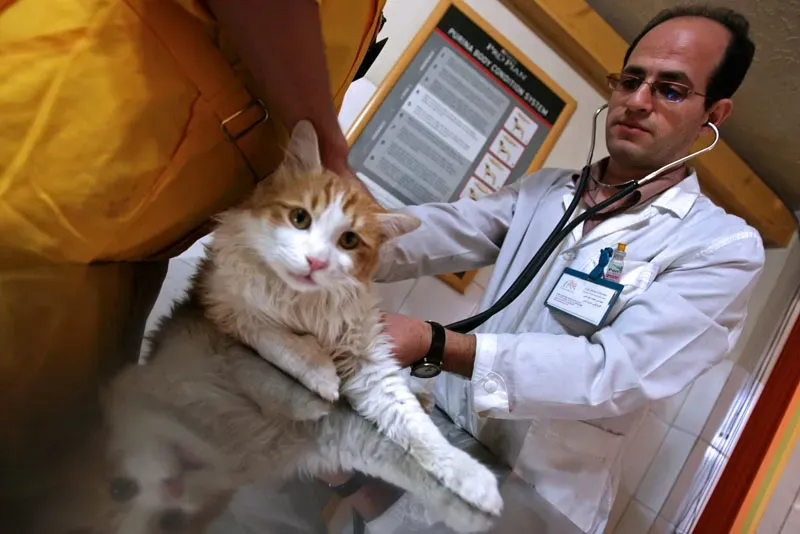
Most vets recommend a prescription flea medication rather than an over-the-counter option, because prescription medications typically undergo more stringent safety and efficacy testing. I know it sounds crazy, but those extra steps really do make a difference when it comes to your cat’s safety.
Some pets do better with topical medications like NexGard COMBO and Revolution Plus for cats, while oral medications, such as Credelio Cat chewable tablets, are preferable for others. The key is matching the treatment to your specific cat. Always consult your veterinarian when selecting a new flea treatment, as they can recommend products specific to your individual pet’s age, weight, medical and behavioral history, and their exposure risk.
Topical treatments get applied between your cat’s shoulder blades where they can’t lick it off. Oral medications work from the inside out. Both can be safe when used correctly, but what matters most is consistency and following the directions exactly as prescribed.
Safely Using Topical Flea Medications

There are very effective products designed to be administered once per month or once every three months, and some are conveniently combined with medications to prevent ticks, heartworm, and intestinal worms. Topical treatments have come a long way since the old days of harsh chemicals.
When applying these products, part your cat’s fur and squeeze the entire dose directly onto their skin. If you have recently applied a spot-on flea treatment, DO NOT BATHE THEM, and we recommend waiting at least fourteen days before getting your cat completely wet. Let’s be real, most cats hate baths anyway, so this waiting period probably won’t bother them much.
When flea control products are used properly, side effects are rare and do not affect all cats, but avoid combining insecticides without consulting your veterinarian and always tell your veterinarian about any flea control products you are using. Mixing products might seem like you’re being extra thorough, but it could actually harm your cat.
Natural and Gentle Flea Removal Methods
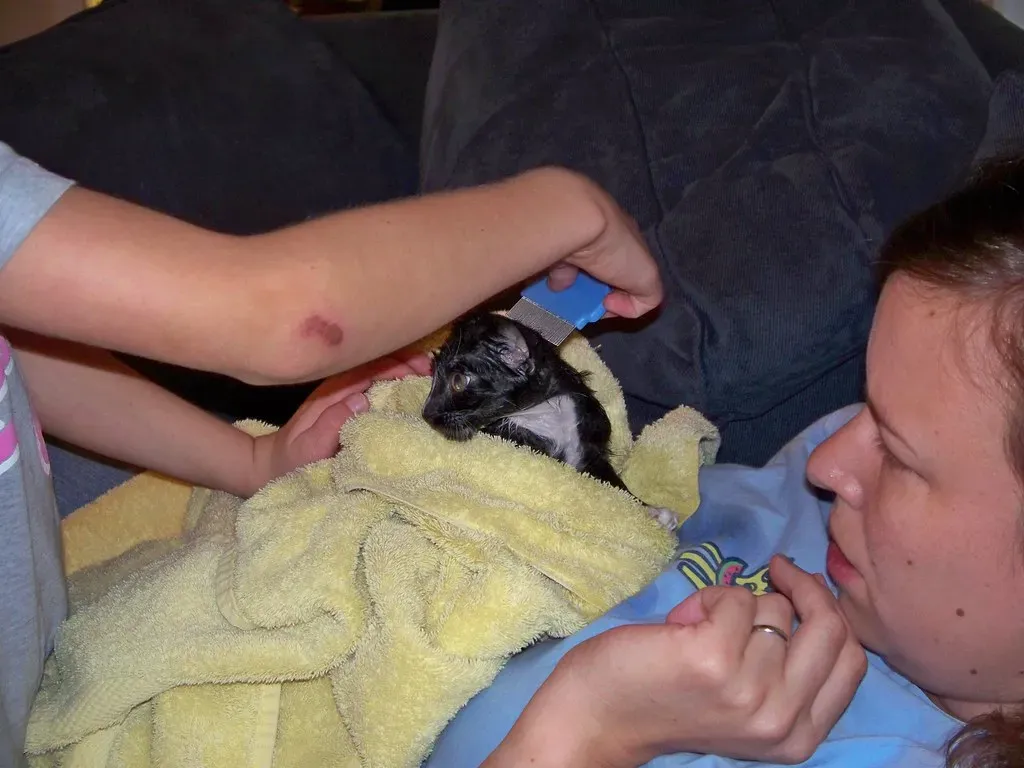
You can help get rid of fleas without chemicals by using a flea comb, combing slowly and thoroughly through your cat’s fur and dunking the comb in a bowl of soapy water to rinse and drown fleas as they come off. This method requires patience and daily commitment until the fleas are gone.
One of the best ways to get rid of fleas on cats is a good bath, which helps drown and remove fleas; try a shampoo with a low concentration of natural oils known to repel fleas, and a diluted solution of apple cider vinegar may also help. However, here’s where you need to be careful. In high concentrations, essential oils can be toxic to cats so make sure to check that the concentration is diluted before applying.
It’s hard to say for sure, but natural remedies alone rarely eliminate a full infestation. There is not enough evidence to confirm that natural alternatives are more effective than commercial preventatives, and natural products may repel fleas or help remove them but most are not effective at targeting the entire life cycle, which can leave your cat vulnerable.
Treating Your Home Environment Thoroughly

If your pet has fleas, ninety-five percent of the total flea infestation will live in your home. That statistic is shocking, right? Your home needs as much attention as your cat does.
Wash all bedding in your home, along with cat beds, blankets, and toys, using hot, soapy water, and vacuum all carpeting and upholstery, immediately emptying the vacuum bag or container into the trash outside. Vacuuming removes up to thirty percent of the larvae and up to sixty percent of flea eggs from a carpet, as well as the larvae’s food supply of dried blood.
Focus on areas where your cat spends the most time. The highest numbers of flea eggs, larvae, and pupae are found in areas where pets spend the most time, such as their beds and furniture. Vacuum daily if possible during an active infestation. Those vibrations from vacuuming actually help encourage dormant pupae to hatch, making them vulnerable to treatment.
Preventing Future Flea Infestations
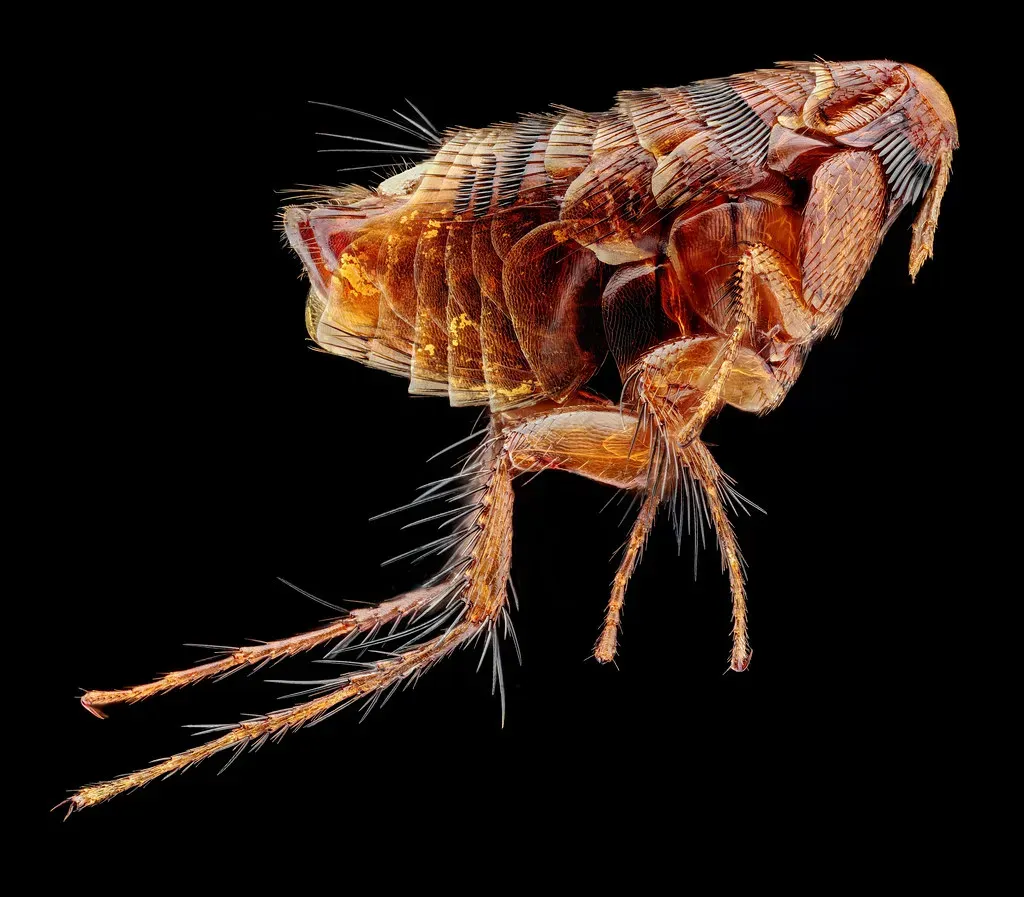
The best way to prevent fleas is by regularly using a monthly preventive year-round, giving all pets in the household parasite preventives, even indoor-only pets, and using a preventive recommended by your vet. Prevention really is easier than fighting an existing problem.
It is important to continue to administer flea control to all pets in the house for three to six months following an infestation to allow time for remaining flea life stages to develop into adults and then be killed. This extended timeline feels frustrating, but it’s necessary to break the cycle completely.
Even indoor-only cats can be exposed to fleas brought into the house on other pets or clothing. So keeping your cat inside doesn’t guarantee protection. Removing your shoes before entering your home can help prevent tracking fleas indoors. Year-round vigilance is your best defense.
What to Avoid When Treating Cat Fleas
You cannot use dog flea medicine on cats because dog flea medications are very toxic to cats; if your cat accidentally gets a flea medication for dogs, call a pet poison hotline or take them to an emergency hospital right away. This mistake happens more often than you’d think and can be fatal.
Herbal treatments are not effective in tackling fleas and there is no research to show they are safe to use on cats, and some herbal treatments, such as tea tree oil, are toxic to cats. Just because something is natural doesn’t mean it’s safe for your feline friend.
Over-the-counter products may have limited effectiveness, and flea shampoos and powders kill fleas at the time of application but have little lasting effect, so your cat may have fleas again the next day. You’ll waste money and time on products that don’t deliver lasting results. Stick with proven, vet-recommended options instead.
Getting rid of fleas on your cat doesn’t have to involve risky chemicals or dangerous shortcuts. By combining veterinarian-approved treatments with thorough home cleaning and consistent prevention, you can eliminate fleas safely and effectively. Your cat deserves relief from the constant itching and discomfort, and with the right approach, you can provide exactly that without putting their health at risk. Remember that patience and persistence are essential since breaking the flea life cycle takes time. Stay committed to the treatment plan, keep your home clean, and maintain year-round prevention to keep those pesky parasites away for good. What methods have worked best for keeping your cat flea-free?
Kristina is a young writer from India. An arts graduate and an avid content creator, Kristina is passionate about animals and wildlife. She enjoys exploring topics related to pet care, animal behavior, conservation, and nature, combining thorough research with engaging storytelling.