You might think keeping your cat indoors means they’re safe from ticks. Think again. These tiny parasites are surprisingly resourceful, and your home may actually be inviting them in without you realizing it. Let’s be real, most cat owners assume ticks are purely an outdoor problem, but that’s not the whole story.
Your household carries various scents that can attract these unwanted guests right through your front door. Some of these odors are things you probably encounter every day, and you’d never suspect they’re rolling out the welcome mat for disease-carrying pests. Understanding which smells draw ticks toward your feline friend is the first step in protecting them from these dangerous parasites, even when they never step outside.
Carbon Dioxide From Your Breath and Your Cat’s

Ticks have a specialized sensory organ called Haller’s organ on their forelegs that detects carbon dioxide from breath and bodies. Every time you or your cat exhales, you’re releasing a chemical signal that these parasites can pick up from surprising distances. Carbon dioxide is one of the most common smells that attracts ticks, as they find their hosts by detecting this compound.
This biological reality means simply breathing in your home creates an attractant. If ticks have hitched a ride indoors on clothing or pets, they’ll navigate toward areas where carbon dioxide concentrations are highest. Your cat’s favorite napping spots, where they spend hours breathing steadily, become prime locations for ticks to detect and approach them. The concentration of this odorless gas increases in smaller, enclosed spaces where air circulation is limited, making bedrooms and closets particularly vulnerable zones.
Ammonia From Litter Boxes and Cleaning Products
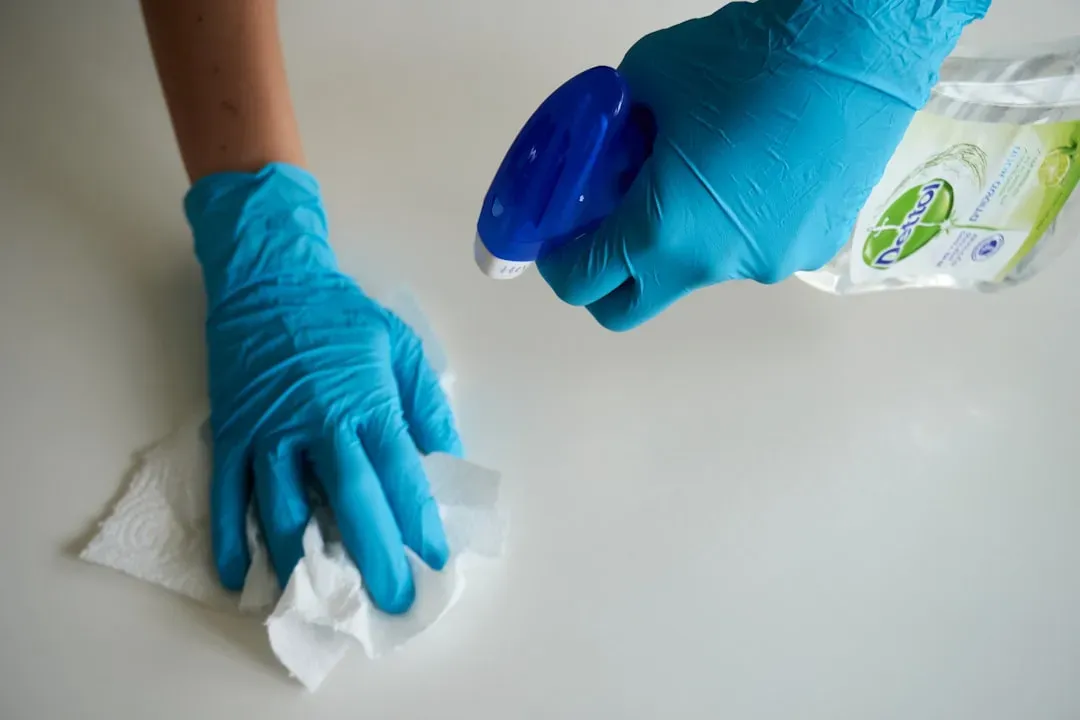
Ammonia is one of the chemicals that ticks can smell through their Haller’s organ. Your cat’s litter box naturally produces ammonia as waste breaks down, and this scent creates a beacon for ticks seeking a host. Even if you clean the box daily, some level of ammonia odor persists in the surrounding area.
Many household cleaning products also contain ammonia or ammonia-based compounds. When you clean floors, countertops, or windows with these solutions, you’re inadvertently spreading tick attractants throughout your home. Ticks can also pick up ammonia scents, which come from urine in outdoor settings and from sweat. The combination of your cat’s waste, your own perspiration, and cleaning supplies creates multiple sources of this chemical that can draw ticks toward indoor spaces where your cat spends time.
Body Odor and Sweat From Humans

Lactic acid from sweat makes individuals more appealing to ticks, so those who sweat more might attract them more frequently. After a workout or on a hot day, your skin releases chemicals that ticks find irresistible. You might not notice your own scent, but ticks are highly attuned to these biological signals.
Ticks are attracted to various smells emitted by humans, such as CO2, lactic acid, uric acid, and ammonia. When you come home from outside and pet your cat, any ticks that hitched a ride on your clothing can transfer to your feline. Your perspiration creates a trail that leads these parasites directly to warm-blooded hosts in your home. The stronger your body odor, the more attractive you become as a potential pathway for ticks to access your indoor cat.
Pet Food Odors That Attract Rodents

Food scraps or crumbs attract rodents, and rodents are notorious tick carriers. Your cat’s food bowl, especially if you free-feed, emits odors that can draw mice and rats into your home. These small mammals often carry multiple ticks on their bodies.
When rodents squeeze through tiny gaps in your home’s exterior to reach that food smell, they bring their parasitic passengers with them. In rare cases, a tick carried indoors on a dog or on a person’s clothing can fall off and survive long enough to crawl onto a cat. Once inside, ticks can drop off the rodent host and seek out your cat instead. Storing pet food in sealed containers and immediately cleaning up any spills reduces these attractive food odors that create an indirect pathway for ticks to enter your living space.
Scented Candles and Air Fresheners With Floral Notes

Using strong-smelling perfumes or lotions might heighten susceptibility to tick bites. Those lovely jasmine, rose, or gardenia-scented candles you burn contribute to the overall scent profile of your home. Sweet, floral aromas can sometimes resemble natural outdoor scents.
Scented candles or air fresheners that mimic floral or fruity aromas are common household items that many pet owners use without considering the potential pest implications. While these products make your home smell pleasant to humans, they may inadvertently signal to ticks that they’re in a hospitable environment. The combination of these artificial scents with your cat’s natural body odor creates a complex aromatic profile that ticks can detect and navigate toward.
Moisture and Humidity in Bathrooms
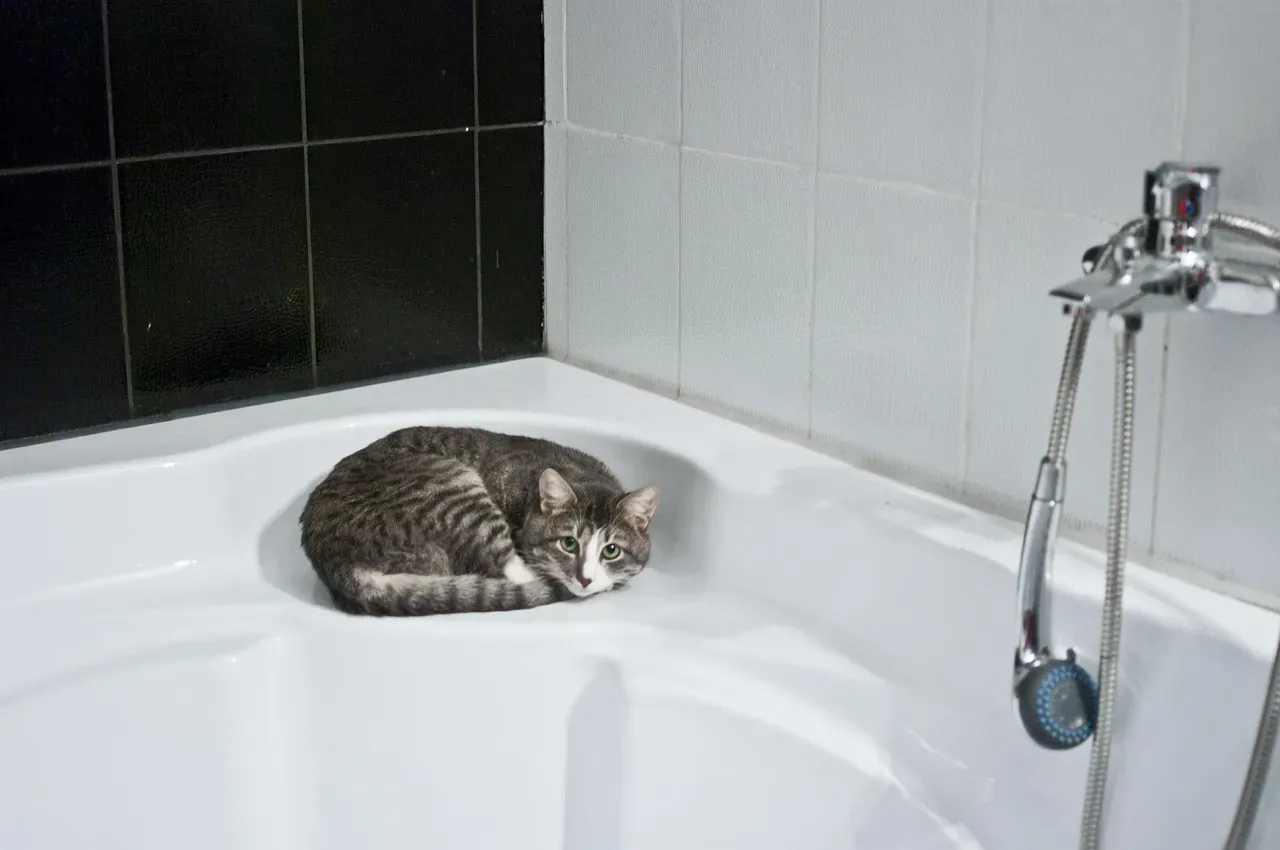
The Haller’s organ also detects humidity, allowing ticks to hone in on body heat and moisture. Your bathroom, with its constant exposure to water from showers and sinks, creates a humid microclimate that ticks find attractive. The moisture in the air carries scent molecules more effectively than dry air, amplifying other attractants present in your home.
Ticks are attracted to human skin due to its warmth and moisture, with primary attractants including body odors, carbon dioxide, sweat, and body heat. If your cat frequents the bathroom, perhaps drinking from the sink or lounging on bath mats, they’re spending time in an area where ticks might congregate. The combination of humidity, warmth from hot water usage, and the various personal care product scents creates a complex environment that can harbor ticks brought in from outside.
Strong-Smelling Foods Like Garlic and Onions

Interestingly, while garlic repels ticks when used properly as an essential oil, the everyday cooking odors from garlic and onions can have different effects. The scent of these foods cooking permeates your home and can mask or interfere with other chemical signals. However, these food odors indicate the presence of humans and activity.
When you’re preparing meals with pungent ingredients, the aromatic compounds spread throughout your living space. These odors can travel outside through open windows or doors, potentially attracting ticks from nearby outdoor areas. Once these parasites make their way inside, they’ll seek out the warmest, most carbon dioxide-rich areas, which often happen to be where your cat is resting. The complexity of food scents in your home creates an olfactory landscape that ticks navigate as they search for their next meal.
Laundry Detergent and Fabric Softener Residues
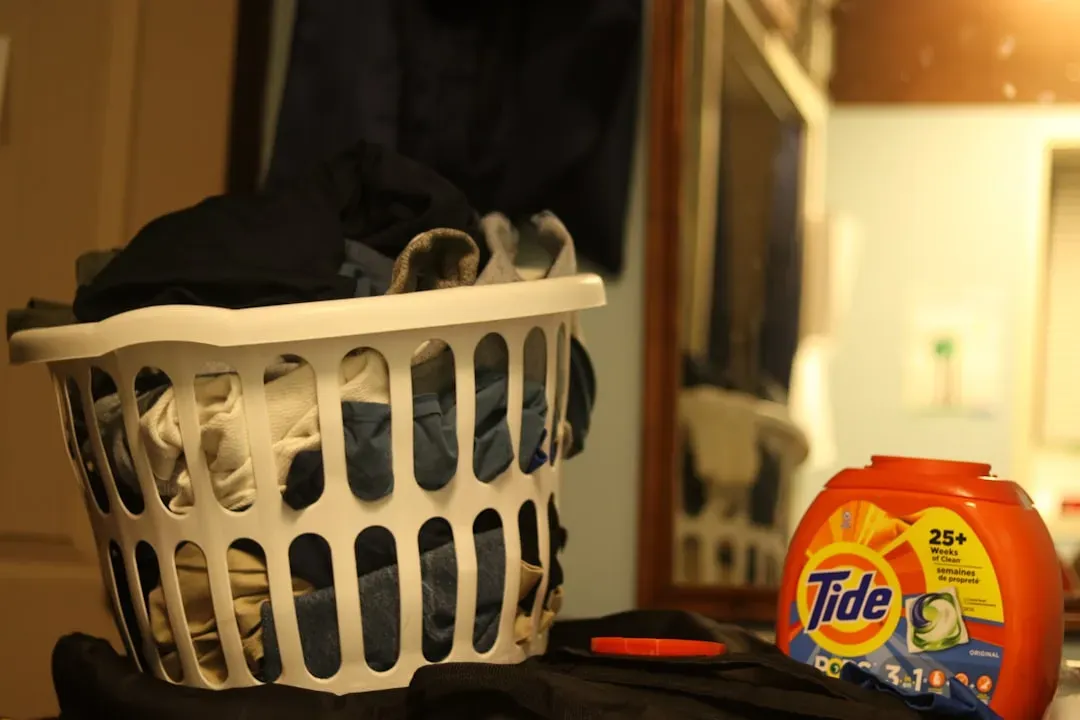
Ticks aren’t generally attracted to synthetic scents in laundry products and deodorants, but there’s a catch. While these artificial fragrances don’t directly attract ticks, they can mask your ability to detect tick-attracting scents in your home. The strong artificial scents from freshly laundered bedding, towels, and clothing can also adhere to your cat’s fur when they curl up on these fabrics.
More importantly, laundry that’s been outside on a clothesline can bring ticks directly into your home. Even if the detergent smell itself isn’t attractive to ticks, the fabric becomes a vehicle for these parasites to enter your indoor space. When you fold that sun-dried laundry and place it in closets or on beds where your cat lounges, any hitchhiking ticks get deposited exactly where they can access your pet. The combination of outdoor exposure and indoor fabric storage creates opportunities for tick transfer.
Heat Signatures From Electronics and Appliances

Ticks detect infrared light and humidity through their Haller’s organ, allowing them to hone in on body heat. While heat isn’t technically a smell, it’s worth noting that warm areas in your home created by electronics, heating vents, and appliances can attract ticks. Your television, computer, and other devices emit warmth that ticks can sense.
Cats are drawn to these same warm spots, often sleeping on laptops, near heating vents, or on top of cable boxes. This convergence creates a perfect storm: ticks navigate toward heat sources, and your cat chooses to rest in those exact locations. The thermal signatures combined with your cat’s natural body odor and carbon dioxide output make these cozy electronic nooks particularly vulnerable zones. If ticks have entered your home through any means, they’re likely to end up precisely where your cat spends the most time.
Natural Fiber Carpets and Upholstery

Wool, cotton, and other natural fiber materials in your carpets, rugs, and furniture can retain odors differently than synthetic materials. These fibers absorb and hold onto the various scents we’ve discussed, from body odor to pet dander to food smells. The accumulated odor profile creates a rich olfactory environment that ticks can detect.
Brown dog ticks may be found hiding in cracks, behind radiators, under rugs and furniture, and on draperies and walls. Natural fibers provide texture and hiding spots where ticks can wait for hosts to approach. Your cat’s habit of kneading on soft blankets or scratching carpet releases more of their scent into these materials, making them even more attractive to any ticks present. The intersection of natural materials, retained odors, and your cat’s behavioral patterns creates microenvironments within your home where ticks can thrive and wait for feeding opportunities.
Protecting Your Indoor Cat From Tick Attraction

Now that you understand which household smells can draw ticks toward your cat, you can take practical steps to minimize these risks. The Companion Animal Parasite Council recommends that all cats, even indoor cats, receive year-round flea and tick prevention. Regular veterinary consultation about appropriate preventive products is essential, even for cats that never venture outside.
Beyond prevention products, managing household odors strategically can reduce tick attractiveness. Ensure proper ventilation to dissipate carbon dioxide concentrations, clean litter boxes frequently to minimize ammonia buildup, and be mindful of the products you use. Ticks can enter your home by hitching a ride on your clothing or by sneaking in when you leave the door open. Performing tick checks on yourself after outdoor activities and washing clothes promptly can prevent these parasites from establishing themselves in your home. Your indoor cat deserves protection from these disease carriers, and understanding the scent signals that attract ticks is a powerful tool in keeping them safe.
What surprised you most about these household attractants? It’s fascinating how everyday odors we barely notice can signal danger for our feline companions.
Kristina is a young writer from India. An arts graduate and an avid content creator, Kristina is passionate about animals and wildlife. She enjoys exploring topics related to pet care, animal behavior, conservation, and nature, combining thorough research with engaging storytelling.