You probably think you know when your cat is happy. The purring, the gentle headbutts, the way they curl up on your lap during movie night. These are the obvious signs we all recognize and cherish.
Yet cats are far more complex communicators than most people realize. They’ve developed an intricate language filled with subtle gestures, quirky behaviors, and unexpected signals that often go completely unnoticed by even the most devoted cat parents. Some of these signs might actually surprise you. Others you might have witnessed countless times without understanding their true meaning. Let’s explore the fascinating ways your feline friend has been telling you they’re content all along.
The Slow Blink That Says It All
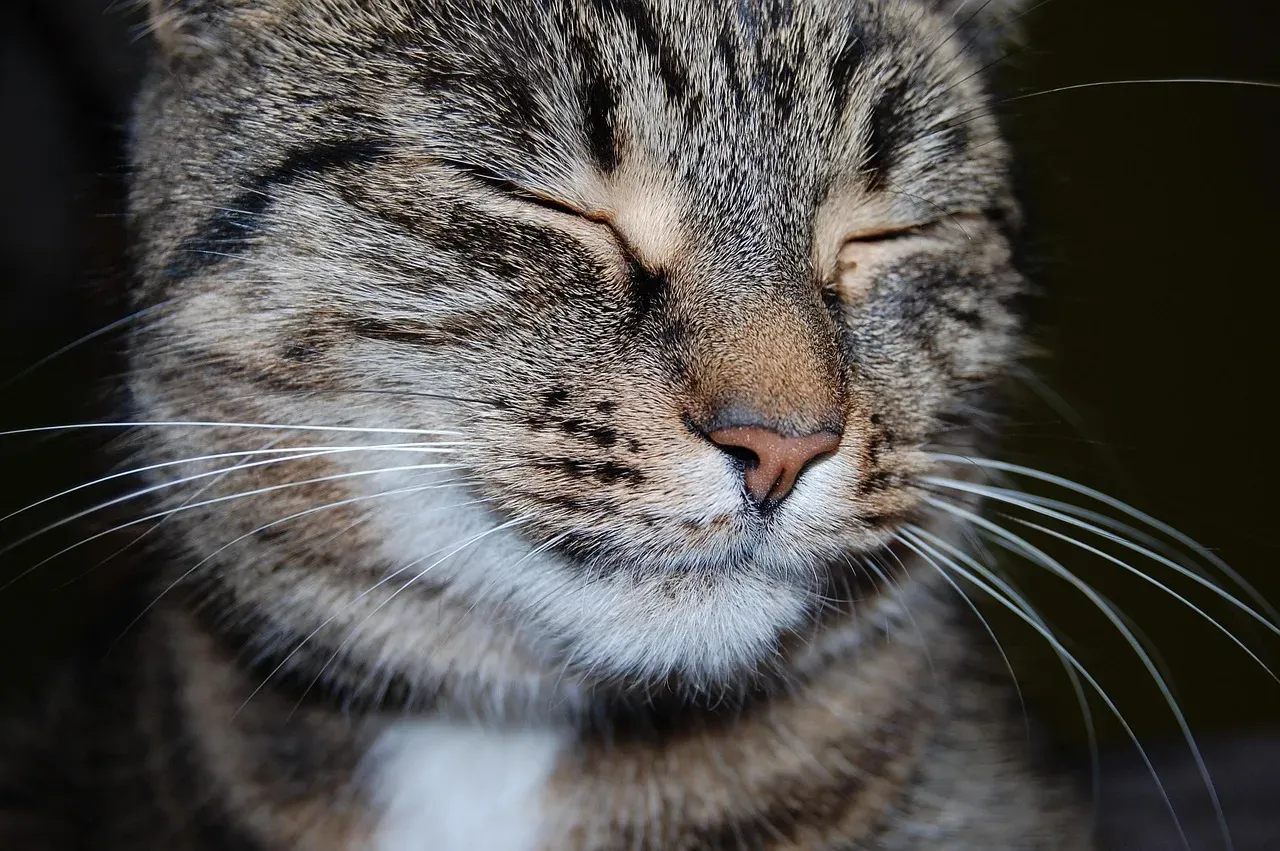
When your cat looks at you and slowly closes their eyes, opens them again at the same pace, it’s a gesture of trust and love. This slow blink happens when your cat looks at you and closes their eyes slowly, while also opening them up at the same pace, and in cat language, it usually means “I trust you”. Think about it from their perspective. Cats are always on alert, watching for potential threats.
By closing their eyes, they trust you to keep them safe. Slow, steady blinks while holding your gaze can be considered the equivalent of a feline hug or kiss. You can actually return this gesture by slowly blinking back at them, which strengthens your bond. It’s like having a secret conversation that nobody else understands, a silent exchange of affection between you and your cat.
The Mysterious Hook Tail Position
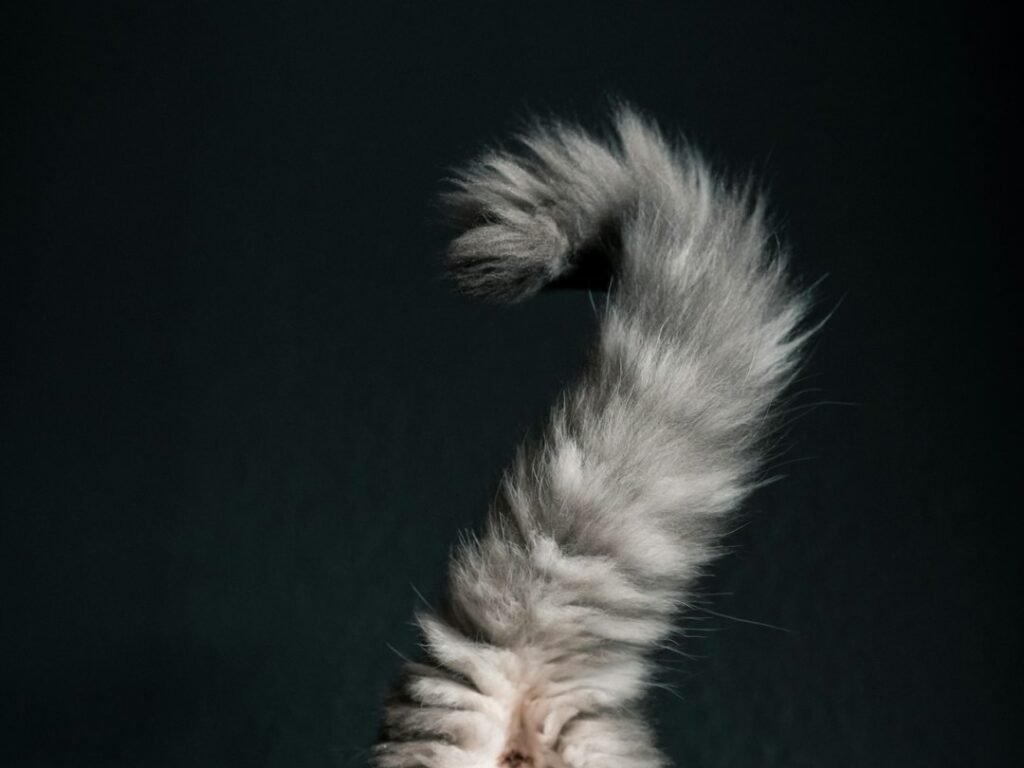
A hook happens when a cat holds their tail upright and then curls the tip slightly, kind of like a question mark, which is actually a clear sign your kitty is feeling happy and content around you. This adorable little flourish isn’t just for show. The upright hook tail can be a friendly greeting cue, as this position can signal confidence and as a signal to others that the cat is in a safe and confident space.
Watch for this when you come home from work or when you walk into a room where your cat is hanging out. A tail that is pointed straight up with a curl at the tip is a reliable sign that a cat is happy and confident. Many people completely miss this cheerful little signal, dismissing it as just another tail position. In reality, your cat is waving hello and letting you know everything feels right in their world.
Exposing Their Vulnerable Belly
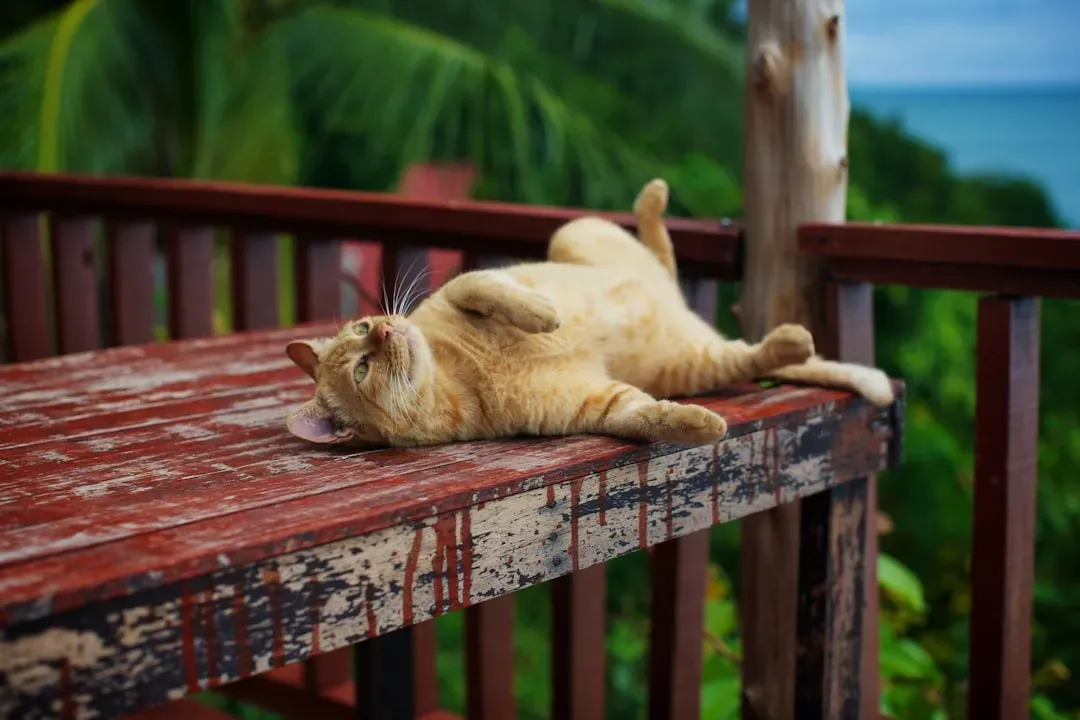
If your cat rolls onto its back or exposes its belly in your presence, it’s a sign of trust and comfort, indicating happiness, as most animals don’t expose their vulnerable bellies unless they feel safe. This is huge, folks. The belly is one of the most vulnerable areas on a cat’s body, where all their vital organs are located. When a cat shows their belly, it’s a display of complete trust and comfort, as exposing it to you means they feel safe and secure in your presence, a behavior reserved for those they love and trust the most.
Here’s the thing though. This doesn’t always mean they want you to touch their belly. Content kitties often lay on their sides or backs, exposing their vulnerable tummies, however, be careful not to interpret this posture as an invitation for tummy rubs since most cats prefer ear, back, and side petting. So appreciate the trust, but maybe skip the belly rub unless your cat specifically enjoys it. The exposed belly itself is the compliment, not necessarily an invitation.
That Amusing Rear End Presentation
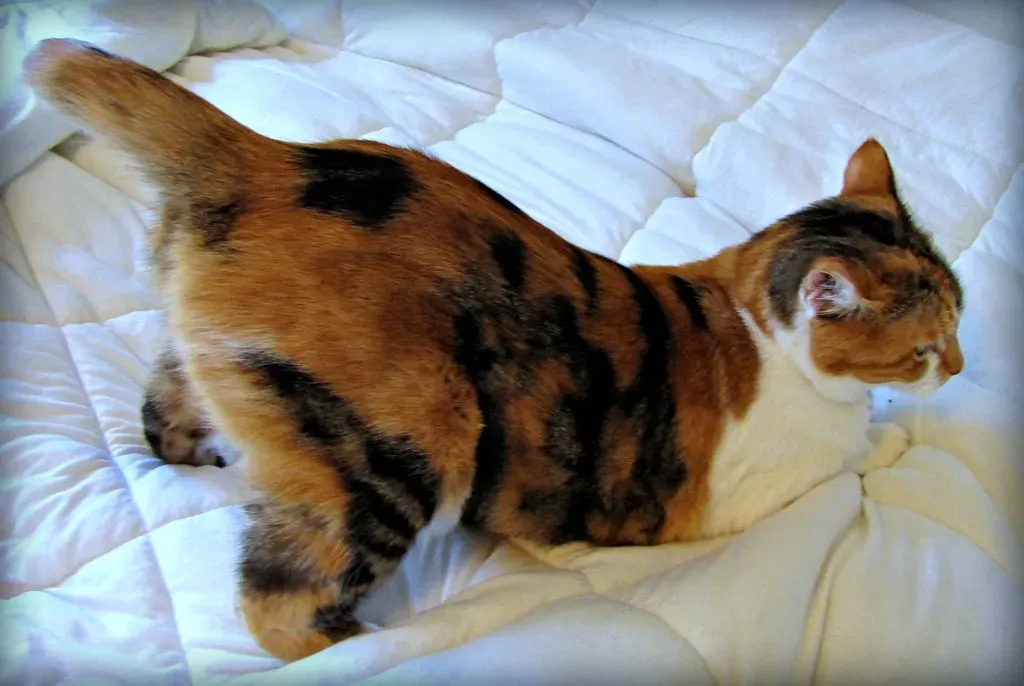
When your cat hops up on your lap and then sticks his or her rear end right in your face, this may seem annoying or gross to you, but it is actually a way for them to show love. I know, I know. This seems absolutely bizarre and somewhat offensive by human standards. Cats introduce themselves to other animals by sniffing their rear ends, and this scent identifier is almost equivalent to a handshake in the human world.
So, when your cat is sticking his or her hind end right in your face, think of it as him saying hi, how are you doing today. They’re not being rude or disrespectful. In cat society, this is actually proper etiquette, a formal greeting between trusted companions. Next time your cat presents their backside to you, try to see it as the compliment it truly is, even if you politely decline to sniff.
Chirps and Trills of Pure Joy
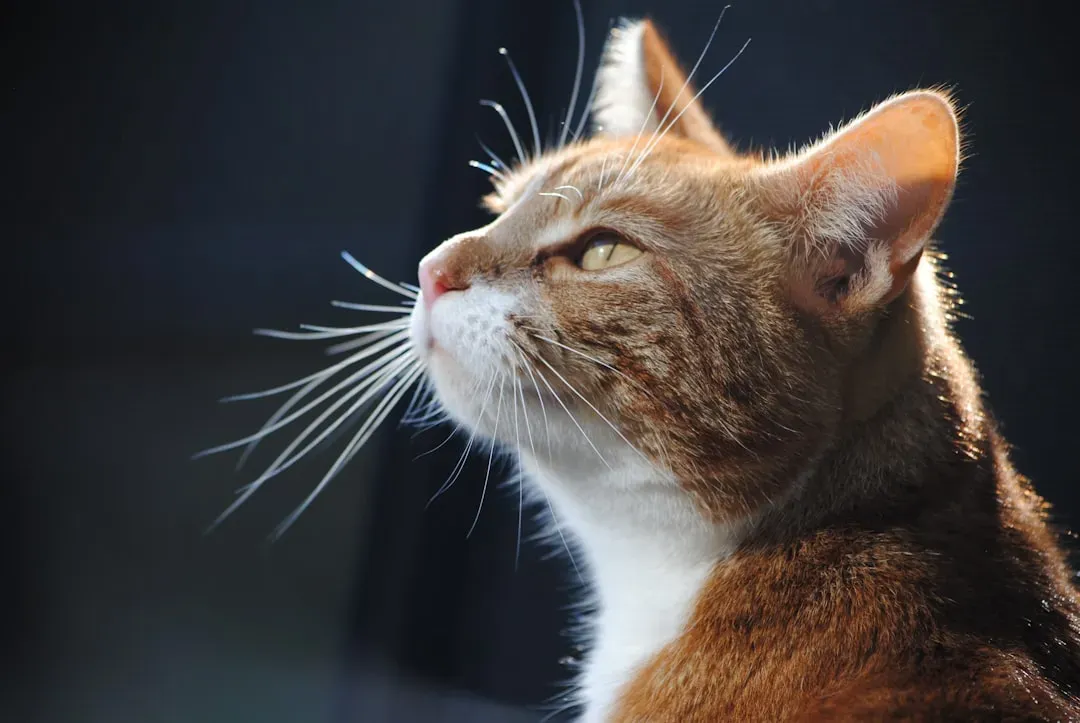
When you hear this trilling sound, you’ll know your cat is happy, as a chirrup is often an invitation to follow your cat somewhere or to ask for affection or play. Trilling, also known as chirping, is the high-pitched, repetitive sound that cats make when they see someone they like and is trusted by them or when they are feeling content. That prrrrupttt sound many cats make is also a good indication of a happy cat.
This vocalization is completely different from a meow. It’s more melodic, shorter, and often sounds almost birdlike. Trilling may also be an invitation for you to spend some quality time together. Some cats trill constantly, others rarely use this sound. If your cat trills at you, consider yourself part of their inner circle, someone they genuinely enjoy spending time with and feel comfortable around.
Understanding these unexpected signals transforms how you interact with your cat. You’ll start noticing the tiny tail hooks, the slow blinks across the room, and yes, even appreciate those rear end presentations for what they truly are: expressions of happiness and deep contentment. Your cat has been speaking to you in their own unique language this entire time. Now you know how to listen. What subtle signs have you been missing from your own feline companion?
Kristina is a young writer from India. An arts graduate and an avid content creator, Kristina is passionate about animals and wildlife. She enjoys exploring topics related to pet care, animal behavior, conservation, and nature, combining thorough research with engaging storytelling.