You’ve probably spent hours making sure your home is comfortable and safe for your feline companion. Maybe you’ve invested in the best cat trees, bought organic treats, and ensured they have plenty of cozy spaces to curl up. Yet even the most devoted cat parents might be shocked to learn that lurking in plain sight are everyday items that could pose serious threats to their furry friends. We’re talking about things you use without a second thought, products sitting on your kitchen counter or tucked away in your bathroom cabinet that could potentially harm or even kill your cat.
Let’s be real, cats are naturally curious creatures, and that curiosity can sometimes get them into trouble. They love to explore, sniff around, and occasionally nibble on things they shouldn’t. While you might think you’ve got everything under control, there are hidden dangers in nearly every room of your house. Some of these items might surprise you because they seem harmless or are marketed as safe for general household use. In this article, we’ll reveal seven common household items that could be dangerous for your cat and explain why you need to keep them far away from those inquisitive paws and whiskers.
Household Cleaning Products With Bleach and Ammonia
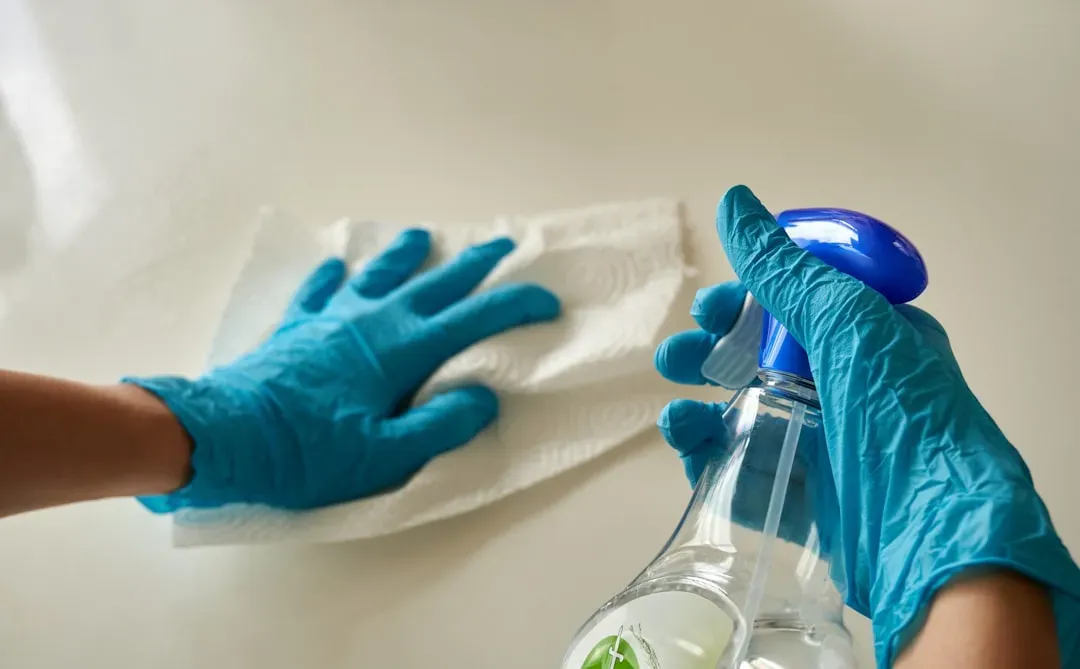
Your sparkling clean bathroom might look pristine after using that powerful toilet bowl cleaner, yet those same products could be incredibly dangerous for your cat. Bleach is harmful if ingested and can cause serious damage to your cat’s mouth, throat, stomach, and intestines. Ammonia-based cleaners are also dangerous because they can irritate a cat’s skin and eyes. Even if your cat doesn’t directly drink from a bottle of cleaner, they could easily walk across a freshly cleaned surface and then groom their paws, ingesting these toxic chemicals in the process.
Think about how often you clean your home. Examples of bleach-based cleaning products include disinfectants, toilet bowl cleaners, and mold and mildew removers. Ammonia is found in products like pet stain removers, bathroom cleaners, and oven cleaners. That strong smell you associate with a “clean” home? It’s actually a warning sign that harsh chemicals are present. Cats have far more sensitive respiratory systems than humans do, so what seems like a mild scent to you could be overwhelming and harmful to them. To protect your feline friend, always ensure that cleaned areas are completely dry before letting your cat back into the room, and consider switching to pet-safe alternatives like vinegar and water solutions.
Essential Oils and Aromatherapy Diffusers
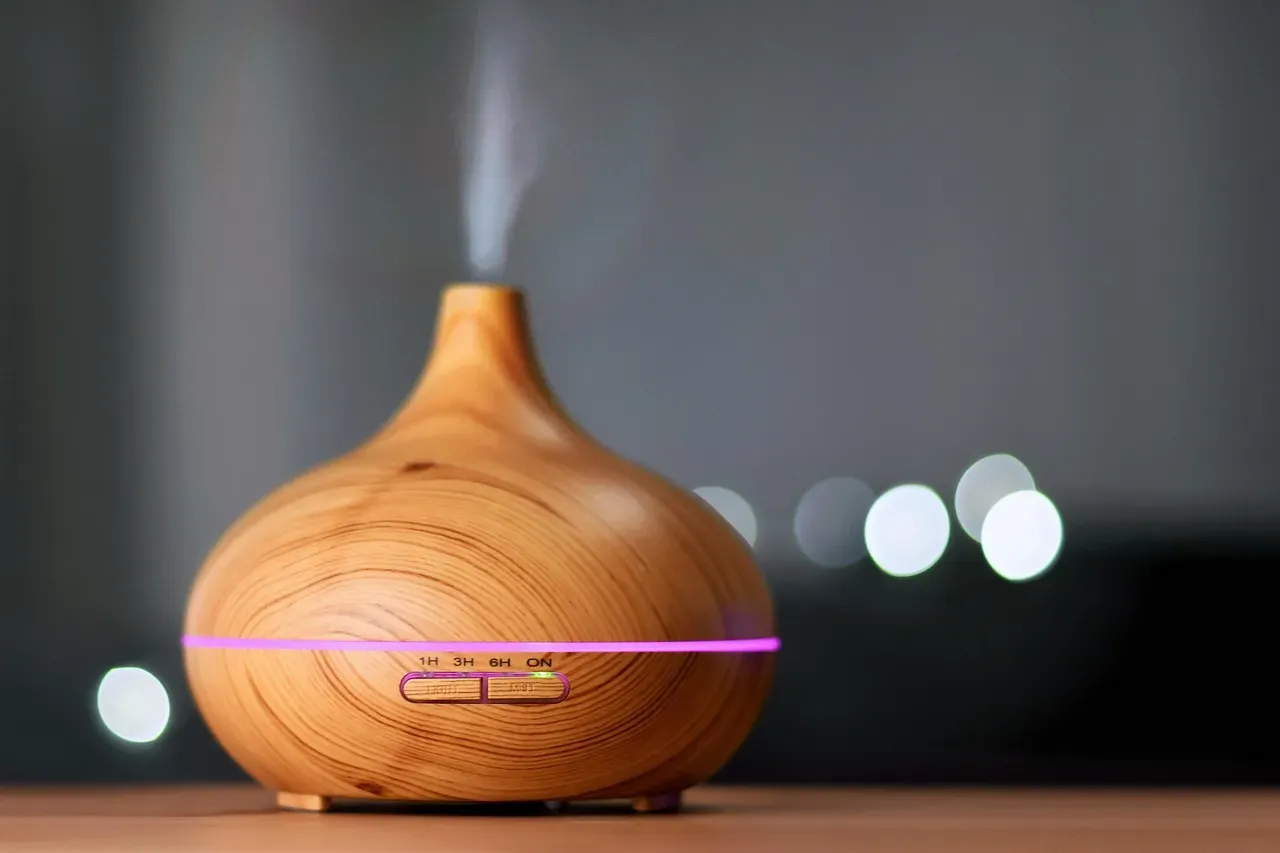
Essential oils contain potent chemicals that can be rapidly absorbed both orally and through the skin. Cats are particularly susceptible to the harmful effects of essential oils, as they have difficulty metabolizing them. You might love the calming scent of lavender or the refreshing aroma of eucalyptus wafting through your living room, yet for your cat, these oils could be building up to toxic levels in their system. Unlike humans and even dogs, cats lack certain liver enzymes that help break down these compounds, which means even small exposures can accumulate over time.
Essential oils like tea tree, eucalyptus, or citrus are dangerous for cats. When you run that trendy aromatherapy diffuser, you’re essentially filling the air with microscopic droplets that your cat breathes in constantly. These particles can also settle on their fur, and when they groom themselves later, they ingest the oils directly. Symptoms of essential oil poisoning can range from drooling and vomiting to more severe reactions like difficulty breathing, tremors, or even liver failure. If you’re passionate about aromatherapy, consider keeping your diffusers in rooms where your cat doesn’t spend time, or better yet, skip them altogether when your feline is around.
Lilies and Other Common Houseplants

Here’s something that might genuinely shock you. Lilies are extremely dangerous, as all parts of the plant are toxic including the pollen, flowers, stem and leaves. Lilies can cause kidney failure in cats who come in contact with the flower’s pollen, then ingest the pollen during grooming. That beautiful bouquet someone sent you for your birthday could literally be a death sentence for your cat. Even the smallest nibble or brief contact with lily pollen can trigger acute kidney failure, and sadly, many cat owners don’t realize this until it’s too late.
Lilies aren’t the only culprits in the plant world, though. Common toxic plants for cats include lilies, aloe vera, pothos, and philodendron. Plants such as tulips, daffodils, lilies, philodendrons, Dieffenbachia, foxglove, and Japanese yew, are very dangerous for cats. Your trendy indoor jungle might be Instagram-worthy, yet it could also be a minefield for your curious cat. The tricky part is that some plants only cause mild irritation while others can be fatal, making it hard to know which ones to worry about. Before bringing any new plant into your home, do your research or stick to verified cat-safe options like spider plants or Boston ferns.
Human Medications Left on Countertops
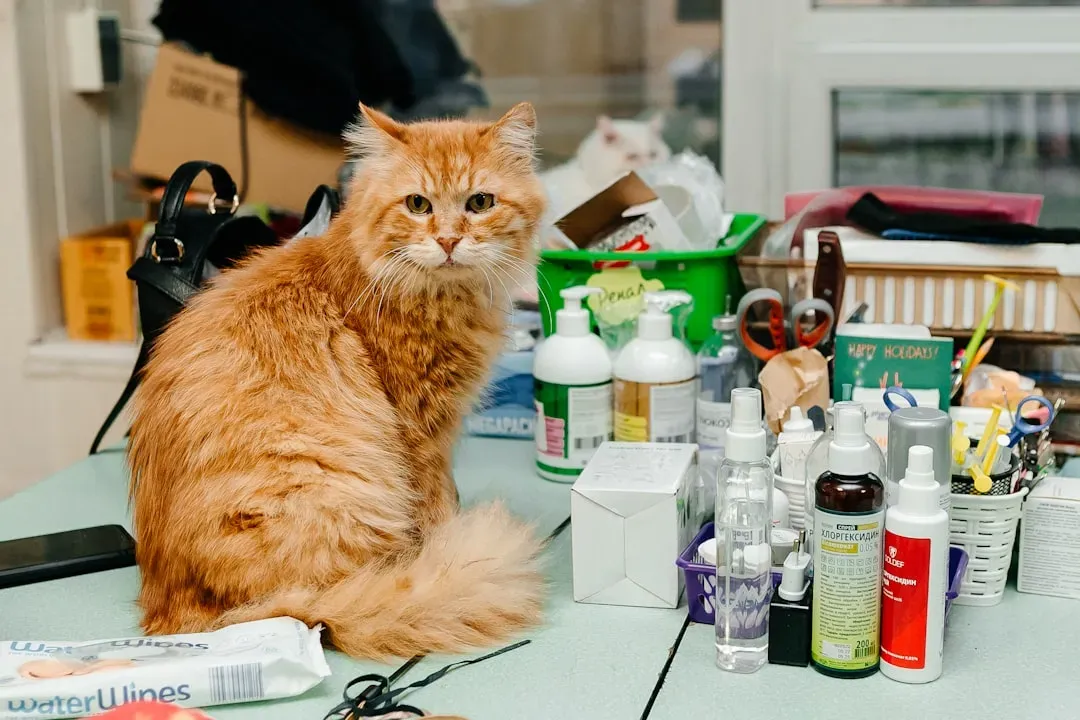
It sounds almost too obvious to mention, yet you’d be surprised how many cats end up poisoned by medications left within reach. Human antidepressants are like catnip to cats, as they love the smell of common antidepressants such as Effexor, Prozac, Cymbalta, and Zoloft and can’t resist eating the pill. That innocent-looking pill you left on your nightstand while you went to grab a glass of water? Your cat might find it absolutely irresistible, and the consequences can be devastating. Instead of improving their mood and energy level, human antidepressants can cause lethargy, tremors, seizures, vomiting, diarrhea, and hyperthermia in cats.
Even small amounts of certain human or veterinary medications can be deadly to cats if ingested, with some common human medications that are poisonous to cats including ibuprofen, acetaminophen, and antidepressants. Pain relievers that you take without thinking twice can cause severe organ damage in cats. The problem is that cats are sneaky and fast. They can jump onto counters, paw open pill bottles, or knock medications onto the floor where they become easy targets. Always store your medications in secure cabinets, and if you drop a pill on the floor, find it immediately. Don’t assume your cat won’t be interested, because when it comes to medications, curiosity truly can kill the cat.
Antifreeze and Automotive Products
Antifreeze is a common household product that contains ethylene glycol, which can cause kidney failure if ingested. Unfortunately, cats are drawn to the sweet taste of antifreeze, but just a few licks can be fatal for them. If you’ve ever topped off your car’s coolant or noticed a small puddle in your garage, you need to be extremely vigilant. That bright green liquid might look harmless, yet it’s one of the most lethal substances your cat can encounter. The worst part is that antifreeze tastes sweet to animals, making it dangerously appealing.
Honestly, it doesn’t take much to cause serious harm. Even a teaspoon of antifreeze can be enough to cause fatal kidney damage in a cat. The symptoms might not appear immediately, which gives pet owners a false sense of security. By the time you notice your cat acting strangely, stumbling around, or vomiting, the poison may have already done significant damage. If you need to use antifreeze, clean up any spills immediately with absorbent materials, rinse the area thoroughly, and consider switching to propylene glycol-based products, which are less toxic. Store all automotive products in sealed containers in areas your cat absolutely cannot access, like locked cabinets or high shelves in the garage.
Hair Ties, Rubber Bands, and Small Objects
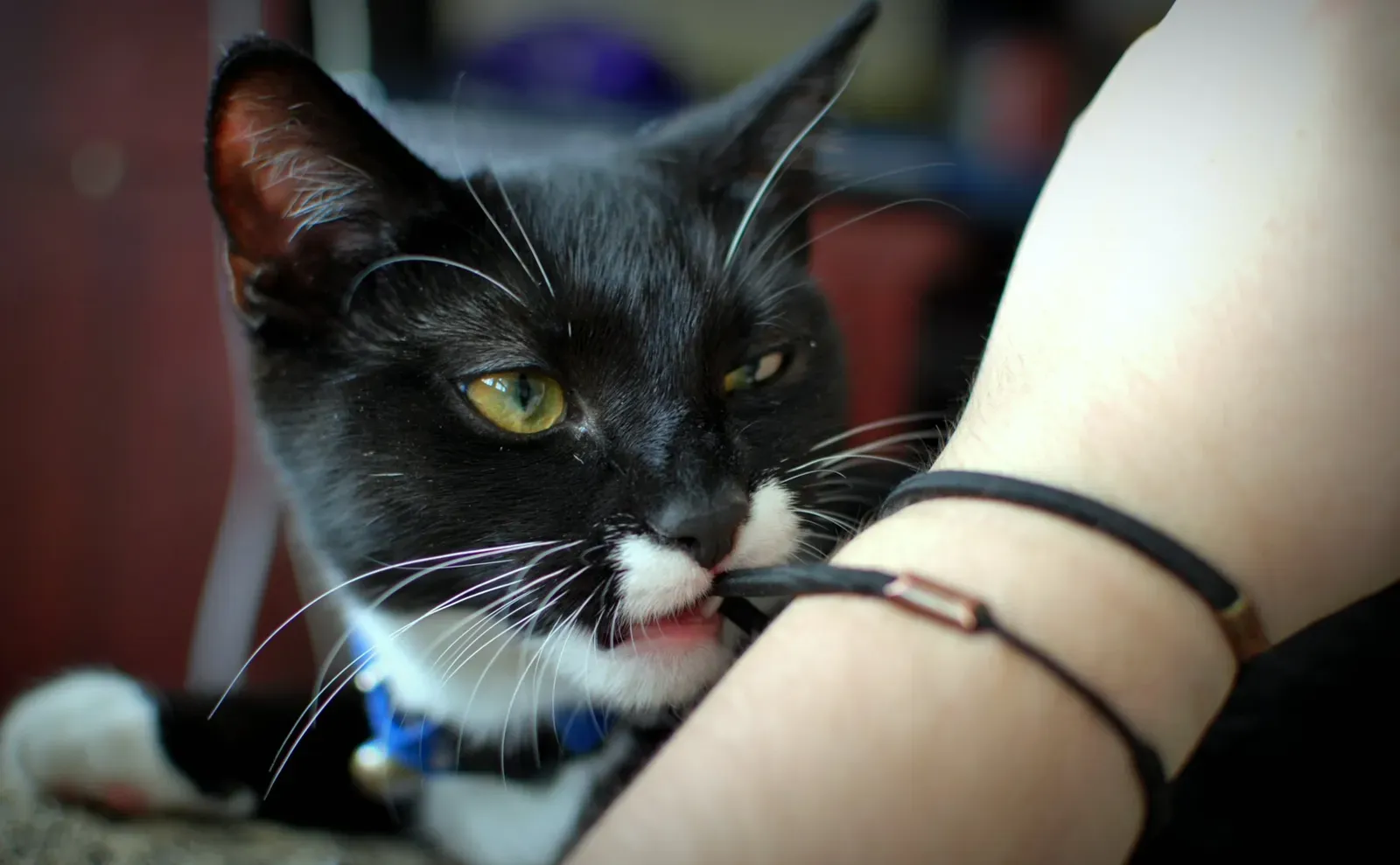
Rubber bands, hair ties, and other small objects can be dangerous to cats if ingested. They can become lodged in a cat’s digestive system, leading to serious health problems like gastrointestinal issues, intestinal blockages, and even death. You might think it’s cute when your cat bats around a hair tie like a toy, yet this seemingly innocent playtime can quickly turn into a medical emergency. Cats love the texture and bounce of these items, and before you know it, they’ve swallowed one whole.
The thing is, these objects don’t break down in your cat’s stomach the way food does. They can get stuck in the intestines, creating a blockage that prevents food and water from passing through. This condition, called an intestinal obstruction, is extremely painful and requires immediate surgical intervention. I know it sounds dramatic, but I’ve heard too many horror stories from vet clinics about cats needing emergency surgery after swallowing a simple hair tie. The symptoms might include vomiting, loss of appetite, lethargy, and abdominal pain. Keep these small items stored in drawers or containers where your cat can’t reach them, and if you notice one missing, watch your cat closely for any signs of distress.
E-Cigarettes and Vaping Products
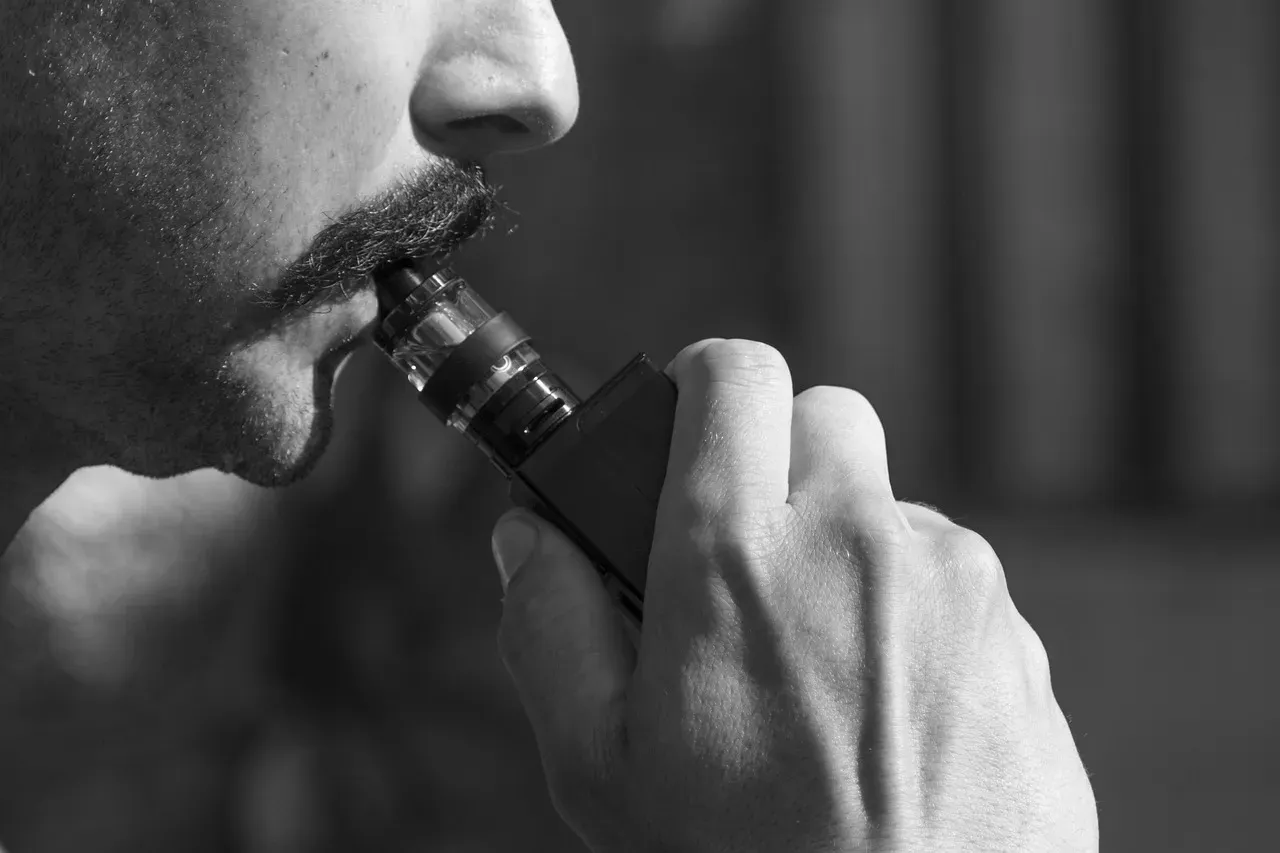
E-cigarettes are a relatively new product that are growing in popularity, yet they also contain harmful chemicals that can be dangerous to our feline friends. The nicotine, artificial flavors, and other chemicals in e-cigarettes can cause dangerous symptoms like vomiting, diarrhea, and seizures in cats. If you’re a vaper, you might not realize that your device poses multiple threats to your cat. The liquid nicotine cartridges are sweet-tasting and incredibly concentrated, meaning even a small amount can be toxic.
There’s also the risk of your cat chewing on e-cigarette components like the cartridges, casing, or batteries. Cats are notorious for knocking things off tables and batting small objects around, and an e-cigarette device is the perfect size for feline mischief. The batteries themselves can cause chemical burns if punctured, and the liquid nicotine can be absorbed through the skin or ingested during grooming. Nicotine poisoning in cats can escalate rapidly, causing increased heart rate, tremors, weakness, and in severe cases, death. Store your vaping supplies in a secure, locked container, and never leave your e-cigarette unattended where your cat can access it. If you suspect your cat has been exposed to nicotine, get them to a vet immediately because time is absolutely critical.
Final Thoughts on Keeping Your Cat Safe
Protecting your cat from everyday household dangers requires vigilance and a shift in how you view your living space. What seems perfectly normal to you could be life-threatening to your curious feline companion. The items we’ve discussed are just the tip of the iceberg, yet they represent some of the most common and dangerous threats lurking in typical homes. From cleaning supplies and essential oils to seemingly harmless hair ties and beautiful bouquets, these everyday objects demand your attention and caution.
The good news is that with awareness and some simple changes, you can dramatically reduce the risks. Store chemicals and medications securely, research plants before bringing them home, and always clean up spills immediately. Your cat depends on you to create a safe environment because they can’t read warning labels or understand the dangers around them. By taking these precautions seriously, you’ll ensure that your home remains a haven rather than a hazard. Have you checked your home for these hidden dangers yet? Your cat’s life might literally depend on it.
Kristina is a young writer from India. An arts graduate and an avid content creator, Kristina is passionate about animals and wildlife. She enjoys exploring topics related to pet care, animal behavior, conservation, and nature, combining thorough research with engaging storytelling.