You might have heard all the buzz about weighted blankets and how they work wonders for anxious humans who can’t seem to catch a good night’s sleep. Maybe you’ve even invested in one yourself and noticed your feline friend eyeing it with that unmistakable cat curiosity. It’s hard not to wonder if your kitty might enjoy the same cozy, calming benefits you do. The idea sounds adorable, right? Your furry companion snuggled safely beneath a therapeutic blanket, stress melting away like butter.
Here’s the thing, though. What works brilliantly for you might not translate the same way for your cat. Before you let your beloved pet burrow under your favorite weighted throw, there’s some important information you need to know. Let’s dive in.
Understanding What Weighted Blankets Actually Are
Weighted blankets are heavy blankets filled with plastic or glass beads that use pressure therapy to help relieve anxiety, restless body symptoms, and other sleep issues. Sleep experts recommend purchasing a weighted blanket that’s approximately 10 percent of your body weight, which means that weighted blankets for adults typically weigh between 10 and 30 pounds. These blankets have become incredibly popular, almost as common as yoga mats and meditation apps in our quest for better rest.
The science behind them is actually pretty fascinating. The pressure mimics something called deep pressure therapy, which can help calm your nervous system and make you feel more grounded. It’s like getting a long, gentle hug all night long. Some manufacturers even produce especially heavy blankets using glass or metal, as these are more dense than plastic.
The Weight Problem Is Real
Let’s talk about some basic math that cat owners absolutely need to understand. Sleep experts say these blankets should weigh 10 percent of your body weight, which means at the very least, that’s around 10 pounds – which is 100 percent of the average cat’s weight! Think about that for just a moment. Your cat weighs maybe ten pounds if they’re average-sized, possibly less. Your weighted blanket? It could easily be double, triple, or even quadruple that amount.
Imagine a cat curled under a blanket over ten times their weight – the feline might struggle to crawl out, and the poor animal could panic and get stressed, and in a worst-case scenario, your cat might suffocate. That’s not the relaxing experience you were hoping for, is it? The proportions simply don’t work when you scale down from human to feline size.
Breathing Difficulties Are a Serious Concern
One of the most alarming risks involves your cat’s ability to breathe properly under all that weight. An anxiety blanket designed for humans may place too much weight on a pet’s chest, which may make it difficult for them to breathe – think about wearing a tight corset and how difficult it would be for you to take a deep breath. That’s exactly how your cat might feel trapped beneath your cozy blanket.
The danger is worse if your cat has an underlying respiratory condition, as the crushing weight can cause respiratory distress. Cats with asthma, Persian breeds with flatter faces, or any kitty with breathing issues face even higher risks. Honestly, it’s just not worth the gamble when there are safer alternatives available.
Getting Trapped Is a Genuine Risk
It is not safe for cats to sleep under a weighted blanket because it is simply too heavy for their small size, and if your cat goes under a weighted blanket, they may not even be able to crawl back out without assistance. Your cat might wiggle their way under the blanket while you’re sleeping or away from home, only to find themselves completely stuck. Cats are naturally curious creatures who love finding cozy hiding spots, which means they might not understand the danger until it’s too late.
Some dogs may panic underneath the blanket and this can cause a heightened sense of stress, and the same absolutely applies to cats. Picture your independent, freedom-loving feline suddenly realizing they can’t escape. The panic alone could be traumatic, even if they manage to eventually free themselves.
Choking Hazards You Might Not Consider
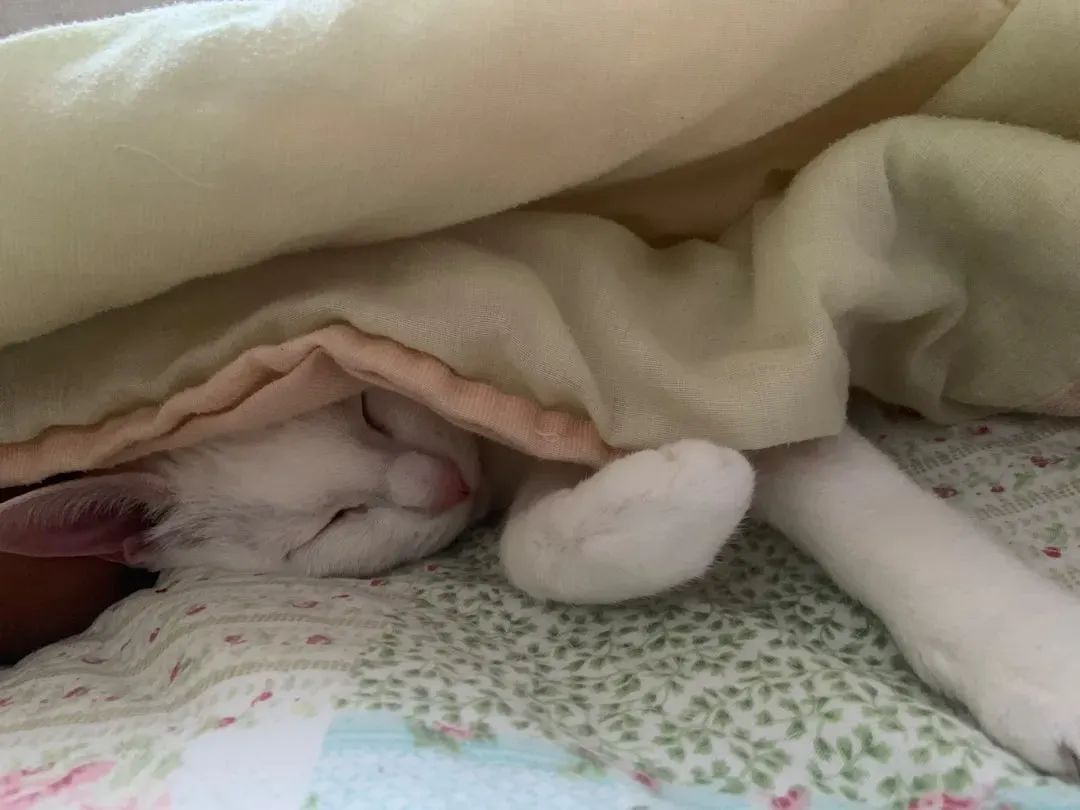
Your cat might chew on the blanket and choke on the strings, and the string may also cause an obstruction along their digestive tract, needing expensive surgery – the fillings in the blanket used to add weight are a choking hazard too, as the beads, pellets, glass, and metal fillings are all dangerous if swallowed. Cats are notorious for chewing on things they shouldn’t, especially when they’re bored or anxious.
If your dog is a chewer, or tends to chew and destroy things when anxious, they could easily swallow the beads, and ingestion of the beads or part of the blanket can become a medical emergency due to blockage in the GI tract. The same warning applies to cats who like to nibble on fabrics or play with loose threads. One moment of curiosity could lead to a very expensive veterinary emergency.
Why Cats Love Blankets in the First Place

You’ve probably noticed your cat loves curling up under regular blankets, and there are some genuinely sweet reasons for this behavior. Cats are heat addicts – as desert creatures, they’re biologically drawn to heat, plus their internal body temperature of 102 degrees Fahrenheit means they have to compensate for greater heat loss than us humans. Your kitty isn’t necessarily seeking pressure or weight; they’re just trying to stay warm and cozy.
When feeling vulnerable or frightened, some cats hide under the bed; others hide under the covers. It’s about security and warmth, not necessarily about the therapeutic pressure that humans seek from weighted blankets. Your regular lightweight throw blanket probably does the job just fine for your feline friend.
If You Already Own a Weighted Blanket
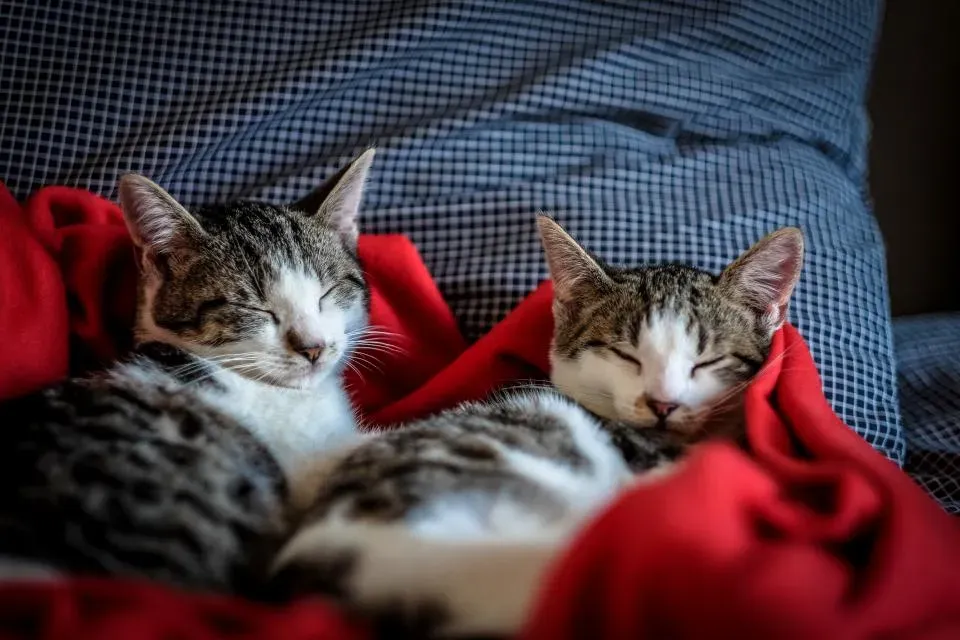
Maybe you’re reading this and thinking, “Oh no, I already have a weighted blanket and my cat loves hanging around it!” Don’t panic just yet. If you can’t keep the cat off your bed, ensure they sleep on the blanket and not under it, otherwise the weight would be too much for your cat to bear – also, don’t risk leaving your cat alone on the bed or in your room when you’re not around. Supervision is absolutely key here.
If your cat likes biting items around the house, setting aside enough time for play is advisable where that energy can be better spent – also, consulting with a veterinarian or a cat trainer is recommended for cats that appear destructive. A tired cat is usually a well-behaved cat, so increasing playtime might solve multiple problems at once.
Pet-Specific Alternatives That Actually Work
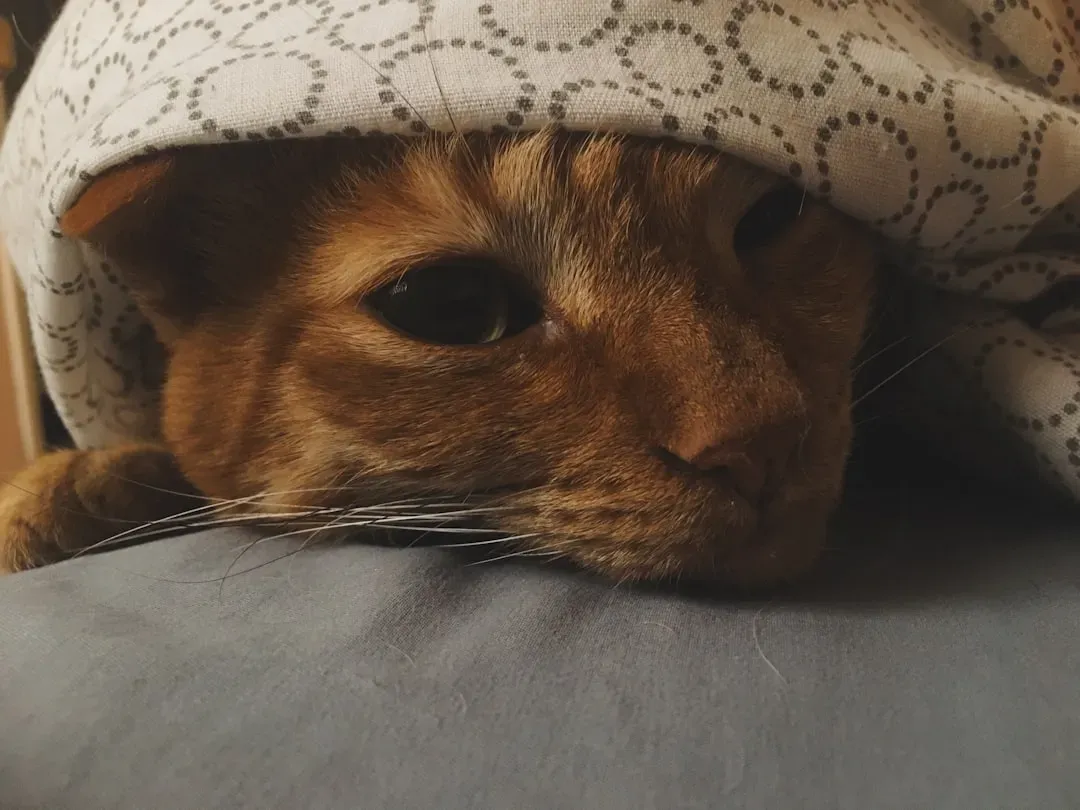
The good news is that you don’t have to give up on the idea of helping your anxious cat feel calmer and more secure. There are weighted dog blankets and other sensory products made just for pets, such as burrowing cave/covered cat and dog beds and hug-like Thundershirts, that can offer similar benefits. These products are specifically designed with feline safety in mind, using appropriate weights and materials.
Currently, there are no weighted blankets designed specifically for use on pets, however, there are several vests and wraps marketed to reduce anxiety in dogs and cats – anxiety wraps or vests designed specifically for dogs and cats usually are a better-fitting choice than a blanket designed for humans, as these products are less constricting and allow free movement. Your cat can get the gentle pressure they might benefit from without any of the dangerous risks.
Creating a Safe Comfort Zone Instead
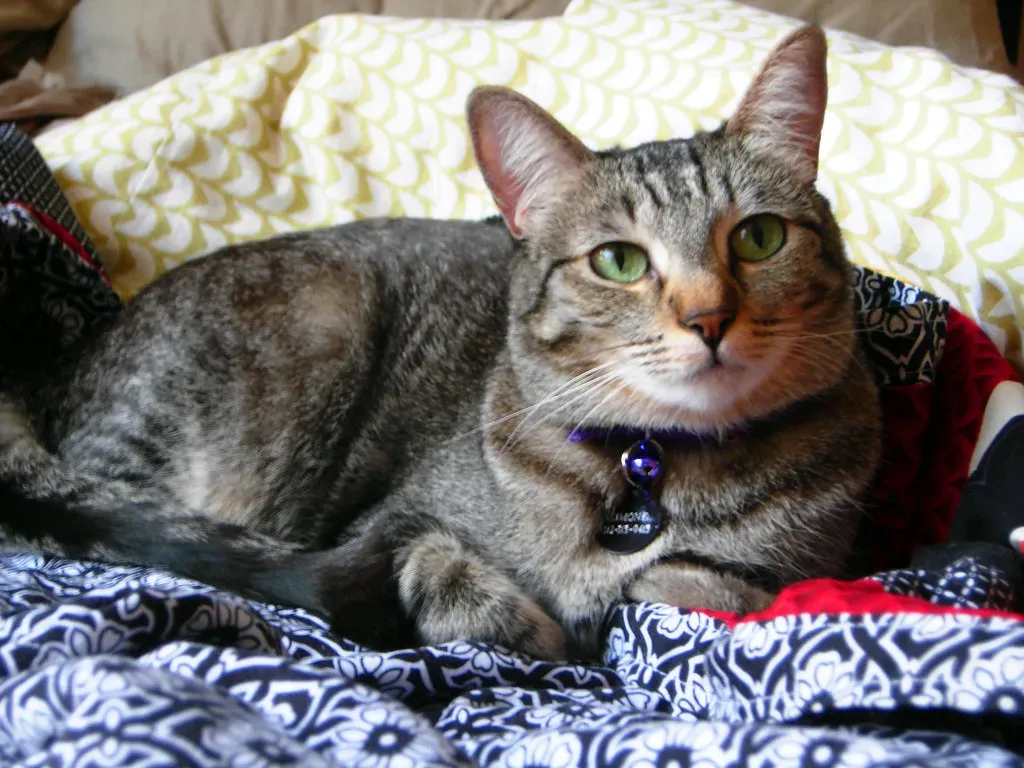
Sometimes the best solution is the simplest one. Consider buying your cat a warm, secure, and comfortable bed, as that may help discourage them from sleeping on yours. There are so many fantastic cat beds available now that mimic the cozy, enclosed feeling cats naturally seek. Cave-style beds, heated pads, or even just a cardboard box with a soft blanket inside can work wonders.
Think about your cat’s natural instincts. They want somewhere warm, slightly enclosed, and elevated off the ground where they feel safe. You can create that environment without any weighted products at all. Add a few of your worn t-shirts to their bed so it smells like you, and you’ve basically created feline paradise.
When to Talk to Your Veterinarian
If your dog or cat is frequently anxious, and not just during events such as thunderstorms or car rides, you should seek help from your veterinarian before trying a weighted blanket. Chronic anxiety in cats can stem from medical issues, environmental stressors, or behavioral problems that need professional assessment. Your vet can rule out underlying health conditions and recommend appropriate solutions tailored specifically to your cat’s needs.
There are actually quite a few evidence-based anxiety treatments for cats, from pheromone diffusers to environmental enrichment strategies to, in some cases, medication. Your veterinarian or a veterinary behaviorist can help you figure out what’s actually causing your cat’s stress and address the root problem rather than just the symptoms. It’s always better to get expert guidance rather than experimenting with products designed for entirely different species.
The Bottom Line on Weighted Blankets and Cats
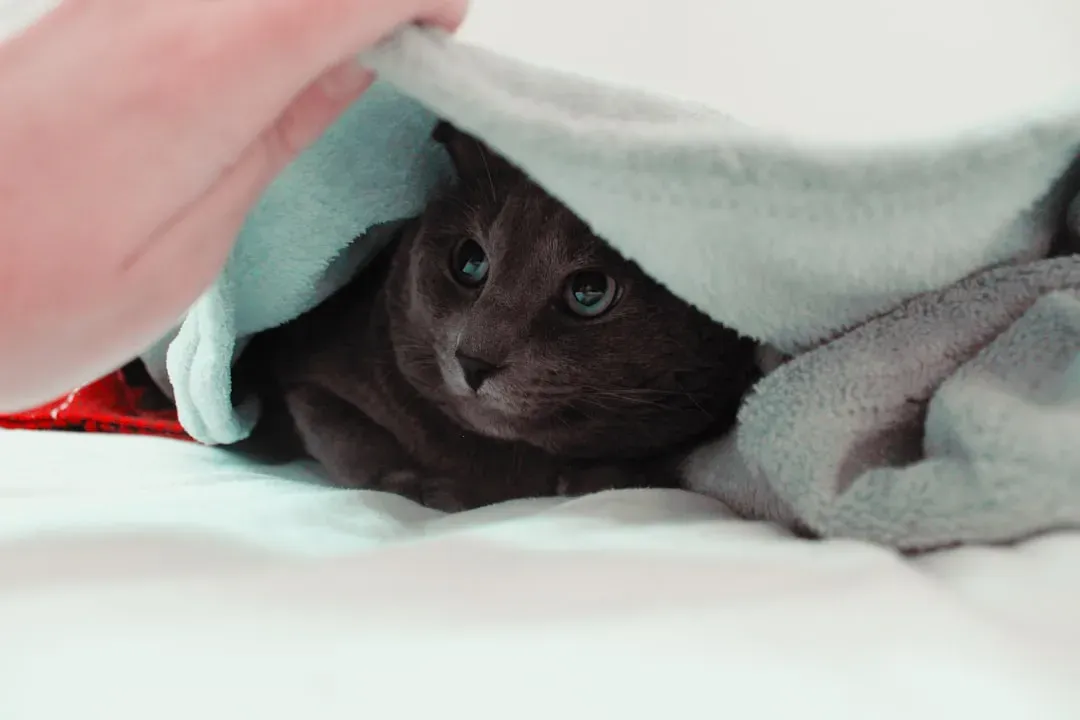
Weighted blankets are not safe for cats, as besides the possibility of getting trapped, cats with underlying health issues, like respiratory infections, risk worsening their condition. I know it’s tempting to think that what helps you might help your furry companion, too. The impulse comes from a good place – you love your cat and want them to feel as calm and comfortable as possible.
The reality is that cats are not small humans, and their bodies respond completely differently to weighted pressure. What feels like a comforting hug to you could feel like being pinned down to your cat. While the concept of using pressure for comfort is valid, traditional weighted blankets are not safe for cats – instead, focus on pet-specific products designed with feline safety in mind, and create a supportive environment that naturally helps reduce anxiety. Your cat will thank you for choosing their safety over the convenience of sharing your blanket. What do you think – have you noticed your cat trying to snuggle under your weighted blanket? Share your experiences in the comments below.
Kristina is a young writer from India. An arts graduate and an avid content creator, Kristina is passionate about animals and wildlife. She enjoys exploring topics related to pet care, animal behavior, conservation, and nature, combining thorough research with engaging storytelling.