Let’s be real here. You probably spend more time thinking about what goes into your cat’s food bowl than what goes into your cat’s mind. You choose premium kibble, carefully measure portions, maybe even splurge on the fancy wet food. Yet while you’re meticulously nourishing your feline’s body, there’s a good chance you’re letting their brain starve.
Here’s the thing. Cats aren’t just fluffy couch ornaments who occasionally grace us with their presence. Behind those half-closed eyes and that seemingly indifferent expression lies a sophisticated brain that craves challenge, stimulation, and purpose. When that brain doesn’t get what it needs, things can go sideways fast. So let’s dive into the hidden crisis happening right under your nose and discover what you might be missing.
The Intelligence You’re Ignoring
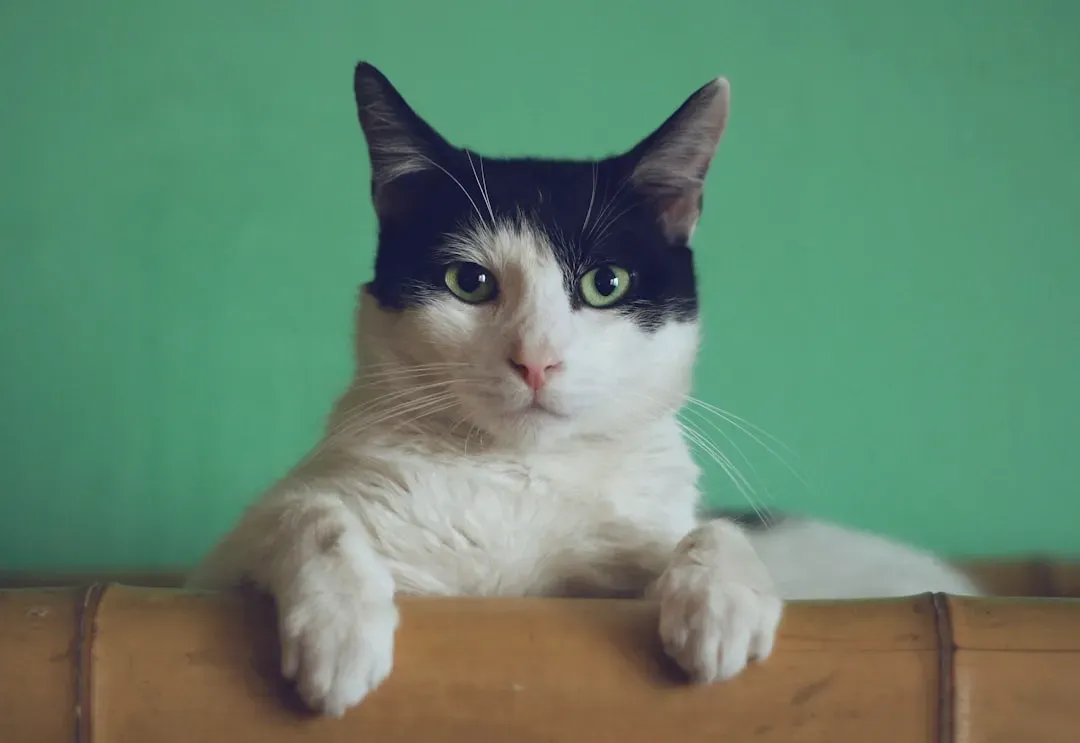
Your cat has roughly 250 million cortical neurons compared to over 500 million in dogs, and this high-octane brain power fuels feline intelligence with capabilities for rational thought and problem-solving. Think about that for a second. Experts believe that a feline’s intelligence is comparable to that of a 2-year-old human.
Cats not only excel at learning new information, but they can also mesh that information with things they’ve learned previously, recall it when needed, and apply it to the current situation. Structurally, a cat’s brain shares similarities with the human brain, containing around 250 million neurons in the cerebral cortex, which is responsible for complex processing. I know it sounds crazy, but your cat is essentially a toddler with claws and attitude, except they never grow out of it. That brilliant little mind needs exercise just like their body does.
When Boredom Becomes Dangerous
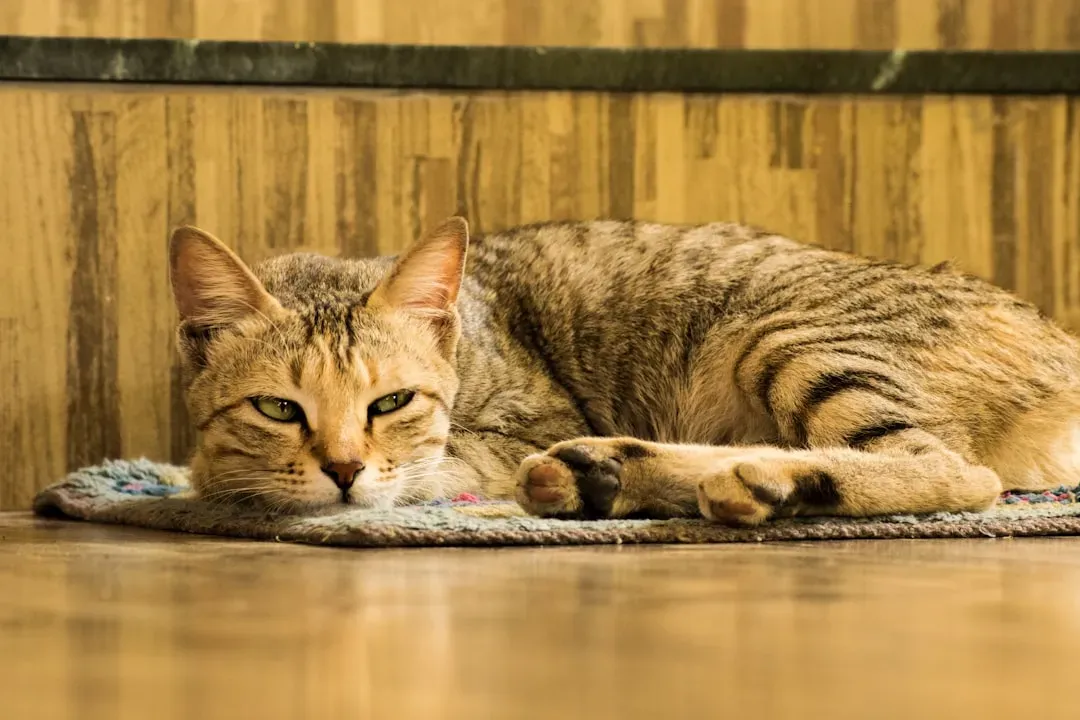
Cats are naturally intelligent, curious, and athletic hunters that require plenty of mental and physical stimulation, and without the ability to hunt, climb, and explore, many cats become understimulated, leading to behavioral issues, excessive sleeping, overeating, and more. It’s not just about a few harmless zoomies at midnight. Seriously.
Cats can become aggressive, destructive, overweight, or bored if they are not receiving enough enrichment. Boredom most often manifests as stress, and a stressed-out kitty may begin overgrooming, overeating, house soiling, or even getting into spats with both you and other pets in the home. Your cat isn’t being difficult or spiteful when they knock things off your dresser at three in the morning. They’re basically screaming for something, anything, to occupy that idle brain.
Indoor cats may not face the same challenges as outdoor cats, but their brains are still hardwired for exploration and clever problem-solving, and without stimulation, boredom can lead to stress, destructive behaviors, health issues like inflammation, and even depression. Yeah, depression. In cats. That’s not being dramatic.
The Signs You’ve Been Missing
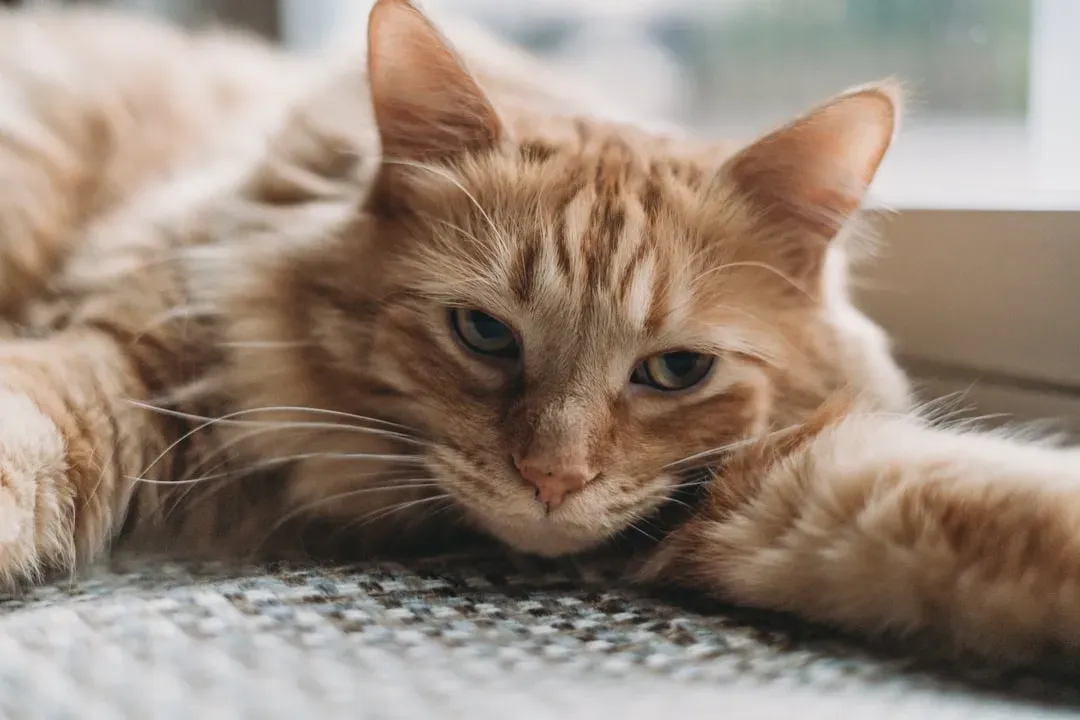
Bored cats may constantly lick and clean themselves to the point of creating bald patches or skin irritation, and cats often resort to this excessive grooming in order to self-soothe when they are understimulated. Notice any thinning fur on your cat’s belly lately? That might not be allergies.
Cats, when bored, may engage in destructive behaviors such as scratching furniture, shredding curtains, or chewing on household items, and destructive behavior can be a cry for attention. Bored cats are sometimes more vocal, meowing excessively or howling, and this is a cry for attention, their way of communicating their needs and interacting.
While it’s normal for cats to sleep for extended periods, excessive sleep can be a sign of boredom, as cats sleep to pass the time when they lack stimulation. If your cat seems to be sleeping even more than usual, you might want to ask yourself what they’re awake for. What’s motivating them to get up besides food? Probably not much.
The Hunting Instinct That Never Dies
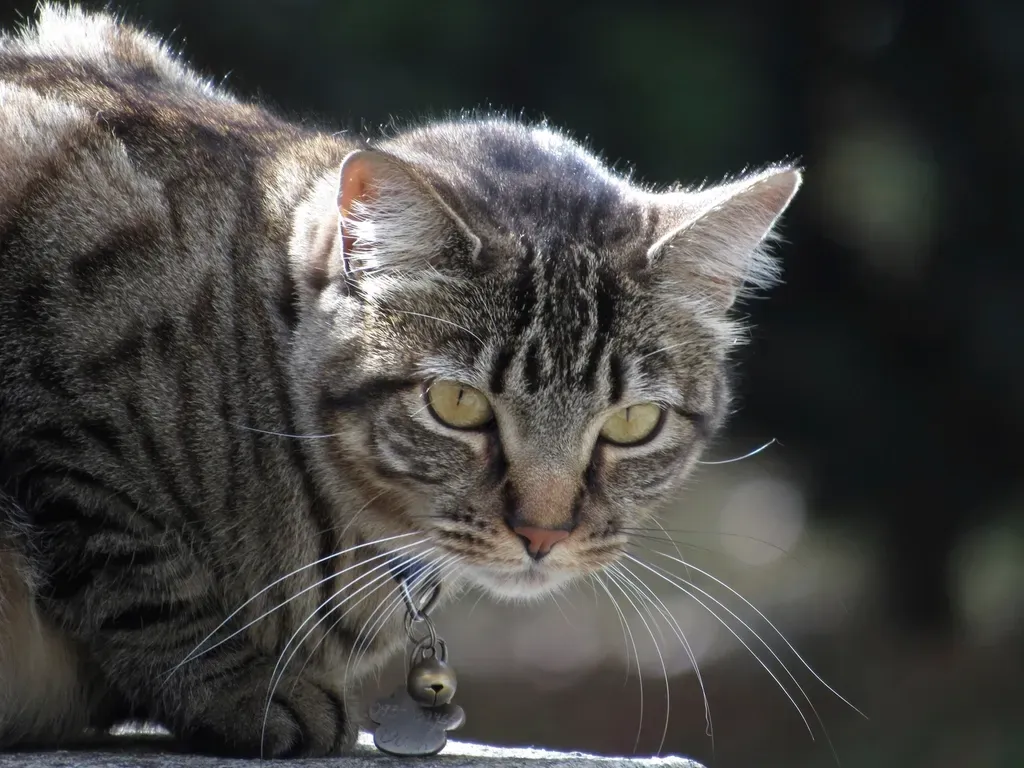
Although hunting is no longer required of the majority of cats, it remains a permanent part of their lives, and as one of the most distinctive behavioral patterns in cats, the hunting instinct is not governed by hormones and therefore does not diminish after neutering. Yep, spaying or neutering your cat doesn’t flip some magical off switch for their predatory drive.
Hunting comes as naturally to a cat as eating and sleeping, so the urge to hunt isn’t tied to hunger, and in the wild, cats hunt all the time, even if they are not hungry, because they never know when their next meal will come. Your well-fed house cat still has that same wiring. Even an indoor cat that is not constantly confronted with stimuli prompting it to pursue and catch prey has within it the hunting instinct and the desire to act on it, making it very important to channel the hunting instinct into constructive play.
The two main reasons cats get bored are a lack of self-rewarding systems and the inability to express natural behaviors, and as the genetic makeup of domesticated cats remains relatively unchanged from that of their wild ancestors, feline behaviors and desires remain the same, and cats are wired to find hard work rewarding. Think of it this way: your cat’s brain is still running software designed for survival in the wild, but they’re stuck living in your apartment.
Why Play Isn’t Optional
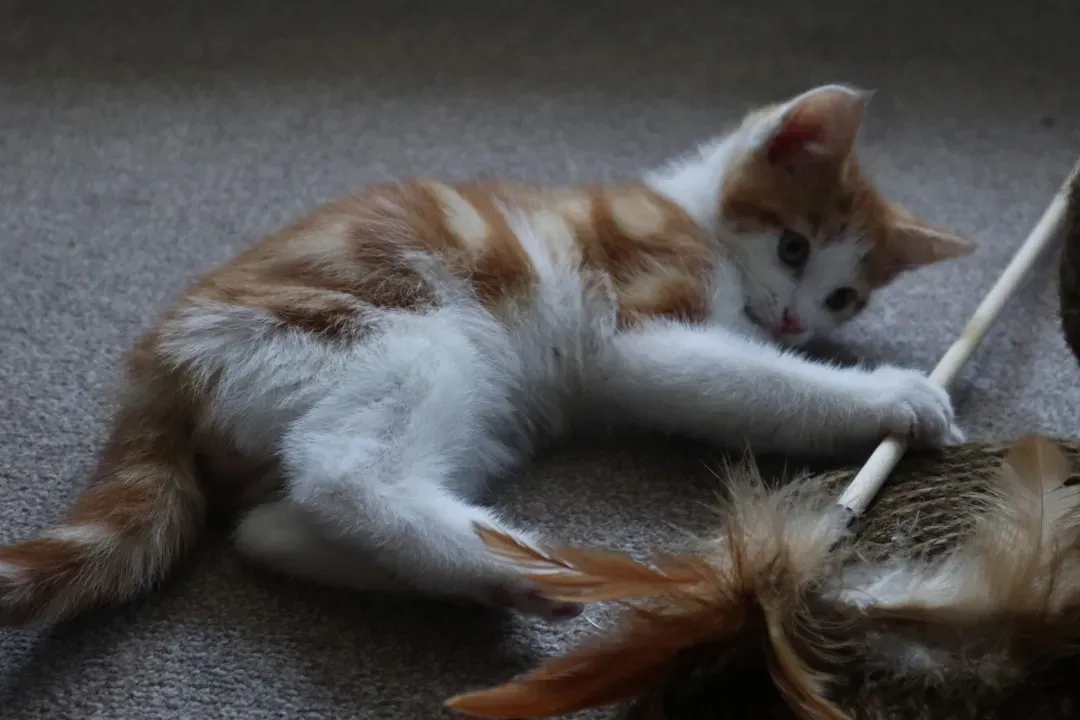
Playtime is crucial for keeping an indoor cat mentally happy, physically healthy, and content to be inside, and cat owners should make a habit of playing with their cat for at least 10 minutes a day. Ten minutes. That’s less time than you spend scrolling social media before bed. Honestly, your cat deserves better.
The best type of play for keeping a cat happy is interactive, where you use a toy to mimic the behavior of a cat’s prey animals, either birds or rodents, and wand toys are exceptionally good for this by making the toy on the end act like scared prey, darting away from your cat, hiding, and freezing in fear. Cats need ways to act out their natural hunting instincts for their mental health, and play allows them to do this by chasing, pouncing, catching, biting, and batting toys.
Interactive play isn’t just about tiring your cat out physically. It’s about giving their brain the workout it desperately needs. When you drag that feather wand across the floor and make it hide behind furniture, you’re not just playing. You’re feeding your cat’s mind.
Puzzle Feeders: Your Secret Weapon
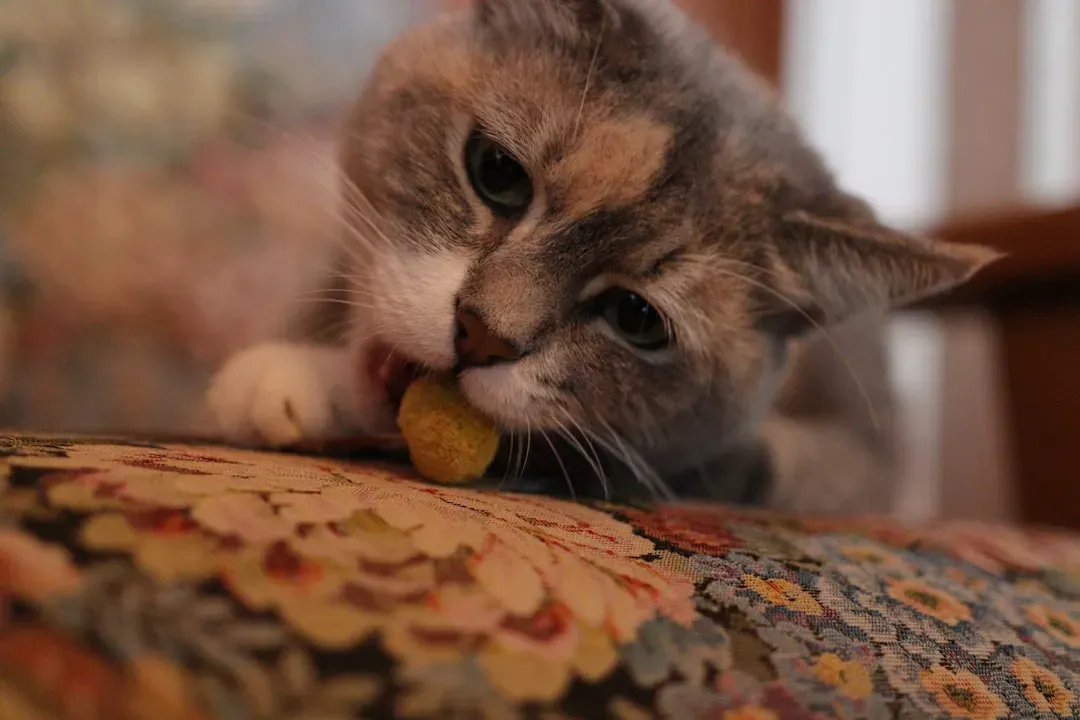
Cats are natural hunters, and puzzle feeders engage their instincts by making them work for food, and this cognitive stimulation can help prevent boredom and keep your cat entertained. Using a food puzzle helps mimic the natural way your cat would eat in the wild, and getting a meal on their own requires mental and physical stimulation, bringing some of that stimulation back to mealtime.
In a recent study about using puzzle feeders with cats, the researchers observed a variety of benefits, including weight loss, decreased aggression toward humans and other cats, and reduced anxiety and fear. Decreased aggression. Reduced anxiety. Those aren’t small things. Your cat will burn energy, practice problem-solving, and eat more slowly.
You don’t even need to buy anything fancy at first. You can punch holes in a water bottle and add treats, and your cat can roll it around to get the treats to fall out of the holes, making it harder or easier based on the size of the holes. See? Mental stimulation doesn’t have to cost a fortune or require complicated setup.
Environmental Enrichment That Actually Works
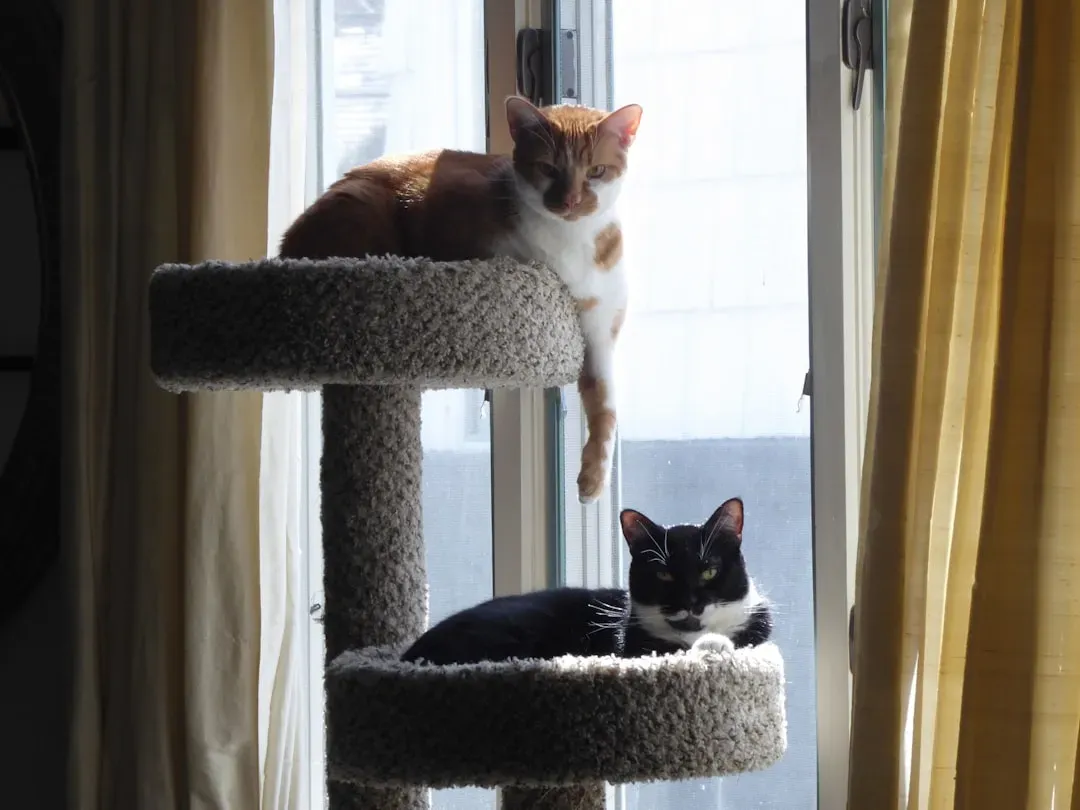
Install cat trees, wall-mounted shelves, or provide sturdy, carpeted perches, as vertical spaces not only offer exercise opportunities but also allow cats to observe their territory, providing mental stimulation and a sense of security. Cats are climbers by nature, and when you force them to live only at ground level, you’re basically limiting their entire world.
Set up a comfortable perch near a window to create a front-row seat to the outside world, as cats are fascinated by bird activity, passing wildlife, and changing scenery, and by providing a window view, you enable them to engage with the sights and sounds of the outdoors, stimulating their senses and preventing boredom. Think of window watching as cat television. Except it’s way better because it’s real, unpredictable, and endlessly fascinating.
You can further encourage natural behavior by breaking your cat’s daily food allotment into smaller sections and hiding these around the house every day so your cat must stalk and hunt his food, which not only gets him a little extra exercise, but also provides mental stimulation, especially if you’re gone for the day. This turns mealtime from a passive activity into an engaging treasure hunt that satisfies those hunting instincts.
Training: Yes, You Can Teach Your Cat
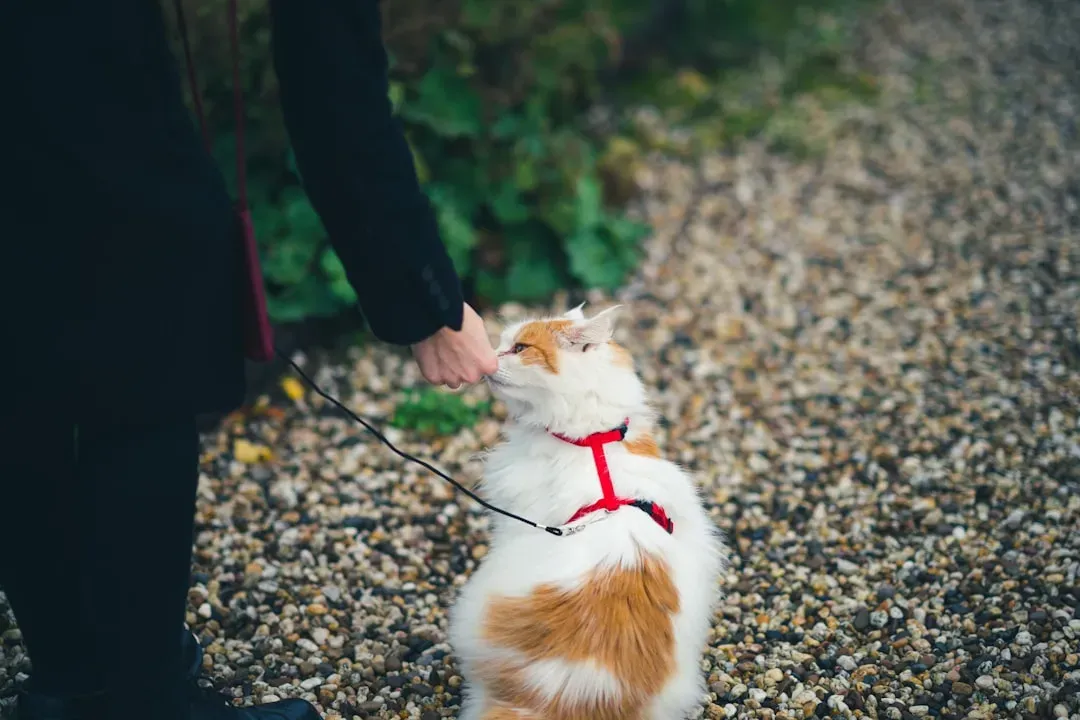
Contrary to popular belief, cats can be trained, and teaching your cat tricks like sit or high five using a clicker and treats is a great way to bond while providing mental stimulation. I know what you’re thinking. Training is for dogs. Except it’s not.
Cats are absolutely trainable, they’re just selective about when they feel like cooperating. The difference is motivation. Keep sessions short at 5-10 minutes per session, as cats have limited attention spans, and training provides mental stimulation and helps your cat feel accomplished, and over time, you may notice they respond more quickly and confidently to commands.
Training isn’t about turning your cat into a circus performer. It’s about giving them challenges that make them think, problem-solve, and engage with you in meaningful ways. When your cat successfully learns a new trick, you can actually see the pride in their eyes. They know they’ve accomplished something.
The Toy Rotation Strategy
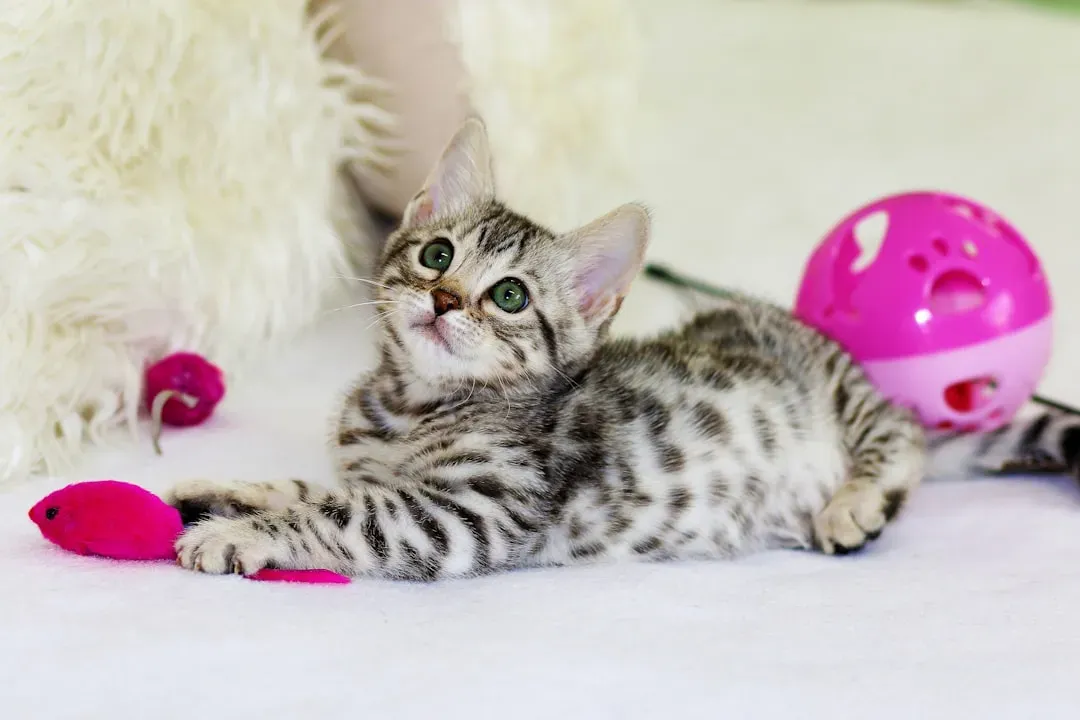
Cats can get bored with the same toys and activities over time, and rotating their toys, introducing new scents, and changing their environment slightly can keep enrichment activities fresh and exciting. Change toys weekly or every two weeks to keep things exciting, as cats quickly grow bored with the same toys.
Here’s a trick that costs you nothing: take half of your cat’s toys and put them away for a week or two. Then swap them out with the ones that have been in rotation. Suddenly, those “old” toys become new and exciting again. It’s like your cat has selective amnesia, and honestly, you should take advantage of that.
You might think that your cat only needs one or two toys to keep them entertained, but that’s not the case, as cats get bored easily, so it’s important to offer a variety of different toys for them to play with. Think about it from their perspective. Would you want to watch the same movie every single day? Neither does your cat.
The Cost of Getting It Wrong
While living indoors helps cats live longer and healthier lives, it has come at a significant cost to cats’ behavioral welfare, and keeping cats as indoor pets requires the pet parent to recognize and help them adapt to this very unnatural lifestyle. We’ve essentially asked cats to abandon everything their brains were designed to do, and we’re surprised when they develop problems.
Physically inactive cats may overeat and become overweight, which can lead to health and mobility issues, and this increases their risk for conditions like osteoarthritis and diabetes. Without outlets for their instincts like stalking, chasing, and climbing, cats can become bored, anxious, or even depressed, and this lack of mental and physical stimulation can result in behavioral problems like excessive scratching, over-grooming, or destructive chewing.
The consequences aren’t just behavioral. They’re medical, emotional, and they affect your cat’s entire quality of life. A bored cat isn’t a happy cat, and an unhappy cat often becomes a sick cat. It’s that serious.
Starting Today: What You Can Do Right Now
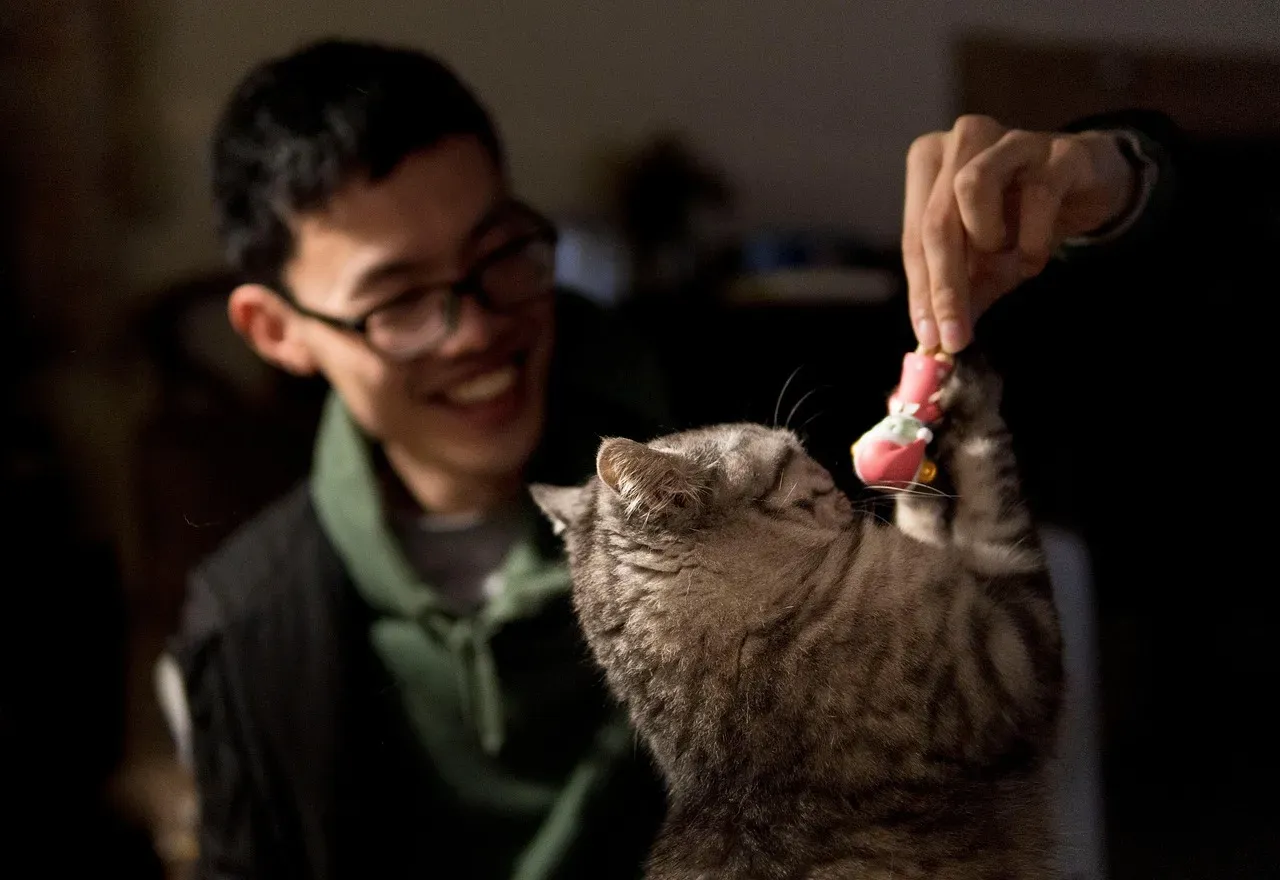
You don’t need to overhaul your cat’s entire life overnight. Start small. Spend 15-30 minutes daily playing with your cat, breaking this into multiple short sessions if needed. Grab that wand toy that’s been collecting dust and spend five minutes before work and five minutes before bed playing with your cat. That’s it. That’s the starting point.
Start by implementing just one or two enrichment strategies this week, perhaps begin with a 10-minute wand toy session each evening, or create a simple cardboard box playground, and observe which activities your cat gravitates toward and build upon those preferences. Every cat is different. Some cats go absolutely bonkers for feather toys, while others prefer laser pointers or crinkly balls. Pay attention to what lights up your cat’s eyes.
Keeping your cat’s brain active is one of the best ways to ensure they live a happy, enriched indoor life, and mental stimulation for cats isn’t a nice-to-have, it’s a necessity that supports their overall health and well-being. This isn’t optional extra care. This is fundamental, basic care that your cat needs to thrive, not just survive.
Conclusion

Your cat’s mind is hungry, and it’s been hungry for a while. You’ve been feeding their body perfectly well, but that brilliant, complex brain has been sitting idle, slowly deteriorating from lack of use. The good news? It’s never too late to start.
Mental enrichment doesn’t require expensive gadgets or hours of your time. It requires awareness, intention, and consistency. Ten minutes of interactive play. A puzzle feeder. Some toys rotated weekly. A window perch. These simple changes can transform your cat’s quality of life in ways you wouldn’t believe until you see it.
Your cat isn’t lazy, difficult, or aloof by nature. They’re understimulated, bored, and desperate for something, anything, to occupy that incredible mind. So what do you think? Are you ready to finally feed your cat’s brain the way you’ve been feeding their body? Tell us in the comments what enrichment activities work best for your feline friend.
Kristina is a young writer from India. An arts graduate and an avid content creator, Kristina is passionate about animals and wildlife. She enjoys exploring topics related to pet care, animal behavior, conservation, and nature, combining thorough research with engaging storytelling.