If you have a furry feline friend, chances are you’ve thought about all the ways to keep them safe and healthy. But have you ever stopped to consider what might be quietly lurking in the grass or hiding in the bushes, waiting to latch onto your beloved pet? Ticks are one of those parasites that don’t discriminate much when it comes to their next meal, and your cat could be on the menu.
These parasites are attracted by the scent of animals, which means your cat naturally gives off signals that ticks can detect. Even if your cat spends most of their time indoors, they’re not entirely out of harm’s way. Understanding what draws these blood-sucking pests to your pet can help you take proactive steps to keep them safe. Let’s dive in and explore what exactly makes your cat such an appealing target for ticks.
Body Heat and Warmth

Ticks don’t just randomly attach themselves to passing creatures. They’re actually quite strategic about it. Hosts are detected by their body heat, which means your cat’s natural warmth is like a beacon calling out to hungry ticks waiting in the vegetation. Think of it like how you might notice a warm radiator in a cold room. Ticks have specialized sensory organs that can pick up on this heat signature, making your cozy cat an irresistible target.
What’s fascinating is that ticks don’t have to be right next to your cat to sense this warmth. They have a structure on their forelegs called a Haller’s organ that detects infrared light, allowing them to hone in on the body heat of nearby creatures. This means even when your cat is just prowling through tall grass or brushing past low shrubs, ticks can sense their presence and prepare to hop on board for a free ride and a meal.
Carbon Dioxide Emissions

Every time your cat breathes, they’re essentially sending out an invitation to nearby ticks. I know that sounds a bit unsettling, but it’s true. Hosts are detected by their carbon dioxide emission produced during respiration, which makes simply breathing a factor in attracting these parasites. Your cat exhales carbon dioxide constantly, and ticks are remarkably good at detecting even small amounts of this gas in their environment.
The Haller’s organ on ticks’ forelegs smells chemicals like carbon dioxide, ammonia, and pheromones emitted by the breath and bodies of potential prey. This sophisticated detection system means ticks can identify a suitable host from a distance. The more active your cat is, the more they breathe, and consequently, the more carbon dioxide they release. This is particularly relevant when your cat is exploring outdoor areas where ticks are lying in wait on vegetation.
Natural Animal Scent

Your cat’s unique smell, which you might find comforting or barely notice at all, is actually a major attractant for ticks. Ticks are primarily attracted to the smell of your body and breath, and the stronger your scent, the easier it is for them to find you. This applies equally to cats as it does to humans. Every animal produces its own distinctive odor through natural body processes, and cats are no exception.
Here’s the thing: you can’t really eliminate your cat’s natural scent, nor should you want to. It’s a normal part of being a living creature. However, understanding that this scent acts as a homing signal for ticks can help you appreciate why prevention is so important. Regular grooming can help you spot ticks early, but it won’t make your cat invisible to these persistent parasites who are already programmed to seek out exactly what your cat naturally emits.
Movement and Vibrations

When your cat walks, runs, or even just shifts their position, they’re creating vibrations that travel through grass and vegetation. Ticks are incredibly sensitive to these movements. Ticks detect hosts by the vibrations produced by their movement, which is another way these parasites identify potential meals passing by their perch on blades of grass or low-hanging leaves.
Imagine being a tick waiting on a leaf, and suddenly you feel the ground shaking slightly as something moves nearby. That’s your cue to get ready. Most tick species wait on vegetation for an appropriate host and climb onto the host as it passes by and brushes the vegetation. Your cat’s playful pouncing, curious exploring, or even just a leisurely stroll through the yard creates exactly the kind of movement patterns that alert ticks to their presence. Even the gentlest of movements can be enough to trigger a tick’s interest.
Outdoor Environments and Habitats
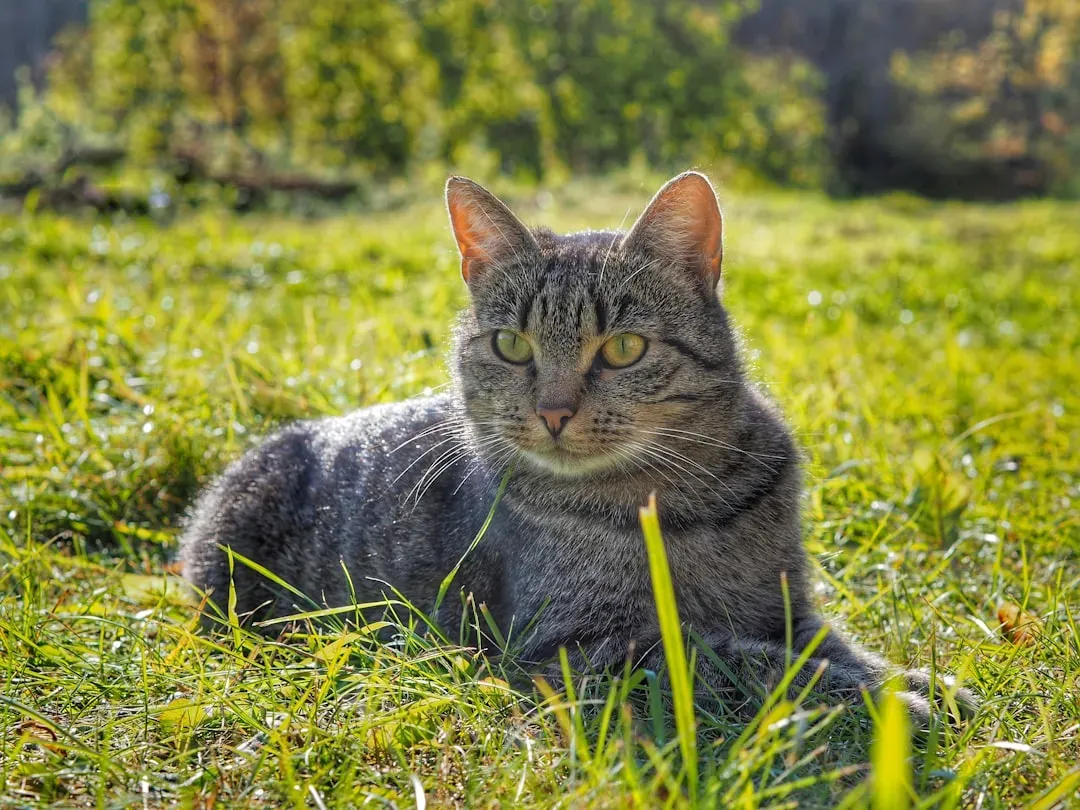
Let’s be real about where ticks actually live and thrive. Ticks prefer to inhabit transition zones between lawns and woodlands, and they like shady, moist leaf litter surrounded by taller trees and shrubs. If your cat has access to these types of areas, they’re basically walking into tick territory. It’s not so much that these environments , but rather that your cat is entering spaces where ticks are already waiting.
Ticks live in wooded and brushy areas and are most numerous near animal resting places and in the underbrush along creeks and river bottoms. The moment your cat ventures into tall grass, explores the edge of your property near wooded areas, or investigates piles of leaves, they’re increasing their exposure dramatically. One study showed that over eighty percent of tick nymphs found on lawns were located within three meters of the edge of the lawns studied, which means even staying close to home doesn’t guarantee safety if those areas border tick-friendly habitats.
Conclusion

Understanding what attracts ticks to your cat is the first step in protecting your furry companion from these potentially dangerous parasites. From their body heat and breathing patterns to their natural scent and movements, your cat inadvertently broadcasts their presence to ticks in multiple ways. While you can’t change these natural characteristics, you can certainly take preventive measures like using veterinarian-approved tick treatments, checking your cat regularly after outdoor activities, and managing your yard to reduce tick habitats.
Remember that even indoor cats aren’t completely safe, as ticks can hitch rides on your clothing or other pets. Stay vigilant, especially during warmer months when ticks are most active. Your awareness and proactive approach can make all the difference in keeping your feline friend healthy and tick-free. What steps will you take today to protect your cat from these persistent parasites?
Kristina is a young writer from India. An arts graduate and an avid content creator, Kristina is passionate about animals and wildlife. She enjoys exploring topics related to pet care, animal behavior, conservation, and nature, combining thorough research with engaging storytelling.