You might think all cats are equally adorable and cuddly, perfect for any home with kids running around. The truth is a bit more complicated. Not every feline comes with a gentle, easygoing temperament that makes them ideal for family life. Some breeds carry wild ancestry or come with behavioral quirks that can turn your cozy household into a battleground of scratches, hisses, and territorial spraying.
Veterinarians see it all. They’ve witnessed the frustration of families who picked a gorgeous cat based purely on looks, only to discover their new pet has zero patience for noisy children or chaotic homes. While every cat is an individual with their own personality, certain breeds have earned reputations for being tougher to handle, especially around young children. Let’s dive in and explore the breeds that might not be the best fit when you’re looking for a furry friend to join your family.
Bengal Cats
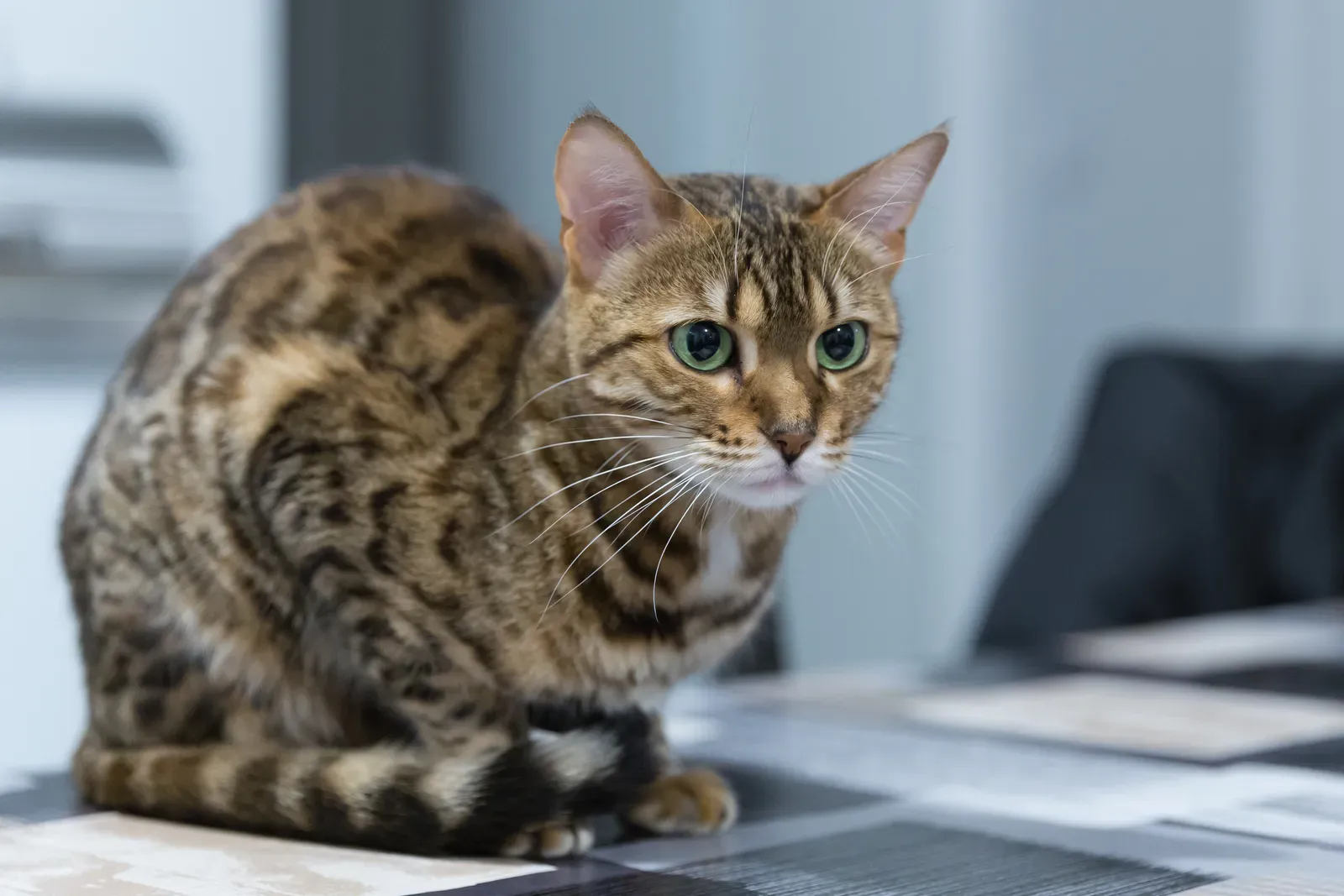
Bengals are known for their high energy levels and often display more aggressive tendencies than typical domestic cats. Their stunning spotted coats might fool you into thinking they’re just another pretty housecat. Their hybrid nature as crosses between domestic cats and wild Asian leopard cats brings significant behavioral and care challenges that many households are unprepared to handle.
Their wild ancestry manifests in behaviors that can be problematic in home environments, including territorial marking, destructive scratching, and difficulty with standard litter box training. Without proper outlets for their intense energy, these cats can turn into miniature wrecking balls. They need large spaces, multiple climbing structures, and constant mental stimulation, and without adequate outlets for their energy, these cats can become destructive. This isn’t the breed for your average household with young kids.
Siamese Cats
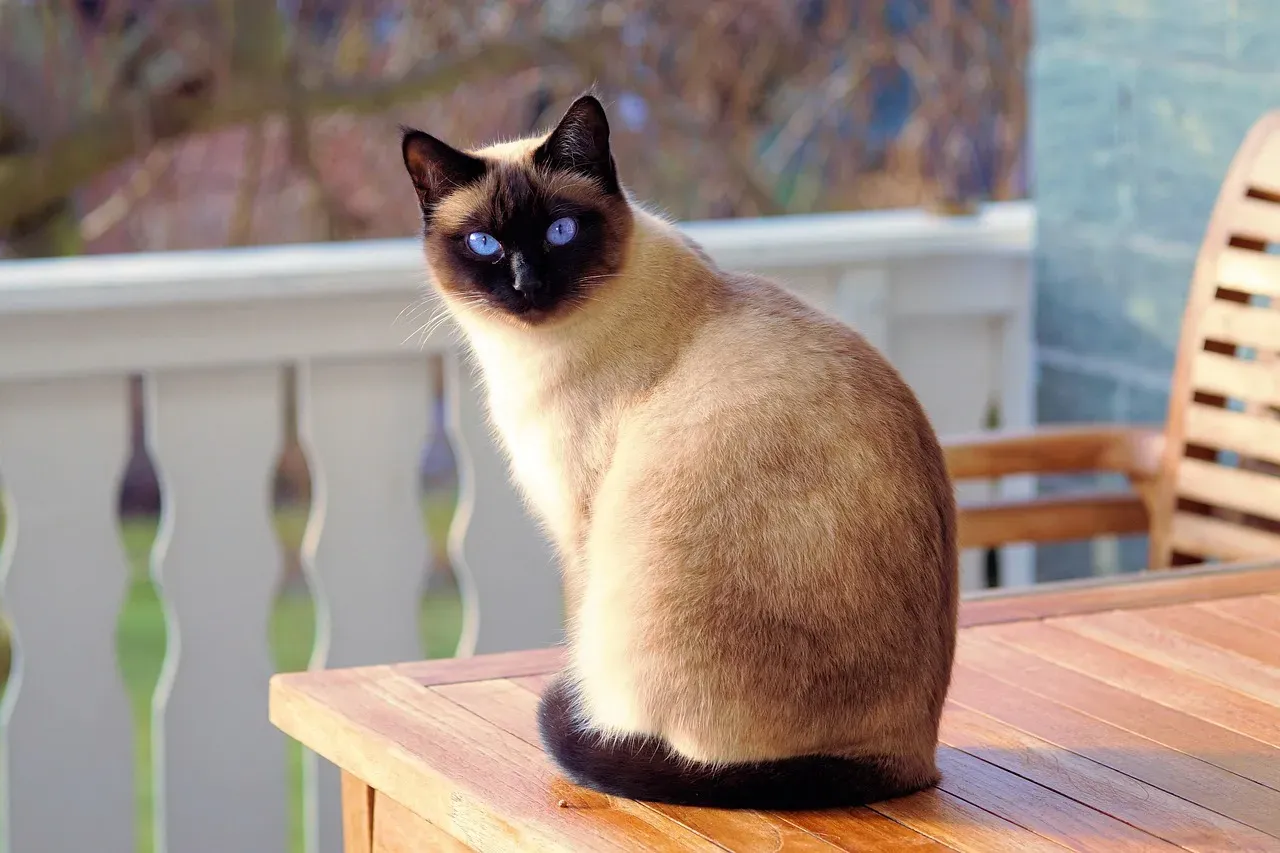
Siamese cats are known for being one of the most aggressive and territorial out of them all. Here’s the thing, though: these cats aren’t mean just for the sake of it. Siamese cats are needy and clingy, becoming very attached to their favorite human, and they don’t want to share.
They often bond with a single family member, and they can turn aggressive if another person in the family tries to interrupt their snuggles, which can be problematic if you have kids in the house. Imagine the jealousy that erupts when your Siamese sees you petting the dog or hugging your toddler. Breaking them out of this habit can be nearly impossible, especially if you don’t have a history of training cats. That possessive streak can create serious tension in a busy family environment.
Savannah Cats

Savannahs are a unique hybrid that can make a great family companion so long as proper animal handling is established in children, but they do not like to be picked up, held and restrained and like to show affection on its own terms. Small children who love cuddles might find themselves on the receiving end of an irritated swat. These cats look like miniature leopards for a reason.
Exotic or wildcat hybrid cats are created by breeding a domestic cat and a wildcat together, including Savannah cats, and the direct breeding of a wildcat with a domestic cat is very unethical, especially for the domestic cat involved. It produces breeds which have very complex needs that are difficult to meet in a domestic home. Your typical family home simply isn’t set up to handle the wild instincts bred into these stunning animals. If you ran across a leopard in the wild, you wouldn’t try picking it up, right?
Sphynx Cats
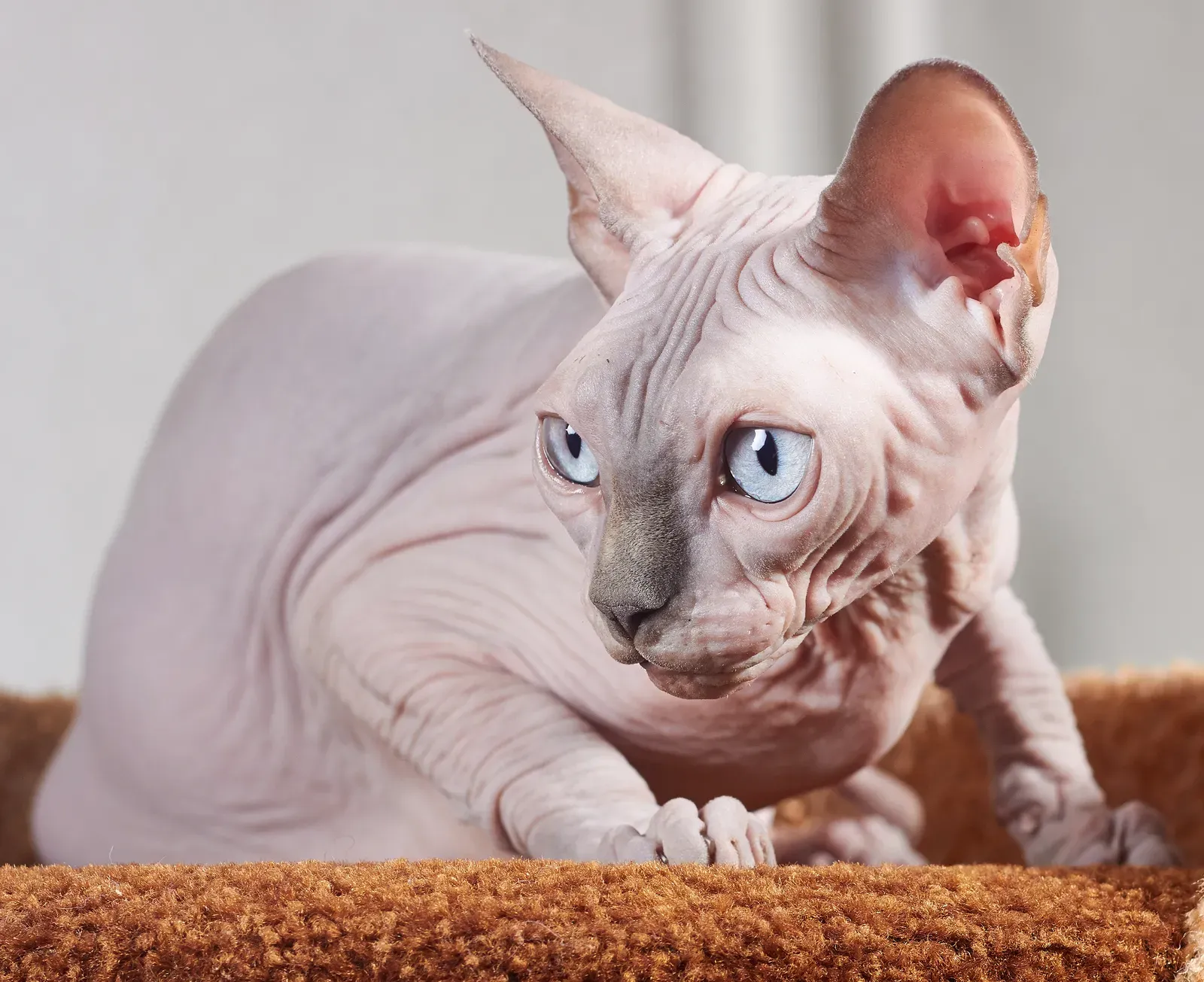
This breed is very demanding, which doesn’t just mean taking extra care of their skin due to a lack of fur, but also means the Sphynx cat always wants to be the center of attention, and if they’re not getting the attention they desire, the Sphynx will act out to get what they want. High intelligence, coupled with low stimulation, could result in a Sphynx that lashes out of boredom, so constant entertainment is necessary to avoid aggressive tendencies.
Let’s be real, keeping up with a Sphynx’s attention demands can be exhausting when you’ve got kids clamoring for your time, homework to supervise, and dinner to cook. Their lack of fur can lead to behavioral problems as they cannot exhibit their natural grooming behaviour, and they can also have skin problems due to excessive skin oils or damage from trying to groom hairless skin. These cats need owners who can dedicate serious time and focus to meeting their complex needs.
Scottish Fold Cats

Those adorable folded ears might melt your heart at first glance. Scottish Folds bond with a single family member at the expense of everyone else, favoring whichever person brings them food and water, and they don’t have much use for anyone who doesn’t regularly come bearing gifts. That means your kids might face constant rejection from a cat who only has eyes for whoever fills the food bowl.
This breed is quite sensitive to change and may become aggressive when new pets are brought home, is not the friendliest toward babies and children, and doesn’t like to share the attention. The genetic condition that causes the folded ears affects cartilage and bone development throughout the body, typically leading to joint problems and arthritis as cats age, and the genetic trait inherently carries risk for painful joint conditions. Pain can make any creature irritable, and when you combine physical discomfort with a prickly personality, you’ve got a recipe for family conflict.
Egyptian Mau Cats
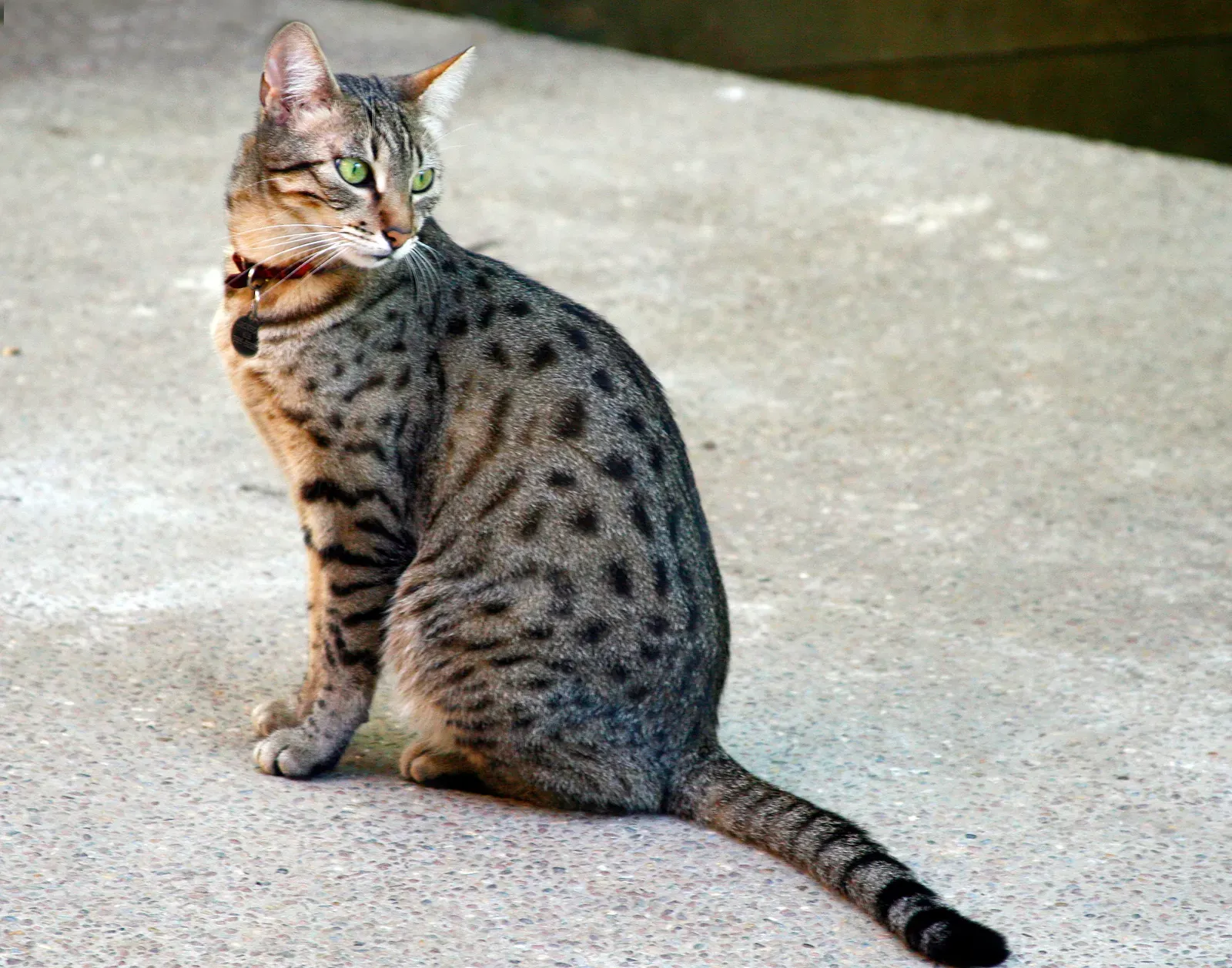
Egyptian Maus are prone to resource-guarding, and you may find yourself pulling back a bloody hand if you try to take one of their toys or treats. That’s not exactly the gentle companion you want around toddlers who don’t yet understand boundaries. They’re withdrawn, but their quiet nature can hide a mean streak, though they bond strongly with their families, so you may only see their dark side when you have guests over.
This creates an awkward situation when friends visit with their kids or during family gatherings. Your Egyptian Mau might be sweet as pie when it’s just you, then transform into a hissing ball of fury the moment strangers enter the picture. These cats need experienced owners who understand feline body language and can prevent situations before they escalate.
Singapura Cats
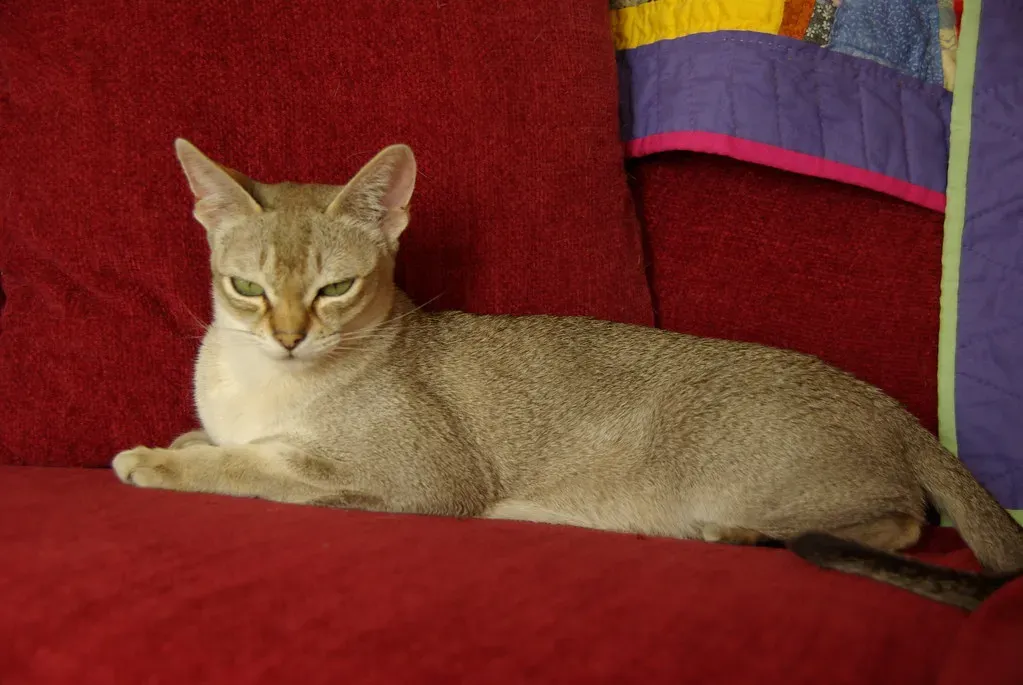
Singapuras are strong-willed and skittish, and if you surprise them, they can react with a flurry of claws and teeth. The Singapura is a social cat that enjoys affection, but doesn’t do well with loud noises or chaotic environments, and families with small children might be stressful for a Singapura. Kids naturally create noise and unpredictable movements, which is basically a Singapura’s worst nightmare.
They also have a tendency to hide if not properly socialized, so you could find yourself owning a cat that you never actually see; the only way you’ll know that they’re still alive is because their food disappears regularly. What’s the point of getting a family pet if it spends its entire life under the bed? This breed simply isn’t built for the hustle and bustle of a home filled with energetic children.
Bombay Cats

Bombay cats look just like panthers, and if you spend any time around one, you might say that they think they’re panthers too, as this is a rough-and-tumble breed that’s not necessarily prone to aggressiveness but likes to play rough, so expect to come away with scratches and bite marks. Young children don’t always distinguish between playful roughhousing and actual aggression.
The Bombay breed is a hybrid mix with numerous strong behavior traits, known to be both fearless and aggressive, and they require a significant amount of attention, which, when not met, can come out in aggressive tendencies. They’re demanding cats with no patience for being ignored. When your attention is divided among multiple kids, homework, and household chaos, meeting a Bombay’s high needs becomes nearly impossible. That’s when behavioral problems start creeping in.
Conclusion
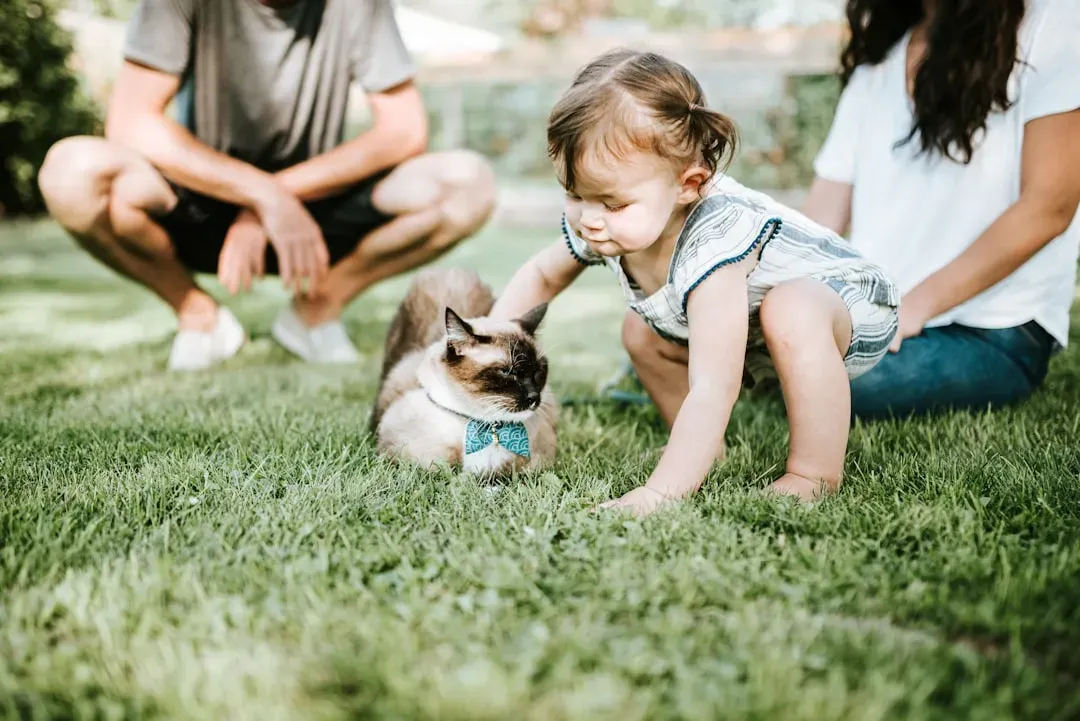
Choosing the right cat for your family isn’t just about picking the prettiest face at the shelter. It’s about understanding temperament, energy levels, and how certain breeds interact with children. The cats we’ve covered here aren’t necessarily bad pets, but they require specific environments and experienced owners who can meet their unique needs. For families with young kids, loud environments, and busy schedules, these breeds can be genuinely challenging.
Vets see the unfortunate outcomes when families choose the wrong breed. It often ends with cats being rehomed or families struggling with constant behavioral issues. If you’re searching for a feline companion for your family, consider gentler breeds with proven track records around children. Did any of these breeds surprise you? What’s your experience been with challenging cat personalities?
Kristina is a young writer from India. An arts graduate and an avid content creator, Kristina is passionate about animals and wildlife. She enjoys exploring topics related to pet care, animal behavior, conservation, and nature, combining thorough research with engaging storytelling.