You’ve probably felt it before. You’re curled up on the couch, minding your own business, when suddenly that unmistakable sandpaper tongue starts working its magic on your arm or your hand. Maybe even your hair. Your cat is grooming you with the same dedication they usually reserve for their own fur. It’s both sweet and slightly bewildering. What on earth makes your feline friend think you need a bath from them, and why does it feel so important to them?
The truth is, when your cat grooms you, it’s not because you look dirty. This behavior runs far deeper than simple hygiene. It’s rooted in instinct, emotion, and a complex system of feline communication that we’re only beginning to understand. So let’s dive into what’s really happening when your kitty decides you’re the next grooming project.
You’re Part of the Family Now
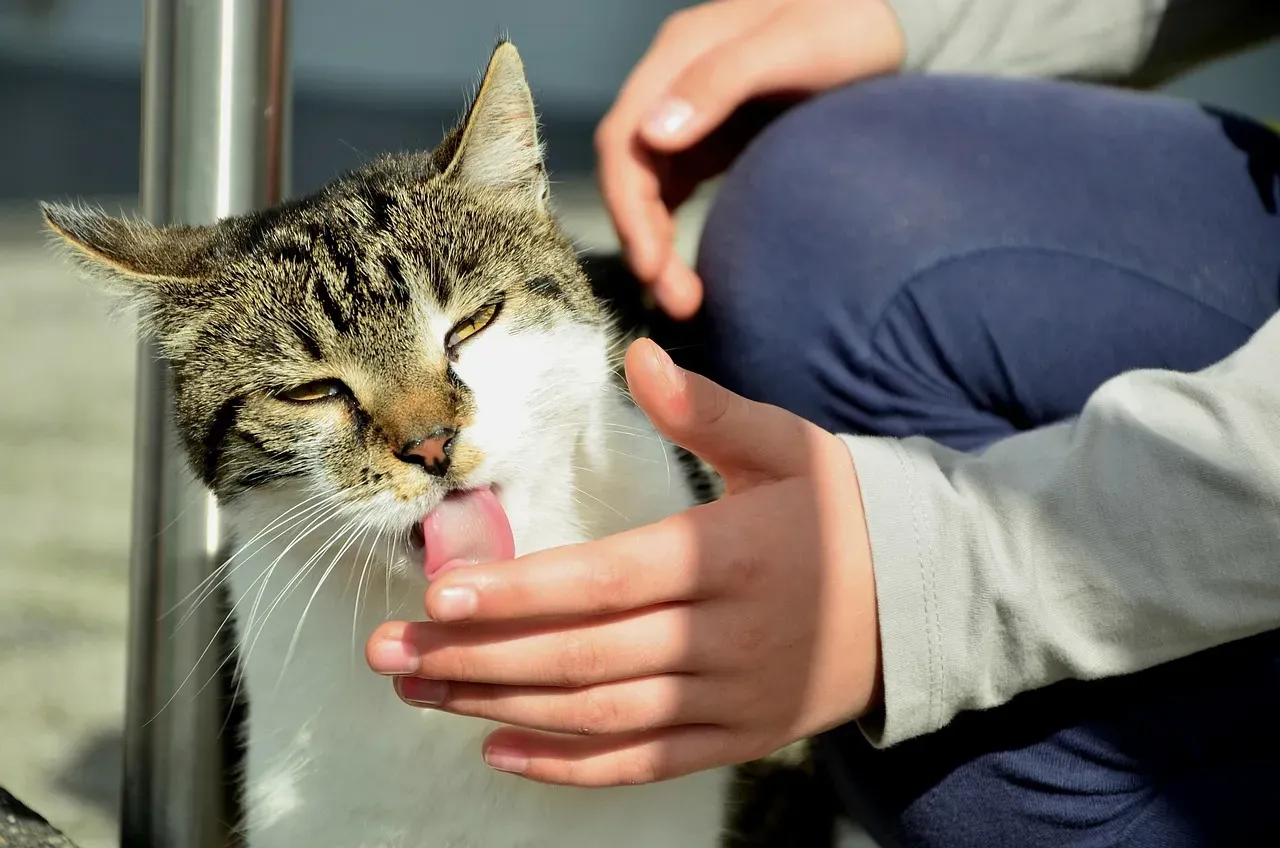
When cats groom their owners, they’re treating them as part of their family group. This social grooming behavior helps build trust and reinforces the emotional connection between cats and their human caregivers. Think about it this way. In the wild, cats form close-knit social groups where members share scents and care for one another. Your home might not be the savanna, but to your cat, you’re still a valued member of their little pride.
When your cat grooms you, they may be expressing affection and trust, similar to how they would groom other cats in their social group. In other words, they’re communicating that they see you as family. It’s honestly one of the highest compliments a cat can offer. This isn’t something they do for just anyone who walks through the door.
The Science Behind Allogrooming
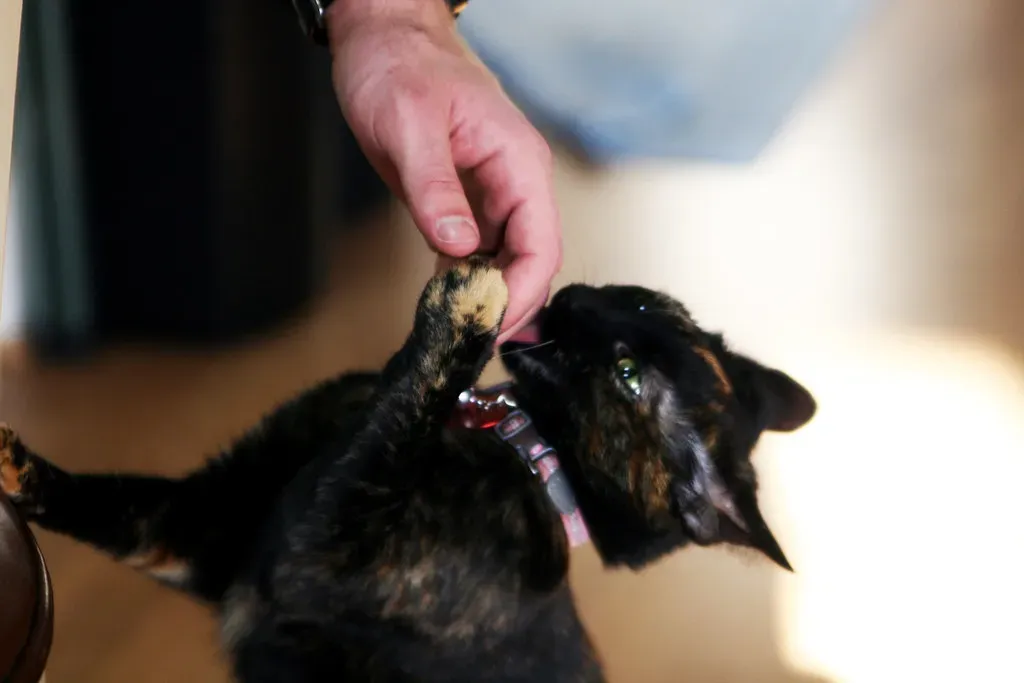
This grooming ritual, known as allogrooming, is primarily a way for cats to strengthen their social bonds. The term might sound technical, but the concept is simple. Allogrooming means grooming another individual. It’s not exclusive to cats either. Lots of animals engage in this behavior, from primates to birds.
They first learn this behavior from their mother. Mother cats perform this function to help keep kittens clean and create a bond. By two weeks of age, kittens have learned to perform this chore on their own and can independently groom themselves by the time they are weaned. Even though your cat grew up and became independent, the emotional memory of that maternal care stuck around. When they lick you, they’re tapping into those early feelings of safety and connection.
Marking You with Their Scent
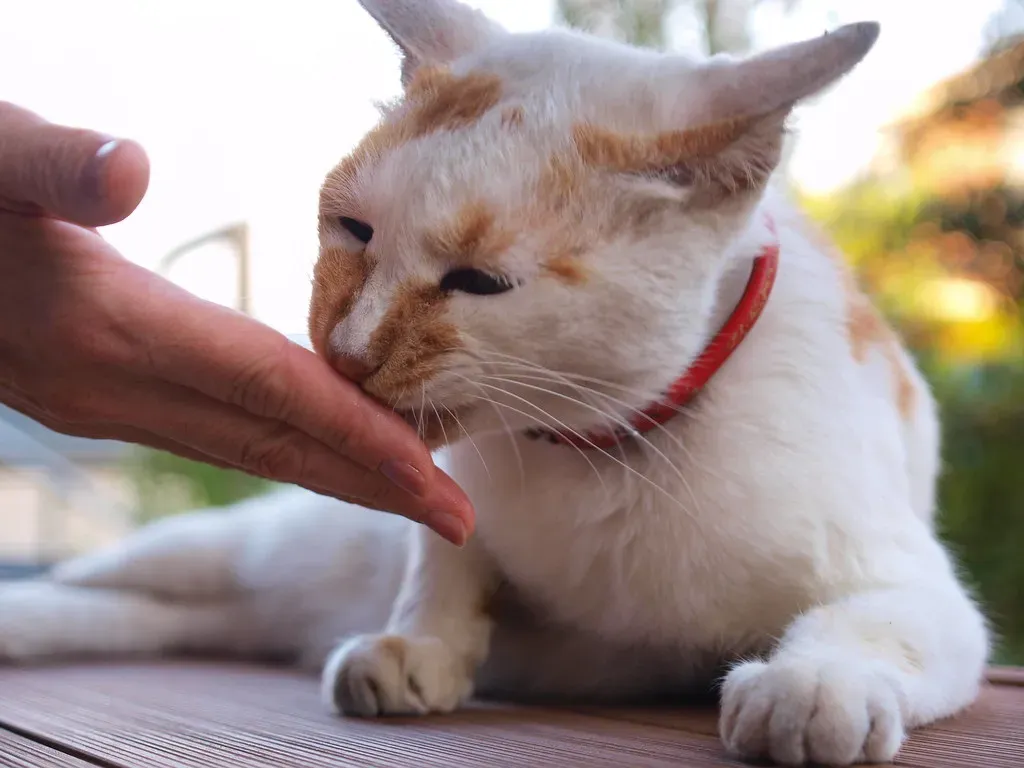
Here’s the thing. Cats are scent machines. Feral cats wash one another to leave a smell on their fur. A group of feral cats that live together develop a group smell. This tells them who is part of their social group. Your cat is doing the same thing when they groom you.
The action also helps distribute scent markers. When they lick you, they’re subtly marking you with their scent, essentially saying, “You belong to me.” It’s not possessive in a negative way. It’s more like they’re claiming you as part of their tribe, making sure other animals know you’re spoken for. Territorial, sure, but also deeply affectionate.
A Return Favor for Your Petting
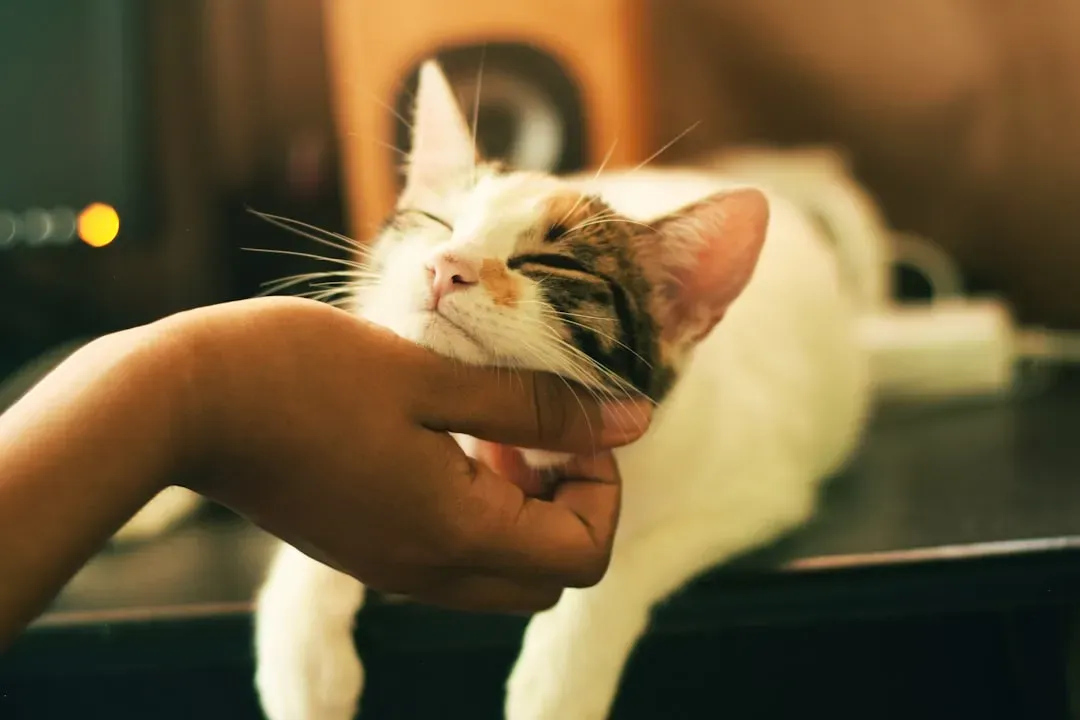
This suggested to researchers that cats probably view petting as an allogrooming activity. So, when your cat licks your hand while you pet him, it is likely that he thinks you are grooming him. The licking is him returning the favor. I know it sounds crazy, but your cat genuinely believes you’re grooming them when you stroke their fur.
From their perspective, it makes perfect sense. You’re running your hands through their coat, smoothing out their fur, giving them attention. They’re simply reciprocating the gesture. So, when your cat licks you while you are petting her she is saying, effectively, “yes, yes, we are friends.”
They Think You Need Cleaning
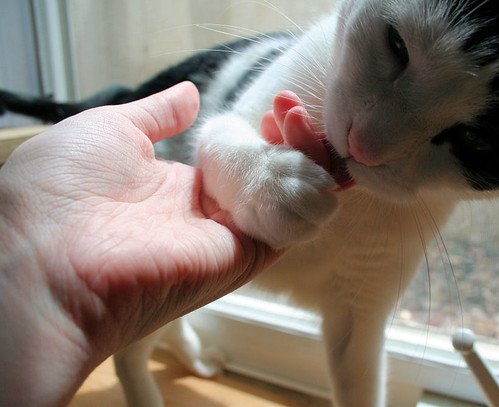
Let’s be real. Sometimes your cat might just think you’re a bit grubby. Cats will often lick you because they like to groom the people they love, so if they think you’re looking a little untidy, they might start doing this a bit more. While you might not feel like you need to be groomed, your cat clearly thinks you do.
Maybe you’ve just finished cooking and there’s a faint smell of garlic on your fingers. Or perhaps you used a new lotion that intrigues them. Your cat may lick your skin or hair to investigate interesting scents or odors, such as an appetizing lotion, shampoo, or other topical product. Human sweat also contains sugar and salts that cats may find appealing. Either way, they’ve decided it’s their job to tidy you up.
Seeking Comfort and Reducing Stress
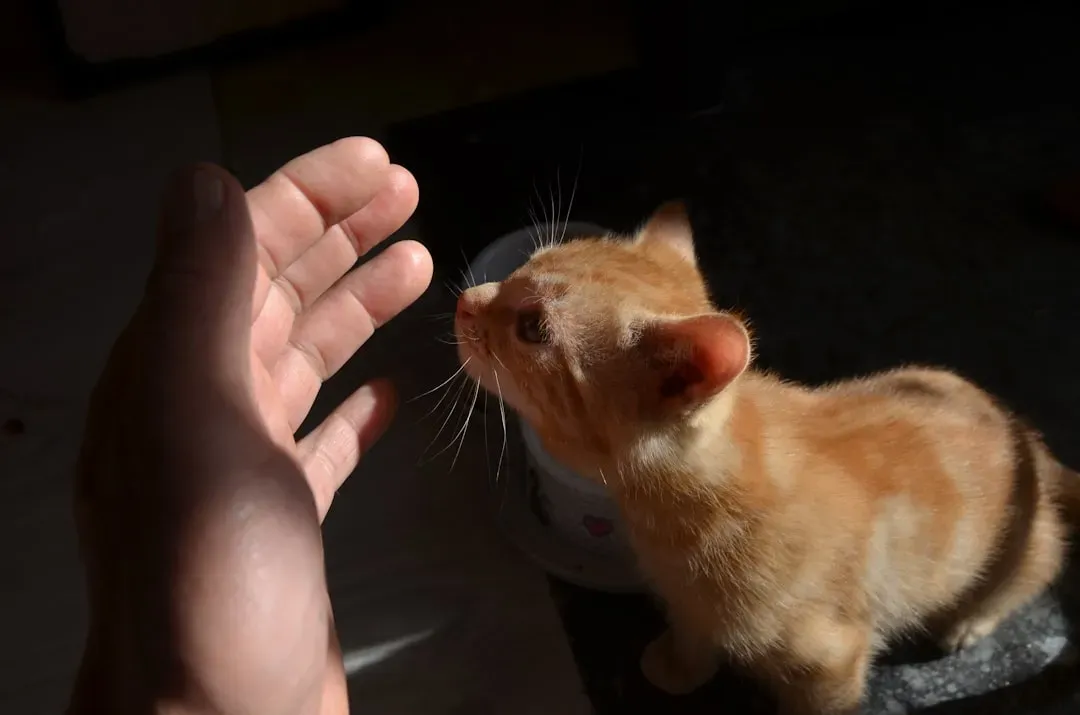
Like sucking on blankets and kneading, grooming can also be a self-soothing mechanism for cats. If your kitty is feeling anxious or stressed, they might engage in this behavior with you to seek comfort and reassurance. Grooming releases feel-good chemicals in their brain, creating a natural calming effect.
It’s hard to say for sure, but if you notice your cat licking you more during stressful times like thunderstorms, vet visits, or household changes, they might be using you as their emotional anchor. In hot weather, as much as one third of the cat’s evaporative cooling losses can be achieved by licking the skin and hair. Another function of grooming is that of an affiliative behavior between two cats. Last, it can relieve tension, as may occur after a reprimand from the owner, after an encounter with a very aggressive cat, or preceding a thunderstorm.
Asking for Your Attention
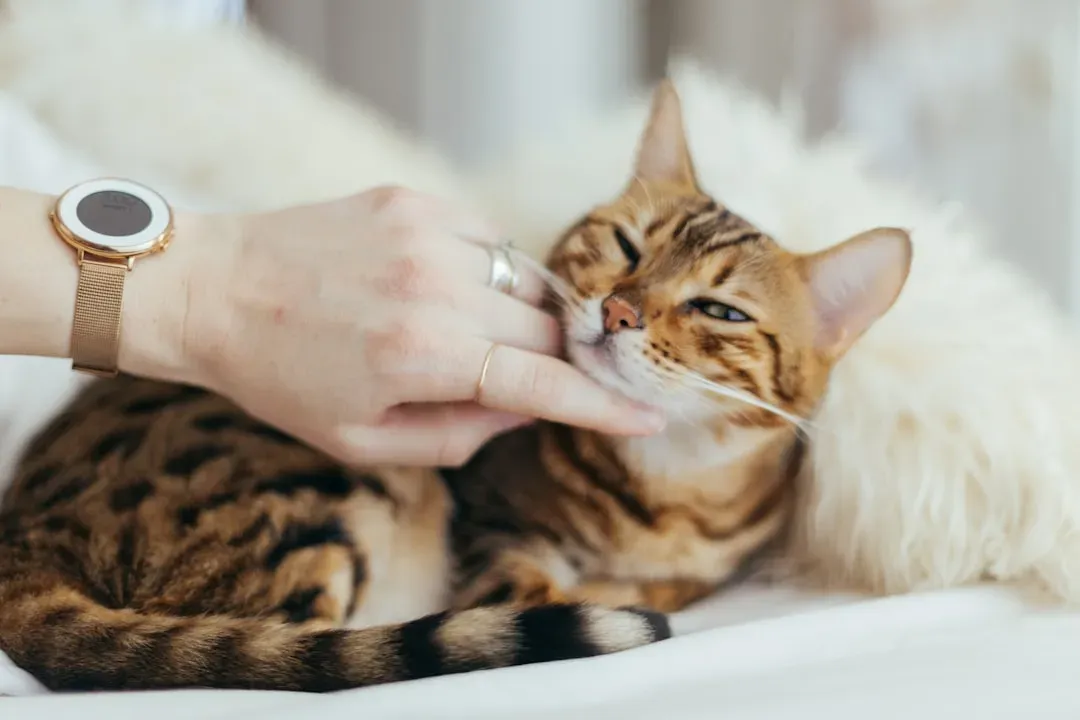
Sometimes your cat licks you simply because it’s an easy way to get your attention. This is especially true if you’re constantly reacting when they lick you since they’ve learned that you will repeatedly respond. Cats are smart. They know what buttons to press.
If every time your cat licks you, you immediately stop what you’re doing and pet them or talk to them, you’ve basically trained them to use licking as a communication tool. Some cats learn that licking gets them attention from their human companions. Even unintentional reinforcement, such as petting or talking, can encourage this practice. Over time, attention seeking cats may develop more frequent licking habits as a way to initiate interaction and solicit affection, playtime, or even food from their owners. Clever little creatures, aren’t they?
They’re Showing Trust and Vulnerability
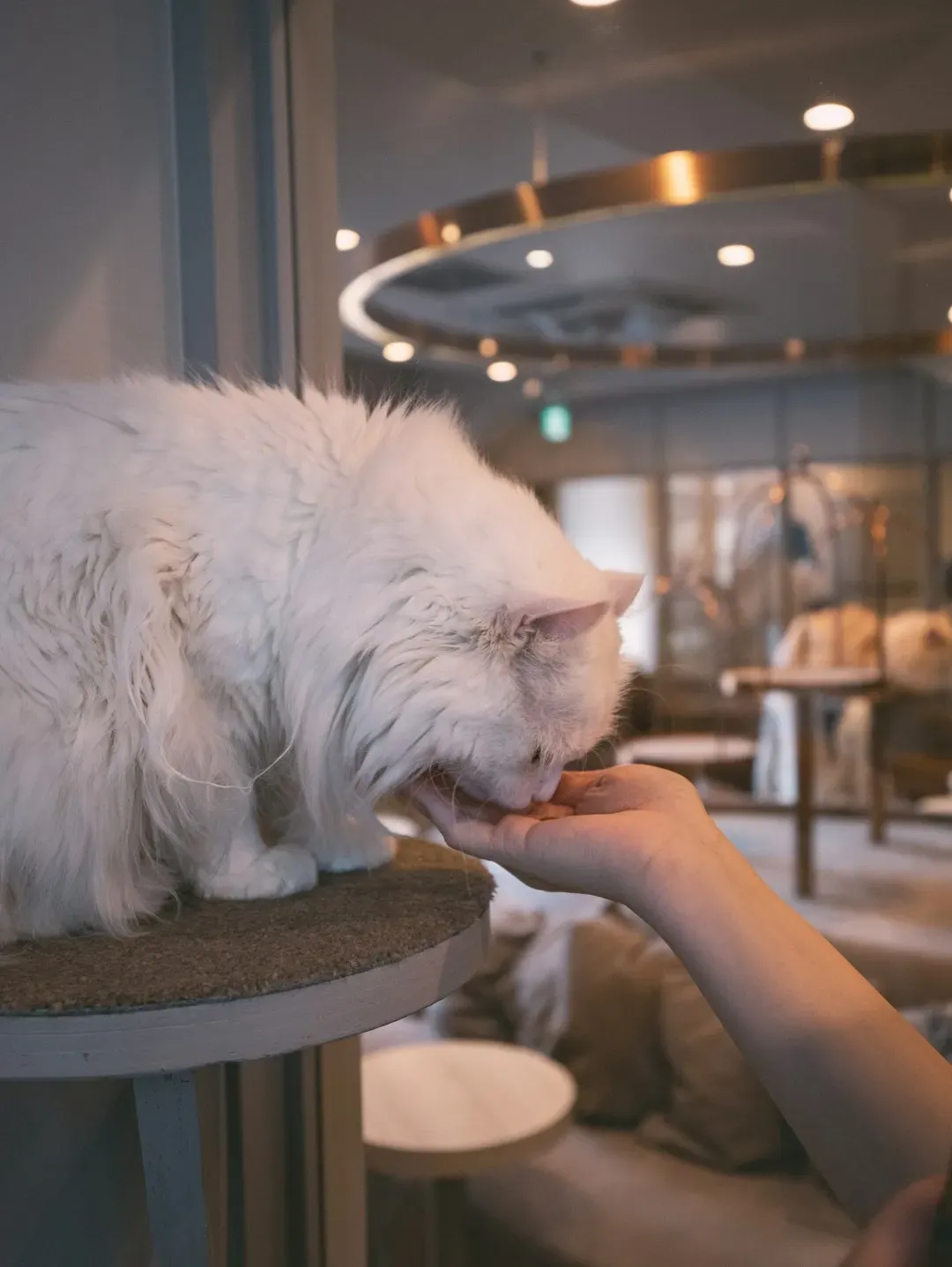
Not every human in a household receives grooming attention from a cat. Often, only one or two family members are ‘chosen.’ This selectivity highlights the deep level of trust involved. A cat that grooms you views you as a safe, reliable figure – someone who meets their needs and offers comfort.
Being chosen by your cat for grooming sessions is genuinely special. It means they feel secure around you, comfortable enough to let their guard down and engage in such an intimate behavior. Cats are cautious creatures by nature, so if yours is grooming you, it’s a massive vote of confidence in your relationship.
Sometimes It Means “That’s Enough”
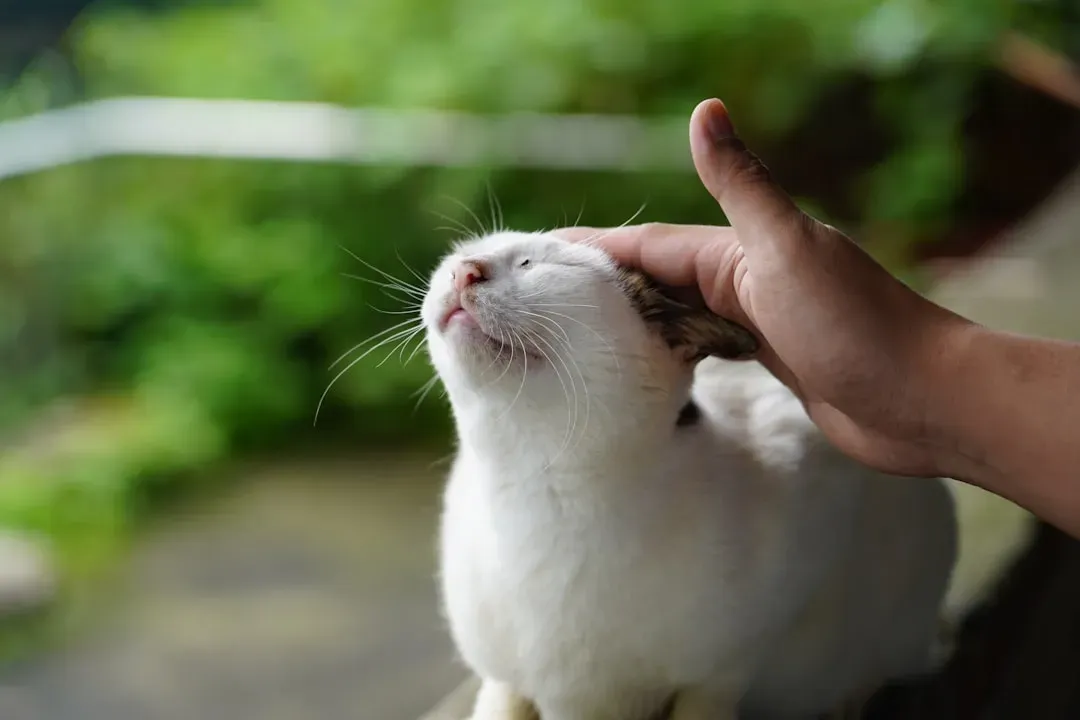
If you pet your cat and it licks you, it may be letting you know it’s done with attention. While you may consider these licks a request for more affection, your cat may paw or bite you if you don’t stop. This can be confusing because we often interpret licking as an invitation for more interaction.
Sometimes, a cat will transition from licking to light biting. This isn’t aggression – it’s often a signal that they’ve reached sensory overload. Cats have sensitive nerve endings in their skin, and prolonged petting or grooming interaction can become overwhelming. If your cat suddenly nips after licking you, they may be politely asking for space. Reading these subtle signals takes practice, but it’s worth learning your cat’s unique language.
When Grooming Becomes Excessive
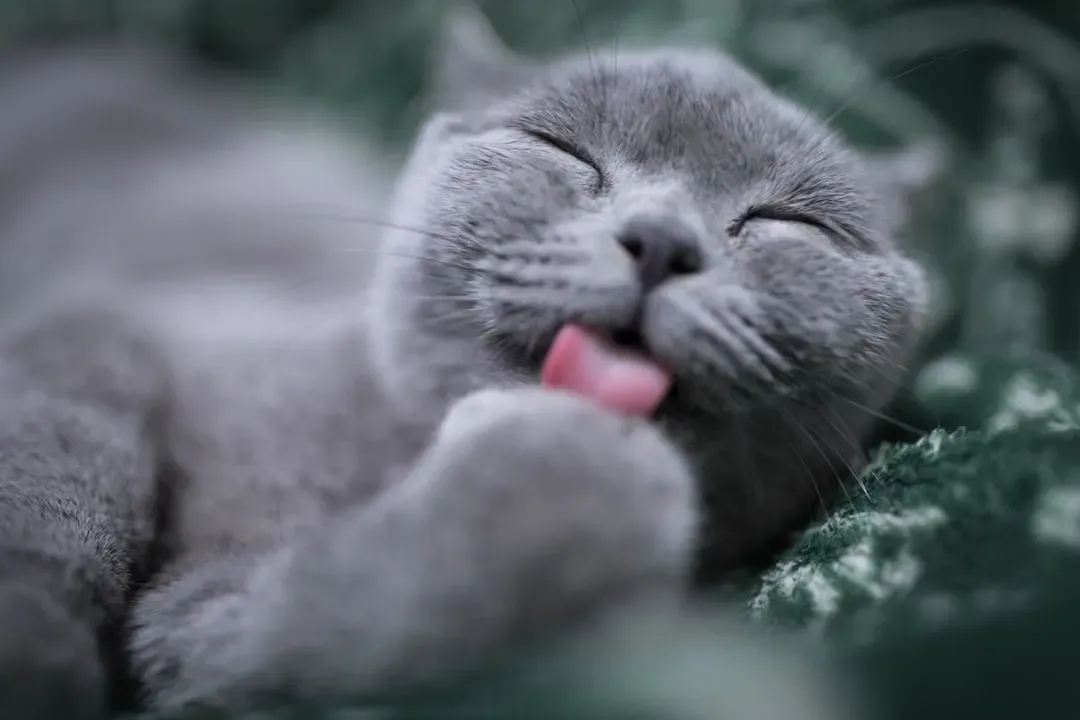
However, there are certain instances when it could indicate underlying issues that warrant a vet visit, including: Excessive or compulsive grooming: If you notice skin irritation or hair loss on your cat – or even yourself! – this could be a sign of anxiety or other behavioral problems that need addressing. They may also be nauseous or have an underlying medical condition.
Licking may represent a displacement behavior, which is a behavior that a cat performs to alleviate stress. Stress more commonly leads to excessive self-grooming, but the licking may be directed toward you, too. If your cat’s anxiety is left untreated, the licking may progress to a compulsive behavior, at which point the licking takes over your cat’s life. If your cat’s grooming of you suddenly intensifies or feels obsessive, don’t ignore it. A trip to the vet can help rule out medical issues or identify stressors you might not have noticed.
The Bottom Line on Cat Grooming Behavior
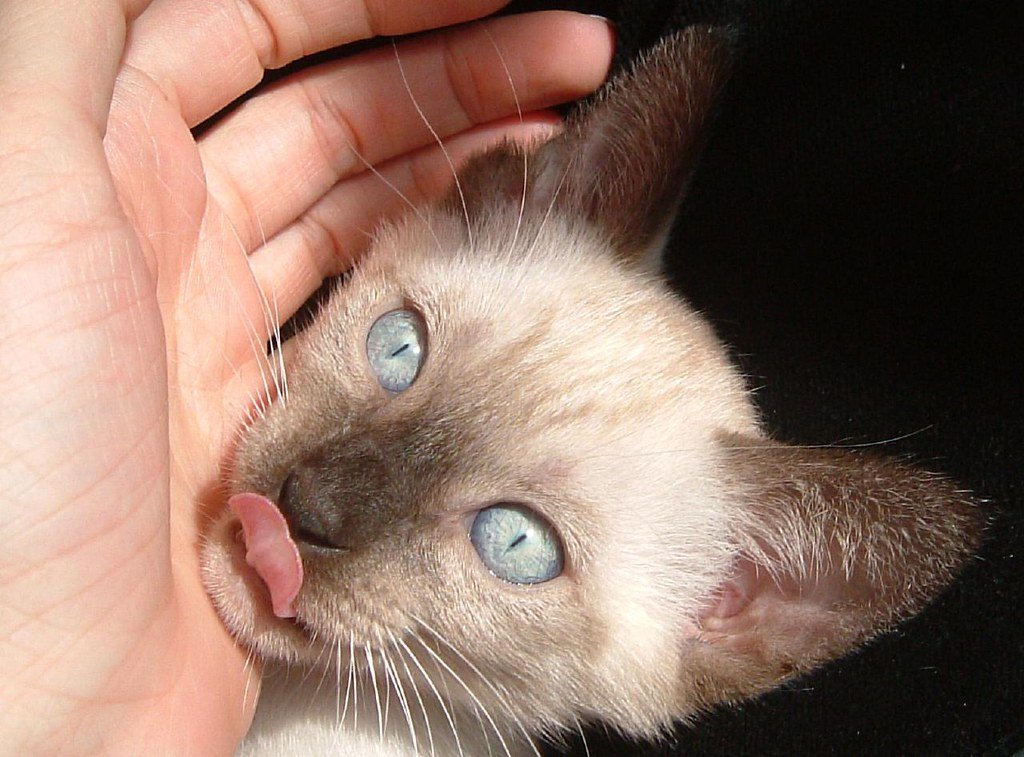
When your cat licks or grooms you, it may be letting you know it’s comfortable around you, feeling quite relaxed and content. At the end of the day, most cat grooming is a positive sign. It’s their way of saying they love you, trust you, and consider you part of their world.
A cat’s decision to lick a human is not random; it is a sign that she feels safe and comfortable in your presence, and wants to extend her affection in the way she would to another trusted cat in her group. So the next time that rough little tongue starts working on your hand, remember you’re getting one of the highest honors in the feline kingdom. Your cat has chosen you.
What do you think about your cat’s grooming habits? Have you noticed any patterns in when or why they decide to give you a bath? Share your experiences in the comments below.
Kristina is a young writer from India. An arts graduate and an avid content creator, Kristina is passionate about animals and wildlife. She enjoys exploring topics related to pet care, animal behavior, conservation, and nature, combining thorough research with engaging storytelling.