Your feline friend is scratching at their ears again. Maybe you’ve noticed them shaking their head more than usual or spotted some strange dark discharge. Let’s be real, it’s not just annoying for them – it could be a sign of something that requires immediate attention. Ear mites might sound like a minor inconvenience, but these microscopic parasites have the potential to cause serious, lasting harm to your cat’s ears if you don’t act quickly enough. Think of them as unwanted houseguests who not only refuse to leave but also trash the place while they’re at it. In this article, you’ll discover how to recognize ear mites, why they’re so dangerous when left untreated, and most importantly, what steps you need to take to eliminate them before irreversible damage occurs.
Understanding What Ear Mites Actually Are
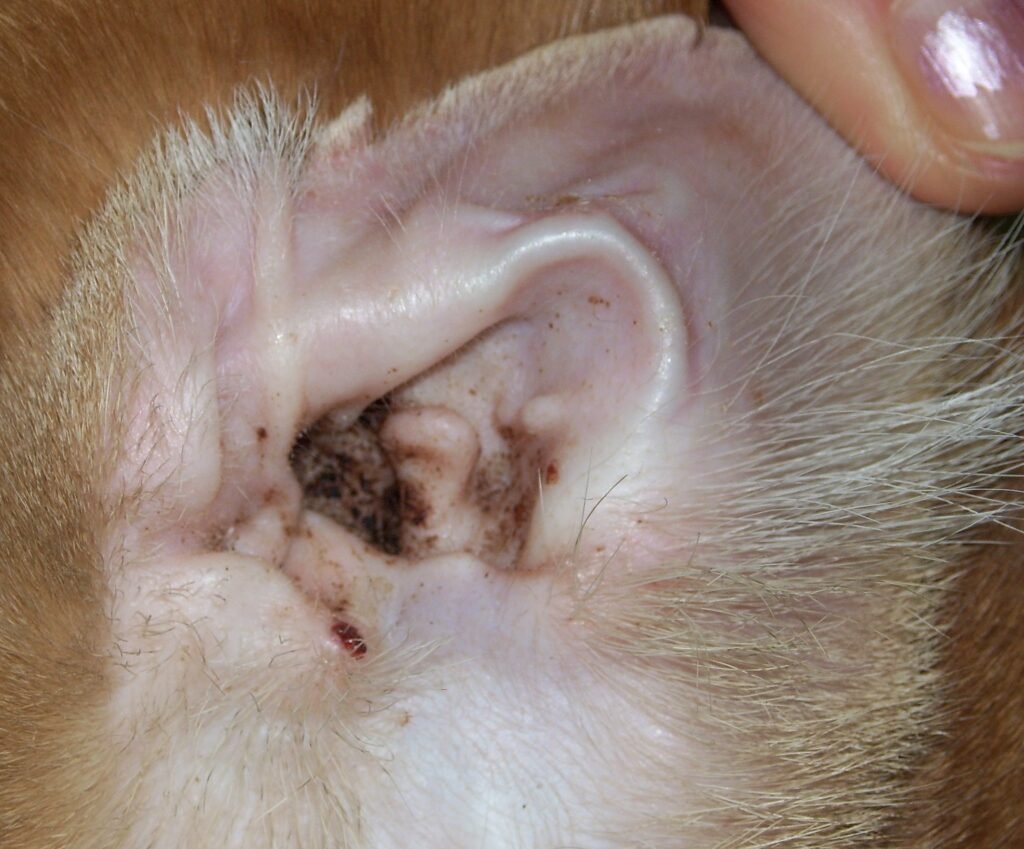
Ear mites are tiny parasitic insects that live on the skin of the ear canal and feed off ear wax and skin oils. Imagine microscopic eight-legged creatures crawling around inside your cat’s ears. These mites are scientifically known as Otodectes cynotis and are common among cats of all ages.
Here’s the thing, though. They look like tiny white dots and can barely be seen with the naked eye. An adult normally lives for around two months, but they can multiply quickly – eggs take just four days to hatch and a further three weeks to develop into an adult mite ready to breed. So while you might think you’re dealing with a small problem, these parasites are working overtime to create an infestation.
Recognizing the Warning Signs Early
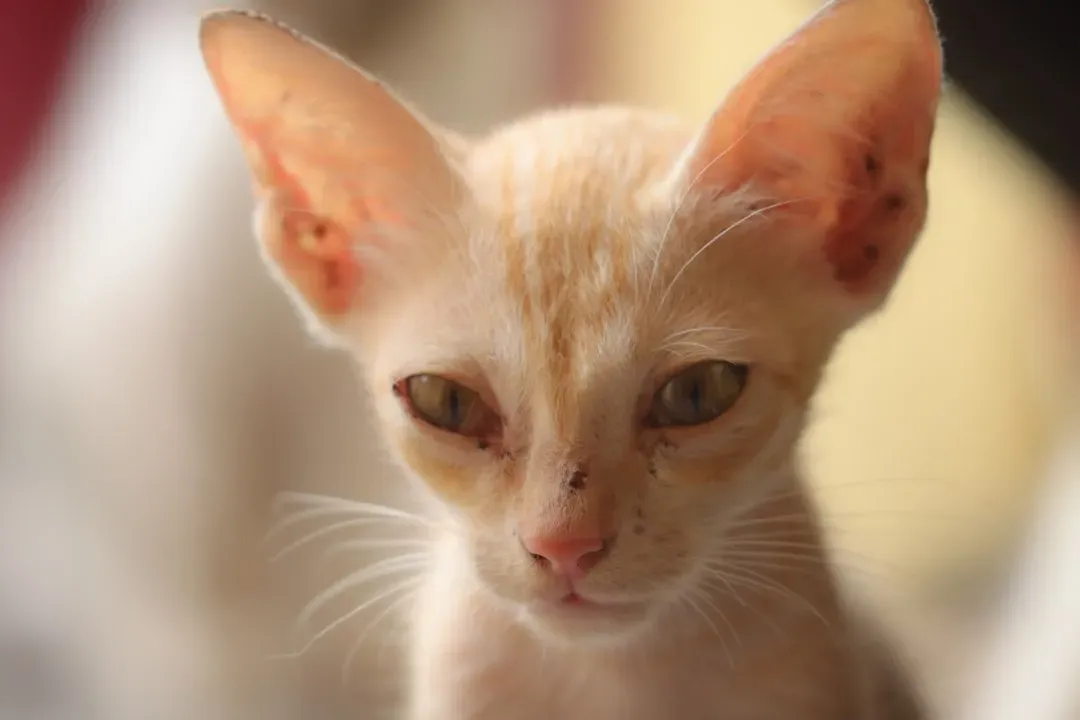
Catching ear mites early can save your cat from weeks of discomfort and potential hearing loss. An ear mite infection will cause your cat’s ears to itch, often resulting in them shaking their head or scratching their ears excessively, having red and inflamed ears caused by extra wax and irritation, and producing a black, dry ear discharge which can sometimes give off a bad smell.
That dark discharge is pretty distinctive. Their presence is often indicated by dark brown or black discharge in the ear that resembles coffee grounds and is a combination of ear wax, dried blood, and mite debris. If you see this stuff in your cat’s ears, honestly, it’s time to take action immediately. Your cat might also hold their ears flat against their head, almost like they’re trying to protect them from further invasion.
How Cats Get Ear Mites in the First Place
Ear mites transfer between animals through close physical contact, and yes, they are contagious to other cats and dogs in the household. Think about it – if your cat spends time at a boarding facility, around other cats, or even outdoors where they might encounter strays, they’re at risk.
If your cat spends time in boarding environments or outdoors and gets too close to another animal or touches a contaminated surface such as a grooming tool or bedding, ear mites can easily be transmitted. Kittens are especially vulnerable. Kittens commonly contract ear mites from their mother. Even indoor cats aren’t completely safe if they come into contact with an infested pet.
The Real Danger: Permanent Damage That Can Occur
Here’s where things get serious. Veterinary care can prevent a serious ear disease called otitis externa – an infection of the outer ear that, if untreated, can progress to the middle and inner ear and damage the ear drum, which can permanently affect the animal’s hearing and sense of balance. This isn’t just about itchy ears anymore.
If left untreated, they can cause secondary bacterial infections, pain, and severe inflammation in the ear canals – in severe cases, this can progress to rupture of the ear drum and hearing loss. I know it sounds scary, but it’s completely avoidable with prompt treatment. In the most severe cases, the ear drum and inner ear can be irreparably damaged, resulting in deafness and an acute disturbance of balance on the affected side or sides.
Getting a Proper Veterinary Diagnosis
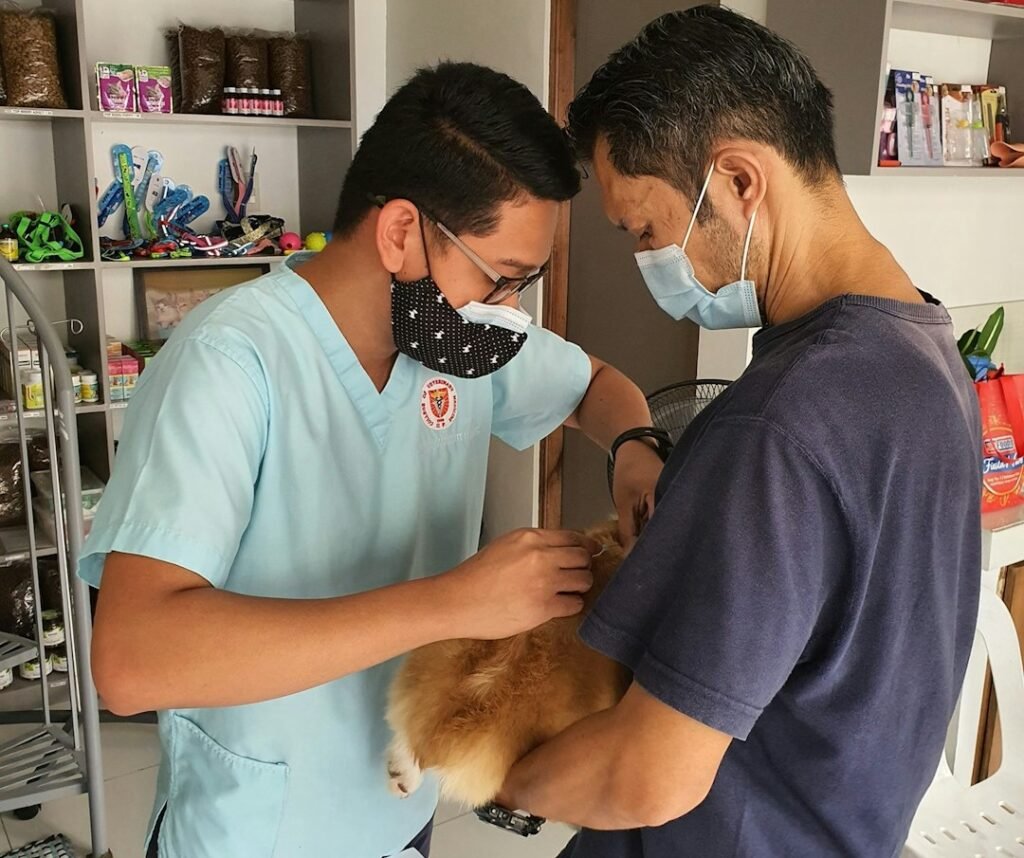
Don’t try to self-diagnose this one. Your vet may be able to see the mites during an ear exam or they may need to take a swab and look at it under a microscope to confirm this. The diagnosis process is actually pretty straightforward when done by a professional.
The vet will use a special tool called an otoscope to look inside your cat’s ears to check for redness, swelling, excess wax buildup, and movement that could indicate mites, and a sample of ear debris will be collected with a cotton swab and examined under a microscope – this is the most reliable way to detect mites, their eggs, or secondary infections. Other conditions can mimic ear mites, so professional confirmation is essential before starting treatment.
Effective Veterinary Treatment Options
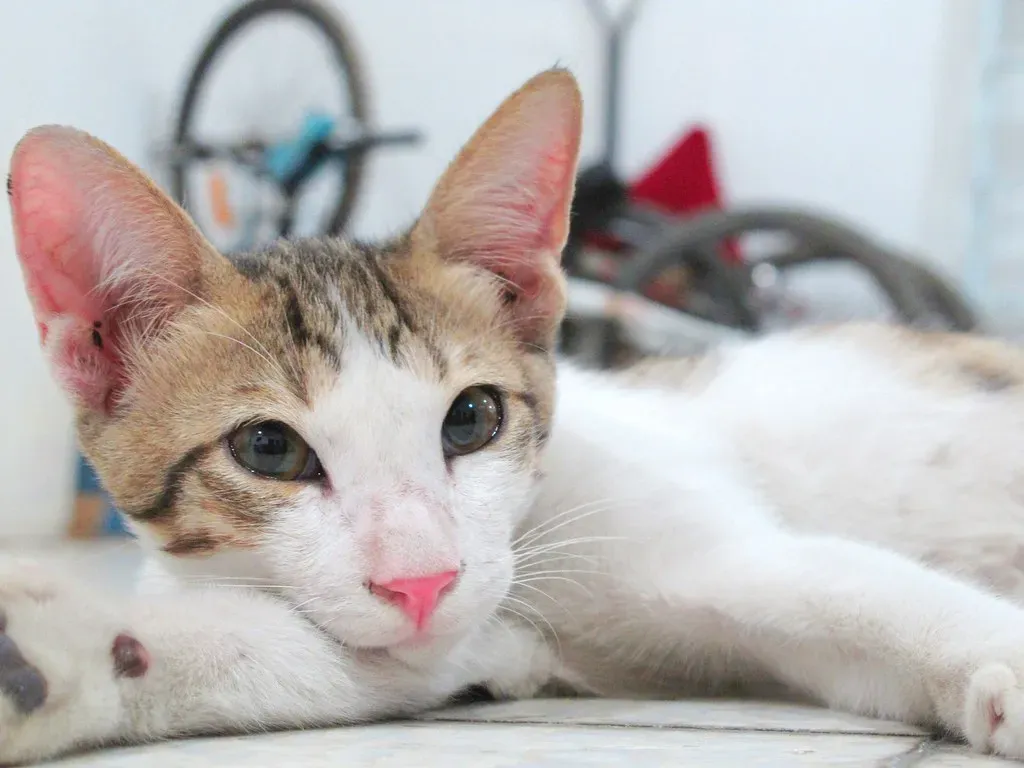
Once ear mites are diagnosed in cats, the vet will offer treatment options such as prescribing an antiparasitic medication as well as antibiotics if needed, and your veterinarian will also likely clear your cat’s ears out of the characteristic wax and discharge associated with these parasites. The good news? Treatment is typically quite effective when properly administered.
There are two main options for treating ear mites in cats: topical drops that can be administered directly into the ear canal to kill mites – examples of effective medications are milbemycin and ivermectin. Spot on treatment that is applied directly to the skin at the back of the neck is a lot less stressful for your cat than ear drops, and many spot on flea treatments also prevent and treat ear mites. Your vet will recommend what’s best for your specific situation.
The Treatment Timeline and What to Expect

Elimination of mites takes about a month, but cats generally start to feel better just a couple of days after beginning treatment. So while complete eradication takes time, you should see your cat getting relief pretty quickly.
A typical ear mite treatment course runs for six to eight weeks because cat ear mites have a three-week life cycle – the rule of thumb is to treat for two life cycles so that if there are any eggs present when you’re treating and new mites hatch out, you’re covering for those as well. Your vet will probably suggest you return to the office in a week or two to ensure the mites are gone and that further treatment is unnecessary. Following through with the complete treatment is critical.
Why Home Remedies Are Risky Business
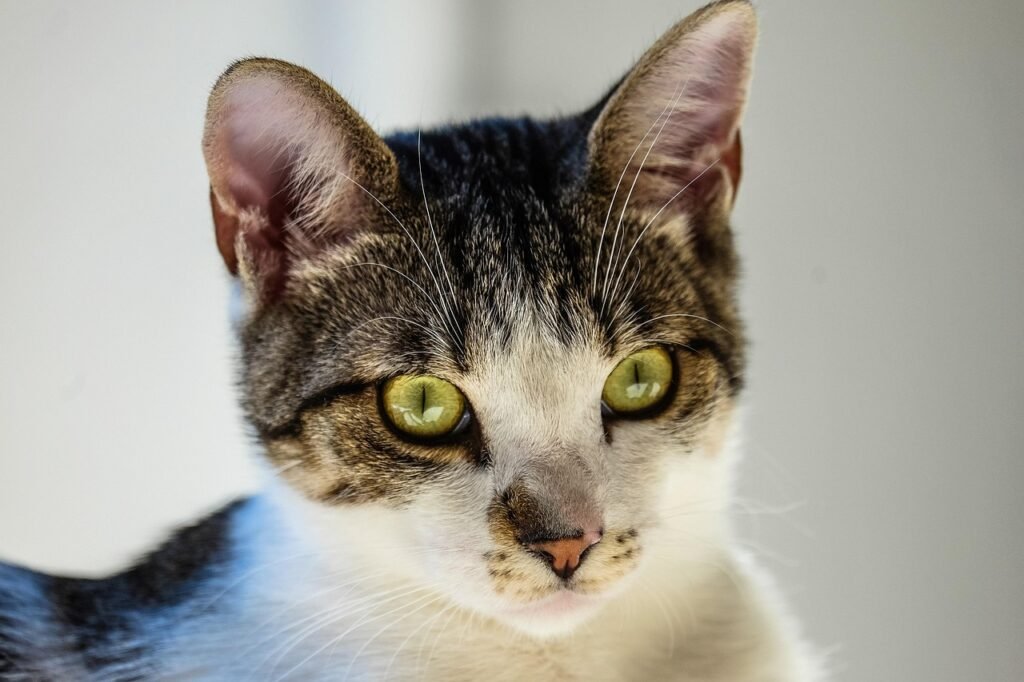
We do not advise using home remedies for ear mites in cats – while some methods are capable of killing mites, many at-home treatments don’t kill the eggs of these parasites, so while it appears that the mites are gone, the infestation will begin again when the eggs hatch. I get the appeal of trying natural solutions, but this is one area where it can backfire.
There are no safe or effective at-home treatments for ear mites in cats. Some sources mention things like olive oil or apple cider vinegar, but veterinary professionals consistently warn against relying on these methods. Unfortunately, there are no good treatments that will kill ear mites in cats instantly – the safest prescription options will take at least a few days to start to kill the ear mites, up to seven to 10 days in total to get rid of an ear mite infection.
Treating All Pets in Your Household
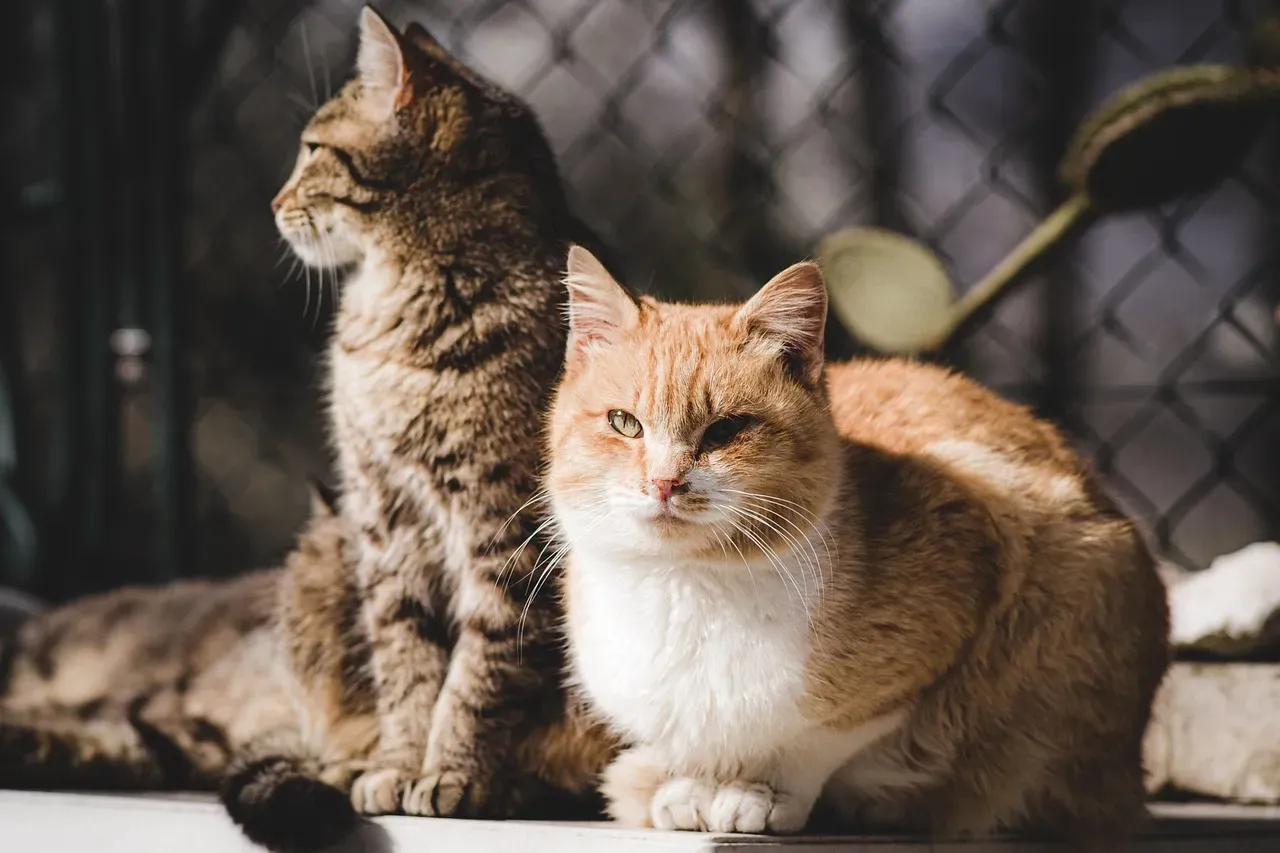
Even if other pets aren’t showing symptoms of ear mites, it’s essential that they are also treated at the same time. This might seem excessive, but trust me, it’s necessary to prevent the mites from just bouncing back and forth between animals.
Because ear mites are quickly spread during close contact, all pets in the household should be treated by a veterinarian. Your vet will likely prescribe preventative medication for everyone, even if they’re not scratching yet. It’s way easier to prevent a reinfestation than to go through multiple rounds of treatment.
Prevention Strategies to Keep Mites Away
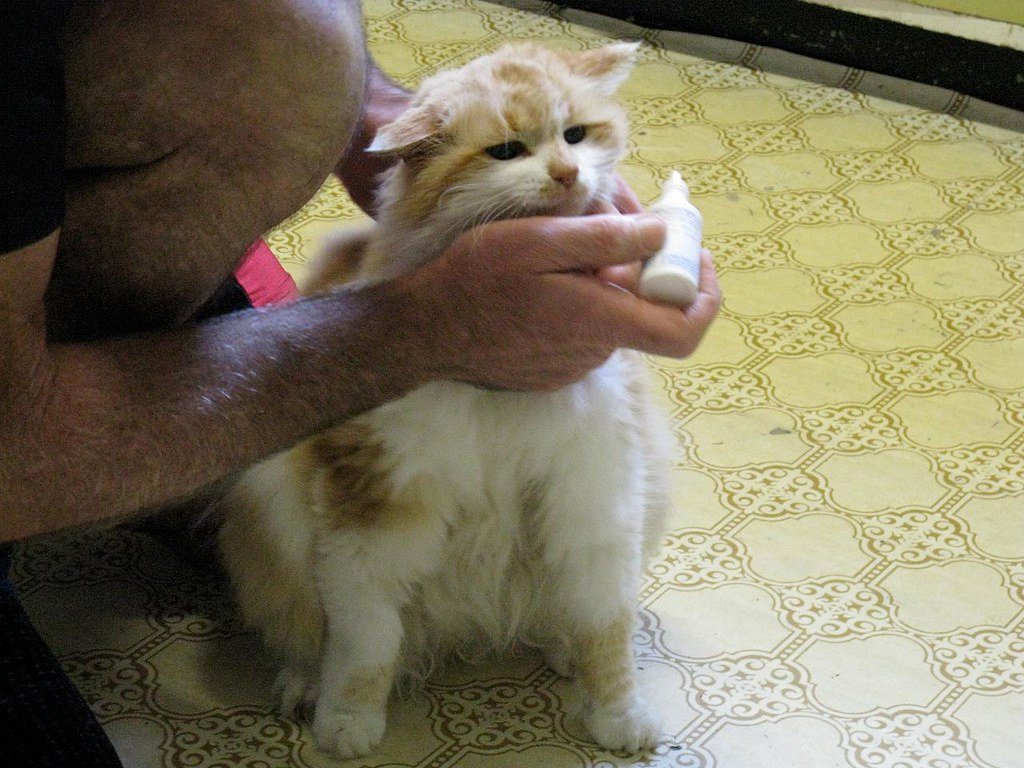
An important way to prevent ear mites in cats is to apply topical flea, tick, and heartworm preventatives each month year-round, and additionally, keeping a cat’s ears clean through once-weekly ear cleansing prevents buildup that can create a favorable environment for ear mites. Prevention really is easier than treatment.
Since ear mites are highly contagious, healthy pets should be kept separate from infested ones until the mites have been eliminated. Regular vet checkups help catch any issues early. Keeping cats indoors can also reduce your cat’s risk of exposure to mites. If you do adopt a new cat from a shelter, have them checked immediately since shelter environments are common sources of ear mite transmission.
Acting Fast Makes All the Difference
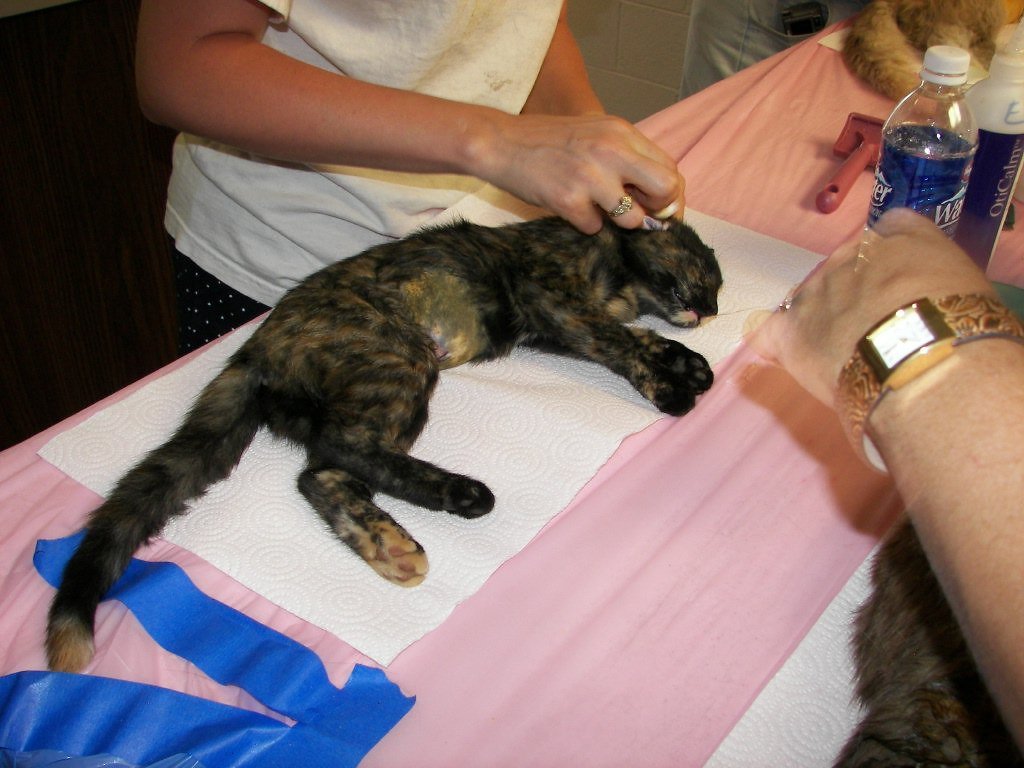
If you think your cat has a problem with their ears, contact your vet – without fast and effective treatment, ear conditions can cause serious pain and discomfort. The window between a minor irritation and permanent damage isn’t as wide as you might think.
If ear mite infestation is suspected, the cat owner should seek veterinary care without delay – aside from relieving the animal’s discomfort, treatment can curb infection stemming from the mutilation of the ears and face that results from aggressive and nonstop scratching. Every day you wait is another day those mites are multiplying and causing more damage. Your cat is depending on you to recognize the signs and take action before things spiral out of control. The difference between a quick, simple treatment and dealing with permanent hearing loss often comes down to how quickly you respond to those first symptoms.
Ear mites in cats are more than just a nuisance. They’re a genuine threat to your pet’s long-term health and quality of life. The good news is that with prompt veterinary care, proper medication, and complete follow-through on treatment, you can eliminate these parasites before they cause lasting damage. Keep an eye on your cat’s behavior, watch for those telltale signs like head shaking and dark discharge, and don’t hesitate to get professional help when something seems off. Your quick action today could save your cat from a lifetime of hearing problems tomorrow. What signs have you noticed in your cat recently that might warrant a vet visit?
Kristina is a young writer from India. An arts graduate and an avid content creator, Kristina is passionate about animals and wildlife. She enjoys exploring topics related to pet care, animal behavior, conservation, and nature, combining thorough research with engaging storytelling.