You’ve probably noticed that not all cats are created equal when it comes to showing love. Some felines can’t resist jumping into your lap at every opportunity, while others prefer to watch you from across the room with those mysterious, all-knowing eyes. It’s a fascinating spectrum of behavior that makes each cat unique, yet certain breeds tend to fall more consistently on one side or the other.
Understanding your cat’s natural inclinations can transform your relationship with them. Maybe you’ve always dreamed of a furry companion who’ll curl up with you during movie marathons, or perhaps you appreciate a more independent soul who’s content being near you without the constant need for physical touch. Let’s explore the distinct personalities that different breeds bring to your home.
The Ragdoll: A Living Teddy Bear
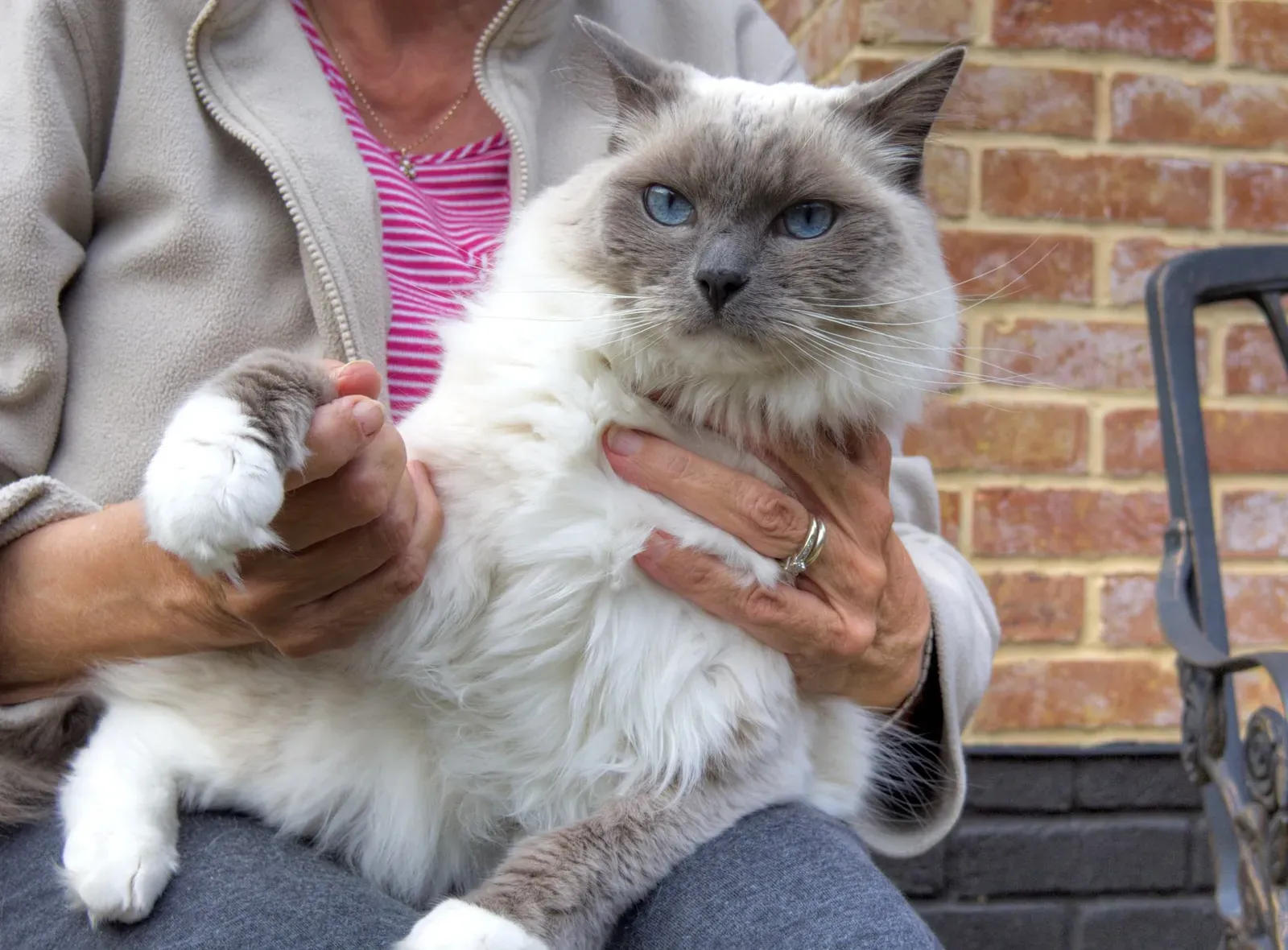
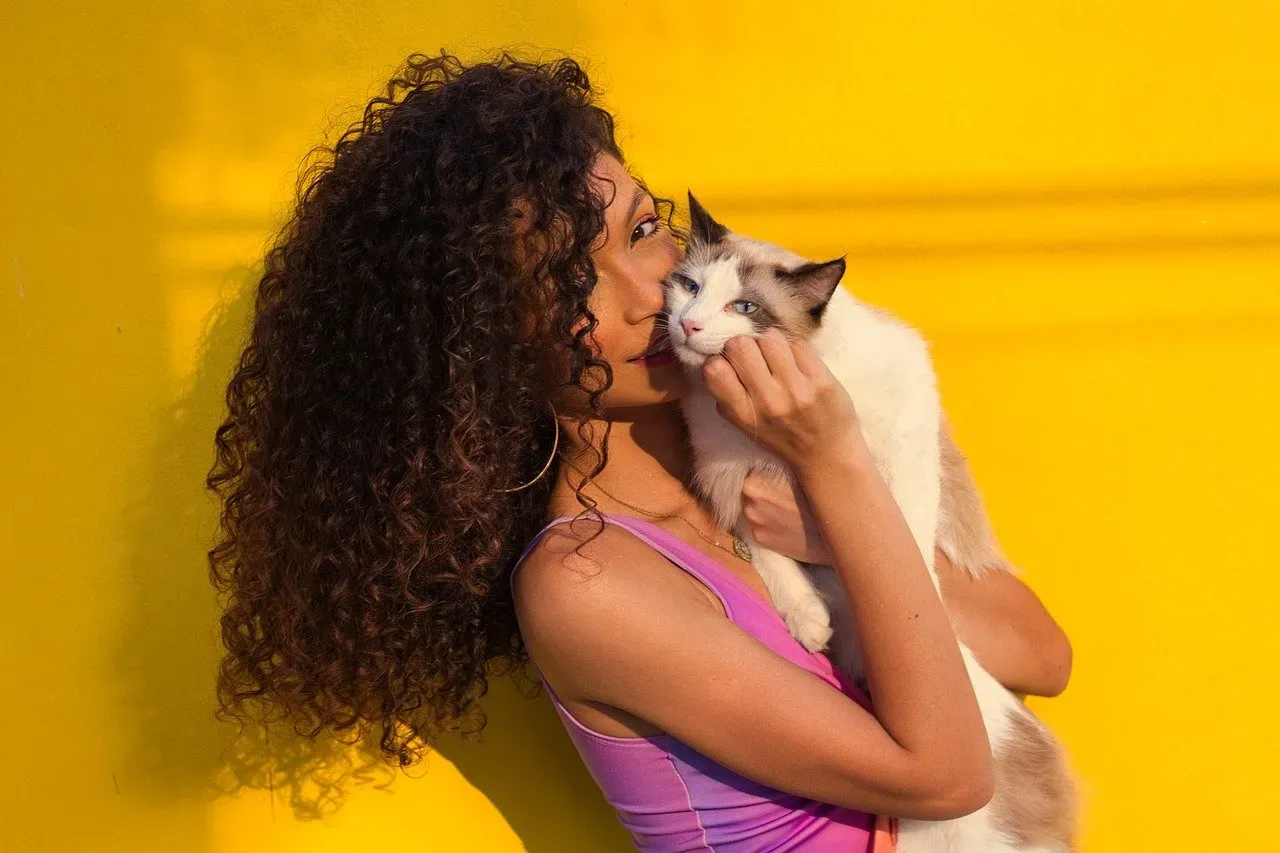
Ragdolls have truly been bred to be affectionate companions, and they’re likely to see your lap as their evening relaxing spot. These cats literally live up to their name by going limp when you pick them up, like a floppy ragdoll in your arms. Their piercing blue eyes and fluffy coats only add to their appeal as the ultimate cuddle buddy.
What makes them so special is their gentle, laid-back temperament that seems almost too good to be true. They make ideal pets for anyone looking for a lovable and low-maintenance feline, though you’ll want to brush that gorgeous coat regularly. They’re fantastic with children and other pets, rarely showing aggression or demanding behavior.
The Sphynx: Warmth-Seeking Companion
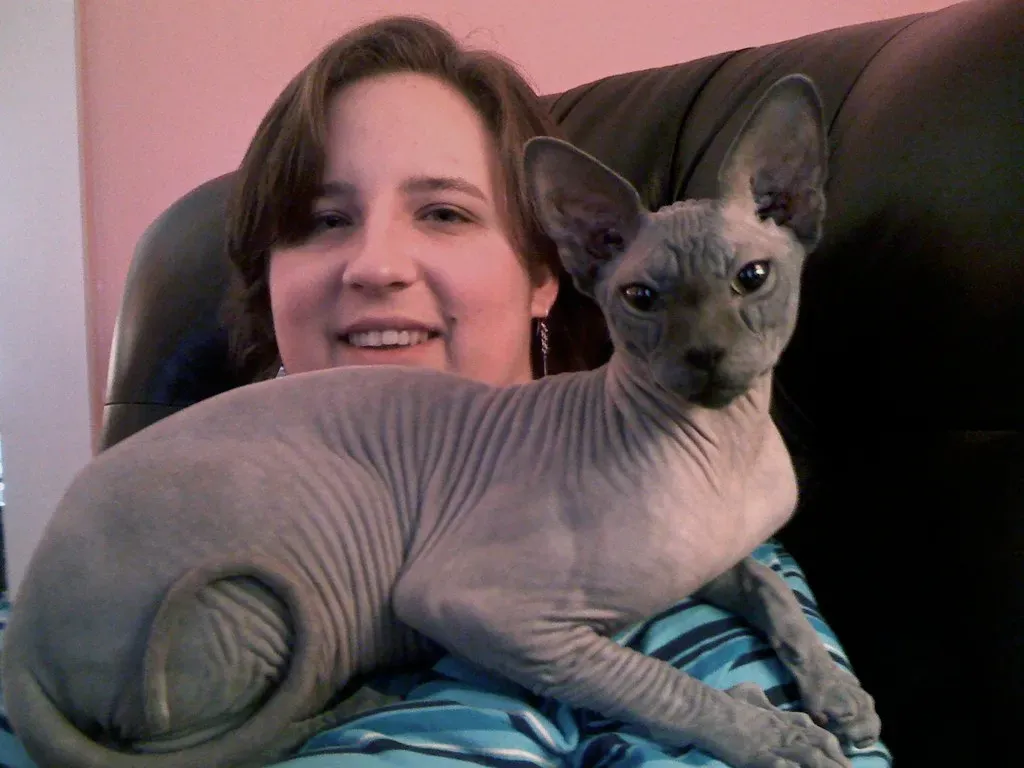
The Sphynx doesn’t have any hair which means it can get a bit chilly, so its owner’s body heat is just the ticket for it to warm up, ensuring there will always be cuddles. Let’s be real, these hairless wonders might look a bit unusual at first, but they’re absolute love sponges. Their lack of fur actually becomes a bonding advantage because they genuinely need your warmth.
These hairless kitties are anything but independent, they will follow you from room to room, eager to show their love, wanting to play and interact with you while also enjoying cuddling on your lap under a fuzzy blanket. They’re energetic and need mental stimulation, but honestly, the amount of affection they offer makes any extra effort worthwhile.
The Maine Coon: Gentle Giant Affection
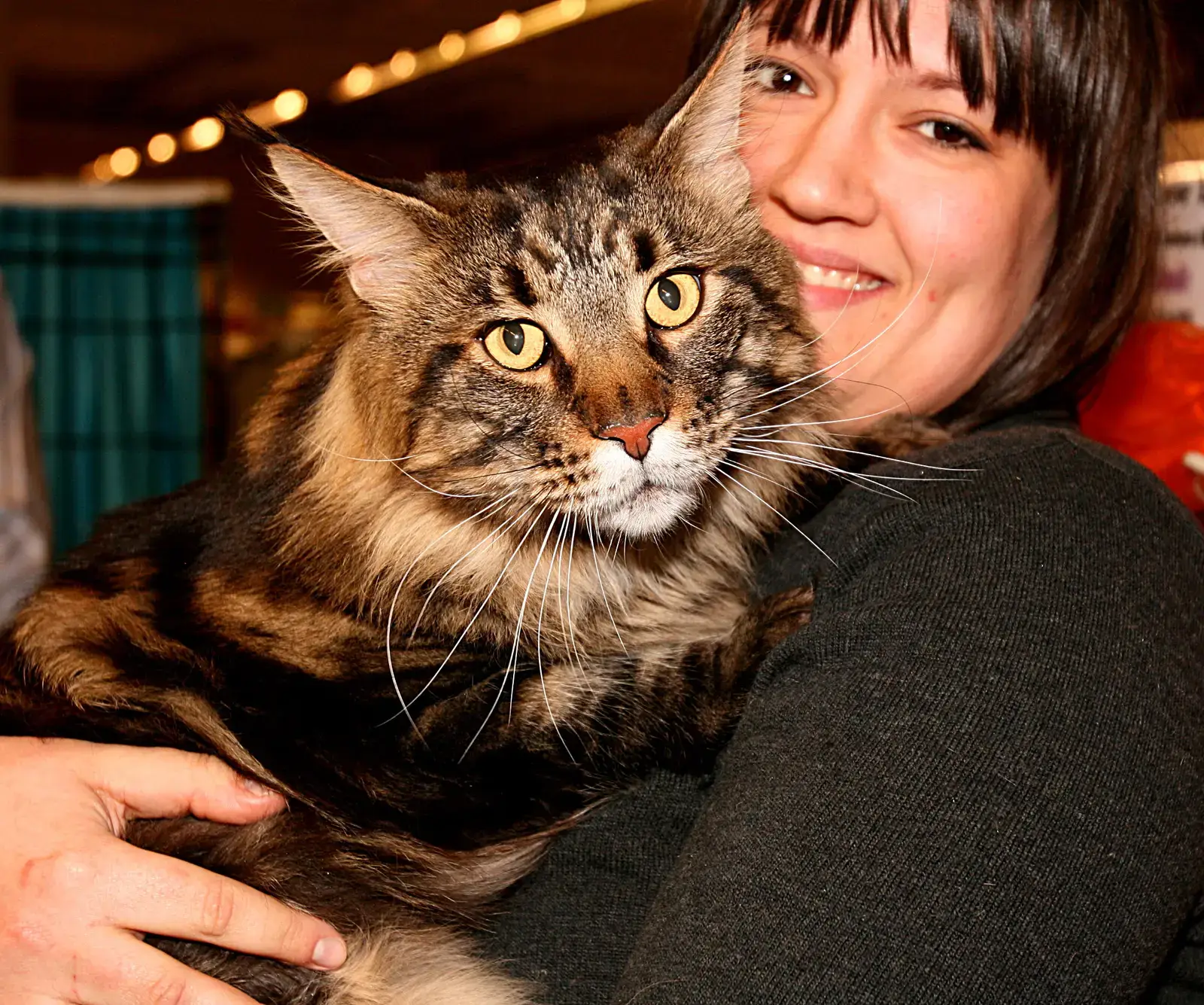
Maine Coons are native to America and known to be real gentle giants with dense coats perfect for a cuddle, and their high levels of affection mean that they rarely refuse. These massive cats can weigh up to eighteen pounds, yet they’re incredibly sweet-natured and patient. Their size might seem intimidating, but they’re actually softies at heart.
Interestingly, they’re affectionate without being overly clingy or demanding. Maine Coons are playful companions who enjoy human interaction but don’t demand constant attention, making them a balanced choice. They’ll happily lounge near you, occasionally checking in for pets, but they’re equally content doing their own thing.
The Abyssinian: The Velcro Cat
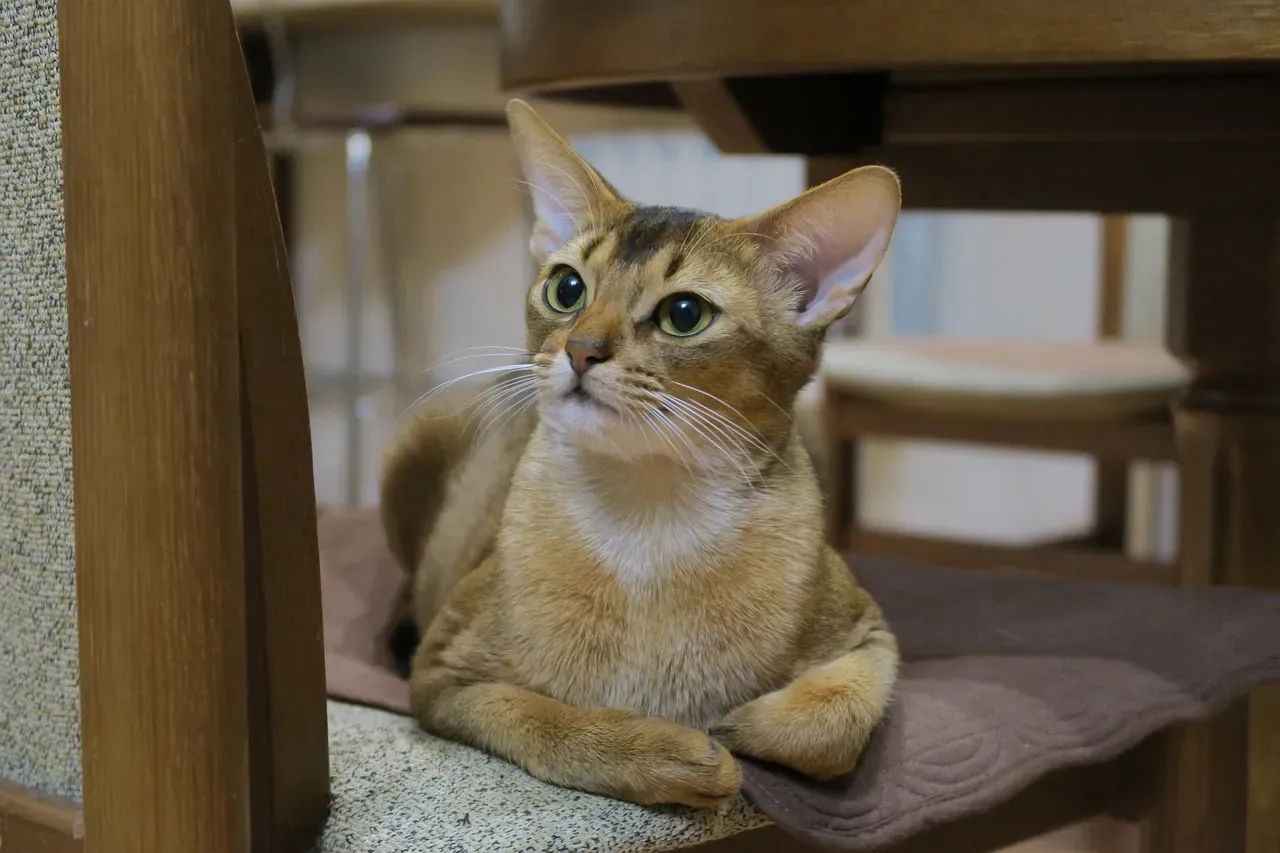
Here’s the thing about Abyssinians: this adorable breed is least likely to let you go to the toilet by yourself, as their owner must be protected at all times from a distance of no more than two centimeters. They’re not necessarily lap cats in the traditional sense, but they’re intensely people-oriented. Their curiosity drives them to follow you everywhere, participating in whatever you’re doing.
Abyssinians are curious by nature and like to be involved in household routines, often following owners to observe, explore, and engage with their surroundings. They’re highly intelligent and athletic, preferring to stay close through active participation rather than passive cuddling. Think of them as your shadow with paws.
The Scottish Fold: Undemanding Affection

The Scottish Fold is a feline that is so affectionate that it really doesn’t like being left alone, preferring to be curled up on or against its beloved owner at all times. Their distinctive folded ears give them an adorable, owl-like appearance that perfectly matches their sweet personalities. These cats form incredibly deep bonds with their humans.
The beauty of Scottish Folds lies in their balanced nature. They’re always happy to show affection, yet they don’t need to be constantly coddled or paid attention to, and can find ways to entertain themselves. They’ll check in periodically to see if you’re ready to snuggle, making them perfect for people who want affection on a more moderate level.
The Persian: The Quiet Observer
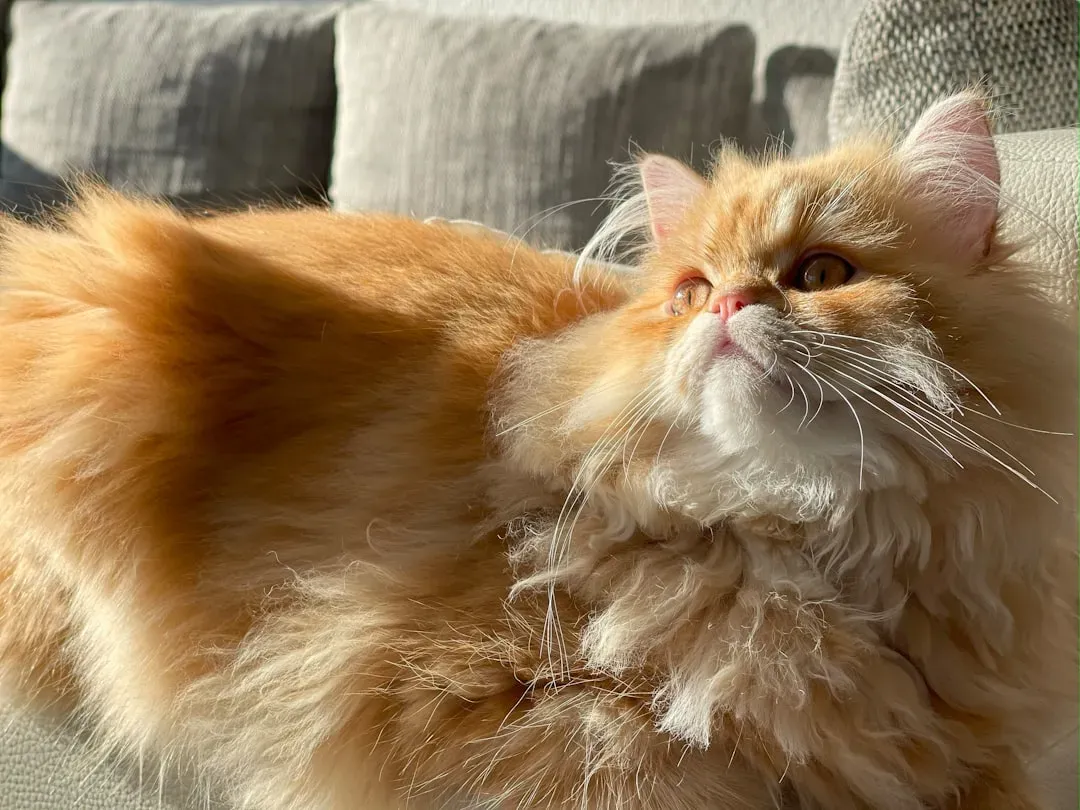
In sociability toward humans, Siamese and Balinese had the highest score while Persian and Exotic had the lowest, and in activity levels, Bengal had the highest score while Persian and Exotic had the lowest. Persians are the quintessential “look but don’t necessarily touch all the time” cats. They’re gorgeous with their long, flowing coats and flat faces, but they prefer a more serene existence.
These cats are perfectly content lounging on a sunny windowsill, observing the household from their chosen perch. Persians will always welcome your attention, but they’re not so demanding that they’ll pester you if they feel your attention is too divided. Their laid-back demeanor makes them ideal for quieter homes where they can maintain their dignified composure.
The Russian Blue: Reserved Elegance
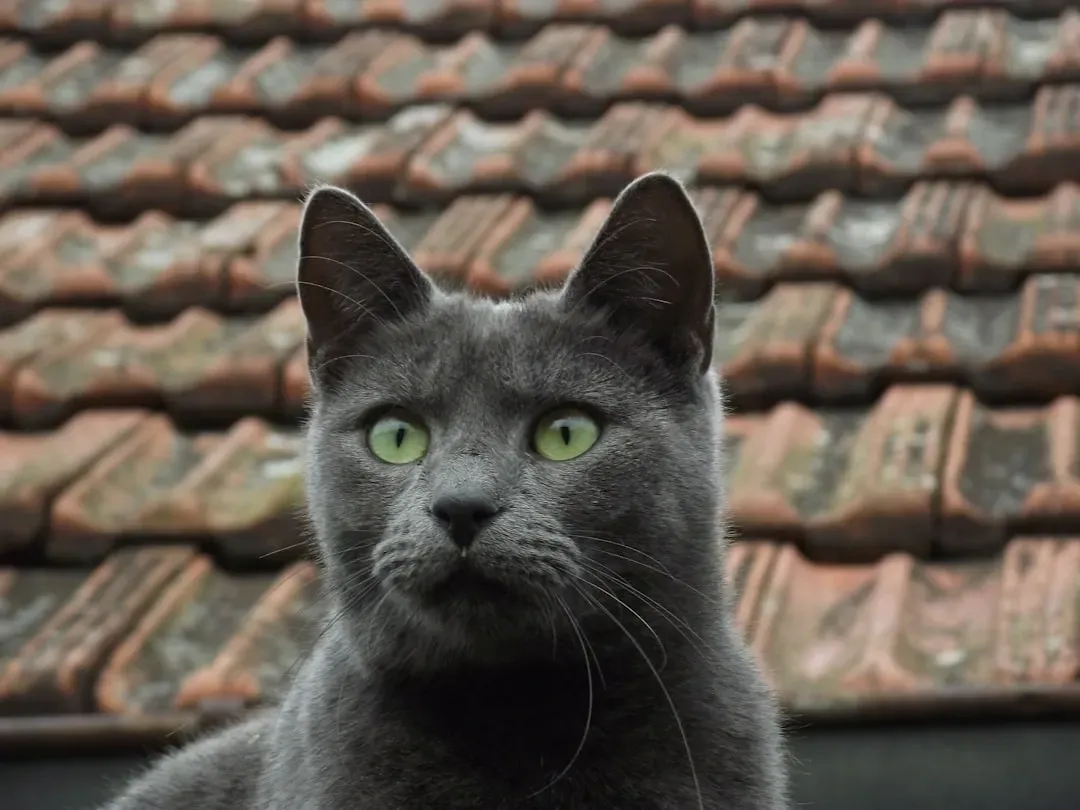
The Russian Blue is comfortably independent and handles alone time with ease, able to entertain itself with toys or quiet observation, making it ideal for owners who aren’t home all day yet still want a devoted companion. These elegant silver-coated beauties are incredibly striking with their vivid green eyes, but they’re somewhat aloof with strangers.
Affection comes on the cat’s terms, but it runs deep, and once trust is earned, this breed forms a powerful bond, often attaching closely to one person while remaining gentle and loving with the entire household. They’re sensitive cats who appreciate routine and predictability, thriving in calm environments.
The British Shorthair: Companionship Without Clinginess
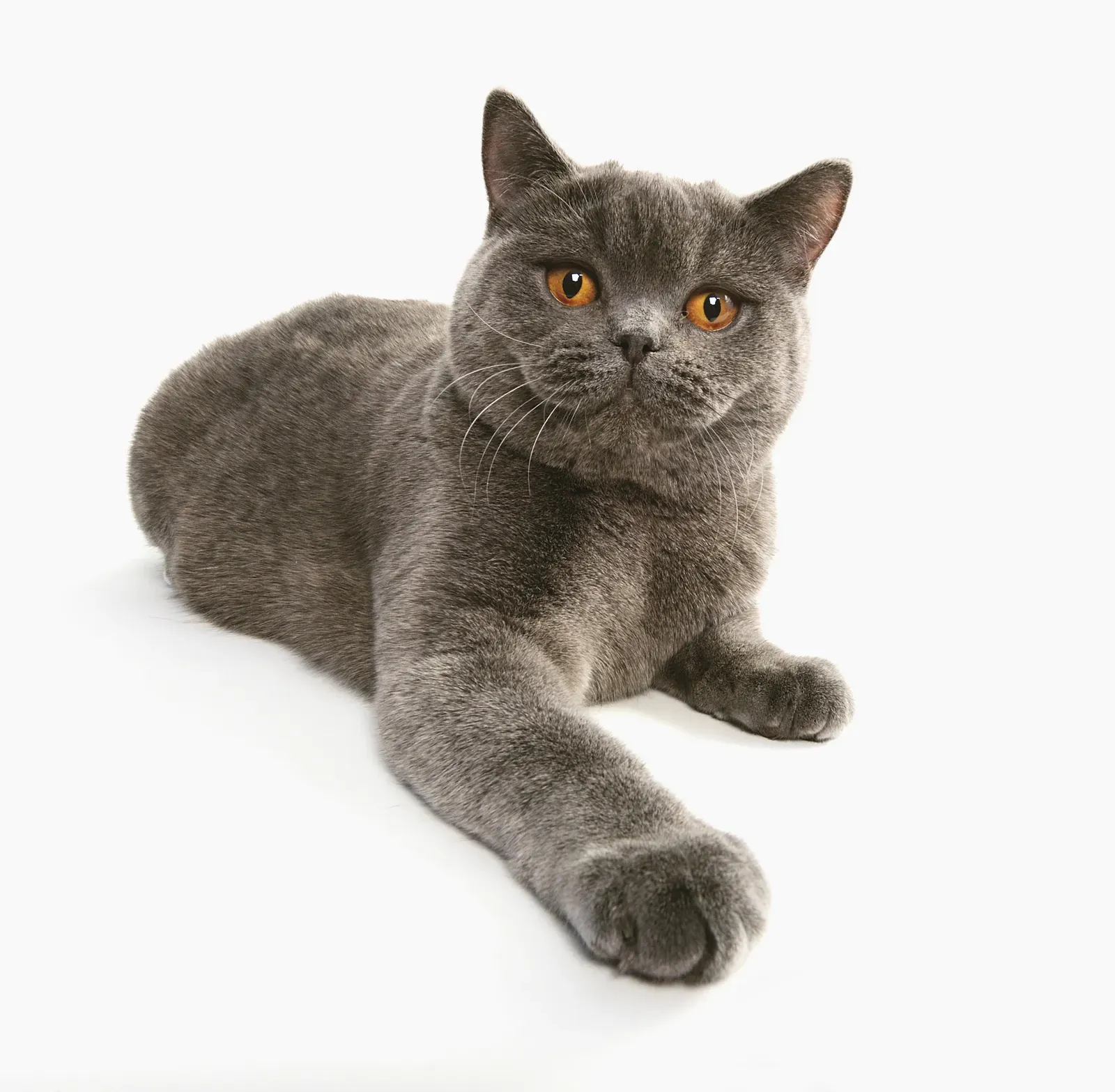
Independence in British Shorthairs shows up as confidence rather than distance, as they enjoy human company but prefer sitting beside you instead of on your lap, offering quiet companionship without constant demands. Their round faces and plush coats give them a teddy bear appearance, but their personality is wonderfully self-sufficient.
These cats are perfect for people who appreciate having a companion nearby without the need for constant physical contact. They form strong bonds with people who respect personal space, often following routines, observing calmly, and choosing closeness on their own terms rather than through clingy behavior. It’s hard to say for sure, but they seem to embody the ideal balance many cat lovers seek.
Understanding Your Cat’s Unique Needs
The fascinating part about cat personalities is that the heritability of studied behaviors was moderate, ranging from .40 to .53, indicating that approximately half of the variance in cats’ behaviors can be attributed to genetic variations in the population. Nature certainly plays a significant role, but nurture matters too. Each cat is an individual, even within these breed tendencies.
What really matters is matching your lifestyle and preferences with the right feline companion. If you work from home and crave constant companionship, breeds like the Sphynx or Burmese will thrive in your environment. Alternatively, if you appreciate a more independent companion who respects your space, Russian Blues or British Shorthairs might be your perfect match. Understanding these natural inclinations helps create a harmonious household where both you and your cat feel comfortable and content.
Did this change how you think about your own cat’s behavior? Whether your feline friend is a cuddle monster or a dignified observer, they’re showing love in their own authentic way. What personality type does your cat have?
Kristina is a young writer from India. An arts graduate and an avid content creator, Kristina is passionate about animals and wildlife. She enjoys exploring topics related to pet care, animal behavior, conservation, and nature, combining thorough research with engaging storytelling.