You love cats. Your apartment? Not so spacious. That tiny living room seems like it could work, right? Here’s the thing though. Not all cats are built for apartment life. Some breeds bring wild energy, constant vocalizations, or just way too much cat for those four walls.
Veterinarians see it all the time. Owners come in frustrated, neighbors complaining, furniture destroyed. The truth is certain breeds need room to roam, climb, and release their boundless energy. Let’s be real, cramming a high-octane feline into a studio can backfire in spectacular ways. So let’s dive into which breeds you might want to think twice about before signing that lease.
Bengal Cats
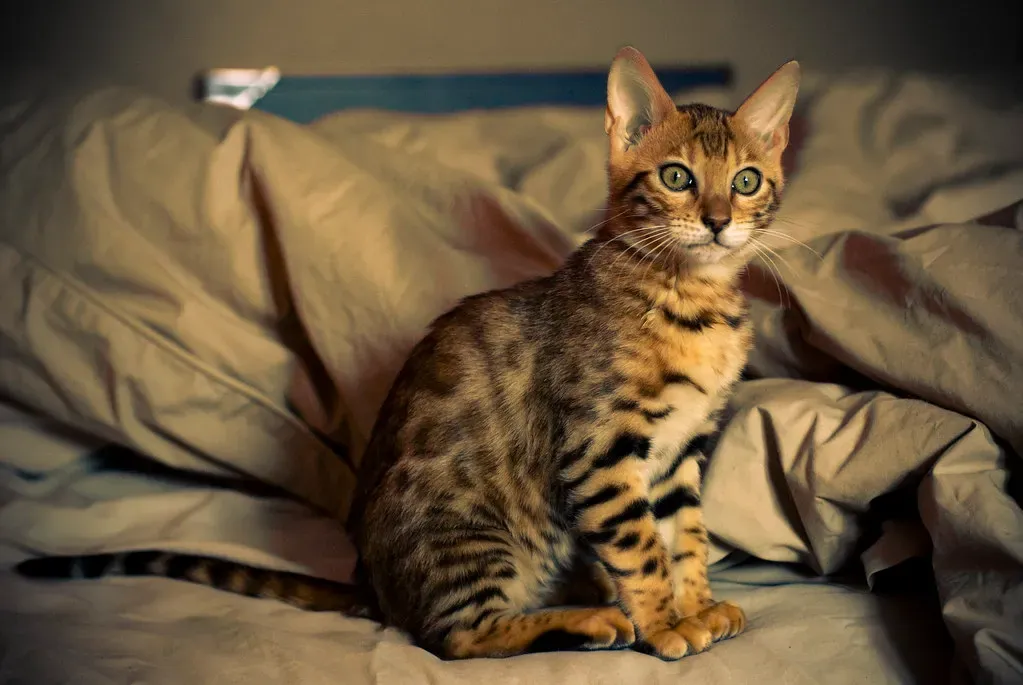
Imagine a small leopard pacing around your one-bedroom apartment. Bengals are known for their high energy levels and need for extensive activity, often displaying more aggressive tendencies than typical domestic cats. Their wild ancestry isn’t just for show.
Their wild ancestry manifests in behaviors that can be problematic in home environments, including territorial marking, destructive scratching, and difficulty with standard litter box training. Bengals combine wild leopard markings with domestic temperament, typically weighing 10-15 pounds of lean muscle and need extensive vertical space, puzzle feeders, and daily interactive sessions to prevent destructive behaviors. Without proper stimulation, you’re looking at shredded curtains and 3 a.m. zoomies that sound like a stampede. These cats demand attention and action constantly.
Siamese Cats
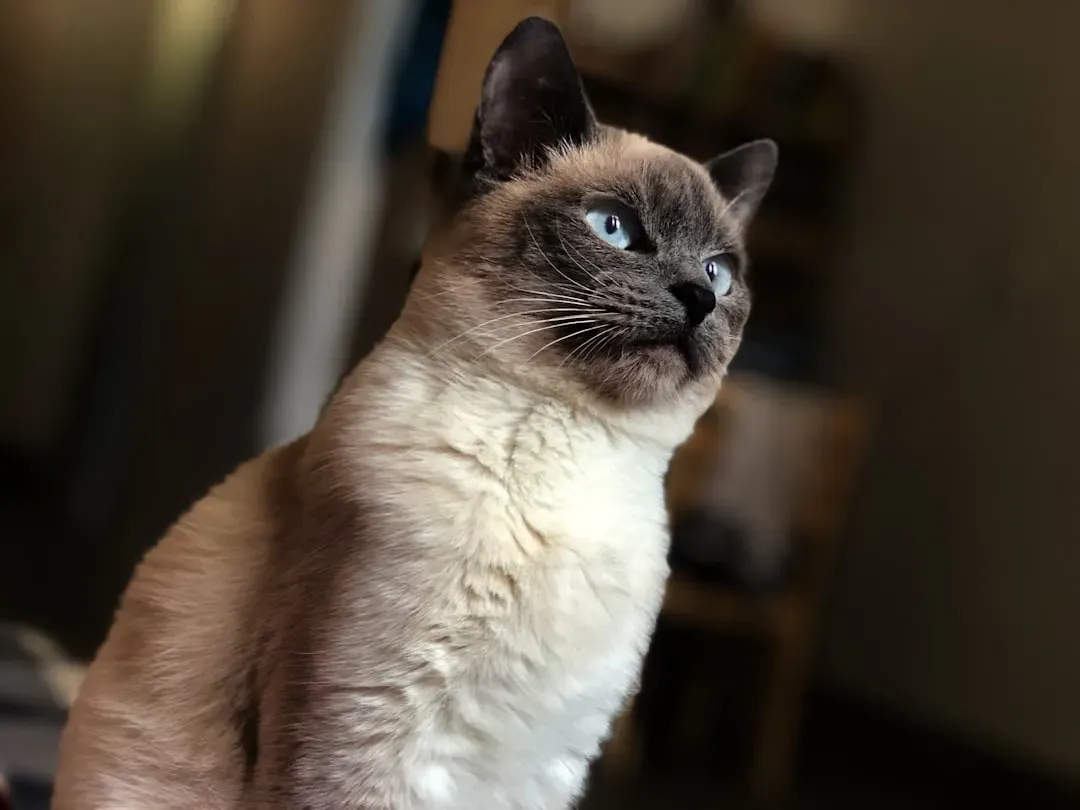
She is a talkative cat, thus a larger living area is ideal for her in order to reduce noise levels. Honestly, calling Siamese cats “talkative” is putting it mildly. They’re vocal in ways that will make your neighbors question your life choices.
Siamese and Bengals can be quite vocal, which might cause problems in an apartment block if the walls or floors are thin. Picture constant meowing, chirping, and commentary on everything you do. These vocal divas will serenade your neighbors at 3 AM. They crave interaction and won’t hesitate to demand it. Loudly. If you value peace and quiet, or have neighbors who do, this breed might spell trouble.
Savannah Cats

Savannah cats, resulting from crossing domestic cats with African Servals, can reach impressive weights of up to 25 pounds, their tall, lean build and exceptional athleticism set them apart from other breeds, and these cats require substantial space and enrichment activities to satisfy their high energy levels. We’re talking about a breed that’s part wild cat.
Their athletic build means they jump higher, run faster, and need way more room than your average tabby. Think cat wheels, elaborate climbing structures, and basically turning your apartment into a feline obstacle course. High-energy cats such as the Abyssinian or the Savannah will keep you on your toes from the moment they come home until long into their old age. Small spaces simply don’t cut it for these powerhouses.
Abyssinian Cats
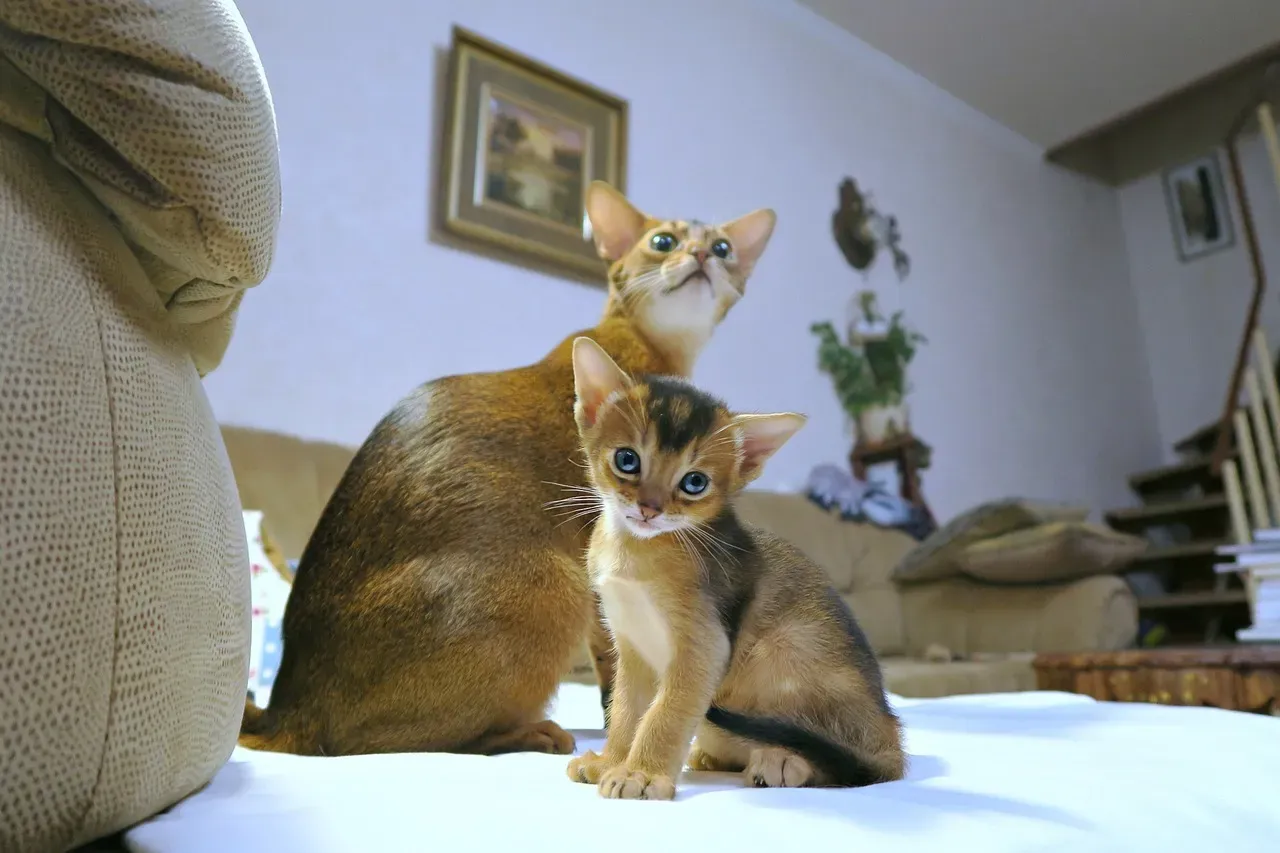
These breeds are hyperactive and will need tons of room to run around and play, and if your space doesn’t accommodate that, then they’re not the best choice. Abyssinians are bundles of perpetual motion wrapped in sleek fur.
Abyssinians are the “clowns of the cat world” and need room to climb and explore. Bengals, Abyssinians, Siberians, and Siamese are all a bit too energetic for smaller spaces. Their curiosity knows no bounds, and they’ll investigate every corner, shelf, and questionable hiding spot in your apartment. Without adequate space and enrichment, boredom sets in fast, leading to destructive behaviors that’ll leave you wishing you’d chosen differently.
Maine Coon Cats
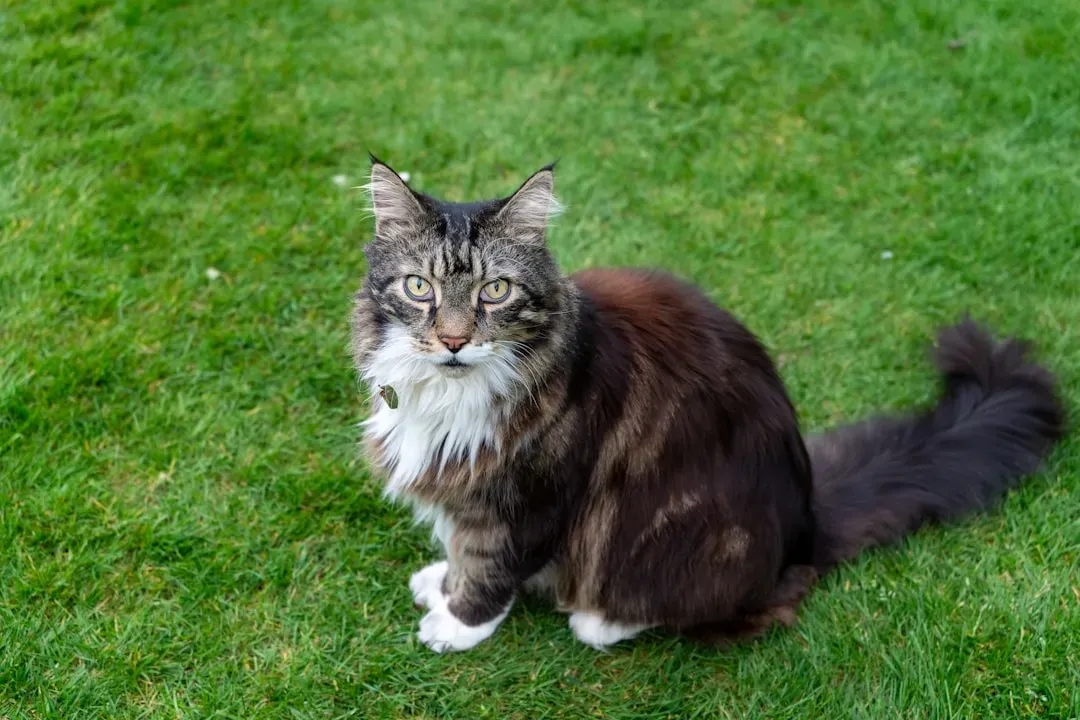
Sure, they’re gentle giants with amazing personalities. However, size matters when you’re dealing with limited square footage. Maine Coons reign supreme among large domestic cats, with males weighing up to 18-22 pounds and reaching lengths of up to 38 inches, and these magnificent cats hold multiple size records, including the longest domestic cat ever recorded at 48.5 inches.
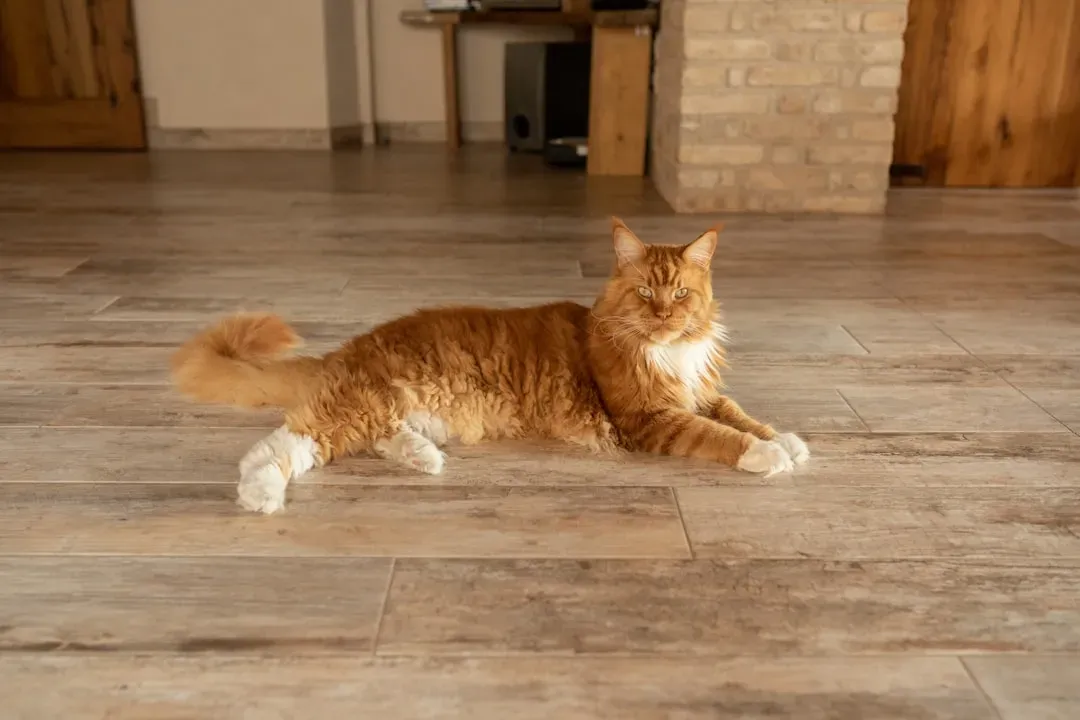
Larger felines such as the Maine Coon will need more square feet than the smaller Devon Rex. Larger breeds like Maine Coons need more room to stretch and move comfortably. While they adapt to apartment living better than some breeds, cramming a cat the size of a toddler into a tiny space feels unfair. They need sturdy furniture, oversized litter boxes, and room to sprawl.
Sphynx Cats
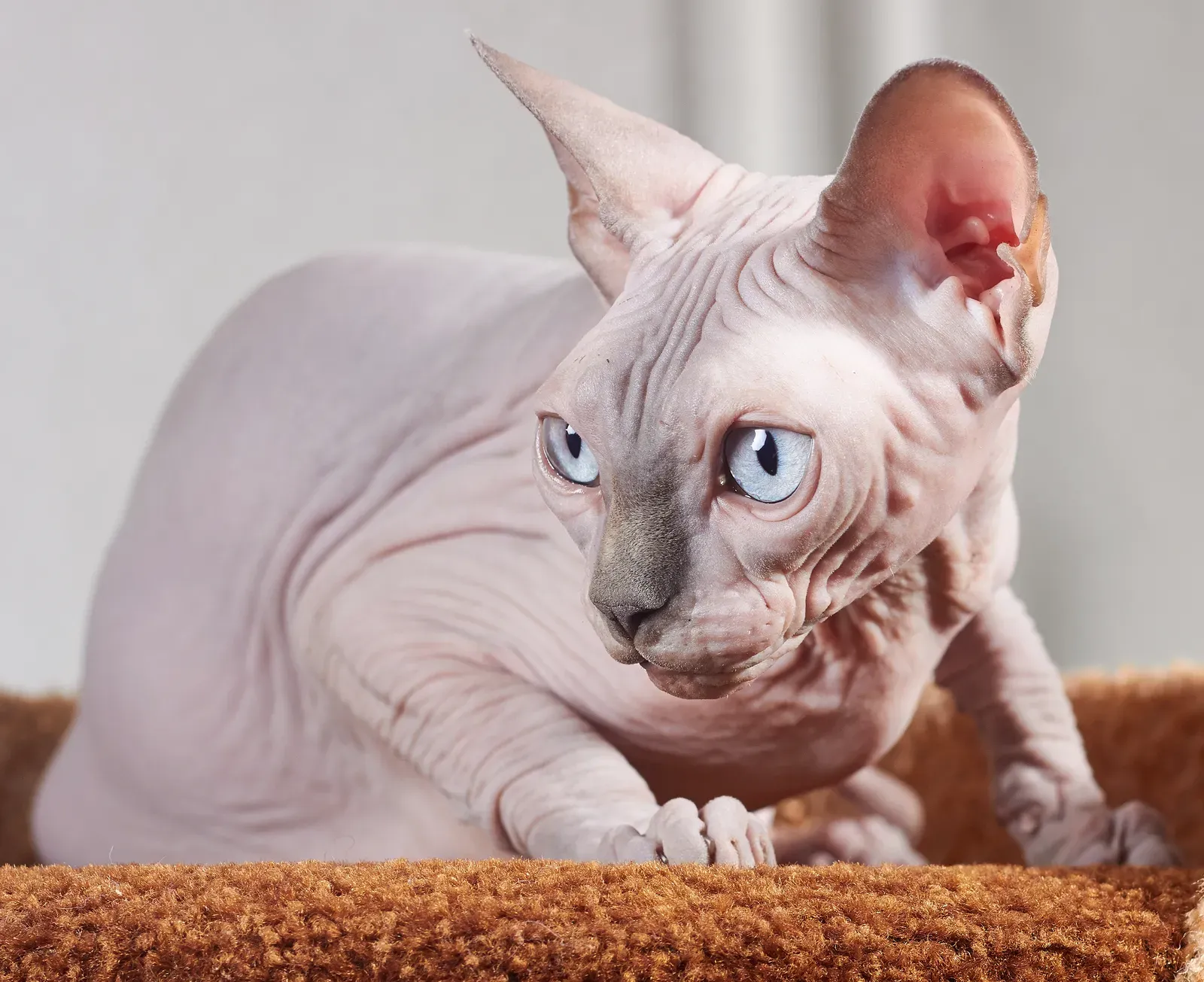
Wait, hairless cats on this list? Yep. What they lack in fur, they make up in personality, and these kitties are small and have high energy levels, so they’ll need an abode that allows them to leap and climb without too much restraint. Sphynx cats are surprisingly demanding.
Temperature control becomes crucial for apartment cats, especially hairless breeds like Sphynx cats that cannot regulate body temperature outdoors. They need constant warmth, attention, and stimulation. Their playful, acrobatic nature means they’re bouncing off walls (literally) and demanding interactive play. If your apartment lacks climbing structures and cozy heated spots, your Sphynx won’t be happy.
Norwegian Forest Cats
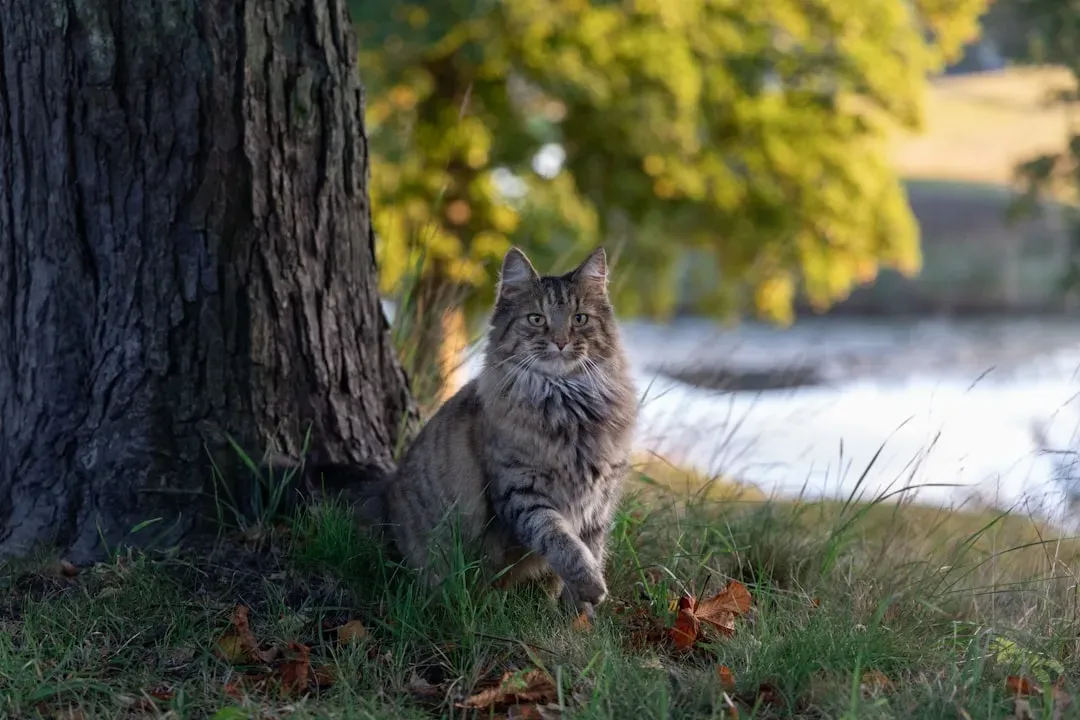
These majestic fluffballs were bred to survive Scandinavian winters, not studio apartments. These robust breeds showcase nature’s adaptation to harsh climates with their thick, multi-layered coats, and Norwegian Forest Cats typically weigh 12-16 pounds. They’re built for exploring forests, not navigating your coffee table.
Their size, energy, and thick coat mean they need space to move and proper grooming areas. The necessity for adequate space, appropriate nutrition, and consistent grooming has been underscored as vital components of their care. Add in their climbing instincts, and you’ll need tall cat trees and vertical spaces that many apartments just can’t accommodate properly.
Siberian Cats
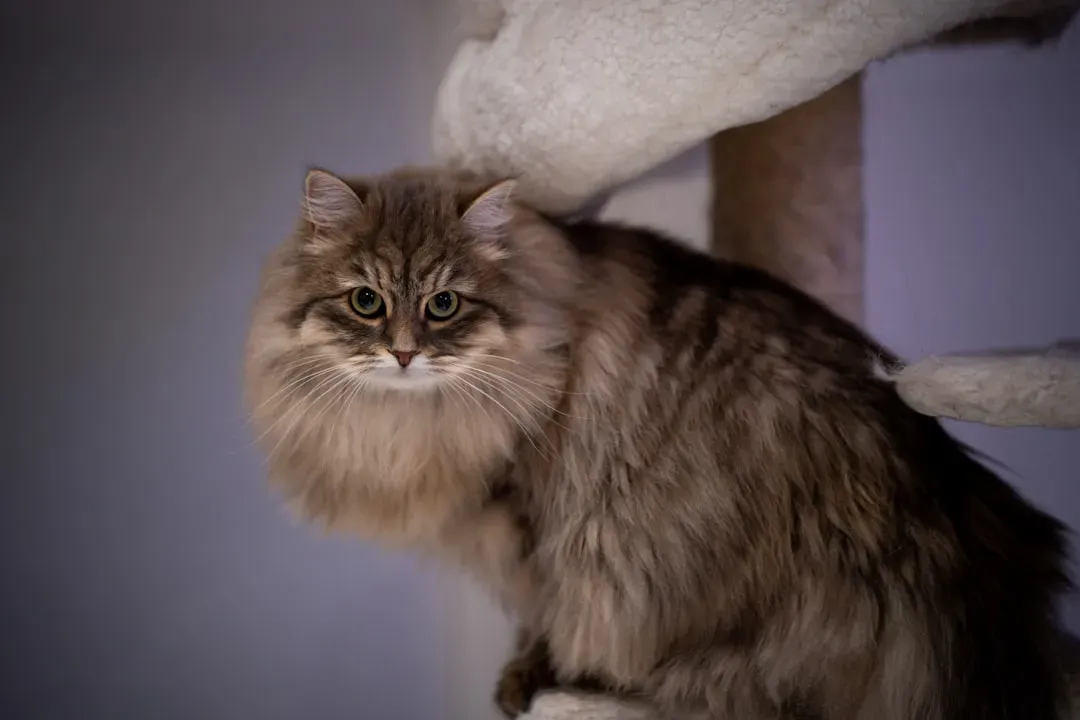
Siberians produce lower levels of the Fel d 1 protein, making them more tolerable for many allergy sufferers, and these 15-20 pound cats mature slowly over 5 years, developing their full muscular frame and luxurious coat gradually. Like their Norwegian cousins, Siberians are large, active cats.
Their playful, dog-like personality means they’ll fetch toys and follow family members around the house. Bengals, Abyssinians, Siberians, and Siamese are all a bit too energetic for smaller spaces. They’re social, playful, and need regular interaction plus room for their impressive frames. Apartments often lack the vertical and horizontal space these cats crave for optimal happiness.
Scottish Fold Cats
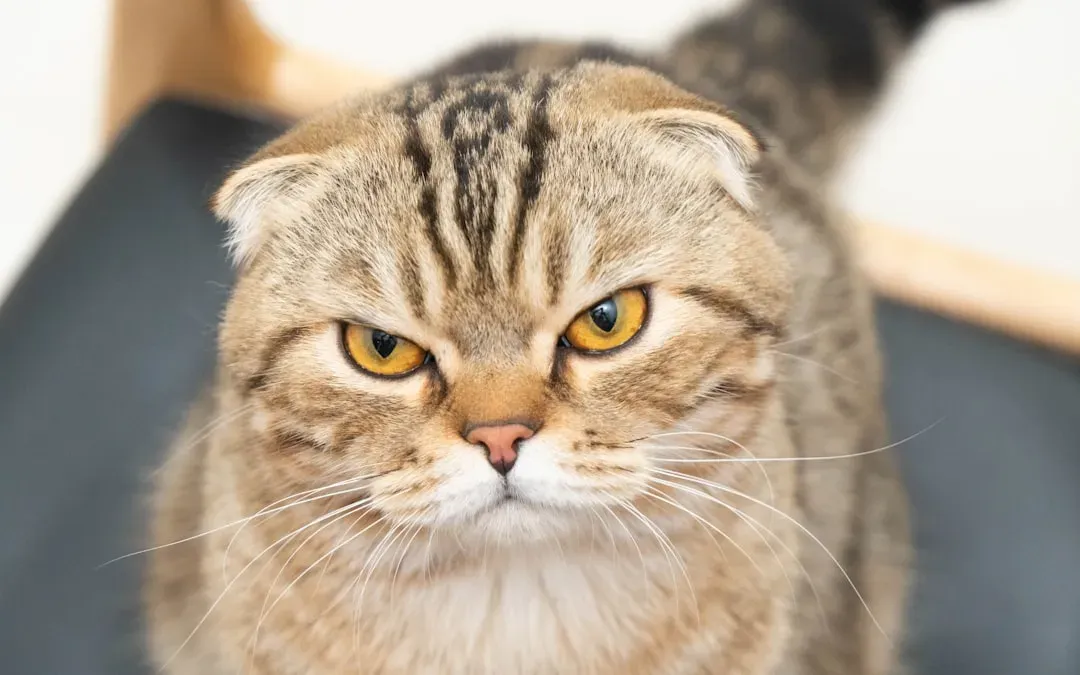
Those adorable folded ears come with complications beyond just space issues. This veterinarian considers them among the most problematic breeds due to the genetic condition responsible for their signature ear fold, which causes severe joint problems throughout their lives, as the genetic trait that creates the folded ears is osteochondrodysplasia, a cartilage and bone development disorder that affects not only the ears but joints throughout the entire body, leading to progressive, painful arthritis.
While they might seem calm enough for apartment living, their health needs create challenges. They require special accommodations for joint pain and mobility issues. I know it sounds crazy, but choosing a breed prone to physical discomfort in confined spaces where they can’t move freely seems particularly problematic from a welfare perspective.
Persian Cats
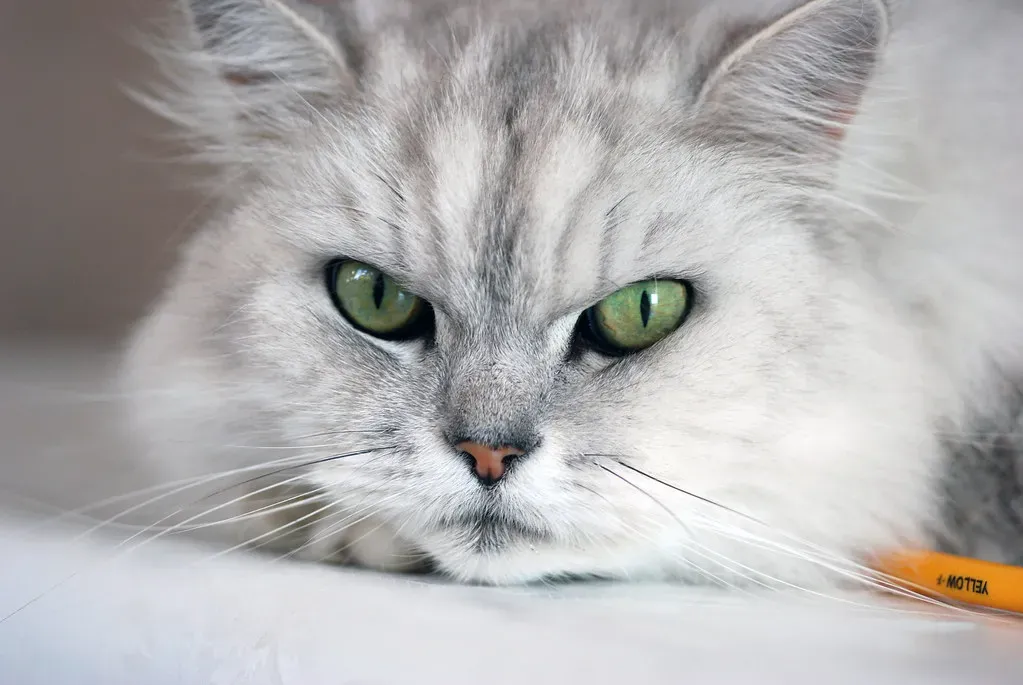
Hold on, aren’t Persians supposed to be perfect apartment cats? Not always. This veterinarian strongly advises against purchasing Persian cats due to the serious health issues caused by extreme brachycephalic breeding practices that prioritize aesthetic appeal over feline well-being, as the characteristic flat face leads to brachycephalic airway syndrome, causing chronic breathing difficulties, and these cats often struggle with normal activities like eating, drinking, and sleeping.
The facial structure abnormalities also contribute to persistent eye drainage issues, with many Persians suffering from chronic tear staining and increased risk of eye infections. Yes, they’re low energy and love lounging. Yet their health complications demand constant veterinary attention, specialized care, and vigilant monitoring. Apartment living compounds these issues when proper ventilation and temperature control aren’t optimal. Some vets suggest avoiding breeds with such severe health burdens altogether.
Conclusion
Choosing the right cat for apartment living isn’t just about picking the cutest face at the shelter. It’s about matching energy levels, space requirements, and care needs with what you can realistically provide. High-energy breeds like Bengals may struggle without extensive enrichment and play opportunities. The breeds we’ve covered need more than most apartments offer.
Remember, every cat deserves a home where they can thrive, not just survive. If you’re set on apartment living, consider calmer, smaller breeds better suited to cozy spaces. Your furniture, your neighbors, and most importantly, your future feline friend will thank you. What’s your take on cats in apartments? Have you had experience with any of these breeds in small spaces?
Kristina is a young writer from India. An arts graduate and an avid content creator, Kristina is passionate about animals and wildlife. She enjoys exploring topics related to pet care, animal behavior, conservation, and nature, combining thorough research with engaging storytelling.