You love your cat. You’ve mastered the art of the perfect head scratch, stocked up on their favorite treats, and probably spent more money on cat toys than you’d like to admit. Yet despite all this care, there’s one crucial area where you might be unknowingly causing your feline friend serious stress.
Your home is filled with noises that seem perfectly normal to you. The blender whirring in the morning, the vacuum doing its weekly rounds, even your own voice during an animated phone call. To your cat, however, these everyday sounds can feel like alarm bells. Cats hear over a range of about 10.5 octaves and their hearing extends far beyond ours, up to 85,000 Hz compared to a human’s 20,000 Hz. This means what barely registers as background noise to you might be causing genuine anxiety for your pet. Let’s explore which common household sounds are secretly stressing out your cat and what you can do about it.
The Vacuum Cleaner’s Terrifying Roar

The vacuum cleaner tops the list of household sounds that terrify most cats, producing loud, unpredictable noise often exceeding 70 decibels, high-frequency sounds that fall within cats’ sensitive hearing range, and strong vibrations that cats can feel through the floor. It’s not just about volume, either. Think about it from your cat’s perspective: this enormous machine suddenly appears, makes an ungodly racket, and seems to chase them from room to room.
The movement of the vacuum may trigger predatory fears, as it appears to chase the cat from their perspective, with typical feline responses including dilated pupils, flattened ears, puffed tails, and rapid retreat to hiding places. Some cats even develop anticipatory anxiety, bolting the moment they see you pull the vacuum from the closet, before you’ve even plugged it in. Your cat isn’t being dramatic; they’re genuinely frightened by what they perceive as a loud, unpredictable threat invading their safe territory.
Your Blender and Coffee Grinder’s High-Pitched Assault
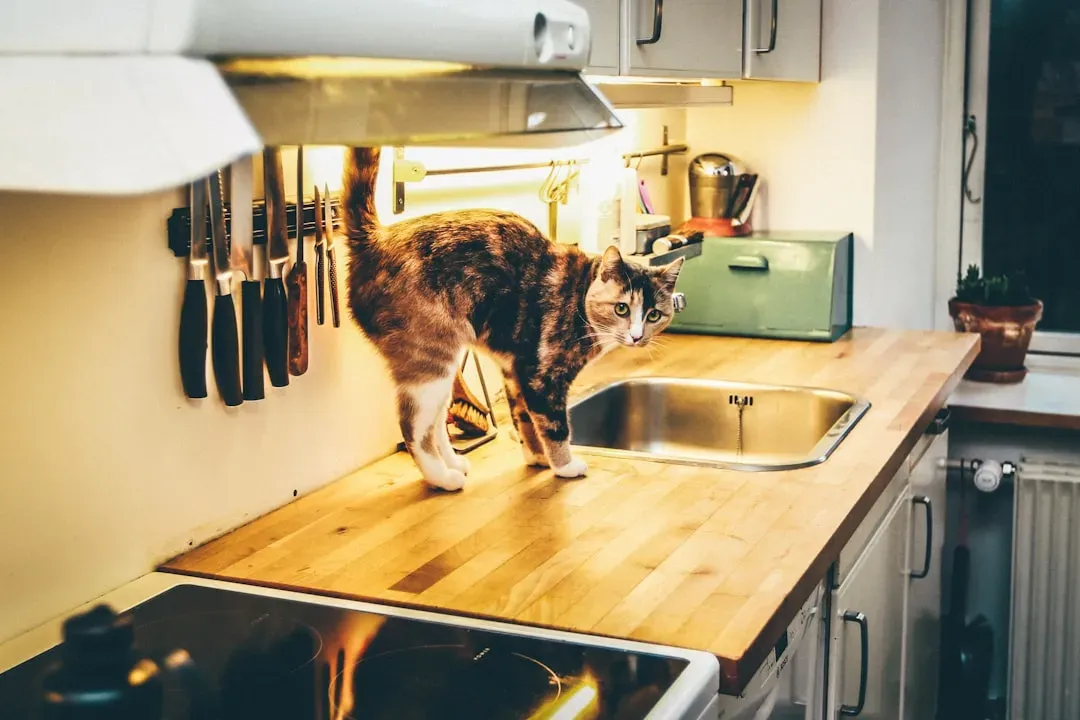
That morning smoothie or fresh cup of coffee might be essential to your daily routine, but to your cat, it’s pure torture. Mechanical whining noises from things like refrigerators, air conditioners, fans, and vacuum cleaners may be especially annoying because cats can hear at the ultrasonic level. Blenders and coffee grinders produce particularly jarring high-frequency sounds that pierce right through your cat’s sensitive ears.
Here’s the thing: you probably don’t even register how loud these appliances actually are because you’re focused on making breakfast. Your cat, however, has no context for why this terrible noise is happening. High-frequency sounds such as whistling tea kettles and even the sound of our voices can cause anxiety. The unpredictability makes it worse. One minute the house is peaceful, the next there’s a screaming appliance on the counter. To your cat, it might as well be an air raid siren.
Doorbells and Door Slams That Signal Chaos
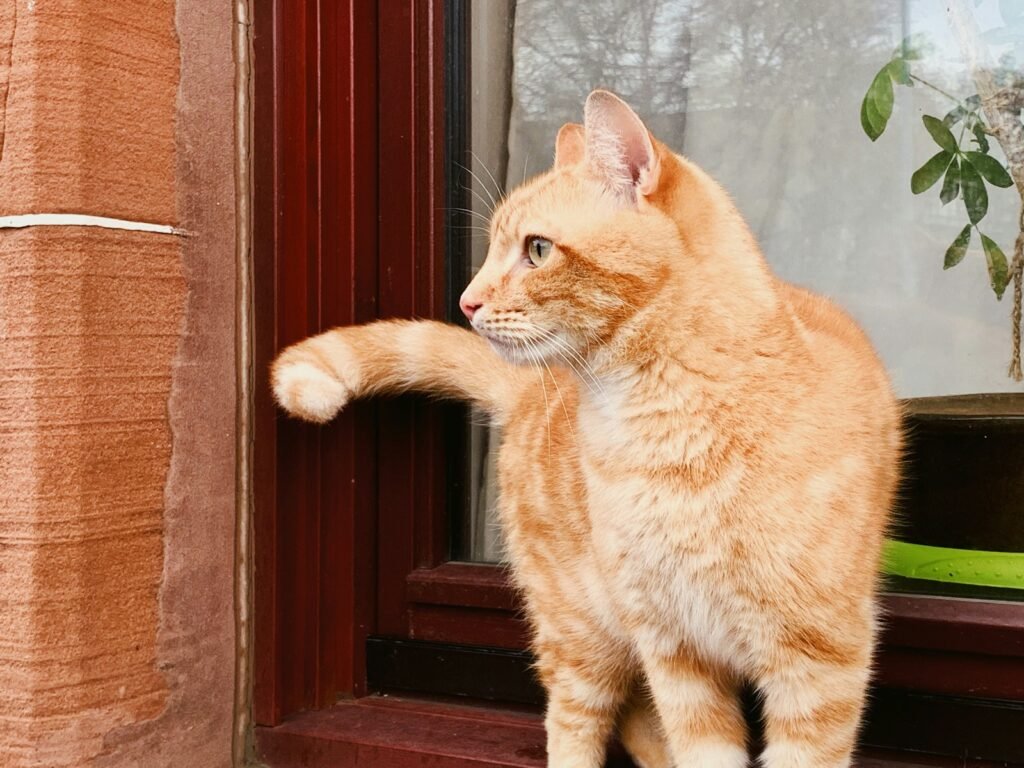
A doorbell is the ultimate intruder alert for a cat, signaling disruption, strangers, and possibly danger entering their territory. Every time that bell rings, your cat’s stress hormones spike. They don’t understand that it’s just your neighbor dropping off a package or a friend coming over for dinner. All they know is that their peaceful domain is about to be invaded.
Door slams are equally problematic. A slamming door sends vibrations through the floor and walls that signal approaching danger, and the sudden slam can send vibrations through the whole house, startling a cat into hiding. Even if you’re just closing a door normally, the sound can be jarring to sensitive feline ears. I know it sounds like we should all be tiptoeing around our homes, but honestly, being mindful of these sudden noises can make a real difference to your cat’s stress levels.
Your Television and Speakers’ Unexpected Explosions
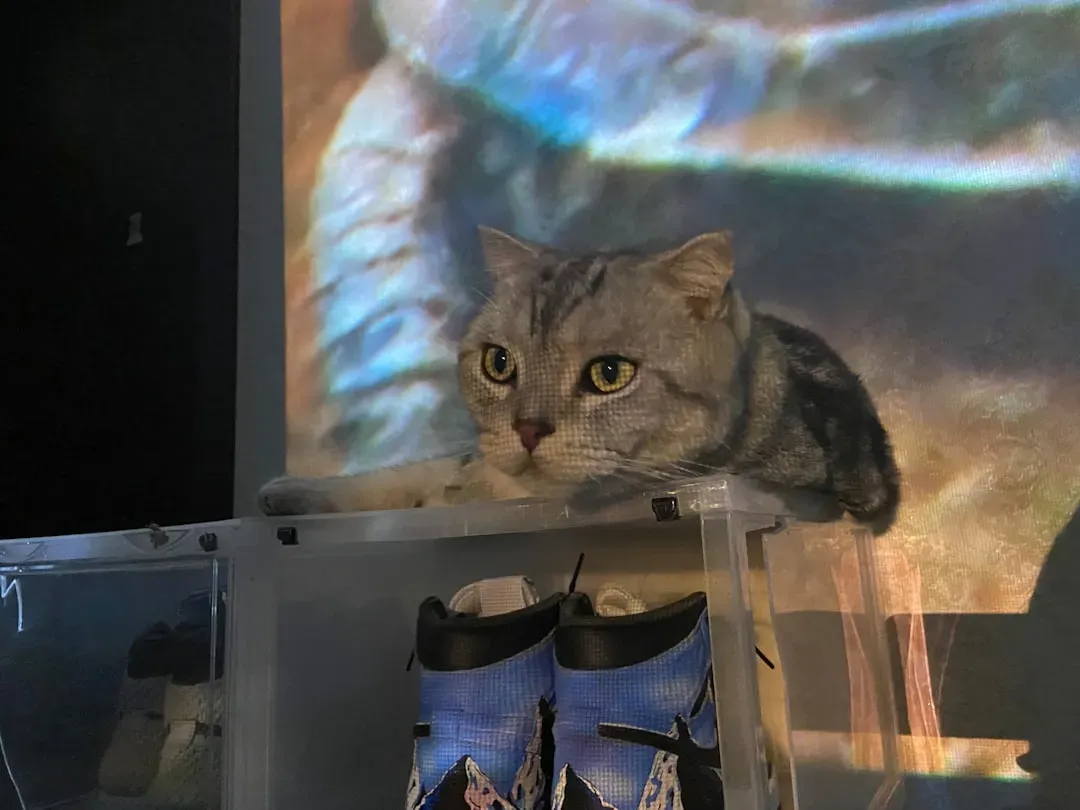
You’re settling in for movie night, popcorn ready, volume cranked up for that cinematic experience. Your cat, meanwhile, is experiencing something closer to psychological warfare. Higher pitches in loud music can sound like distress calls, with pounding bass or shrieking guitars overlapping with distress calls cats use among themselves, while the thumping vibrations unsettle them. Action movies with their explosions, gunfire, and dramatic sound effects can be particularly stressful.
Even your regular TV volume might be too much. What seems like a comfortable listening level to you could be overwhelming to your cat’s more sensitive hearing. Let’s be real: you’ve probably noticed your cat leaving the room when you turn on certain shows or music. They’re not being antisocial; they’re protecting their ears. The worst part is that these sounds are unpredictable. Your cat can’t anticipate when the next explosion will happen in your action thriller.
Kitchen Appliances That Create Chaos
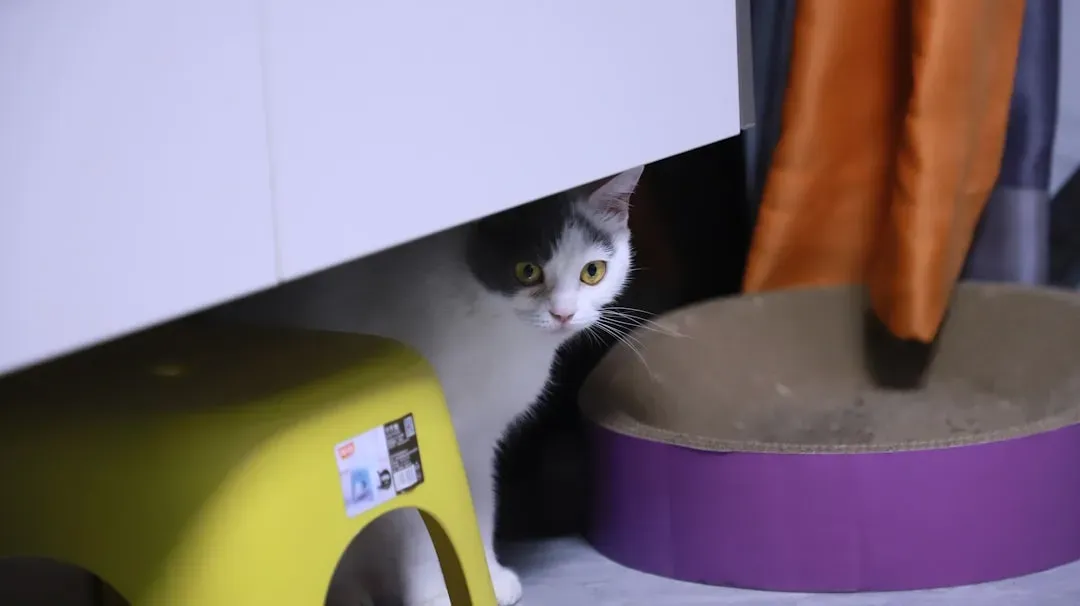
Your kitchen is probably a minefield of stressful sounds for your cat. The microwave’s beep, the tea kettle’s whistle, the dishwasher’s hum, the oven timer’s alarm. Microwave timers, smoke detectors, and phone alarms produce sharp, repetitive beeps that are prime examples of high-frequency sounds cats hate, with piercing beeps feeling overwhelming to a cat’s sensitive ears. Each of these sounds triggers your cat’s startle response.
The tea kettle deserves special mention here. That high-pitched whistle it makes when water boils? It’s basically designed to be heard from other rooms, which means it’s incredibly loud and piercing. Phone ringtones often contain high-frequency tones that are uncomfortable for cats, and whistles often produce frequencies that are extremely irritating or distressing for cats, which is why many react immediately by fleeing or hiding. Every time you make tea, you’re unintentionally subjecting your cat to a sound that makes them want to flee. Honestly, it’s worth considering quieter alternatives or at least warning your cat before kettle time.
Your Own Voice When You Get Excited

This one might surprise you, but yes, even your voice can stress out your cat. Cats are very attuned to shifts in human tone of voice, and shouting or raised voices can signal danger or conflict, which may cause stress, hiding, or changes in your pet’s behavior. When you’re on the phone having an animated conversation, or cheering at a sports game, or even just calling to someone in another room, your cat might interpret this as a threat.
High-frequency sounds such as whistling tea kettles and even the sound of our voices can cause anxiety. It’s hard to say for sure, but cats seem particularly sensitive to sudden changes in vocal tone and volume. Your normal speaking voice is fine, but when you get excited or upset and your voice rises in pitch and volume, that’s when problems start. Your cat can’t understand that you’re just excited about your favorite team scoring or laughing at a joke. They just hear loud, unpredictable human noises and wonder what’s wrong.
Construction Sounds and Home Repairs

Nothing strikes fear into a cat’s heart quite like home improvement day. Hammering, drilling, or other heavy construction sounds are unfamiliar and jarring to most cats. These are some of the worst sounds your cat can experience because they’re not only loud and high-frequency, but they’re also prolonged and unpredictable.
Long-term exposure to noisy environments can cause a feline to suffer from chronic stress, and when cats are exposed to loud, unpredictable noises over and over, it can cause long-term anxiety as their bodies release stress hormones that keep them on high alert, leading to changes in appetite, sleep, and behavior. If you’re doing renovations, your cat is essentially living in a stress zone for days or even weeks. The drilling, sawing, hammering, and general chaos of construction can push even the most laid-back cat into hiding. This isn’t just momentary fear; it’s ongoing stress that can actually affect their health.
Conclusion
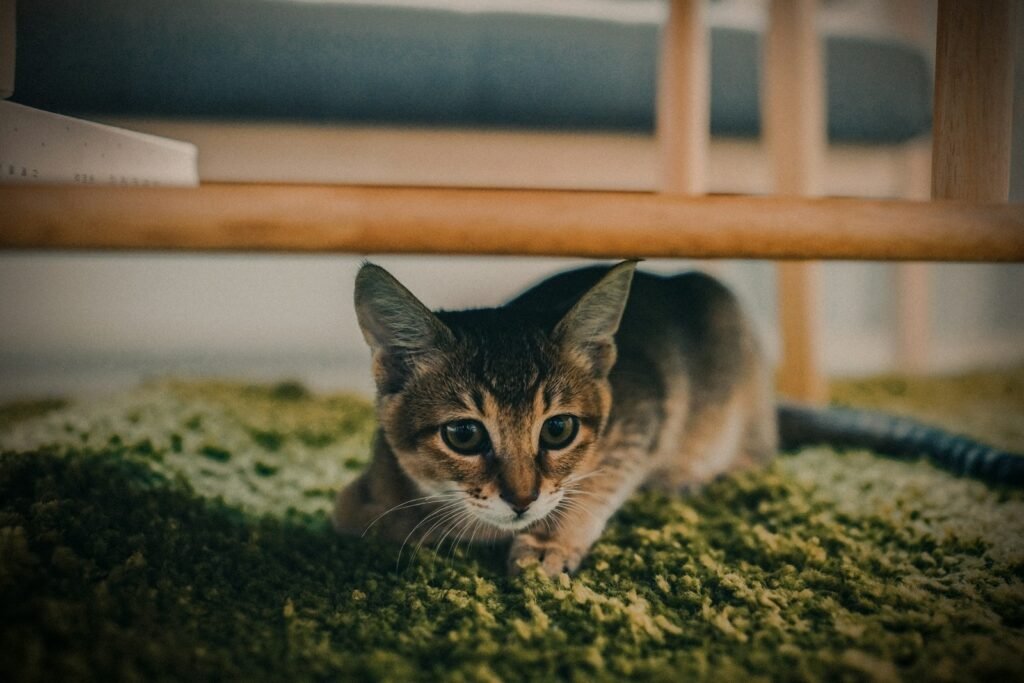
The sounds that fill your daily life create an entirely different auditory experience for your cat. Understanding which noises stress out your feline companion is important because repeated exposure to distressing sounds can lead to cat anxiety, behavioral issues, and even health problems. You don’t have to live in complete silence or give up your vacuum cleaner, but being aware of these stress triggers helps you make better choices for your cat’s wellbeing.
Simple adjustments can make a world of difference. Give your cat safe spaces to retreat to when you’re using loud appliances, gradually introduce them to household sounds with positive reinforcement, and maybe just turn down the TV volume a notch or two. Your cat can’t tell you when something’s bothering them with words, but their behavior speaks volumes. Pay attention to when they hide, when their ears go back, when they suddenly bolt from the room. Those are all signs that something in your home environment is causing them stress. What household sound does your cat hate most? Share your experiences in the comments below!
Kristina is a young writer from India. An arts graduate and an avid content creator, Kristina is passionate about animals and wildlife. She enjoys exploring topics related to pet care, animal behavior, conservation, and nature, combining thorough research with engaging storytelling.