You love your cat, right? You make sure they’ve got food, water, a comfy place to snooze, and maybe even splurge on the fancy treats from time to time. That’s being a responsible cat parent, no doubt. Still, there’s this nagging feeling that sometimes your feline friend seems a bit off, perhaps a little anxious or just not quite as content as you’d like them to be.
Here’s the thing. Your cat’s happiness goes way beyond just filling their food bowl or buying them another feathery toy. The very environment you create in your home plays a surprisingly huge role in how your furry companion feels day in and day out. From the placement of their litter box to the sounds humming through your rooms, these details matter more than most people realize. Let’s dive in and explore exactly how your living space might be affecting your cat’s mood and well-being.
The Surprising Power of Litter Box Location
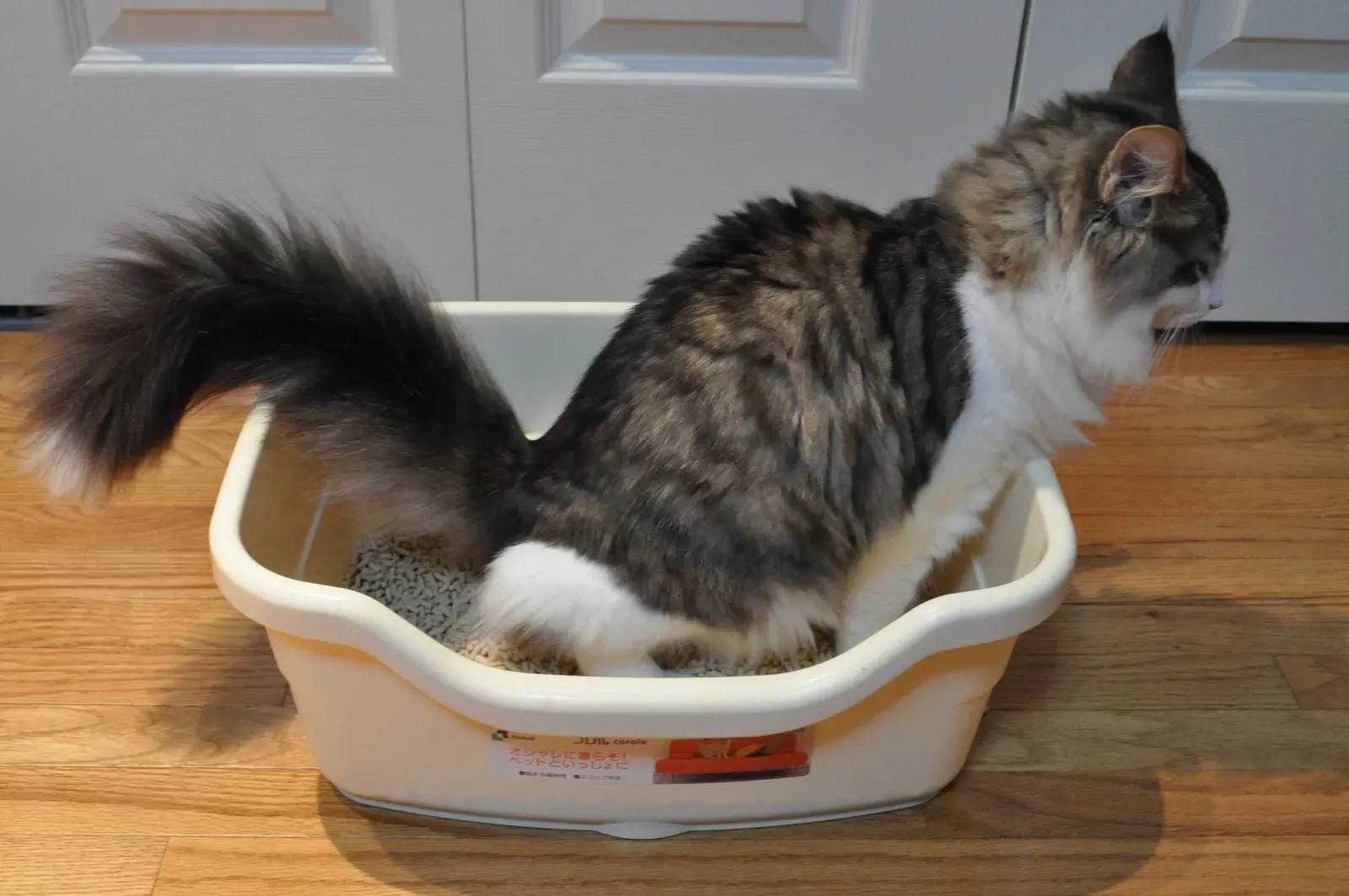
Your cat wants his litter box in a quiet, private place, but situated in such a way that he won’t feel trapped or “boxed in” if he wants to get out of the way of another pet or family member. Think about it. Would you want to use the bathroom right next to a blaring washing machine or in the middle of a busy hallway?
Cats prefer to use their litter box in a quiet and private location where they won’t be disturbed. Placing that box near noisy appliances like dryers or in high traffic zones can genuinely stress your cat out. Try to locate the litter boxes away from the furnace or water softener, which can produce noises at unpredictable times, and in addition to being an auditory stressor, can have the potential to lead to litter box aversion.
Worse yet, he doesn’t want the box right next to his food or water dishes. Cats are naturally clean creatures and mixing their dining area with their bathroom is basically a dealbreaker. If your cat suddenly starts avoiding their litter box, take a hard look at where it’s positioned. Sometimes the simplest fix is just moving it to a calmer, more secluded corner.
Vertical Space Isn’t Just a Trend
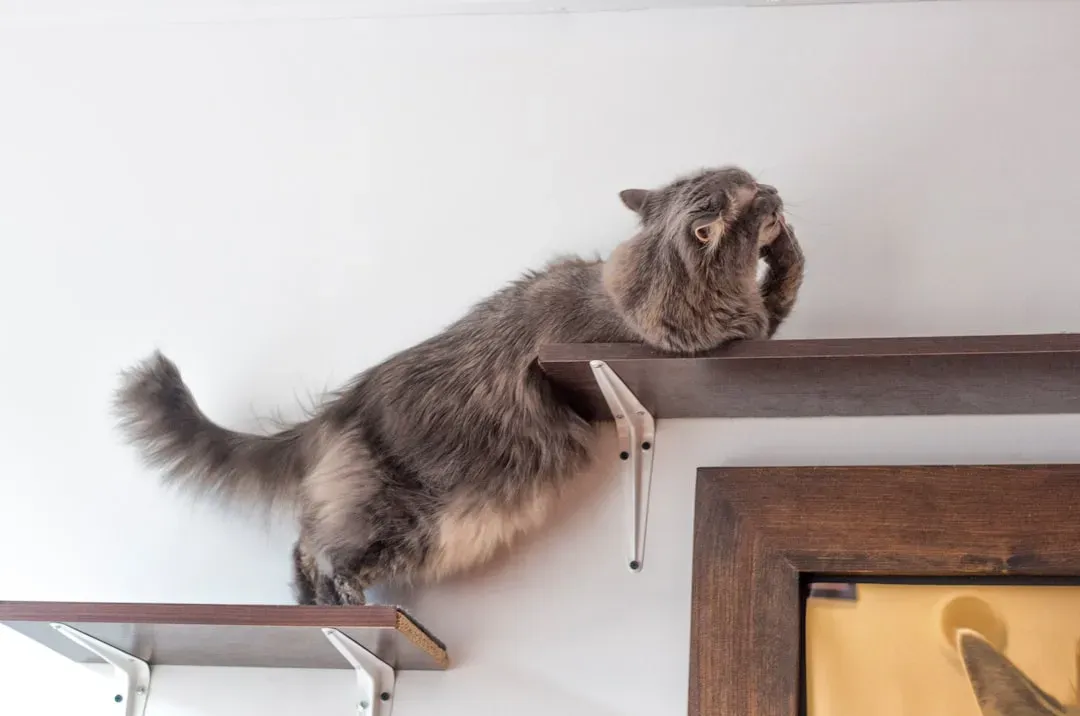
Your cat isn’t just being dramatic when they perch on top of the refrigerator or bookshelf. Because of their heritage as both a predator and a prey species, domestic cats naturally climb for observation and safety. That high vantage point makes them feel secure and in control of their territory.
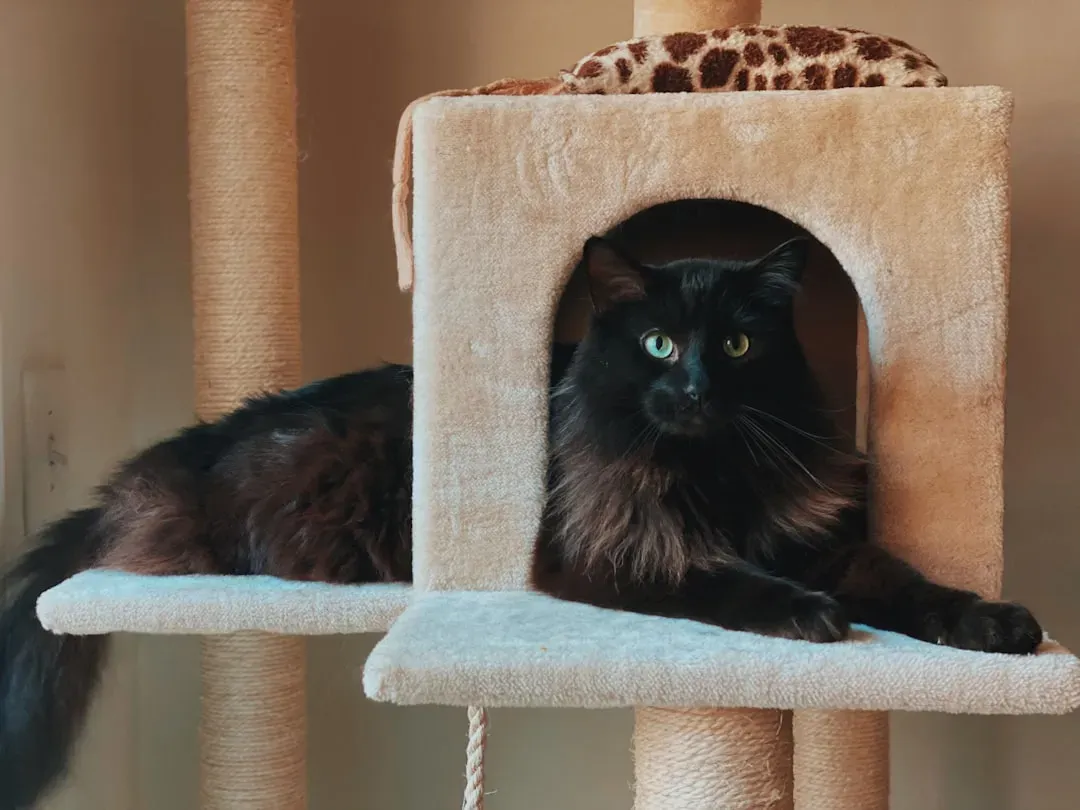
Cats also need perching options throughout the household that offer vantage points that are safe from people and other animals. Without these elevated spots, your cat might feel vulnerable or anxious, especially in multi-pet households. Cats love to climb and observe their surroundings from a height.
Investing in cat trees or installing a few wall shelves doesn’t have to break the bank. Even simple additions like a cleared bookshelf ledge or a window perch can work wonders. Your cat will thank you by acting calmer and more confident. Vertical territory truly expands their world without taking up much floor space at all.
Those Invisible Sounds Are Driving Your Cat Crazy
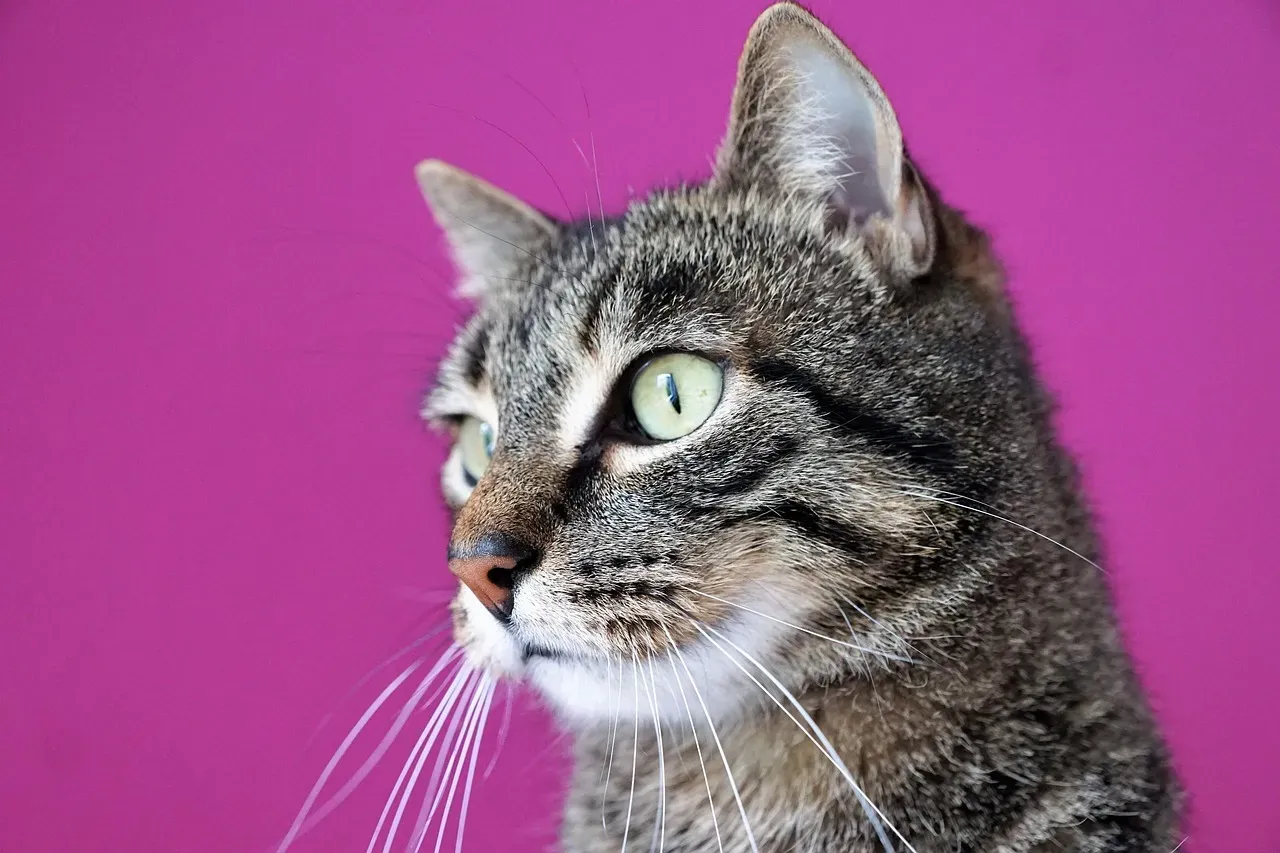
Let’s be real. Your house is probably full of electronic gadgets humming away, and you don’t even notice them anymore. Your cat, though? Cats are sensitive to frequencies all the way up to 64,000 Hz. That means they can hear tons of stuff you can’t, and it’s not always pleasant for them.
Cats can hear ambient sounds like fluorescent light bulbs, video computer monitors, dimmers on light switches, and whistling tea kettles. These high-pitched noises can cause chronic irritation and stress. A smart home that sounds silent to a human could sound to a household pet like a whistling, whirring, cymbal-crashing carnival ride.
Try turning off electronics when they’re not in use, especially at night. Create a safe soundscape room or area where your dog or cat can get away from household noises into a quiet and soothing environment. Honestly, giving your cat access to a tech-free zone might be one of the easiest ways to boost their comfort level dramatically.
Artificial Lighting Messes With Their Internal Clock
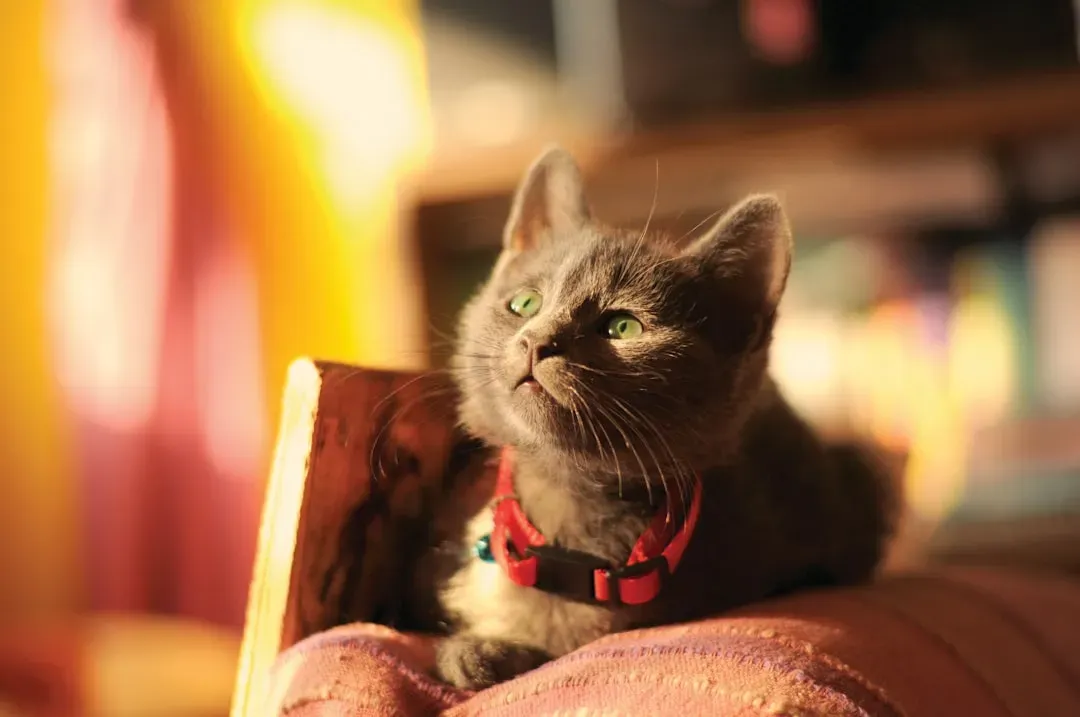
You might keep the lights on late into the night while binge-watching your favorite show, but your cat’s body is still wired for a more natural rhythm. All light bulbs, laptops, computers, cell phones, and TV screens emit blue light which halts nighttime melatonin production.
Less melatonin means poor sleep quality and weaker physical fitness. Over time, this disruption can lead to health problems. Messed up circadian rhythm could bring higher cancer or other illness risks to cats. That’s a pretty serious consequence for something as simple as leaving too many bright lights on.
Consider dimming the lights in the evening or using lamps instead of overhead fixtures. Floor lamps, desk lamps, and bedside lamps are a good supplement to the dome light and have a calming effect as partial lighting. Your cat will sleep better, and honestly, you probably will too.
Hiding Spots Are a Necessity, Not a Luxury
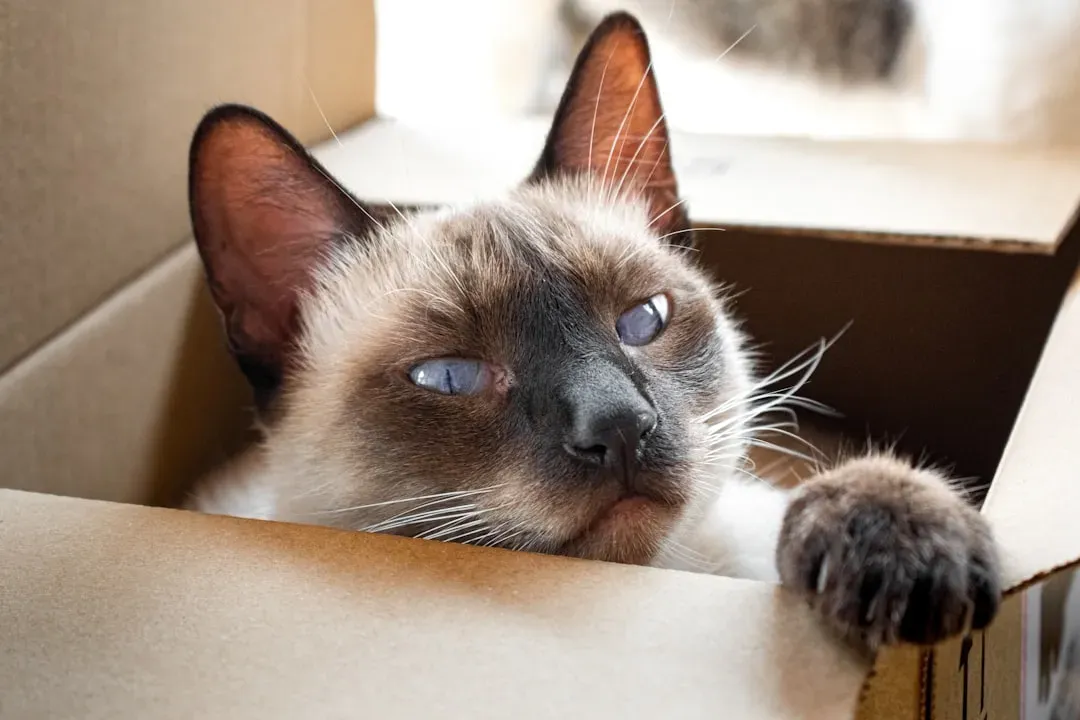
Having a safe space to hide is more than mere luxury and is instead a basic, vital need. Your cat needs somewhere to retreat when they’re feeling overwhelmed, scared, or just want some alone time. It’s hard to say for sure, but denying them this can lead to anxiety and behavioral issues.
A safe space ideally offers cozy quarters just large enough for the cat to comfortably fit their body in and turn around. It may be a cube-, dome-, or tentlike bed, a covered cat condo, or an accessible cardboard box. Even a simple cardboard box can become your cat’s personal sanctuary.
Interestingly, cats spent the most time in the compartment with the hiding box when given a choice between various enrichment options. That should tell you something. Make sure your home has multiple hiding options scattered around so your cat always has an escape route when they need it.
Scent Overload Is Real for Cats
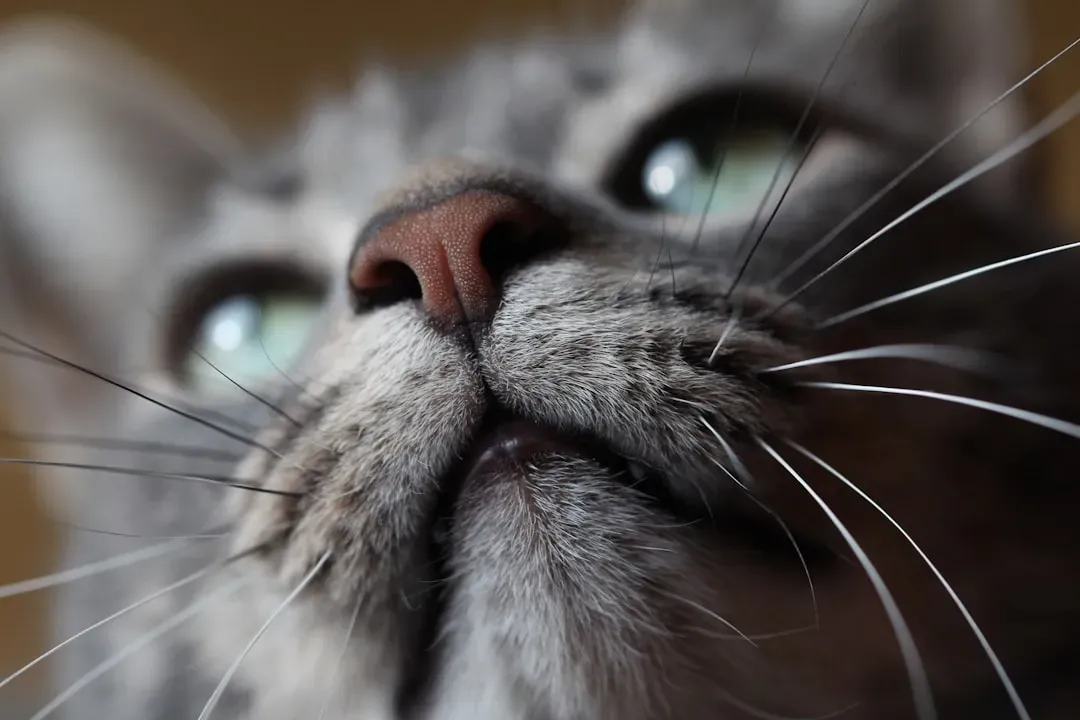
A cat’s sense of smell is roughly 14 times that of a human. That peppermint air freshener you love? It might be completely overwhelming for your feline friend. Strong scents, whether from cleaning products, perfumes, or scented candles, can genuinely stress out your cat.
Another aspect of feline life that we may not always be aware of, but that’s core to how cats interpret their world, is adjusting the cat’s living environment in a manner that takes into account their sensitivity to smell. You can actually use this to your advantage. We can also offer cats reassurance through the use of calming scents such as lavender and chamomile or chemical calmers such as synthetic feline pheromones.
The key is moderation and awareness. Avoid overpowering fragrances and pay attention to how your cat reacts when you introduce new smells. Their own scent and the scent of their family members is what truly makes them feel safe and secure at home.
Lack of Mental Stimulation Breeds Behavioral Issues
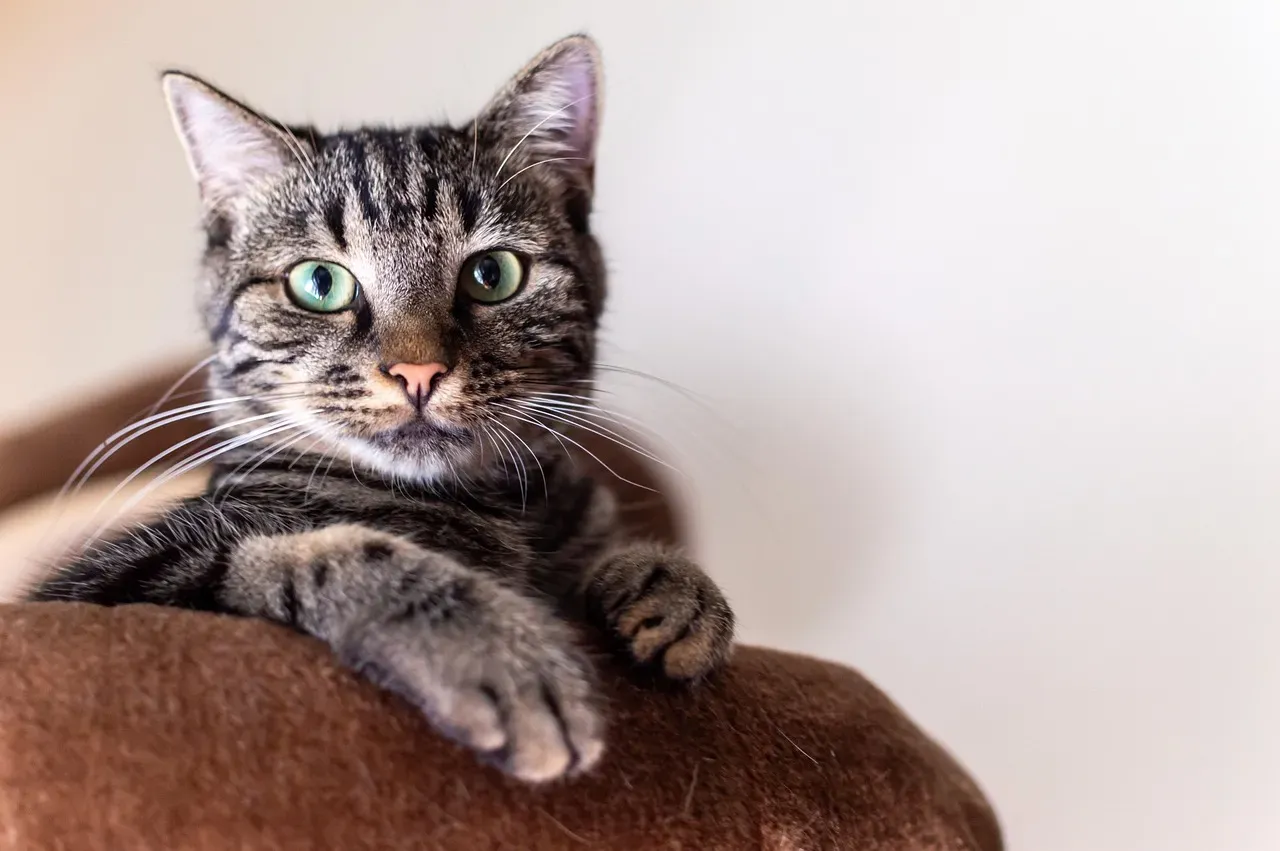
While cats confined to an indoor environment generally live longer and are at less risk for contracting infectious diseases or injuries due to trauma, they are at greater risk for a variety of behavioral problems including urinating and defecating outside the litter box, anxiety, eating disorders, attention seeking, aggression, self-injury and compulsive disorders like excessive grooming and scratching. That’s quite a list.
Under-stimulated cats are at risk of developing boredom-related or stress-relieving behaviors such as over-grooming, chewing inappropriate items, picking on companion pets, retreating into isolation, over-eating, self-mutilation, compulsive behavior and loss of appetite. Cats need more than just a roof over their heads. They need things to do, challenges to solve, and ways to engage their natural hunting instincts.
Many feline behavior problems can be prevented or treated with an enriched environment that includes physical and mental stimulation, as well as allows a cat to perform their normal behaviors such as hunting and stalking. Interactive toys, puzzle feeders, and regular play sessions can completely transform your cat’s demeanor. Rotating toys keeps things fresh and exciting without requiring you to constantly buy new stuff.
Scratching Posts Aren’t Optional
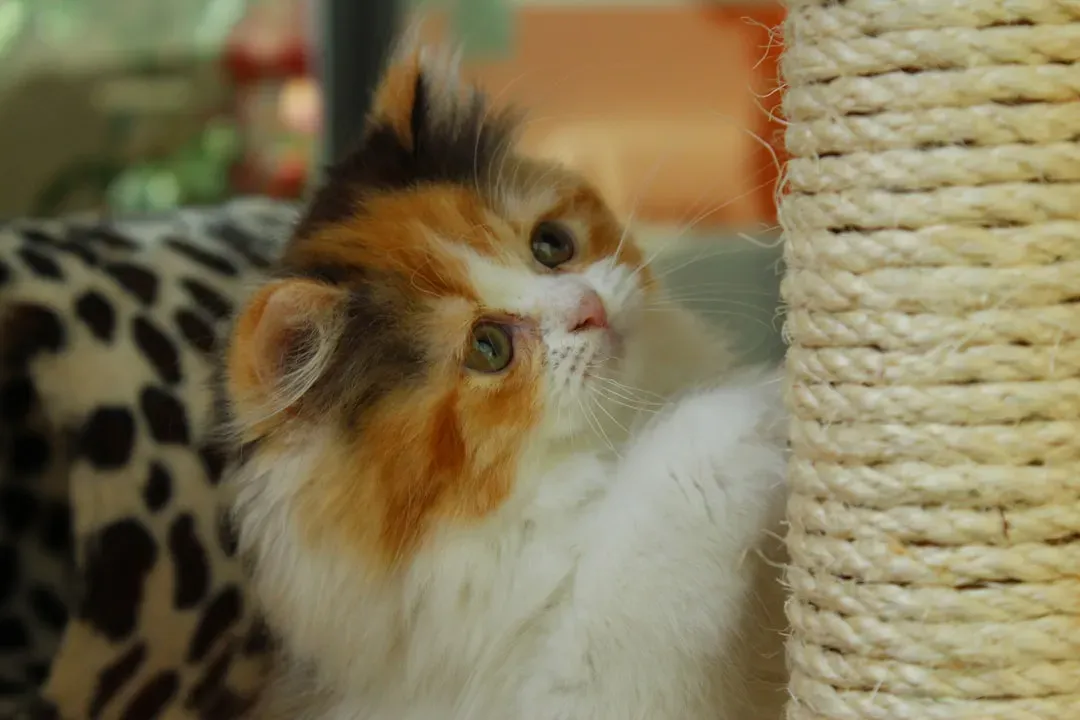
Cats need to scratch for their physical and psychological well-being. Scratching is their natural way to mark their territory and helps them keep their claws in good condition. Scratching also helps cats maintain flexibility, relieves stress, and contributes to their emotional well-being. It’s not about destroying your furniture; it’s about maintaining their health and feeling secure in their space.
Scratching posts made of the cat’s preferred material, be it cardboard, wood, fabric or sisal (not all cats like the same kind of scratching post!) should be provided throughout your home. Pay attention to what surface your cat naturally gravitates toward. Some prefer vertical posts while others like horizontal scratching pads.
Ensure the scratching post is secure and won’t topple when your cat scratches, which could make them avoid the post. A wobbly post will be ignored or worse, might scare your cat away from using appropriate scratching surfaces altogether. Stability matters just as much as material choice.
Conclusion: Small Changes, Big Impact
Each cat must feel safe to find pleasure and comfort in their environment, the home, the outdoors and the veterinary practice. Creating that sense of safety doesn’t require a complete home renovation or spending hundreds of dollars. Often it’s the small, thoughtful adjustments that make the biggest difference in your cat’s daily happiness.
Cats have a variety of unique behaviors and needs; we encourage owners to set their pets up for success by providing a diverse, behaviorally enriched environment free from physical, psychologic, and social stressors. Pay attention to your cat’s reactions and behaviors. They’re constantly communicating their needs, even if they can’t use words.
Your home should be your cat’s sanctuary, not a source of stress. By addressing these environmental factors, you’re not just making your cat happier, you’re potentially preventing health issues and behavioral problems down the road. What do you think about it? Have you noticed any of these issues in your own home?
Kristina is a young writer from India. An arts graduate and an avid content creator, Kristina is passionate about animals and wildlife. She enjoys exploring topics related to pet care, animal behavior, conservation, and nature, combining thorough research with engaging storytelling.