You’ve probably heard your entire life that cats have nine lives or that they always land on their feet. Maybe your grandmother warned you about putting butter on a cat’s paws when moving house, or perhaps you’ve seen countless cartoons showing cats happily lapping up bowls of milk. Let’s be real, the world of cat ownership is absolutely packed with advice, folklore, and wisdom passed down through generations. Here’s the thing though: some of these myths aren’t just harmless old wives’ tales.
They can actually be downright dangerous. The scary part is that a few of these beliefs contain just enough truth to make them believable, which makes them even more treacherous for you and your feline friend. Ready to discover which popular cat myths could be putting your cat at risk?
The “Cats Always Land on Their Feet” Fallacy

Your cat possesses something called a “righting reflex” that often helps them land on their feet when falling, thanks to their flexible backs. This sounds pretty impressive, right? The problem is that this remarkable ability has spawned a dangerous belief that cats are somehow invincible when it comes to falls.
Veterinarians actually use the term “high-rise syndrome” to describe cat injuries sustained from falls, which includes sprains, bone fractures, and even respiratory issues. Even more surprising is that cats are more likely to be injured from low heights than high because they don’t have enough time to turn or twist their bodies into the necessary position for a safe landing. Think your cat will bounce back from that second-story window? Think again.
Indoor Cats Don’t Need Vaccines or Preventive Care
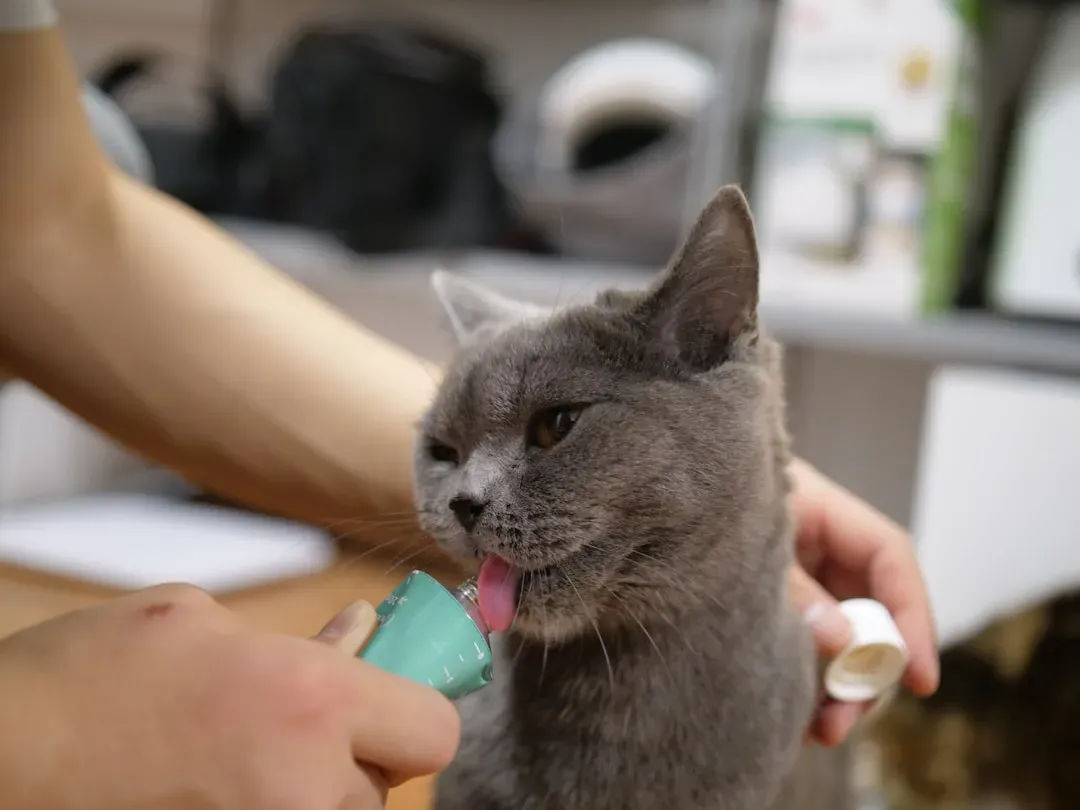
Just because your cat spends her days and nights indoors doesn’t mean she’s not susceptible to diseases, as all cats can contract illnesses even if they never set paw outside. This myth is particularly insidious because it lulls you into a false sense of security.
Indoor cats are most exposed to airborne germs that travel through the air or come in on a cat owner’s clothing. You could literally bring home a disease on your shoes after a trip to the grocery store. Upper respiratory infections can be carried on your clothes or shoes or can spread through an open window or screen door. Honestly, your indoor cat might need fewer vaccines than an outdoor adventurer, but skipping preventive care entirely? That’s asking for trouble.
Cats Love Milk and It’s Good for Them
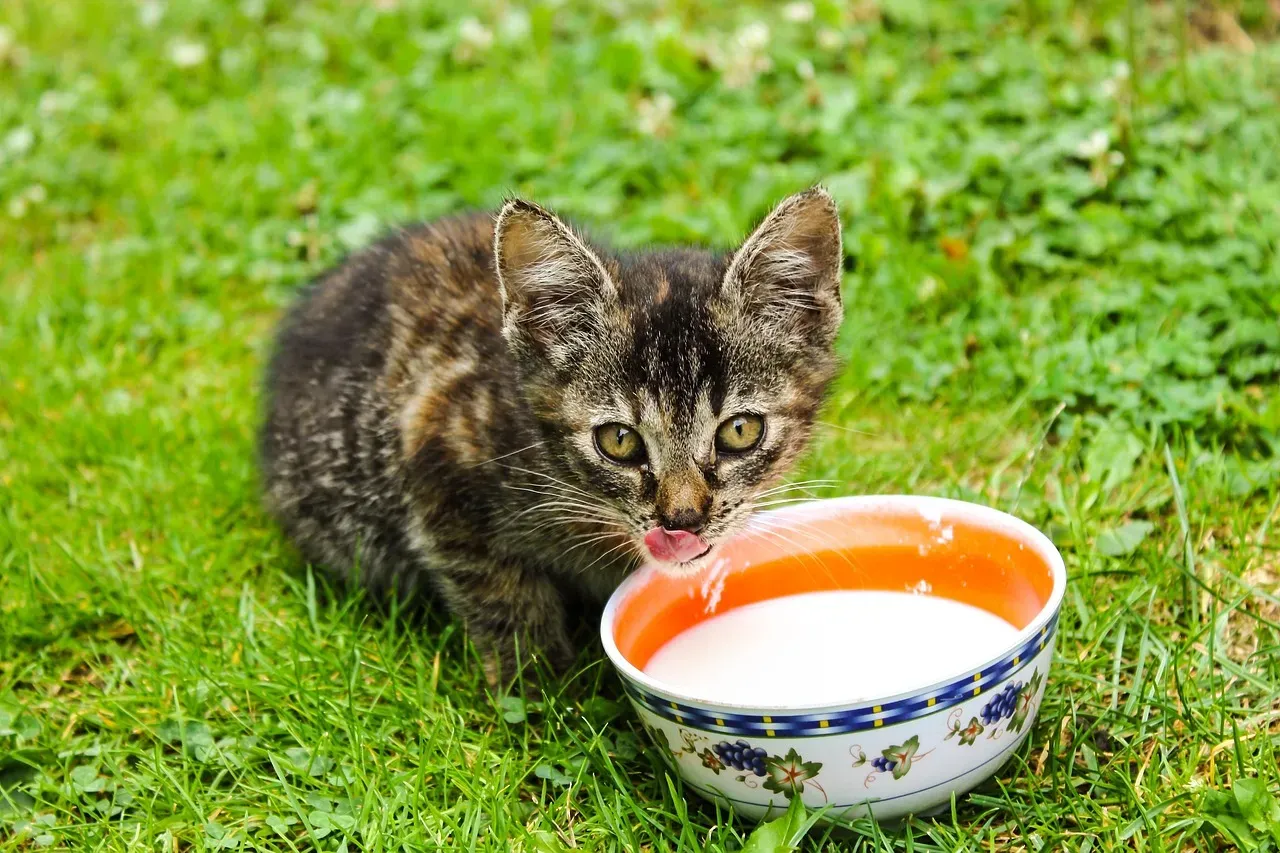
Picture this: a sweet little kitten lapping up a saucer of milk. It’s an image burned into our collective consciousness from countless movies, books, and childhood memories. The reality is far less adorable and much more uncomfortable for your cat.
Kittens naturally produce the enzyme lactase to digest their mother’s milk, but most cats lose this ability as they mature, and when adult cats consume cow’s milk it can cause stomach upset, diarrhea, and other gastrointestinal issues. So that bowl of milk you’re offering as a treat? You’re basically serving your cat a dish of digestive distress. Some cats might beg for dairy products, but just because they want it doesn’t mean their bodies can handle it.
Purring Always Means Your Cat Is Happy
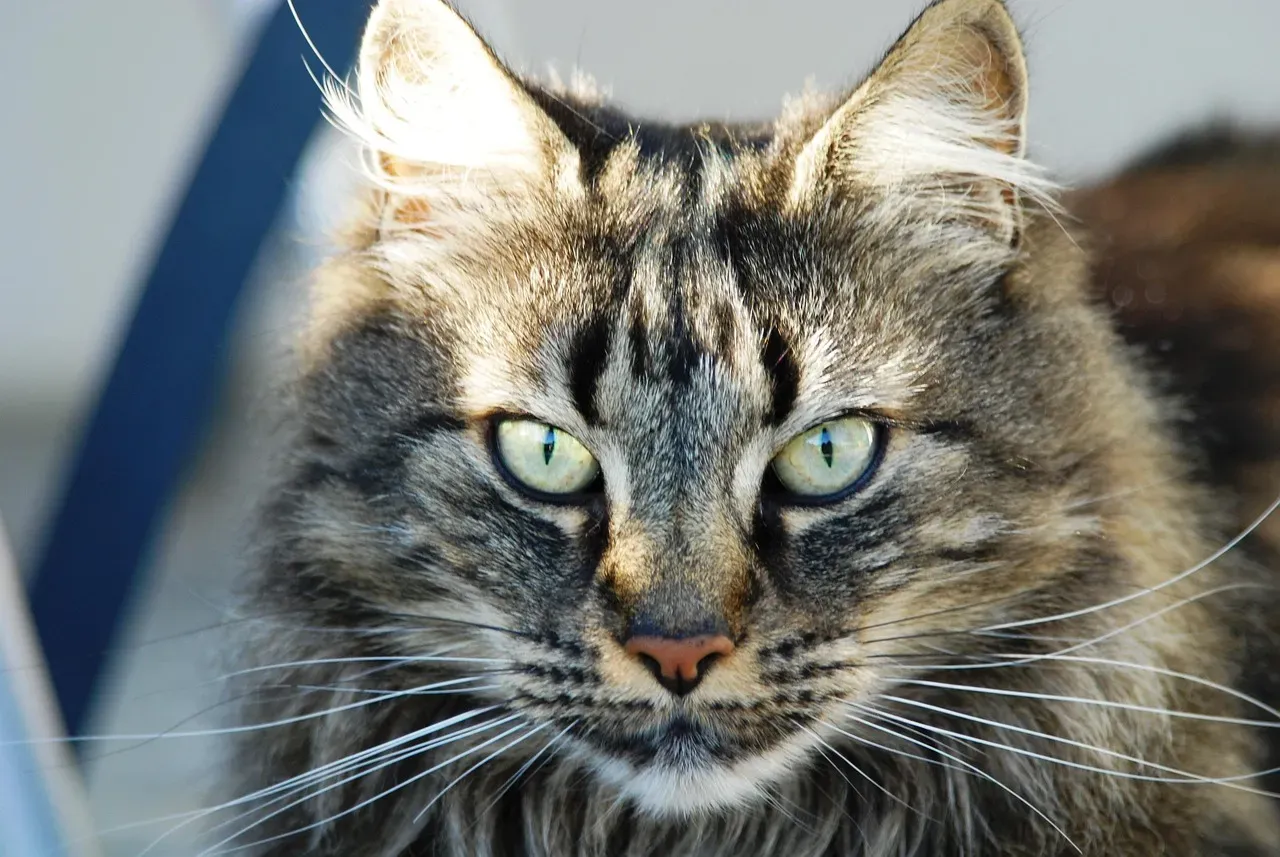
While cats definitely purr when they are happy, they also purr when they feel sick, are in pain, or are afraid. This one really messes with your head because we’ve been conditioned to associate purring with contentment and cuddles.
One theory suggests that the frequencies at which cats purr are healing and help the cat feel less pain, and veterinarians have seen cats that are very ill still purring when they are definitely not happy. Imagine ignoring your cat’s serious health crisis because you assumed their purring meant everything was fine. Your cat might be using purring as a self-soothing mechanism during times of extreme stress or illness, desperately trying to comfort themselves while you remain blissfully unaware.
Cats Are Low Maintenance and Don’t Need Much Attention
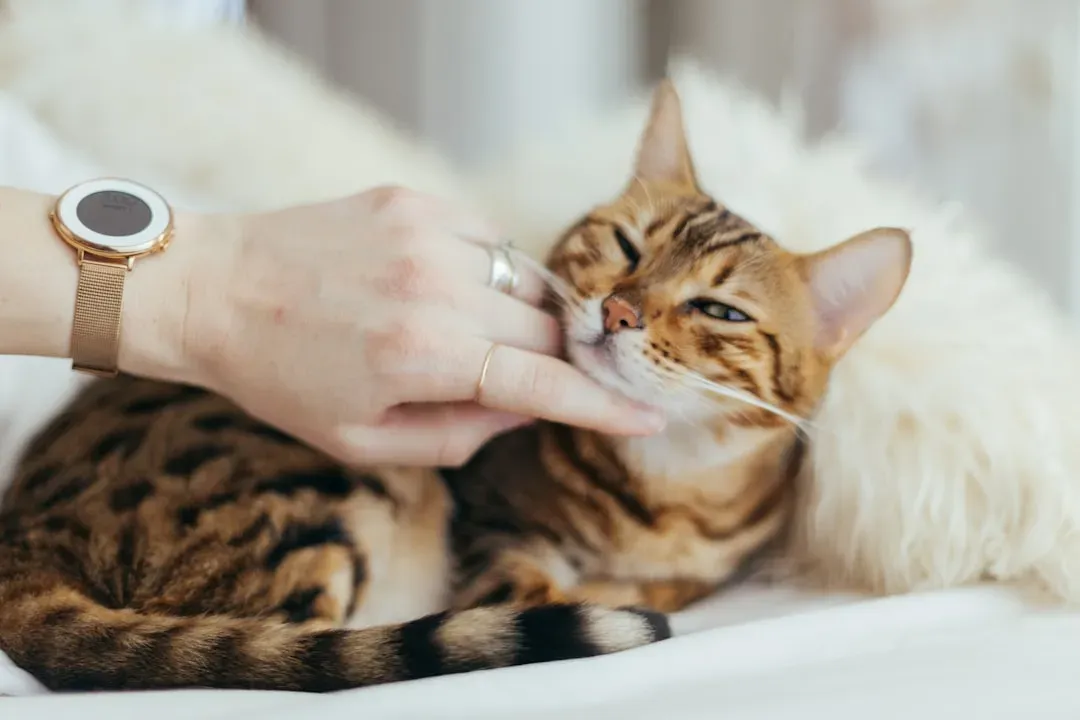
If you think cats are basically self-sufficient roommates who only need food and a litter box, you’re in for a rude awakening. Cats need just as much care as dogs do, including regular vet visits, daily exercise and mental enrichment, and plenty of positive attention from their guardians, all of which are essential to a cat’s well-being.
Studies show that owners were inclined toward agreement that cats are independent and have less social needs than other animals, yet beliefs such as these are not supported by scientific data on cat social behavior and may result in failure to meet cats’ individual social or environmental needs. The consequence? You could be unknowingly causing your cat serious psychological distress by not providing adequate stimulation, socialization, or environmental enrichment. Cats might not demand walks like dogs, but they absolutely need play sessions, mental challenges, and genuine interaction with you to thrive.
The most dangerous myths are often the ones wrapped in just enough truth to seem credible. Your cat does have incredible reflexes, but they’re not invincible. They might purr when content, but that sound doesn’t always signal happiness. The key is learning to look beyond these comforting oversimplifications and truly understanding what your cat needs to live a healthy, safe life. Did any of these surprise you? What myths have you been believing about your own furry companion?
Kristina is a young writer from India. An arts graduate and an avid content creator, Kristina is passionate about animals and wildlife. She enjoys exploring topics related to pet care, animal behavior, conservation, and nature, combining thorough research with engaging storytelling.