You ever notice how your kitty can be perfectly relaxed one second, then launching across the room the next? It’s hard to say for sure what spooked them sometimes, until you realize the microwave just beeped. Cats live in a sonic landscape we humans can barely comprehend, picking up frequencies and pitches that sail right past our ears.
Their hearing range extends far beyond ours, reaching up to 85,000 Hz compared to a human’s 20,000 Hz. What sounds like a gentle hum to you might feel like a screaming alarm to your cat. Understanding which everyday noises send them running can help you create a calmer home for your feline companion. Let’s explore the common household sounds that can turn your fearless hunter into a nervous wreck.
The Vacuum Cleaner’s Roaring Menace
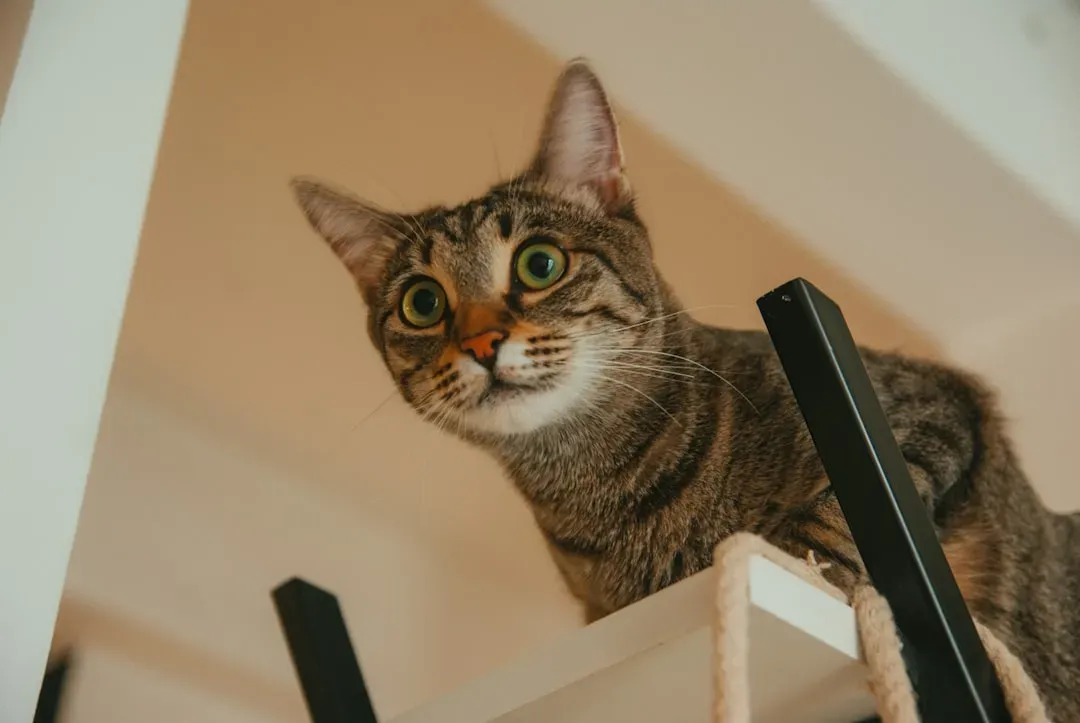
Let’s be real, nothing clears a room of cats faster than pulling out the vacuum cleaner. For most cats, nothing triggers a panicked retreat quite like the roar of a vacuum cleaner, which combines loud, unpredictable noise and jarring vibrations. Your kitty might see this noisy machine as some kind of predator chasing them around the house, especially when it rolls toward their favorite lounging spots.
Vacuums hit many frequencies that cats find unpleasant and are often wheeled directly toward areas cats consider safe. The unpredictability doesn’t help either. One moment it’s silent in the closet, the next it’s roaring through the living room. If you need to vacuum, consider giving your cat a heads-up by moving them to a quiet room first.
Kitchen Blenders and Food Processors

That morning smoothie routine might be wrecking your cat’s nerves more than you realize. Blenders, food processors, or mixers create shrieks and whirs that overlap a cat’s most sensitive hearing ranges, and the unpredictability makes many cats dart away the moment the blender lid clicks shut. These appliances produce sudden mechanical sounds that can feel overwhelming to those delicate feline ears.
The high-pitched whirring combined with the vibrations traveling through countertops creates a double assault on your cat’s senses. I think that’s why so many cats will bolt from the kitchen the instant you reach for the blender. Try closing the kitchen door when you’re using these appliances, giving your furry friend some acoustic distance from the chaos.
Doorbells and Knocking
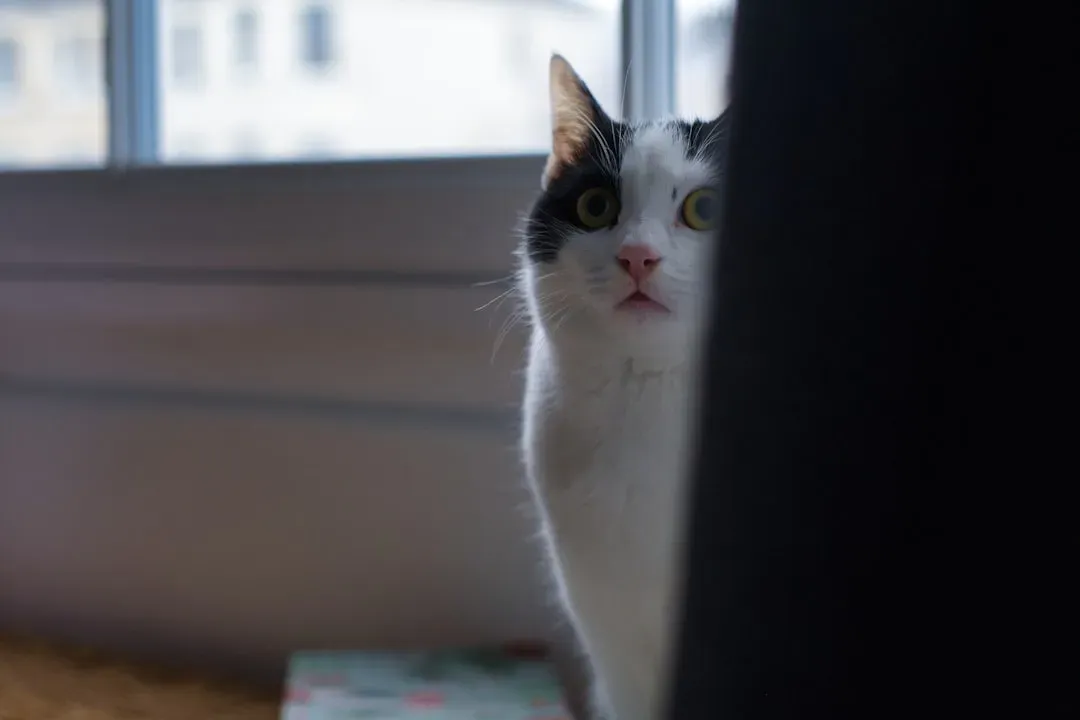
The ringing bell signals disruption, strangers, and possibly danger entering their territory. Your cat doesn’t understand the concept of invited guests. All they know is that sudden, sharp sound announces an invasion of their carefully controlled domain.
The sudden slam of a door can send vibrations through the whole house, startling a cat into hiding. Even just a firm knock can trigger your cat’s mental switch from relaxation mode to high alert. Some cats never really get used to these sounds because they happen so irregularly and always seem to bring change with them.
Plastic Bags and Rustling Sounds
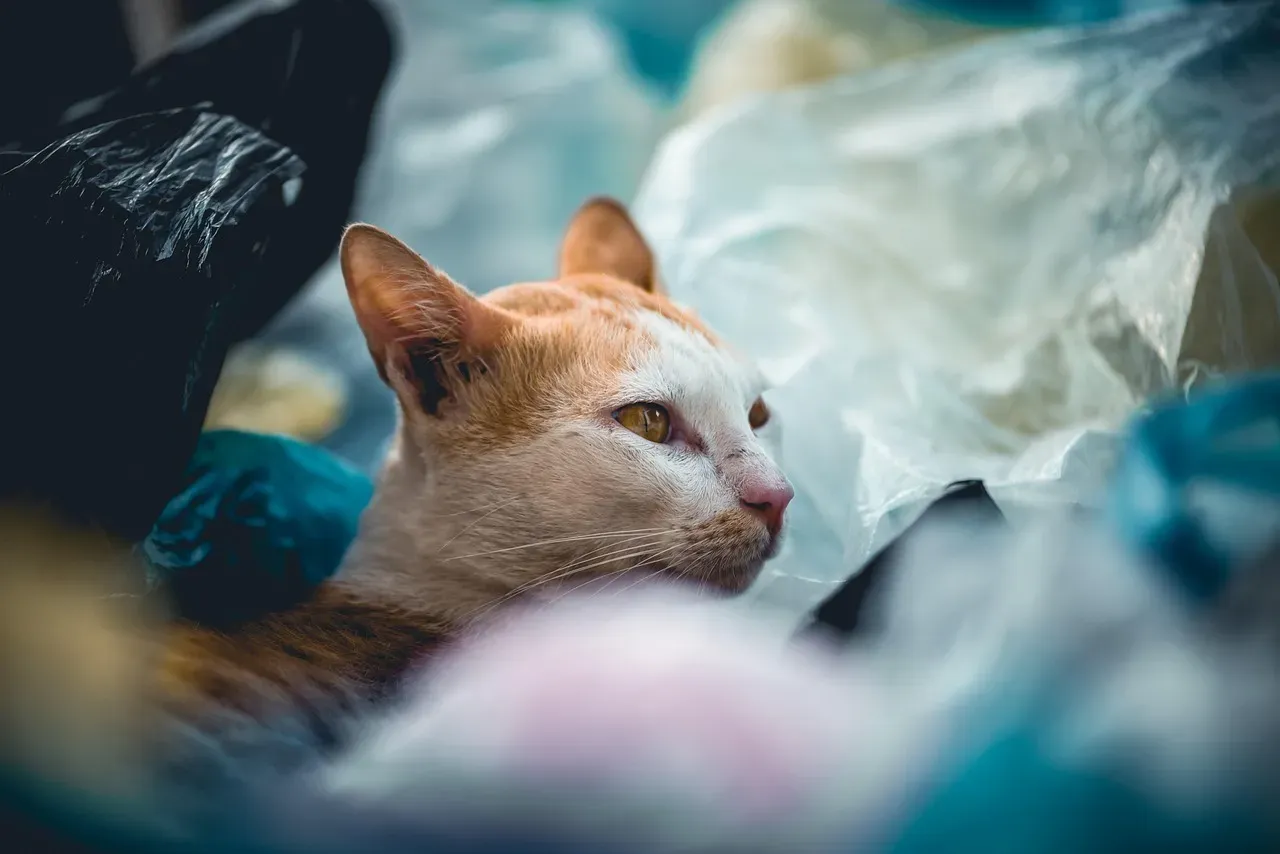
The sound of a plastic bag rustling can be incredibly startling to feline friends because cats have highly sensitive hearing, and the crinkling noise can mimic the sound of a predator or another cat hissing. That innocent grocery bag you’re unpacking might sound like a threat to your cat’s survival instincts. Honestly, it’s fascinating how something so mundane to us can be so alarming to them.
The crinkly texture creates unpredictable high-frequency sounds that cats simply can’t ignore. You might notice your cat’s ears swiveling toward the sound, pupils dilating, body tensing. Next time you’re putting away groceries, try moving a bit more slowly to minimize that crackling symphony.
Aerosol Sprays and Hissing Sounds

The hissing sound that comes from an aerosol can is eerily similar to the hissing noise cats make when they’re threatened. Think about it from your cat’s perspective: that sound means danger in their world. When cats hiss at each other, it’s a clear warning signal that trouble’s brewing.
Hair spray or aerosol cans, plastic bags when rustled, scrunched up aluminum foil, or even some types of clothing rubbing against each other can replicate the hissing noise. Your air freshener or cooking spray might be triggering a fight-or-flight response every time you use it. Consider stepping into another room when you need to use aerosol products.
Thunderstorms and Fireworks

Fire alarms, doorbells, thunder, fireworks, and passing traffic can all cause your cat to panic. Thunderstorms and fireworks are particularly terrifying because they combine multiple sensory assaults at once. The loud booms, the unpredictability, the flashing lights, they all work together to overwhelm your cat.
When cats are exposed to loud, unpredictable noises over and over, it can cause long-term anxiety. During fireworks season or storm weather, you might notice your cat disappearing under the bed for hours. Creating a cozy hiding spot with blankets can help muffle these frightening sounds and give them a sense of security.
Alarm Clocks and Beeping Devices
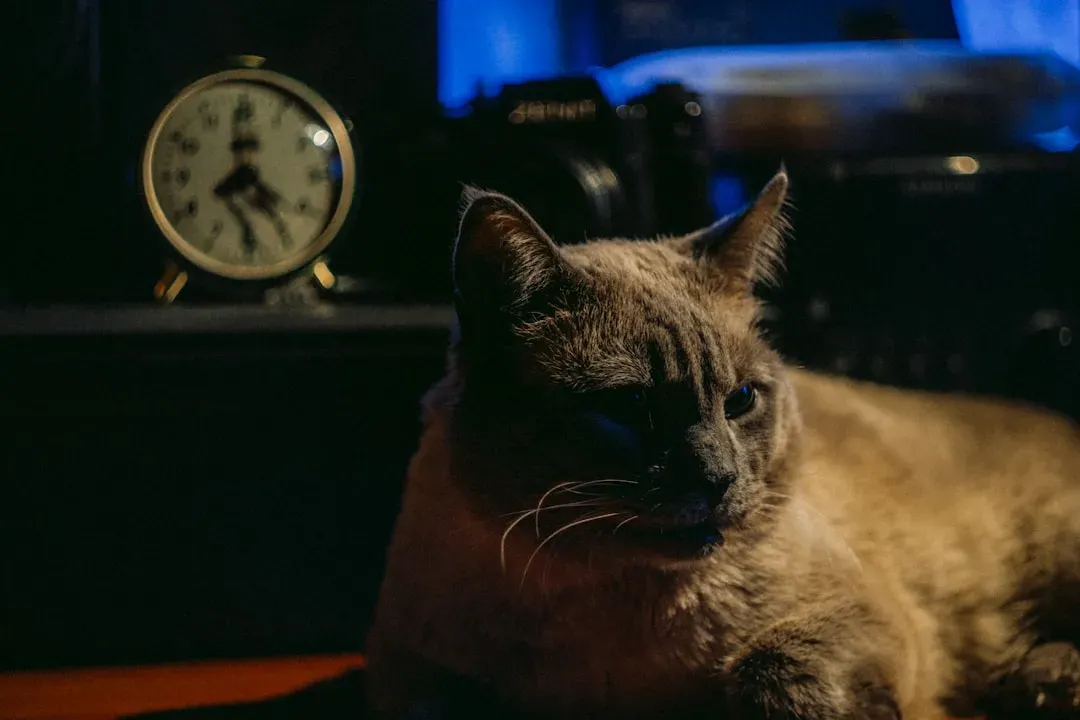
The sudden, high-pitched beeping of an alarm clock can be startling for cats, making them jump out of their fur. Your smoke detector’s low-battery chirp, your phone alarm, that microwave timer, they all produce sharp, repetitive sounds that pierce right through your cat’s sensitive hearing. These beeps often fall into frequency ranges that feel particularly jarring to feline ears.
What’s worse is that cats can’t predict when these sounds will happen. Your alarm might go off at the same time every morning, but to your cat, it’s still a sudden blast of noise interrupting their peaceful sleep. Consider switching to gentler alarm tones or vibration-only settings when possible.
Electronic Devices and Screens
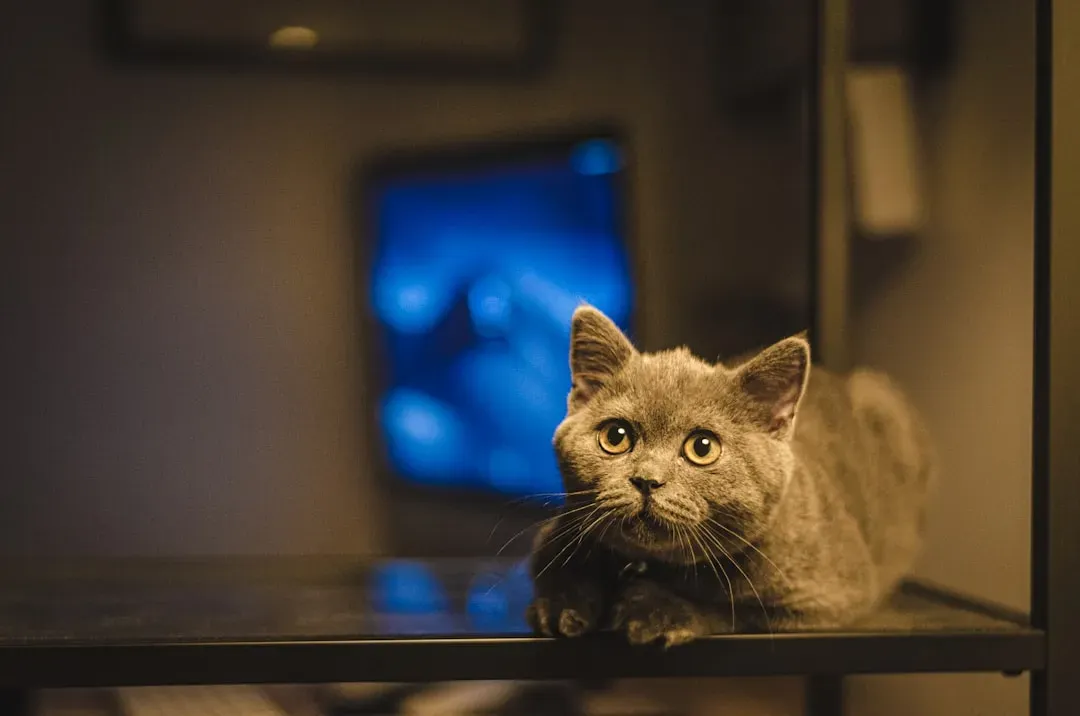
Here’s something crazy: your cat can hear sounds from your electronics that you can’t even detect. Many electronic devices such as computer screens and television screens and their remote controls emit high-frequency sounds that can be intensely annoying for cats, as do fluorescent light bulbs. That constant high-pitched hum is completely inaudible to human ears but crystal clear to your kitty.
Your cat might avoid certain rooms in your house, and you might wonder why. Could be those electronic frequencies are driving them nuts. Switching off devices when you’re not using them isn’t just good for the environment, it’s good for your cat’s mental health too.
Babies Crying and Children’s Shrieks
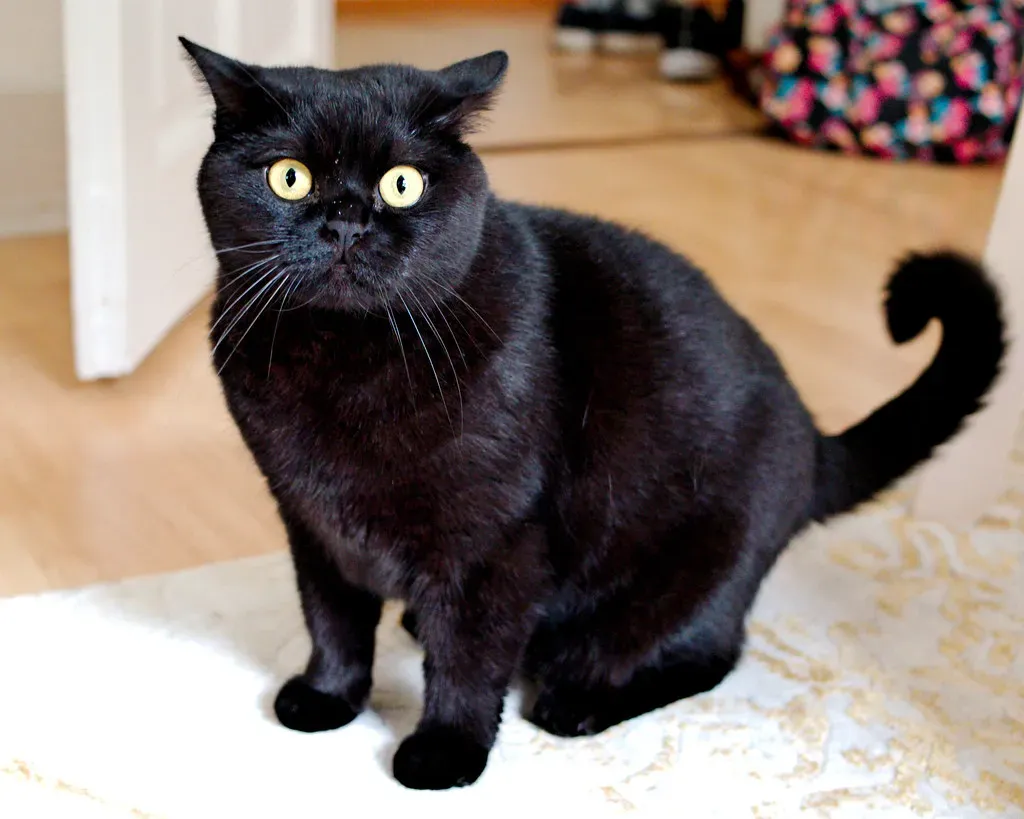
To humans, a baby’s cry calls for nurture and comfort, but to cats, it can feel like a piercing alarm that falls directly in their most sensitive hearing range, making them impossible to ignore. Children’s high-pitched squeals have the same effect, cutting right through to your cat’s nervous system.
Children’s shrieks carry suddenness and unpredictability to the mix. If you have young kids and cats sharing the same space, you might notice your feline friend keeping their distance. They’re not being antisocial; they’re just protecting their sensitive ears from those unexpected vocal explosions.
Balloons Popping
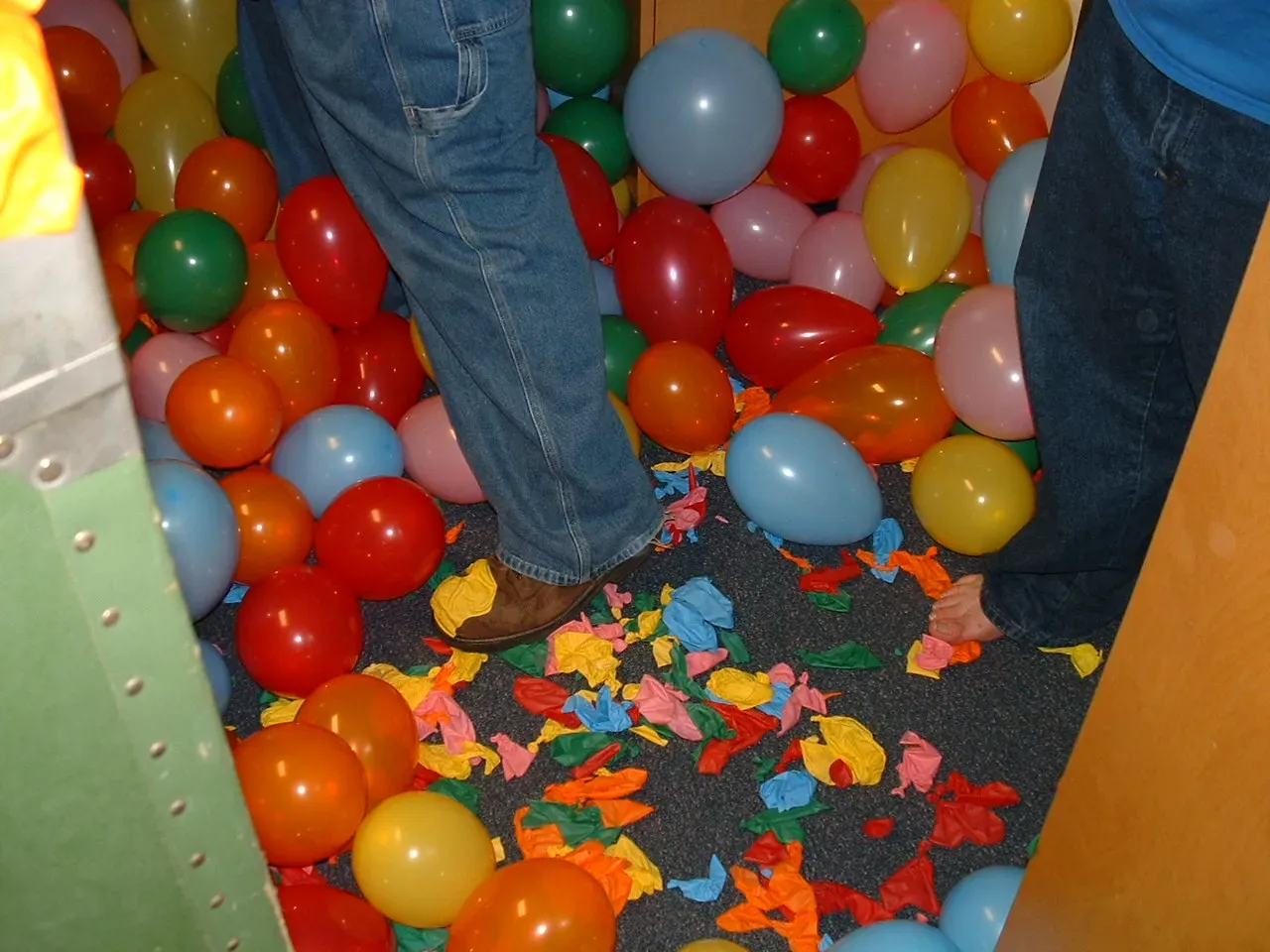
Few things make a cat leap higher than the explosive pop of a balloon, which mimics breaking branches, gunshots, or other dangerous noises. That sharp, startling crack is nearly impossible for any cat to process calmly. The sound comes out of nowhere, it’s incredibly loud, and it happens in a fraction of a second.
The unpredictability makes it even worse. Your cat can’t prepare for it, can’t anticipate it, and can’t understand where it came from. If you’re having a party with balloons, maybe keep your cat in a quiet room where they won’t be subjected to any accidental pops.
Pots, Pans, and Kitchen Clanging

Sudden loud sounds like pots and pans banging or doors slamming startle cats very easily. That accidental drop of a metal lid on the kitchen floor can send your cat scrambling for cover. The metallic clanging creates sharp, reverberating sounds that hit multiple frequencies all at once.
Household noises include things like pots and pans banging, kitchen blenders, heavy objects being dropped, and doors slamming. Even just loading the dishwasher can be noisy enough to make your cat nervous. Try being mindful of how you handle cookware, setting things down gently rather than tossing them into the sink.
Hair Dryers and Personal Appliances
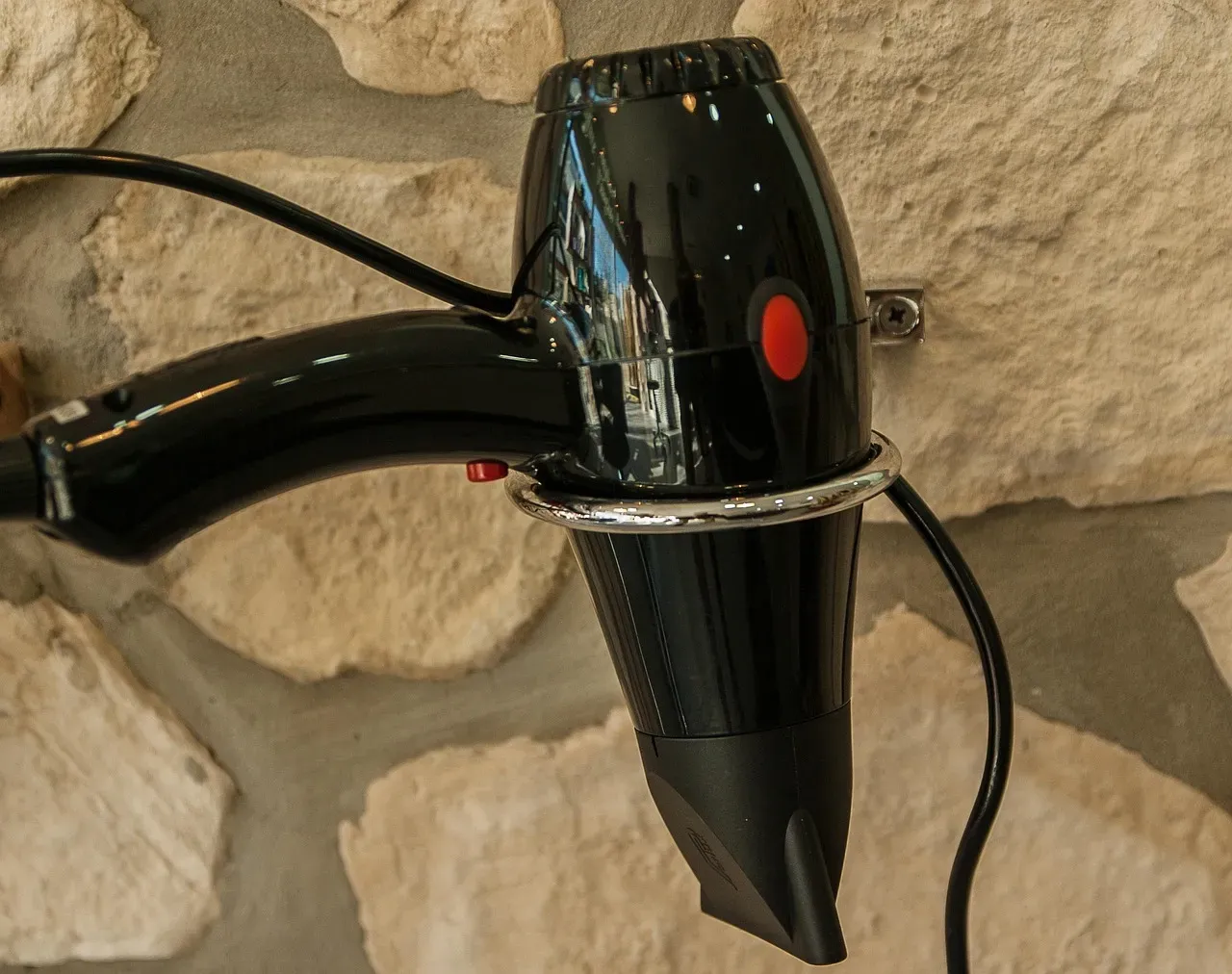
Your morning grooming routine might be your cat’s least favorite time of day. Hair dryers produce continuous high-pitched mechanical sounds that combine the worst of both worlds: they’re loud and they’re high-frequency. The rushing air sound mixed with the motor creates a wall of noise that cats find particularly unpleasant.
These appliances also move around unpredictably as you use them, which adds to the stress. Your cat can’t tell where the sound is coming from or when it will stop. Closing the bathroom door during your beauty routine gives your feline friend some much-needed acoustic relief.
Conclusion: Creating a Calmer Sound Environment
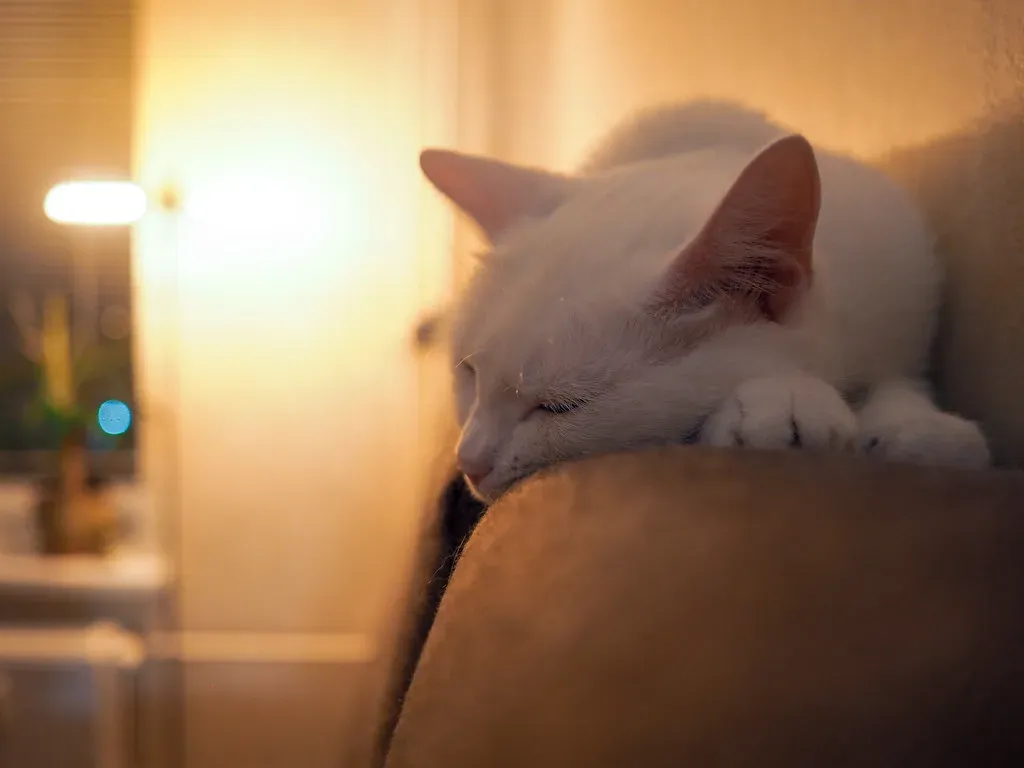
When cats are exposed to loud, unpredictable noises over and over, it can cause long-term anxiety, releasing stress hormones that keep them on high alert and leading to changes in appetite, sleep, and behavior. Understanding your cat’s sonic sensitivities isn’t just about preventing momentary fright. It’s about protecting their overall health and wellbeing.
You can’t eliminate every startling sound from your home, but you can definitely reduce the impact. Create safe spaces where your cat can retreat when things get noisy, try to anticipate loud activities and give your kitty fair warning, and turn off those humming electronics when you’re not using them. Small adjustments can make your home feel like a sanctuary rather than a stress zone for your feline friend.
What sounds have you noticed sending your cat running for cover? Share your experiences in the comments below.
Kristina is a young writer from India. An arts graduate and an avid content creator, Kristina is passionate about animals and wildlife. She enjoys exploring topics related to pet care, animal behavior, conservation, and nature, combining thorough research with engaging storytelling.