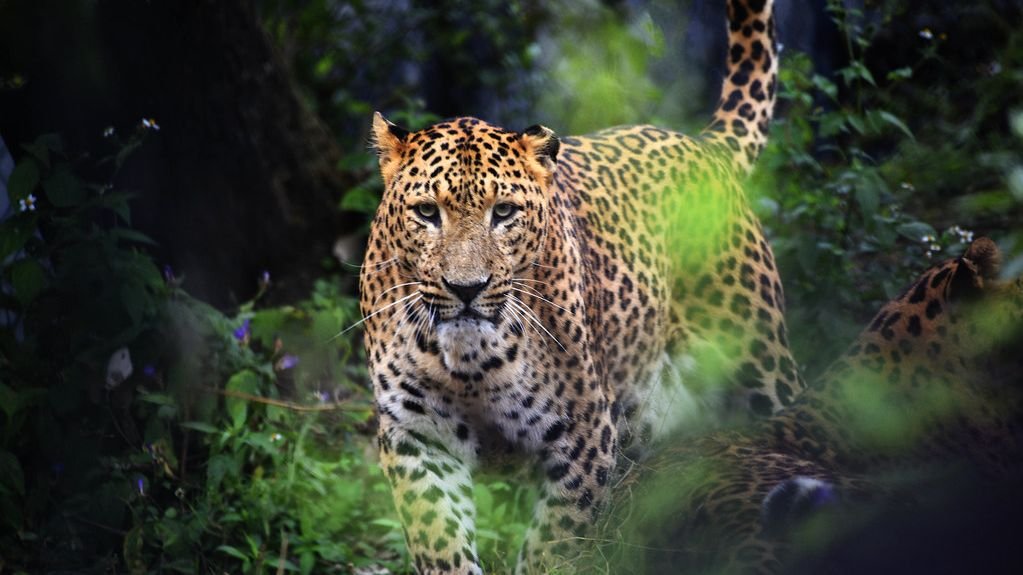
You might think of lions as the kings of the jungle or tigers as the ultimate predators. Yet there’s a quieter, more elusive big cat that’s pulling off one of nature’s most impressive survival acts. Leopards aren’t just surviving in our rapidly changing world. They’re actually thriving where other big cats struggle or fail entirely.
From the concrete jungle of Mumbai to the frozen mountains of Russia, leopards have learned to bend without breaking. Their secret isn’t brute strength or sheer numbers. It’s something far more subtle, and honestly, it’s kind of brilliant. Let’s dive into why these spotted survivors might just be the cleverest big cats on the planet.
Their Unmatched Geographic Range Speaks Volumes
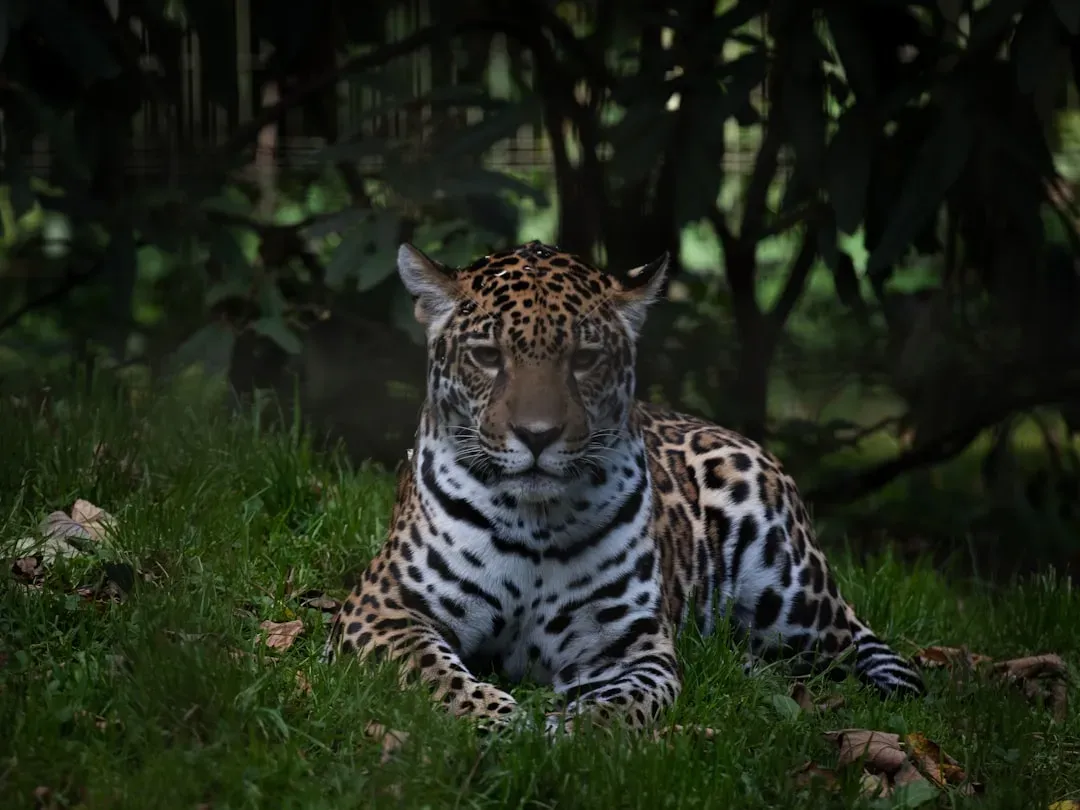
Leopards hold the title for the largest range of all big cats, spanning roughly 62 countries across Africa and Eurasia. Think about that for a moment. While tigers cling to small pockets of Asia and lions are mostly confined to parts of Africa, leopards have spread themselves across an astonishing variety of landscapes. This massive distribution isn’t just luck.
These big cats have shown they’re highly adaptable to many places in both warm and cold climates, occurring in habitats from deserts and semi-desert regions to savanna grasslands, mountainous environments, rainforests, and even urban areas. No other big cat comes close to matching this versatility. The leopard is the most adaptable of the entire big cat family, capable of living in warm or cold climates, in lush rainforests, arid deserts and almost every other habitat in between.
Their Diet Flexibility Is Absolutely Remarkable
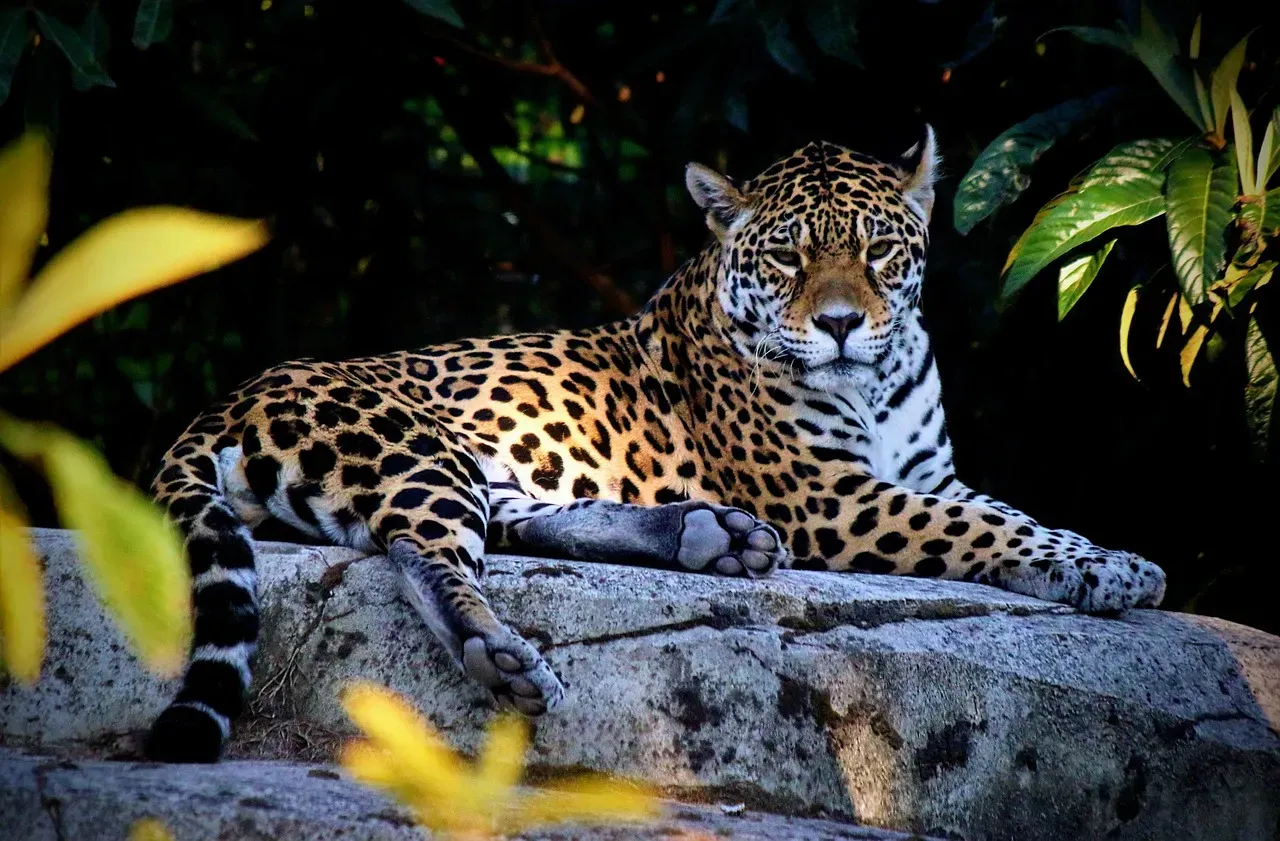
Here’s where leopards really shine. Leopards are opportunistic feeders with a highly variable diet that includes over 90 prey species. That’s not a typo. Ninety different species. From tiny dung beetles to massive elands, leopards will eat just about anything that moves.
The ability to consume a wide range of food sources is crucial for leopards, as it provides them with a higher chance of survival in their habitats, and when faced with scarcity of one type of prey, leopards can easily switch to another food source. This eclectic diet has helped leopards survive in areas where other large cat populations have diminished, and when food is scarce, leopards will hunt less desirable but more abundant prey. It’s hard to say for sure, but this dietary adaptability might be their greatest evolutionary advantage.
They’re the Ultimate Tree Climbers Among Big Cats
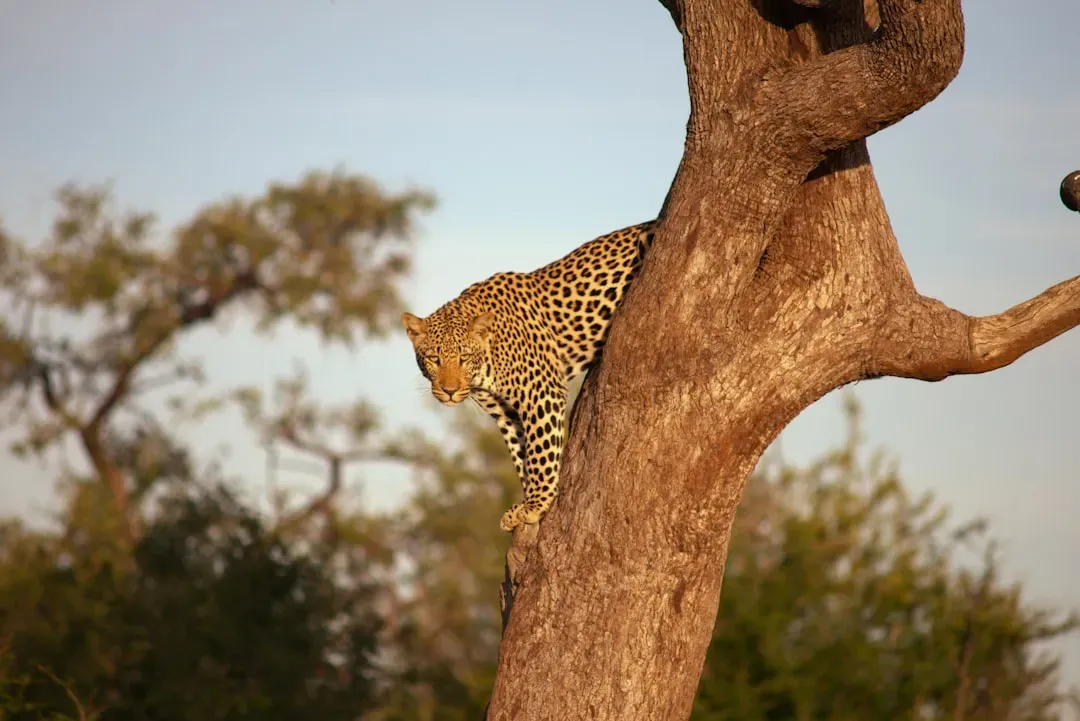
Pound for pound, the leopard is the strongest climber of all the big cats, and their shoulder blades even have special attachment sites for stronger climbing muscles. This isn’t just a party trick. It’s a survival strategy that separates them from every other large predator. Lions can barely manage it, tigers rarely attempt it, but leopards? They’re practically arboreal acrobats.
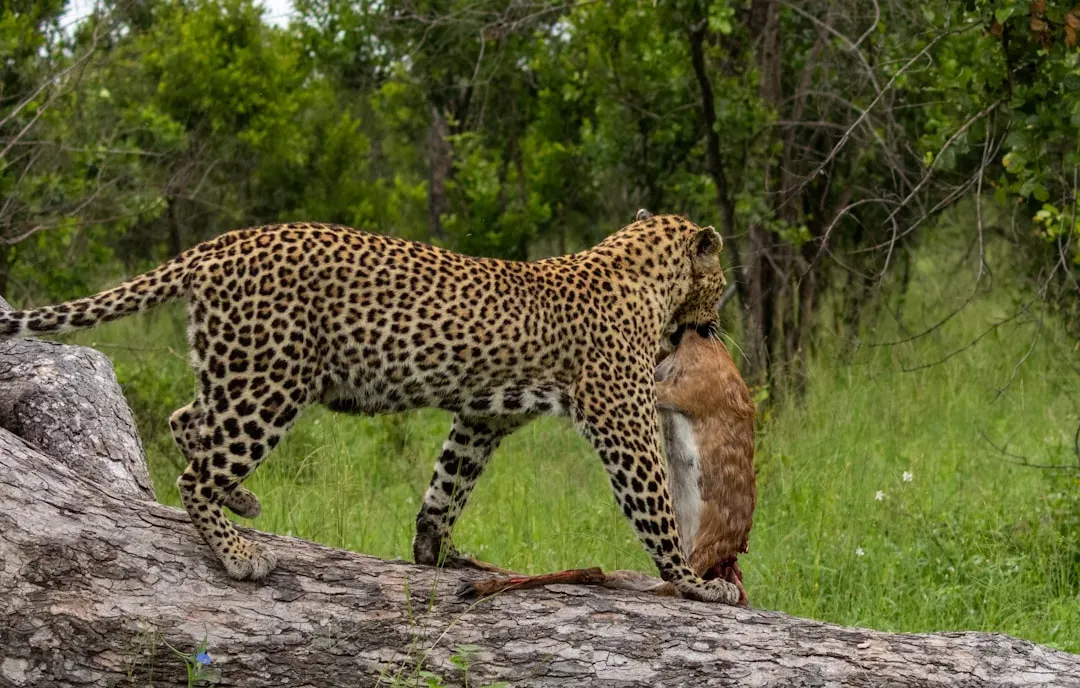
To avoid loss from kleptoparasites, leopards employ their unique skill of hoisting their kills into trees, with their powerful bodies able to pull prey weighing up to 140% of their body weight. Imagine dragging something heavier than yourself up a vertical tree trunk while gripping it in your jaws. They spend much of their time in trees even when stalking prey and for eating, often storing their kill high up in tree branches where it can feed in relative safety.
Urban Jungles Don’t Intimidate Them
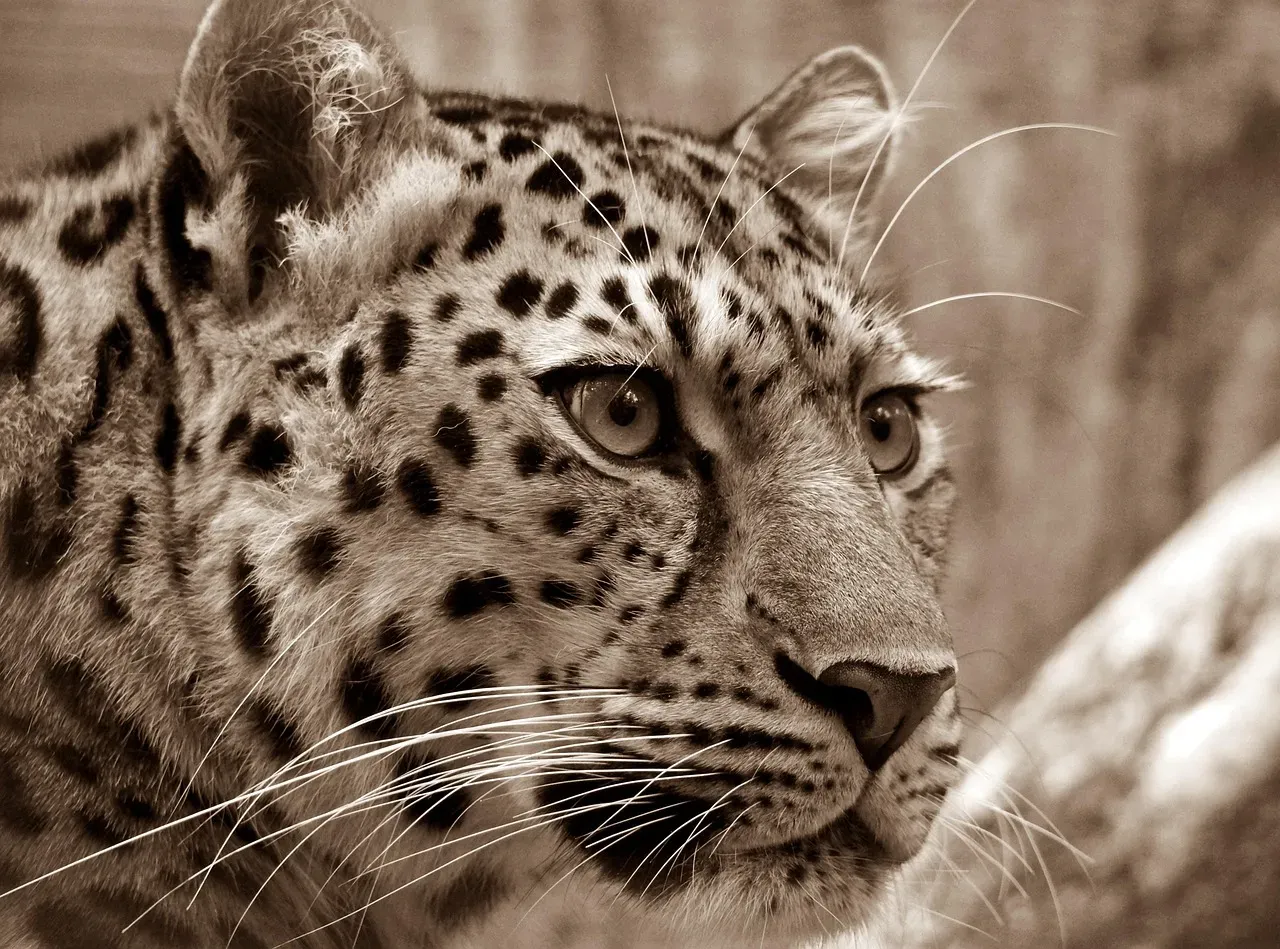
Let’s be real, most wildlife can’t handle cities. The noise, the lights, the crowds, it’s overwhelming for animals adapted to wilderness. Yet leopards are casually strolling through some of the world’s most densely populated urban areas like it’s no big deal.
About 35 leopards live in and around Sanjay Gandhi National Park in Mumbai, surrounded by some of the world’s most crowded urban neighborhoods housing 52,000 people or more per square mile, nearly twice the population density of New York City, and yet the leopards thrive. While the city sleeps, they slip through the streets and alleys, where they pick off dogs, cats, pigs, rats, chickens, and goats. One of the key factors enabling leopards to survive in urban environments is their ability to adapt their diet.
Their Solitary Nature Is Actually Their Strength
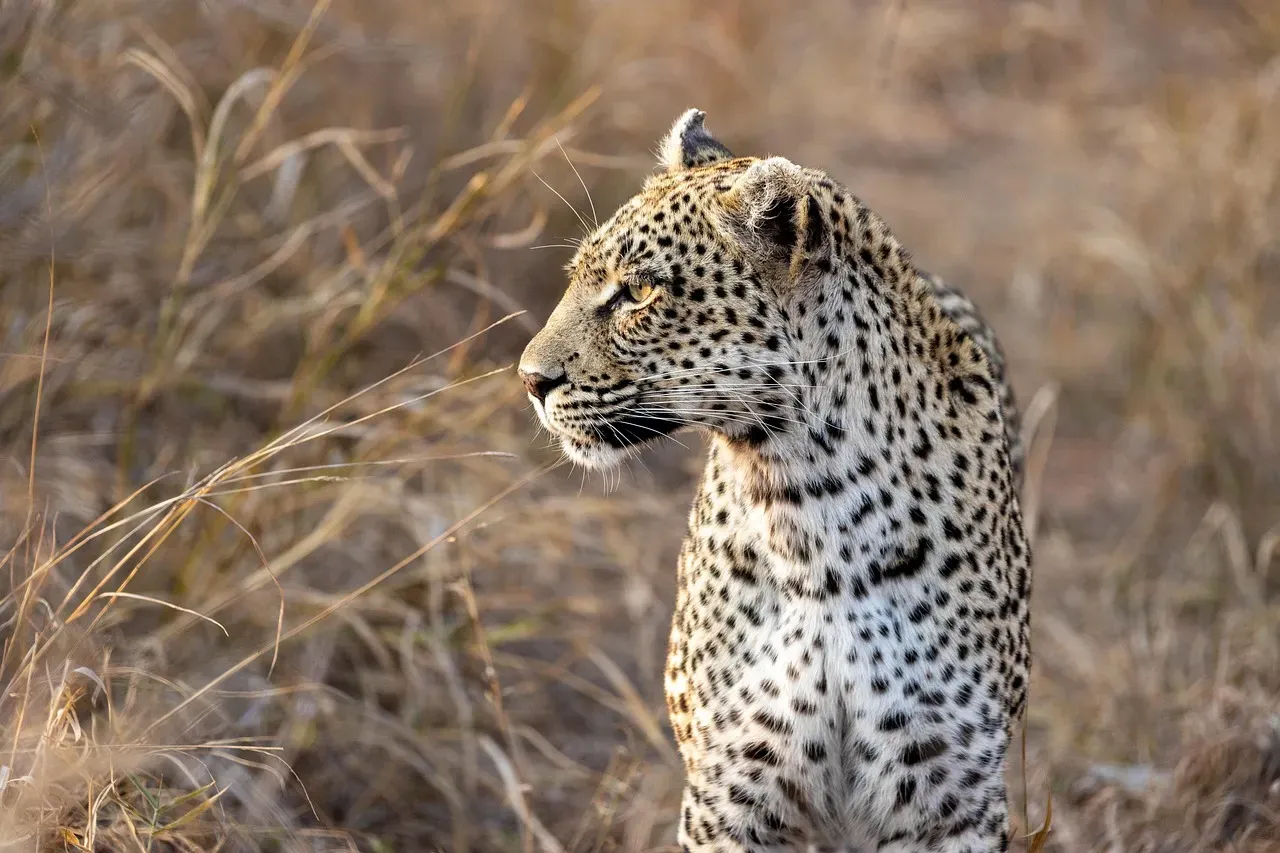
Unlike lions with their prides or even cheetahs who sometimes hunt in small groups, leopards are fiercely independent. They are predominantly nocturnal, solitary animals, and each individual has a home range that overlaps with its neighbors, with males having a larger range that often overlaps with the range of several females.
You might think being alone would be a disadvantage. Honestly, in their case, it’s the opposite. They’re not picky eaters and can make changes to their diets that allow them to thrive in different environments, like swapping antelope for birds or rodents to survive. This solitary lifestyle means they don’t need large territories with abundant prey to feed multiple mouths. One leopard can survive where a whole pride of lions would starve.
They Outnumber Other Big Cats By Staggering Margins
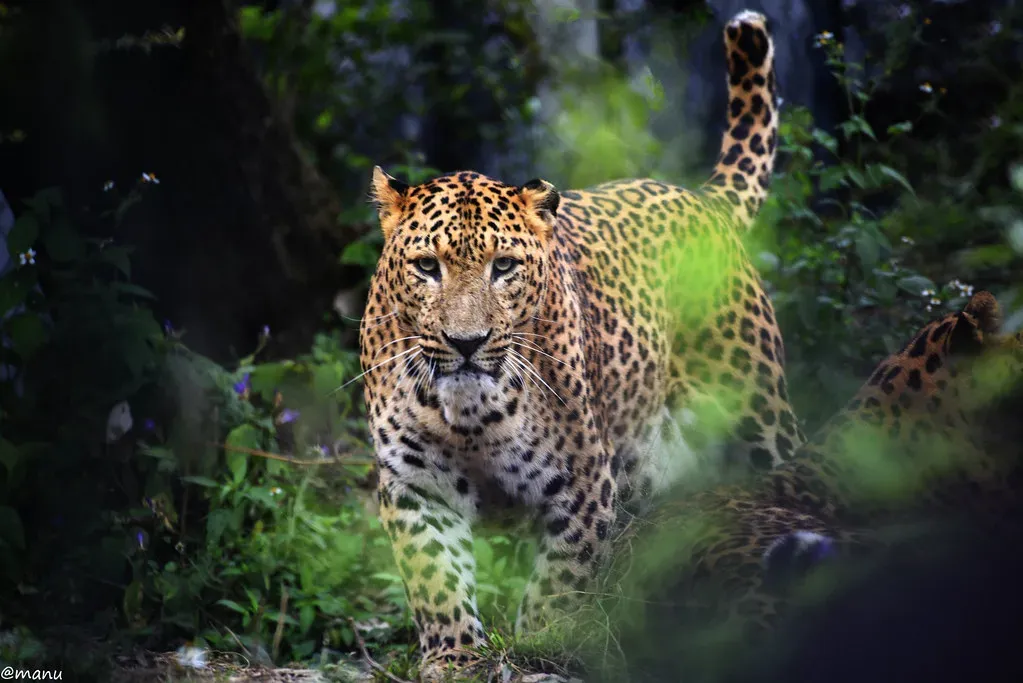
Although leopards in Asia are critically endangered, the African leopard is quite numerous, and estimates suggest there are close to 500,000 wild leopards in existence, nearly ten times the number of all wild lions, tigers and cheetahs combined. Read that again. Ten times the combined total of the other three major big cats.
India has one of the largest populations of leopards, with estimates ranging from 12,000 to 14,000 individuals. These numbers aren’t just impressive statistics. They’re proof that leopards have cracked the code to survival in the modern world better than any of their cousins. Their population resilience demonstrates an adaptability that other big cats simply haven’t achieved.
Temperature Extremes Don’t Faze Them
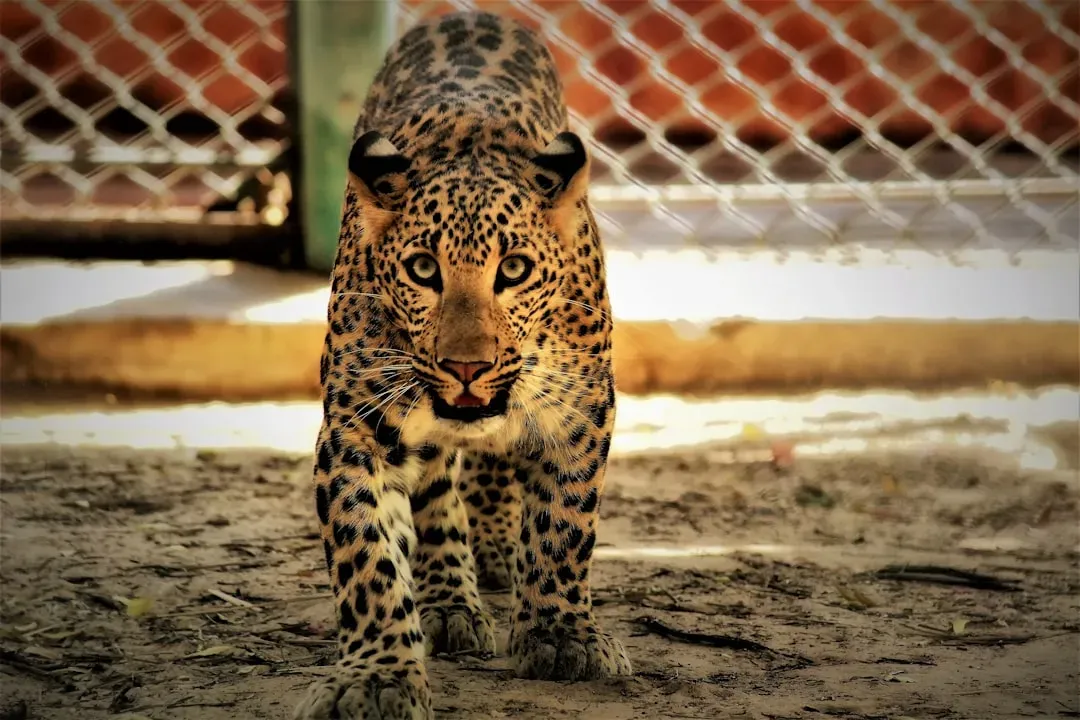
Leopards can make a home at 110 degrees Fahrenheit in the Kalahari Desert or at minus 13 degrees in Russia, and they can thrive in sea-level mangrove swamps on the coast of India or at 17,000 feet in the Himalaya. That’s an absolutely mind-blowing temperature and altitude range. Most animals specialize in one climate type, maybe two if they’re particularly hardy.
Leopards are good at acclimatising to different temperatures. Their coat even adapts regionally, with coat characteristics ranging from tawny or light yellow in warm, dry habitats to reddish-orange in dense forests. It’s this kind of built-in flexibility that gives them such an edge over more specialized big cats.
They’ve Mastered the Art of Avoiding Conflict
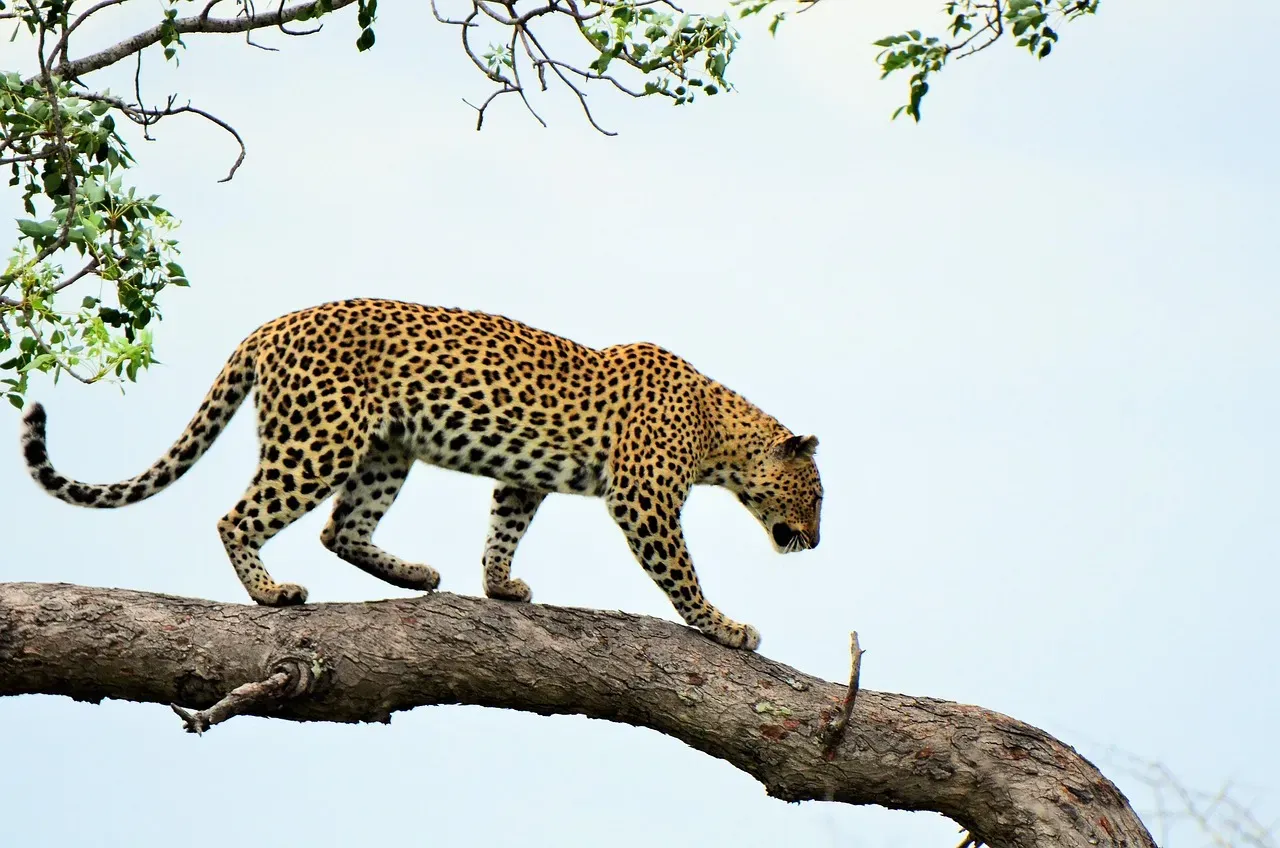
If confronted, a leopard will often sacrifice its food rather than fight for it. This might sound like weakness, but it’s actually genius. Why risk injury fighting a hyena or lion over one meal when you’re skilled enough to just go catch another one? Tigers and lions often stand their ground, which can lead to fatal injuries.
They’re able to climb trees, and this allows them to tuck into their hunting haul away from other predators, upping their survival abilities. Leopards lose around 20% of their kills to kleptoparasites, half of which are taken by hyenas. Still, rather than engaging in dangerous confrontations, they simply retreat to the trees or move on. This conflict avoidance strategy means fewer injuries and longer lifespans.
Their Stealth and Camouflage Are Unparalleled
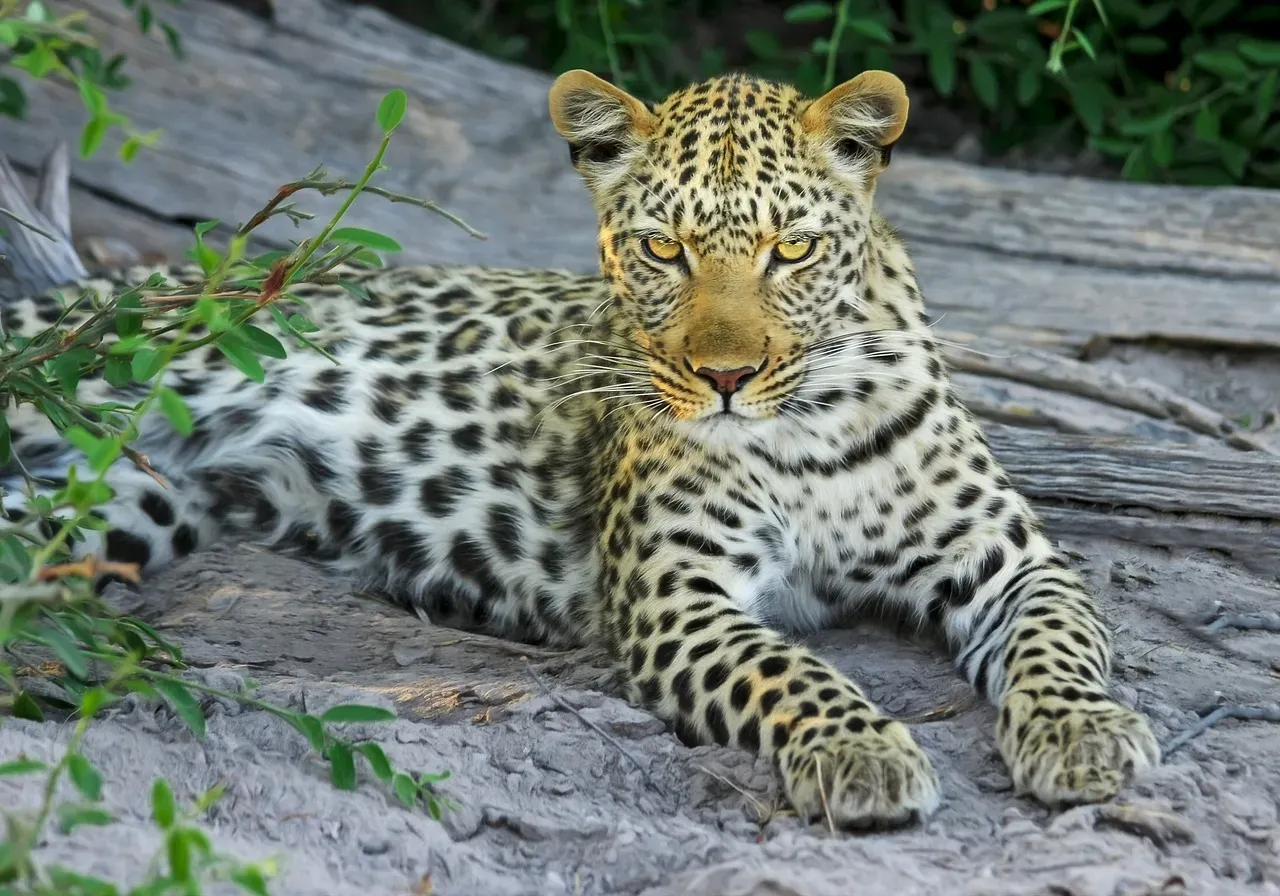
The leopard’s hunting style is quintessentially feline as a patient stalker, relying on stealth and camouflage, with its rosette-patterned coat blending with the landscape so it can pounce from short distances. You could be standing meters away from a leopard and never know it. That level of invisibility is their superpower.
Due to the leopard’s stealth, people often remain unaware that it lives in nearby areas. Moving on cushioned, soft paw pads, a hunting leopard can creep within pouncing distance of prey without a sound, and there are reports of leopards sneaking into villages under cover of night to snatch dogs without anyone noticing. This ghostly ability to hunt without detection gives them access to prey other predators can’t reach.
They’re Adapting to Human Landscapes Better Than Expected
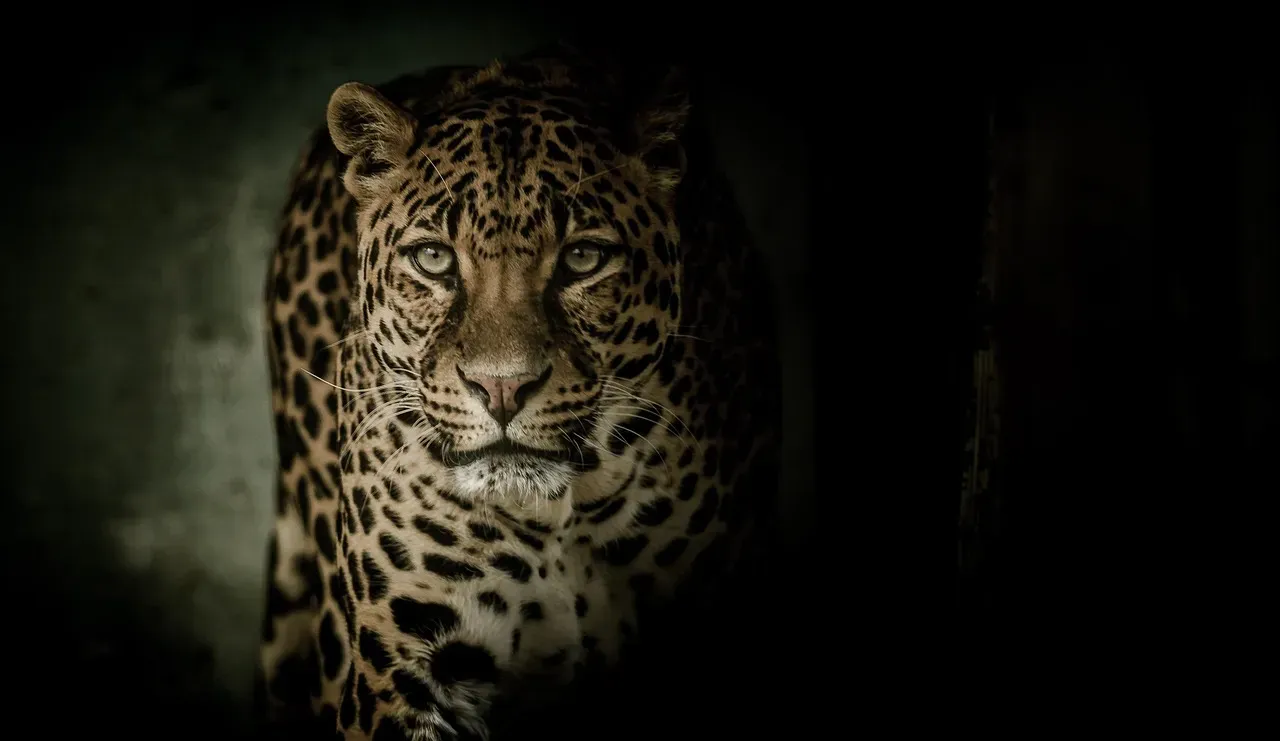
Despite the challenges of city life, leopards demonstrated an impressive ability to coexist with humans, with studies estimating populations of 23 leopards in Indore and about 18 leopards in Jabalpur. These aren’t wilderness areas. These are functioning cities with millions of people. They tend to become more nocturnal to avoid human activity during the day, and they may shift their hunting techniques by preying on animals that thrive in disturbed habitats like stray dogs or rodents found near human settlements.
Unlike most other big cats, leopards can adapt, up to a point, and they can prey on anything from dung beetles and porcupines to a 2,000-pound eland, with their adaptability combined with a genius for hiding in plain sight meaning leopards are entirely capable of living among humans. This behavioral flexibility is exactly why they’re outpacing other big cats in the adaptation game.
What This All Means for Their Future
While other big cats face dire conservation crises with shrinking habitats and dwindling numbers, leopards have shown a remarkable capacity to bend with the punches. Their adaptability isn’t infinite, though. Leopard populations are currently threatened by habitat loss and fragmentation, and are declining in large parts of the global range. The cats now occupy just 25 to 37 percent of their historic range.
Still, their inherent flexibility gives conservationists more tools to work with. From their incredible climbing ability to their dietary flexibility and solitary nature, leopards possess a unique toolkit for survival. Despite losses, leopards remain the most widespread and adaptable of all big cats. They’ve proven they can live beside us if we give them even half a chance.
The leopard’s story is one of resilience, intelligence, and adaptation. While we celebrate lions and tigers in our popular culture, perhaps it’s time we gave leopards the recognition they deserve as the ultimate survivors of the big cat world. What do you think? Did these adaptations surprise you?