10 Essential Items Every Senior Cat Needs for Comfort
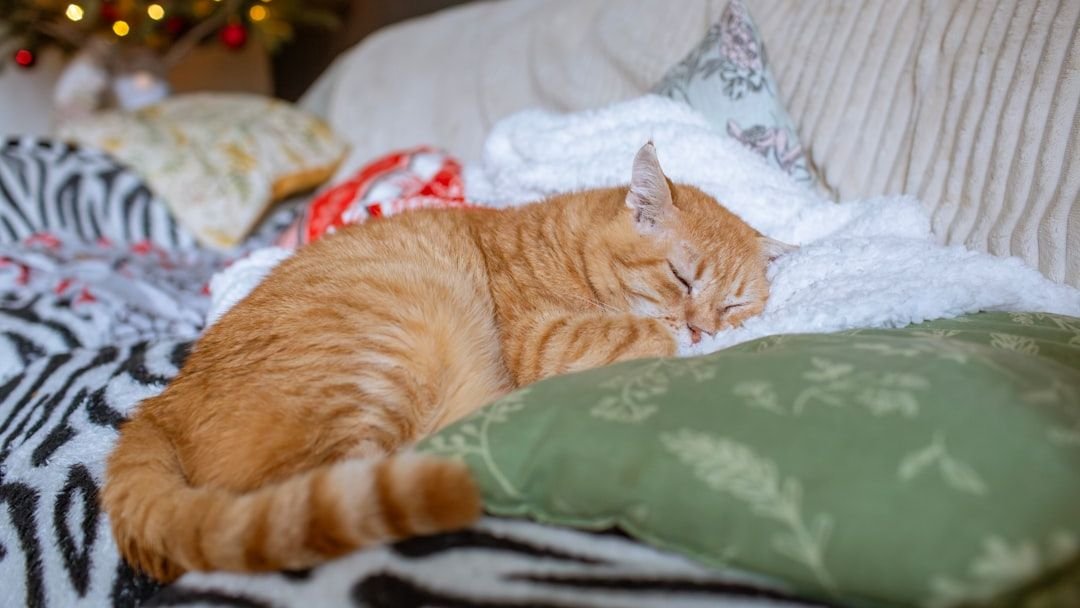
Have you ever noticed your furry companion slowing down a bit, napping more, or struggling to jump onto their favorite perch? As your cat gracefully ages, their needs shift in ways that might surprise you. The good news is that just a few thoughtful additions to your home can make their golden years infinitely more comfortable. Let's be real, our senior felines deserve the absolute best after years of companionship. From cozy beds to smart feeding solutions, these essentials can transform your aging cat's daily life. So let's dive into the must-have items that'll keep your senior kitty purring with contentment.
An Orthopedic or Memory Foam Bed
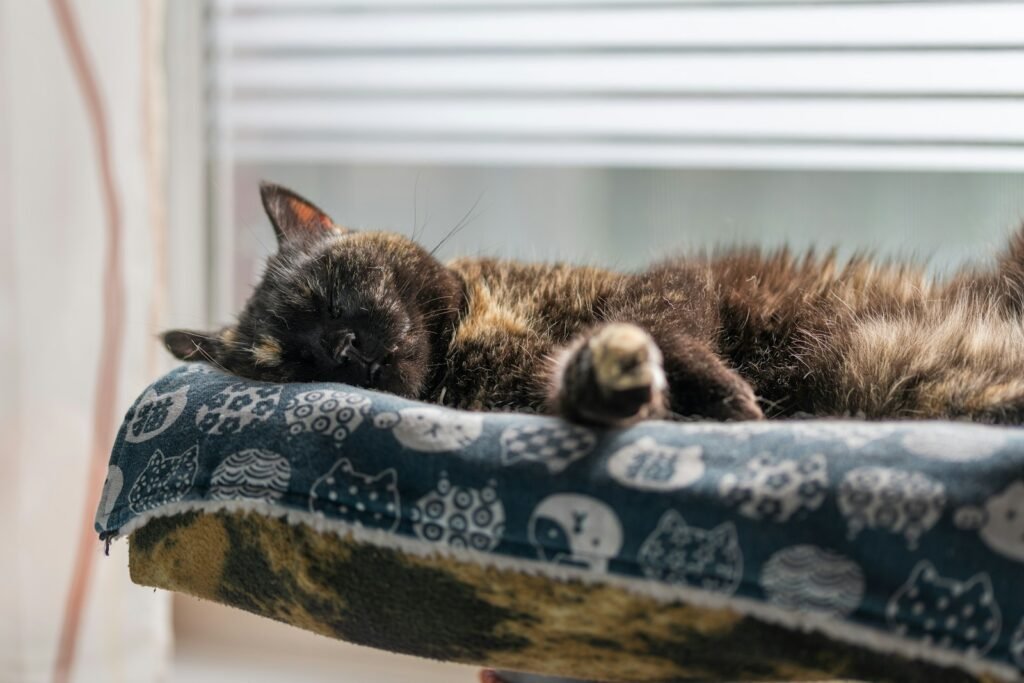
Your aging cat spends up to 20 hours a day sleeping, so their bed isn't just furniture, it's practically their second home. Senior cats sleep extensively, and their bed is crucial for their comfort and joint health. Think about it this way: would you want to sleep on a thin, worn-out mattress every night? Neither does your cat.
Memory foam beds represent the gold standard for supporting aging feline bodies, containing high-density viscoelastic foam that responds to body heat, conforming precisely to your cat's shape and distributing weight evenly to eliminate pressure points. This becomes especially important when you consider that the vast majority of older cats develop arthritis. You'll notice your cat gravitating toward softer surfaces as they age, seeking relief from achy joints. A quality orthopedic bed can genuinely improve their mobility and overall happiness.
A Heated Bed or Self-Warming Mat
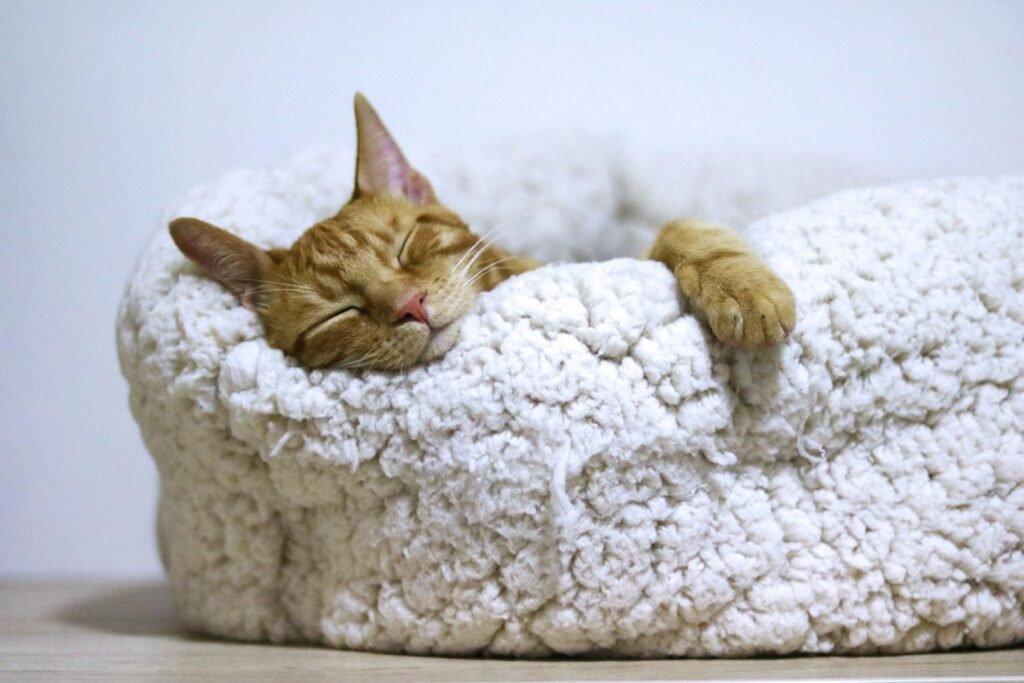
Warmth is vital for senior and arthritic cats to keep their routine activities, using specially designed cat-safe heating technology. There's something almost magical about how a heated bed can soothe stiff, painful joints. I know it sounds like a luxury item, but trust me, it's therapeutic.
The subtle warmth of a heated bed can soothe a senior cat's achy muscles and joints. If you're worried about safety, modern heated beds have built-in temperature controls that prevent overheating. Alternatively, self-warming mats use reflective materials to bounce your cat's own body heat back to them without any electricity involved. Self-warming mats reflect your cat's natural body heat, creating gentle warmth that soothes joints and muscles. Either option works beautifully, though electric versions provide more consistent warmth during colder months.
Raised or Elevated Food and Water Bowls
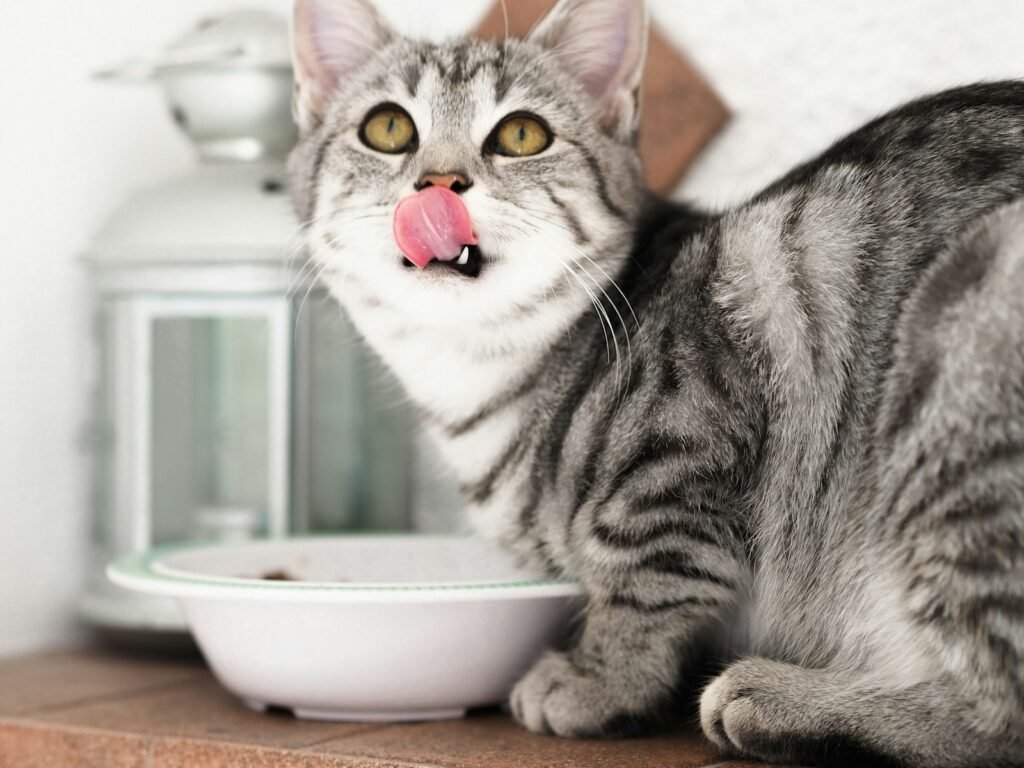
Here's something many cat owners overlook: the height of food bowls really matters for senior cats. Raised food and water bowls prevent cats with degenerative joint disease from having to bend to eat and drink. When your cat has to crouch down repeatedly throughout the day, it puts unnecessary strain on their neck, spine, and arthritic joints.
Elevated designs prevent your cat from crouching, which can be especially beneficial for those with arthritis. You might notice your senior cat eating less or avoiding meals, not because they're picky, but because bending down hurts. Switching to elevated bowls can genuinely encourage better eating habits. Plus, many raised bowls have wider, shallow designs that prevent whisker fatigue, another common issue that bothers older cats.
A Cat Water Fountain
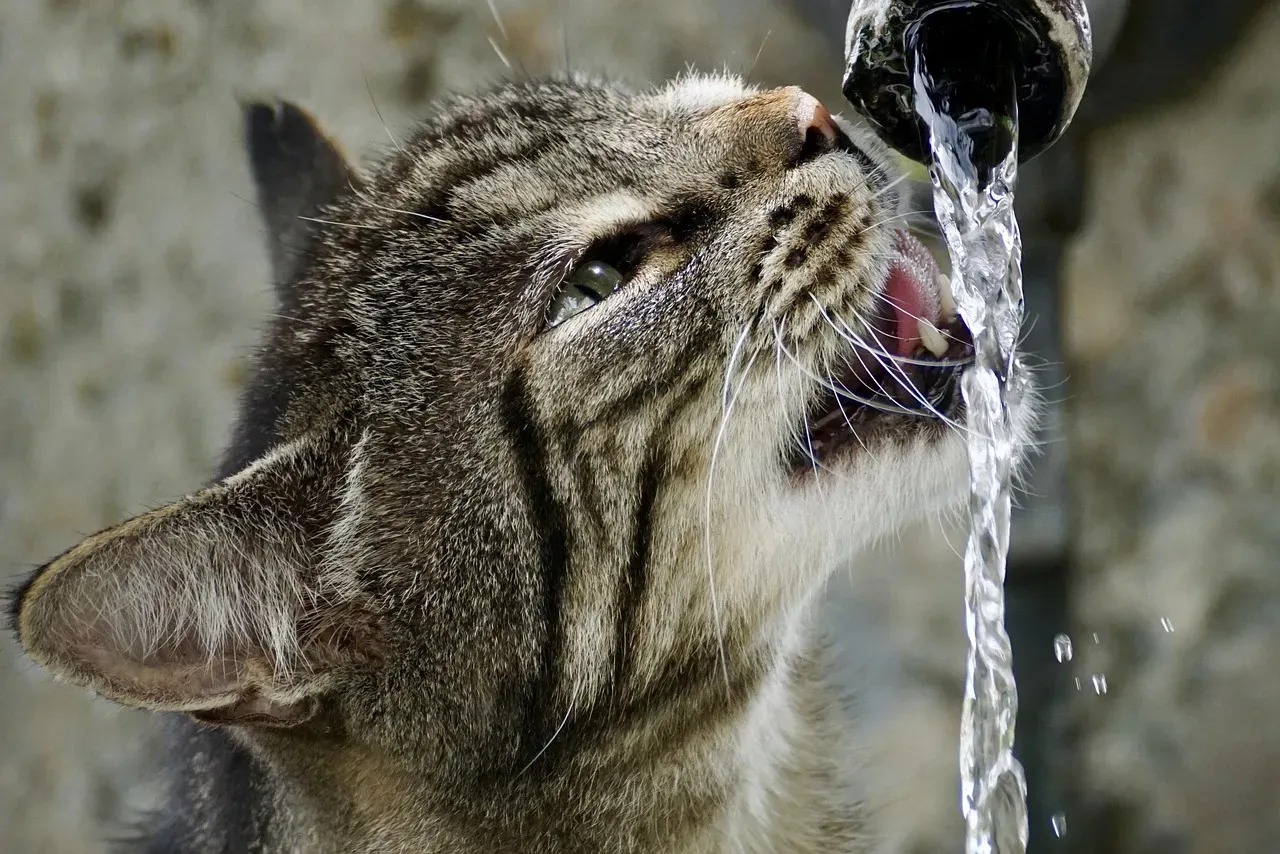
Getting your senior cat to drink enough water can feel like an impossible task sometimes. Cats are naturally drawn to running water, which looks and sounds fresher than still water in a bowl, and increased water intake can help prevent dehydration and its associated health risks. Honestly, water fountains are one of those game-changing items that address a genuine health concern.
Cats are more susceptible to kidney disease, which proper hydration can help, and water fountains can benefit pets with medical issues like diabetes, frequent urinary infections and blockages, and endocrine diseases. The continuous filtration removes impurities and keeps the water cooler and fresher. You'll likely notice your cat drinking more frequently once they have access to flowing water. It taps into their evolutionary instincts while protecting their kidney health, something that becomes increasingly vulnerable as cats age.
A Low-Entry Litter Box
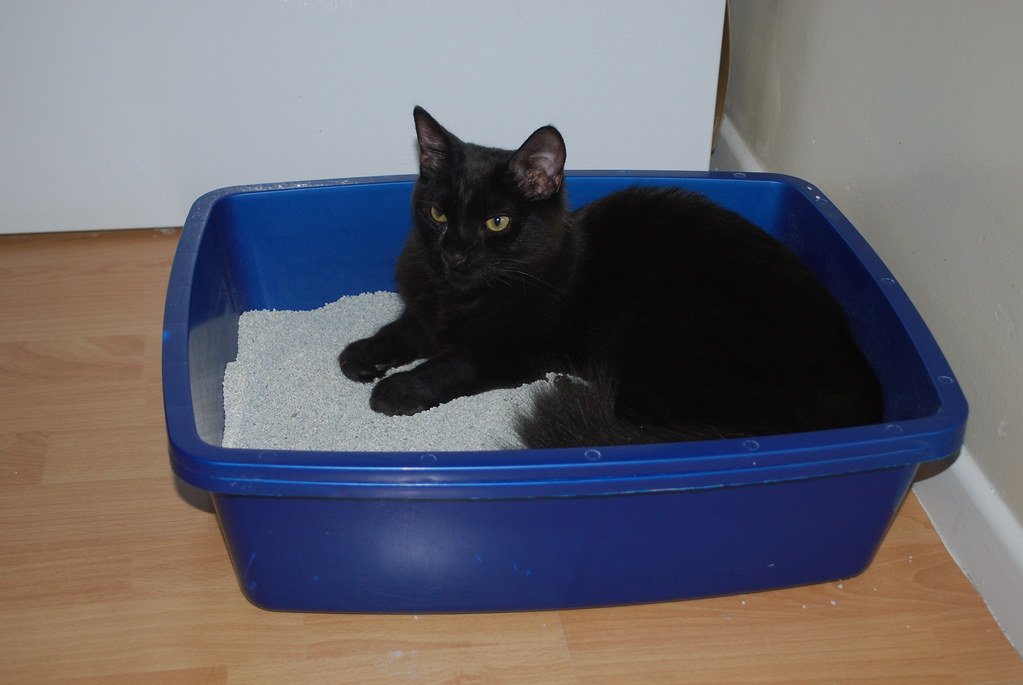
The essential senior cat litterbox features a low entry with a wider opening, making getting in and out easier for a senior cat, which may be frequent if your senior has kidney disease. Think about how difficult it becomes for arthritic cats to climb over high walls multiple times daily. It's not just uncomfortable, it can actually lead to litter box avoidance.
You want a box that's easy to access on every floor of your home if possible. Older cats may develop arthritis or other mobility issues that make it difficult to get to their litter box, so place boxes in easy-to-access areas on each floor and use low-sided boxes so they are easy to get in and out of. Position them away from high-traffic areas for privacy, but make sure your senior can reach them without navigating stairs or tight spaces. Some cats benefit from ramps or steps leading to the box, especially if they're dealing with severe joint issues.
Soft Blankets and Washable Bed Liners
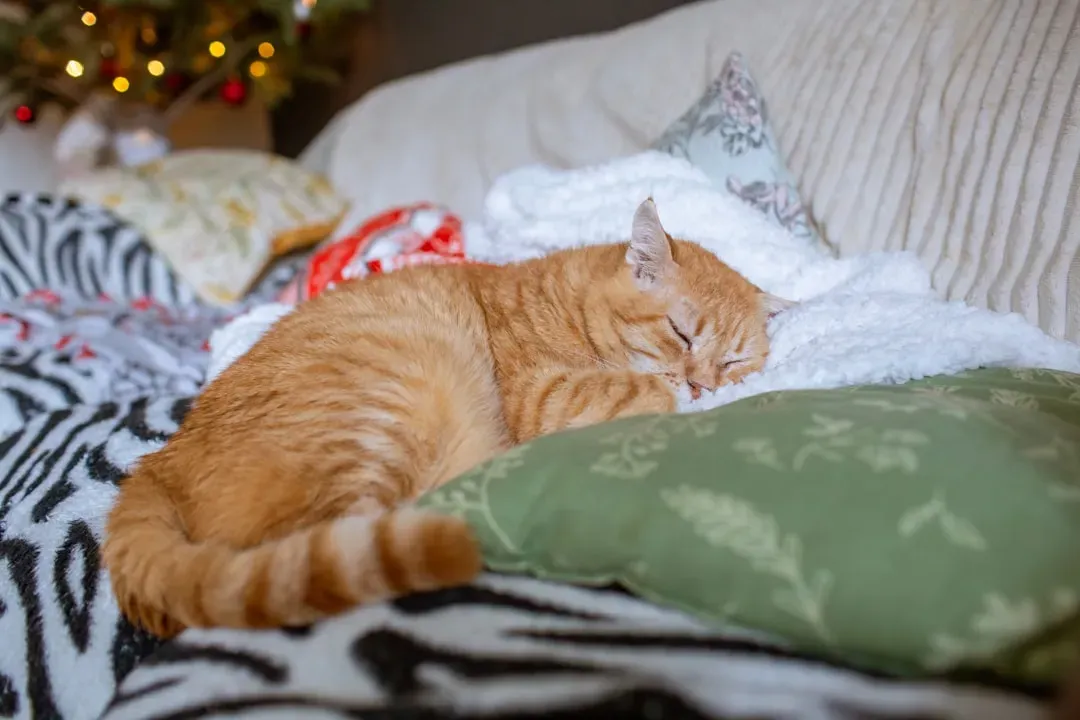
Senior cats sometimes experience incontinence or have accidents, which isn't their fault but rather a natural part of aging. Having multiple soft, washable blankets around your home provides comfort while protecting your furniture. These blankets are loved by senior cats because they are soft and comfy, protecting couches and human beds in the event of accidents while not being an eyesore and washing well.
Place these blankets in your cat's favorite lounging spots, whether that's the couch, your bed, or a sunny windowsill. The softness provides extra cushioning for tender joints, while the washability makes cleanup stress-free for you. Let's be honest, nobody wants to be constantly worried about messes. Having designated, easily cleanable blankets gives both you and your cat peace of mind. Keep several on rotation so you always have clean ones available.
Pet Steps or Ramps
Ramps and stairs can help cats with arthritis get up on the bed or their favorite window perch, which is especially important if they need a place to be away from dogs, small children, or other cats at home. Your senior cat hasn't forgotten how much they love their high perches, they just can't reach them as easily anymore.
Watching a senior cat struggle to jump can be heartbreaking. Pet steps provide a gradual, comfortable way for them to access elevated spots without pain. Choose a ramp that's stable with your cat's weight on it, and ideally, the ramp should be carpeted for traction. Your cat might be suspicious at first, giving the new furniture that classic skeptical cat stare, but most figure it out quickly. Position steps near beds, couches, and window seats where your cat loves to spend time.
Grooming Tools and Brushes
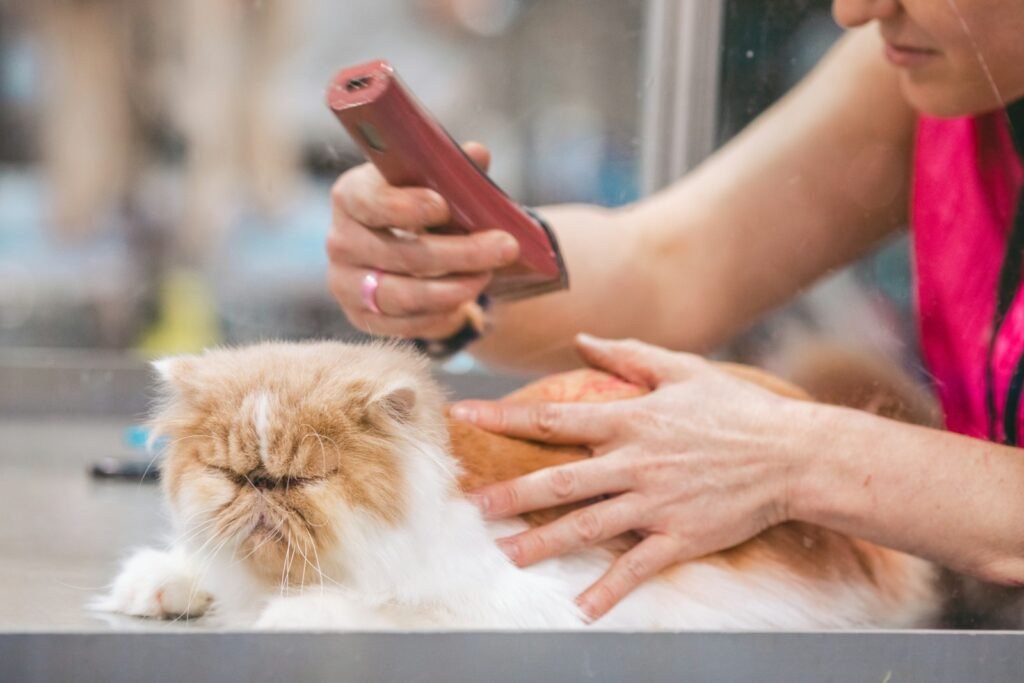
Senior cats struggle with grooming as it gets more difficult for them over time, having a hard time bending and stretching enough to really reach every spot of their body, and older cats' fur tends to be a bit greasy. Your senior needs your help maintaining their coat, something they once managed perfectly on their own.
Brushing your kitty daily helps get dead fur and dander out of her coat, keeping her looking and feeling good. Regular brushing isn't just about appearance, it's genuinely therapeutic. It stimulates circulation, prevents painful mats and tangles, and gives you a chance to check for lumps, bumps, or skin issues. Choose brushes with soft bristles or rounded tips that won't irritate sensitive skin. Many senior cats actually grow to love their grooming sessions, purring contentedly as you work through their fur.
Joint Supplements and Comfort Aids
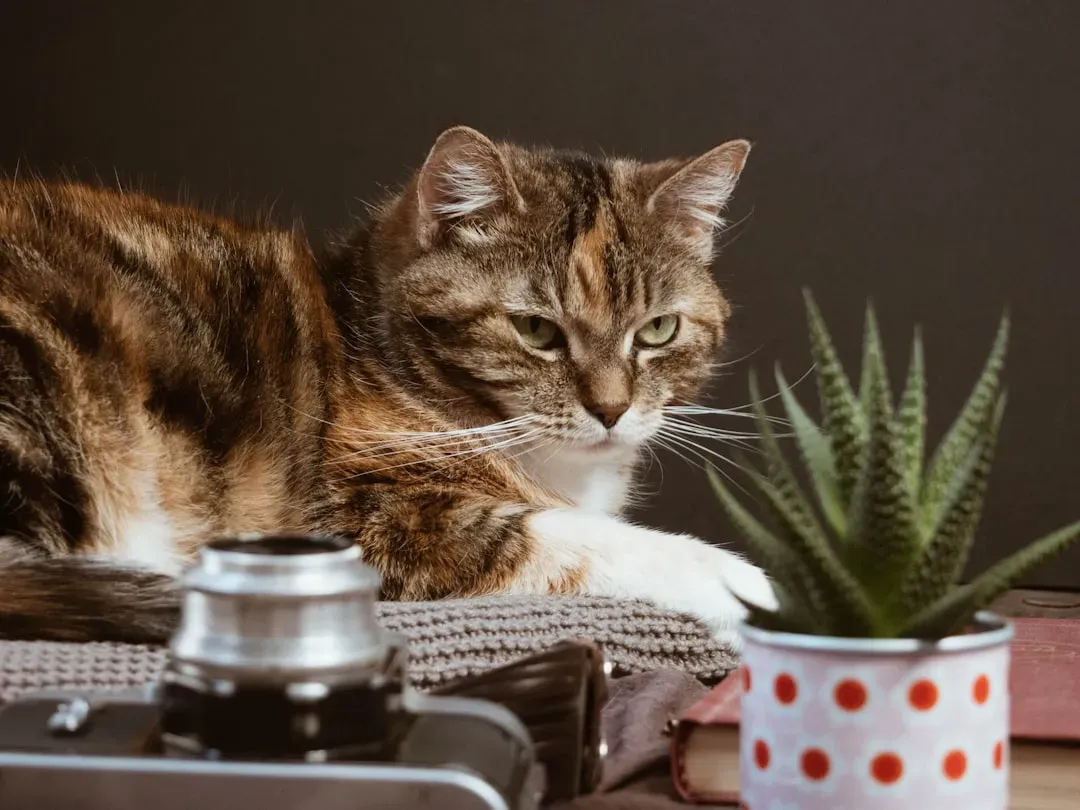
Glucosamine and chondroitin can help improve joint health and reduce the pain associated with arthritis in senior cats. While not exactly a physical item you place around the house, supplements are essential tools in your senior cat comfort kit. Nearly all cats over ten develop some degree of arthritis, though they're masters at hiding discomfort.
Joint supplements containing glucosamine and chondroitin have shown promising results when used consistently over time. You'll want to consult your veterinarian before starting any supplement regimen, as they can recommend appropriate options based on your cat's specific needs. Some supplements come in treat form, making administration easier. Honestly, combining supplements with other comfort measures like heated beds and orthopedic support creates a comprehensive approach to managing age-related joint issues.
Night Lights for Navigation
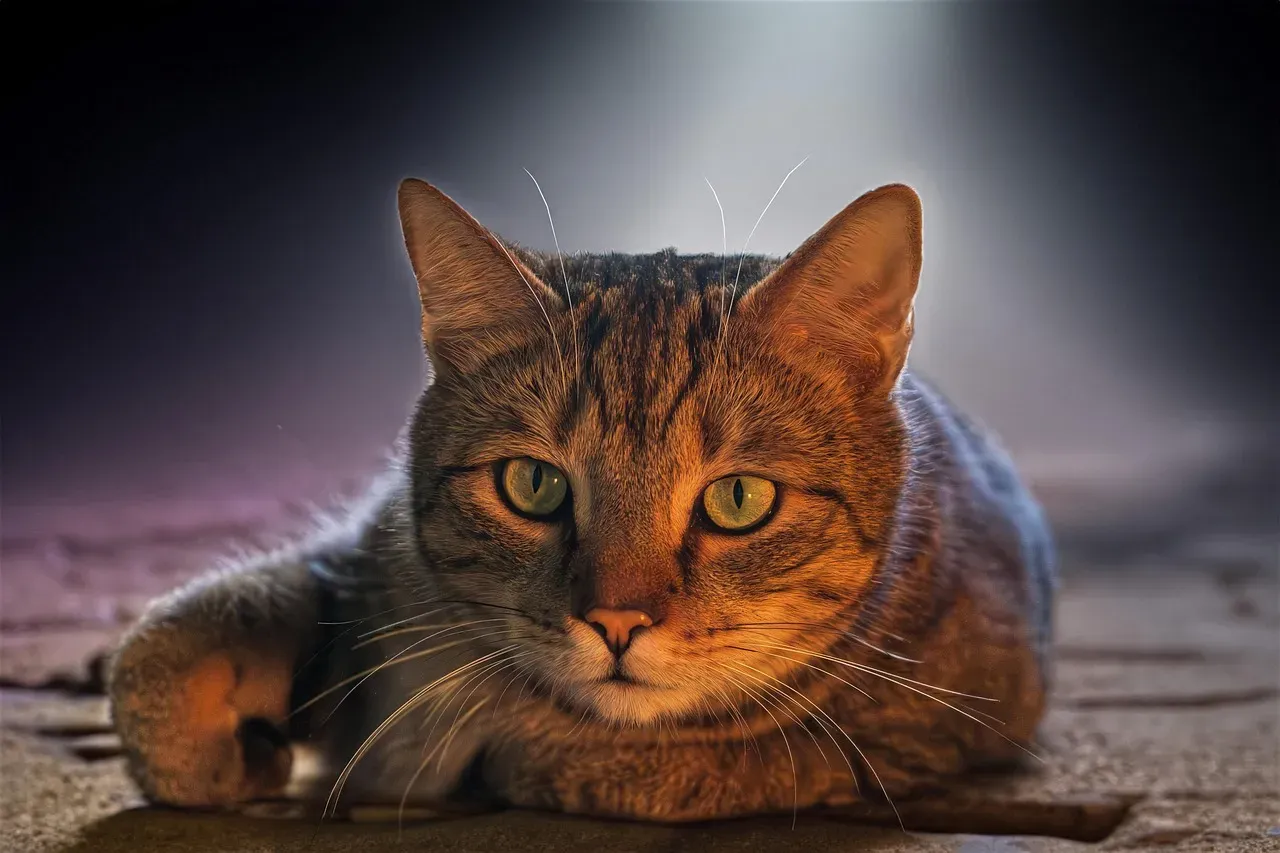
Putting night lights out can help your senior cat find their way to the litterbox or food bowl at night. This might seem like a small detail, but it makes a genuine difference for aging cats experiencing vision decline. Many senior cats develop weakened night vision, making dark hallways confusing and potentially dangerous.
Many senior cats have vision and hearing loss that can affect their ability to recognize and avoid hazards, and some cats may benefit from night-lights to help them navigate better in the dark as their night vision decreases. Simple plug-in night lights along pathways to the litter box, food, and water stations help your cat maintain independence and confidence. Motion-activated options work particularly well, illuminating only when your cat passes by. It's one of those thoughtful touches that shows how much you understand your senior's changing needs.
These ten essentials aren't just nice-to-have items, they're genuine quality-of-life improvements for your aging feline. Remember, your senior cat has spent years bringing you comfort and companionship. Now it's your turn to return that love by making their golden years as comfortable and dignified as possible. Small changes really do add up to big improvements in their daily comfort. What adjustments have you made for your senior cat? The journey of caring for an aging pet is filled with tender moments that deepen the bond you share.