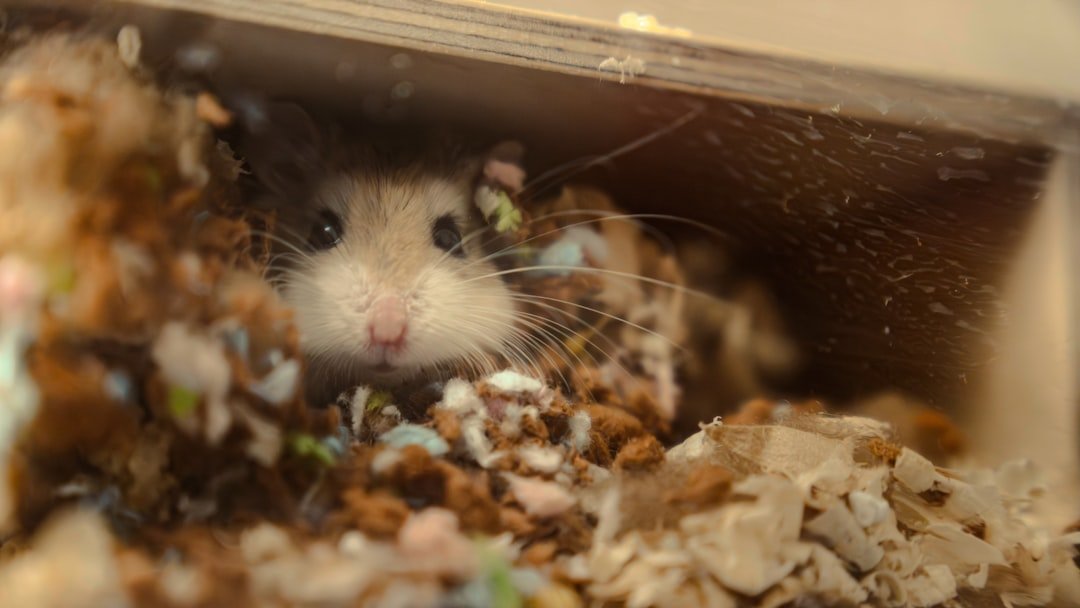
Have you ever watched your hamster disappear under a pile of bedding and wondered what’s going through their tiny mind? Those little furry engineers are telling you something important every time they dig, tunnel, and vanish into their makeshift underground kingdoms. Burrowing isn’t just a quirky habit. It’s an ancient language written in wood shavings and substrate, and understanding it can transform the way you care for your pet.
Your hamster’s digging behavior is actually one of the most revealing windows into their emotional state. Sometimes a burrowing hamster is the picture of contentment, busy creating their dream home. Other times, excessive hiding might signal stress or fear. Let’s dig deeper into what your hamster is really trying to tell you when they start moving mountains of bedding around their cage.
The Instinctual Drive Behind Burrowing
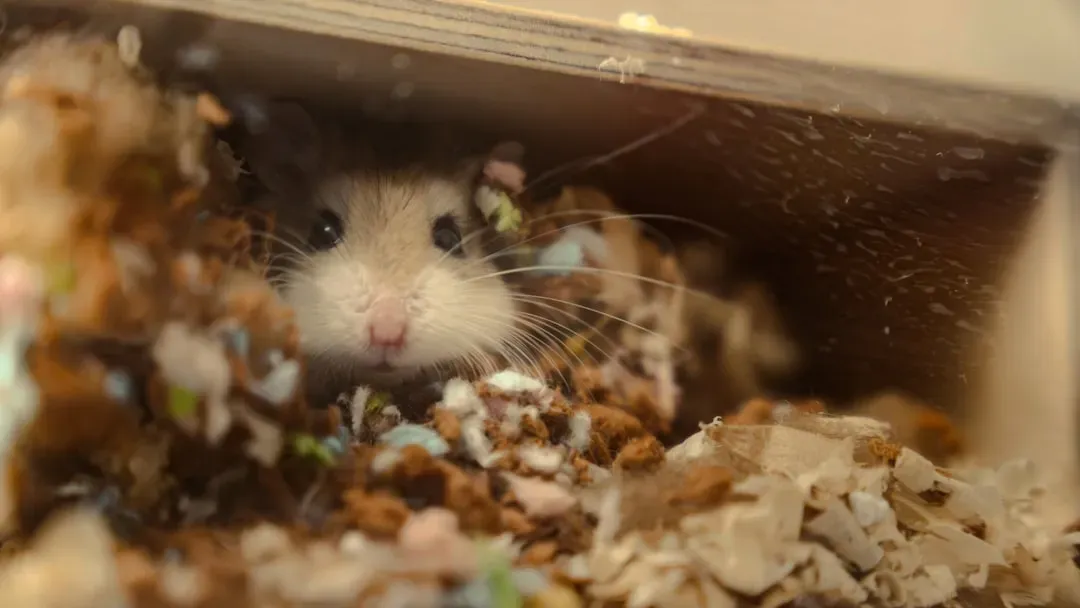
Your hamster’s compulsion to burrow comes directly from their wild ancestors, who created safe tunnels and cozy nests for shelter and survival. Think of it like a hardwired survival program that simply won’t shut off, even though your pet is safe in a cage in your bedroom. In the wild, these elaborate underground homes protect hamsters from predators and extreme temperatures.
Syrian hamster mothers in their natural habitat construct burrows with different chambers for their nest, urination areas, and food storage. Even the smallest species are impressive diggers. Roborovski hamsters create burrows with tunnels that can extend up to 3 meters in length. When your pet digs frantically through their bedding, they’re channeling thousands of years of evolutionary programming.
Happy Burrowing Versus Stress Burrowing

Here’s where things get interesting. When your hamster burrows in their bedding, it typically means they’re happily occupied and just digging around, possibly searching for a snack they buried earlier. You’ll notice this behavior especially after cage cleaning days when they have fresh bedding to work with.
However, if your hamster is burrowing and hiding at night when these nocturnal creatures should be awake and active, it may signal stress, possibly because another pet is constantly watching them. The timing matters enormously. A hamster that builds elaborate tunnel systems during rest time but emerges confidently when awake is probably doing just fine. One that hides constantly during their active hours? That’s your cue to investigate what’s wrong.
Creating a Safe Haven Through Digging

Hamsters burrow to hide and stay safe when sleeping, and if bedding is deep enough, they’ll create tunnels and covered areas for food stashes. This behavior is completely natural and actually essential for their psychological wellbeing. Think of it as them building their own little panic room where they can retreat when they need to feel secure.
Hamsters often burrow to create cozy nests, which helps them feel safe and secure, leading to less anxiety and a happier pet overall. When you see your hamster methodically moving bedding around and patting it down with their tiny paws, they’re essentially interior decorating. This is therapeutic behavior that reduces stress and gives them a sense of control over their environment.
The Science of Bedding Depth and Mood
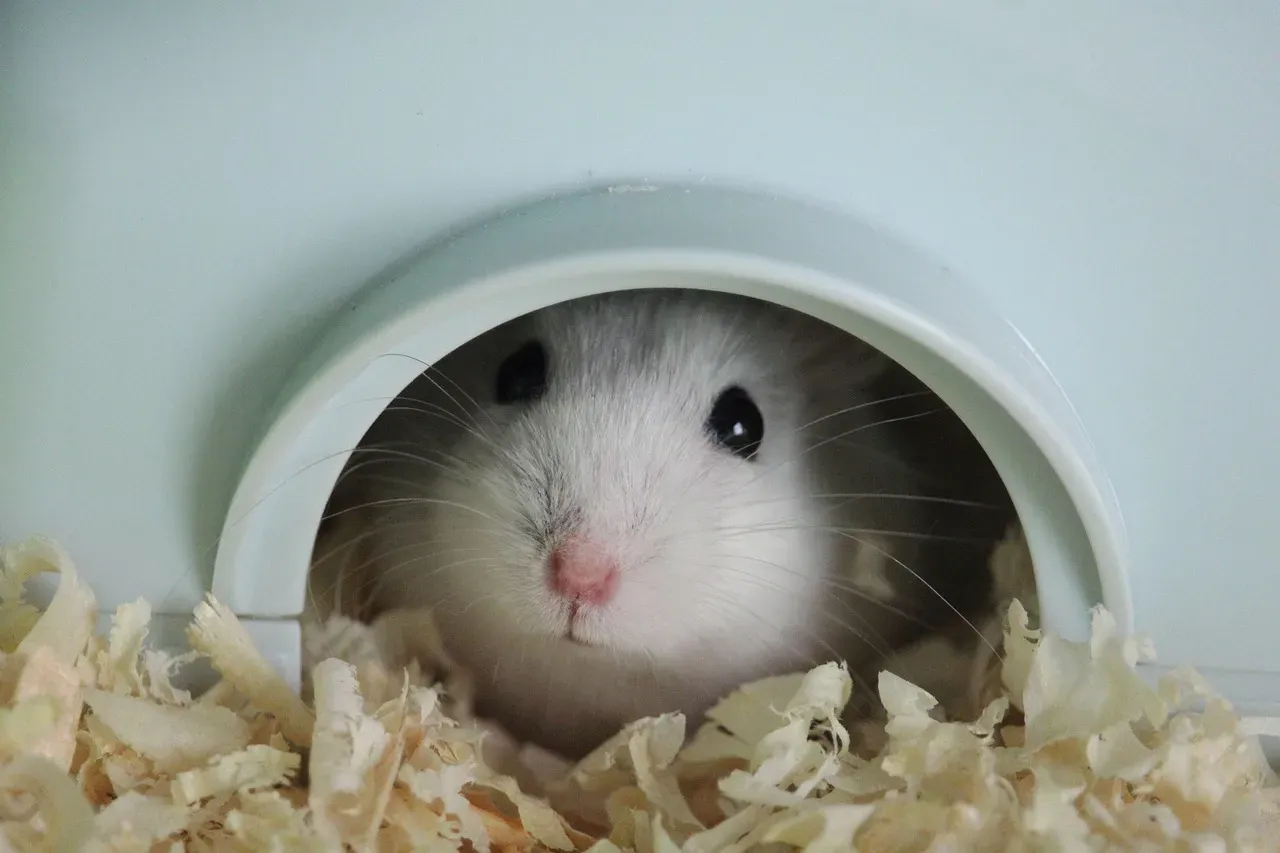
Let’s talk numbers, because they’re honestly shocking. Research shows that hamsters kept with only four inches of bedding displayed significantly more wire-gnawing and higher running wheel activity than hamsters with deeper bedding. Wire-gnawing is basically the hamster equivalent of anxiously biting your nails.
Even more remarkable, studies found that Syrian hamsters offered sixteen inches or more of bedding burrowed more, remained healthier, and showed significantly less wire-gnawing behavior, indicating lower stress levels. In enclosures with roughly thirty inches of bedding, wire-gnawing was never observed. The correlation between substrate depth and emotional wellbeing is almost impossible to ignore.
When Your Hamster Suddenly Stops Burrowing

Not all hamsters are equally enthusiastic diggers, and that’s perfectly fine. Some Winter White hamsters don’t really care to burrow in captivity, preferring other enriching activities. Just like people have different hobbies, hamsters have individual preferences too.
Still, hamsters may have trouble burrowing if they’re injured, ill, or too hot or cold, particularly if they have foot injuries that make digging uncomfortable. A sudden change in burrowing habits deserves your attention. If your previously enthusiastic digger abandons their tunnels completely, consider a vet visit to rule out health issues.
Reading the Signs of Contentment

Relaxed grooming, stretching, burrowing in bedding, collecting food, and lively acrobatics in the cage all indicate that life is good for your hamster. When you spot your hamster casually digging, pausing to groom themselves, then resuming their excavation project, you’re watching a happy animal at work.
A contentedly tired hamster will yawn and then burrow into a quiet corner to rest. This sequence is important to recognize. The yawn signals relaxation, not distress. Honestly, there are few things more adorable than watching a hamster give a tiny yawn before disappearing into their nest for a well-earned nap after a productive digging session.
Excessive Digging as a Stress Signal
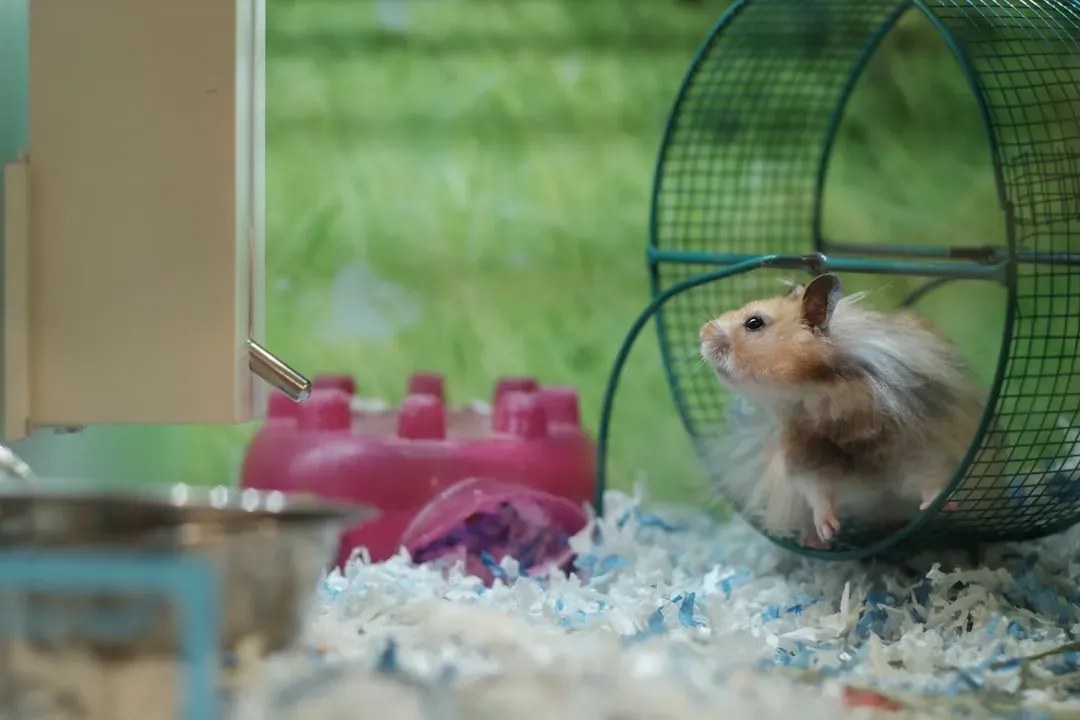
Here’s where you need to pay closer attention. Excessive digging along with other repetitive behaviors like rolling, scratching, licking, or scurrying in circles can all be signs of a stressed hamster. The key word here is excessive. A hamster that digs frantically and repeatedly in the same spot without actually building anything might be expressing frustration.
If you notice your hamster wearing a path in their bedding from pacing or engaging in loops of repetitive activity, they may be experiencing mental stress. This is distinctly different from purposeful burrowing. Stressed digging looks chaotic and almost desperate, while content burrowing appears methodical and results in actual tunnel structures.
Burrowing During Adjustment Periods
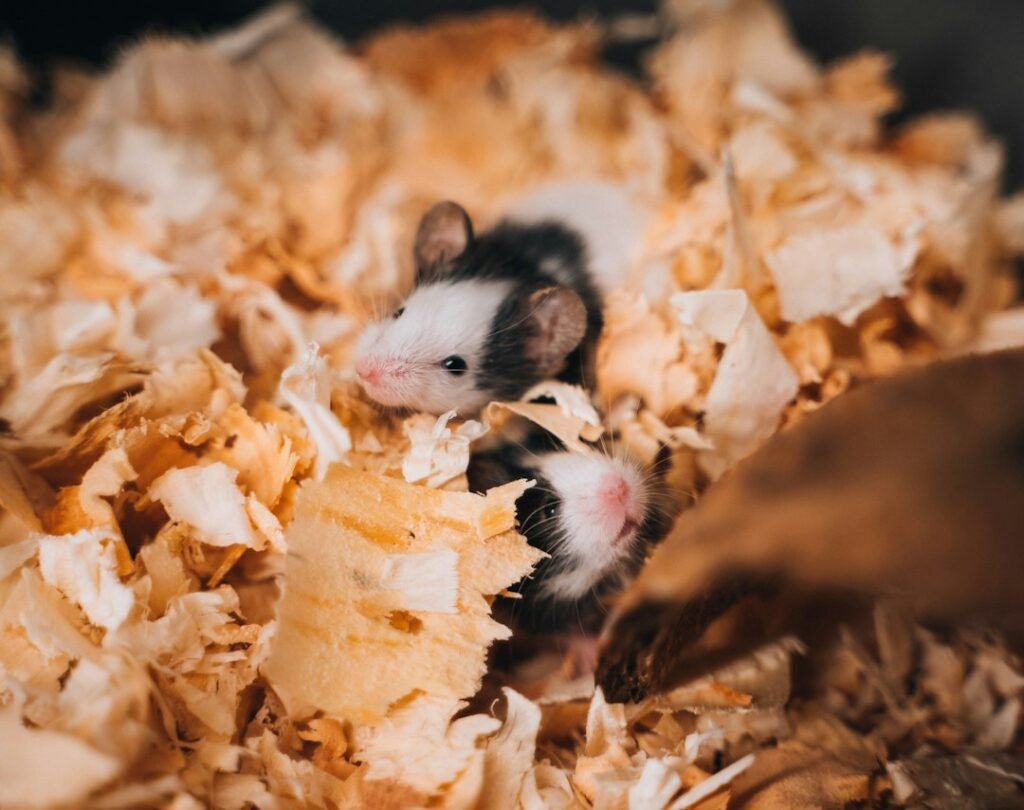
It’s quite typical for a new hamster to explore first and then go underground for a week or two before resurfacing to meet their human family. If you’ve just brought your hamster home and they’ve basically vanished into a burrow, resist the urge to panic. They’re not rejecting you or their new home.
This underground retreat is actually a positive sign that your hamster feels safe enough to establish their territory. Your hamster is burrowing to create covered areas they can retreat to or hide extra food stashes in, and you should expect to see burrowing after you change bedding material. Give them space and time. They’ll emerge when they’re ready.
Environmental Factors That Affect Burrowing

Hamsters do burrow and hide mostly when settling down for naps, but if your hamster is hiding constantly during regular awake or play periods, it may signal anxiety or stress, often because another animal is constantly watching them. Location matters enormously. Is your hamster’s cage positioned where a cat can stare at them? That’s terrifying from a prey animal’s perspective.
Temperature plays a role too. Hamsters cannot regulate their body temperature as effectively as humans, and both extremely hot and cold climates can be deadly for them. If your hamster is burrowing more deeply than usual, check the room temperature. They might be trying to escape uncomfortable conditions by creating insulation.
Supporting Healthy Burrowing Behavior

If your hamster enjoys burrowing, you can set up their enclosure to facilitate this natural activity by creating a separate area with deep bedding, which promotes their welfare. Don’t just dump more bedding randomly across the entire cage. Create a dedicated digging zone with proper depth for tunnel construction.
Adding layers of bedding allows hamsters to dig and burrow naturally, and providing a mix of materials like paper-based bedding and shredded cardboard gives them options for creating cozy nests. Think of yourself as an architect designing the perfect construction site. Your hamster will absolutely notice and appreciate the effort you put into creating an enriching digging environment.
Conclusion

Your hamster’s burrowing behavior is far more than a simple quirk. It’s a complex communication system that reveals their emotional state, comfort level, and overall wellbeing. A hamster happily constructing elaborate tunnel systems during rest periods and emerging confidently during active hours is telling you everything is right in their world. Conversely, one that hides constantly during waking hours or digs frantically without purpose is asking for help.
The beauty of understanding this behavior is that you have the power to respond. Deeper bedding, strategic cage placement, and patience during adjustment periods can transform a stressed hamster into a content one. Pay attention to the timing, the intensity, and the results of their digging efforts. Your hamster is speaking to you every time they move that bedding around – are you listening?
What surprising burrowing behaviors have you noticed in your hamster? Share your observations in the comments below.