A battle-scarred stray cat wandered into a shelter’s care, carrying not just a rugged exterior but also a diagnosis of feline immunodeficiency virus, yet his spirit quickly won over everyone around him.
The Unexpected Arrival
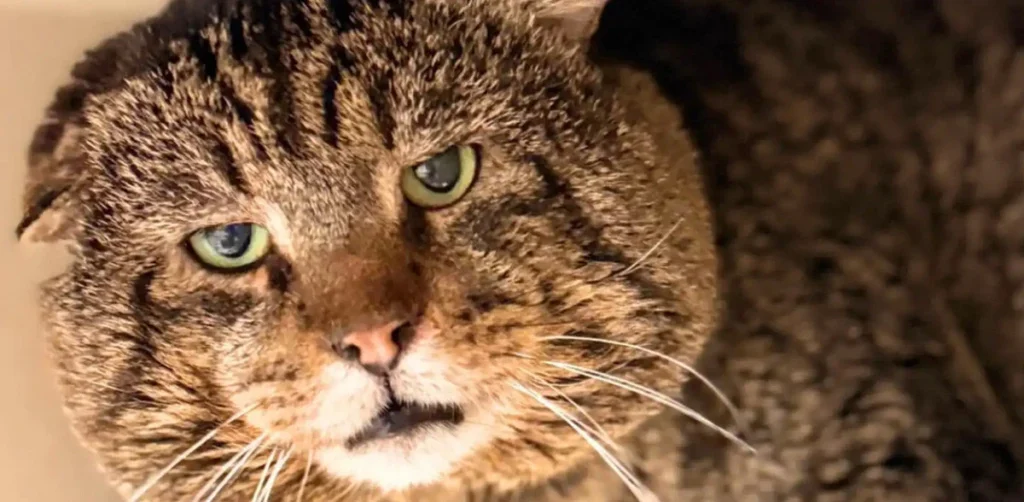
Shelter staff first spotted the cat during a routine patrol in a nearby neighborhood. He had the jowls of a seasoned fighter, matted fur, and a wary gaze that spoke of years on the streets. Rescuers noted his cautious steps as they approached, but he did not flee. Instead, he allowed them to guide him to safety.
Once inside, veterinarians examined him thoroughly. They discovered he tested positive for FIV, a condition that affects the immune system but does not define a cat’s quality of life. The team named him Katpone, drawing from his tough appearance, and began a gentle rehabilitation process. His initial days involved quiet observation and slow introductions to the shelter environment.
Debunking FIV Myths
FIV remains one of the most misunderstood feline health issues, often leading to unnecessary fear among potential adopters. The virus spreads primarily through deep bite wounds during fights, not casual contact like sharing food bowls or grooming. Cats with FIV can live long, healthy lives with proper care, including regular vet visits and a stress-free indoor environment.
Many shelters now educate the public on these facts to encourage adoptions. Organizations like Stray Haven emphasize that FIV-positive cats pose no risk to other pets in multi-cat homes if introductions are managed carefully. This knowledge shifts perceptions from pity to possibility, highlighting the cat’s potential as a devoted companion.
A Path to Trust and Healing
Katpone’s transformation started with basic comforts: a warm bed, nutritious meals, and medication to bolster his health. Staff reported that within weeks, his guarded demeanor softened. He began seeking out human interaction, rubbing against legs and emitting soft purrs during play sessions.
Volunteers played a key role, spending time reading to him and offering treats to build confidence. By the end of the first month, Katpone engaged in light grooming, a sign of improving well-being. His weight increased steadily, and the shelter’s team celebrated each small victory as evidence of resilience.
- Regular veterinary check-ups to monitor immune function.
- A balanced diet tailored to support overall vitality.
- Indoor living to minimize exposure to infections.
- Socialization through gentle, consistent interactions.
- Spaying or neutering to reduce stress and roaming instincts.
Opening Doors to Adoption
As Katpone’s personality emerged, the shelter prepared him for adoption. They shared his story through community outreach, focusing on his affectionate nature rather than his diagnosis. Prospective families learned about managing FIV, including the importance of preventive care.
Interest grew quickly, with several applications arriving. The shelter matched him with a quiet household experienced in special-needs pets. On adoption day, Katpone stepped into his new life without hesitation, marking the end of his stray days.
| Challenge | Solution |
|---|---|
| Initial wariness | Patient socialization |
| FIV management | Proactive veterinary care |
| Finding the right home | Educated matching process |
Key Takeaways for FIV Cat Adopters
- FIV cats thrive with indoor lifestyles and routine health monitoring, often outliving common misconceptions.
- Shelters like those supporting Stray Cat Alliance provide resources to ease the adoption journey.
- Every rescue story underscores the reward of giving a street survivor a second chance at companionship.
Katpone’s journey reminds us that behind every tough exterior lies a heart ready for love, proving that compassionate intervention can rewrite a stray’s story into one of joy and belonging. What experiences have you had with shelter adoptions? Share your thoughts in the comments below.
Kristina is a young writer from India. An arts graduate and an avid content creator, Kristina is passionate about animals and wildlife. She enjoys exploring topics related to pet care, animal behavior, conservation, and nature, combining thorough research with engaging storytelling.