Have you ever wondered if your feline companion truly adores you, or if you’re just the convenient food dispenser in their otherwise solitary life? Cats have a reputation for being distant and aloof, but the truth might surprise you. Your cat is likely showing deep affection every single day, in ways that are subtle yet incredibly meaningful.
Let’s be real here – cats aren’t dogs. They won’t jump with joy when you walk through the door or follow commands just to please you. Their love language is quieter, more mysterious, and honestly, that’s what makes it so special. Once you understand these secret signs, you’ll realize just how profoundly your cat cares about you.
The Slow Blink: A Feline Kiss You Can’t Ignore
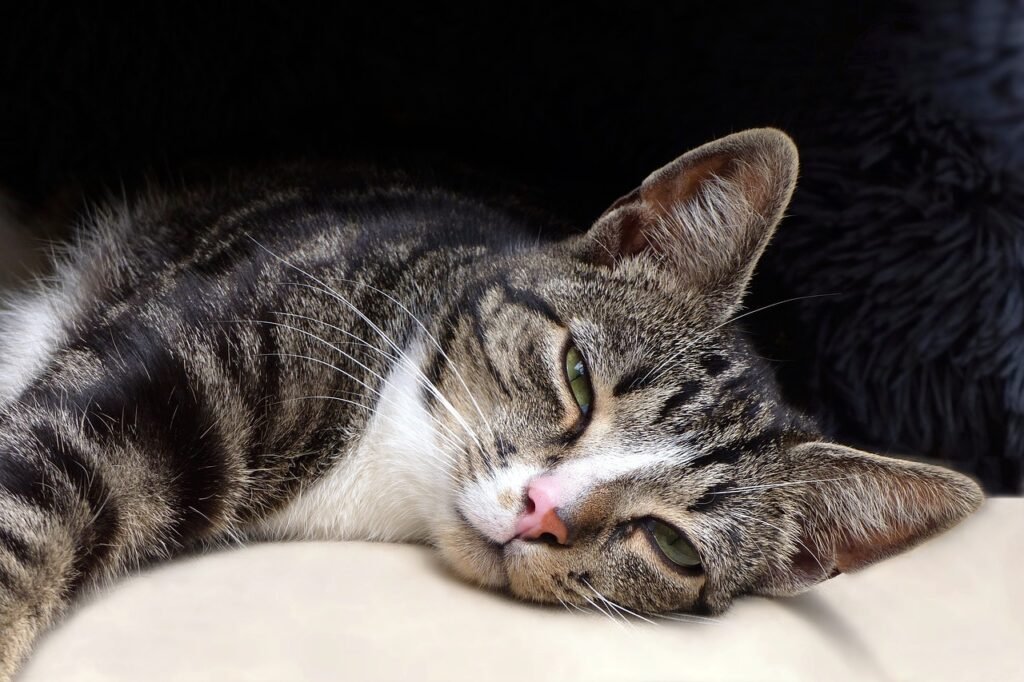
When your cat sits across from you and stares with sleepy-looking eyes, blinking slowly, those slow blinks are actually how they communicate peace and connection. Think of it as your cat’s way of blowing you a kiss. In the wild, closing their eyes makes animals vulnerable to predators, so when your cat does this around you, they’re telling you something powerful: they feel completely safe in your presence.
Your cat may blink slowly to show trust and affection, and studies suggest that this behaviour releases oxytocin, a hormone associated with bonding. Responding to your cat with a slow blink can strengthen the bond between you. Try it yourself next time your cat locks eyes with you. You might be amazed at how this simple gesture transforms your relationship.
Head Butting and Face Rubbing Means You’re Family
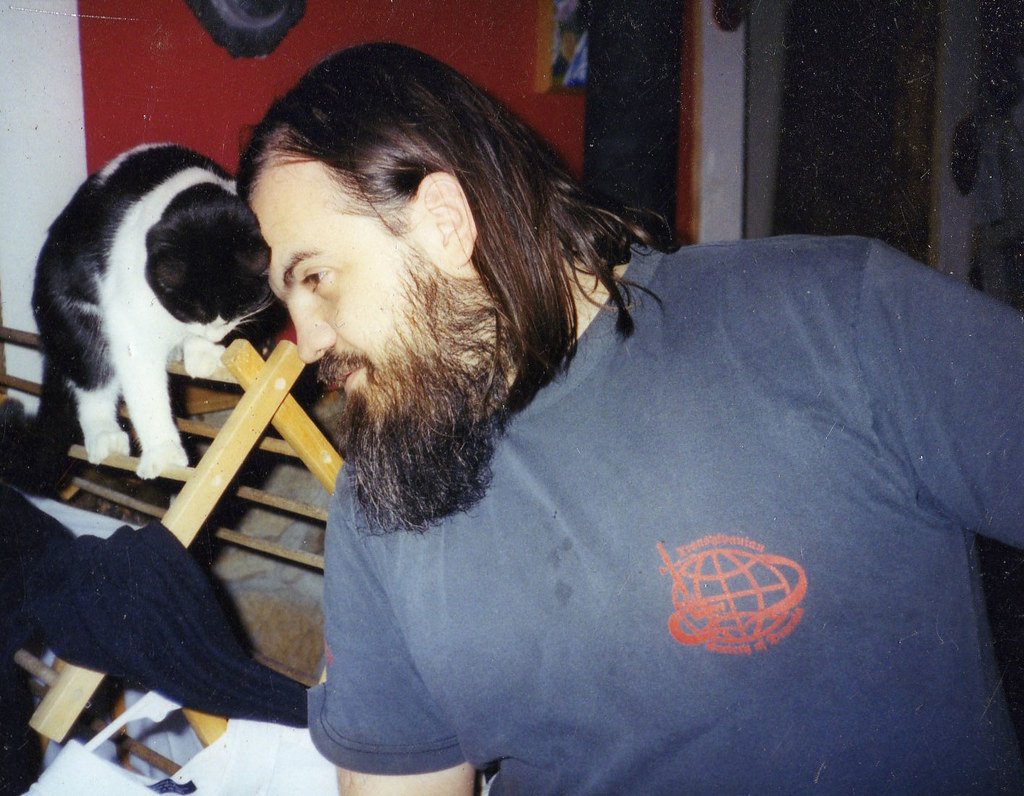
Head butting, or bunting, is a primary way cats show affection and claim ownership. Cats have scent glands on their cheeks, forehead, and chin, and they are depositing their scent and marking you as their territory and part of their family. Yes, you heard that right – when your cat bonks their head against your leg or face, they’re essentially claiming you as theirs.
This behavior goes beyond simple marking. It’s your cat’s way of creating a colony scent, blending their smell with yours to signal that you belong together. Some cats are enthusiastic head-butters, while others offer gentler nudges, but the message is always the same: you’re part of their inner circle, their chosen family.
Purring in Your Presence Shows Deep Contentment
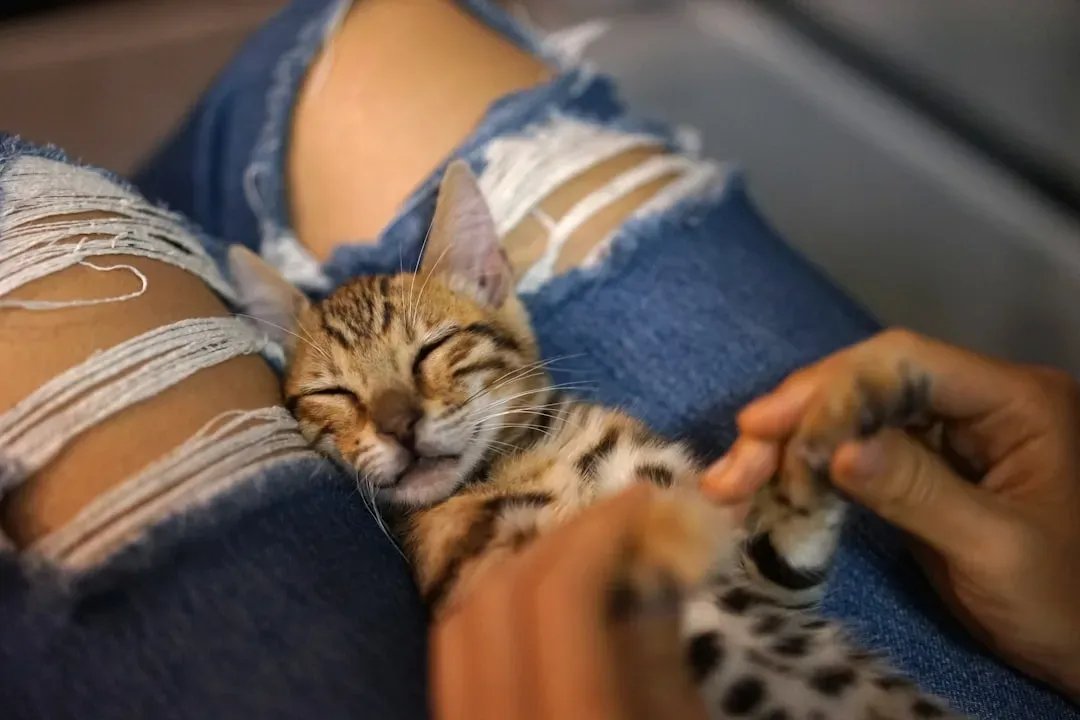
Purring may occur when a cat feels safe and relaxed, often while being petted or enjoying your close presence. That rumbling, rhythmic sound is one of the most comforting noises in the world, right? Here’s the thing – while cats can purr for various reasons, including self-soothing when stressed, a cat purring contentedly near you is expressing genuine happiness and trust.
If your cat purrs contently when they are around you, there’s a good chance they also feel bonded with you and is relaxed in your presence. Pay attention to the context. If your cat is lounging on the couch beside you, eyes half-closed, motor running at full speed, you’ve got yourself one deeply satisfied feline who genuinely loves being near you.
Kneading or “Making Biscuits” Reveals Ultimate Trust
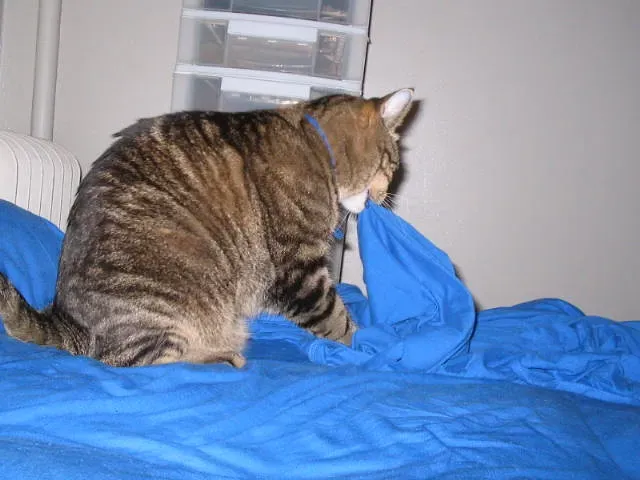
Kneading, which is also known as “making biscuits,” is rooted in kittenhood and signals comfort and security. This rhythmic pushing motion with their paws is something kittens do while nursing to stimulate milk flow from their mother. When your adult cat kneads on you, your blanket, or even the air, they’re reliving that safe, nurturing feeling from their earliest days.
Kittens knead their mother’s belly when they are nursing to stimulate the flow of milk and to express their happiness at nursing. When a cat kneads you, it is expressing its joyful, similar to how it did with its mother. The fact that they’re doing this on you? That’s massive. You’ve become their safe space, their source of comfort. Sure, those claws can be sharp, but that discomfort is a small price to pay for such profound affection.
Following You Everywhere Shows Genuine Attachment
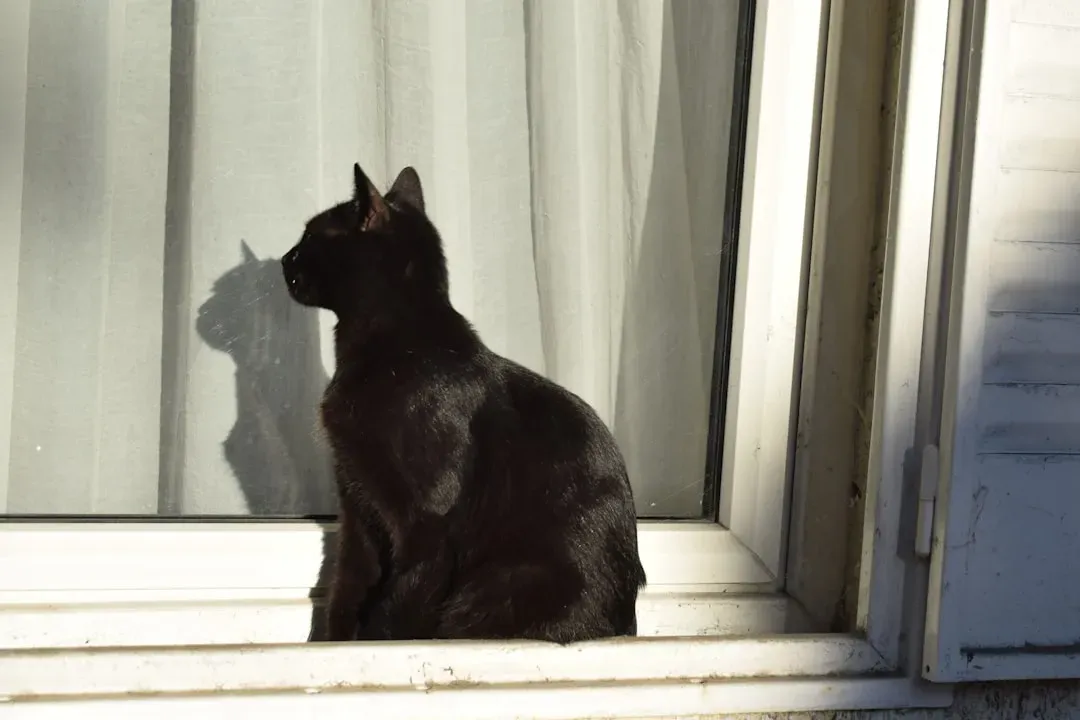
Does your cat shadow you from room to room, even into the bathroom? If a cat stalks you and follows you around, it is seeking your attention and companionship. This speaks highly of you, as your company has not only been accepted but also is highly desired – enough to interrupt their other activities. Cats are naturally independent creatures, so when one chooses to trail behind you throughout the day, it’s a clear sign of attachment.
There can be many reasons for this – from wanting food to being anxious – but there are many cases in which your cat simply enjoys your company and wants to be with you. If it’s not close to feeding time, and your cat isn’t acting like they want anything, chances are they are just trying to bask in your presence. They genuinely prefer being near you to being alone. How’s that for love?
Tail Language Speaks Volumes About Affection
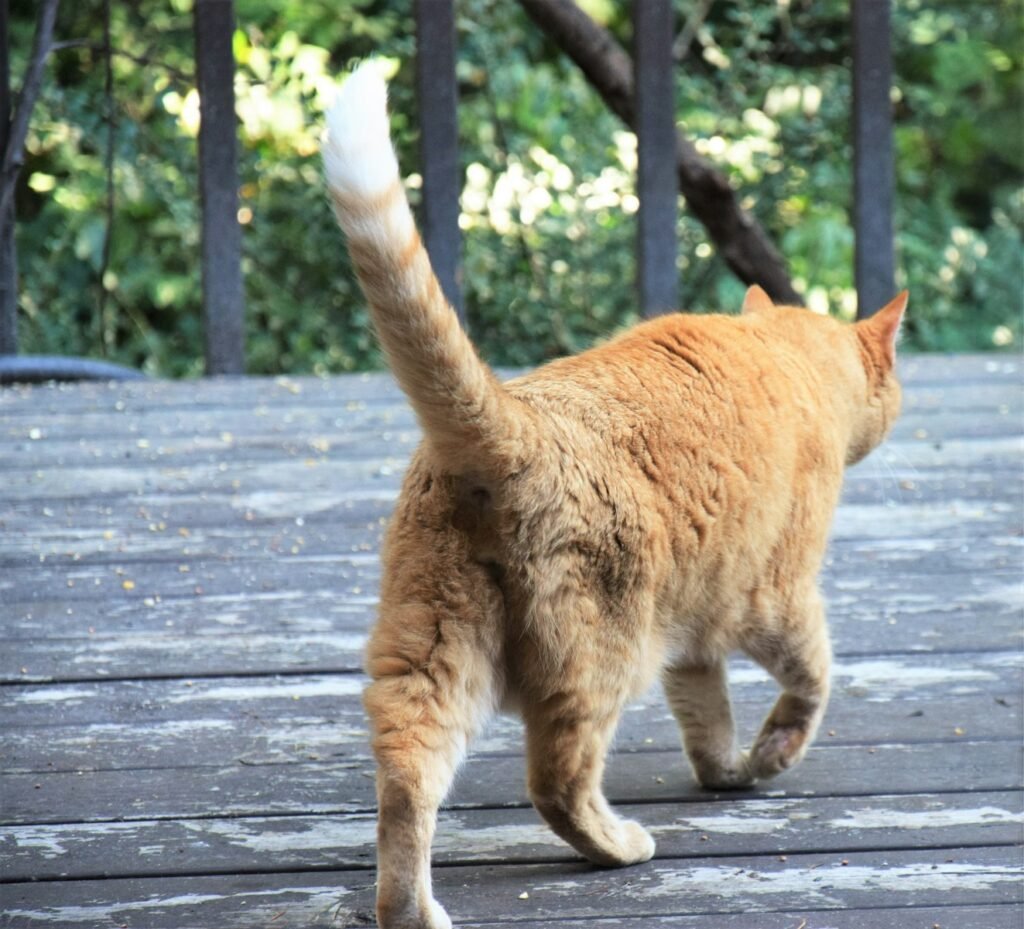
According to animal behaviorist and cat specialist Marilyn Krieger, felines often show affection through their tails. A curved tip is a friendly greeting and invitation to interact with your cat, while a more gushy display of love is your cat wrapping their tail around your hands, ankles, arms, or really just any part of your body. That upright tail with the slight curve at the tip? It’s basically your cat waving a flag that says “I’m happy to see you!”
If your cat greets you at the door with their tail held high and the tip slightly bent, it’s a sign of them being pleased to see you. Kittens often assume this posture with their mothers, so it shows your cat thinks of you as a loving, protective presence they’re happy to have around. When they wrap their tail around your leg while walking past, they’re giving you a little feline hug.
Grooming You is the Ultimate Compliment
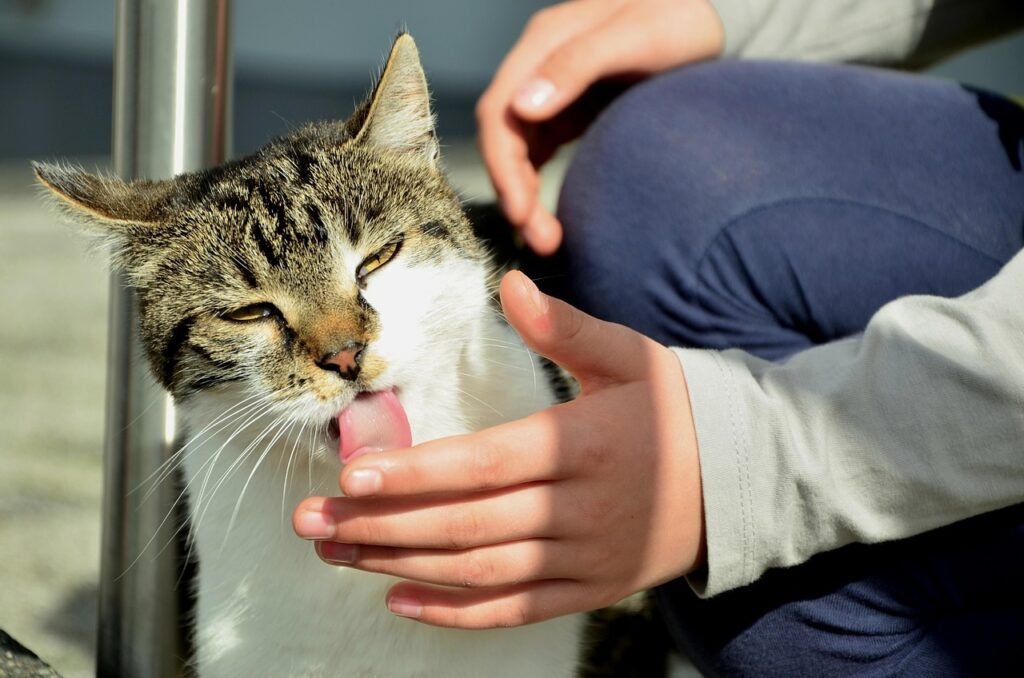
Cats groom each other as a display of affection, and this behavior will extend to humans when trust is built. Cats will often lick their people or allow them to brush them. Licking is similar to the grooming cats perform on their feline friends, allowing them to mark each other and build their bond. Yes, that sandpaper tongue might feel weird, but it’s actually a huge honor.
Just as mother cats will groom their young, cats who are bonded with each other will often groom one another, showing comfort and familial acceptance. If you find your kitty licking you repetitively, you’ve either spilled something delicious on yourself or they see you as a close family member. Your cat is essentially treating you like another cat in their colony, which is the highest form of social acceptance in the feline world.
Relaxed Body Language Signals Total Trust
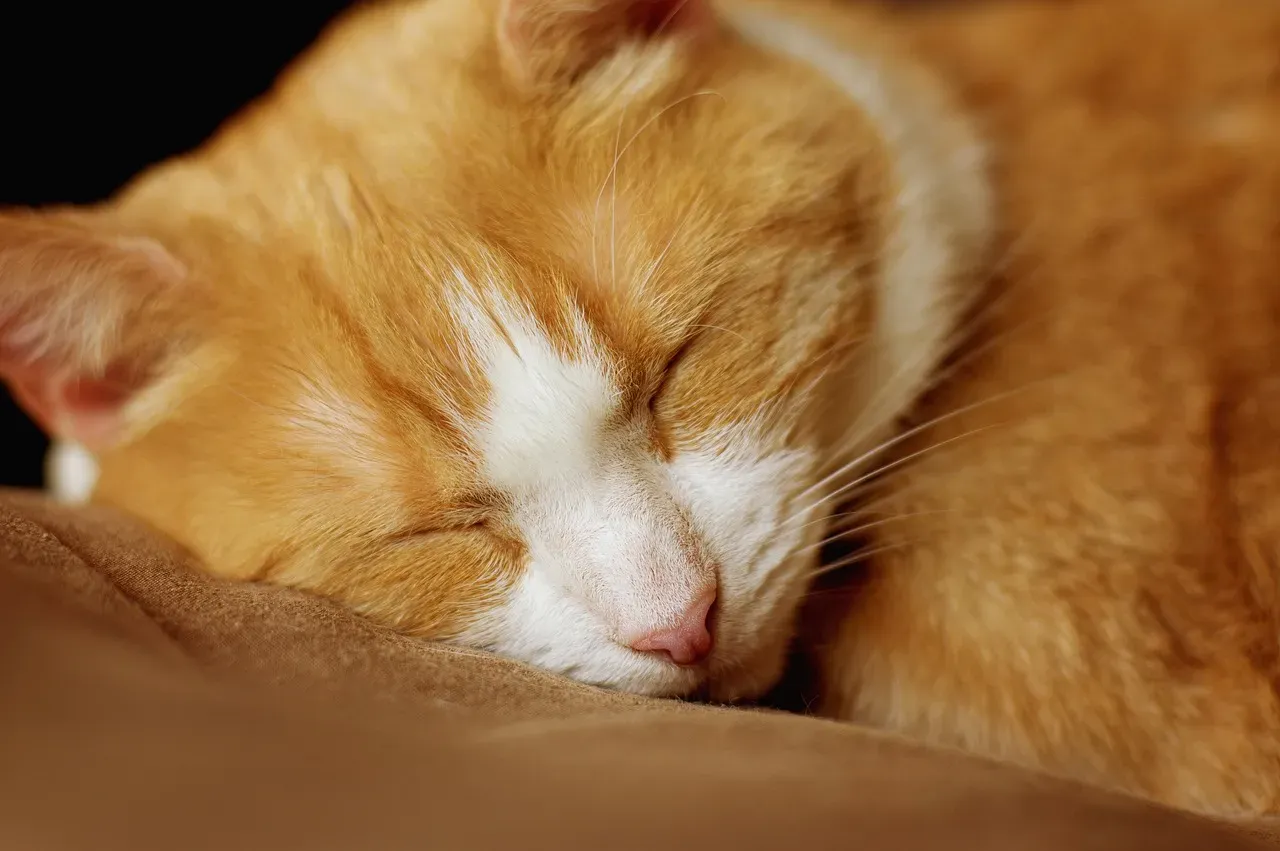
This is one of the most profound ways cats express love, as it’s a direct sign of deep trust and contentment. A loose, comfortable posture signals a cat feels safe around its owner. When your cat sprawls out beside you, belly up or limbs stretched in all directions, they’re showing vulnerability. In the animal kingdom, vulnerability equals trust.
A cat lounging comfortably is feeling secure and content. Honestly, if your cat falls asleep in your presence with their belly exposed, you’ve won the feline lottery. That exposed belly is their most vulnerable area, and they’re only showing it to you because they believe you’ll protect them, not harm them.
Bringing You “Gifts” Shows You’re Part of the Family
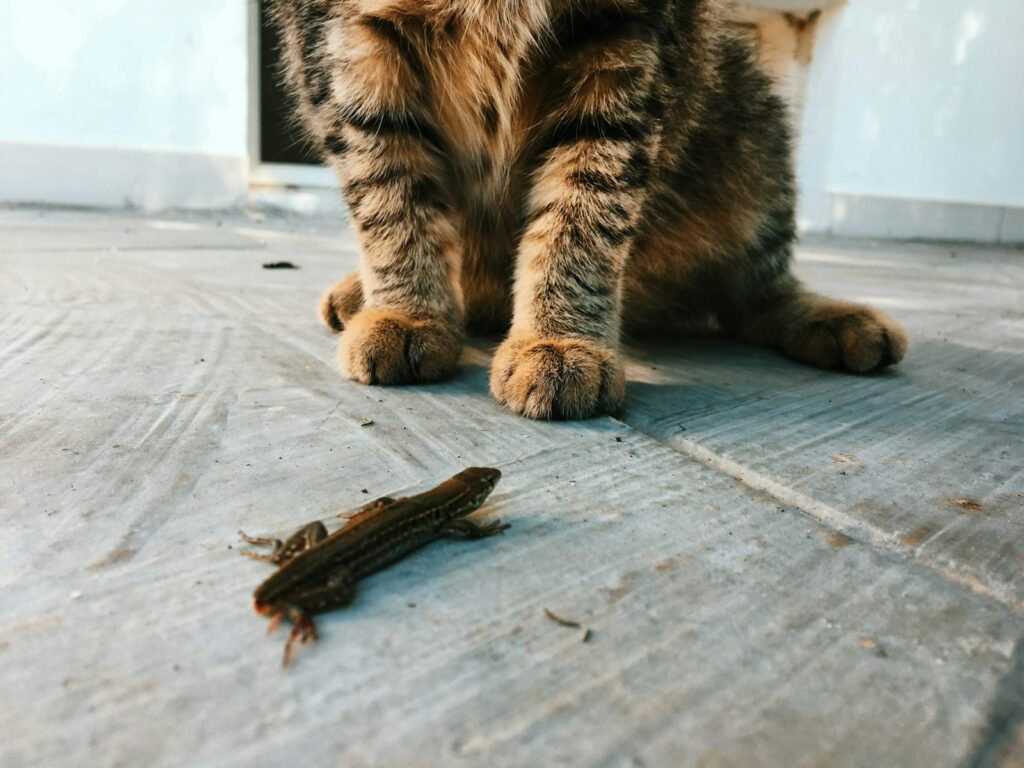
While it might be unpleasant to find a dead mouse or bird at your doorstep, this behavior is a sign of love and trust from your cat. In the wild, cats bring prey to their families. By bringing you gifts, your cat is sharing its “hunt” with you, showing that they consider you part of their family. I know, I know – waking up to a dead creature isn’t exactly pleasant, but try to see it from your cat’s perspective.
Outdoor cats will attempt to bring their humans freshly killed “presents” as a sign of goodwill and pride – they are both showing you what they can do and trying to feed you. Indoor cats might bring you their toys instead, depositing stuffed mice or crinkle balls at your feet. Either way, they’re sharing their prized possessions with you because you matter to them.
Vocalizing Specifically for You Shows Communication and Bonding
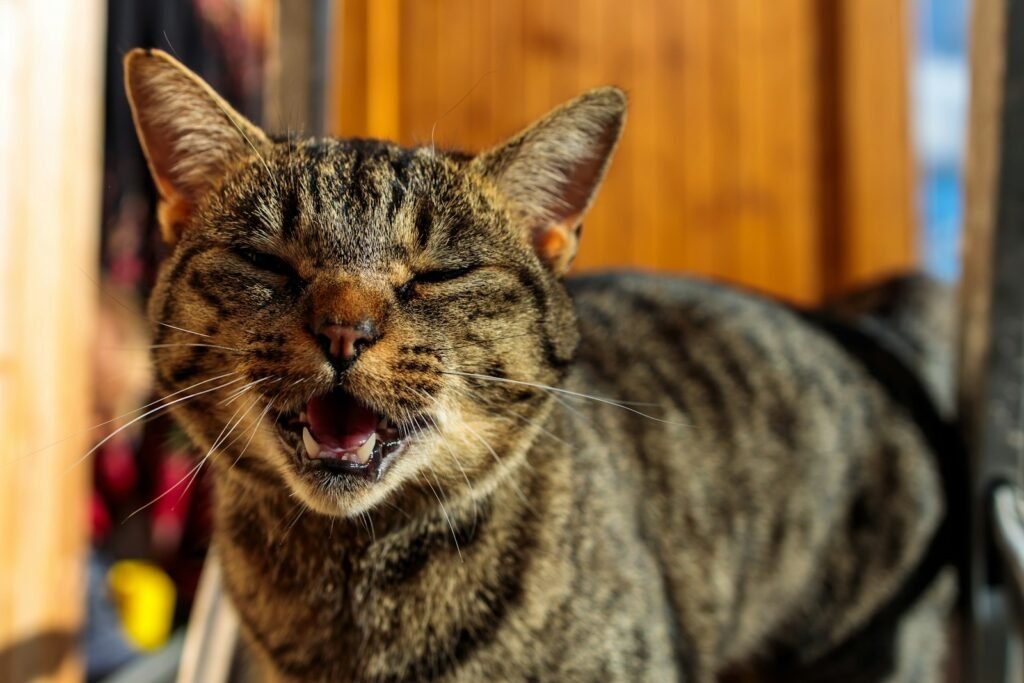
A cat’s meow is primarily directed at humans, not other cats, and can reflect needs or emotional states ranging from hunger to affection. That’s right – your cat developed a whole vocabulary just to talk to you. Adult cats rarely meow at each other, but they’ve learned that humans respond to vocal communication, so they’ve adapted their behavior.
Cats will often give us short, quiet meows when we speak slowly and softly to them. If the meows get longer and drawn out or turn to hisses, this may be a sign that your kitty has had enough interaction. Pay attention to the different tones and lengths of your cat’s meows. Some are greetings, some are requests, and some are just your cat wanting to chat. The fact that they’re talking to you at all means they value the connection.
Conclusion: Your Cat’s Love is Real and Profound
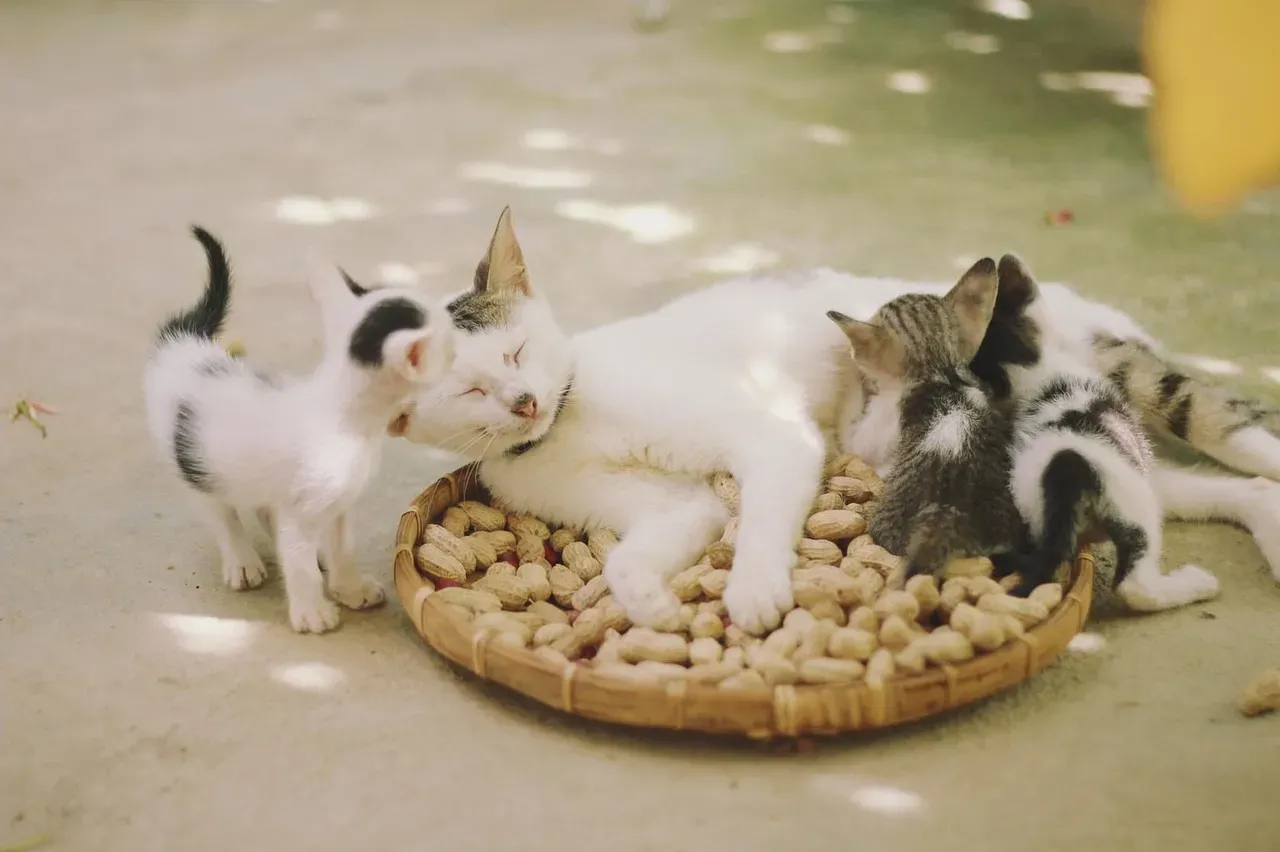
The next time you question whether your cat truly loves you, remember these ten powerful signs. Your feline friend might not show affection like a dog would, but their love runs just as deep. From slow blinks to head butts, from purring to following you around, your cat is constantly communicating their profound attachment to you. The beauty of feline affection lies in its subtlety and authenticity – cats don’t fake their feelings or try to please you for rewards.
A study published in Current Biology found that cats form attachment bonds to their human caretakers in very much the same way that dogs and human children do. So yes, your cat really does love you, probably more than you realize. Once you learn to recognize these quiet displays of devotion, you’ll never doubt your cat’s feelings again. What signs does your cat show you? Pay attention today – you might be surprised by just how many ways they’re saying “I love you.”
Kristina is a young writer from India. An arts graduate and an avid content creator, Kristina is passionate about animals and wildlife. She enjoys exploring topics related to pet care, animal behavior, conservation, and nature, combining thorough research with engaging storytelling.