8 Signs Your Cat Is a True Introvert (and How to Respect Their Space)
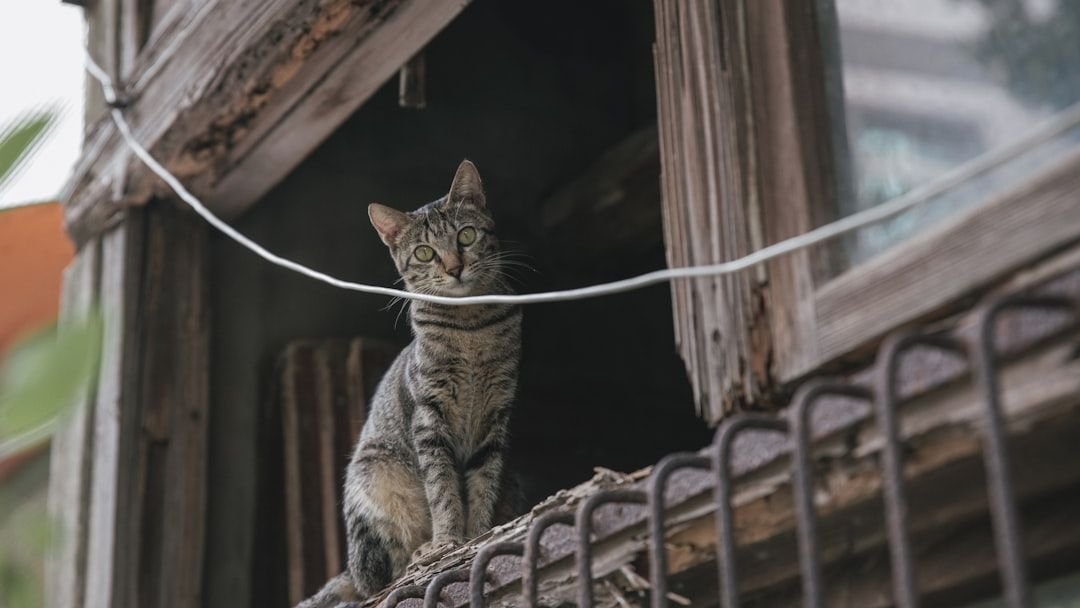
Have you ever watched your cat disappear the moment someone rings the doorbell? Or noticed how your kitty prefers solitary lounging over social interaction most of the day? Let's be real here, not every feline is a social butterfly eager to meet every new face that walks through your door. Just like humans, cats have distinct personalities, and some are undeniably more introverted than others.
Understanding whether your cat leans toward introversion can transform the way you interact with them. It's hard to say for sure whether every quirky behavior means your cat is an introvert, but recognizing these tendencies will help you create a home where your feline feels safe, understood, and genuinely happy. So let's dive into the telltale signs that your furry companion might be a true homebody at heart.
They Vanish When the Doorbell Rings
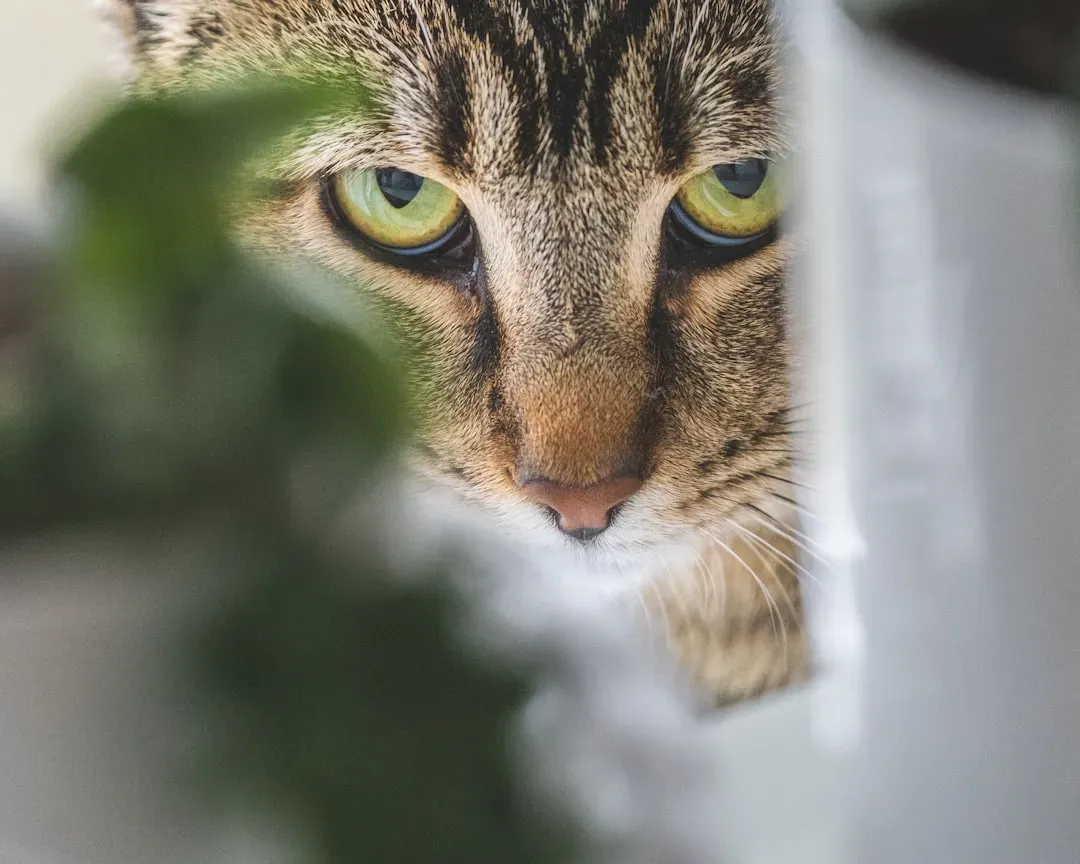
Your introverted cat hides when the doorbell rings and dives under the bed when company comes over. It's like watching a magic act where your cat transforms into thin air the second a stranger steps into your home. This isn't rudeness or antisocial behavior though. Your cat simply values their peace and isn't interested in performing meet and greets with every visitor who crosses the threshold.
Like all introverts, cats need lots of time to be alone, chill out, and not have to respond in any way, to anyone. Think of it this way: your cat isn't being dramatic. They're protecting their energy and making a conscious choice about who gets access to their personal space.
They Choose Solitude Over Socializing
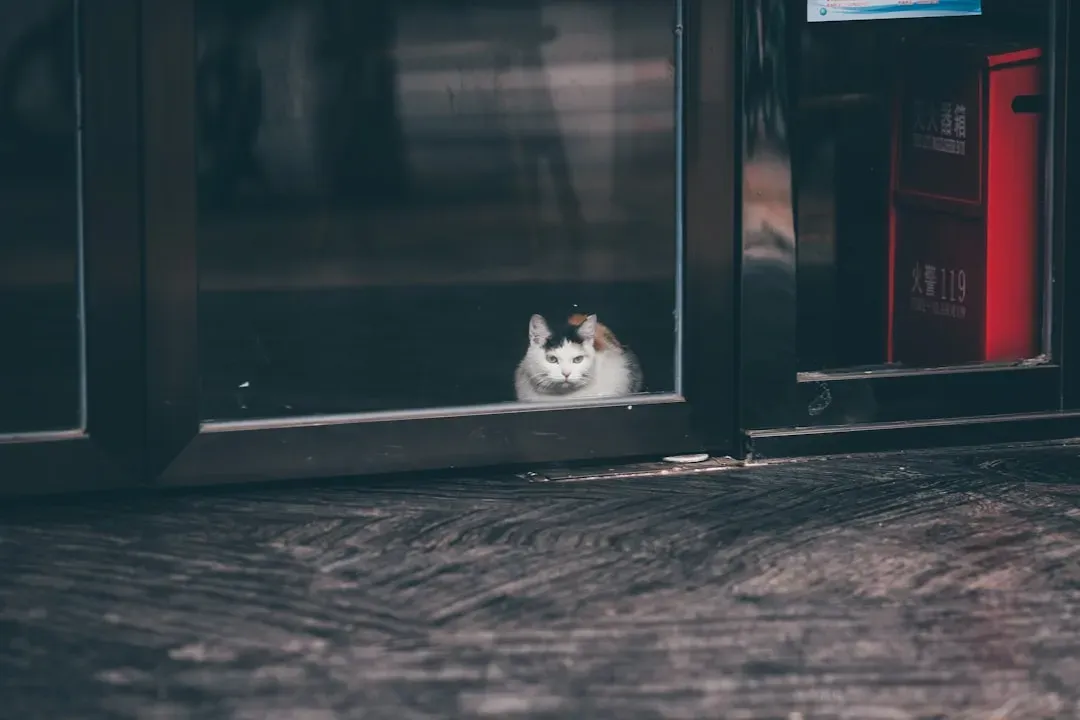
Does your cat spend hours curled up in their favorite hiding spot, completely content with their own company? Introvert cats only want to be petted by close family members, and then only when she chooses. This selective approach to affection is actually a sign of emotional intelligence, not coldness.
An introverted cat doesn't always want hooman attention, other cats' company, or feel like playing or sniffing around a guest's backpack. Instead, they'd rather watch the world through a window or knead on their cozy bed in peace. This behavior isn't something to fix or worry about. Your cat simply recharges differently than their extroverted counterparts who thrive on constant interaction.
They Need a Safe Hideaway Space
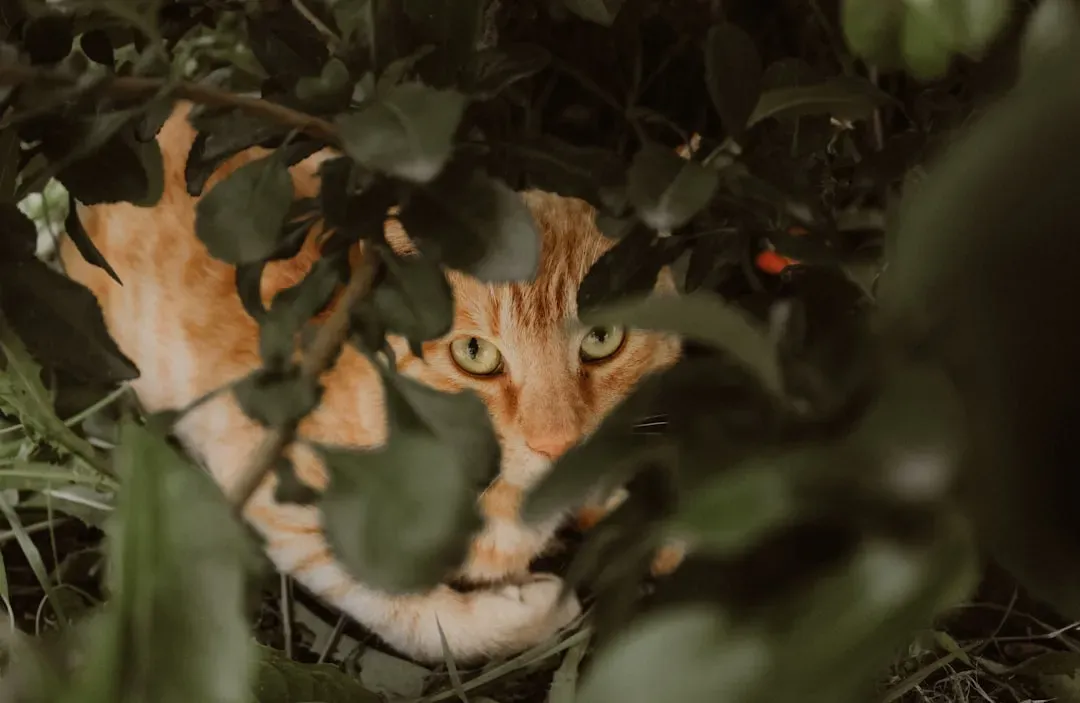
Introvert cats need safe spots even more deeply, and their safe spots need to be respected. You'll notice your introverted cat has claimed specific territories throughout your home where they retreat when overwhelmed. Maybe it's the back of your closet, under the bed, or behind the couch.
These aren't random choices. Cats still need a place in which they can rest and hide from the world. When your cat seeks out these hiding spots, they're essentially hanging a "do not disturb" sign on their door. Respecting these boundaries shows your cat that you understand their needs and creates a foundation of trust between you.
They Take Forever to Warm Up to New People
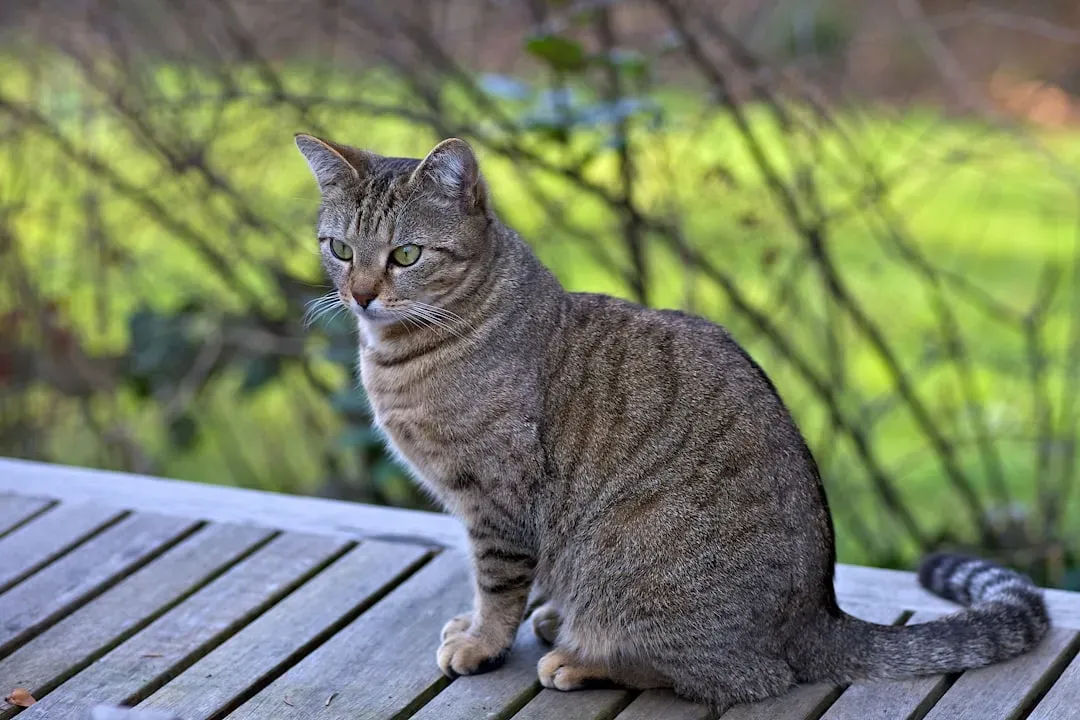
Both introverts and cats can take a long time to form a bond with others, making them appear aloof to strangers. If your cat treats every new person like a potential threat rather than a friend, you're likely dealing with an introvert. While extroverted cats might greet strangers with immediate curiosity and affection, your introverted feline prefers extensive observation before deciding if someone is worthy of their attention.
This cautious approach isn't a flaw. Kitties are particular about who they choose to hang out with, and it takes time for them to get to know and trust you. When your cat finally does warm up to someone, though, that bond tends to be remarkably deep and loyal.
They Communicate Through Body Language, Not Meows
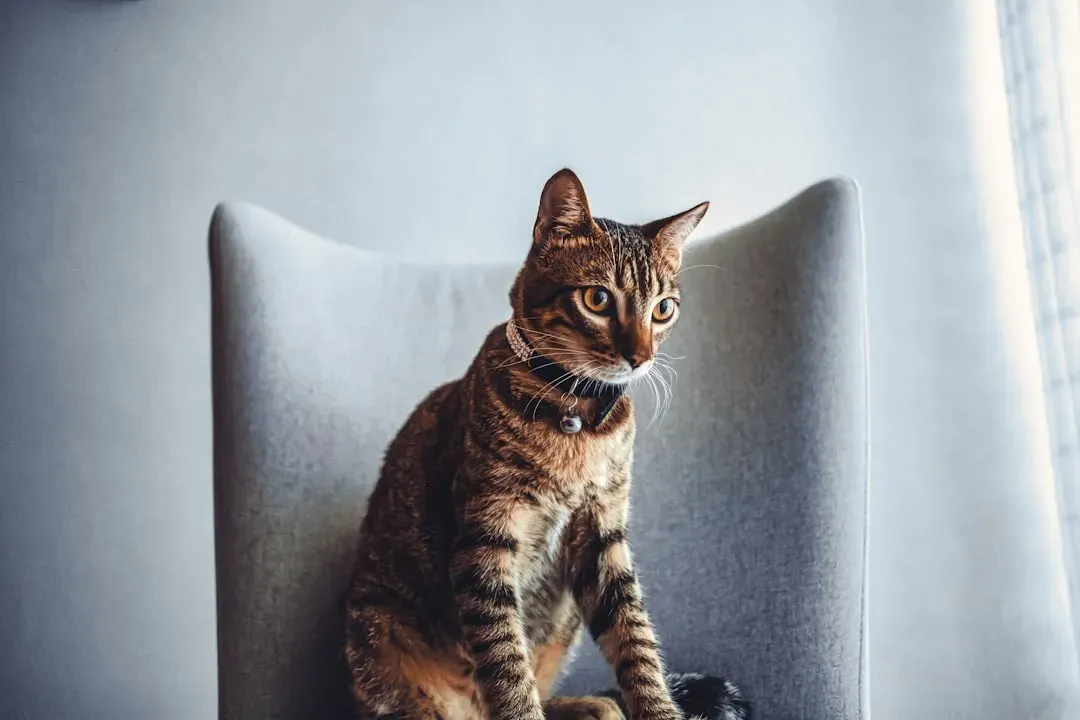
Honestly, introverted cats aren't exactly chatty. Since cats can't talk to us, they use body language to communicate how they're feeling. You'll notice your introverted cat relies heavily on subtle signals like flattened ears, a tucked tail, or a sideways glance rather than vocal demands for attention.
If you see your cat flatten her ears against her head, or twitch her tail, this may mean she is feeling threatened or unhappy. Learning to read these quiet cues is essential for respecting your cat's boundaries. They're telling you exactly what they need, just not with words.
They Get Overwhelmed by Noise and Chaos
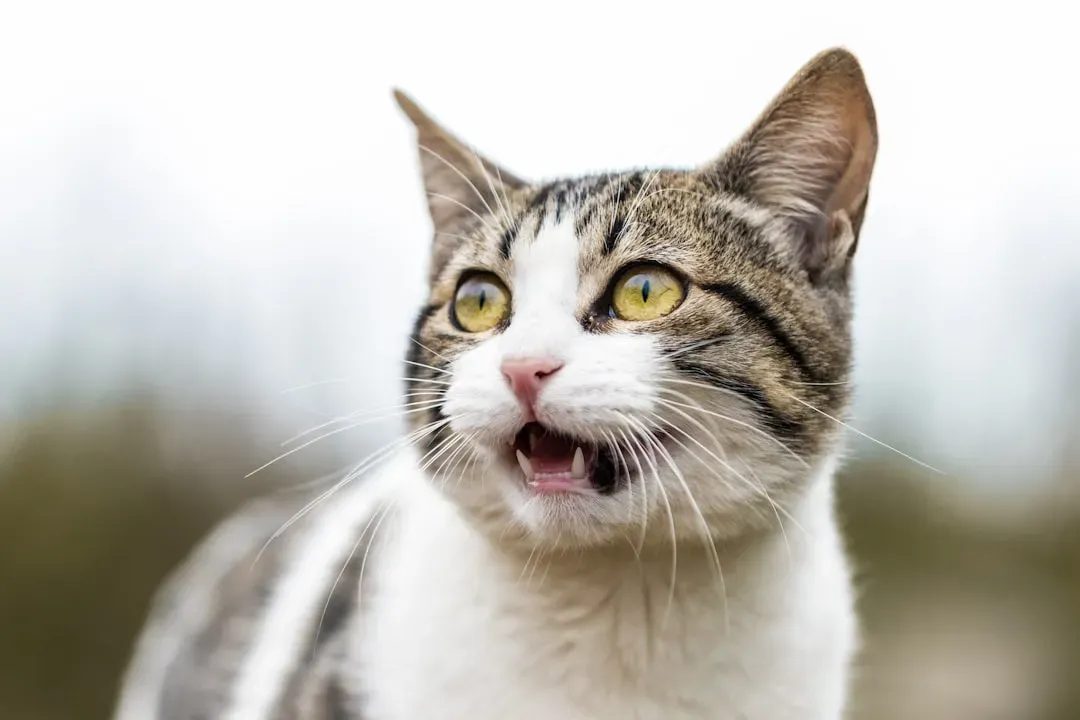
Cats can be spooked by just about everything, but especially noise, with their eyes getting wide and their body tense. Your introverted cat likely retreats when your home becomes loud or chaotic, whether from a party, construction noise, or even just enthusiastic children playing.
This sensitivity to stimulation is completely normal for introverted cats. They thrive in calm, predictable environments where they can anticipate what's coming next. The vacuum cleaner might send them fleeing, and a houseful of guests could mean they won't emerge from their hiding spot for hours. This isn't cowardice. It's self preservation and emotional regulation at its finest.
They're Perfectly Happy Being Alone
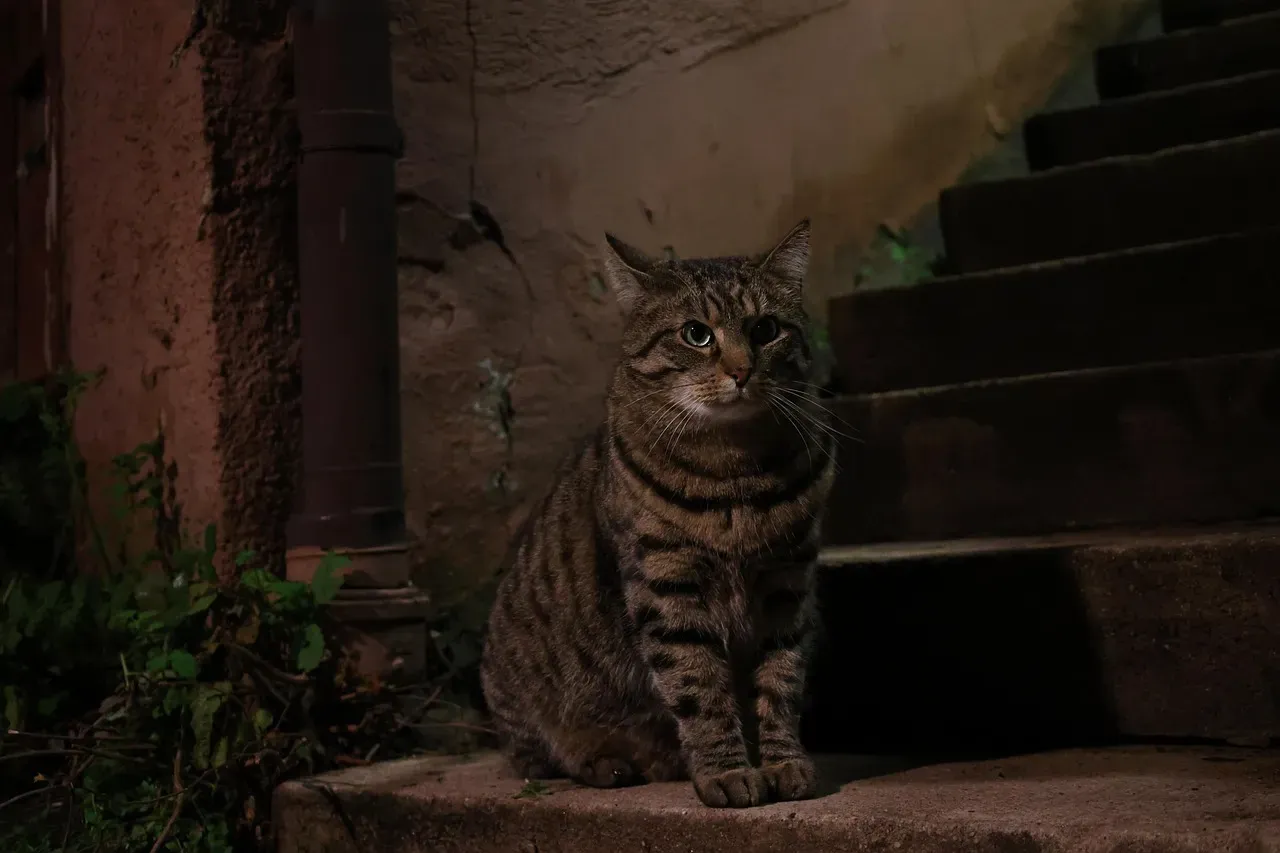
Cats are naturally awesome at being alone, as they're independent and can pretty much take care of themselves. Your introverted cat doesn't mope around waiting for you to come home. They're genuinely content with their own company, napping in sunny spots and entertaining themselves without constant interaction.
If they do decide to spend time with someone, it's because they genuinely want to. This makes those moments of connection even more meaningful. When your introverted cat chooses to curl up beside you, it's a gift, not an obligation.
They Observe Before Participating
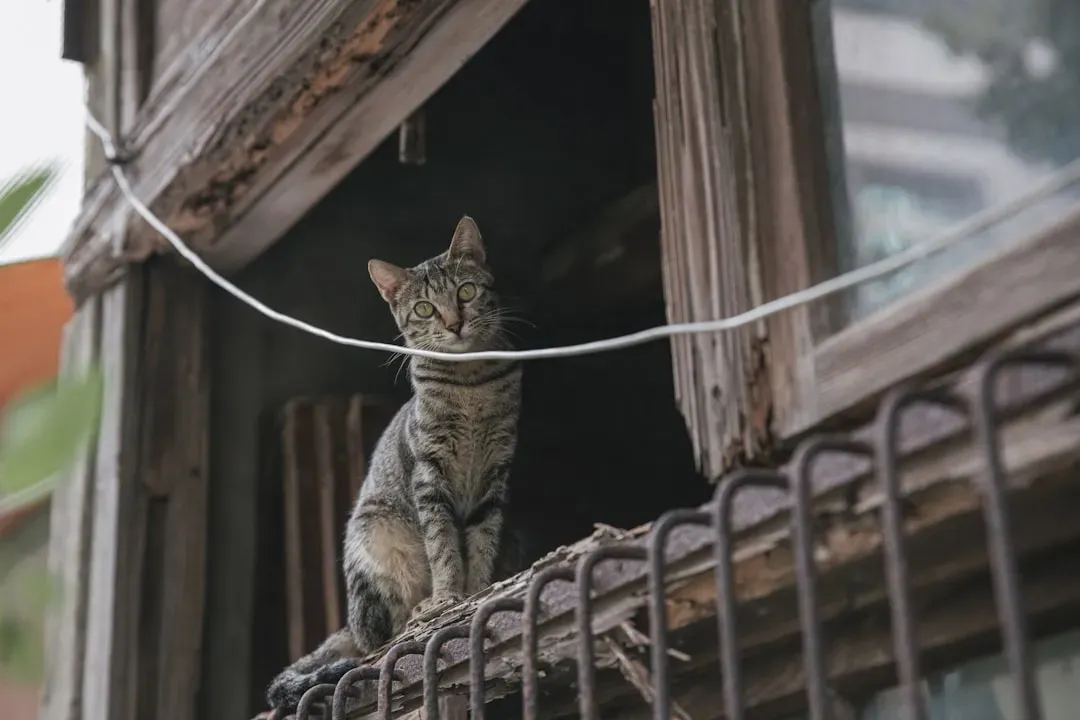
Cats lounge around, unnoticed, while they take in the world around them from afar, observing before participating. Your introverted cat prefers to assess situations from a distance rather than jumping right into the action. You might notice them perched on high furniture, quietly watching household activities without getting involved.
This observational approach helps them feel safe and prepared. This helps them get a feel for the situation, which allows them to better prepare for social interaction. It's their way of gathering information before deciding whether something deserves their attention or if they'd rather remain a silent spectator.
Conclusion: Honoring Your Cat's Introverted Nature
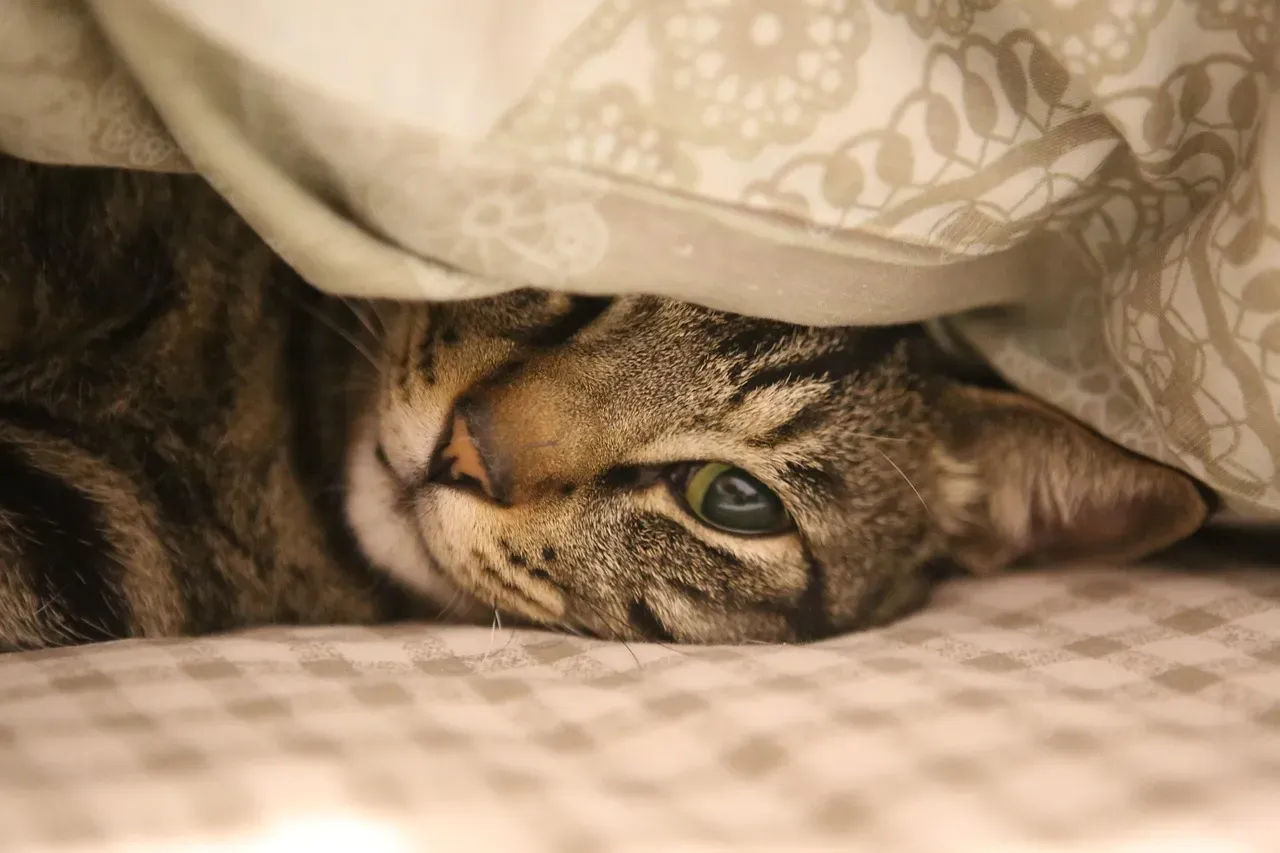
Respecting a cat's boundaries is important for their well being and for building a strong and trusting relationship with your feline companion. By recognizing the signs that your cat is an introvert, you create an environment where they feel valued and understood rather than constantly pushed outside their comfort zone.
Introvert cats need a lot of personal space, and the safer they feel, the more likely they will come out and hang with you. Remember that your cat's introverted behavior isn't something to change. It's simply who they are. By providing safe spaces, respecting their boundaries, and letting them initiate interaction on their own terms, you're giving your cat the ultimate gift: the freedom to be themselves. Does your cat show these introverted traits? What's your favorite way to respect their need for space?