You’ve probably wondered if your cat remembers that time you accidentally stepped on their tail. Maybe you’ve questioned whether they hold a grudge after a vet visit, or if they genuinely recognize you after a long vacation. Cats are mysterious creatures, and their memory capabilities have puzzled and fascinated humans for generations.
Here’s the thing. Your feline friend might seem aloof or indifferent at times, but beneath that cool exterior lies a surprisingly sophisticated memory system. Let’s be real, cats are far more complex than we often give them credit for. So let’s dive in and explore the fascinating world of feline memory.
Your Cat’s Brain Is Remarkably Similar to Yours

The physical structure of cats’ brains is very similar to human brains, with both species sharing similar lobes in their cerebral cortex. Cats have around 250 million neurons in the cerebral cortex, which is responsible for complex processing. Think about that for a second. Your cat isn’t just running on pure instinct.
Surface folding and brain structure tend to be more important than brain size, and honestly, this is where cats really shine. Feline brains are gyrencephalic, meaning they have surface folding as human brains do. What’s more, memory originates from an area of a cat’s brain called the hippocampus. Just like in humans, this brain region plays a crucial role in how your cat stores and retrieves information.
Short Term Memory: The 16 Hour Window
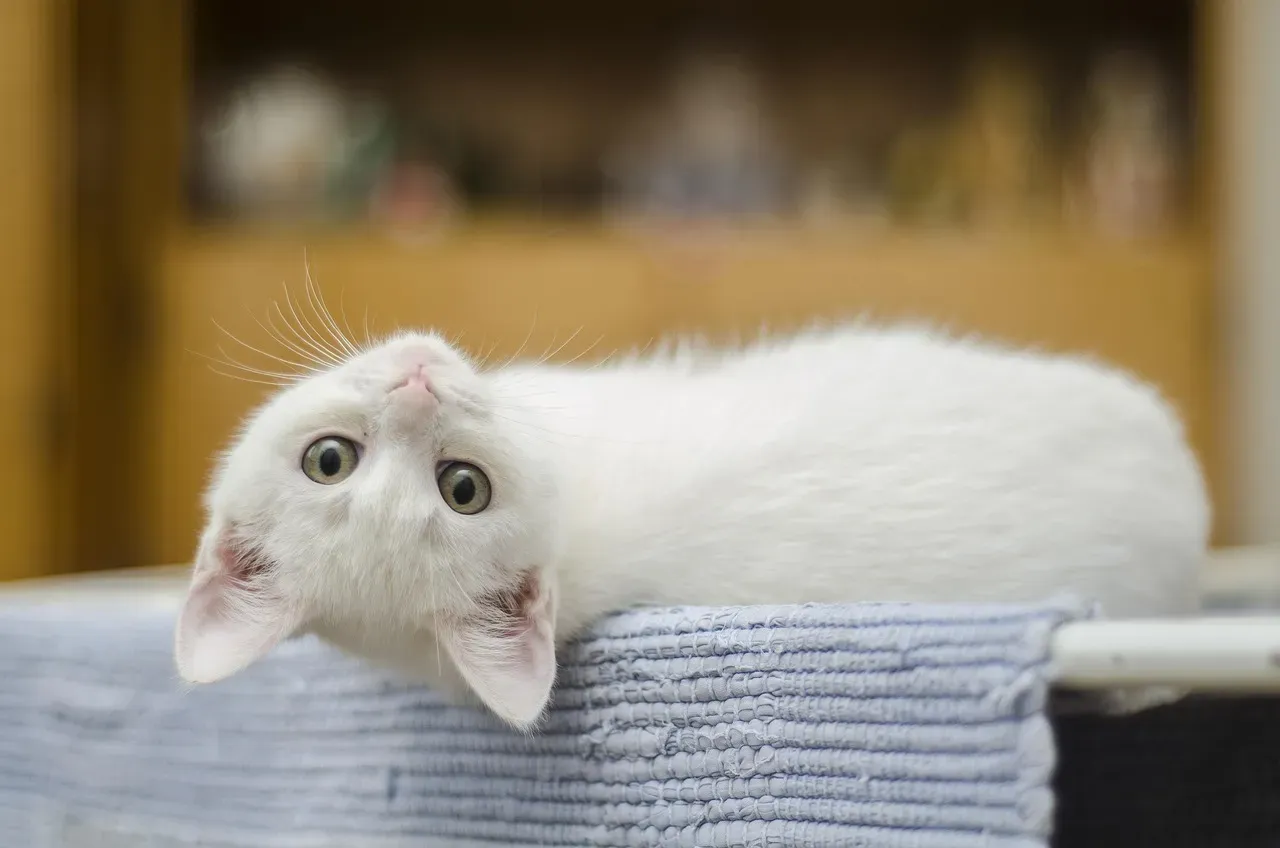
A cat’s short-term memory can last for about 16 hours when it’s something that matters to them. That’s actually pretty impressive when you consider that dogs may forget an event less than two minutes after it happens. So if anyone tells you dogs are smarter than cats, you might want to mention this little fact.
This kind of memory fades quickly and usually lasts around 16 hours or less, and even shorter if it’s not something important to them. Your cat’s short-term memory is all about survival. Short-term memory in cats can be used to help them solve problems, such as using their innate skills to hunt for food either in the wild or in the home. They’ll remember where that bug disappeared to, where you placed their favorite toy, or where they last saw that piece of kibble that rolled under the fridge.
Long Term Memory: They Never Really Forget
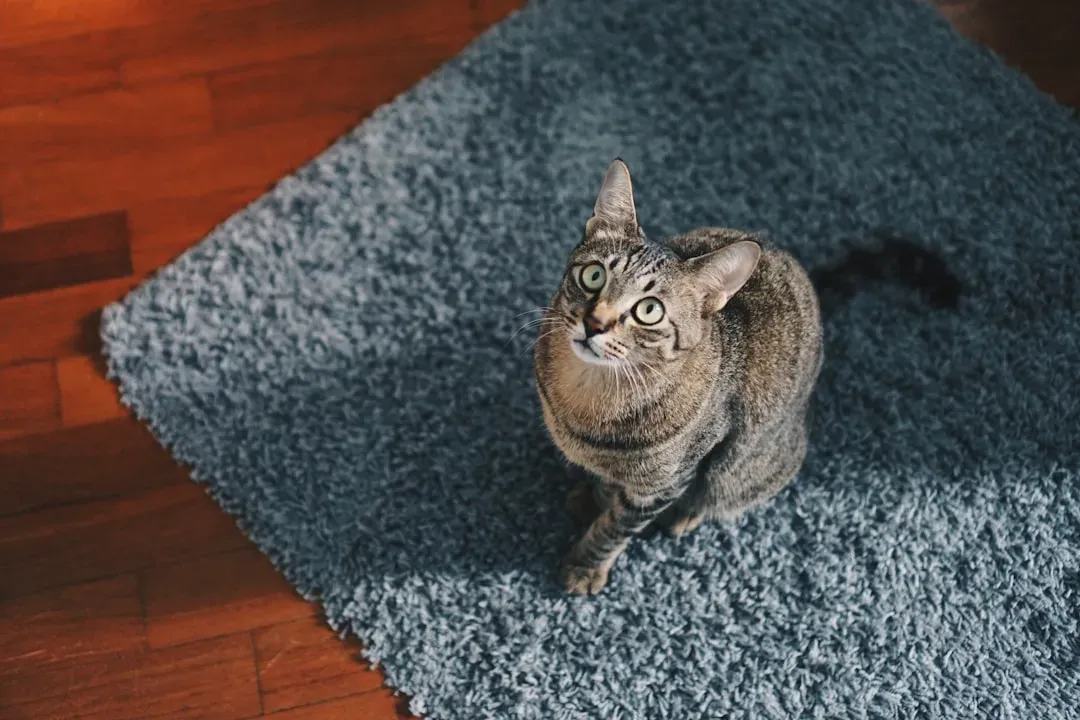
Now this is where things get really interesting. It’s thought that cats hold on to memories for their lifetime, up to 15 to 20 years in some cases. That’s nearly their entire lifespan. Cats have well-developed memory retaining information for a decade or longer.
Cats can remember people, places, and experiences for months or even years, especially if there’s a strong emotional impact or the event happens repeatedly. I think this explains why some cats seem to hold onto negative experiences for such extended periods. Anecdotally, they may be able to store information for up to 10 years. Your cat’s brain is essentially a filing cabinet of experiences, carefully sorted by emotional significance.
How Cats Actually Recognize You
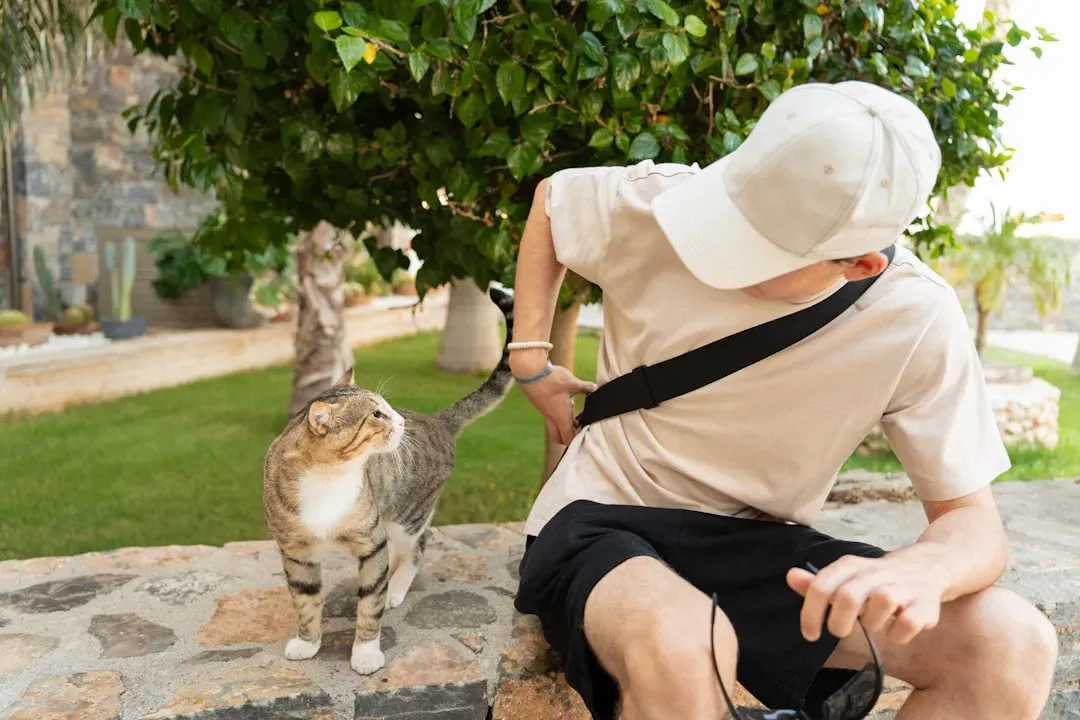
Here’s something that might surprise you. Cats can remember you, probably for years, but this is most likely based on your smell and voice, not your face. It’s unlikely your cat will know you by your face, as they’re more likely to recognise your smell or voice.
Honestly, this makes sense when you consider feline evolution. Their sense of smell is 40 times more powerful than ours. Cats recognize and remember their owners and other significant people primarily through scent and sound, rather than visual cues. So when your cat rubs against your leg, they’re not just being affectionate. They’re also marking you with their scent and reinforcing their memory of you.
A 2013 study published in Animal Cognition showed that cats could recognise their owner’s voice over voices from other people. Your voice is like a signature to them, one they won’t easily forget.
Emotional Memories Hit Hardest
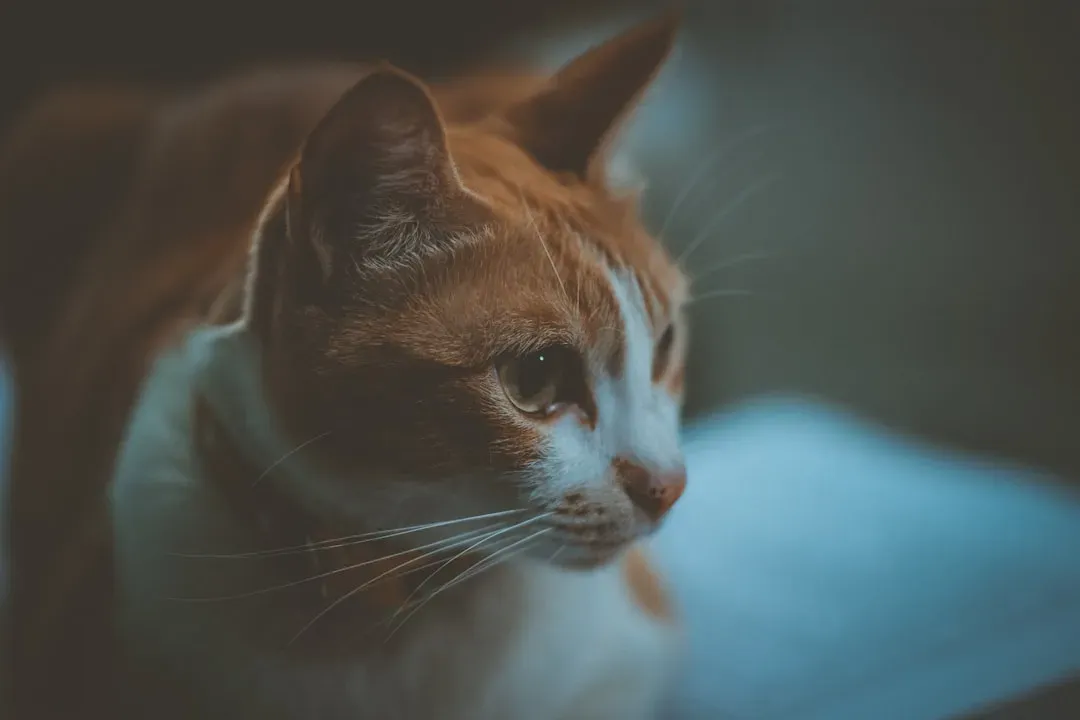
A cat’s memory is best when attached to a strong emotion, such as the love they share with their family or even the role food plays in making their belly happy. This is both wonderful and challenging. The positive experiences you create with your cat will stick with them. Those quiet evenings cuddling on the couch, the playtime sessions, the treats you give them – all of it becomes part of their long-term memory.
These memories are often intertwined with emotions, allowing cats to recall both positive and negative experiences associated with specific places. Unfortunately, this works both ways. Emotions can also be associated with negative experiences, such as abuse or neglect.
Traumatic Events Leave Lasting Impressions
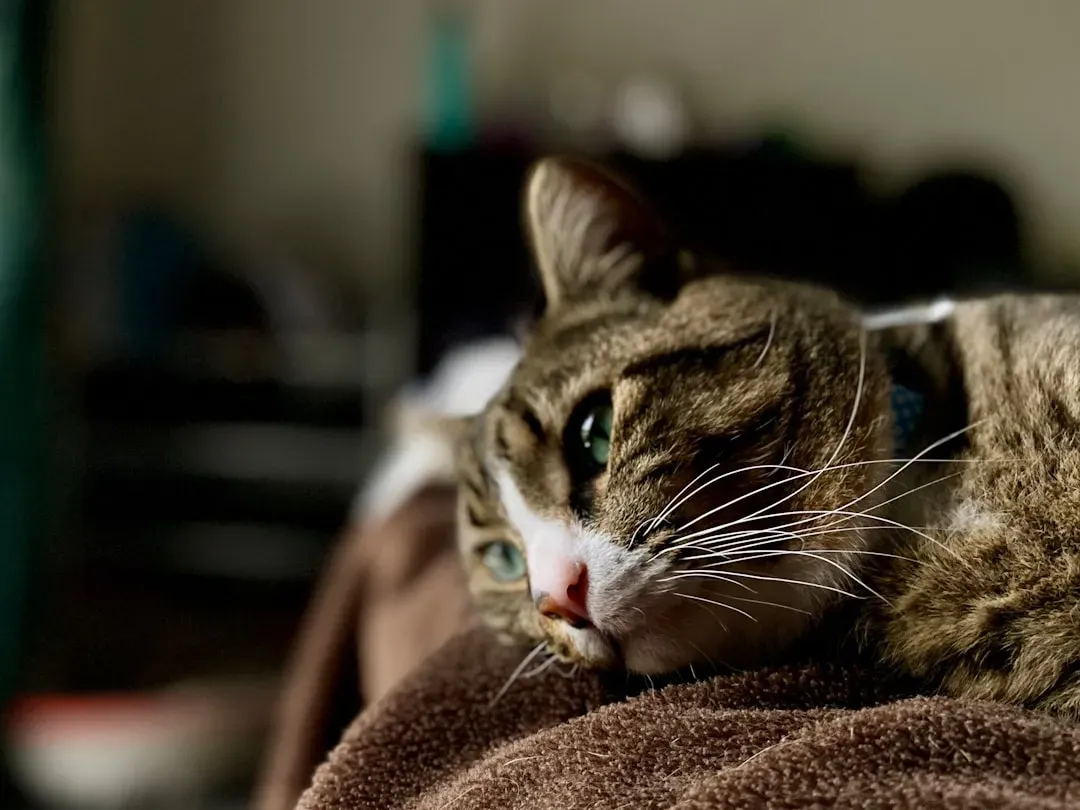
Let’s talk about something difficult but important. Many cats will remember a traumatic experience for their entire life. Most experts agree that cats can remember being abandoned by people they trust, and the emotions associated with that experience are likely so strong that the cat can retain those feelings for years.
When a cat remembers events, they most likely don’t replay the experience like a movie in their head like what humans tend to do; instead, they remember the strong emotions associated with the event. So your rescued cat who hides when they see a broom? They might not remember the exact details of being hit, but they absolutely remember the fear and pain associated with that object.
What’s crucial to understand is that cats may retain associations with past trauma, but they can learn new, positive associations with proper support. It takes patience, time, and consistency, but rehabilitation is absolutely possible.
Do Cats Really Hold Grudges?

Cats can hold a grudge; once they realize a person is causing them anxiety or hurt, they keep away. However, it’s not quite the same as human grudges. What humans interpret as a grudge is more likely a survival mechanism, as cats are wired to protect themselves.
Research suggests that cats’ short-term memories last around 16 hours, which means they can remember recent events and react accordingly. In cases of abuse or more significant negative experiences, the memory may linger longer, and the fear or mistrust associated with a person or event could extend for days or even weeks. So if your cat seems to be giving you the cold shoulder after you took them to the vet, give them some time and space. They’ll likely come around once positive associations rebuild.
Memory and Intelligence: How Smart Are Cats Really?

An adult cat’s intelligence is comparable to that of a two to three-year-old child, since both species learn through imitating, observing, and experimenting. This comparison helps explain cats’ ability to engage in play, interact socially, and even manipulate their owners to achieve desired outcomes, such as obtaining food.
Cats have a working memory span of 16 hours compared to dogs’ roughly 5 minutes. I know it sounds crazy, but this really challenges the stereotype that dogs are inherently smarter. In controlled experiments, cats demonstrated fully developed concepts of object permanence, indicating that their sensorimotor intelligence is complete. This means your cat knows that toy still exists even when it rolls under the sofa.
Do Cats Remember Other Cats and Their Mothers?
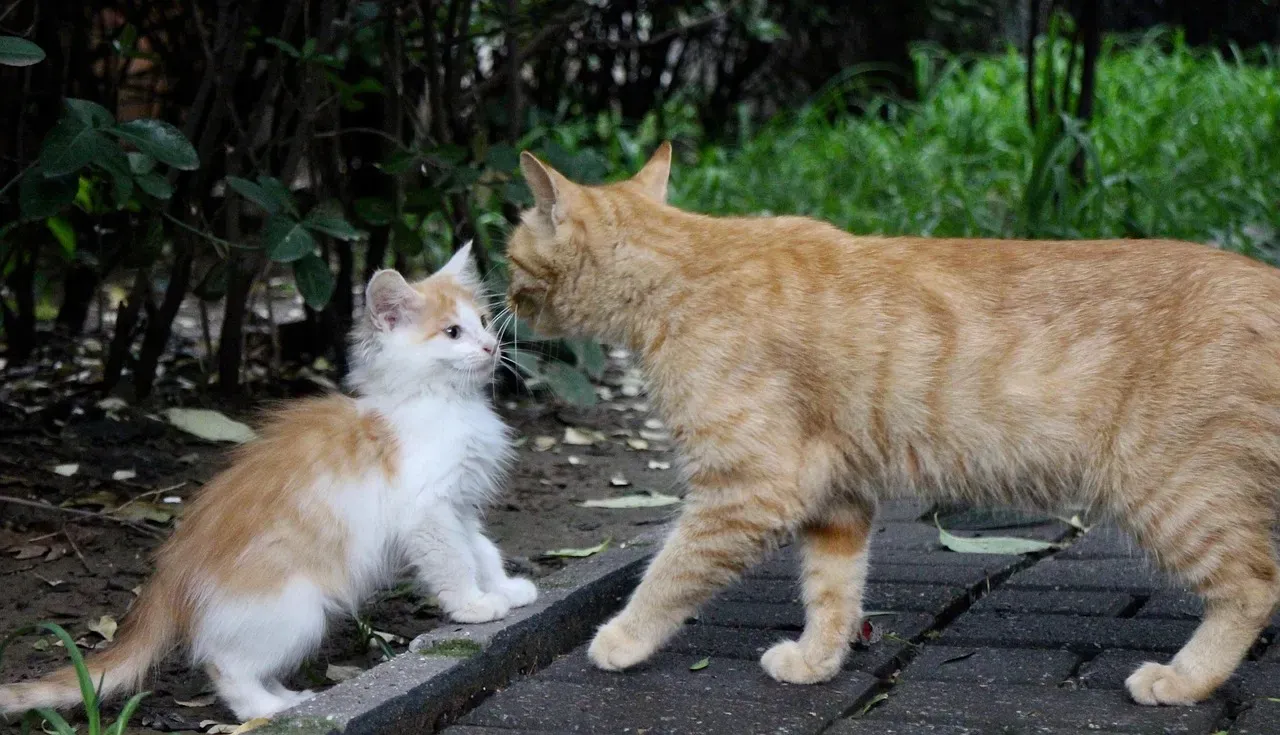
It is thought that cats remember their littermates for up to two years through their scent and from the bond that was made during kittenhood. Cats who were with their littermates less than two to three months as kittens often have fewer memories than those cats who were with their littermates until adulthood, around 1 year of age; the longer a cat was with their littermates, the more memories they have with them.
Research suggests that cats do remember being a kitten, as a study revealed that kittens remember their mama cat through her voice, with a behavioral response noticed in kittens after hearing their mother’s chirping and meowing. It’s been suggested that cats’ memories of other cats are even stronger than their memories of people, and cats can form close bonds with other cats in their homes and will remember those cats for the remainder of their lives.
Age and Memory Decline
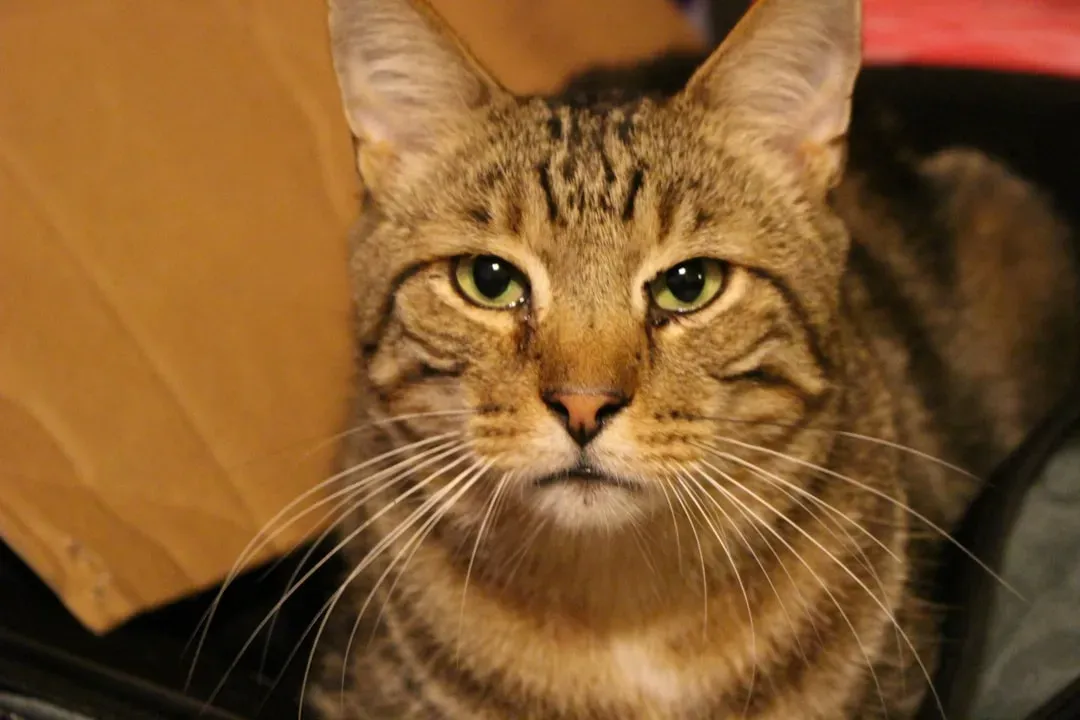
Just like humans, cats experience cognitive changes as they age. Feline dementia is most common or noticeable in cats who are 10 years or older. Cats have a great ability to store memories, but their ability to do so decreases over time as they age.
Aging may slow learning, recall, and the way that information is stored, in part due to the loss of brain cells, vascular changes and chronic free radical damage to cells in the brain. If you notice your senior cat becoming disoriented, forgetting where their food bowl is, or showing changes in their sleep-wake cycles, it’s worth consulting your vet. These could be signs of cognitive dysfunction, which is similar to Alzheimer’s in humans.
What This All Means for You and Your Cat
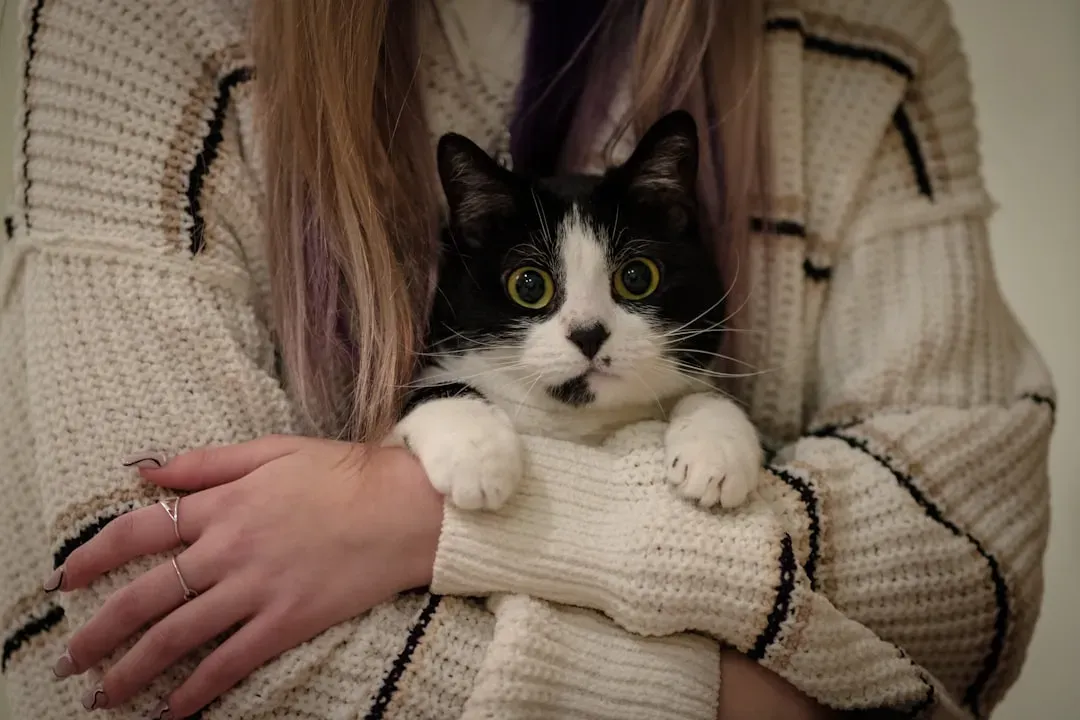
Understanding your cat’s memory changes everything about how you interact with them. Cats don’t easily forget their owners, especially if the connection was strong and stable, and they can hold their owners in their memory for months or even years, especially if there was caring, loving, and a steady routine involved regularly.
They form lasting bonds with people who provide positive experiences, such as feeding, play, and affection, and can remember these individuals for years, even after long separations. So when you’re worried about leaving for vacation, rest assured. There’s no need to fret when going away on a trip for the first time; you don’t have to worry that your cat won’t remember you when you come back from your travels, though they might give you the silent treatment when you get home.
Every interaction you have with your cat is being filed away in their remarkable brain. The kindness you show, the routines you establish, the love you give – all of it creates a lasting imprint. Honestly, it’s both humbling and beautiful when you think about it. Your cat remembers you not just as a provider of food and shelter, but as a source of comfort, safety, and affection.
So the next time your cat looks at you with those knowing eyes, remember: they really do remember everything that matters. What do you think about your cat’s incredible memory? Have you noticed your feline friend remembering events from years ago?
Kristina is a young writer from India. An arts graduate and an avid content creator, Kristina is passionate about animals and wildlife. She enjoys exploring topics related to pet care, animal behavior, conservation, and nature, combining thorough research with engaging storytelling.