The Curious Case of Cat Zoomies: What Fuels Their Sudden Bursts of Energy
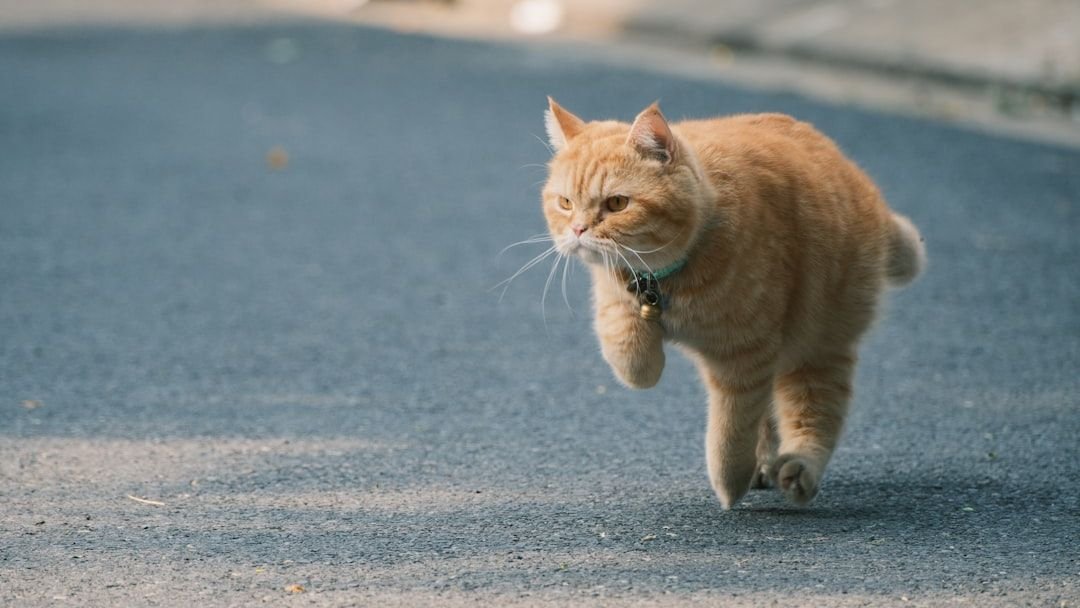
You've witnessed it. One moment your cat is sprawled across the couch like a boneless puddle of fur, and the next they're rocketing through the house with wild eyes and a puffed tail. It's like someone flipped a switch. These mysterious bursts of frenetic energy might leave you wondering if your feline friend has lost their mind or if something strange is happening behind those whiskers.
The truth is, this behavior is far more common than you think. Nearly every cat owner has been startled awake at three in the morning by the thunderous sound of paws galloping across hardwood floors. Yet despite how bizarre it looks, there's actually fascinating science behind these episodes. Let's dive into the world of cat zoomies and uncover what really drives your furry companion to sprint like their tail is on fire.
The Official Name: Frenetic Random Activity Periods
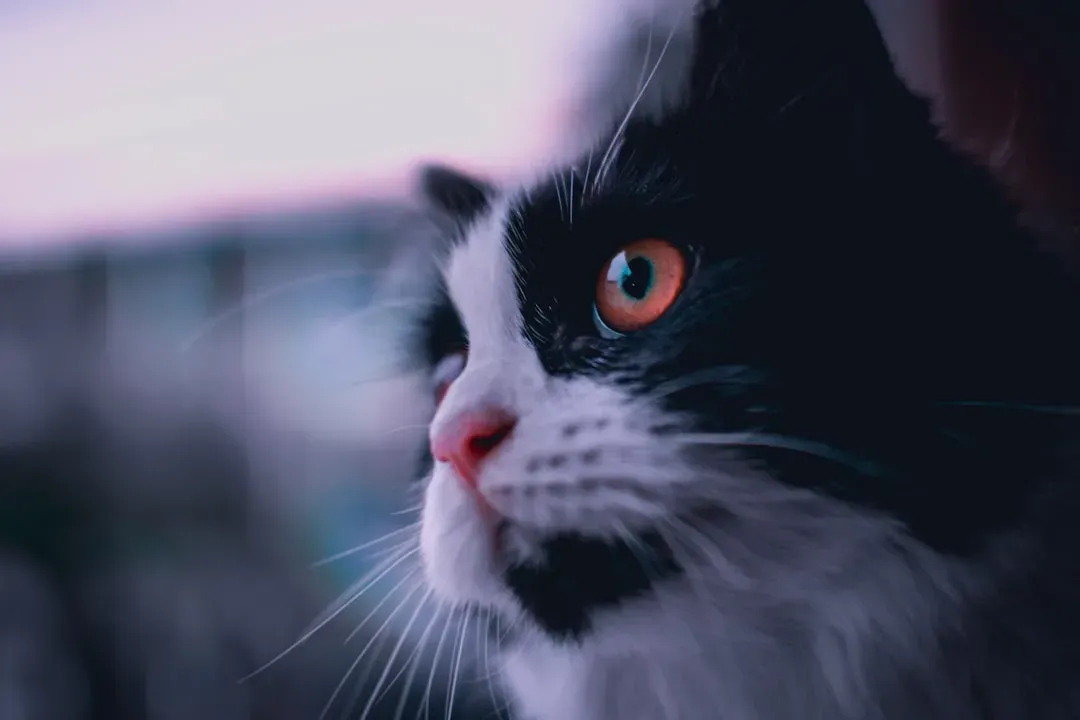
Your cat's wild sprints have a proper scientific name: Frenetic Random Activity Periods, or FRAPs. It sounds incredibly technical for what looks like pure chaos, doesn't it? These episodes are characterized by an abrupt onset of rapid, seemingly random movement, including running at top speed, rapid turns and spins, jumps and sudden stops.
Episodes usually last from a few seconds up to several minutes and end as abruptly as they began. Interestingly, your cat isn't alone in this behavior. Zoomies are actually common among many mammals, including horses, rabbits, ferrets, and even elephants. Think about that next time your kitty tears through the living room.
Pent-Up Energy Looking for an Escape
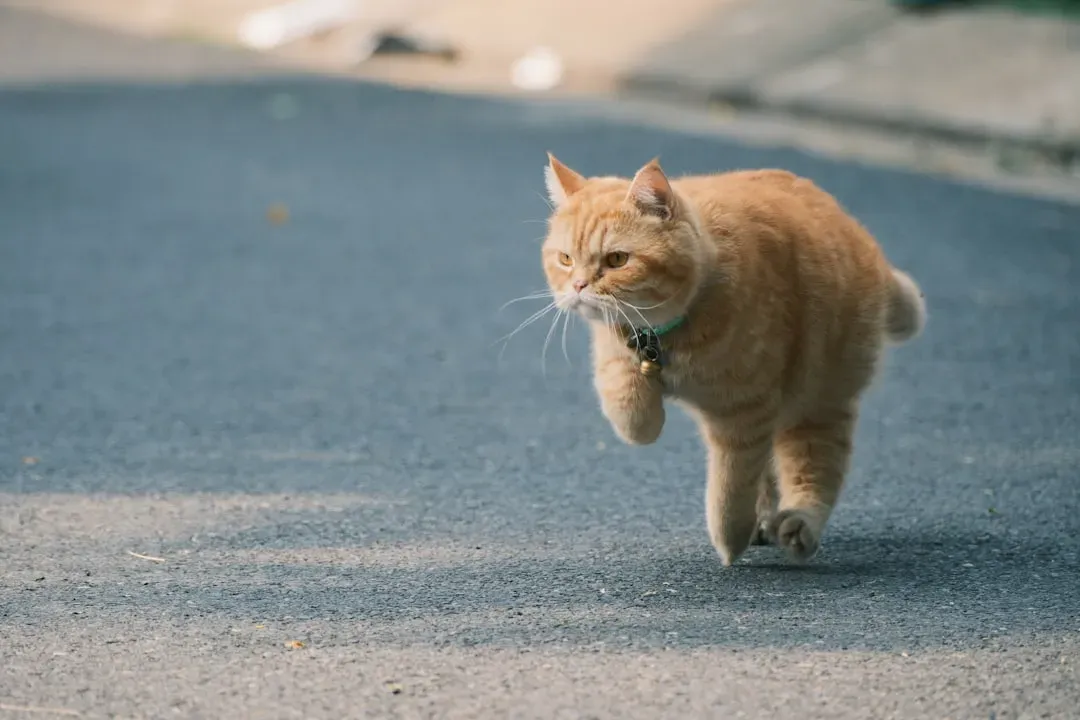
The most straightforward explanation for zoomies? The most common reason cats experience the zoomies is pent-up energy, as cats rest and sleep for a majority of the day to conserve energy for short, very active periods. Your indoor cat might be sleeping up to sixteen hours daily, which leaves a whole lot of unused energy bubbling beneath the surface.
This is especially true for indoor cats who have fewer opportunities to exercise. Without the chance to stalk prey or explore vast territories like their wild cousins, that energy has to go somewhere. Sometimes it explodes in the form of a midnight sprint down the hallway. It's honestly their way of staying physically balanced, even if it drives you a little crazy.
Ancient Hunting Instincts at Play
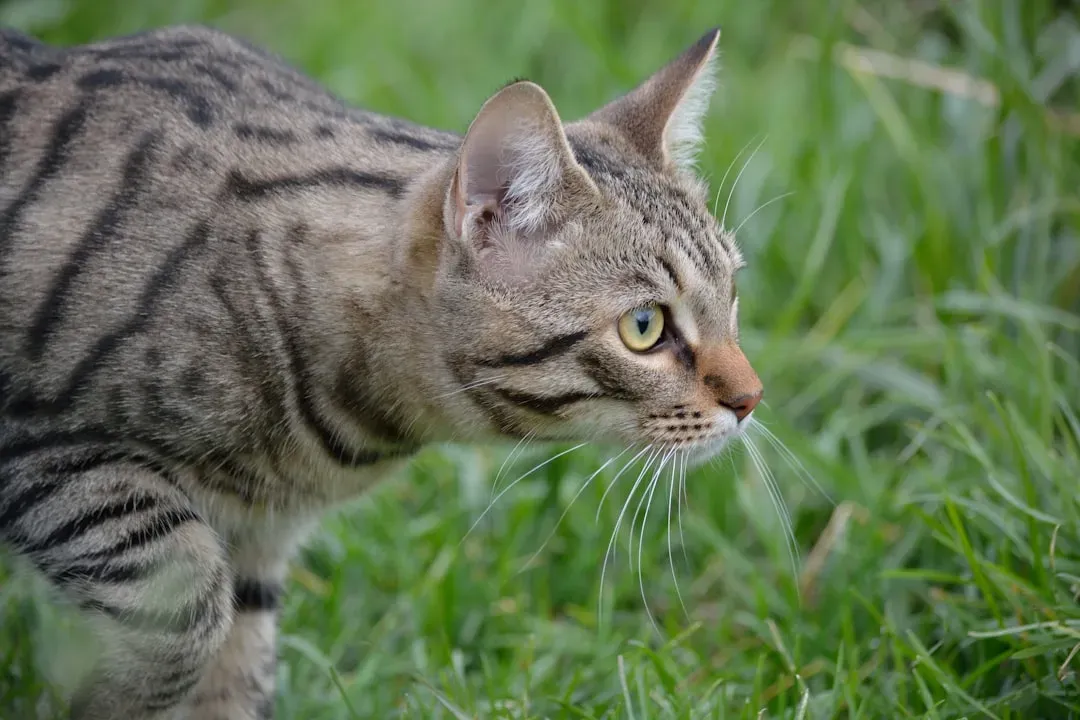
Cats are ambush predators and they conserve energy for multiple short bursts when hunting; for indoor cats who don't get enough exercise, they may engage in the zoomies as a much-needed energy release. Your domesticated fluffball still carries the DNA of fierce hunters, even though the closest they get to hunting is batting a toy mouse under the refrigerator.
In the wild, a cat would stalk prey, chase it, and then rest; indoor cats still feel these natural urges, and without hunting opportunities, they sometimes release pent-up energy in a sudden, high-speed dash around the house. Those zigzagging patterns aren't random either. They mimic the evasive maneuvers a wild cat would use to avoid being caught by larger predators. Pretty clever, right?
The Crepuscular Nature of Cats
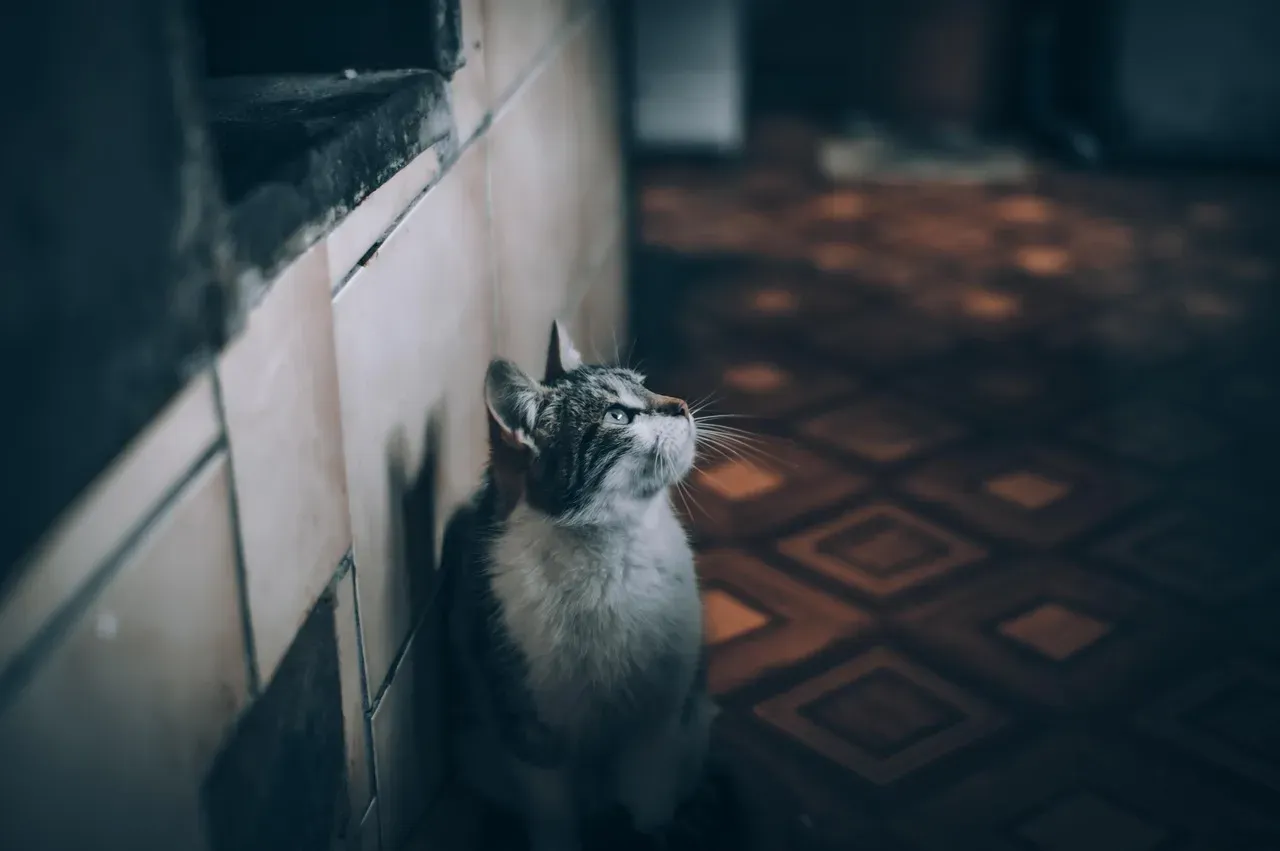
Here's something you might not know: cats aren't actually nocturnal. They are naturally most active at dawn and dusk due to their biological need to take advantage of cooler times of day in order to more effectively hunt. This is called being crepuscular, and it explains why your cat seems possessed precisely when you're trying to sleep.
Cats are crepuscular animals, meaning they are most active during dawn and dusk; this behavior can be traced back to their wild ancestors, who hunted during these times to take advantage of cooler temperatures and the movement of prey. While your modern house cat doesn't need to hunt for survival, their internal clock hasn't gotten that memo. Those early morning and late evening zoomies are simply your cat following millions of years of evolutionary programming.
The Post-Bathroom Victory Lap
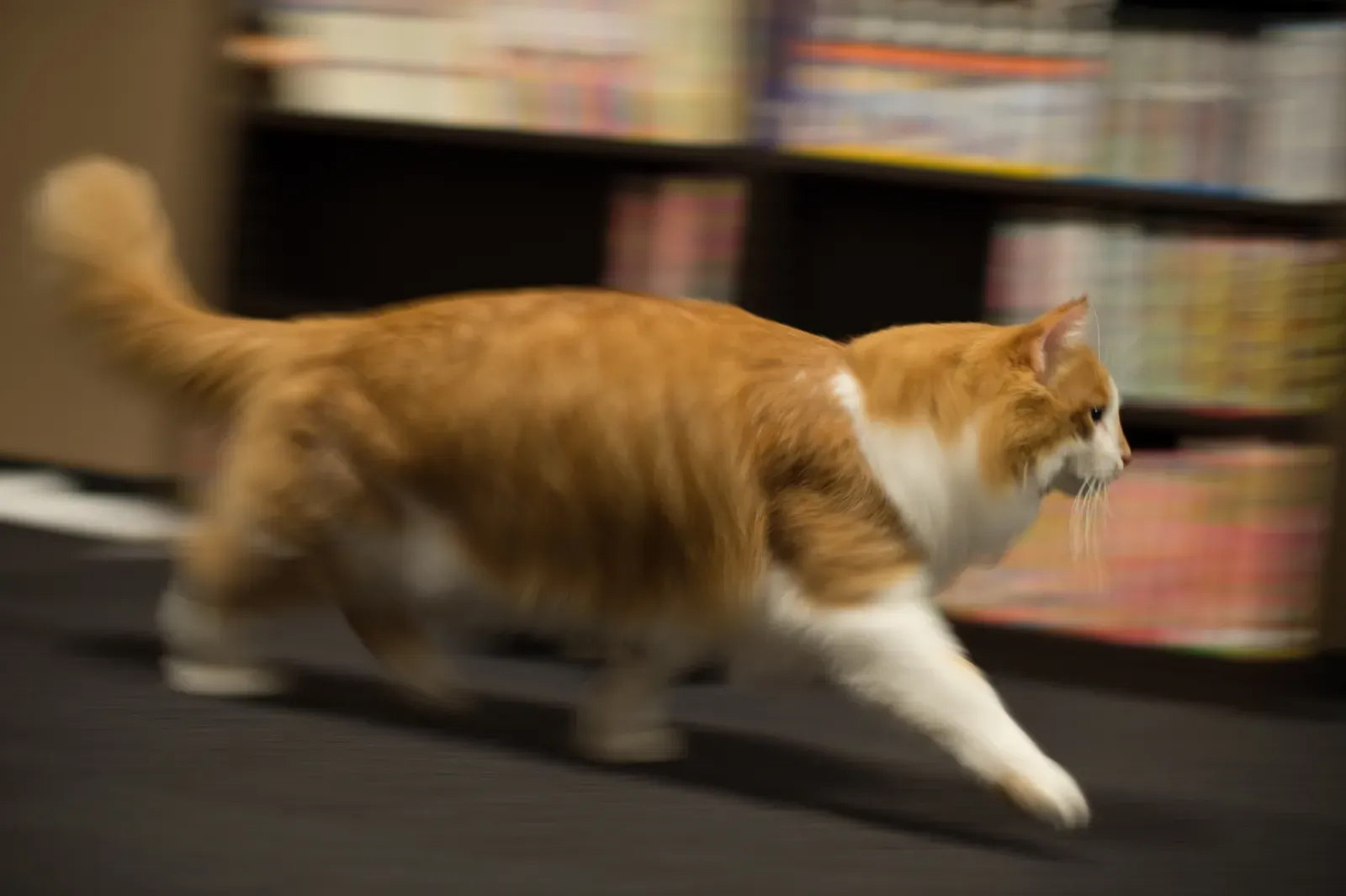
If you've noticed your cat sprinting away from the litter box like they just robbed a bank, you're not imagining things. This behavior could be a way of marking their territory or simply a response to the relief of a necessary bodily function. Some experts believe there's a neurological component too.
This stimulation comes from the vagus nerve, which runs from the brain to the colon; that trip from the litter box is some sort of a victory lap, and cats express their happiness of emptying themselves through FRAP. It might also be an instinctive behavior to distance themselves from the scent of their waste, which could attract predators in the wild. Whatever the reason, it's one of the more entertaining quirks of cat ownership.
Age and the Zoomies Connection
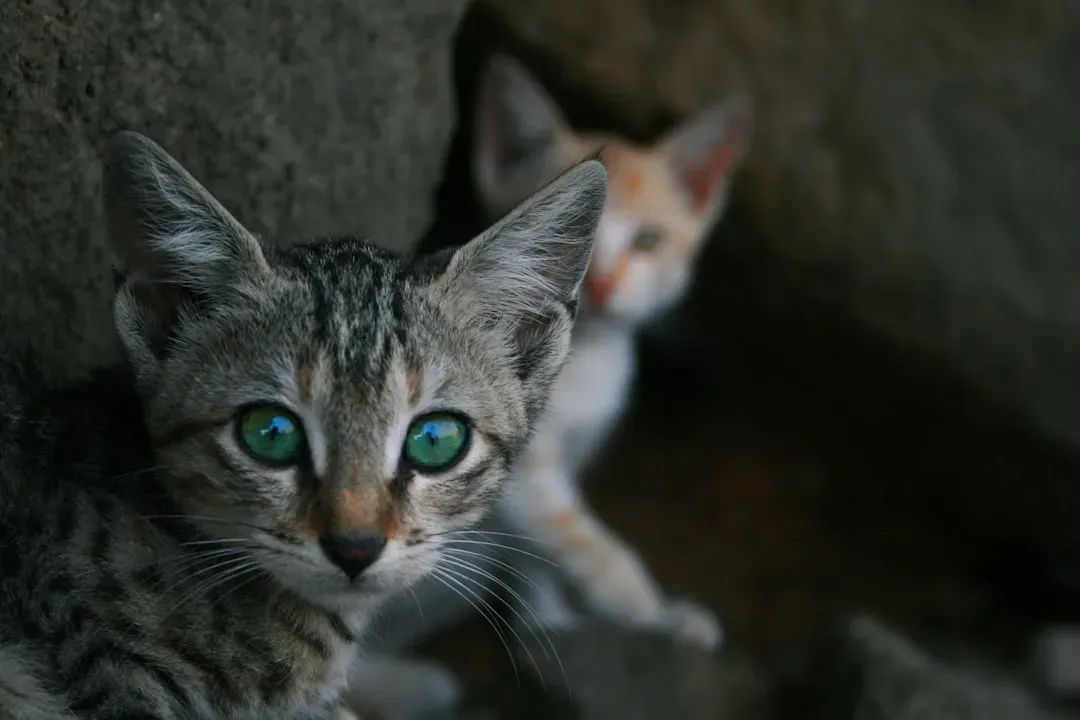
Young cats, especially kittens, tend to have frequent and intense zoomies due to their high energy levels and rapid growth; these bursts of activity help practice essential skills like agility, coordination, and motor control. If you have a kitten, expect the zoomies to be a regular part of your daily routine for a while.
Even as cats enter their senior years, they may still experience zoomies, though typically less often due to age-related changes like decreased muscle mass and arthritis. Still, seeing an older cat suddenly get a case of the zoomies can be a delightful surprise. Just keep an eye on any sudden changes in frequency, as that could signal underlying health issues worth discussing with your vet.
Boredom and Lack of Mental Stimulation
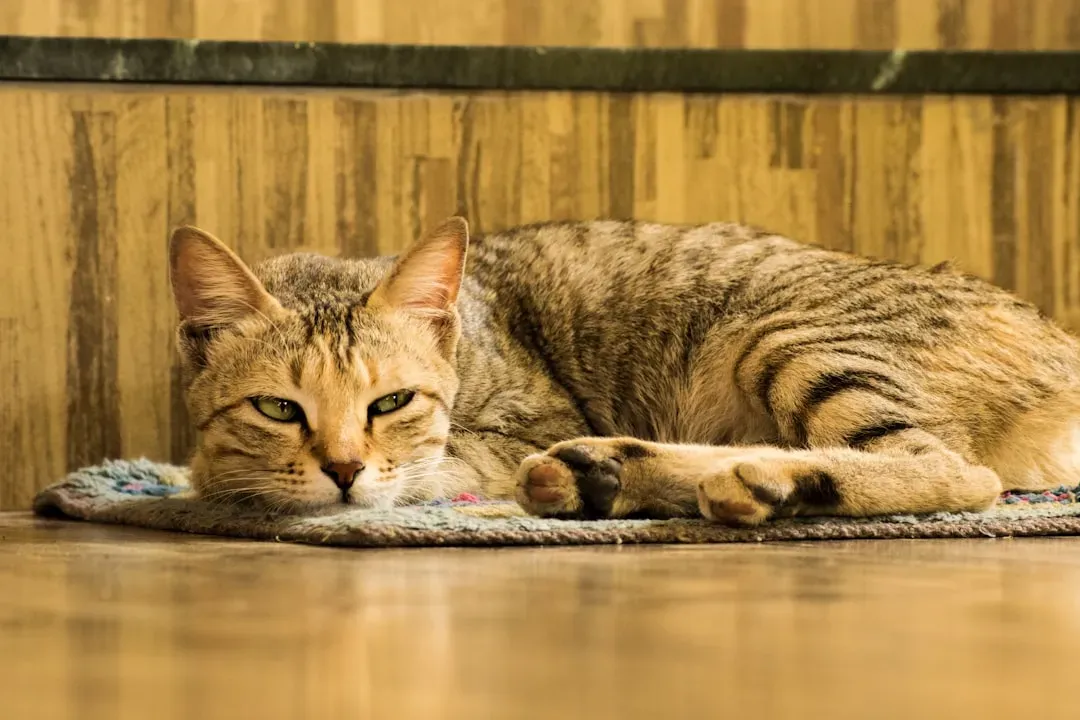
If your cat is not getting enough mental stimulation, it may lead to a buildup of energy that only the zoomies can help alleviate; adding a few extra toys or environmentally stimulating accessories to your cat's routine can help. Think of it this way: a bored cat is like a restless toddler who hasn't been to the playground in days.
Indoor cats especially need regular engagement. Puzzle feeders, climbing trees, interactive toys, and even just rotating their toy selection can make a huge difference. When cats lack mental challenges during the day, they'll create their own entertainment at night. Usually when you're asleep. Honestly, providing proper enrichment isn't just good for your cat; it's good for your sanity too.
Emotional Expression and Pure Joy
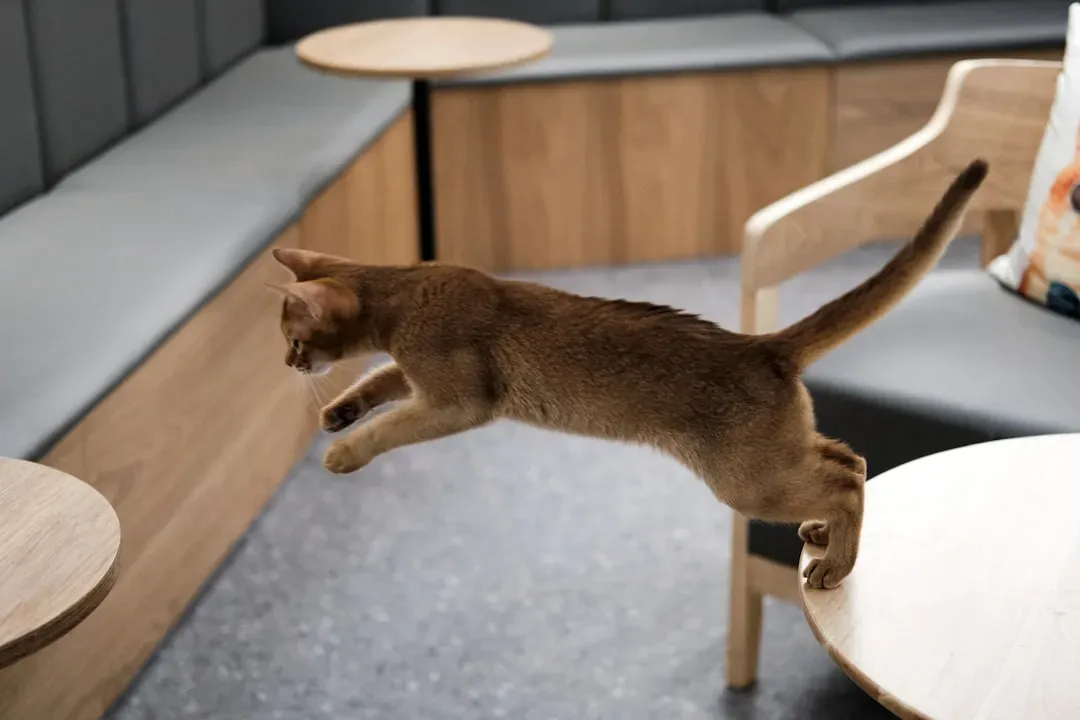
Some ethologists suggest FRAPs express excitement, joy or a positive arousal state, with many episodes being play-related and pleasurable. Not every zoomie session is about burning off excess energy or fulfilling hunting instincts. Sometimes your cat is just happy.
Sometimes zoomies are a result of your cat feeling extra happy or excited. Maybe you just came home from work. Maybe they heard the can opener. Maybe they just realized they're a cat and life is pretty great. Whatever the trigger, these joyful bursts remind us that beneath all that dignified grooming and aloof behavior, cats experience genuine excitement and playfulness.
When Zoomies Might Signal a Problem
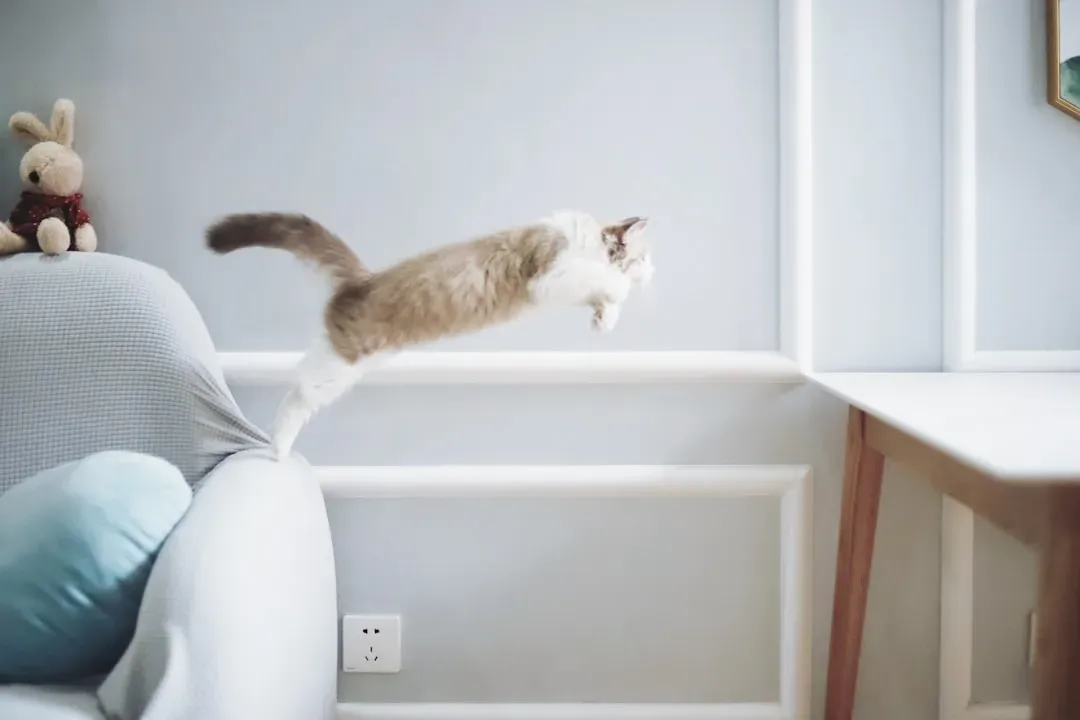
While zoomies are typically harmless, there are times when they warrant closer attention. Anxiety or distress can trigger zoomie-like behavior, though these episodes typically look different from playful ones. A cat experiencing stress might have more frantic, disoriented movements rather than the playful bounds of normal zoomies.
While acute pain is a far less common reason for cat zoomies, it's important to know when the behavior may indicate your kitty is in pain; if you do suspect pain is the culprit, get them to the vet as soon as possible. Look for additional signs like excessive licking, scratching, or changes in litter box habits. Sudden changes in zoomie behavior might signal underlying health conditions like hyperthyroidism or mobility problems. Better safe than sorry when it comes to your cat's wellbeing.
Managing and Redirecting the Zoomies
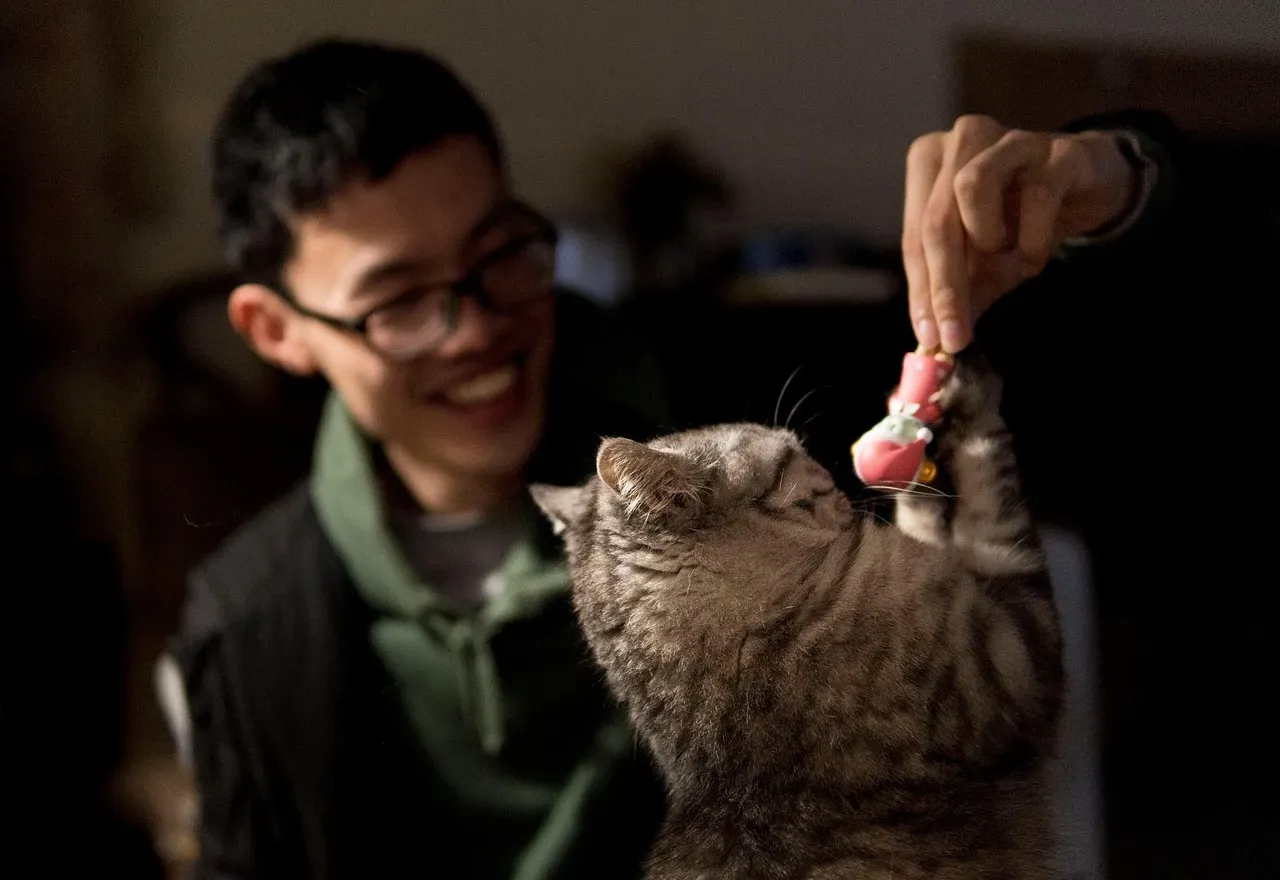
The key to a happy and healthy cat is daily enrichment and exercise; research has shown that play isn't just fun - it's an important indicator of animal welfare, and cats who engage in a variety of games and interact regularly with their guardians tend to have better quality of life. Setting up structured playtime can work wonders.
Try scheduling interactive play sessions in the evening before bed. Use toys that mimic prey, like feather wands or laser pointers. Playtime actually has the most beneficial effects if it is provided relatively frequently in short energetic bursts of activity; being an active participant in the zoomies is a great way for you to bond with your kitty, help them release pent-up energy and tire them out. Following playtime with a meal can encourage your cat to settle down for the night, mimicking the natural hunt-eat-sleep cycle of their wild ancestors.
Conclusion: Embracing the Wild Side of Your Domestic Cat
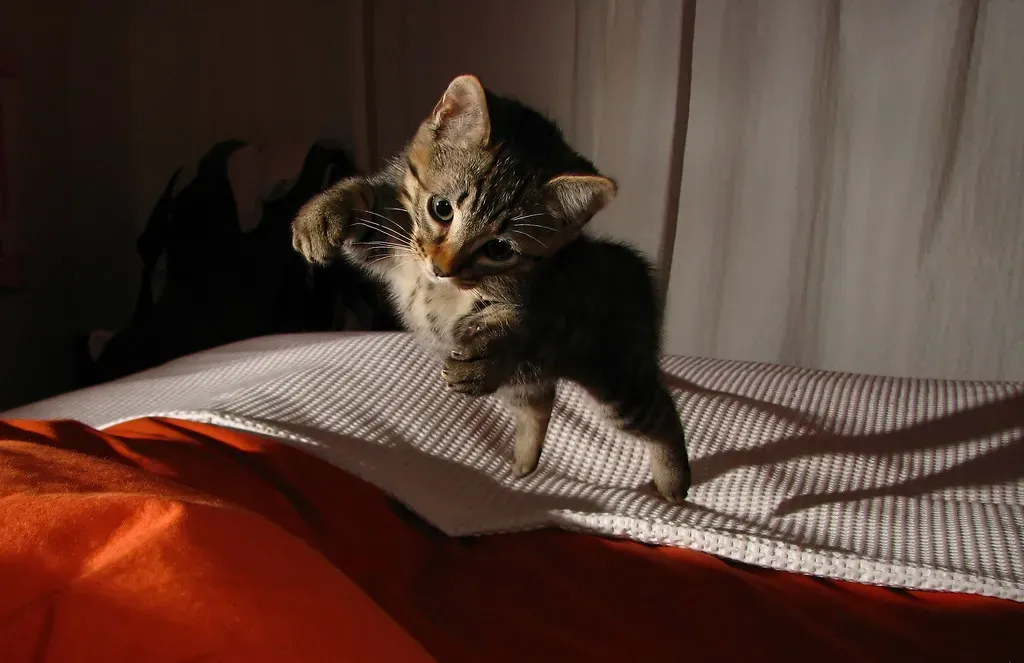
For most cats, zoomies are a sign of a healthy, happy animal who has energy to burn; zoomies are also a great reminder that cats have a playful side no matter their age. Rather than viewing these episodes as disruptive or concerning, try appreciating them for what they are: a glimpse into your cat's wild ancestry and natural behaviors.
These bursts of energy showcase your cat's curiosity, agility and zest for life; by letting loose and embracing their playful side, cats can meet many of their physical and mental needs. The next time your cat launches into a midnight sprint session, remember they're just being authentically themselves. Sure, it might wake you up, but it's also a sign you have a vibrant, healthy feline companion. What's your take on the zoomies? Do they crack you up or drive you up the wall?