8 Cat Breeds That Thrive With Routine (And 5 That Prefer Flexibility)
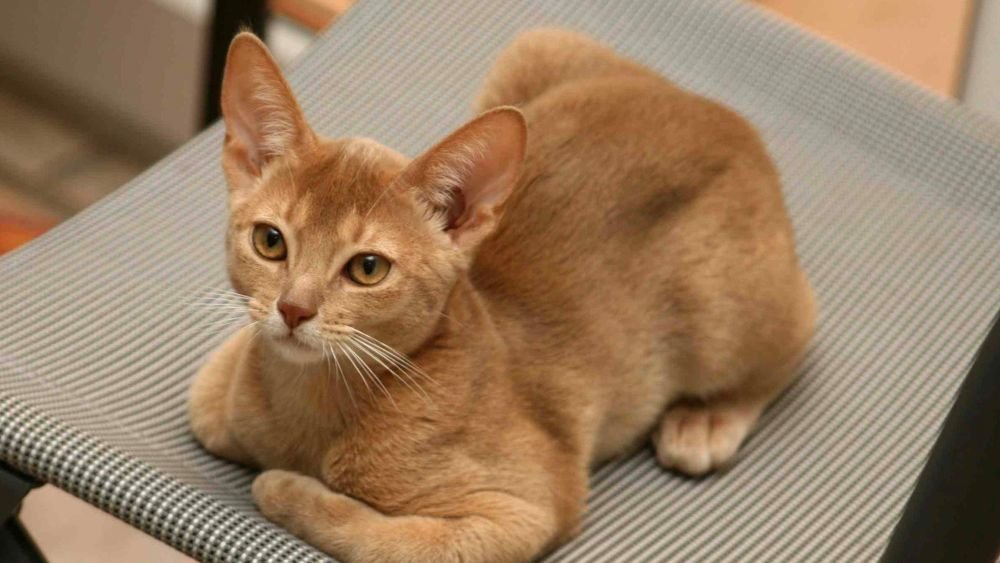
Have you ever watched your cat pace nervously when feeding time runs just a few minutes late? Or noticed how some felines seem to ride out schedule changes without batting an eye? The truth is, not all cats handle routine the same way. Some kitties genuinely crave predictable schedules and familiar patterns, while others adapt with surprising ease to life's spontaneous twists.
Here's the thing: understanding your cat's relationship with routine can transform your life together. Whether you're the kind of person who color-codes their calendar or prefers to take each day as it comes, matching your lifestyle to your cat's temperament makes all the difference. So let's dive into the fascinating world of feline personalities and discover which breeds appreciate structure and which ones roll with the punches.
British Shorthair: The Dignified Creature of Habit
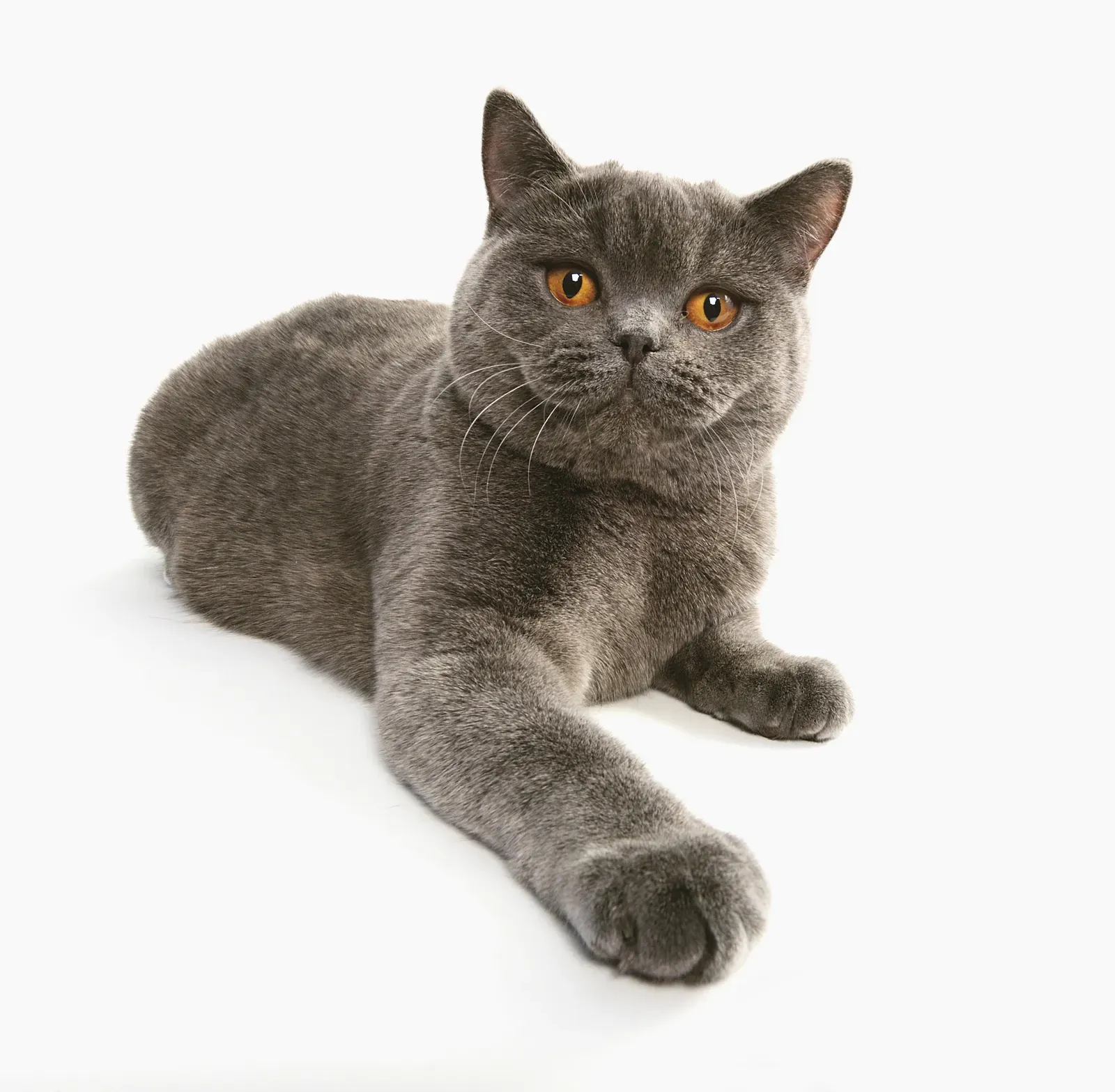
Your British Shorthair is friendly yet pleasantly calm, making them ideal family pets that adapt well to house or apartment living. What truly sets them apart is their love for predictability. Think of them as the organized planners of the cat world.
These cats are very pleasant companions who are easy going and placid, fiercely loyal to every family member. They appreciate knowing when meals arrive and when playtime happens. Honestly, mess with their schedule too much and you might earn yourself a dignified stare that somehow communicates disappointment.
They tolerate routine changes well and handle visitors calmly, but they genuinely prefer when life follows a familiar rhythm. Their thick, teddy bear appearance matches their steady temperament perfectly.
Persian: The Serene Schedule Keeper
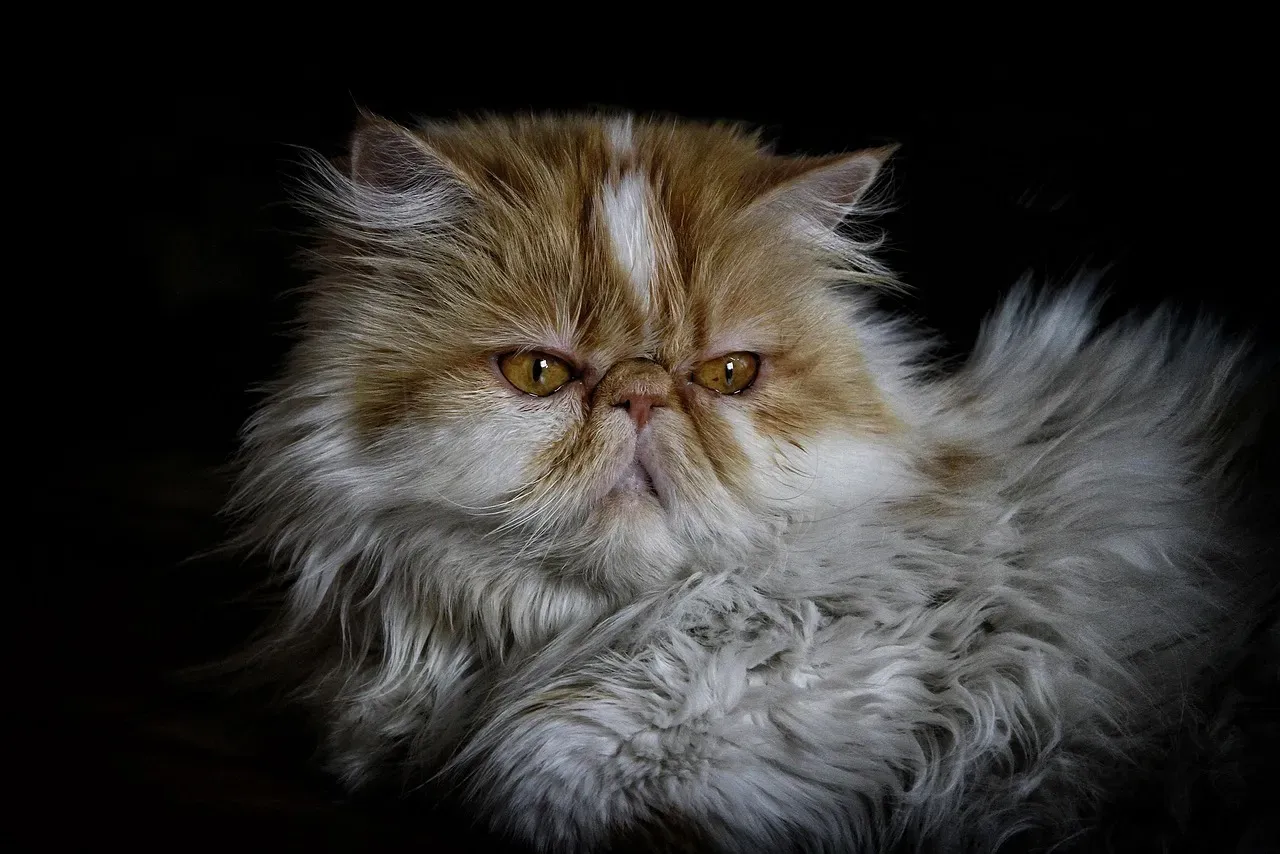
With a calm, passive personality, the Persian is the epitome of tranquility - quiet and laid back, generally adaptable and able to tolerate a variety of environments. Yet there's something you should know about these fluffy aristocrats.
Persians do best in a quiet home with a nicely set routine, and they genuinely appreciate when things stay consistent. Their world feels more secure when feeding times, grooming sessions, and quiet hours follow a predictable pattern. I think it has something to do with their gentle nature.
They prefer quiet, calm homes with plenty of routine. Changes can stress them, so if you're planning a major life shift, give your Persian extra attention and patience during the transition.
Russian Blue: The Quiet Observer Who Values Predictability
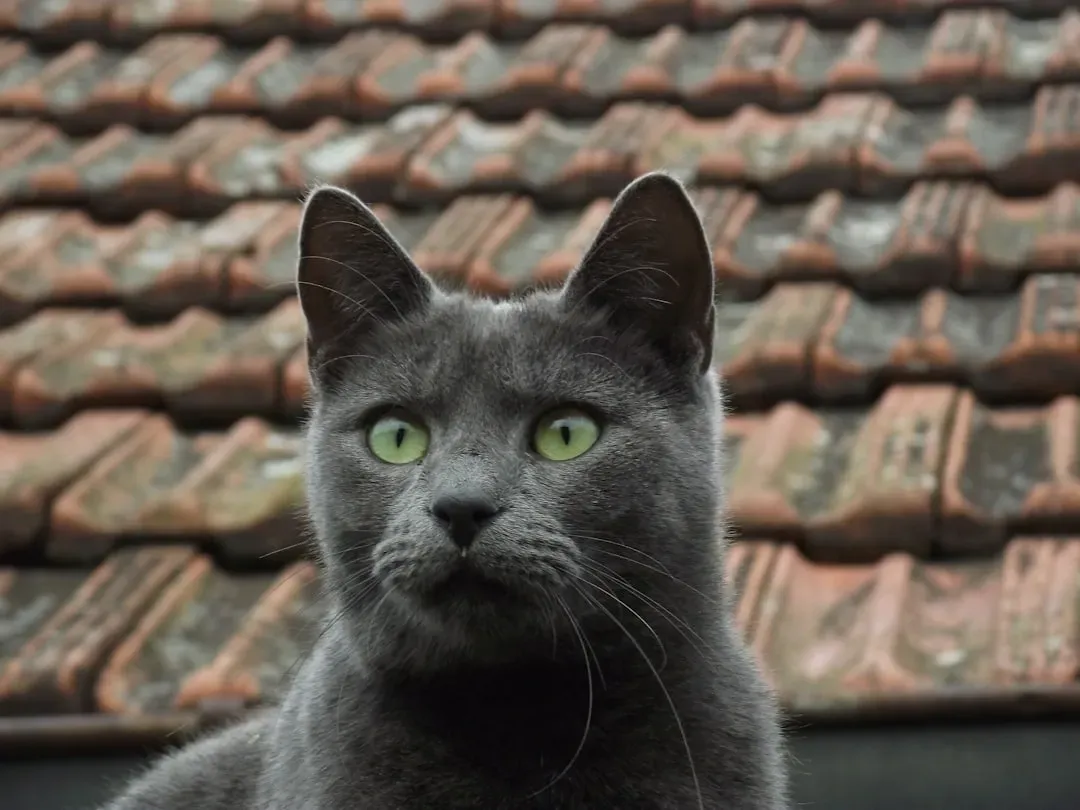
Like the British Shorthair, the Russian Blue is known for its easygoing temperament - content to amuse themselves most of the time and they don't mind if your work schedule keeps you out of the house for much of the day. Still, they value knowing what to expect.
These elegant grey beauties form deep bonds with their families and feel most secure when daily life follows familiar patterns. They're not dramatic about it, but watch closely and you'll notice they orient their day around your routines. Let's be real: they're secretly keeping tabs on your schedule better than you do.
Their independence doesn't mean they're indifferent. Russian Blues simply appreciate structure delivered with a calm, consistent approach.
Scottish Fold: The Sweet Soul Seeking Stability
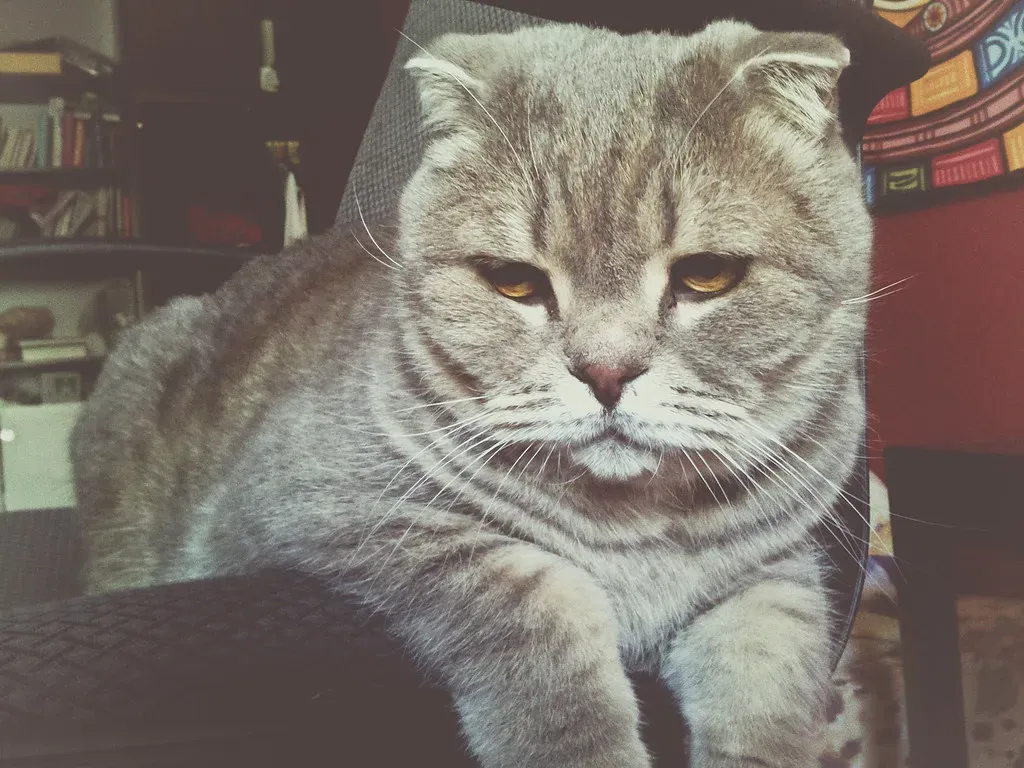
The Fold is a real sweetheart that can get along with other cats, dogs, and kids - while they can be independent at times, Scottish Folds are quite social and do not like being left alone for long periods, thriving in environments where they receive plenty of attention and companionship.
Here's what makes them particularly fond of routine: their affectionate nature means they bond intensely with family rhythms. When you establish consistent mealtimes, play sessions, and cuddle hours, your Scottish Fold learns to anticipate these moments with genuine excitement.
They're adaptable to a degree, but sudden changes can leave them feeling unsettled. Give them structure wrapped in love, and they'll reward you with unwavering devotion.
Maine Coon: The Gentle Giant Who Loves Patterns
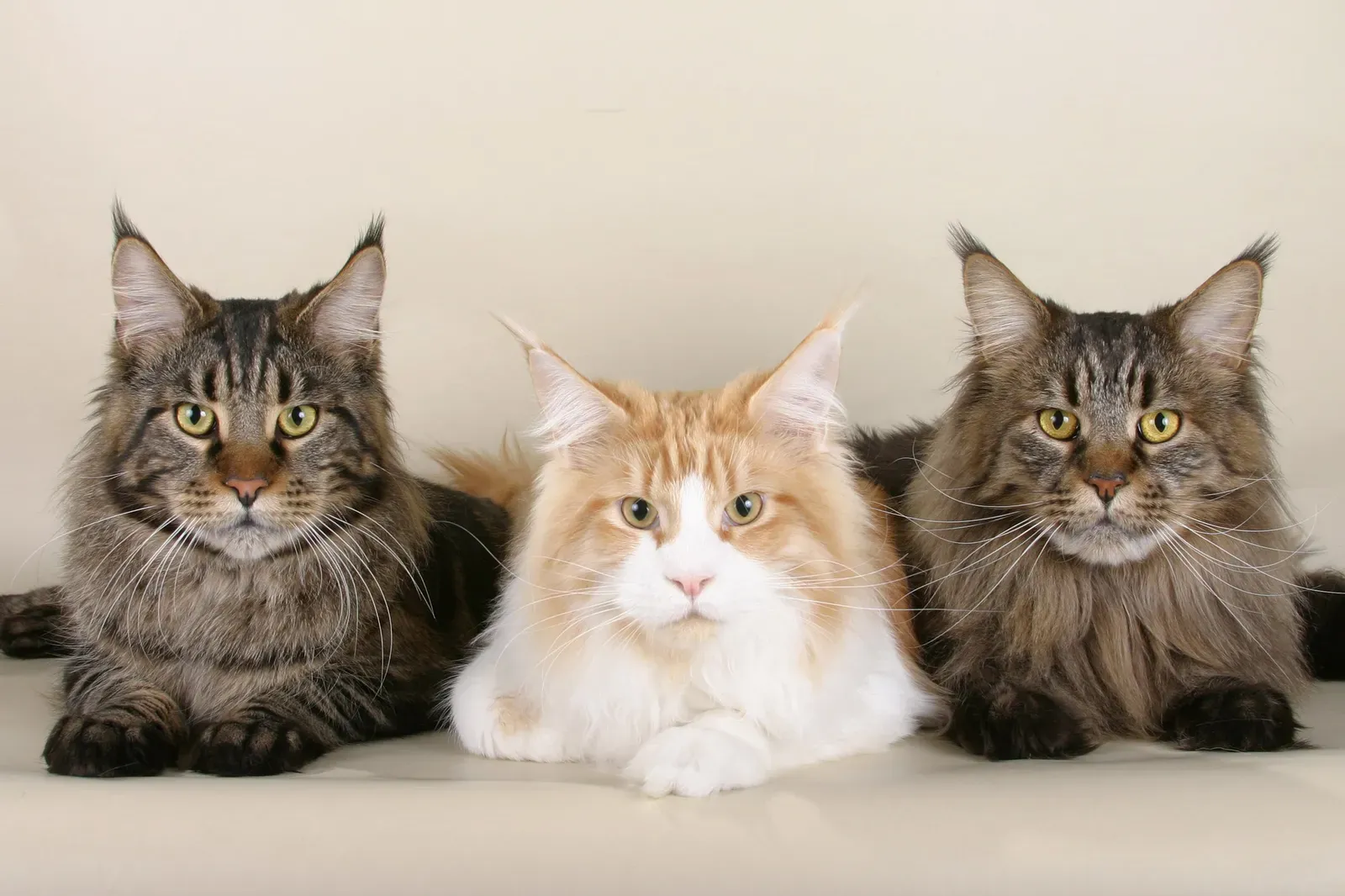
Maine Coon cats are calm and very friendly, making them good companions whose curiosity will make them follow you everywhere you go - super affectionate, they always enjoy a good snuggle. What you might not expect is how much these big softies appreciate routine.
Maine Coons are gentle cats that are good companions that enjoy mental challenges so they like lots of playtime. When playtime, puzzle feeders, and interactive sessions happen on a regular schedule, they thrive. Their intelligence means they quickly pick up on patterns.
Think of them as your devoted shadow who secretly keeps a mental calendar. They'll show up for scheduled activities with enthusiasm, making routine feel less like obligation and more like shared tradition.
Exotic Shorthair: The Peaceful Routine Lover
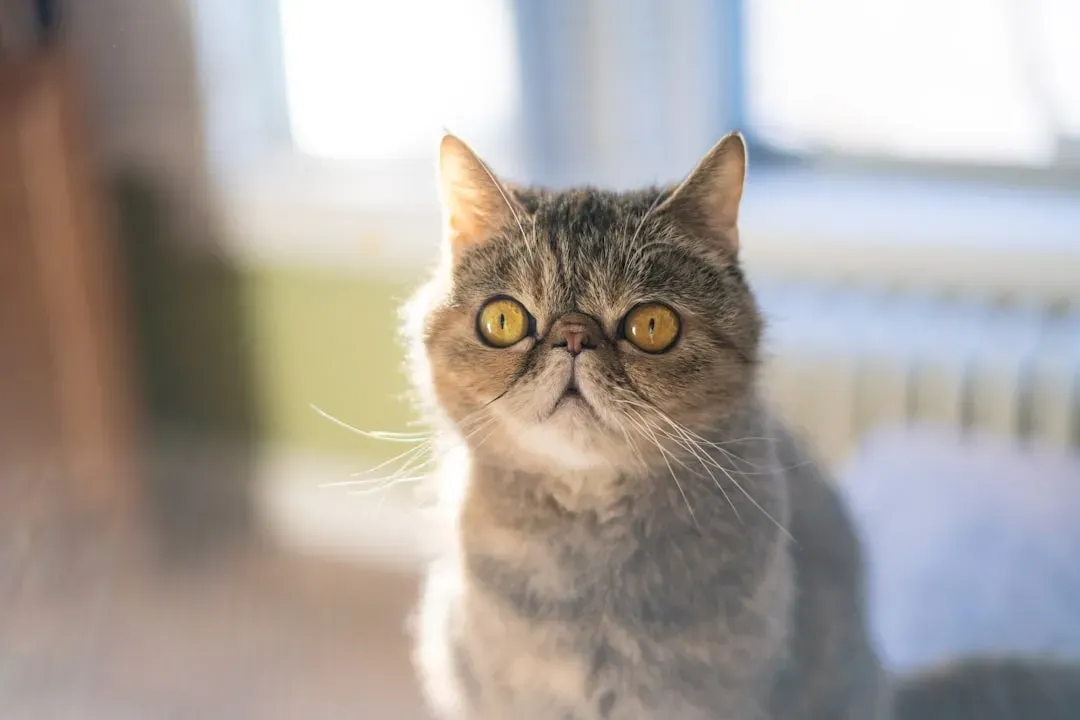
The Exotic Shorthair is often described as sweet, calm, and quietly affectionate - this breed enjoys relaxed interaction and does not usually seek constant activity, with its laid back personality supporting a tranquil home. They're basically Persians without the grooming drama.
Like their long-haired cousins, Exotic Shorthairs genuinely appreciate predictable daily schedules. They're not demanding about it, but you'll notice they settle into routines with contentment. Feeding times, nap spots, quiet evenings - they prefer when these follow familiar patterns.
This breed is sweet, affectionate, and fairly low-maintenance. Their calm demeanor pairs beautifully with structured households where everyone knows what to expect.
Ragdoll: The Devoted Companion With Rhythmic Preferences
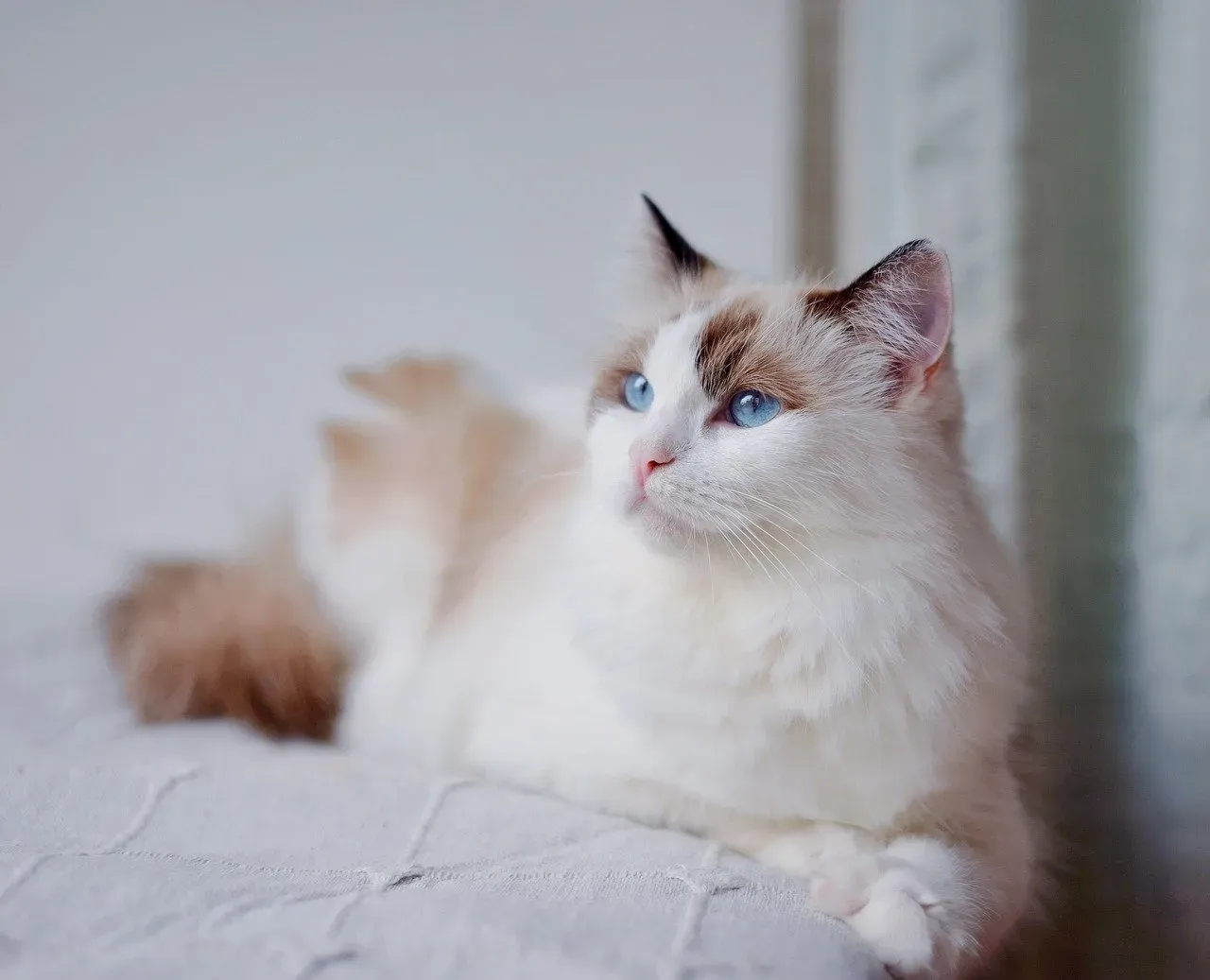
People-focused by nature, this breed tends to anchor itself to human presence - when routines change, attention stays on familiar faces rather than surroundings, with stability coming from connection rather than predictability. Yet there's more to the story.
The Ragdoll is known for its relaxed personality and strong preference for human companionship - this breed often enjoys spending time close to its owner and may follow familiar routines throughout the day. They're the type who'll wait by the door when you usually come home or settle onto your lap during your regular reading hour.
While their primary focus is being near you, establishing consistent daily patterns helps them feel secure. It's less about the schedule itself and more about the comforting predictability of togetherness.
Siamese: The Vocal Schedule Keeper
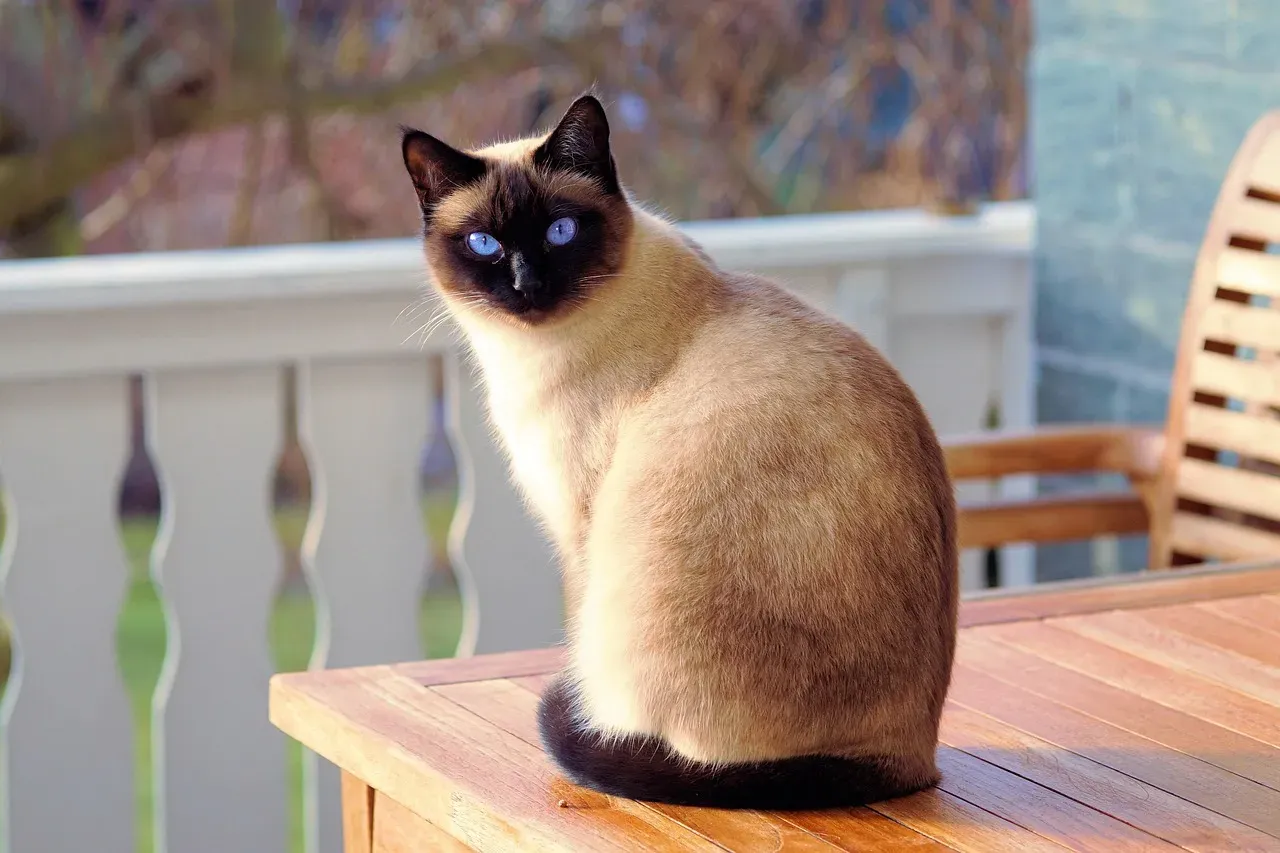
Behaviorally, Siamese cats are known for being active, intelligent, and highly vocal - they enjoy stimulation and can become bored without interaction, with this breed often preferring structured play and attention rather than being left to entertain itself. Did you catch that? They actively prefer structure.
Siamese cats have bold, vibrant personalities and are known for being affectionate, energetic, intelligent, and extremely vocal. When feeding time runs late or playtime gets skipped, they'll absolutely let you know with their distinctive voice. Honestly, they're not shy about expressing their opinions on schedule disruptions.
Siamese are determined, vocal, active, affectionate cats but they don't like being left alone. Build them a routine that includes regular interaction, and you'll have a happy, chatty companion who knows exactly what time dinner should arrive.
Bengal: The Wild Spirit Craving Variety
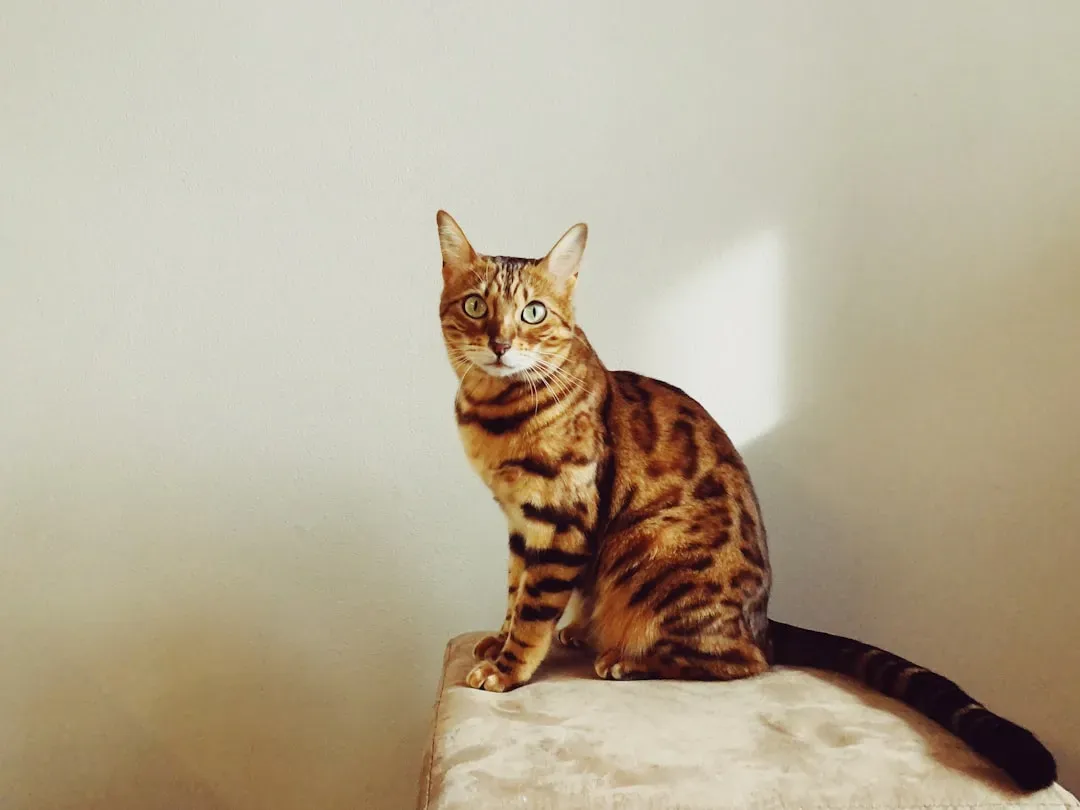
Let's switch gears now to the flexibility lovers. Personality-wise, Bengals are typically high-energy and curious, with a strong drive to explore and play - they often do best with lots of engagement, because boredom can turn into creative redecorating fast. Structure bores them.
Highly engaged with their surroundings, these medium to large-sized cats respond best to variety - new layouts, altered schedules, or different daily rhythms keep them interested. Their wild ancestry shows in their adaptability and preference for stimulation over routine.
Give your Bengal puzzle feeders, rotating toys, and unpredictable play sessions. They'll thank you by staying mentally engaged rather than turning your curtains into climbing equipment. Flexibility is their friend.
Abyssinian: The Energetic Explorer
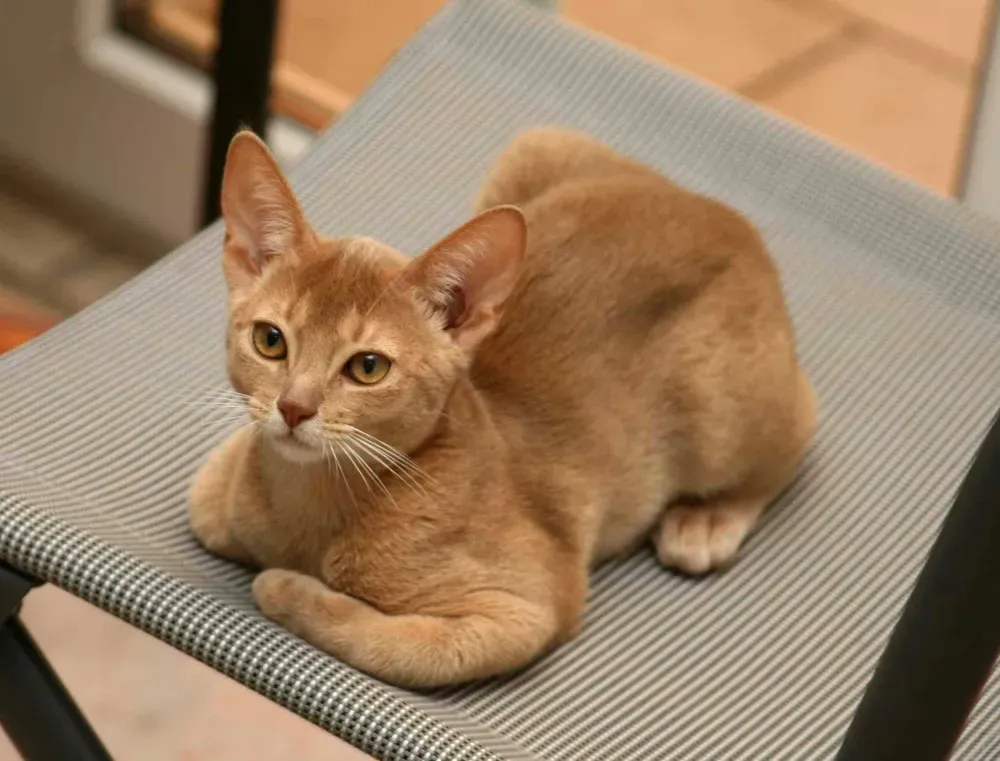
This breed is energetic, curious, and consistently ranked among the most intelligent cats. Sure, Abyssinians excel at learning routines and quickly recognize daily patterns such as feeding times and play schedules, but here's the twist: they don't need them.
Rather than clinging to fixed routines, these cats prefer movement and variety - exploring new areas of the home or adjusting to different activity patterns often feels natural to them. Their sharp minds crave novelty.
Think of Abyssinians as the adventurers who pack light and travel far. They'll adapt to whatever schedule you throw at them, provided there's enough mental stimulation along the way. Routine optional, excitement required.
Turkish Van: The Water-Loving Free Spirit
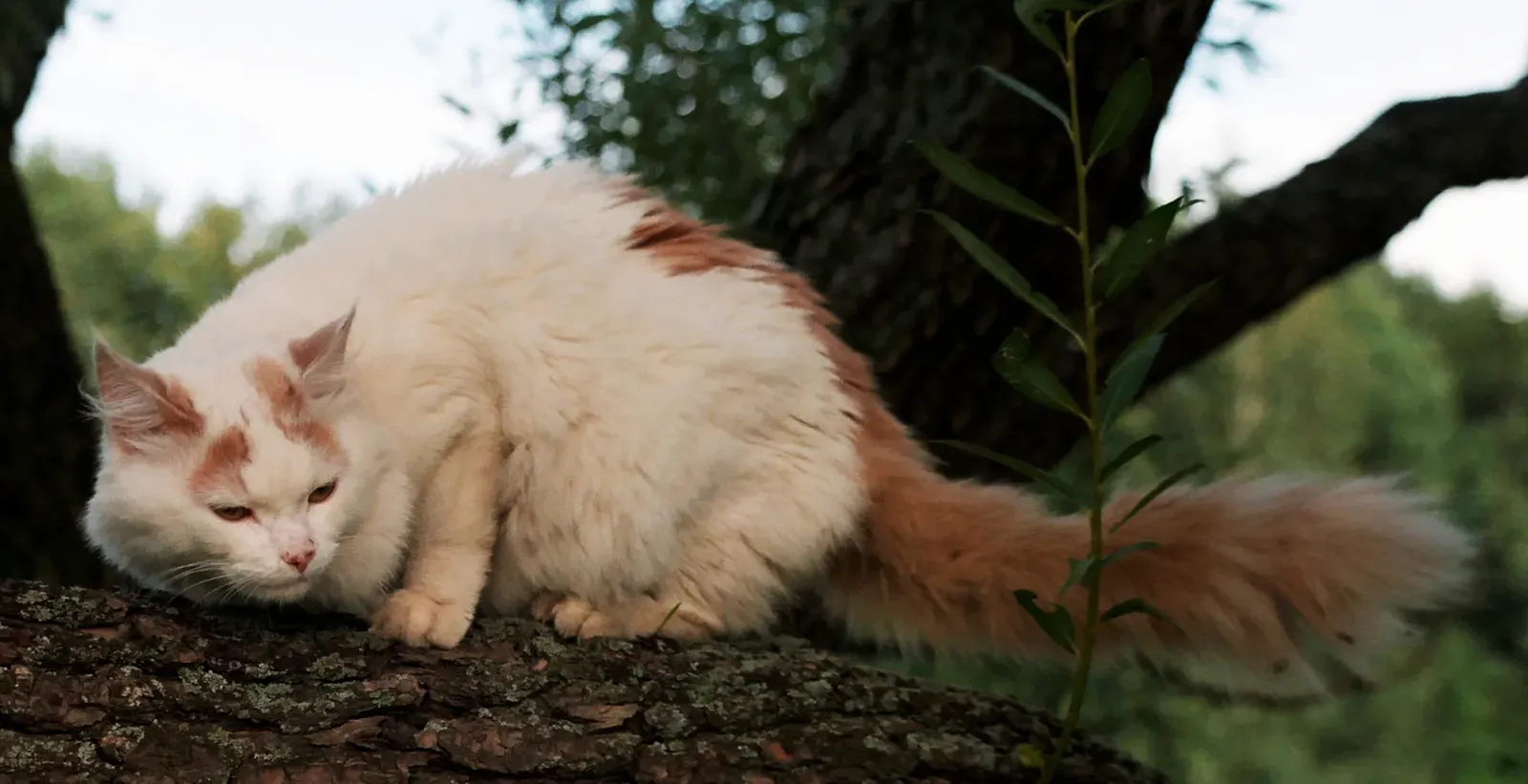
Turkish Vans are sweet and curious, and they bring a playful spontaneity that makes rigid schedules feel unnecessary. These cats are famous for their unusual love of water and their athletic prowess.
A routine that balances active periods and quiet downtime helps them stay well-adjusted, but they don't insist on it. Turkish Vans are confident enough to handle changes without stress. Move their feeding time? They'll adjust. Rearrange the furniture? They'll find new high perches to claim.
Their adaptable nature comes from generations of surviving various environments. They're flexible because they can be, and honestly, that confidence is part of their charm.
Burmese: The Social Butterfly
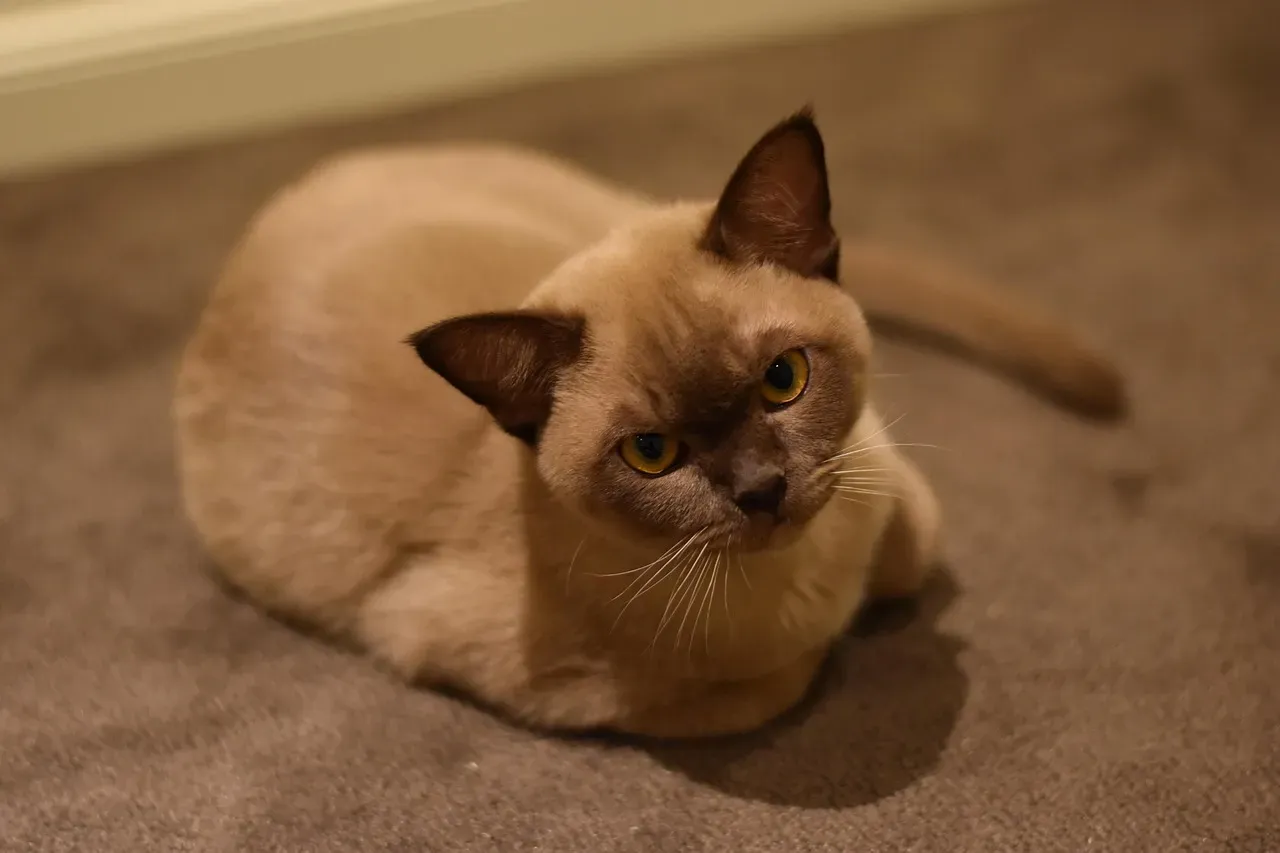
Related to the Siamese, Burmese cats love to chat without getting too screamy - they are very intelligent and more inclined to explore instead of being scared. What makes them flexibility champions is their emotional intelligence.
Burmese cats are emotionally intelligent in ways that many cats are not - this cat breed is known for being able to read the moods of their owners and become incredibly attached to people and other animals. They adapt their behavior based on what's happening around them.
Schedule changes don't faze them as long as their people are nearby. They're the type who'll happily adjust to your new work-from-home schedule or accept a shifted dinner hour without complaint. Connection matters more than consistency.
American Shorthair: The Easygoing Adapter
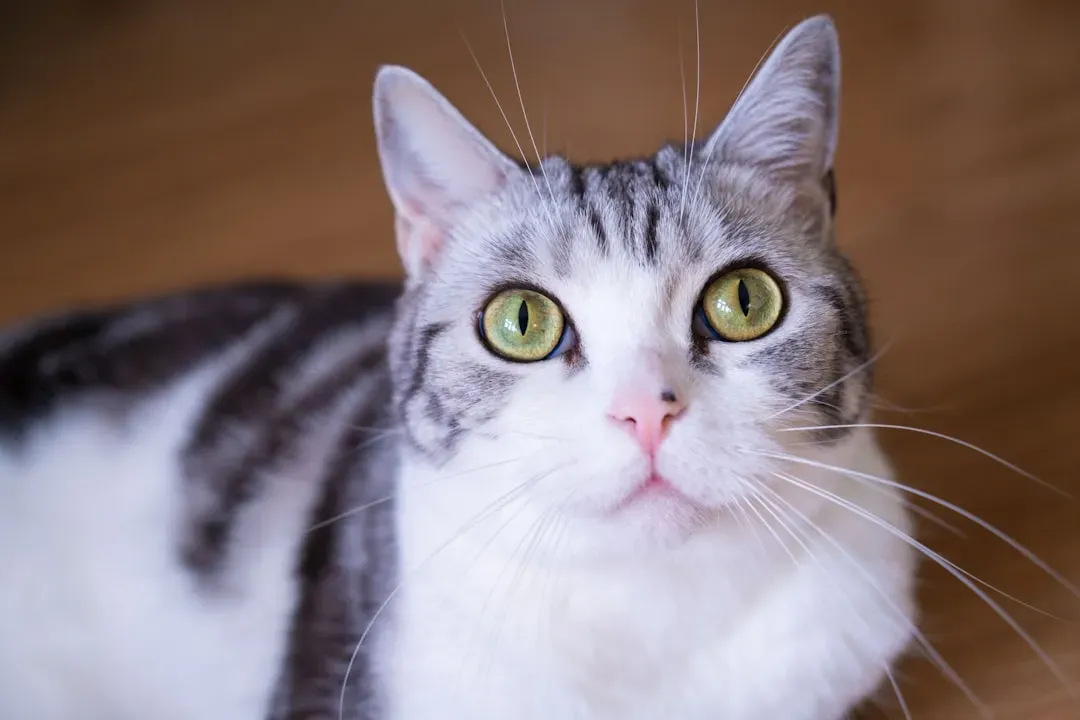
The American Shorthair is often a solid pick when you want a cat that can roll with real life - they're known for being adaptable and independent, with a friendly streak that makes them pleasant company without being needy. They're the definition of go-with-the-flow.
They're also known for handling different home setups well, which is helpful if your schedule changes often. Working irregular hours? The American Shorthair won't hold it against you. Weekend travel plans? They'll be fine.
Because they're adaptable and observant, routines tend to stick once learned - this makes them reliable companions in structured homes where patterns matter. But unlike routine-dependent breeds, they handle disruptions with remarkable grace. It's hard to say for sure, but they might just be the most balanced breed on this list.
Conclusion
Understanding whether your cat thrives on routine or prefers flexibility isn't just interesting trivia - it's genuinely practical information that shapes how you structure your household. The routine lovers like British Shorthairs, Persians, and Siamese appreciate knowing what comes next, while the flexible spirits like Bengals, Abyssinians, and American Shorthairs adapt to whatever life throws their way.
The beautiful thing is that neither approach is better. It's all about matching your lifestyle to your cat's natural temperament. If you're a creature of habit yourself, those routine-oriented breeds will feel like kindred spirits. If spontaneity is more your style, you'll adore the adaptable adventurers.
What does your cat's behavior tell you about their relationship with routine? You might discover they've been dropping hints all along.