Have you ever caught your cat staring at you from across the room, eyes narrowed to little slits, or maybe wide like saucers? It can be confusing. Sometimes it feels affectionate. Other times, honestly, a bit unsettling. Here’s the thing most people miss: your cat is constantly talking to you through those mesmerizing eyes, but you just haven’t learned the language yet.
Your cat’s eyes communicate emotions through physiological changes in pupil size and eyelid position, and these subtle shifts are way more meaningful than many realize. People often find feline communication more difficult to interpret than that of dogs because it can be so subtle that nonverbal communication cues are completely missed or misinterpreted. So let’s dive into this fascinating world where every blink, every gaze, and every tiny pupil change reveals what your feline friend is really thinking.
The Slow Blink Is Your Cat’s Way of Saying “I Love You”
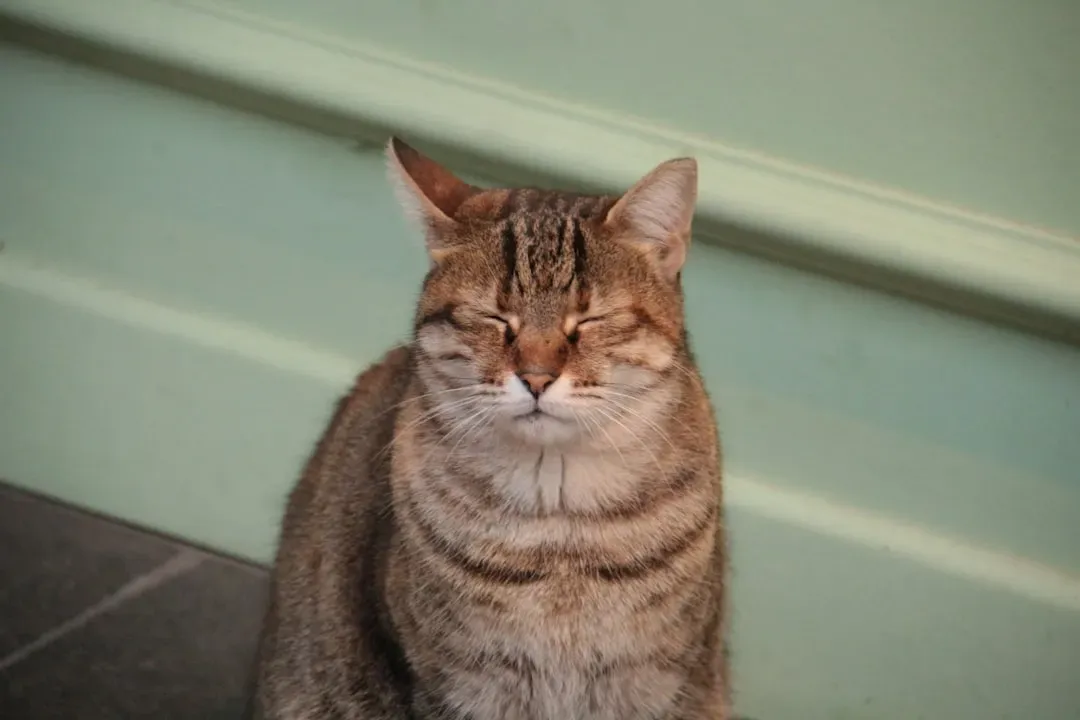
If you’ve noticed your cat gazing at you and then slowly closing their eyes in a dreamy, deliberate way, congratulations. Slow eye blinks express love and trust, and the eyes, lids partially closed, have a sleepy, dreamy appearance, as if cats are in a state of bliss. Think of it as the feline equivalent of blowing you a kiss.
When a cat slow blinks at you, they are often expressing a sense of trust, contentment, and affection, and in the feline world, closing their eyes in the presence of another creature makes them vulnerable, as they are unable to detect potential threats. Your cat is literally telling you they feel safe enough to let their guard down. Should you be the lucky recipient of a slow blink, return the show of affection with a reciprocal slow blink to share the love. Try it next time – you might be surprised how your cat responds.
Dilated Pupils Mean More Than You Think
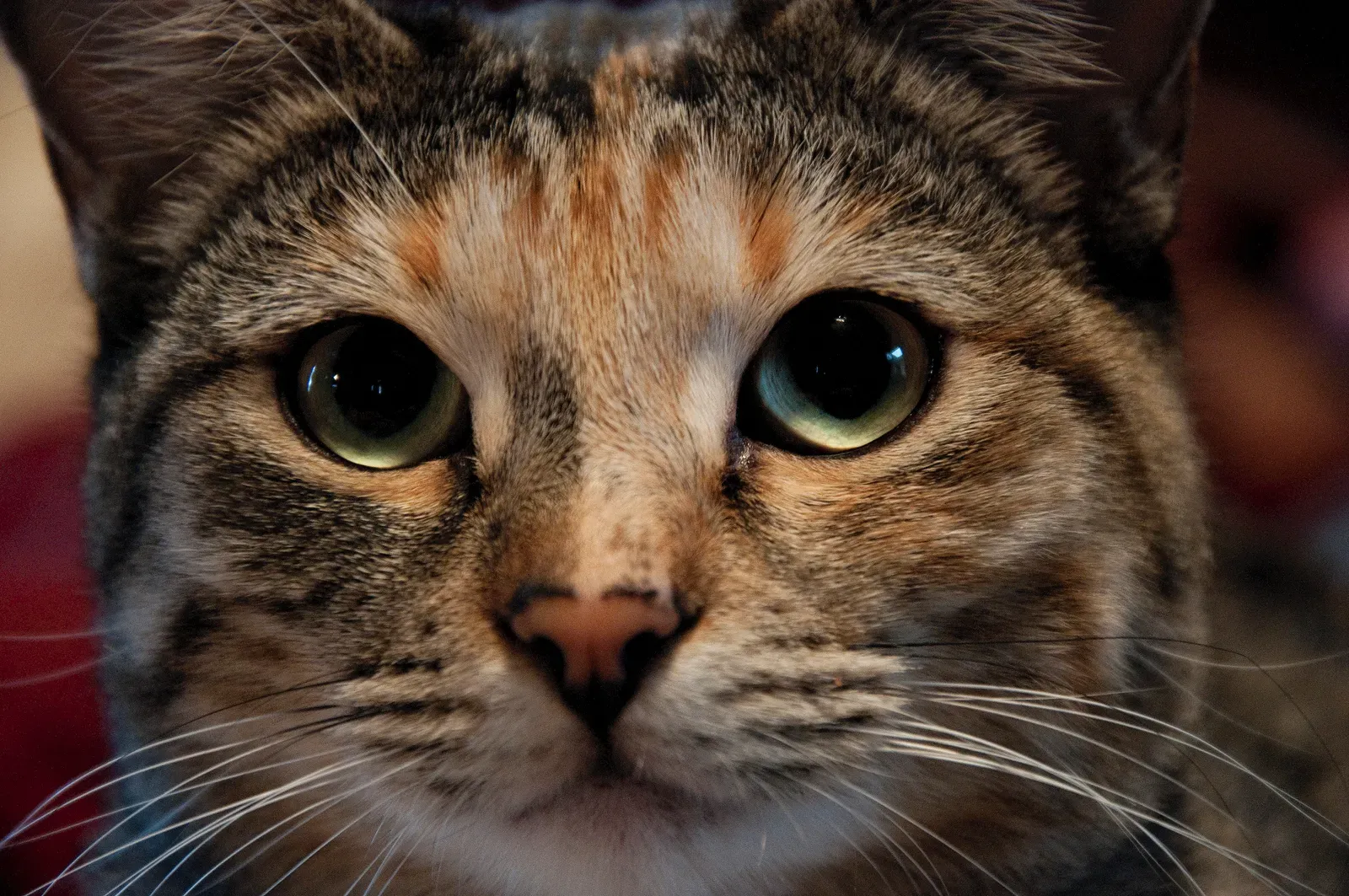
When your cat’s eyes are wide with dilated pupils, this can be from excitement, for example, cats widen their pupils when they’re focusing on prey. You know that look right before they pounce on a toy mouse or your unsuspecting toes under the blanket? That’s pure, concentrated excitement.
Still, context matters here. Wide eyes with a tense body mean your kitten senses danger, whether she’s suddenly startled or prepping for a confrontation. So if those pupils are huge and your cat’s body is rigid or crouched low, they’re likely feeling threatened or scared. When frightened, a cat’s pupils may dilate significantly, allowing them to gather as much visual information as possible, and their wide-eyed appearance is often accompanied by other body language cues, such as flattened ears, a crouched or tense posture, and a bushy tail. It’s hard to say for sure without looking at the whole picture.
Constricted Pupils Signal Focused Intensity
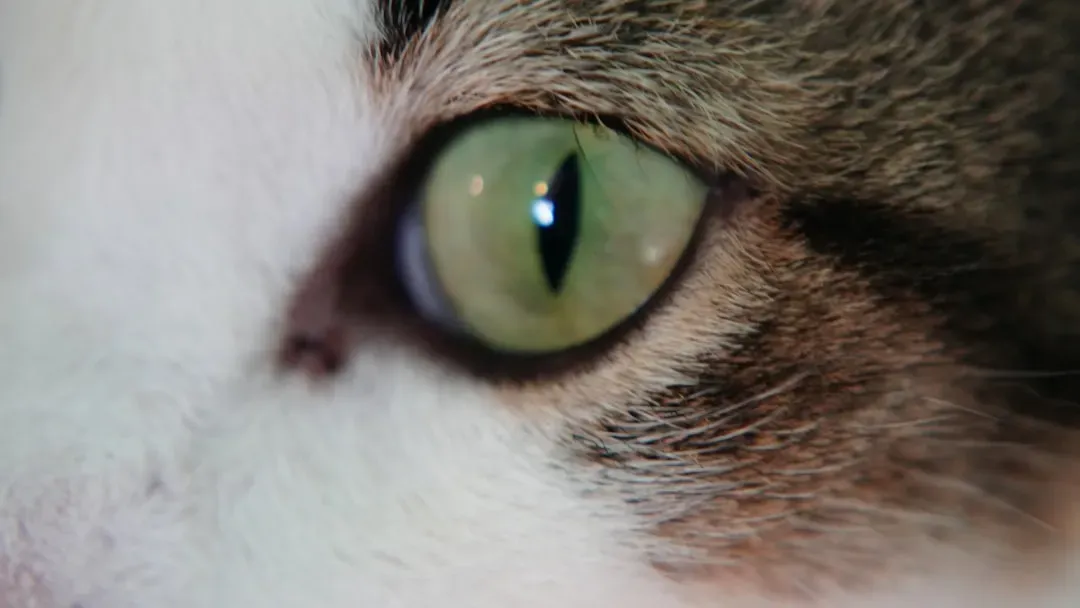
When a cat is calm and content, their pupils tend to be constricted, resembling tiny slits, indicating that they are relaxed and comfortable in their environment. This narrow, slit-like appearance is their baseline when everything feels safe and predictable around them.
However, there’s another side to those narrow pupils. A cat may narrow his eyes when he’s angry and about to fight another cat, whether his pupils themselves are constricted or wide. If you see slits combined with ears pinned back, a stiff tail, or growling, back away slowly. That cat is preparing for battle, and you don’t want to be caught in the crossfire.
A Direct Stare Can Be Threatening
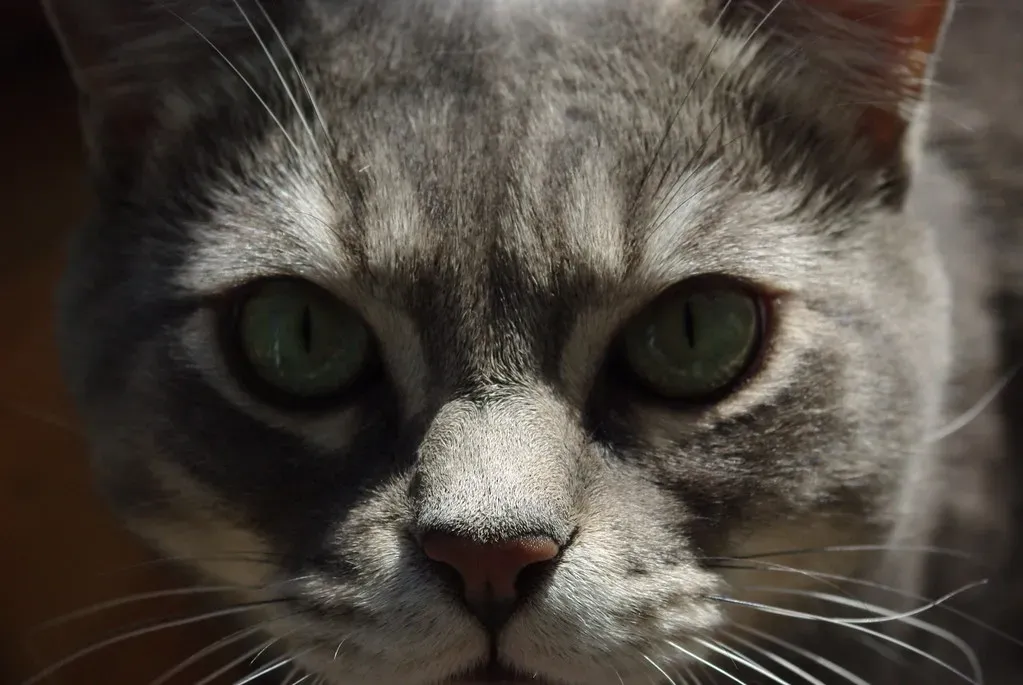
A direct stare in feline parlance is threatening and confrontational. Unlike us humans who consider eye contact polite and respectful, cats view prolonged, unblinking stares as aggressive challenges. The unblinking stare is also a communication megaphone for wanna-be aggressive cats to adversaries.
This is why your cat might look away when you stare at them too long, or why they seem to gravitate toward the one person in the room who’s ignoring them. Cats tend to gravitate toward people who aren’t actively staring at them, because someone who isn’t staring is communicating a friendlier vibe. Let’s be real – if you want your cat to like you more, stop trying so hard to make eye contact.
Half-Closed Eyes Mean Pure Contentment
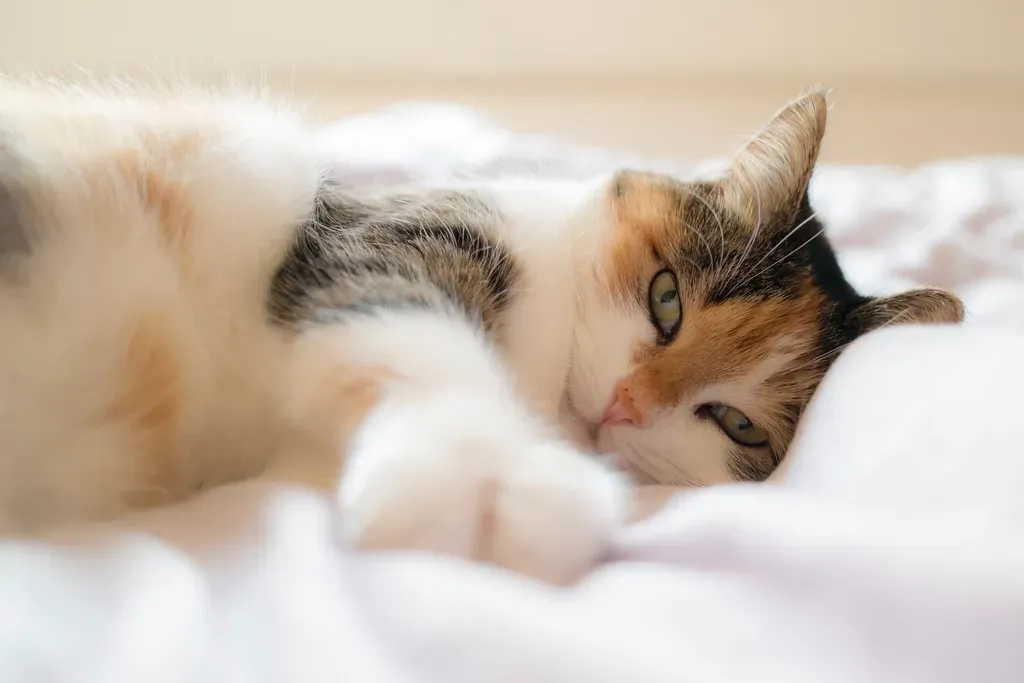
If your cat’s feeling extra happy, he may half-close his eyes in a way that looks very relaxed and peaceful, and his eyelids might even appear to droop, which you may notice when your cat is cuddled up in your lap. This droopy-eyed look is basically your cat smiling at you.
As you gently pet his soft fur, he half-closes his eyes, and this is your cat’s way of smiling at you. It’s one of those small, precious moments that remind you why you tolerate the 3 a.m. zoomies and knocked-over water glasses. When you see this expression, you’re doing something right.
Squinting Can Signal Aggression or Protection
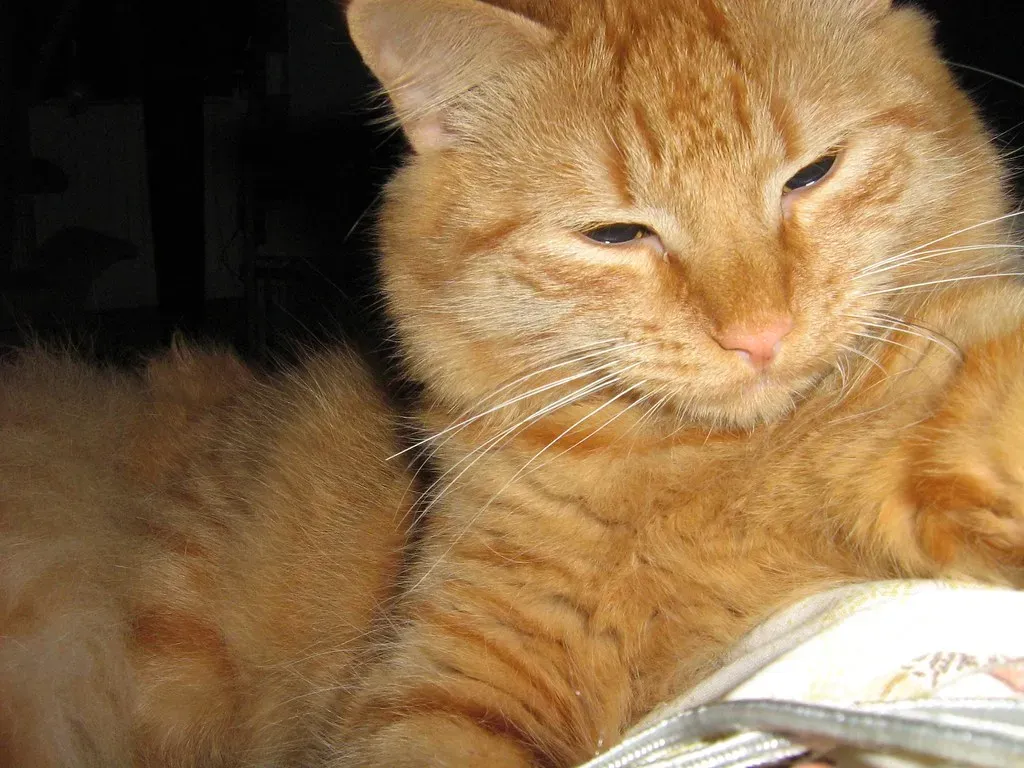
Squinting isn’t always about love and trust. Squinty eyelids protect the eyes from potential injury, especially during confrontations. If your cat is about to get into a scuffle with another feline, those narrowed eyes act like armor.
Conversely, narrowed eyes or squinting in cats often signals contentment and relaxation, and you might notice your cat squinting when they’re enjoying a sunny spot or receiving pets. So yeah, squinting can mean two totally opposite things. Look at the rest of their body language – are they purring and relaxed, or tense and ready to strike? That’ll give you the answer.
Wide Saucer Eyes Reveal Fear or Excitement
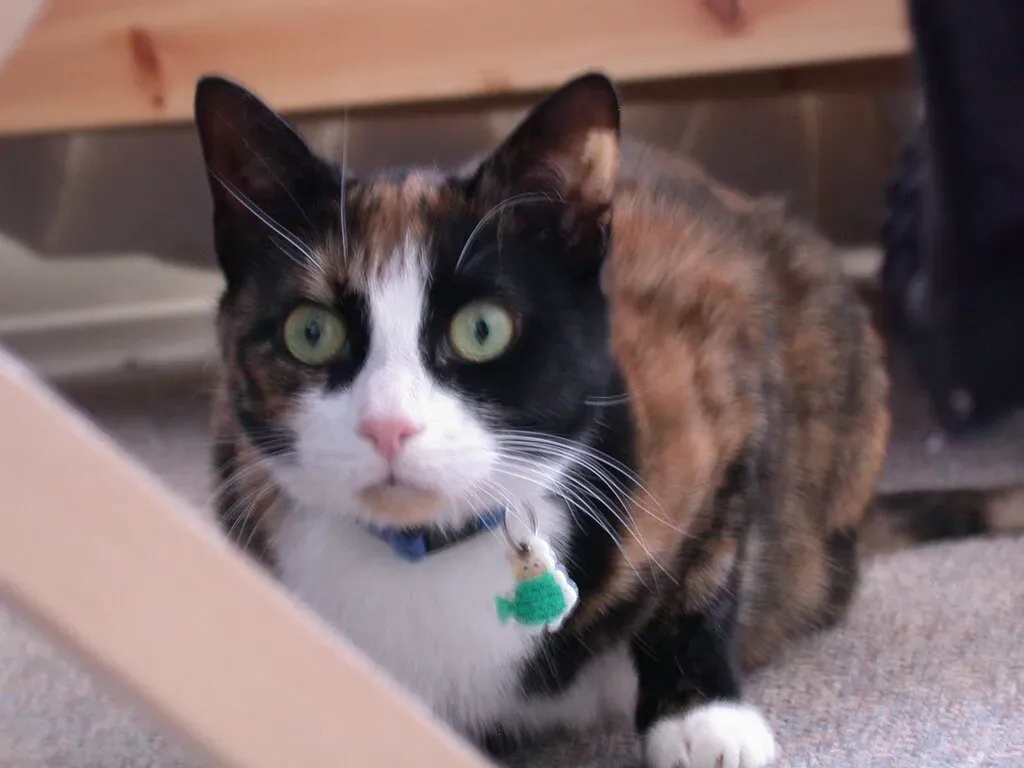
Those big, round “saucer eyes” are unforgettable. When they are excited or focused, their pupils dilate, appearing larger and rounder. If your cat just spotted a bird outside the window or is about to ambush their favorite feather toy, you’ll see this look.
Yet those same saucer eyes can mean terror. A cat’s eyes can exhibit a wide range of expressions when they are anxious or scared, including a wide-eyed stare where their eyes appear large and open, often with a frozen or immobile body posture, and in some cases, you may notice whale eye, where the whites of their eyes become visible. Trust me, when a cat shows you the whites of their eyes, something has seriously spooked them.
Unequal Pupil Sizes Are a Medical Red Flag
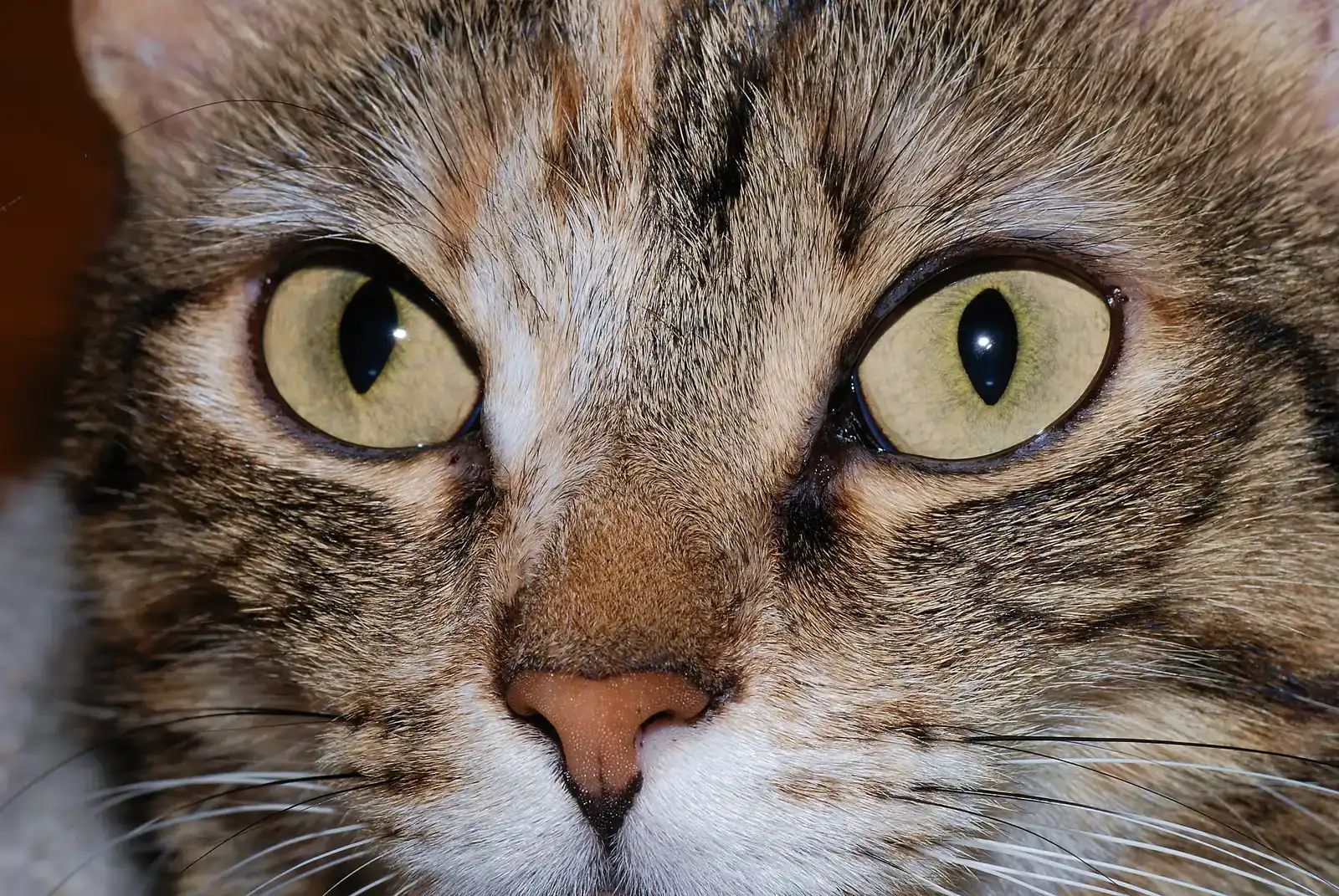
If you notice one of your cat’s pupils is significantly larger or smaller than the other, pay attention. Anisocoria is a condition in which the pupils of the cat’s eyes are different sizes; in other words, one pupil is larger than the other. This isn’t normal and could signal something serious.
Anisocoria should be treated as a medical emergency because it often develops from serious underlying health issues, and if you notice one pupil suddenly becoming larger than the other, call your veterinarian immediately. Possible causes range from eye injuries and infections to neurological problems. Don’t wait on this one – get your cat checked out right away.
Persistent Squinting May Indicate Pain
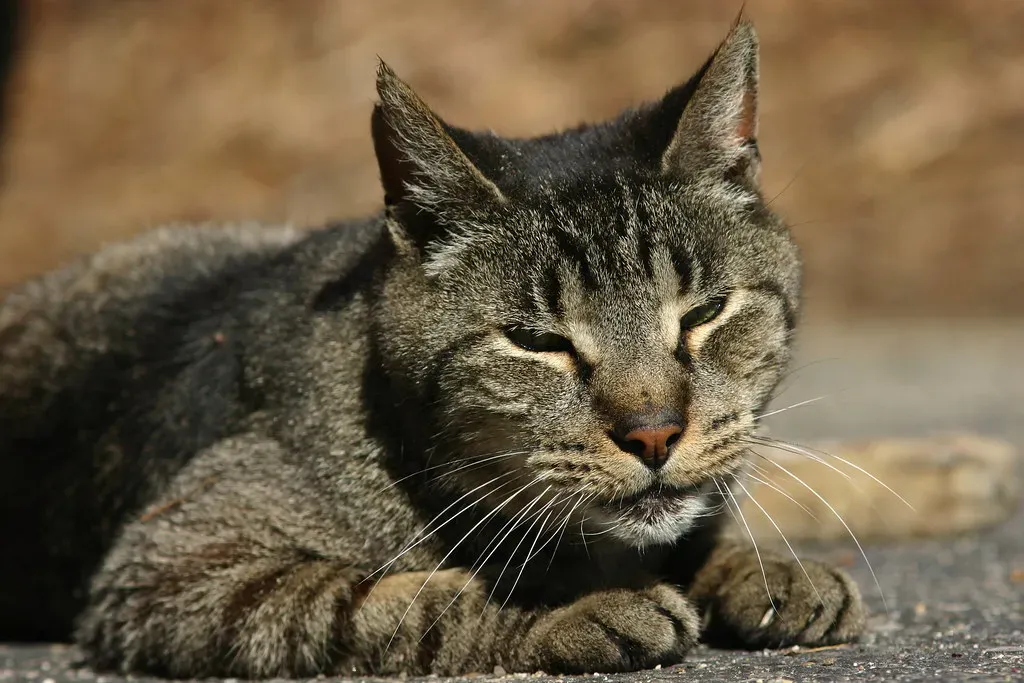
Abnormal squinting, or blepharospasm, describes repeated, spasmodic closing of the eyelids, and the main difference with blepharospasm is that the cat keeps doing it and seems unable to fully open the affected eye. This is different from a brief squint in bright light or a slow blink of affection.
Blepharospasm in cats most commonly occurs due to an eye irritant, injury, infection, or other eye condition, and pain and inflammation from an eye infection can cause a cat to abnormally blink, squint, or hold their eye closed. If your cat’s squinting persists for more than a few hours or is accompanied by discharge, redness, or pawing at the eye, it’s time to see the vet. Eye problems can escalate quickly.
Understanding Context Is Everything
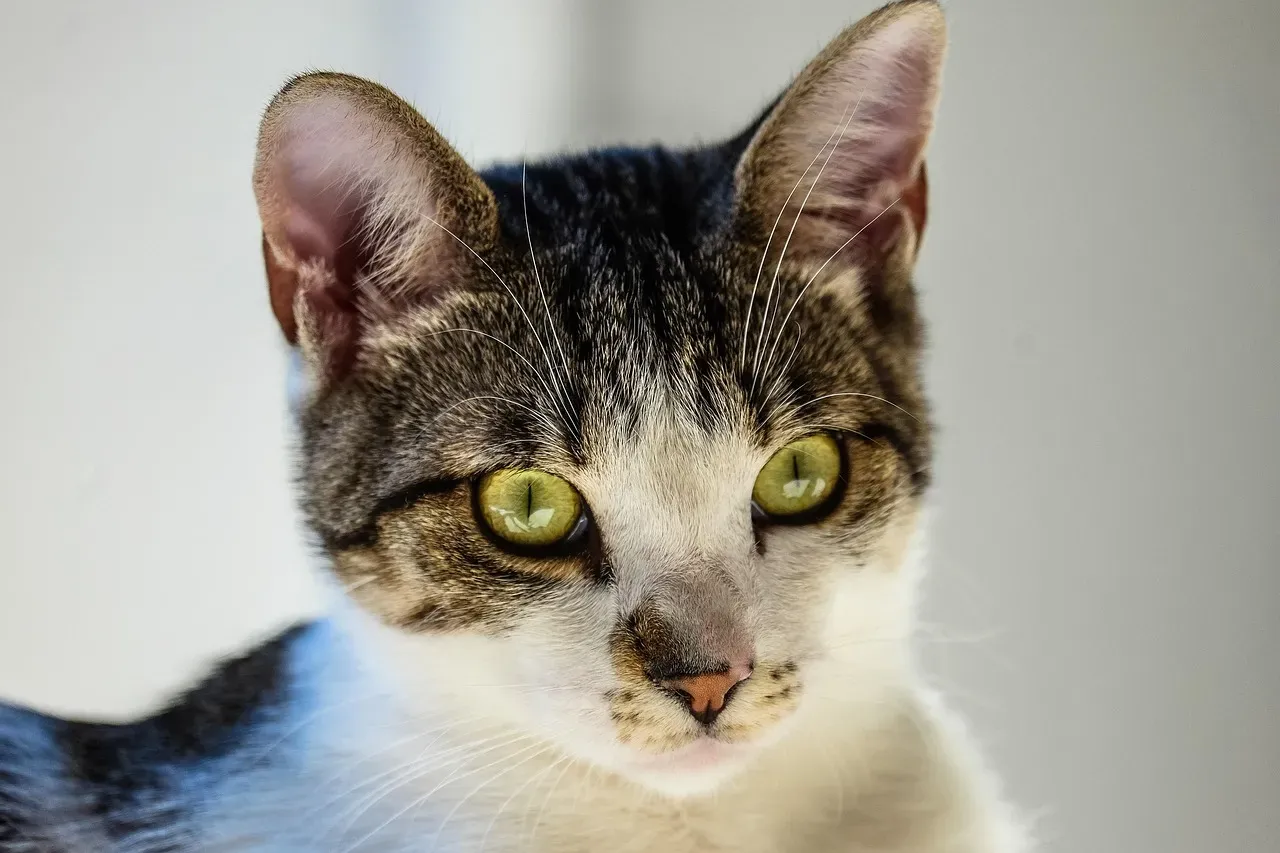
When interpreting cat eye behaviors, it’s crucial to consider the entire picture, as a cat’s eyes are just one part of their complex body language, and the position of their ears, the movement of their tail, and their overall posture all contribute to the message they’re trying to convey. You can’t just look at the eyes in isolation.
For instance, a cat with dilated pupils could be excited about playtime if their tail is upright and quivering, or they could be frightened if their tail is puffed up and their body is crouched low. Same eye expression, completely different emotions. Learning to read your cat means becoming a detective who notices every little detail.
Your Cat’s Eyes Are Windows to Their Health
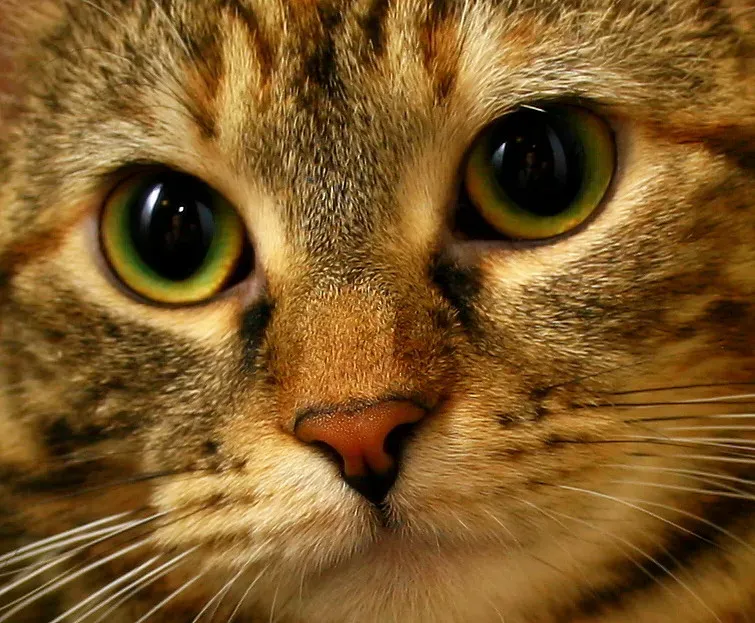
Beyond emotion and communication, your cat’s eyes can reveal health issues you might otherwise miss. If she’s squinting, particularly in one eye, or if the eye is watering a lot or has discharge, it’s time to take your cat to the veterinarian for an evaluation. Eye discharge, cloudiness, excessive tearing, or pupils that don’t respond to light changes are all warning signs.
Hypertension or high blood pressure is one potential cause for dilated pupils, and high blood pressure in cats is relatively common and can accompany other disease processes. Sometimes those persistently dilated pupils aren’t just about excitement or fear – they’re telling you something’s wrong internally. Regular vet checkups and staying observant can make all the difference in catching problems early.
Conclusion
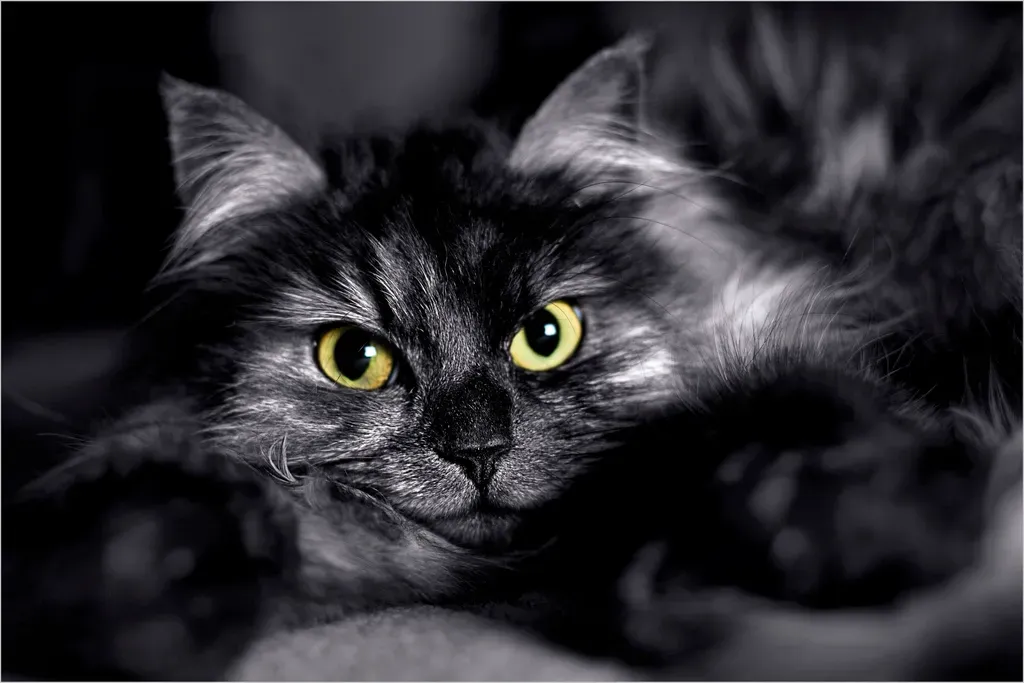
Your cat’s eyes are far more than just beautiful – they’re a sophisticated communication system that reveals trust, fear, excitement, contentment, and even medical concerns. From the tender slow blink that says “I love you” to the wide saucer eyes of surprise or fear, every look carries meaning. Learning this silent language deepens your bond and helps you respond to your cat’s needs more effectively.
So next time your feline friend fixes you with that intense gaze or offers you a sleepy half-blink, take a moment to really see what they’re saying. What message do you think your cat sends you most often through their eyes?
Kristina is a young writer from India. An arts graduate and an avid content creator, Kristina is passionate about animals and wildlife. She enjoys exploring topics related to pet care, animal behavior, conservation, and nature, combining thorough research with engaging storytelling.