Ever wonder if your feline friend is actually living their best life with you? Sure, they look peaceful lounging in that sunbeam, but how can you really know? Let’s be real, cats aren’t exactly open books when it comes to sharing their feelings. Unlike dogs who greet you with tail wags and enthusiastic jumps, cats are masters of subtlety.
The truth is, your kitty is constantly communicating how they feel through dozens of tiny signals you might be missing. Once you learn their secret language, you’ll start noticing all those quiet moments that say “I’m happy here with you.” So let’s dive in and discover what your cat has been trying to tell you all along.
They’re Doing That Adorable “Making Biscuits” Thing
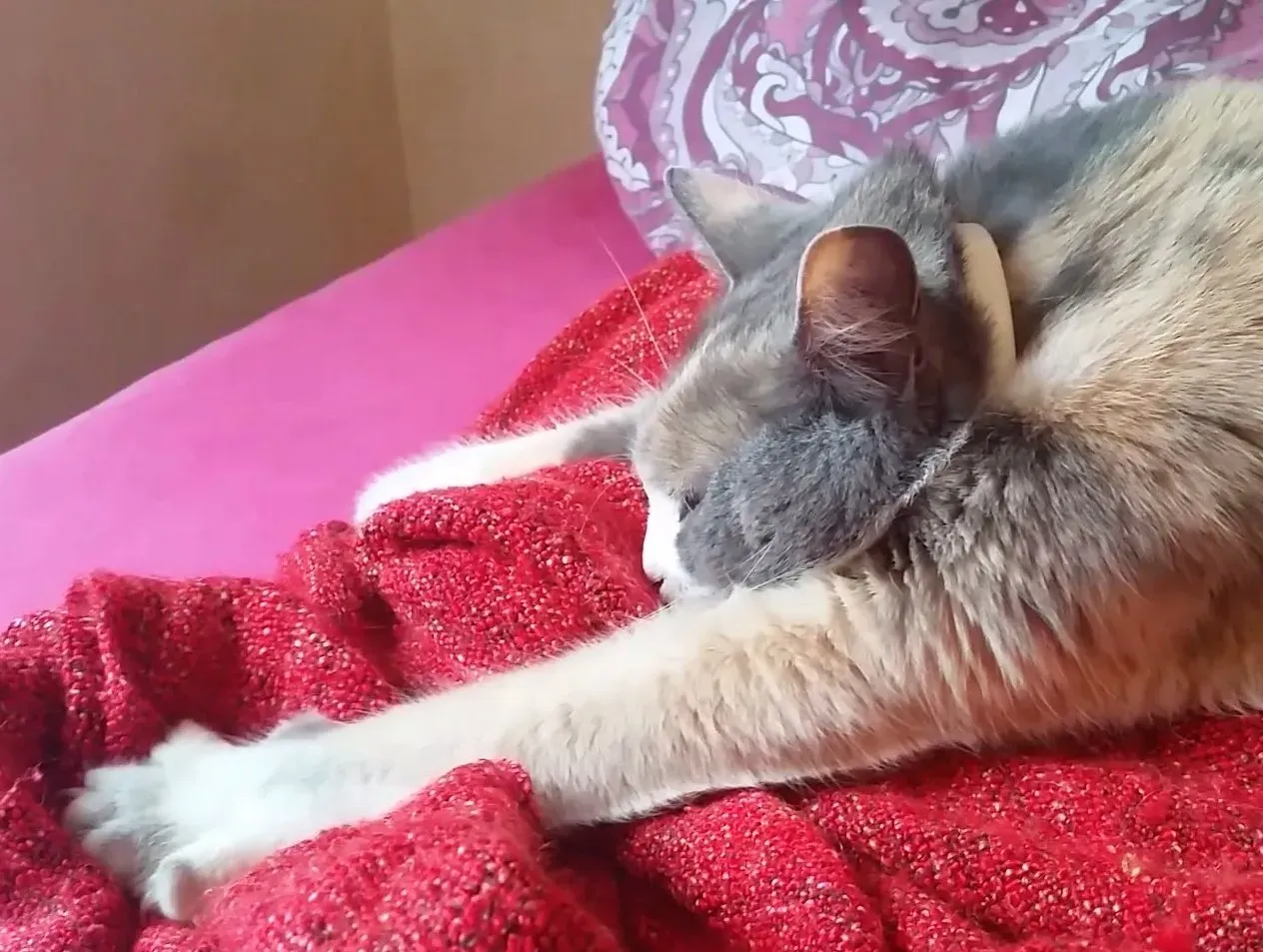
When your cat pushes their paws in and out against your lap or a soft blanket, scientists call this “kneading” and believe it to be a sign of a relaxed cat. You might have heard people joke about cats “making biscuits,” which honestly is the perfect way to describe this rhythmic pawing motion. The biggest reason your cat kneads and purrs is simple instinct, as kittens automatically knead mama cats to stimulate milk production, and that association of being rewarded with food creates a positive memory that sticks throughout their life.
When cats are happy, they may knead on you or other objects to show pleasure and contentment, often when they are being petted or snuggling up into a comfortable napping spot, trying to show you love and let you know they are content and happy. Think about it like this: your cat is essentially reverting to their most comforting childhood memory. That’s some serious trust and affection right there.
Your Cat Greets You With Their Tail Held High
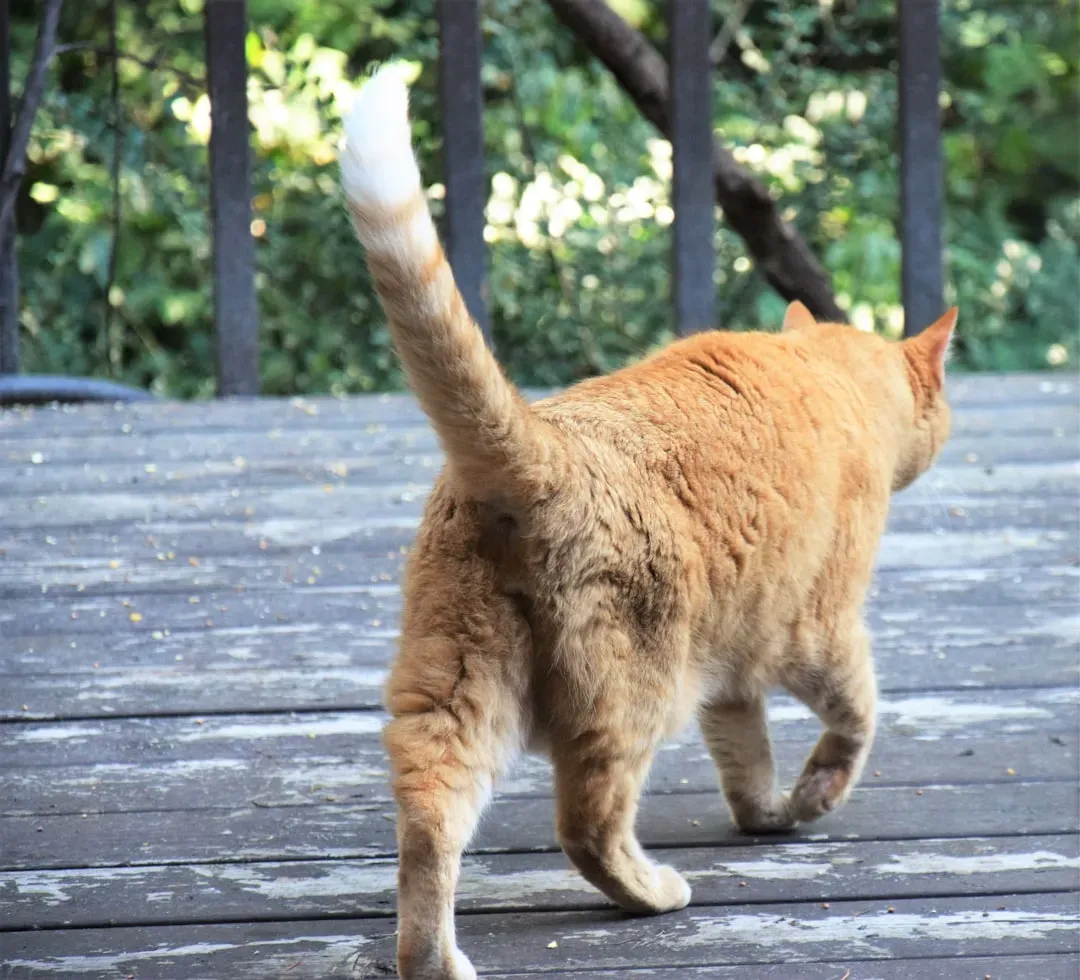
Pay close attention next time you walk through the door. A hook happens when a cat holds their tail upright and then curls the tip slightly, like a question mark, which is actually a clear sign your kitty is feeling happy and content around you. It’s hard to miss once you know what you’re looking for.
The upright hook tail can be a friendly greeting cue, signaling confidence and indicating that the cat is in a safe and confident space. If your cat comes to the door when you get home, lifts her head and meows, or gives you a chirrup to say hello, she is a happy kitty. This vertical tail position basically translates to “Hey! Nice to see you!” in cat language.
They Show You Their Belly (Even If You Can’t Touch It)
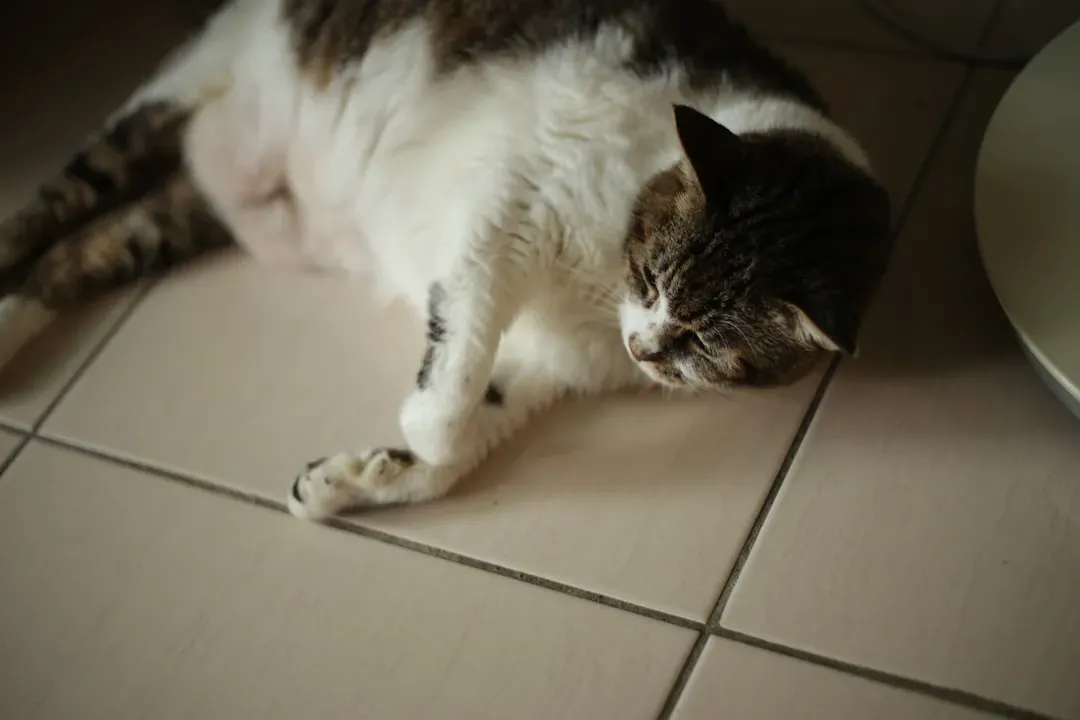
The social roll is when a cat gets in front of you, puts her head down often on your feet or shoes, and rolls over exposing their stomach, which cats do out of affection and happiness to see you. Here’s the thing though: this doesn’t automatically mean they want a belly rub. When your cat stretches out, rolls over, or exposes their belly, they’re showing complete trust and comfort around you.
It’s honestly one of the most vulnerable positions an animal can assume. In the wild, exposing your belly means exposing your vital organs to potential threats. When your cat flops over and shows you their tummy, they’re basically saying “I trust you completely.” Just maybe admire from a distance unless you know your particular cat enjoys belly rubs.
You Hear Soft Purring During Relaxed Moments
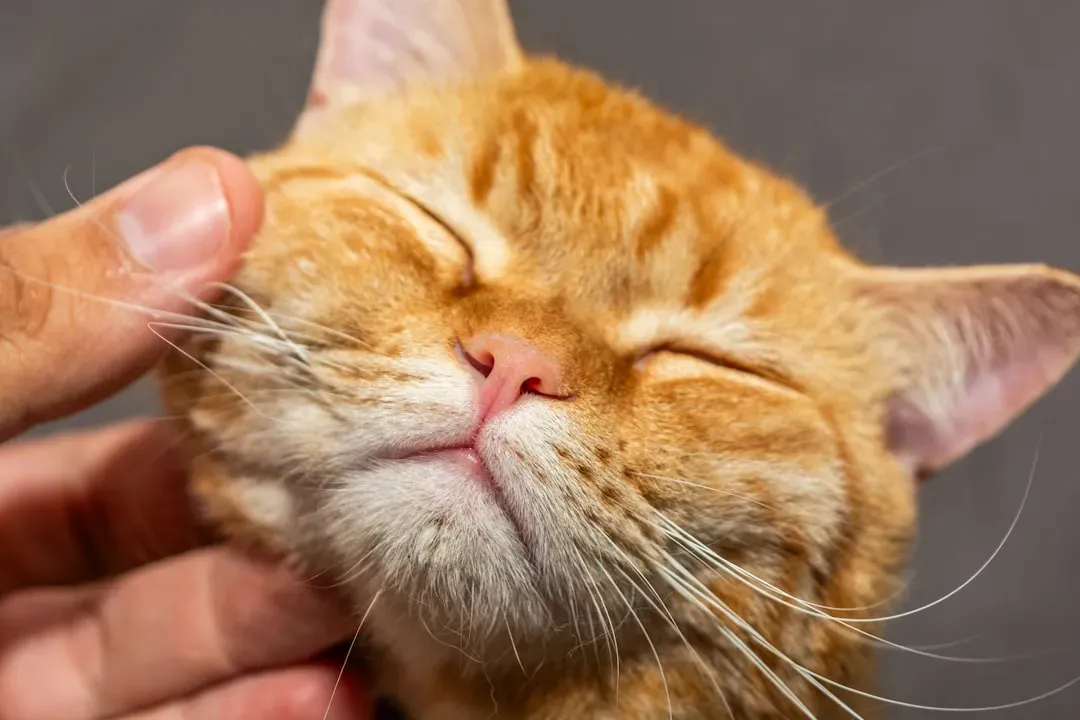
Purring is one of the signs that most people recognize as a sign of a happy cat, and for the most part, if a cat is purring, you can be assured that they are happy. The gentle rumble of a content cat is one of the most soothing sounds in the world. If your cat seems otherwise content and is letting the purrs roar while lazing in the sun and letting out deep purrs, that’s them sharing their joy.
Now, here’s where it gets a bit tricky. Cats can also purr when they are in pain or stressed, such as at the vet’s office. So you need to look at the whole picture. As long as their body language looks relaxed, it is likely that your cat is purring because they’re happy. Context matters tremendously when decoding your cat’s emotional state.
They Engage in Playful Hunting Behaviors
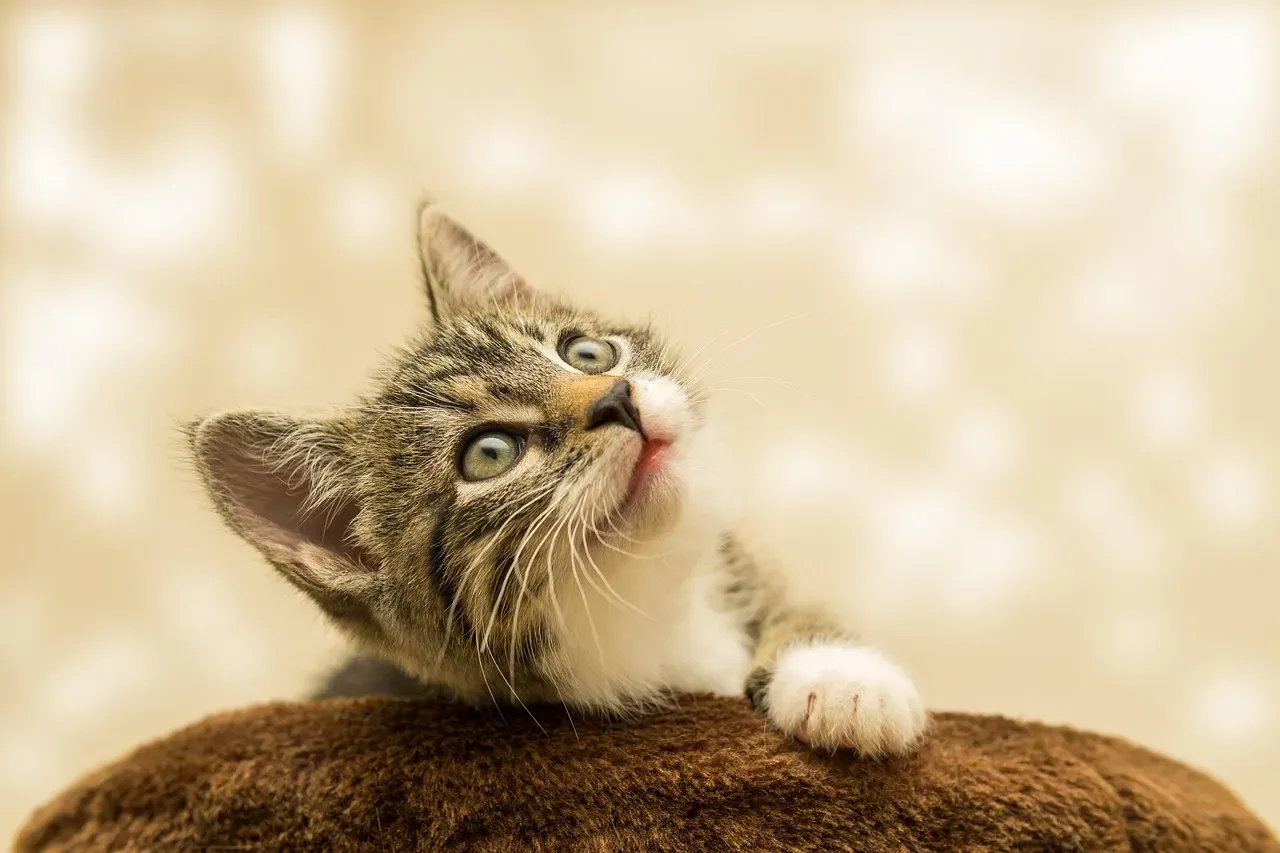
If your cat is always ready for a battle with the feather wand, that’s a good sign that they’re loving life, as a happy cat is a playful cat, whether they’re chasing after a toy mouse or simply rolling around in a sunlit spot on the floor. Honestly, few things are more entertaining than watching a grown cat go absolutely wild over a simple string or crumpled piece of paper.
Happy cats will play with their toys and with other people and cats, while stressed cats tend to hide, avoid interaction, and ignore or refuse to play. Keep in mind that older cats might not zoom around like kittens anymore, but that doesn’t mean they’re unhappy. They might prefer gentler play sessions or just watching birds from the window.
Their Eyes Do That Slow Blinking Thing
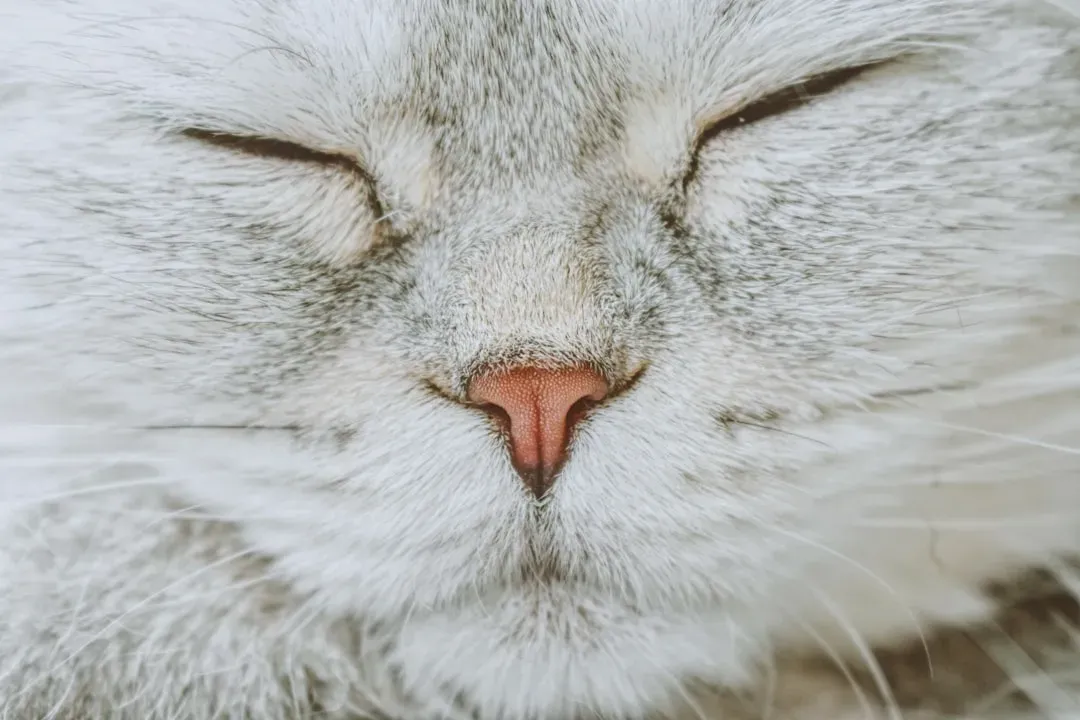
One of the unmistakable and totally endearing signs of kitty bliss is slow blinking, as warm eyes followed by a slow and unmistakable blink is one of the most heartwarming signs of kitty happiness and love. I think this might be my favorite cat happiness signal because it feels like you’re sharing a secret moment together. Cats blink slowly to show affection and relaxation, and if a cat blinks slowly at you, they are not threatened by you and in fact trust you.
Here’s a cool trick: To bond with a cat that blinks slowly at you, you can return their gesture by blinking slowly back at them. It’s like having a wordless conversation where you’re both saying “I feel safe with you.” Try it next time your cat catches your eye. The connection you’ll feel is pretty special.
They’re Eating Well and Maintaining Good Grooming Habits
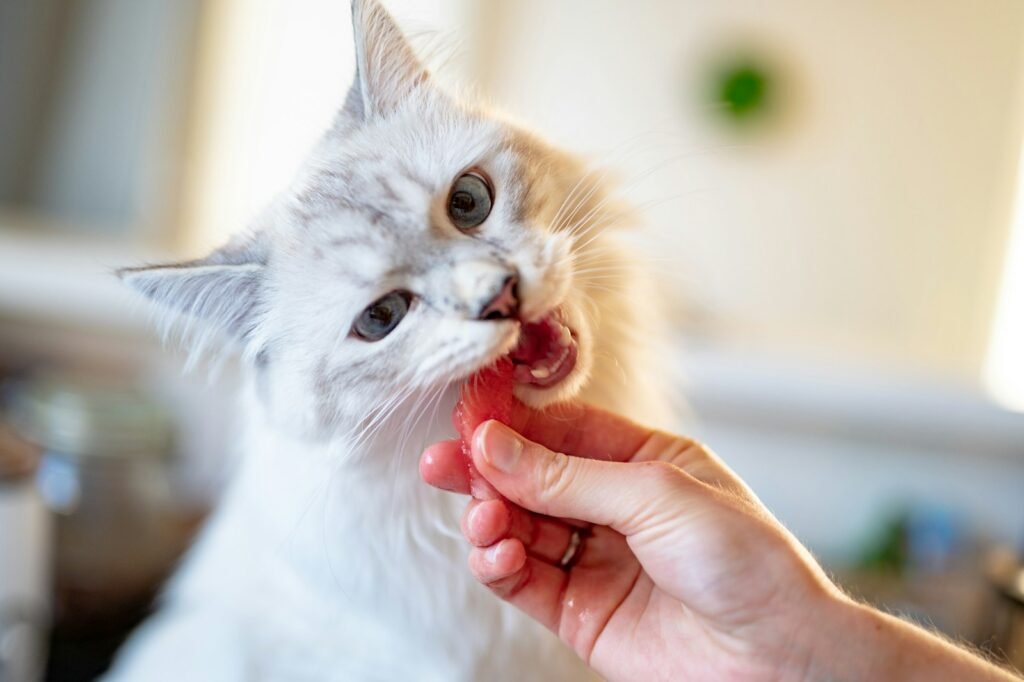
A happy cat looks forward to mealtime and treats, and will have a healthy appetite. This seems pretty straightforward, right? A happy cat will have a normal appetite and thirst, as cats that are depressed, anxious, or unwell will often have changes to their food intake.
Beyond eating, watch how your cat takes care of themselves. A well-groomed, shiny coat free of mats or tangles suggests a cat that is taking care of itself and is healthy and content, as grooming is often one of the first things to fall by the wayside if your cat is sick, injured, or stressed. A cat who meticulously cleans themselves is generally a cat who feels good about life.
They Seek Out Your Company and Follow You Around
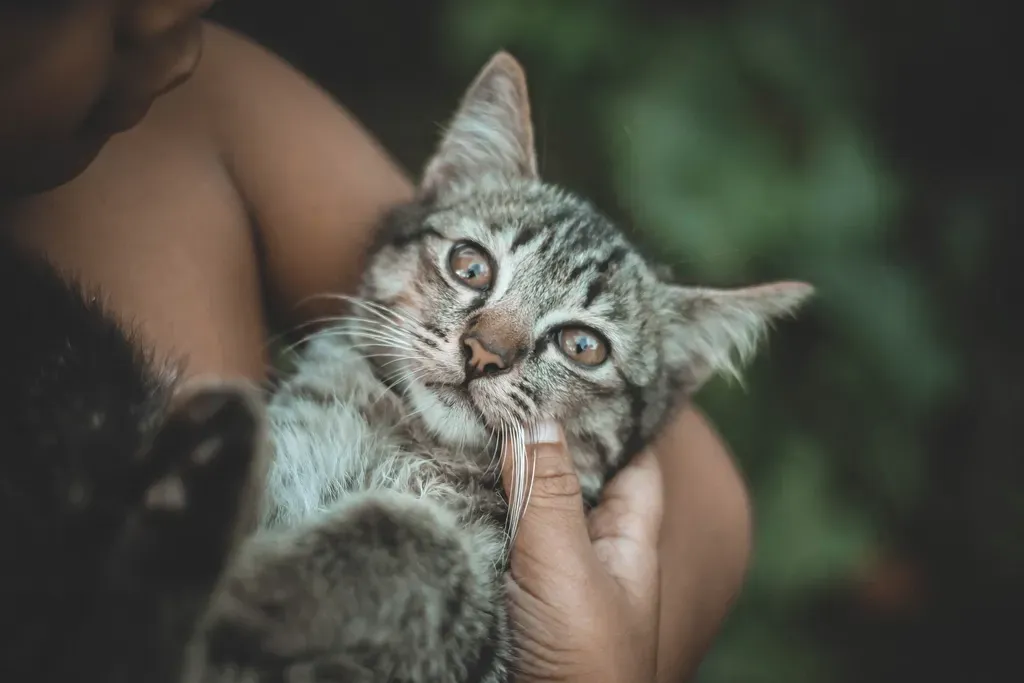
Happy cats are usually relaxed around their human and cat families, and they freely solicit interactions from them. Does your cat shadow you from room to room? That’s actually a compliment. Cats that seek out your company, enjoy cuddling, or follow you around are demonstrating a desire for social interaction, indicating happiness.
You’ll know your cat is happy if they show affection to you and want to interact with you, as a content kitty loves scritches, snuggles, head boops, and lap sits. Every cat has their own preferred level of interaction though. Some want to be on your lap constantly, while others just want to be in the same room as you. Both are totally valid expressions of feline happiness.
They Make Little Chirping or Trilling Sounds
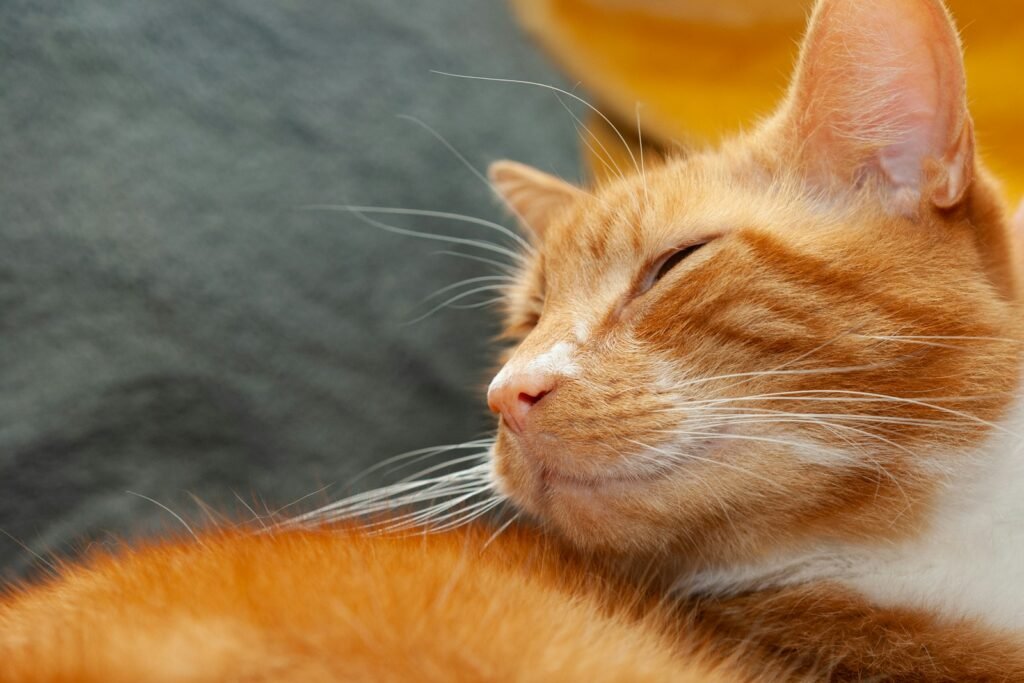
Not all cats chirrup, but when you hear this trilling sound, you’ll know your cat is happy, as a chirrup is often an invitation to follow your cat somewhere or to ask for affection or play. These cheerful little noises sound almost like a question mark turned into a sound. Trilling and chirping are also signs that your cat is content.
Vocal kitties may have long conversations with you, and the pitch of their meow will allude to how they are feeling, as a high-pitched meow is a content cat, while a low-pitched meow may indicate an unhappy or annoyed kitty. Some cats are naturally more chatty than others, and that’s perfectly fine. The key is recognizing what sounds happy versus what sounds distressed for your particular cat.
Their Body Language Shows Complete Relaxation
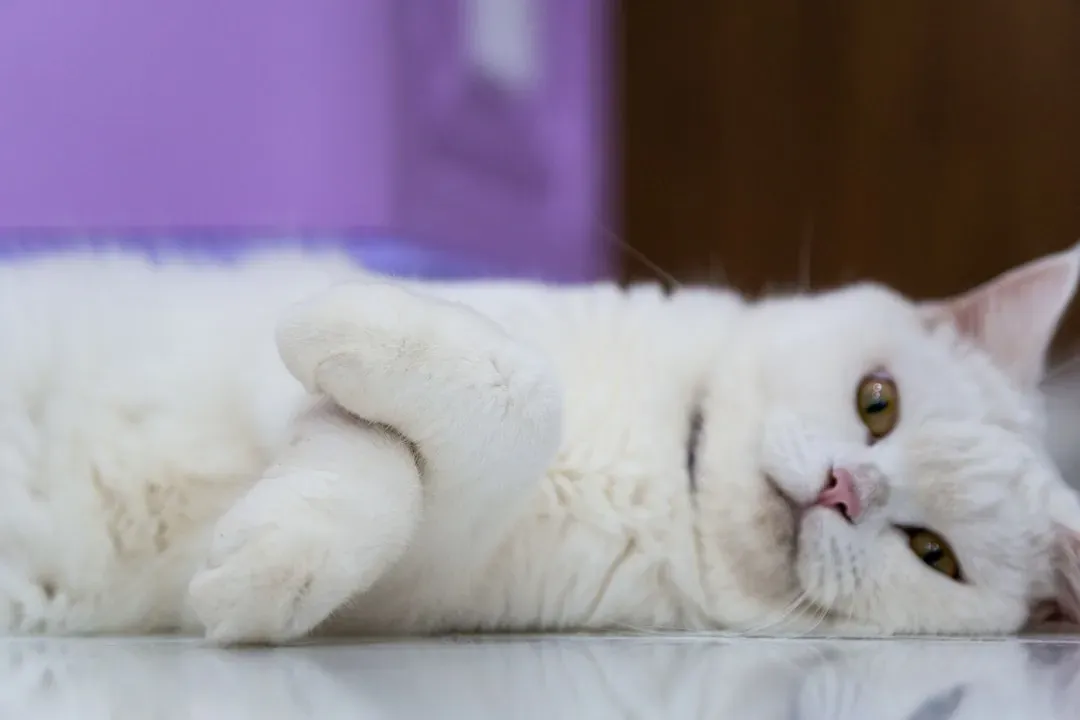
A happy cat will be relaxed when around you, which means they will stretch out long and show vulnerable parts, such as their stomachs. Cats who are relaxed will have loose, fluid body movements with slow and steady breathing, and they might fold their feet in front of themselves, stretch their feet way out in front, or slouch over the side of a perch.
You might see your cat sprawled in what I call “maximum spread” positions. If lying down, they could be stretched out, curled up into a ball, or lying on their front with paws neatly tucked underneath them. When a cat feels safe and happy, they don’t feel the need to stay alert and ready to flee. They can just be.
Conclusion: Reading Your Cat’s Happiness Signals
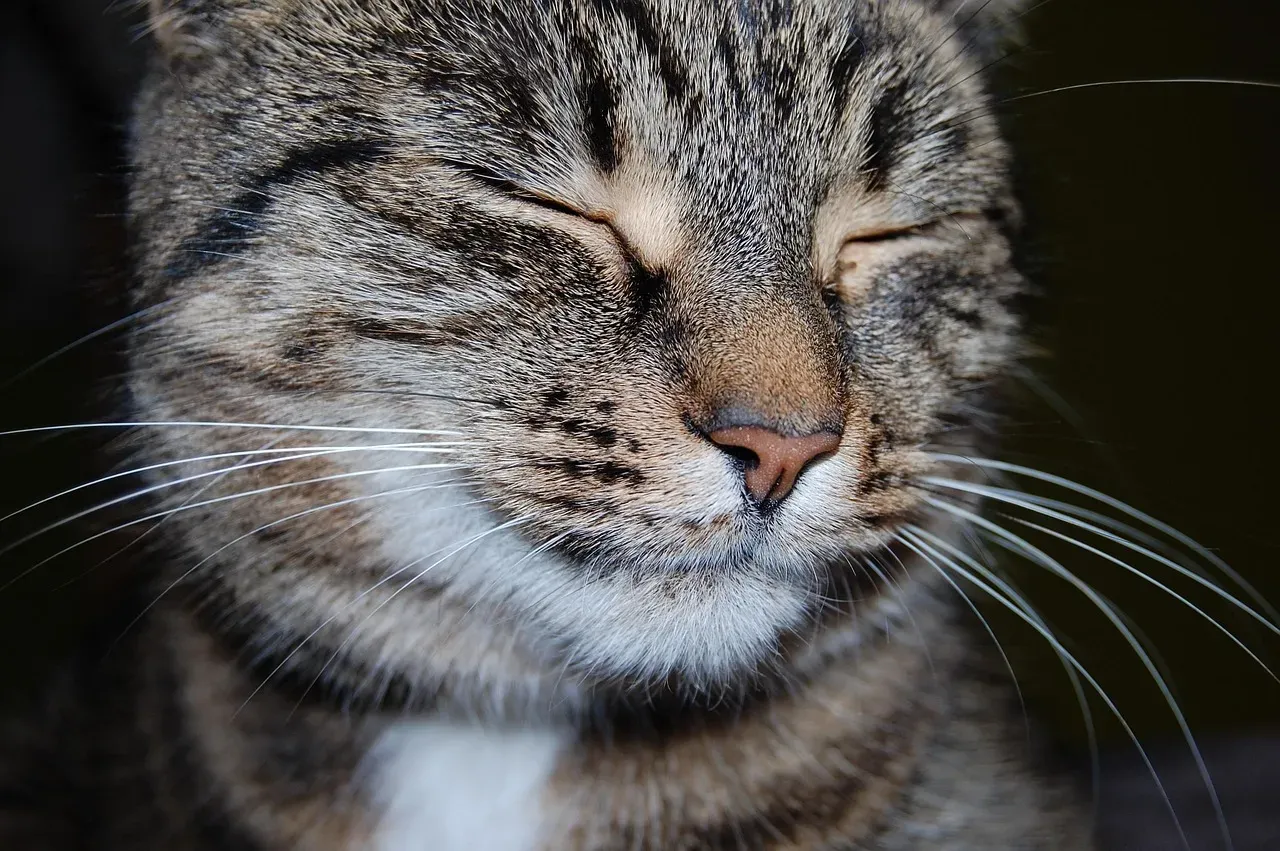
Learning to recognize these signs transforms your relationship with your cat. You’ll start noticing dozens of small moments throughout the day where your feline friend is essentially saying “I’m happy here with you.” From the slow blinks across the room to the gentle kneading on your lap, your cat has been communicating their contentment all along.
Remember that every cat is unique. Yours might show happiness through chatty meows and constant cuddles, or they might be the strong, silent type who shows love through quiet companionship. The important thing is learning your individual cat’s language and recognizing when they’re truly thriving in your home. What happiness signals does your cat show most often? Pay attention this week and you might be surprised by what you discover.
Kristina is a young writer from India. An arts graduate and an avid content creator, Kristina is passionate about animals and wildlife. She enjoys exploring topics related to pet care, animal behavior, conservation, and nature, combining thorough research with engaging storytelling.