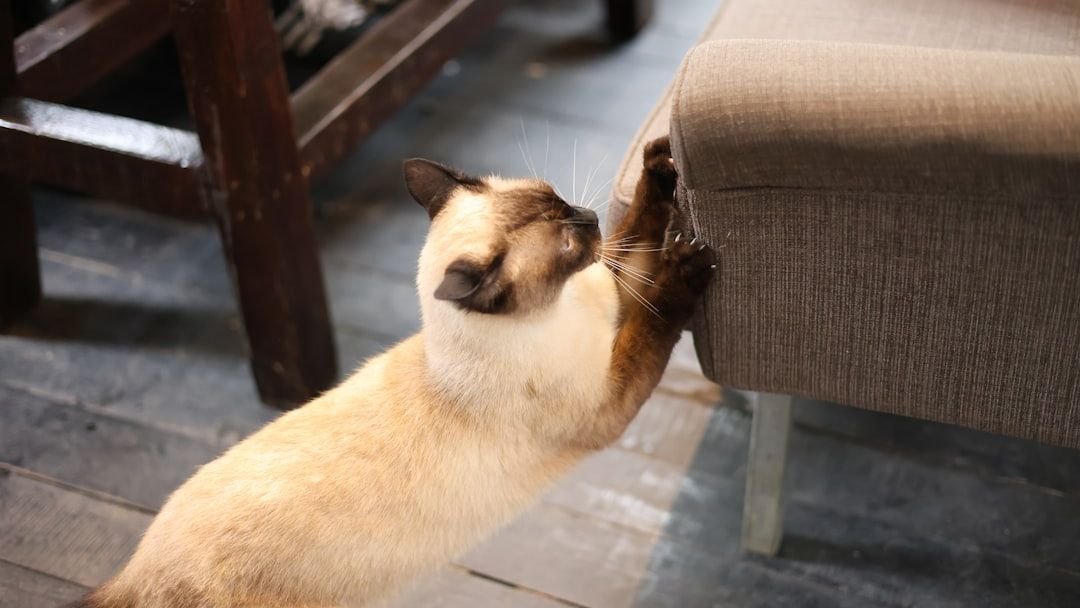
Ever watch your cat stare intensely at nothing, or suddenly sprint across the room at three in the morning? You might think they’re just being weird, but there’s actually something much deeper going on. Your fluffy couch companion carries the genetic blueprint of a wild hunter, and those strange behaviors are ancient survival instincts bubbling to the surface.
Domestication happened roughly ten to eleven thousand years ago, which sounds like forever. Yet cats have changed remarkably little compared to other pets. During domestication, cats have undergone only minor changes in anatomy and behavior, and they are still capable of surviving in the wild. So when your cat does something that seems bizarre or random, chances are there’s a wild ancestor whispering instructions from deep within their DNA. Let’s explore the secret instincts your house cat carries, even when curled up on your lap.
The Urge to Hunt Prey (Even When the Bowl Is Full)
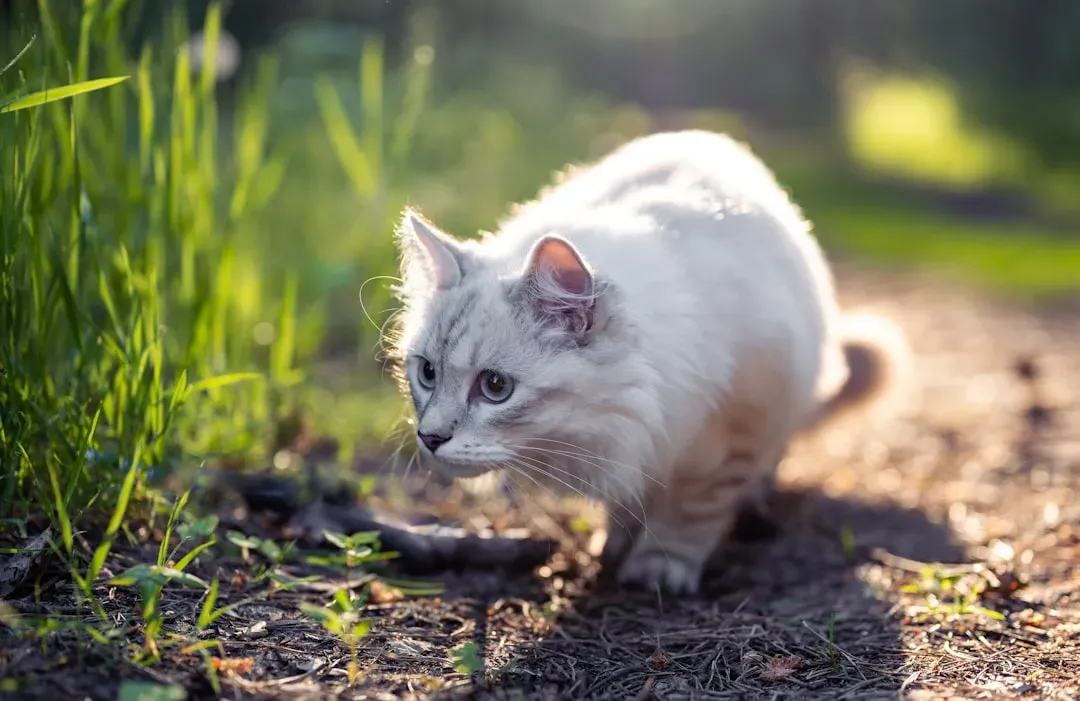
Your cat has never missed a meal in their life. Food appears like magic twice a day. Still, they crouch low and wiggle their backside before pouncing on a toy mouse like their survival depends on it.
It’s instinctive and hard-wired in their brains to hunt, even if they just play with whatever creature they’ve caught. This drive doesn’t depend on hunger at all. The urge to hunt remains a central aspect of their behavior, and the answer lies in their genetic roots. When you see your cat stalking a piece of string or batting at a bug on the wall, that’s thousands of years of evolution doing its thing. Honestly, it’s pretty remarkable how strong this instinct remains despite generations of being pampered house pets.
Crepuscular Activity Patterns (Why They Go Wild at Dawn and Dusk)
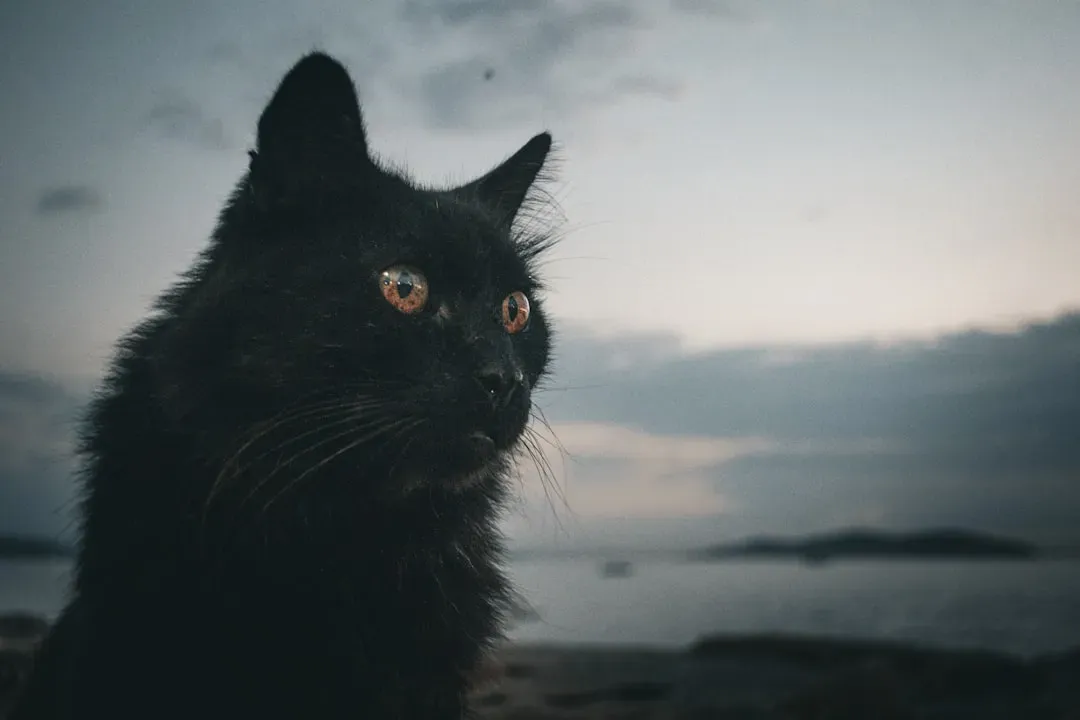
Let’s be real, the zoomies at sunrise are nobody’s favorite wake-up call. You’re trying to sleep, and your cat decides it’s the perfect time to parkour off the furniture.
Being low-light predators, they are generally crepuscular, which means they tend to be more active near dawn and dusk. Cats in the wild have the best chance to hunt after a nap when they are well-rested, and even though your cat at home doesn’t have to hunt for its dinner, it still has this behavior imprinted into its daily routine. Their wild ancestors timed their hunting to match when prey was most active and temperatures were cooler. Your modern house cat doesn’t need to catch dinner, but tell that to the instinct firing in their brain at four in the morning.
Territorial Scratching and Marking Behavior
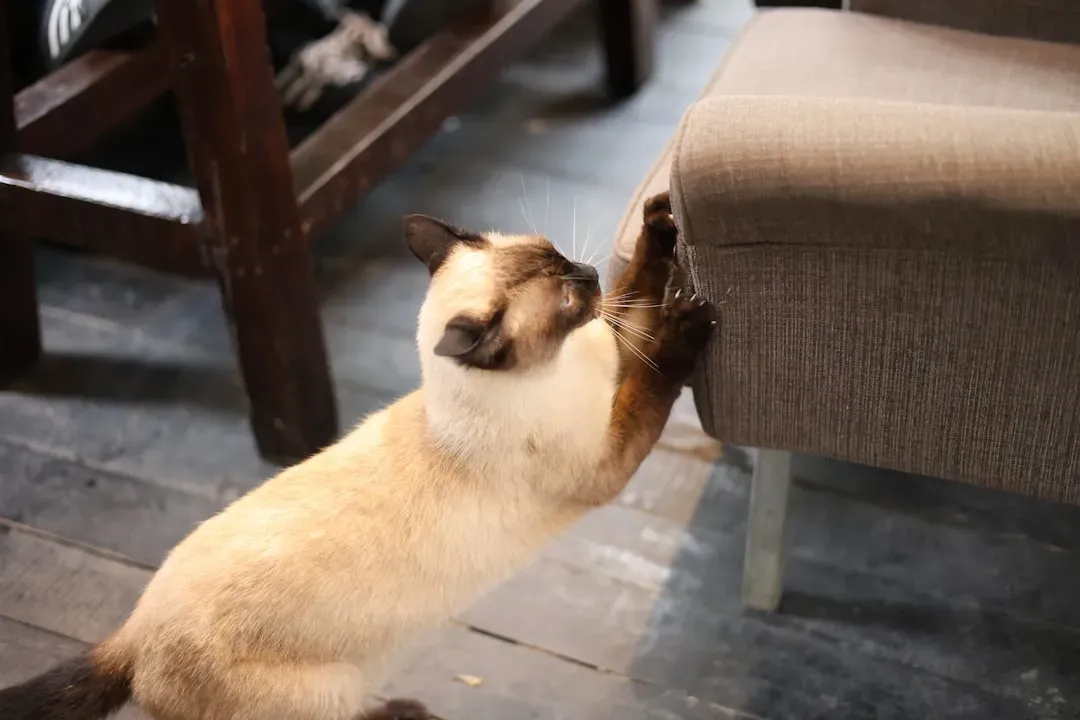
That expensive scratching post you bought? Your cat might ignore it completely in favor of your vintage armchair. Before you get too frustrated, understand this isn’t spite or stupidity.
Cats scratch to remove dead nail sheathes, stretch and strengthen their muscles, and communicate to other cats by marking territory. Scratching surfaces allows cats to mark their territory, both with the visual cue of torn material and the chemical cue of a pheromone released from scent glands in their feet. In the wild, those claw marks on trees told other cats about the scratcher’s size, health, and presence. Your couch serves the same purpose in your cat’s mind. They’re not being destructive; they’re claiming what’s theirs and keeping their hunting tools sharp.
The Instinct to Cover Waste and Stay Hidden
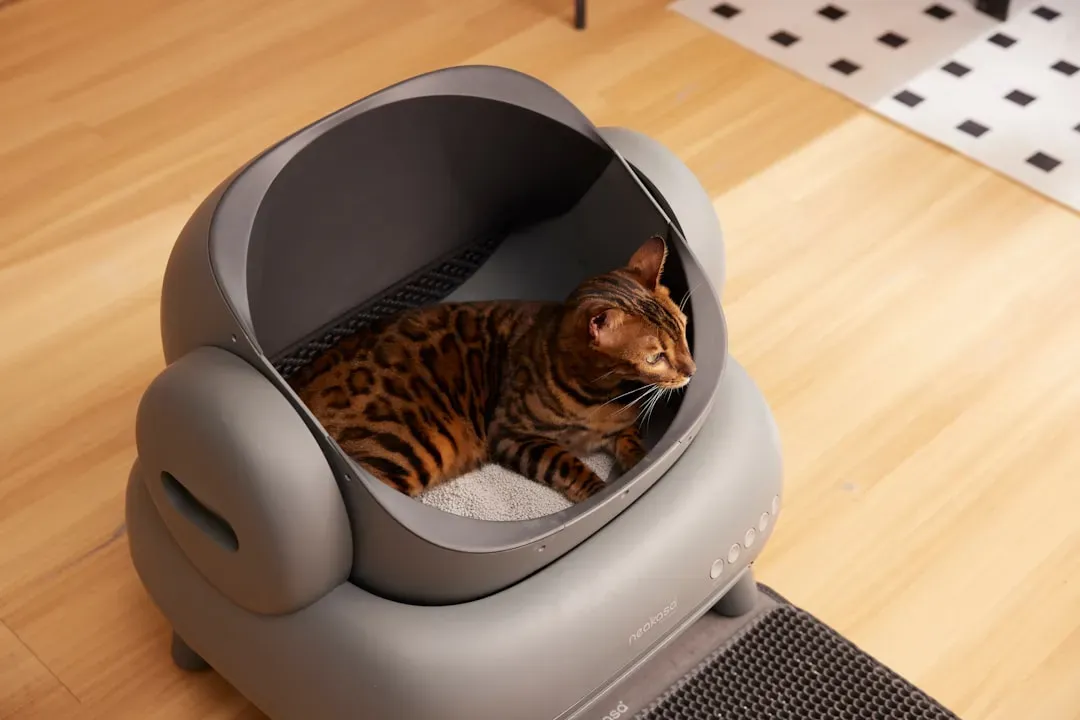
Here’s the thing about cats: they practically train themselves to use a litter box. It’s one of the most convenient aspects of cat ownership, but it’s no accident.
In the wild, a cat will instinctively cover their droppings to avoid possible detection from predators. At home, your cat doesn’t have many predators but still mimics this same pattern of behavior that has been imprinted onto them through generators with savvy survival skills. Survival in the wild meant staying invisible to both larger predators and potential prey. A cat that left evidence of its presence didn’t last long. Your pampered pet still follows this ancient rule, burying their business even though the biggest threat in your home is probably the vacuum cleaner.
Meticulous Grooming and Self-Cleaning Rituals
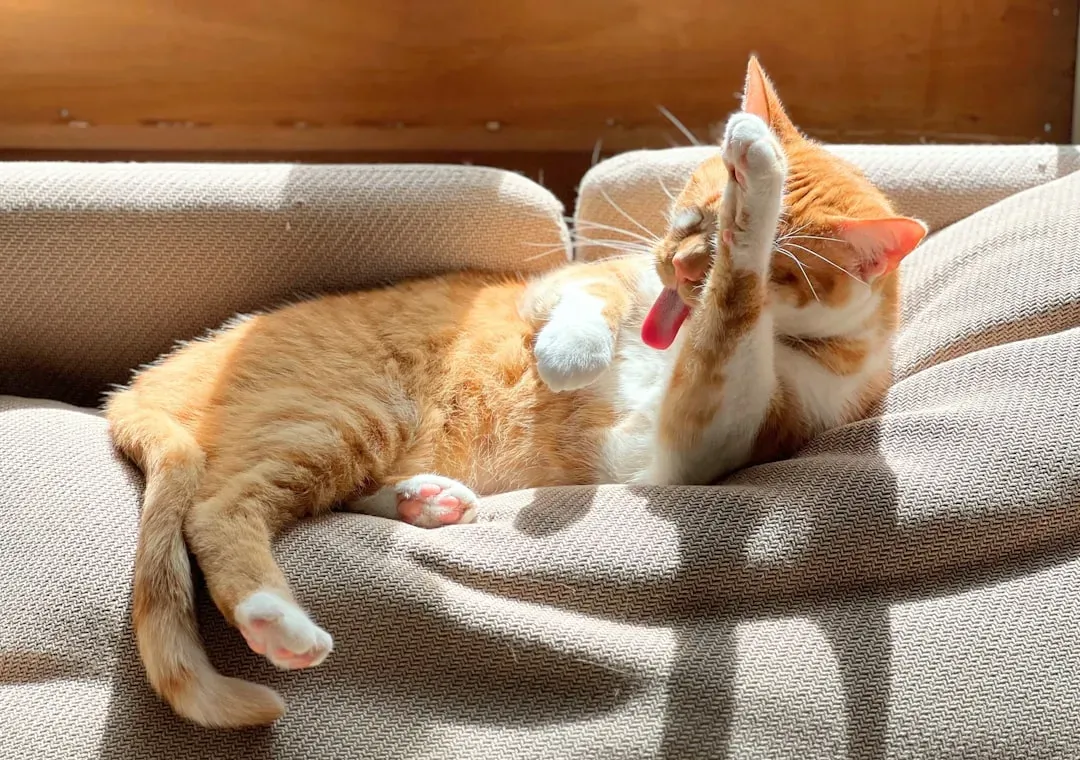
Cats seem obsessed with cleanliness, spending hours licking themselves into perfect condition. It looks like vanity, maybe even a bit neurotic, but it’s actually strategic survival behavior.
Studies on domestic cats show that they spend about 8% of resting time grooming themselves. This behavior stems from wild survival necessities, as grooming helps remove odors that could attract predators, maintain body temperature, and remove parasites. A clean cat is an undetectable cat. In the wild, the scent from leftover food or waste could attract something much bigger and hungrier. Staying fastidiously clean was literally a matter of life and death, and your house cat maintains that standard even when the only thing hunting them is the neighbor’s toddler.
Kneading Soft Surfaces (Making Biscuits with Purpose)
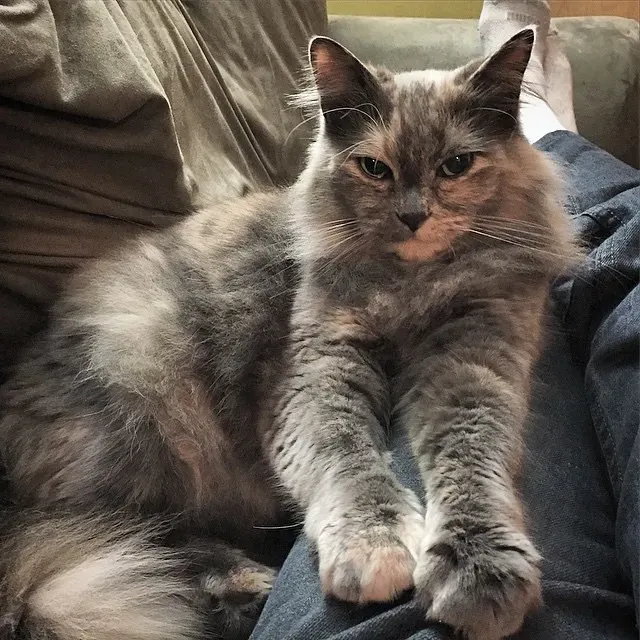
When your cat pushes their paws rhythmically into your lap, purring like a tiny motor, it melts your heart. This adorable behavior actually has roots stretching back to kittenhood and beyond.
This behavior most likely stems from when the cat was a kitten and had to knead at its mother for milk, and many researchers believe that this instinct to knead, even as an adult, indicates that the cat has found a safe and comfortable place. Going back to wild cats, they would knead down tall grass in order to make a soft bed for sleeping or giving birth. So when your cat makes biscuits on your stomach, they’re both reliving infant comfort and preparing a safe resting spot, just like their wild ancestors did in tall savanna grass.
Climbing and Seeking High Perches
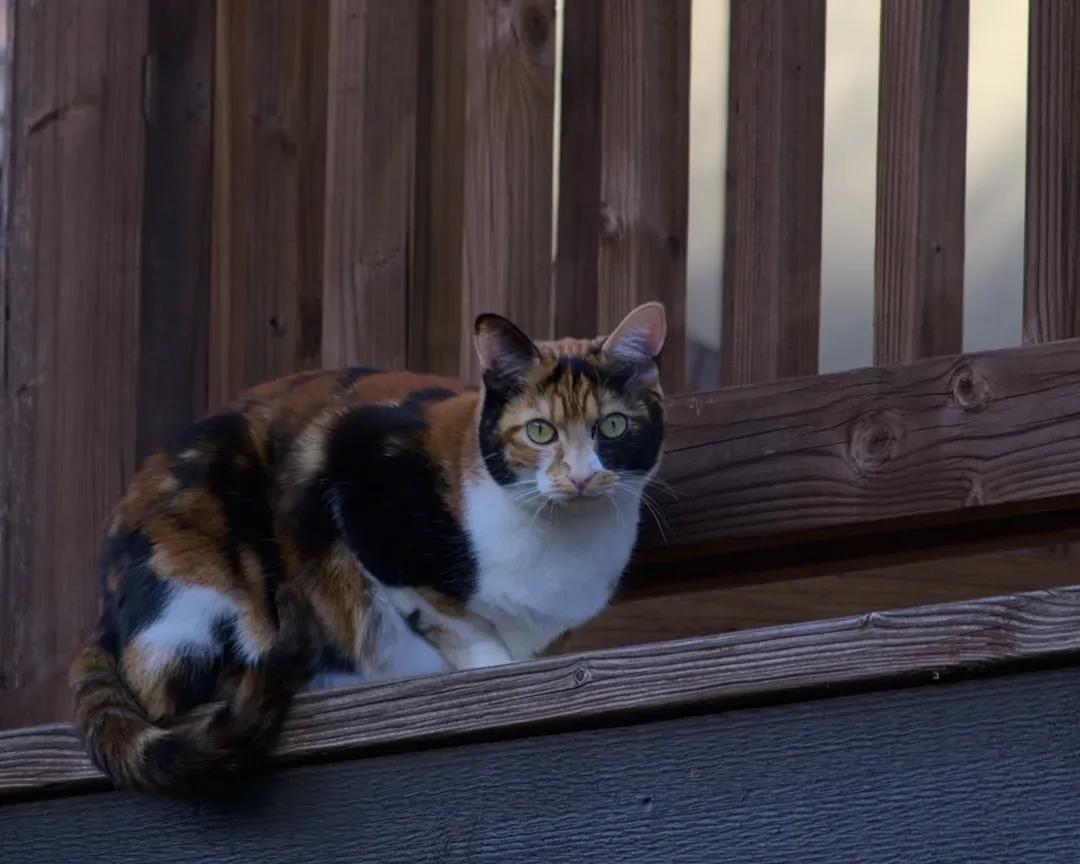
Ever wonder why your cat insists on sitting on top of the refrigerator or bookshelf? It seems inconvenient and unnecessary, but it makes perfect sense from a survival perspective.
To survey their environment, most cats enjoy climbing and perching in high places. When a cat can squeeze into a small space, it knows that all sides are covered and it can remain hidden, and that same logic follows for your pet cat, and the smaller the area, the safer it will feel. Height equals safety in the cat world. From an elevated position, wild cats could spot prey, watch for predators, and control their territory. Your house cat maintains that instinct, claiming the highest point available to feel secure and in command of their domain.
Bringing You “Gifts” (The Hunting Teacher Instinct)
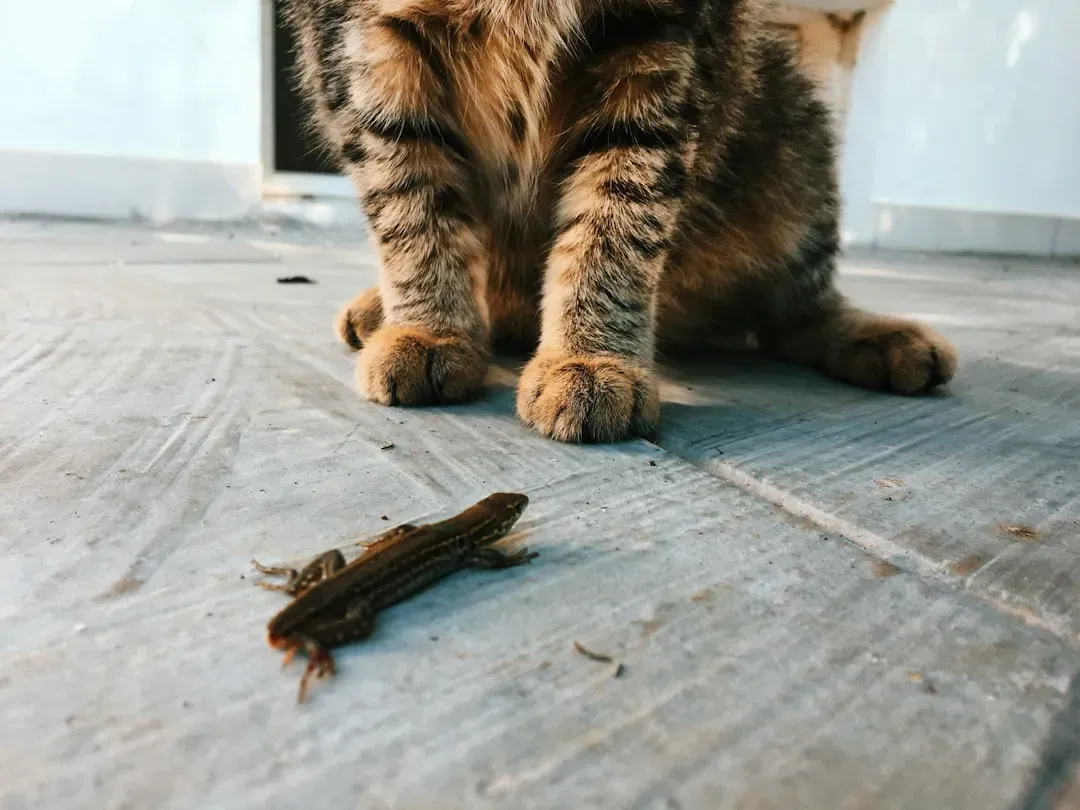
Nothing says good morning quite like a dead mouse on your pillow. It’s gross, unsettling, and weirdly thoughtful all at once. Your cat isn’t trying to horrify you, though.
In the wild, mother cats bring back prey to their kittens to teach them how to eat and hunt, and your cat may be attempting to involve you in this natural education process or show appreciation, treating you as part of their family unit. From your cat’s perspective, you’re a somewhat incompetent family member who clearly doesn’t know how to hunt. They’re trying to educate you or share their success. It’s actually a sign of affection and inclusion, even if you’d rather they kept their hunting trophies to themselves.
Your house cat may never face a genuine survival challenge in their comfortable indoor life. They’ll never need to catch their own dinner or hide from predators prowling through the underbrush. Yet these ancient instincts remain, woven into every fiber of their being. When you understand what drives these behaviors, your cat becomes less mysterious and more fascinating. Those odd quirks aren’t random, they’re echoes of a wild past that domestication couldn’t fully erase. Did you notice any of these instincts in your own cat today?