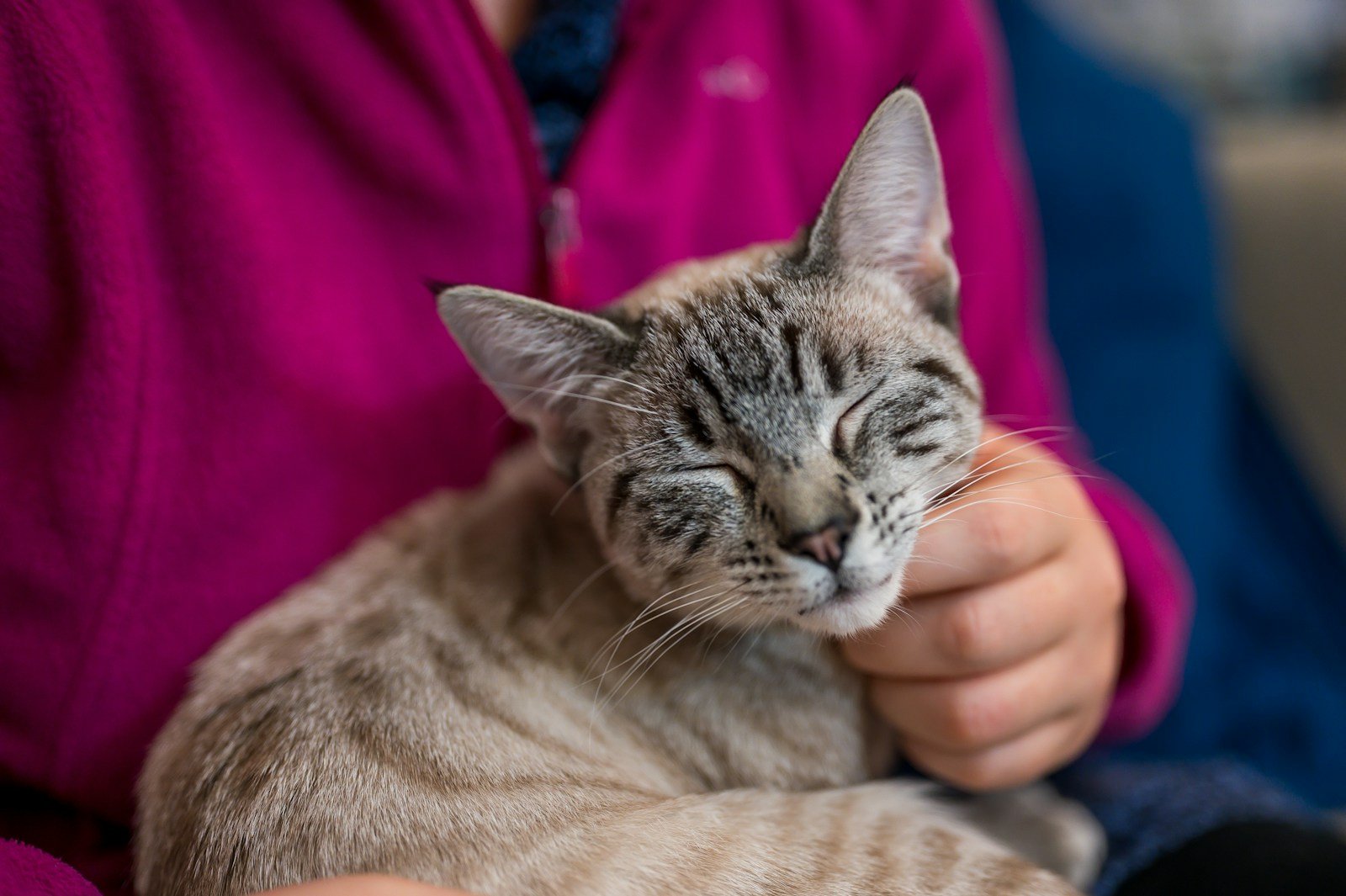
You’ve probably wondered about this a thousand times while holding your furry companion. Is that purr a sign of contentment or just a nervous habit? When your cat seems to go limp in your arms, does that mean total bliss or quiet resignation? Let’s be real, figuring out what goes on in a cat’s mind is one of life’s great mysteries, especially when it comes to physical affection.
Understanding whether your feline friend truly enjoys those cuddle sessions is more important than you might think. Cats are masters of subtle communication, and what looks like relaxation might actually be low-level stress. On the flip side, your kitty might be head over paws for your hugs but showing it in ways you’ve never noticed. So how do you crack the code?
Watch Their Eyes for the Truth
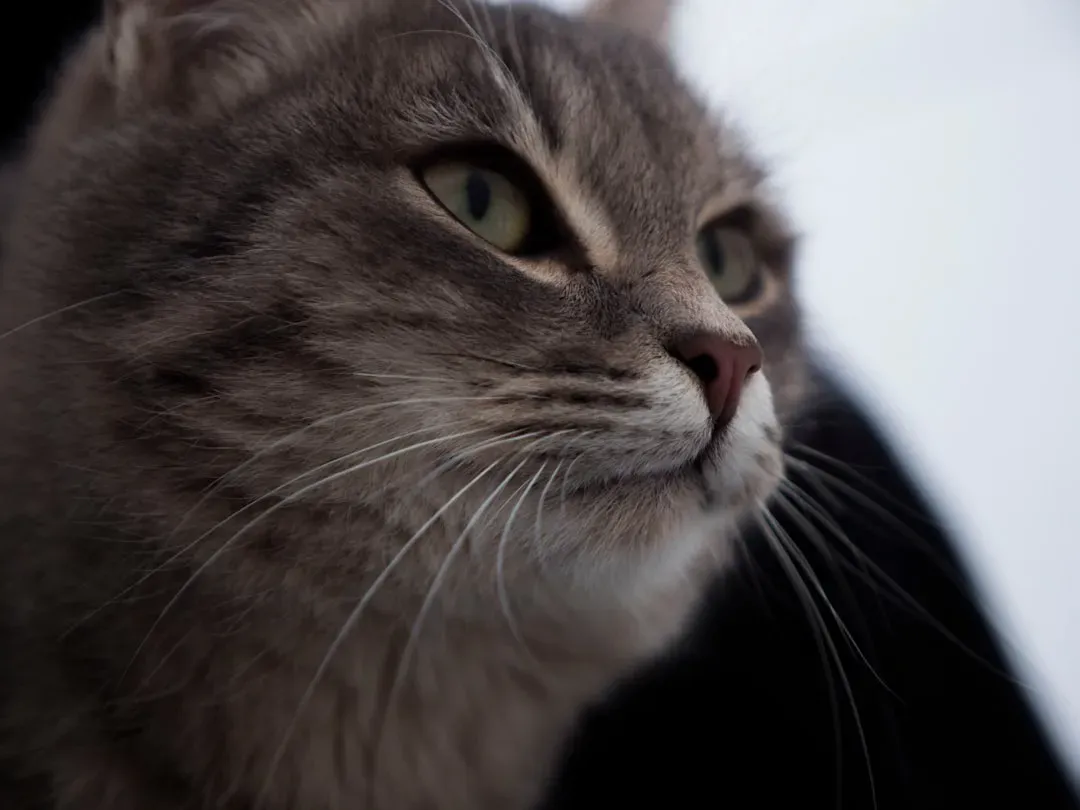
The eyes can tell you so much about your cat’s emotional state during cuddle time. When your cat is happy, their pupils may narrow like slits and they might even blink slowly at you, which indicates trust and love. Think of this slow blink as your cat’s version of blowing you a kiss.
These slow blinks are associated with a positive emotional state and can be a sign of trust, contentment and affection. Try returning the gesture by slowly closing and opening your eyes when you catch your cat gazing at you during snuggles. You might be surprised how they respond, often blinking right back at you like you’re sharing a secret language.
The Purr Isn’t Always What It Seems
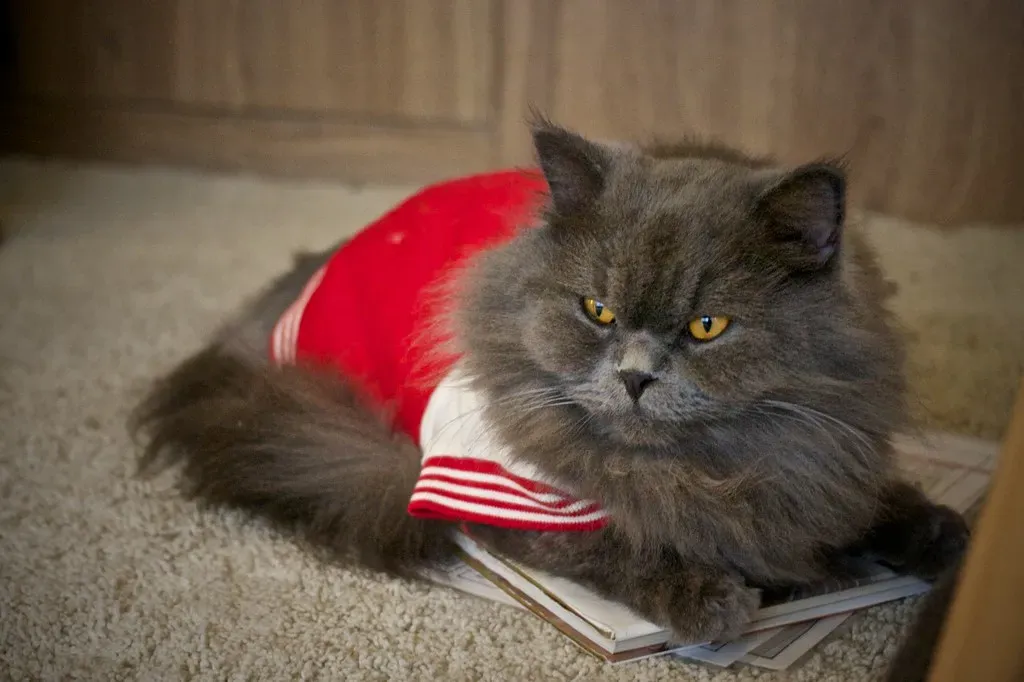
A steady purr usually means your cat is relaxed and enjoying life. Most of us assume that purring automatically equals happiness, which makes sense given how soothing that rumbling sound can be. However, here’s where things get tricky.
Cats often purr to show contentment when resting near you or when you’re petting them, but they may also purr when nervous, often paired with different body language such as holding their ears back, putting their head down, fast tail-swishing, or hiding. Pay attention to the whole picture, not just the soundtrack. If your cat’s purring but their body looks tense, something’s off.
Kneading Behavior Reveals Deep Comfort
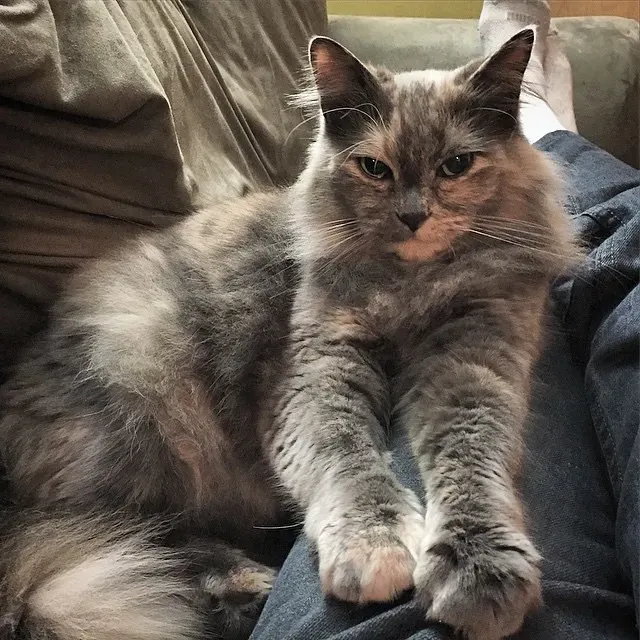
When your cat is spending time cuddling on your lap, you might notice them kneading, another sign of enjoyment because it mimics feeding behavior in nursing kittens. Those rhythmic paw pushes against your leg or belly might hurt a bit with those claws out, but honestly, it’s one of the highest compliments a cat can give you.
Kneading is believed to bring comfort by releasing endorphins to reduce stress and promote relaxation, and relaxed cats that knead are showing contentment. If your cat starts making biscuits on you during cuddles, you’ve hit the jackpot. They’re literally returning to their kitten days when everything felt safe and warm with their mother.
Tail Position Speaks Volumes
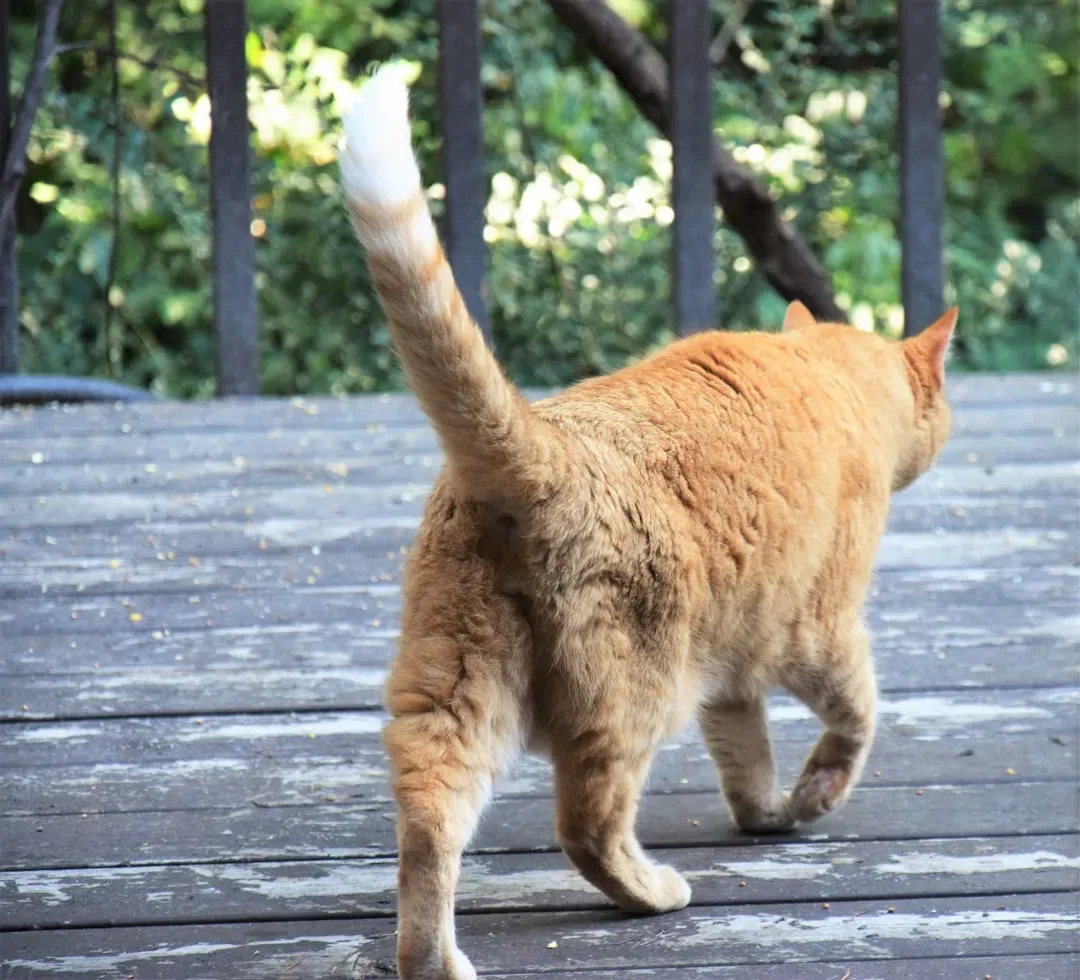
The tail is basically your cat’s mood ring, waving around broadcasting their feelings for anyone who knows how to read it. A tail held in the upright flagpole position shows a friendly intention, indicating familiarity, trust, and affection. When your cat approaches you with that confident, vertical tail, they’re essentially saying hello with enthusiasm.
A slow wag usually means mild irritation or overstimulation, so try pausing and letting your cat decide whether they want more attention. During cuddles, if that tail starts twitching or thrashing, it’s time to ease off. Your cat’s hitting their limit, and pushing past that point might earn you a swat or bite.
Body Language Never Lies
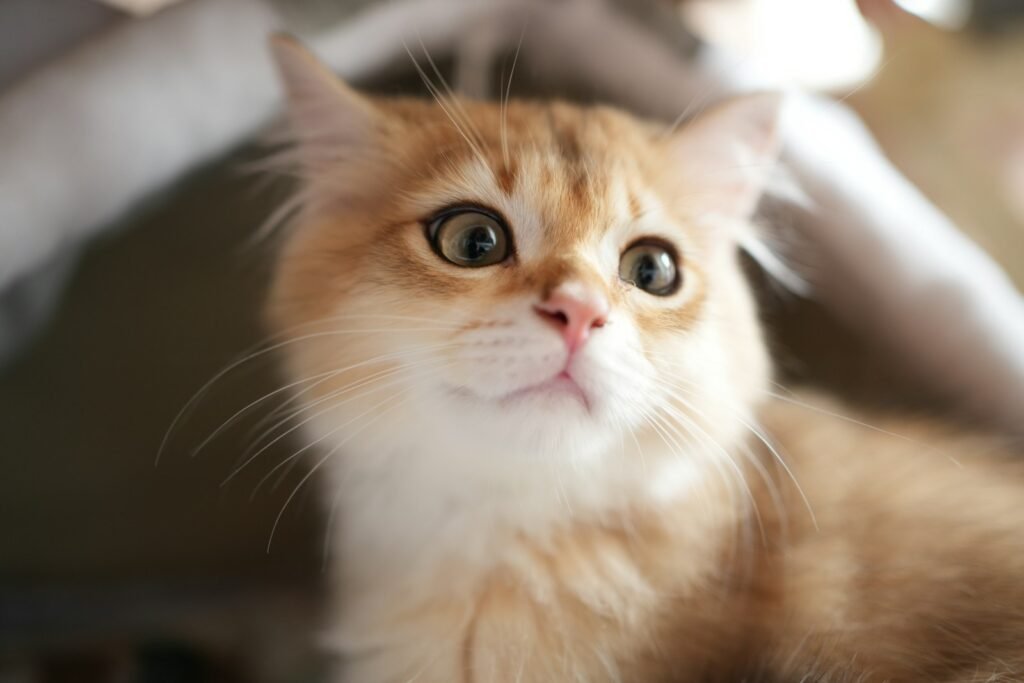
If your cat seems to freeze or go still, often assuming a tense or alert posture, this is perhaps the point where they’ve reached their threshold for being able to cope well. If this behavior occurs during petting, it may be followed by the cat swiping or biting to tell you to stop. That sudden stillness isn’t meditation, it’s a warning sign.
A cat facing you with a relaxed body posture indicates they’re comfortable and trust you, but if their body is turned away, they might be feeling unsure or less secure. Watch for that loose, gently curved posture. If your cat looks like they’re melting into you rather than holding themselves rigid, you’re doing something right.
Listen to Their Vocalizations
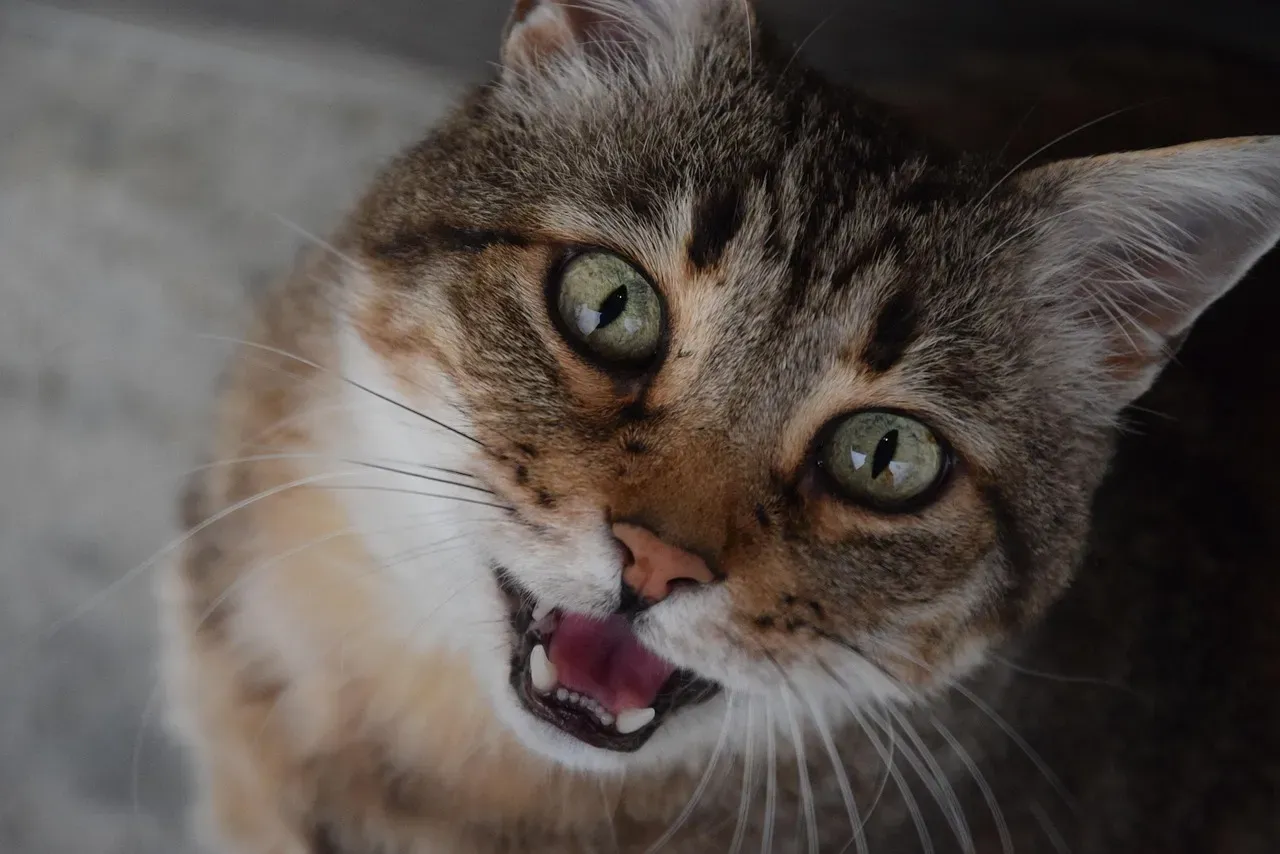
A meow is a care-seeking behavior and means your cat wants something, which could be food, cuddles, attention, or for you to open the blinds so they can watch the birds. Cats are surprisingly talkative when they want to communicate with their humans, even though they rarely meow at other cats.
Some cats develop their own special sounds for cuddle time. You might hear chirps, trills, or soft murmurs that sound nothing like their regular meow. If your cat vocalizes gently while being held, chances are they’re expressing contentment. However, longer, drawn-out meows or any hissing means they’ve had enough and need space immediately.
The Head Bump Is Pure Affection

Cat behaviorists maintain that head bumping can be a very strong form of affection, an action known as head bunting that’s usually reserved for members of a cat’s colony. When your cat bonks their forehead against your face or hand during cuddles, they’re doing more than just being cute.
This affectionate gesture isn’t just for cuddles, it’s scent marking. Cats have glands on their cheeks and heads, and rubbing helps them claim you as part of their territory. Your cat is literally marking you as theirs, which is about as loving as felines get. Consider yourself officially adopted by your cat rather than the other way around.
Ear Position Reveals Their Comfort Level
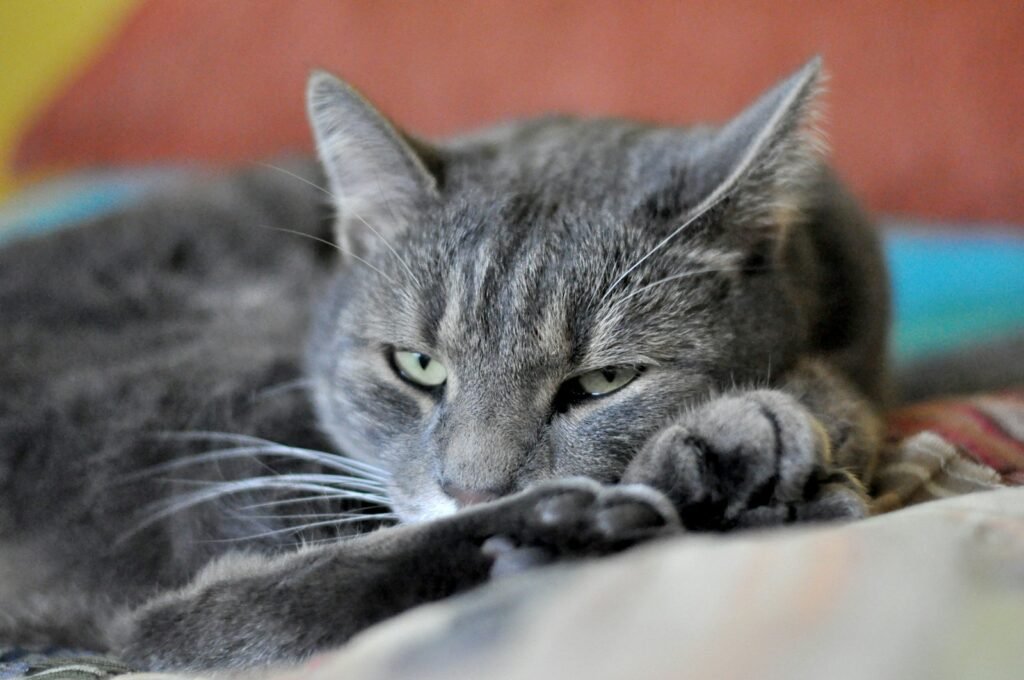
Ears held upright and slightly forward signal a happy and attentive cat, while ears that are relaxed and slightly tilted to the side indicate a calm and content state. Those adorable triangle ears are constantly moving and adjusting based on what your cat’s feeling.
Rotated ears may mean the cat is frustrated, whilst ears that take on a more flattened appearance indicate anxiety or fear. Ears that appear both rotated and flattened may indicate the cat is very frightened but also ready to defend itself. During cuddle sessions, flat ears pressed against the head are your cue to let go and give your cat some breathing room.
Context Matters More Than You Think
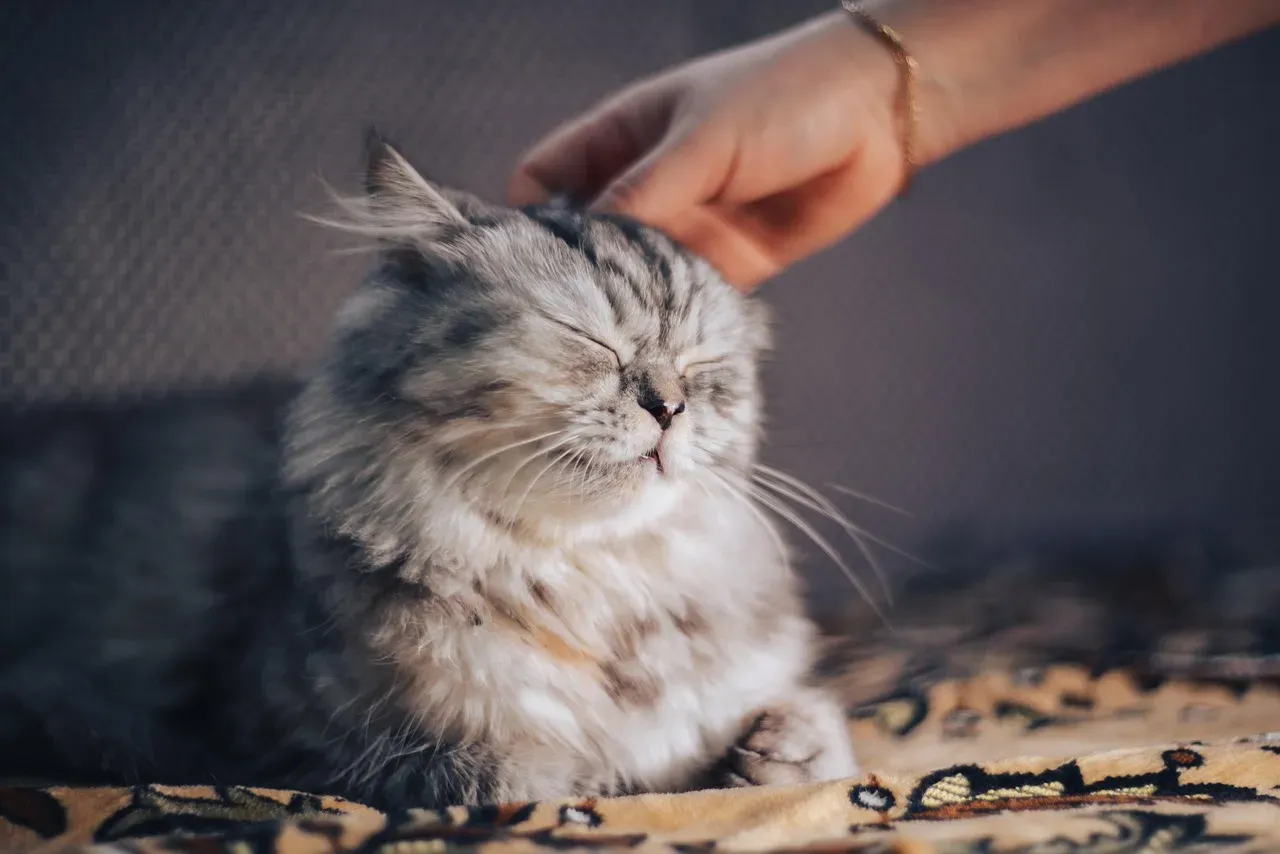
Not every cat shows affection the same way, and that’s perfectly normal. Just like humans, cats can express their emotions very differently from one another. One cat can express affection through enthusiastic purring and rubbing against your legs, while another may simply sit and blink slowly at you from across the room.
A cat’s age, personality, breed, and background can all play a role in how your cat bonds with you. Some breeds naturally crave more physical contact than others. A cat who spent their early weeks being handled frequently will likely enjoy cuddles more than one who missed that crucial socialization window. Understanding your individual cat’s preferences takes time and patience.
When Cuddles Become Too Much
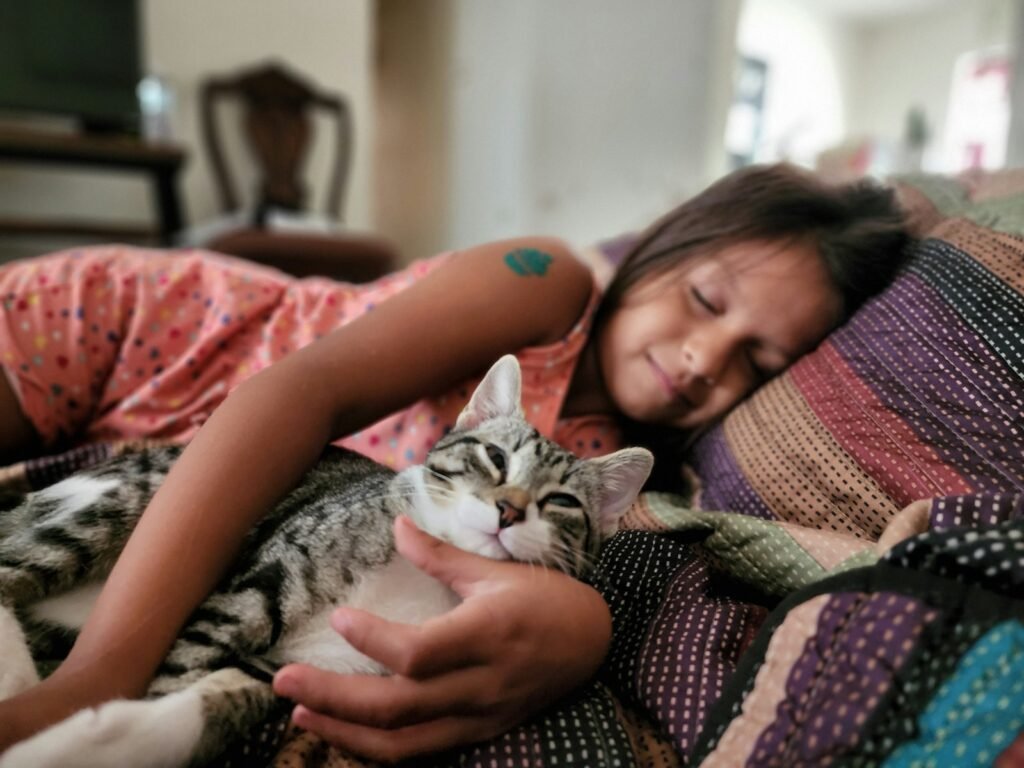
Many cats will tolerate cuddling with their humans, but that does not mean they necessarily enjoy it. Allow your cat to be the guide for how much physical affection and social interaction they want from you. This is crucial to understand because forcing affection on a cat who doesn’t want it can actually damage your relationship.
Most cats prefer to be left alone when stressed, but depending on the relationship they have with the owner, some cats might benefit from close contact. In most cases, it is best to let the cat destress and avoid the situation if they want. Don’t force a cat to cuddle with you because it is stressed. Respect goes both ways in the human-cat relationship. Sometimes the best way to show love is knowing when to back off and let them come to you on their terms.
Conclusion
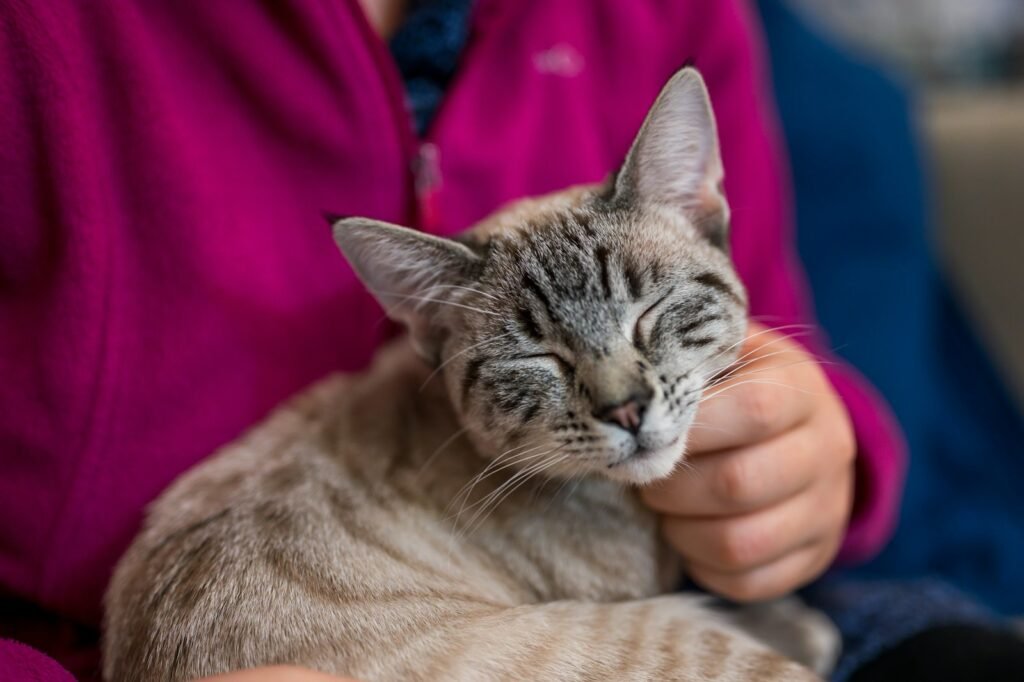
Reading your cat’s cuddle preferences really comes down to paying attention to the whole picture rather than isolated signals. Those slow blinks, relaxed ears, gentle purrs, and head bumps are your green lights for continued affection. Meanwhile, stiff bodies, thrashing tails, and flattened ears are clear stop signs that shouldn’t be ignored.
Every cat is an individual with their own comfort zones and ways of expressing themselves. Some will be lap cats who can’t get enough snuggles, while others show their love from a respectful distance. Neither approach makes them love you any less, they’re just speaking different dialects of the same language. The key is learning to listen to what your specific cat is telling you, respecting their boundaries, and cherishing whatever form of affection they’re willing to share.
What surprised you most about cat cuddle language? Maybe it’s time to observe your own feline friend with fresh eyes and see what they’ve been trying to tell you all along.