Adopting a cat can be one of life’s most rewarding experiences. You picture cozy evenings with a purring companion curled up beside you, playful antics that make you laugh, and those affectionate head bumps that melt your heart. Shelters are filled with cats waiting for their forever homes, and the idea of giving one of them a second chance feels noble and right.
Yet not every potential cat owner realizes what they might be signing up for. While veterinarians generally support animal adoption, they also see the flip side of these stories in their clinics every single day. They treat the returned cats, console the frustrated families, and deal with the unexpected health crises that nobody anticipated. Their experience gives them a unique perspective on the challenges that come with shelter cat adoption, challenges that don’t always make it into those heartwarming adoption stories you see online. Let’s dive into what veterinary professionals really think about the potential pitfalls of bringing home a shelter cat.
Unknown Medical History Creates Unexpected Vet Bills
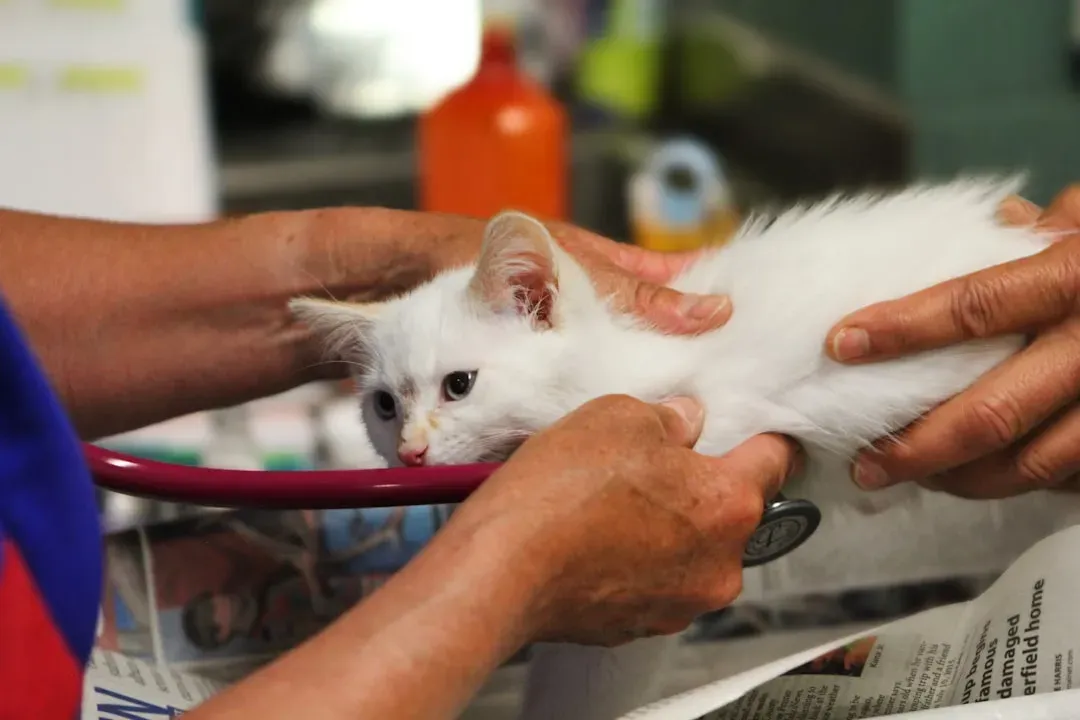
When you bring home a shelter cat, you’re essentially adopting a mystery. Unlike cats from breeders, shelter animals typically only receive basic physical exams, and due to limited financial resources, further tests such as blood tests, fecal tests, and urine tests are not conducted. You might think your new friend is perfectly healthy based on what the shelter tells you, only to discover expensive health issues weeks or months later.
Overall, more than half of dogs and cats had health problems one week after adoption, with respiratory tract disease being the most common health issue. Imagine budgeting for basic cat care and then getting hit with bills for chronic conditions that were lurking beneath the surface. Common health conditions affecting cats include ear mites, fleas and ticks, ringworm, conjunctivitis, intestinal parasites, flea allergies, and tests may reveal feline leukemia, panleukopenia, or feline immunodeficiency virus. These aren’t minor issues you can ignore.
Infectious Disease Testing Is Often Incomplete or Absent
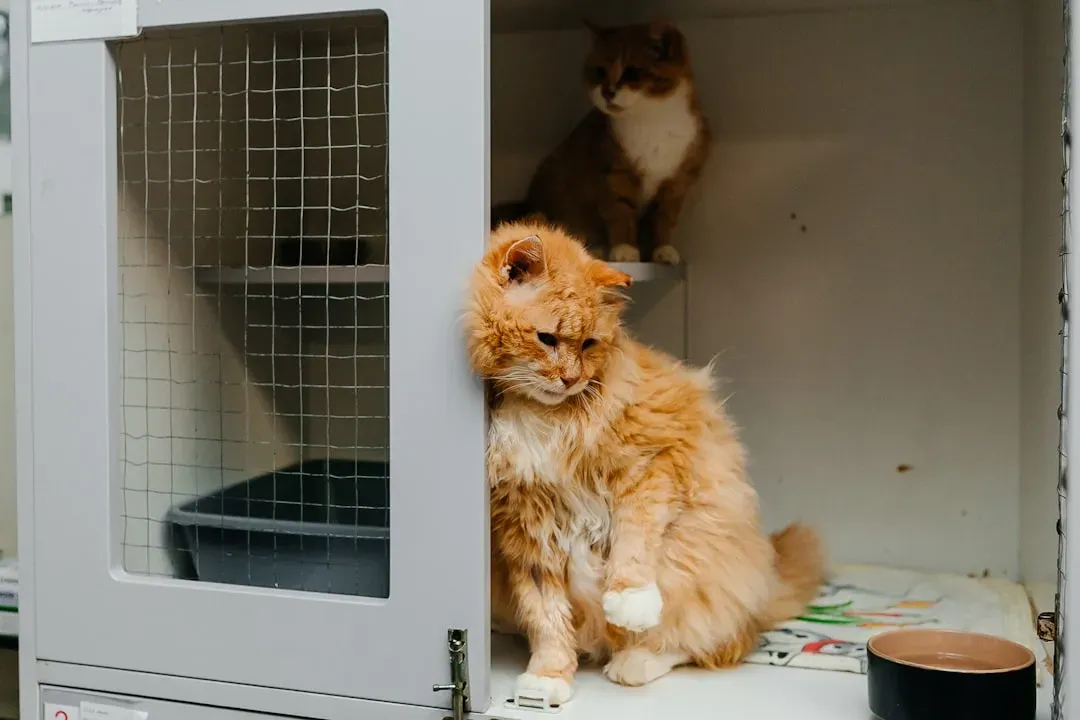
Here’s something that might shock you. Many shelters are no longer testing for FIV or FeLV, which means anything you adopt from the shelter could expose your current pets to a deadly disease. This policy shift has left many adoptive families blindsided when their new cat tests positive for life-threatening conditions after they’ve already brought them home and introduced them to other pets.
If shelters are testing, they may only test some cats and not all, and they may not disclose which kittens are tested and which aren’t. Think about that for a second. You could unknowingly bring home a cat carrying a contagious disease that puts your existing pets at serious risk. The emotional toll of discovering this after the fact, not to mention the financial burden of treating or managing infected cats, can be absolutely devastating for families.
Behavioral Issues Often Emerge After the Honeymoon Period

Sometimes animals were surrendered for a reason or had previous owners who didn’t treat them well, and some rescue animals may have behavioral problems that new pet owners may not be prepared to handle. That sweet, quiet cat you met at the shelter might transform into an aggressive, destructive force once they settle into your home and their true personality emerges.
Cats returned shortly after adoption were often focused on specific issues with the cat, such as behavioral problems or conflicts with other pets. Litter box avoidance, furniture destruction, aggression toward family members or other pets… these aren’t just minor inconveniences. Cats being returned for behavioral reasons is commonly cited, and cats who have a history of biting are returned more frequently. You might find yourself living with a cat whose behavior makes your home feel like a war zone rather than a peaceful sanctuary.
The True Personality May Be Hidden by Shelter Stress
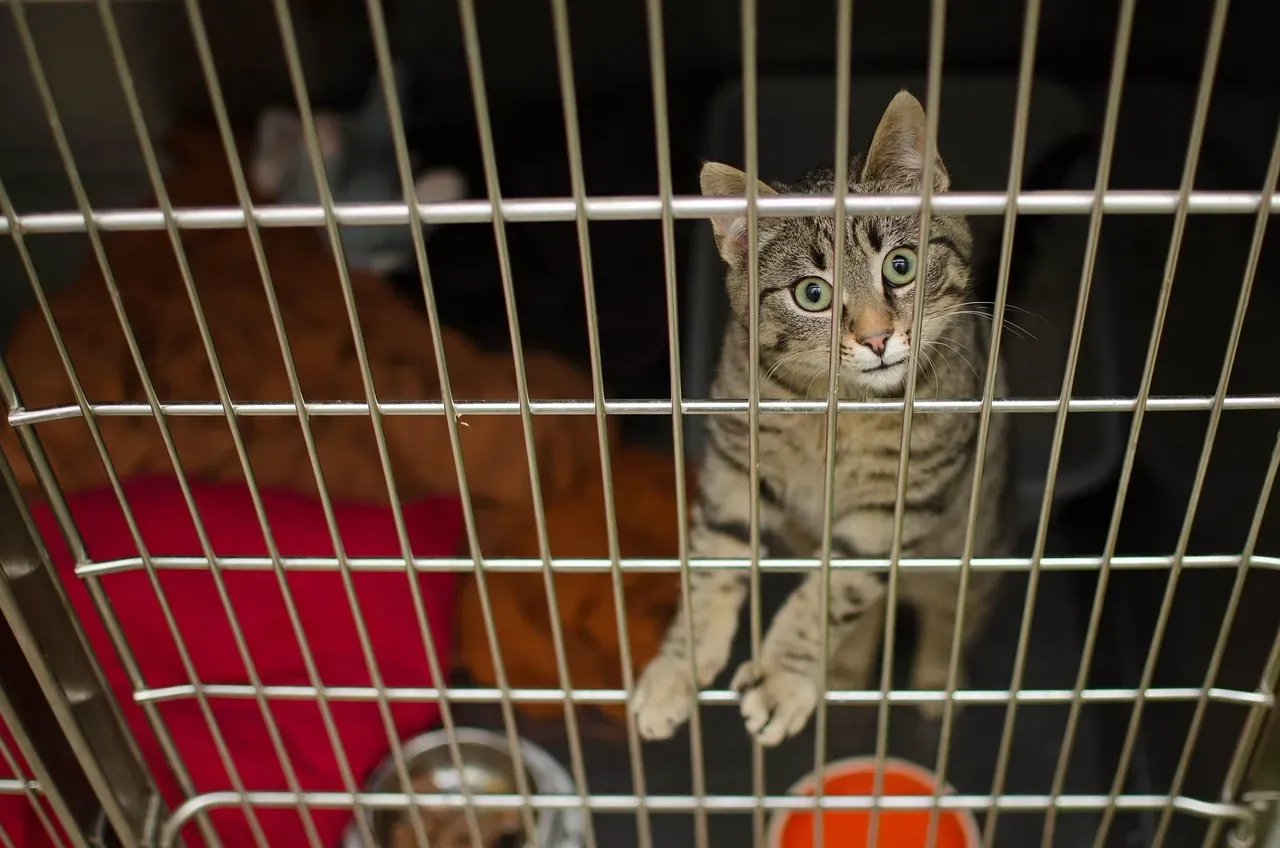
Shelters can be stressful for cats, especially since their visit may be the first time they encounter an environment other than the one they came from, and while some cats adjust quickly to shelter life, others may remain impacted by shelter stress and not show their true personality. That calm, affectionate cat you bonded with at the shelter might have been shut down from stress, not genuinely docile.
During the first several days or weeks in an animal shelter, cats are likely highly stressed and may not show their typical behaviors, and cats show a range of time needed to acclimate to the environment or de-stress. What you see is not necessarily what you get. The cat could be completely different once they decompress in your home, for better or worse. Honestly, it’s like buying a car without being able to test drive it properly.
Shelter Conditions Can Actually Make Cats Sick
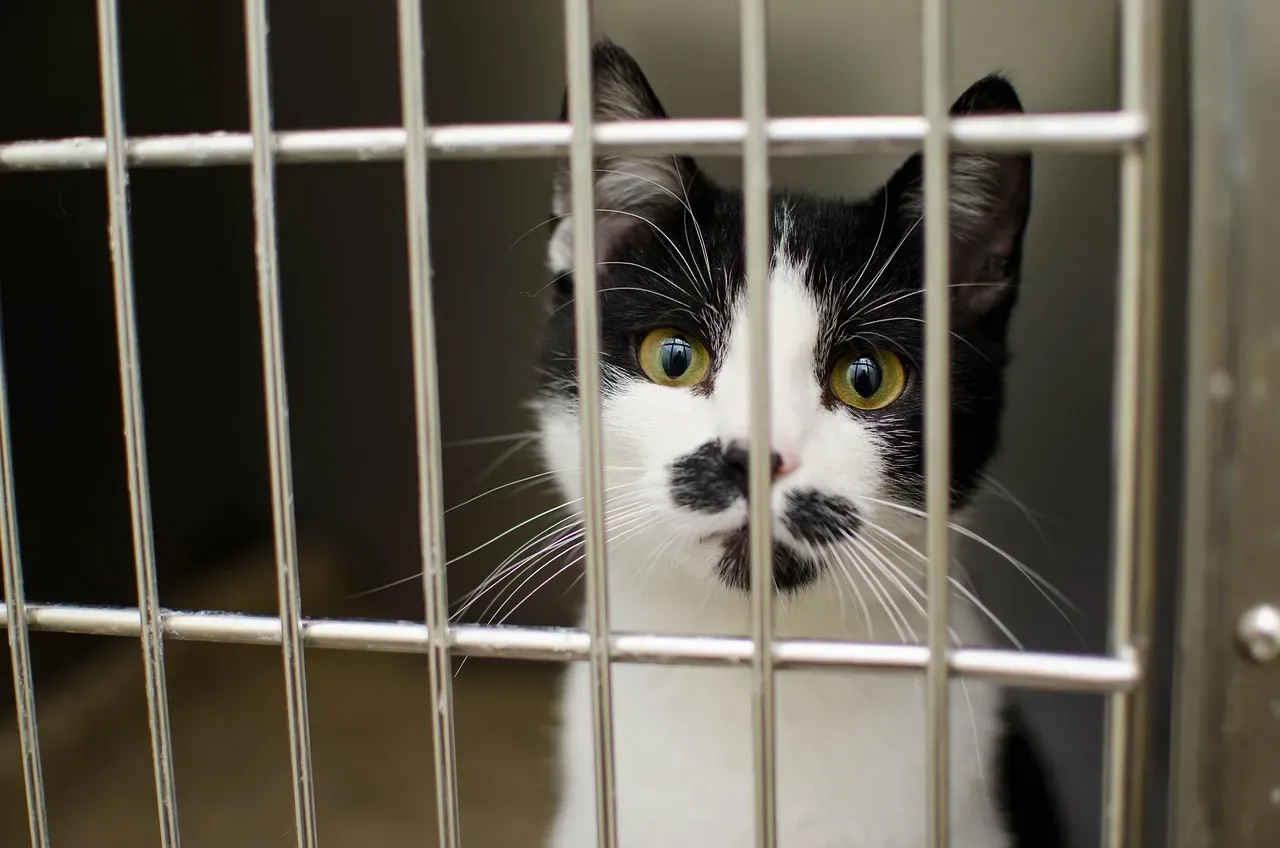
More than two-fifths of cats experienced a deterioration in at least one of eight health indicators during their stay in the shelter monitored in a research study. Shelters aren’t making cats sick on purpose, obviously, but the environment itself can be harmful. The euthanasia rate for cats in some shelters exceeds eighty percent, and shelters are a remarkably dangerous place for cats compared to almost any other conceivable alternative.
Stress has been associated with the development or reoccurrence of diseases, plays an important role in the reactivation of feline herpesvirus, and can contribute to several gastrointestinal problems such as diarrhea or vomiting. So even if your cat was healthy when first surrendered, the shelter experience itself may have compromised their immune system and created new health problems you’ll have to deal with. That’s a hard pill to swallow when you thought you were doing something good.
Return Rates Are Higher Than Most People Realize
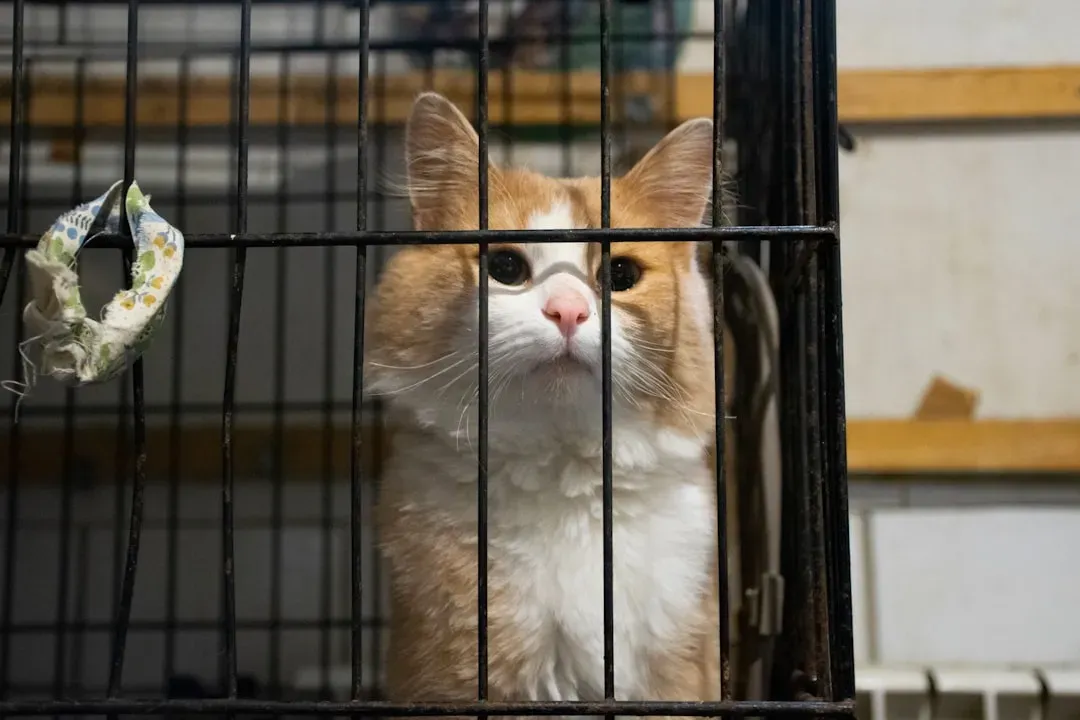
Approximately half of cats were returned in the short term, with cats returned within thirty days. Let that sink in. Nearly half of adopted cats end up back at the shelter within a month. That’s not a success story, that’s a revolving door. A non-trivial number of cats are returned to the shelter after adoption, and cats who are returned impact the ability of the shelter to take in new cats and can negatively impact the returned cat’s welfare.
When adoptions fail, everyone loses. You’ve invested time, money, and emotional energy into a relationship that didn’t work out. The cat experiences yet another traumatic upheaval and relocation. The shelter becomes even more overcrowded and resource-strapped. It’s a cycle that perpetuates suffering rather than solving it, despite everyone’s best intentions.
Chronic Stress Can Lead to Permanent Behavioral Changes
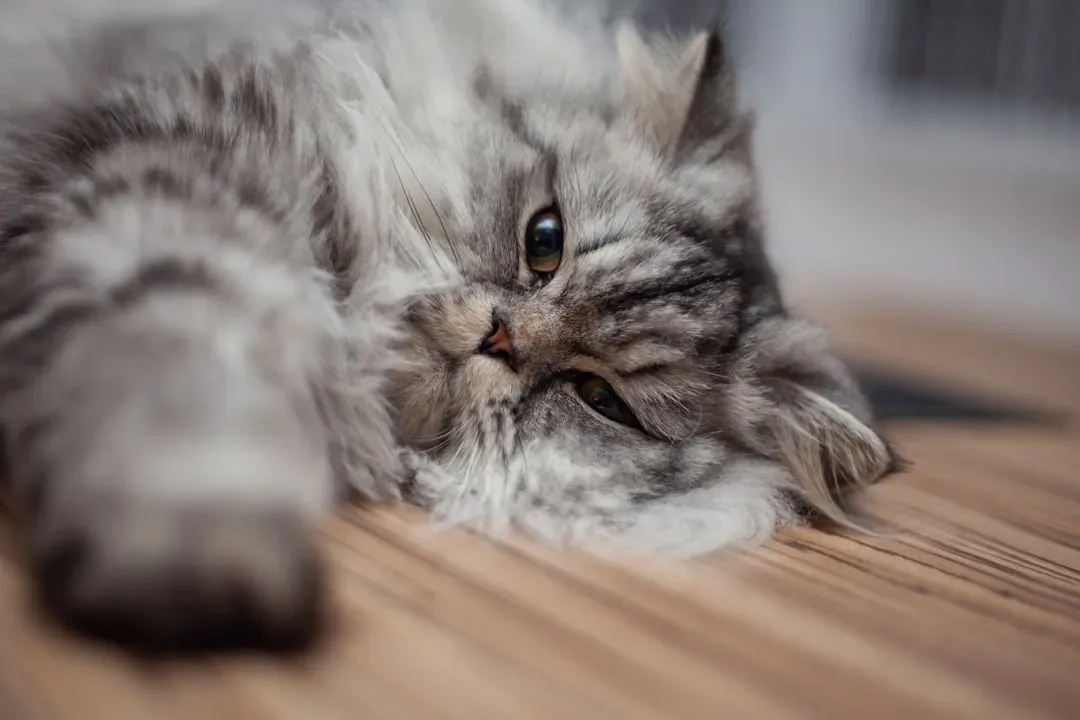
With increasing levels of stress, cats increase the frequency and intensity with which they attempt to hide, and behavioral changes associated with chronic stress may increase the risk of euthanasia and reduce adoptability. Some cats never fully recover from their shelter experience. They remain anxious, skittish, and difficult to handle for the rest of their lives.
Owner-surrendered cats showed the greatest behavioral measures of stress and arousal compared to stray cats, cats euthanized due to illness had significantly higher mean behavioral stress ratings, and findings suggest that owner-surrendered cats experience greater behavioral stress after entering a shelter environment. This chronic stress literally changes who they are. You might be adopting a cat whose personality has been permanently altered by trauma, and no amount of love and patience will fully restore them to who they might have been.
Training and Socialization Are Often Lacking
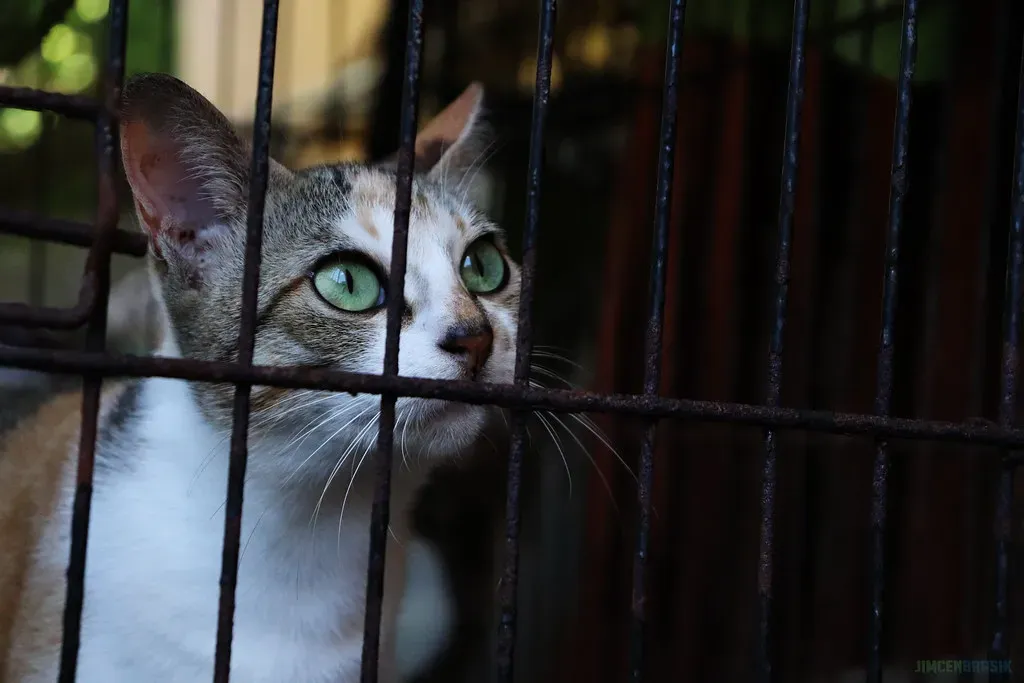
Unless a pet had training before arriving at the shelter, it’s possible they didn’t receive much while there, and shelter employees may not have the time and resources to properly train every pet because rescues and shelters are often severely underfunded. You’re not getting a cat that’s been carefully prepared for home life. You’re getting a cat that’s been warehoused.
At least half are free-roaming cats brought to the shelter by people who are not their owner and enter with no known behavioral or socialization history. These cats might have spent their entire lives outdoors with minimal human contact. Teaching them to use a litter box, not scratch furniture, and interact appropriately with humans becomes your job, and it’s work many people aren’t prepared to take on. Let’s be real, most people want a companion, not a rehabilitation project.
Age-Related Issues Are Often Underestimated
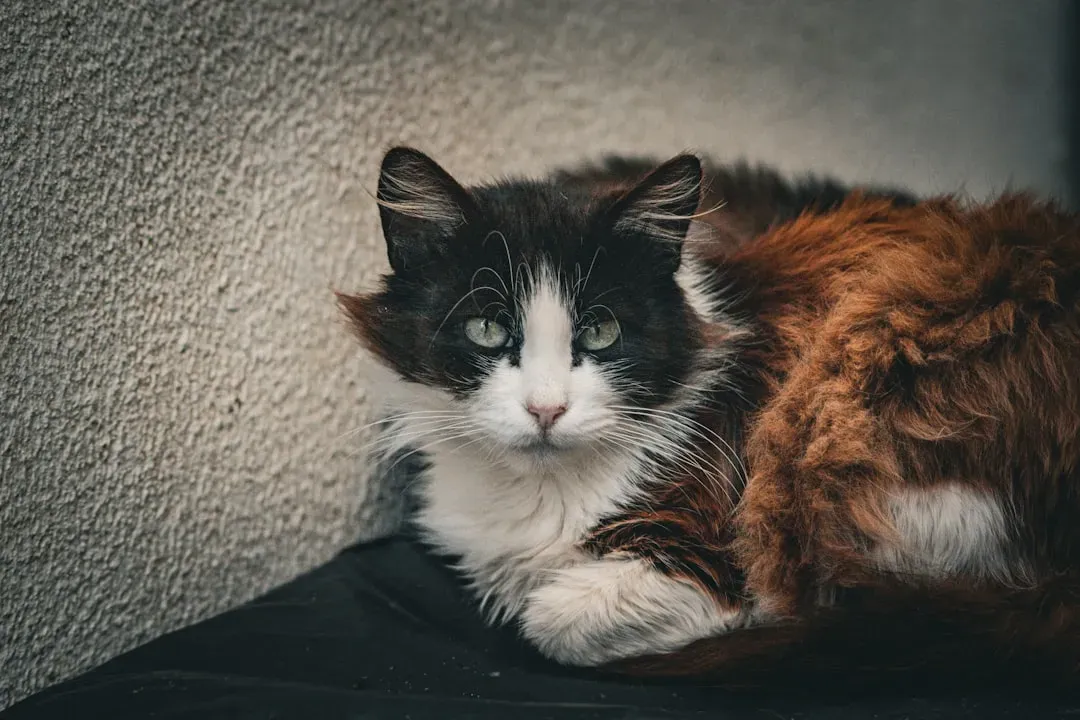
Your mature cat may have undetected health issues that would affect their life expectancy, and older cats come with a different set of issues. While shelters often push the adoption of older cats because they’re harder to place, veterinarians see the reality of what that means. Senior cats frequently have dental disease, kidney problems, arthritis, and other chronic conditions that require ongoing treatment.
Cats who were older at the time of adoption or had a bite history had an increased risk of return. Older cats are more likely to be returned, probably because their health problems become apparent and expensive quickly. You might adopt a senior cat thinking you’re giving them a comfortable retirement, only to spend thousands on veterinary care within the first year. That’s not necessarily bad, but it’s something people need to understand going in.
The Financial Reality Exceeds Most Expectations

Nearly fifty percent of respondents said overall cost of pet ownership was the biggest challenge, and eighty-four percent said veterinary care is the most expensive part of owning a pet. People drastically underestimate what cats actually cost. The adoption fee is just the beginning. Cat ownership can be expensive with usual costs including food, supplies, and medical costs, but there is also the likelihood of additional expenses including emergency treatment for trauma or diseases that are difficult to diagnose or expensive to treat.
Those making less than seventy-five thousand dollars are more likely to surrender a pet due to financial difficulties and are more likely to say the cost of pet ownership exceeded their expectations. If you’re not financially stable, adopting a shelter cat with unknown health issues is genuinely risky. One emergency vet visit can cost more than a month’s rent, and chronic conditions require lifetime management. Veterinarians see families make heartbreaking decisions every day because they simply can’t afford the care their shelter cat needs.
Conclusion: Love Alone Isn’t Always Enough
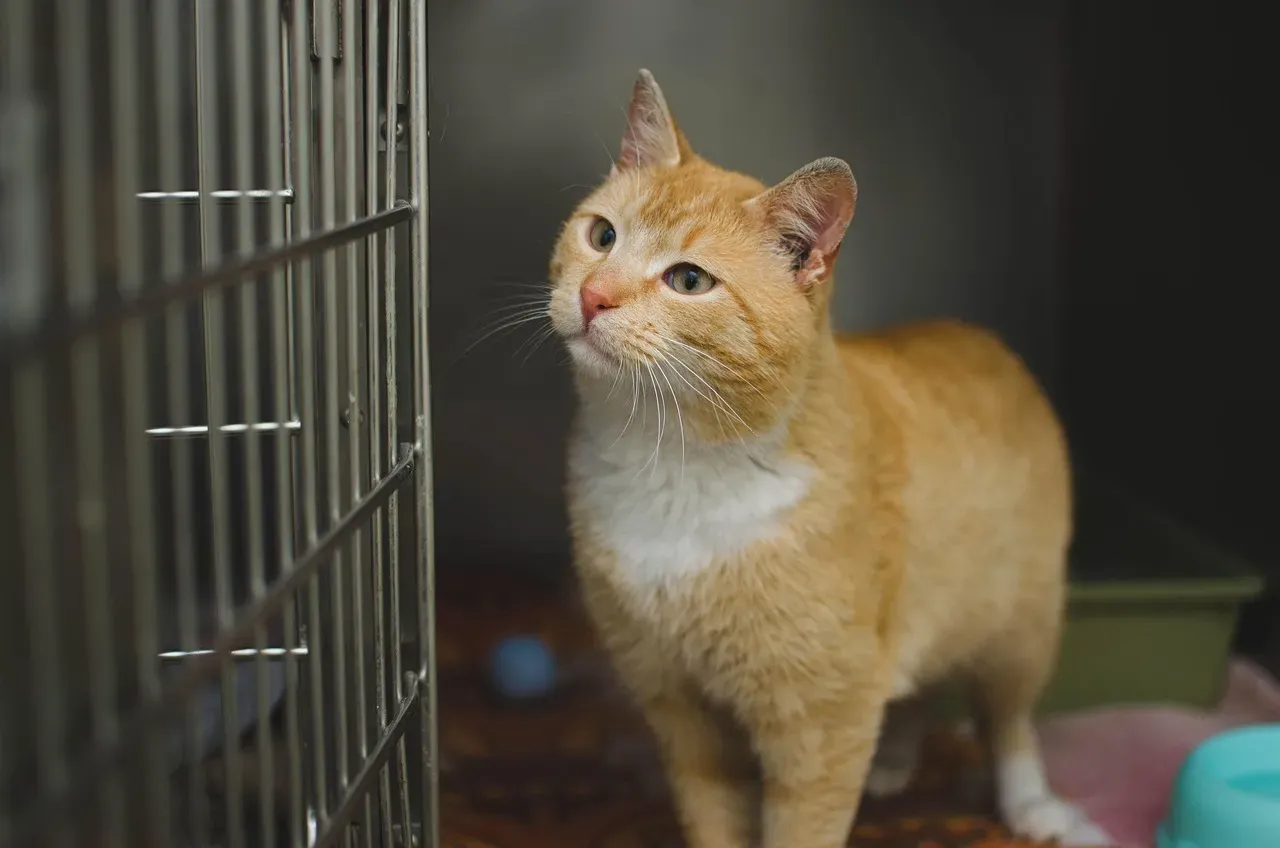
Nobody wants to discourage people from helping animals in need. The intention behind adopting a shelter cat is beautiful and compassionate. Veterinarians understand that, and they support responsible adoption wholeheartedly. What concerns them is when people go into adoption blindly, unprepared for the realities they might face.
The cats sitting in shelters deserve homes, absolutely. Some of them will be wonderful companions who integrate seamlessly into your life. Others will require extensive medical treatment, behavioral modification, and patience that tests your limits. The question isn’t whether shelter cats are worth saving. The question is whether you’re genuinely prepared for whatever challenges come with the specific cat you choose. Before you make that decision, talk honestly with your veterinarian about your lifestyle, your budget, and your capacity to handle the unexpected. Because in the world of shelter cat adoption, the unexpected is actually pretty common. What’s your take on this? Have you had experiences with shelter cats that surprised you, for better or worse?
Kristina is a young writer from India. An arts graduate and an avid content creator, Kristina is passionate about animals and wildlife. She enjoys exploring topics related to pet care, animal behavior, conservation, and nature, combining thorough research with engaging storytelling.