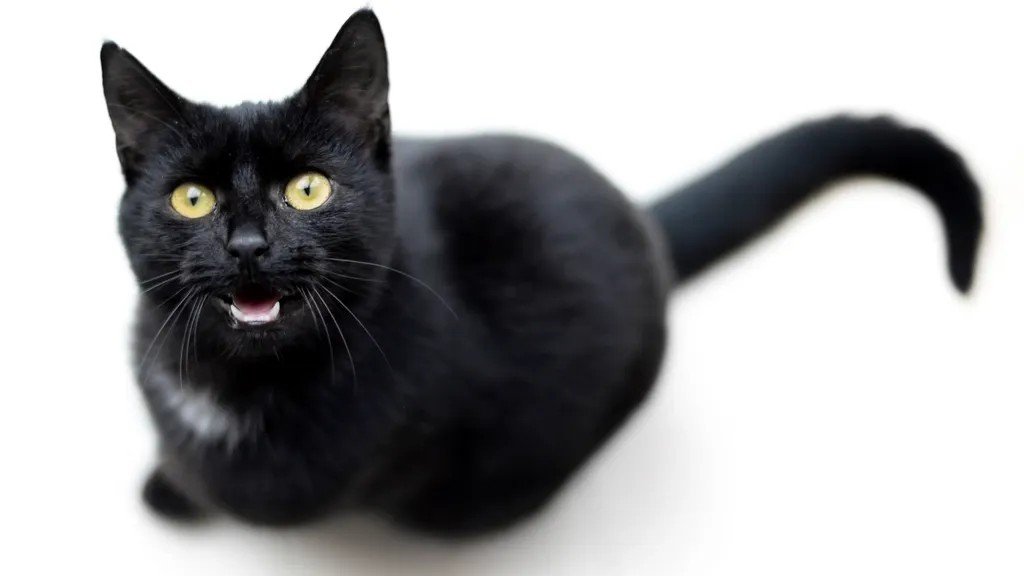
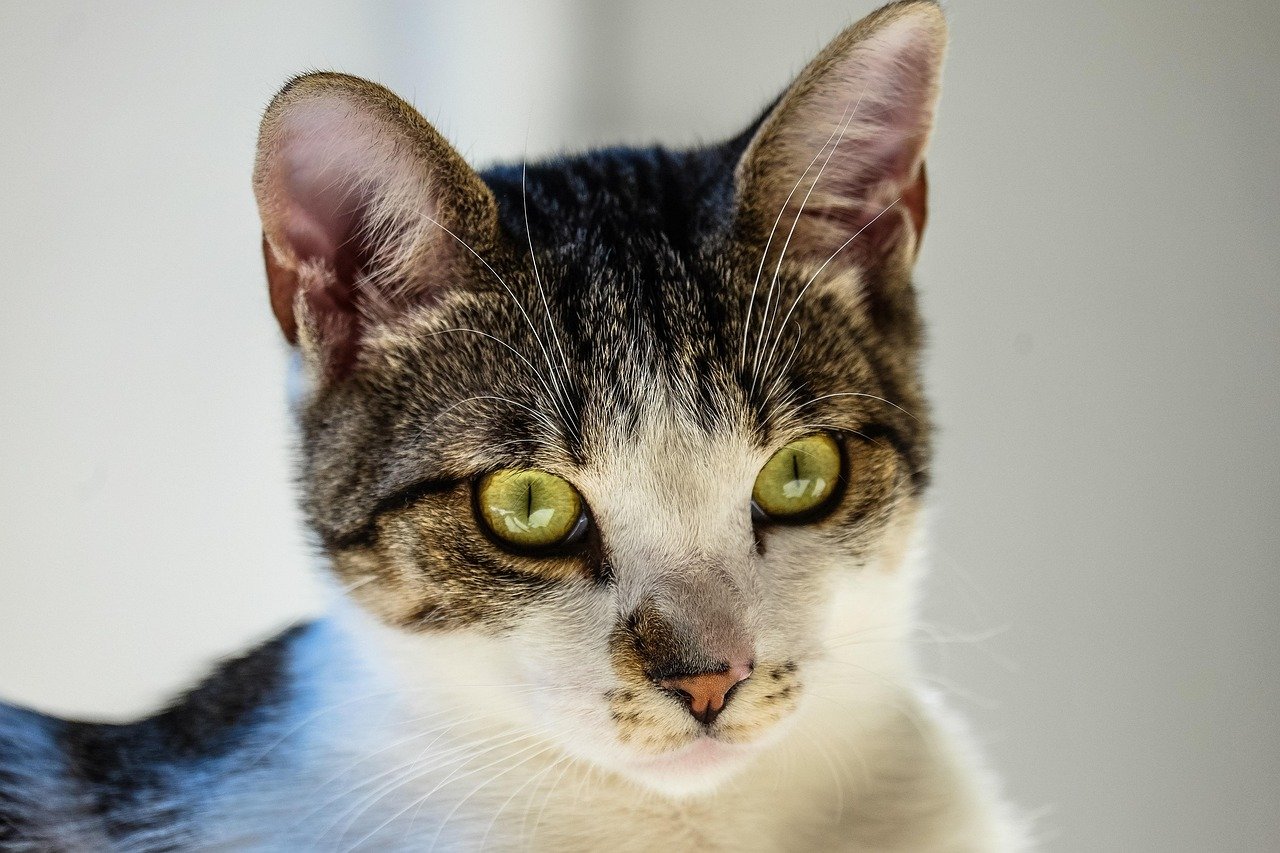
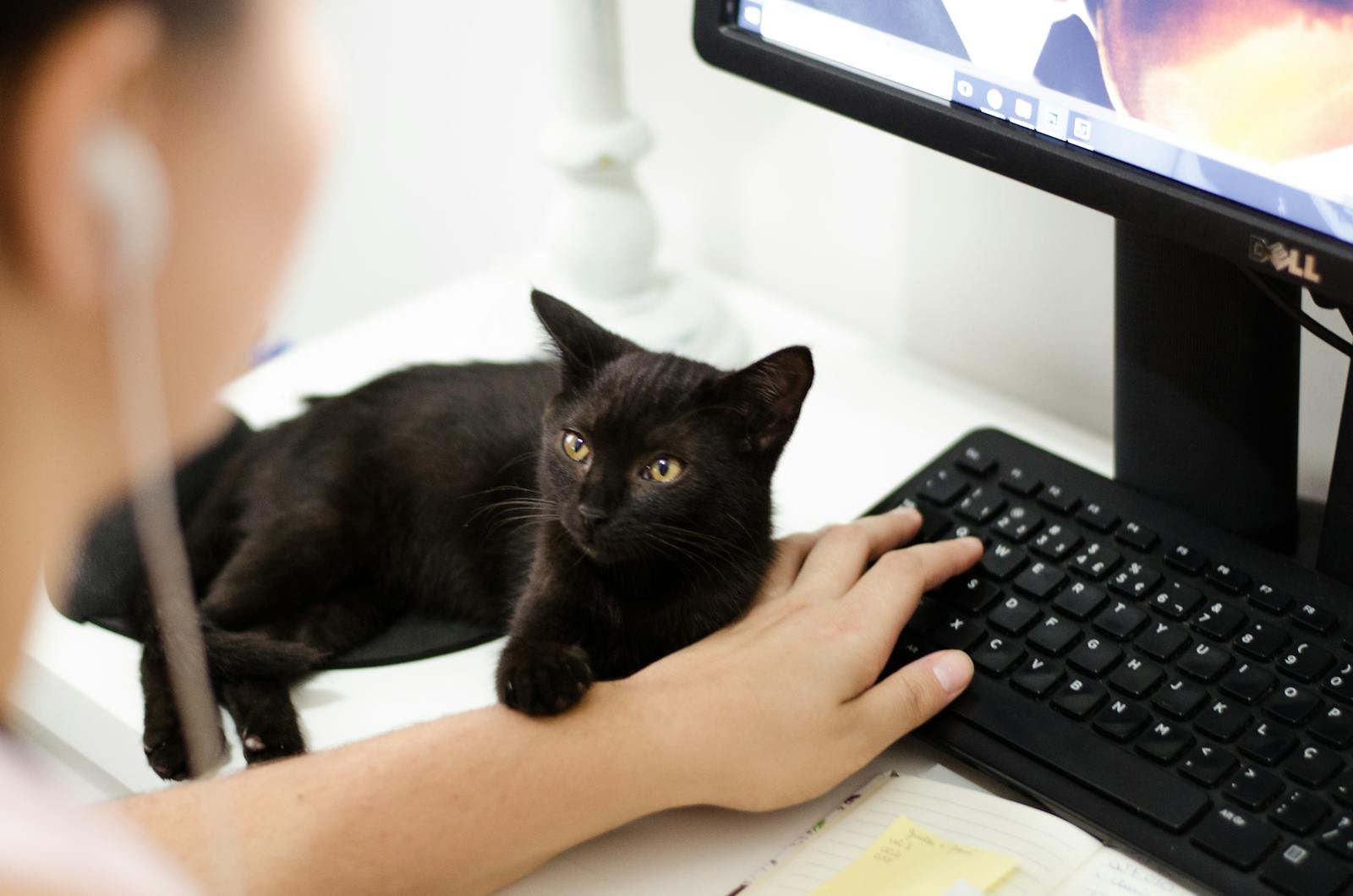
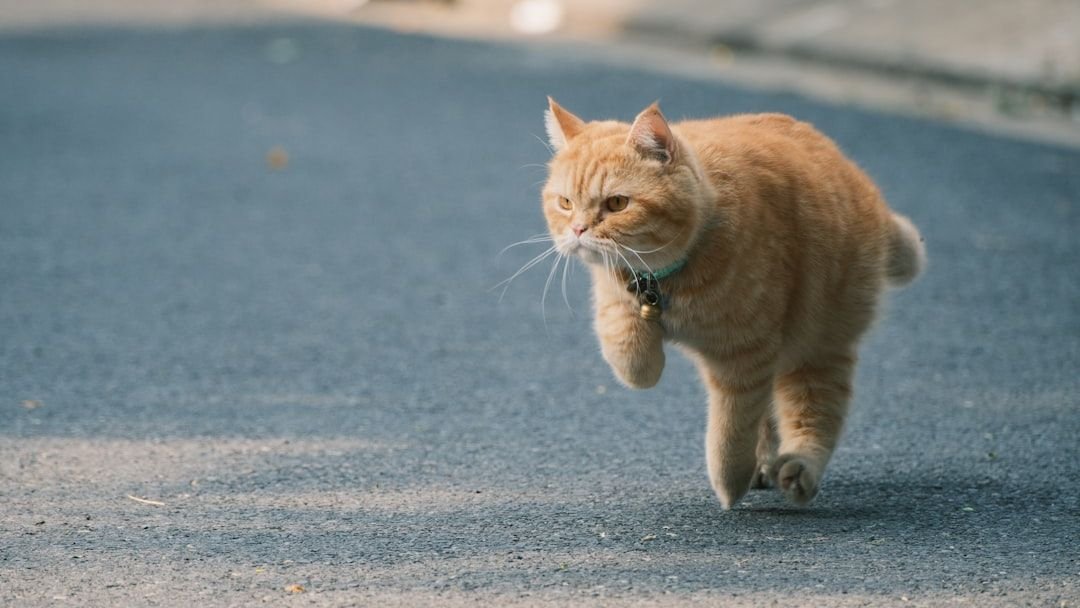
Why Does Your Cat Love Boxes So Much? The Cozy Truth Revealed

You've likely witnessed this bizarre scene before. You splurge on a plush, designer cat bed that promises ultimate comfort. You carefully position it in the perfect sunlit spot. Your cat sniffs it once and then promptly hops into the plain cardboard box that the fancy bed came in. It's almost insulting, honestly.
Yet this quirky behavior isn't some personal vendetta against your gift choices. Your feline friend is following deep instincts that have been hardwired into their DNA for thousands of years. If you've ever purchased an expensive, bespoke toy for your feline friend, then watched them ignore said purchase in favor of the cardboard container it arrived in, you will know this universal truth: cats love boxes. So let's dive into the fascinating science behind why these simple cardboard structures have such a magnetic pull on our furry companions.
A Safe Haven from Predators
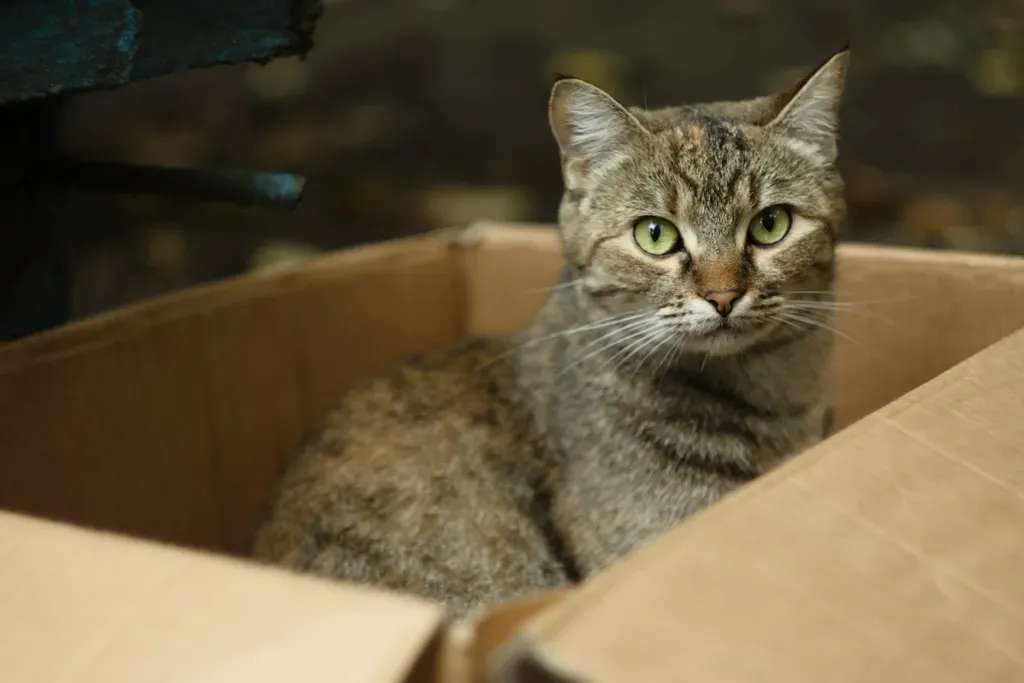
In the wild, small, hidden spaces protect cats from predators. A box is a secure, enclosed environment that triggers a cat's natural instinct to find a safe den. Curling up in a box lets a cat keep watch while feeling hidden and safe. Think about it from your cat's perspective for just a moment. Inside that cramped cardboard fortress, nothing can sneak up from behind or from the sides.
A cat cowering at the back of a box with wide eyes is likely using the box in a very different way from one who is snoozing inside or repeatedly pouncing in and out of it. The context matters here. Some cats treat boxes as emergency bunkers during stressful moments, while others use them as cozy nap stations. This instinct begins from the cat's earliest moments. A mother cat will seek out a quiet area to birth her kittens. "Their first experience will be a safe, enclosed space," says Danielle Gunn-Moore, a professor of feline medicine at the University of Edinburgh.
The Ultimate Stress Reducer
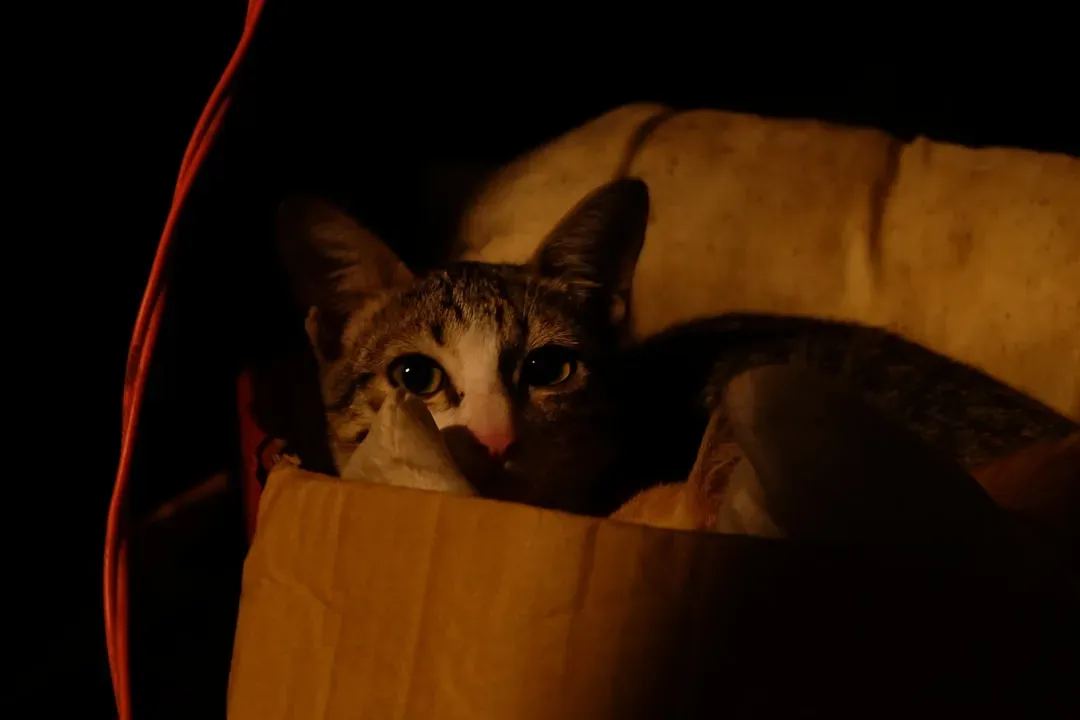
Here's where things get really interesting. Multiple studies have shown that stress hormones like cortisol are reduced in newly rescued cats when they are given access to a box. Researchers in the Netherlands conducted controlled experiments with shelter cats to test this theory. In this study, cats with a hiding box showed a significantly faster decrease of behavioural stress compared to the control group, which was most prominent during the first observation days.
Let's be real, shelters are overwhelming environments for any animal. They found a significant difference between the two groups on observation days 3 and 4. The cats with the hiding box were able to recover faster in their new environment. Even in your home, when visitors arrive or the vacuum cleaner roars to life, that humble cardboard box becomes your cat's personal therapy room. Because boxes offer an opportunity to hide, they provide comfort and security, which are crucial when cats are feeling stressed or anxious. It's remarkable how something so simple can have such a profound calming effect.
The Perfect Hunting Ground
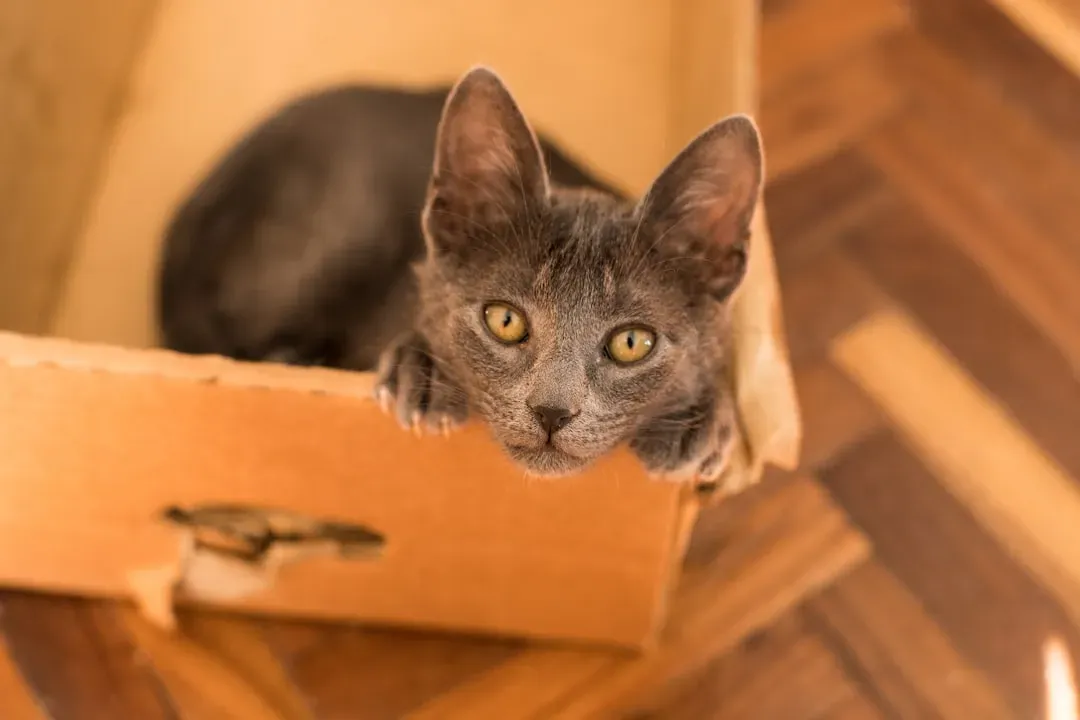
One crucial benefit relates to their hunting instincts. Boxes are one-stop shops for all of your cat's hiding, hunting, and exploring needs. Your domestic kitty may never need to catch dinner, yet those predatory urges remain incredibly strong. Just because a cat is indoors doesn't mean that they lose their instincts, and boxes offer a perfect hunting spot, with walls that shield them from view and an open top that they can use to pounce onto potential prey (or a plush toy).
In the wild, cats are predators. They have to be stealthy to catch their next meal, which often involves hiding in small spaces where they can't be seen. This is crucial for survival because it helps them sneak up on unsuspecting prey. Whether your cat is stalking a feather toy or preparing a surprise ambush on your ankles as you walk by, those tight cardboard walls provide the tactical advantage they crave. Cats are natural hunters and boxes help them conceal themselves from "prey." A box allows them a vantage point from where they can stalk and pounce on unsuspecting prey. I know it sounds crazy, but even that innocent-looking tabby snoozing by the window retains the instincts of a skilled apex predator.
A Warm and Toasty Retreat
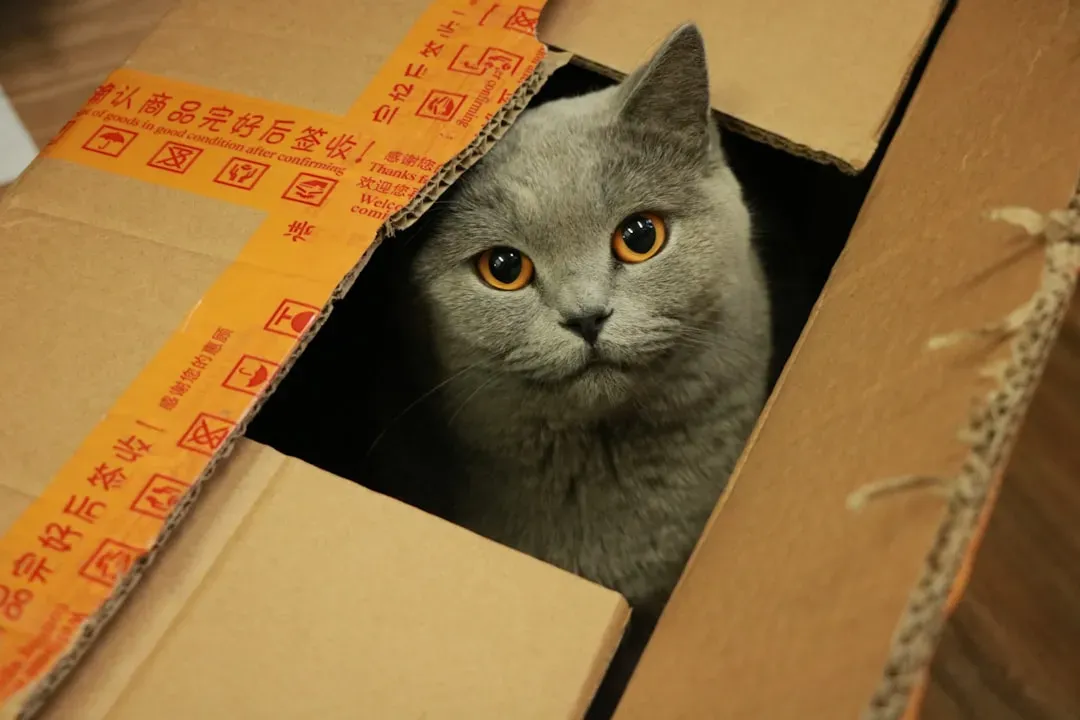
A study found that cats are most comfortable in temperatures between 86 and 97 F, but most homes are kept at around 72 degrees. That's a significant temperature gap. Your cat isn't just being dramatic about wanting warmth. Boxes act as insulators and trap body heat so our cats can enjoy tropical temperatures without an expensive heating bill.
The cardboard acts like a cozy blanket, trapping the cat's body heat and acting as an insulator. The confined space of a box forces a cat to curl up into a ball, which also helps to preserve body heat. Cardboard is surprisingly effective at this job. The material creates a microclimate inside the box that helps your cat conserve energy and stay comfortable. It's hard to say for sure, but this might explain why cats also gravitate toward laptops, radiators, and your warm lap during chilly evenings.
The Irresistible Texture and Smell
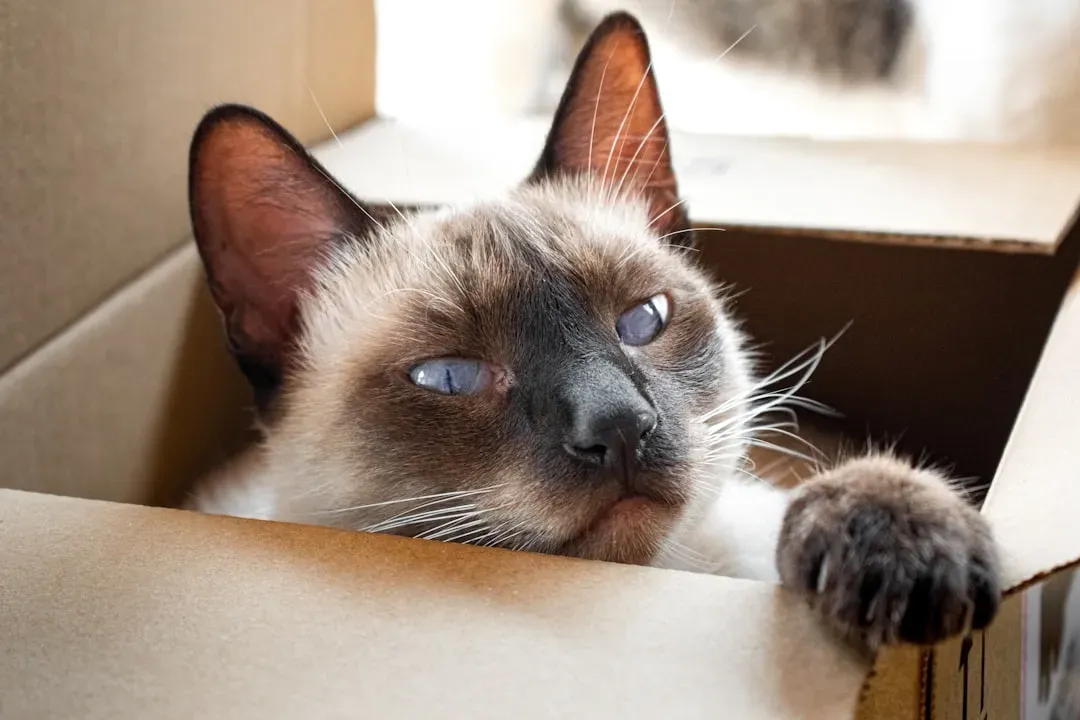
There's a reason why most scratching posts are made out of cardboard. Cats love the feel of boxes, making them the perfect place for a cat to claw and scratch their nails. The corrugated texture provides satisfying resistance when your cat digs their claws in. Plus, it's gloriously destructible. Cats enjoy the sensation of shredding and marking things that belong to them.
Cats have scent glands on their faces. When they rub their faces on the sides of a box, they leave behind their scent. This marks the box as their own special domain. Each time your cat rubs against that cardboard, they're essentially leaving a "Property of Whiskers" sign for the entire household to respect. The very first thing most curious cats do when they see a cardboard box is rub up against it. Kitties have scent glands on the sides of their face, which is why they love rubbing their cheeks against everything. This action leaves its scent on the object, like a feline "Property of Whiskers" sign. Your cat considers a new cardboard box that has just arrived on your doorstep to be an interesting addition to their domain, and they'll naturally want to claim ownership of everything within their territory.
Curiosity and Novelty
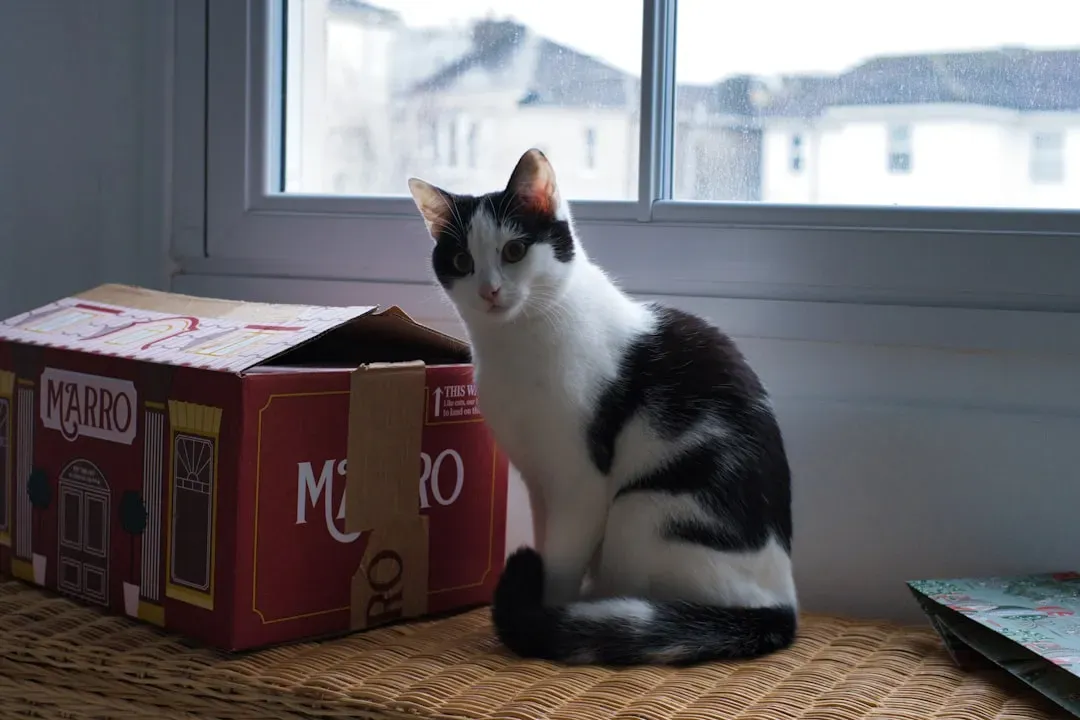
Cats are curious creatures, and boxes present an exciting world of exploration. Cats love investigating new things, and a new box, with its smells and textures, represents a new puzzle that must be unraveled. Cats may peek or hop into the box to explore it. Every delivery is like Christmas morning for your cat. That Amazon package contains mysteries and possibilities.
A newly arrived box is also a change to a cat's environment. Cats that live indoors know every inch of their kingdom and immediately notice any changes. "For a curious cat, the box is something fun and novel to investigate," says Delgado. It doesn't matter if the box held laundry detergent or cat food. The novelty factor alone makes it worthy of thorough investigation. Your cat will sniff every corner, test the structural integrity with their paws, and eventually claim it as their latest conquest.
Avoiding Conflict with Others
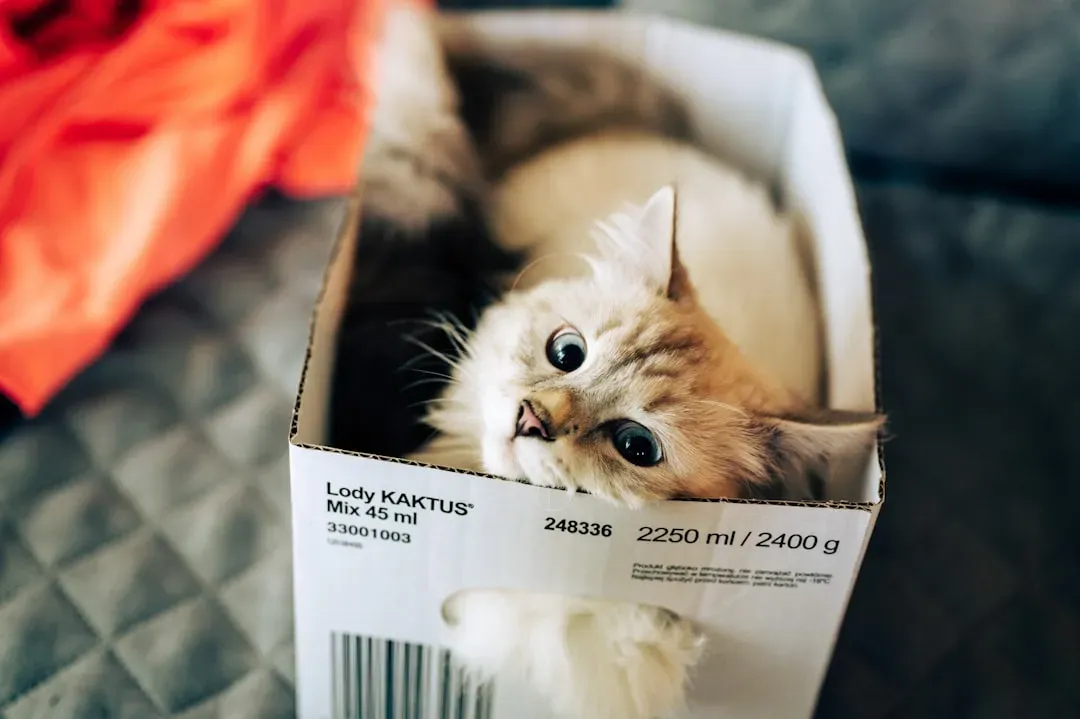
Cats lack refined conflict resolution skills, so they prefer to avoid negative interactions by avoiding others or hiding away. When tensions arise with family members - be that with humans or fellow pets - the refuge of a box offers the cat a chance to recalibrate and de-stress. Let's face it, some cats do not want to be bothered. Maybe you have company your cat doesn't recognize, or perhaps the other pets are being too rowdy.
Maybe you have company in the home your cat does not know, making them uncomfortable. Instead of trying to get to know your guests, they hide in a box. Another scenario is that they want to get away from other pets in the home, and they deduce that the cardboard box is their best option. Rather than hissing or swatting, your cat simply retreats to their cardboard sanctuary. It's their version of going to their room to cool down. This behavior is completely normal and actually quite healthy for maintaining household harmony.
Even Illusions Work
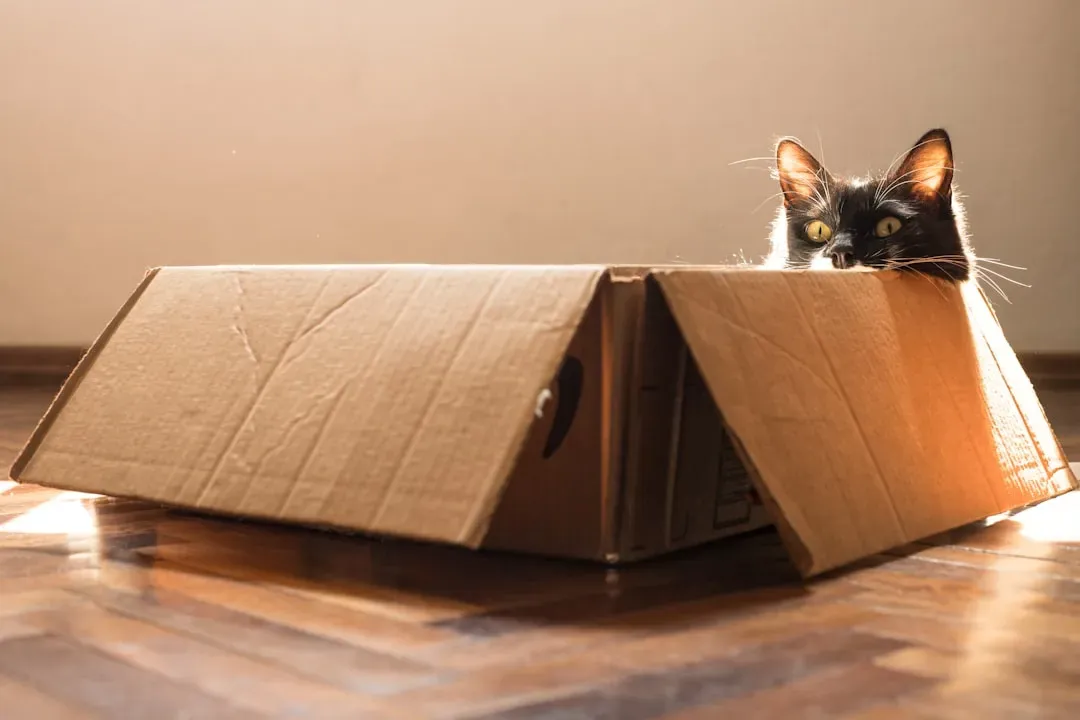
Some scientists studied the phenomenon and concluded cats prefer square shapes, even if it's an illusion. This discovery is absolutely fascinating. In July 2021, a new study was published in the Applied Animal Behaviour Science journal that found that cats are just as willing to sit in a 2-D shape that imitates an illusory square as a regular square.
Kits were sent to 30 cat parents to test the hypothesis at home, then they observed and video recorded their cat's behavior over six days. The volunteers wore sunglasses to avoid inadvertently giving the cats any signals with their eyes. The cat parents used tape to create squares on the floor and also pieces that look like four Pac- Man shapes that create the appearance of a square, known as a Kanizsa square illusion. The results showed that cats would sit in these optical illusions just as readily as actual boxes. This suggests that even the perception of boundaries triggers their box-loving instincts.
Big Cats Love Boxes Too
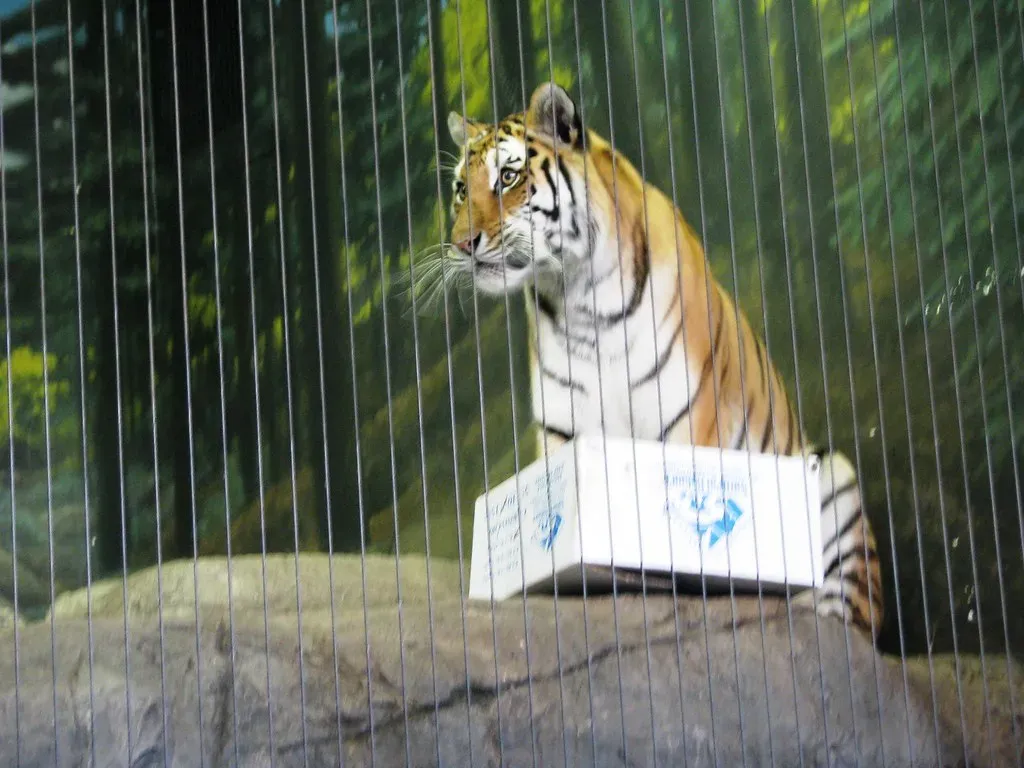
Here's a delightful fact: it's not just house cats that love cardboard boxes. Lions, tigers, and leopards in zoos and wildlife reserves show the same fascination. When given boxes, these big cats jump in and out, lounge inside, and generally act just like your tabby at home. This behavior spans the entire feline family, suggesting it fulfills a deep evolutionary need. Videos of lions squeezing into boxes that are hilariously too small for them have gone viral for good reason.
The fact that this behavior transcends size and domestication tells us something profound about feline psychology. Whether it's a three-pound kitten or a four-hundred-pound tiger, the appeal of an enclosed space remains universal. This shared trait connects your house cat to their wild cousins in the most adorable way possible.
Creating the Perfect Box Environment
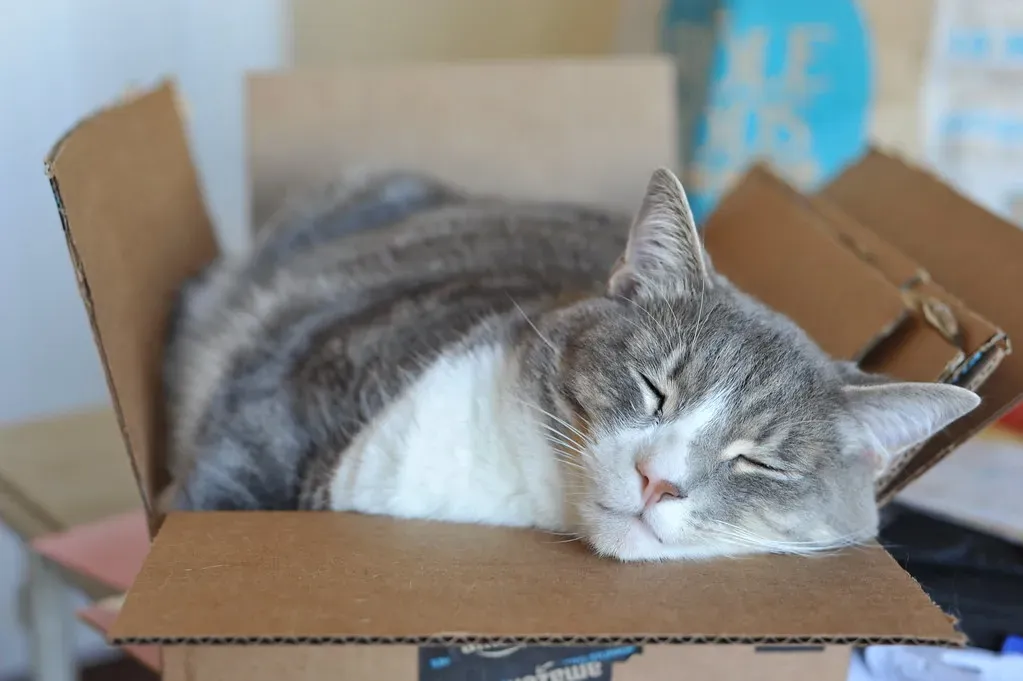
Understanding why your cat loves boxes means you can enhance their environment thoughtfully. Before you hand over that Amazon shipping box to your cat, take a few safety precautions. Remove all tape, staples, and plastic packaging. Packing peanuts, bubble wrap, and twist ties can be dangerous if swallowed. Never close your cat inside a box - always leave it open so they can enter and exit freely.
Place a soft blanket inside. Cut viewing holes in the sides. Create tunnels by connecting multiple boxes. These simple modifications transform a basic box into a luxury cat apartment. You don't need to spend money on expensive cat furniture when a few well-placed boxes can provide hours of entertainment and comfort. Rotate boxes regularly to maintain that novelty factor your cat craves.
The Science Supports Simple Solutions
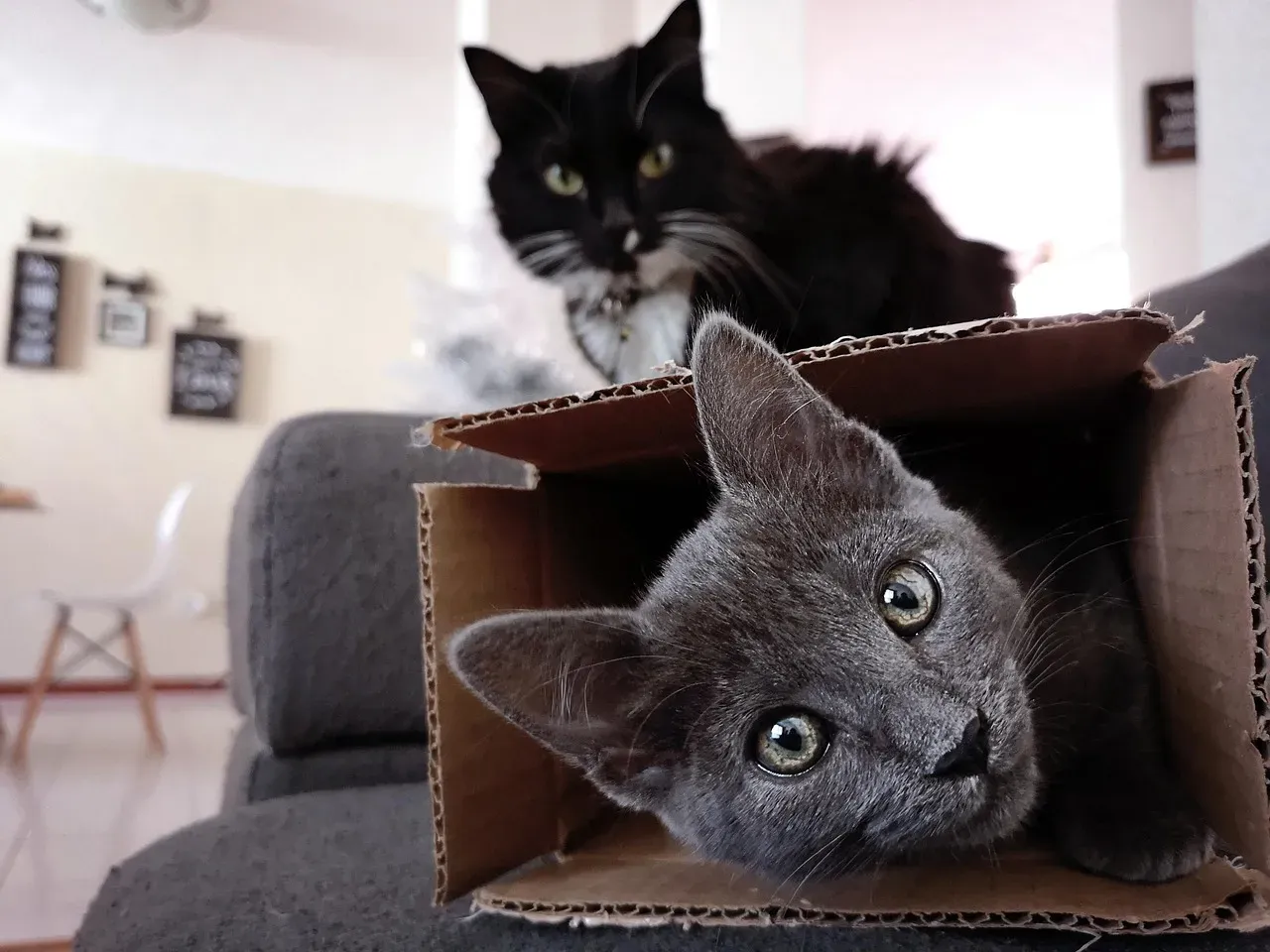
In summary, the hiding box appears to be an important enrichment for the cat to cope effectively with stressors in a new shelter environment the first weeks after arrival. This research has practical applications beyond shelters. Whether you're introducing a new pet, moving to a new home, or dealing with construction noise, providing boxes can help your cat navigate stressful transitions.
By increasing the number of observational days during the first 12 days, the current research provides more details about reaching the CSS-steady state, indicating that hiding boxes accelerate the recovery of behavioural stress by seven days. The hiding box clearly helps the shelter cat to adapt more quickly to a stressful new environment thus preventing the development of chronic stress. Seven days is a significant difference in reducing suffering and anxiety. The humble cardboard box isn't just a cute quirk; it's a legitimate tool for feline wellbeing.
Your cat's obsession with boxes represents a beautiful intersection of instinct, comfort, and practicality. These simple cardboard structures satisfy multiple needs simultaneously: safety, warmth, hunting opportunities, stress relief, and territorial marking. Rather than fighting this behavior, embrace it. Leave boxes in quiet corners, create box forts, and watch as your cat's stress levels decrease and happiness increases. Next time you receive a package, remember that the box itself might be the best gift you can give your feline companion. What would you have guessed was the real reason behind this adorable behavior?