You’ve probably heard it countless times. Cats are cold, detached, independent creatures who tolerate us only because we provide food and shelter. They’re not like dogs, we’re told. They don’t really care about their humans the way other pets do.
Here’s the thing though: science is telling us a completely different story. Recent research is turning this age-old belief on its head, revealing that your feline companion might understand you better than you ever imagined. What we’ve mistaken for indifference may actually be a sophisticated form of emotional intelligence that we’ve simply been misreading all along. Let’s get started.
Your Cat Knows When You’re Upset
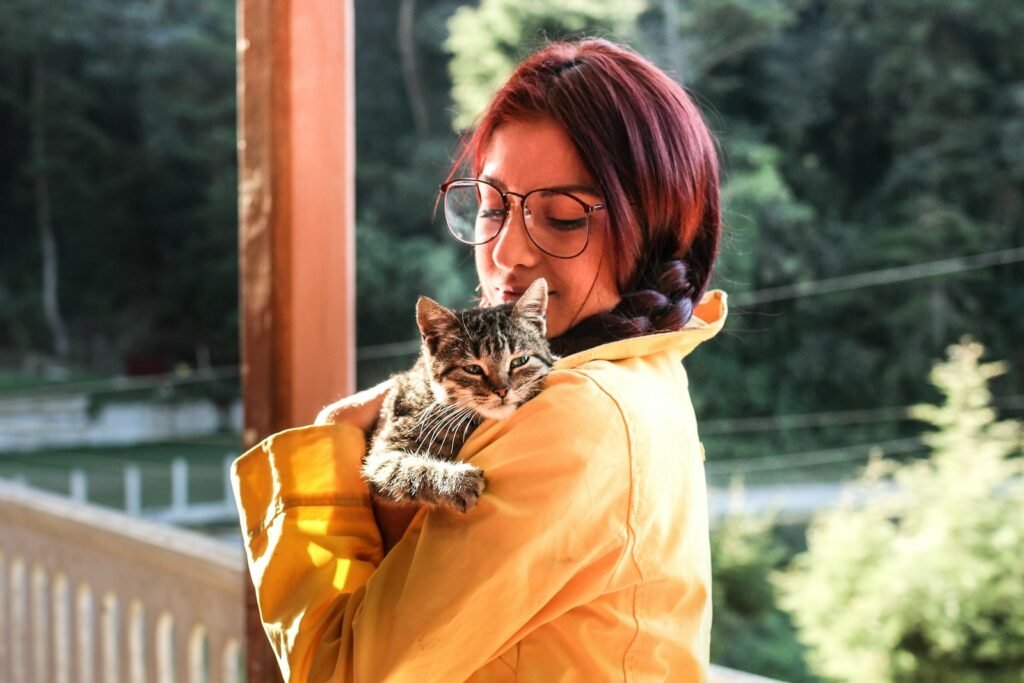
Recent studies show cats can detect human emotions through scent, especially fear, suggesting they’re far more emotionally aware than the old stereotypes suggest. Research found that “fear” odors elicited higher stress levels in cats than “physical stress” and “neutral” odors, suggesting cats perceived the valence of emotional information. Think about that for a moment: your cat isn’t just noticing your mood, they’re actually experiencing a physiological response to it.
Cats used their right nostril more when displaying severe stress behaviors while smelling “fear” and “physical stress” odors, and since the right nostril connects to the right hemisphere of the brain responsible for processing arousal and intense emotions, these odors trigger a higher emotional response. Studies have shown behavioral changes in cats based on their owner’s emotional status, with cats recognizing human facial expressions paired with vocal tones, exhibiting more social behaviors when their owner was happy, and becoming more withdrawn or nurturing when owners exhibited sadness or anxiety. So the next time you’re having a rough day and your cat suddenly appears at your side, that’s no coincidence.
They’re Not Aloof – They’re Securely Attached
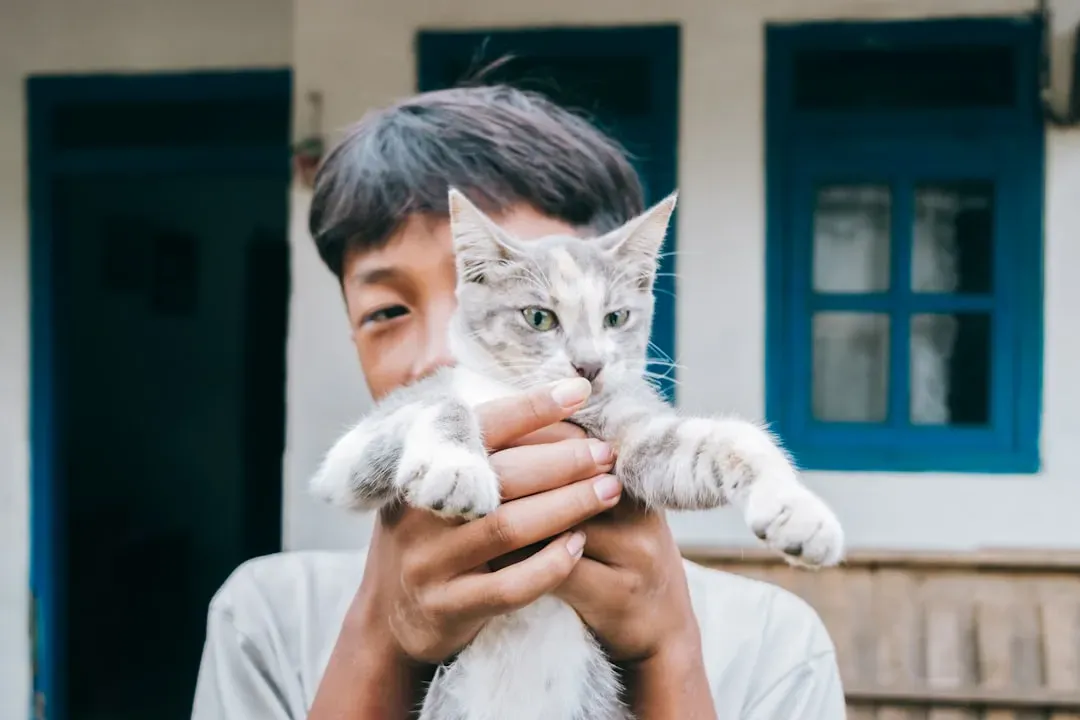
Let’s be real: the biggest myth about cats is that they don’t form bonds with humans. Research from Oregon State University finds that pet cats form attachments with their human owners that are similar to the bonds formed by children and dogs with their caretakers. Of 70 kittens tested, roughly two thirds were categorized as securely attached, which mirrors the proportion in human infants where 65% are securely attached to their caregiver.
Upon a caregiver’s return from a two-minute absence, cats with secure attachment are less stressed and balance their attention between the person and their surroundings, continuing to explore the room. That behavior you thought was your cat ignoring you? It’s actually a sign of trust. Cats that are insecure may run and hide or seem to act aloof, but there’s long been a biased way of thinking that all cats behave this way when the majority actually use their owner as a source of security. Your cat depends on you more than you realize.
Cats Read Your Face Like an Open Book
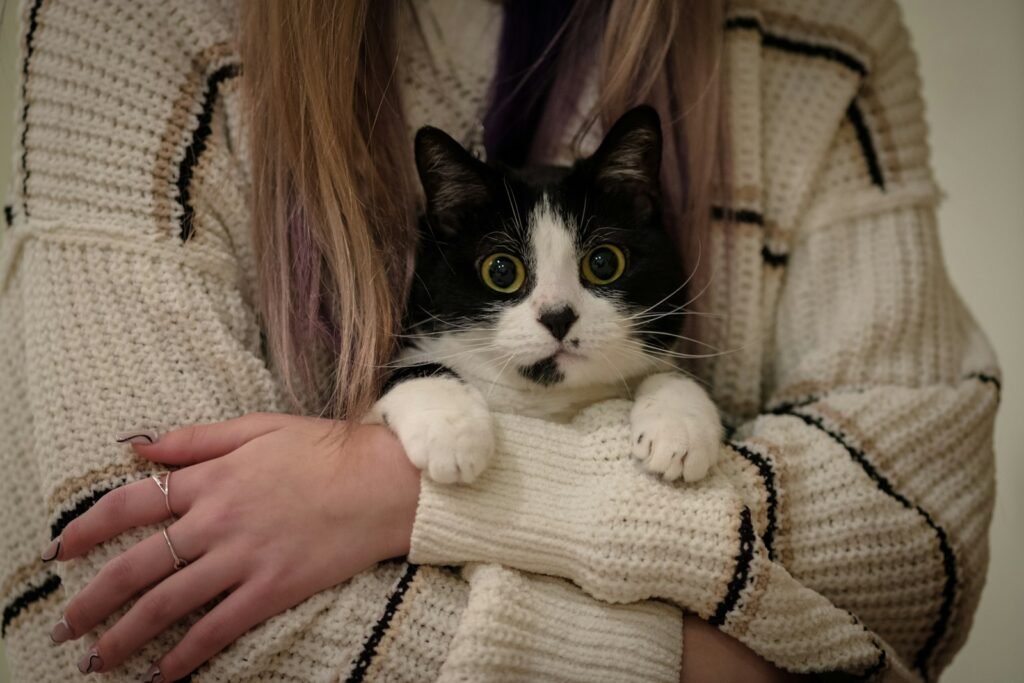
Research demonstrates that cats integrate visual and auditory signals to recognize human and conspecific emotions and modulate their behavior according to the valence of the emotion perceived. Studies involving cats and their owners showed that felines behave differently based on whether their owners are smiling or frowning, exhibiting more frequent positive behaviors like purring, rubbing, or sitting on their owner’s lap when their owner was smiling.
It’s hard to say for sure, but cats may have developed these abilities specifically for living with humans. During domestication, cats possibly developed socio-cognitive abilities for understanding human emotions in order to respond appropriately to communicative signals. They’ve essentially learned our language over thousands of years. Cats have developed specific behaviors and communication methods exclusively for interacting with humans, suggesting they’ve evolved to understand and connect with us in unique ways.
Meowing Is Actually a Special Language Just for You
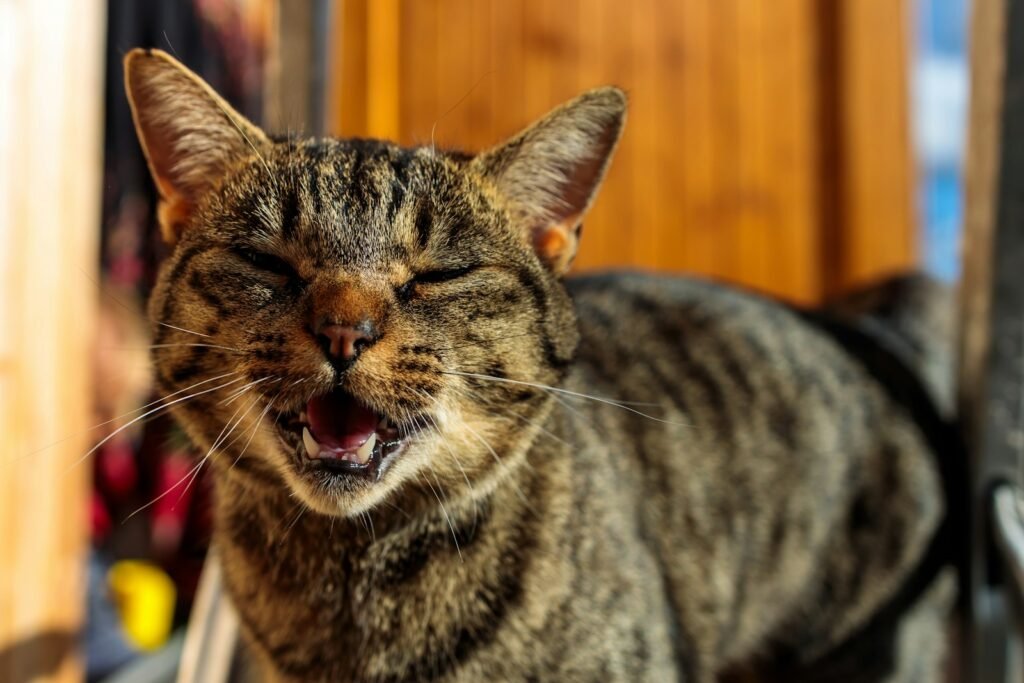
Here’s something that might surprise you: cats rarely meow at each other. Adult cats primarily meow at humans because they’ve learned it’s an effective way to communicate with people, and this vocalization is rarely used between adult cats, representing a special adaptation for human interaction. Think about that: your cat has literally developed a form of communication specifically to talk to you.
Researchers found that women tended to give cats more attention, were usually better at assessing cat emotions, and were more likely to mimic cat vocalizations. Cats adjust their communication style based on who they’re dealing with. Cat greetings are multimodal, may reflect different motivational or emotional states, and can be modulated by external factors such as caregiver sex. They’re tailoring their approach to get through to us, which shows a pretty sophisticated understanding of social dynamics.
We’re the Ones Misinterpreting Them, Not the Other Way Around
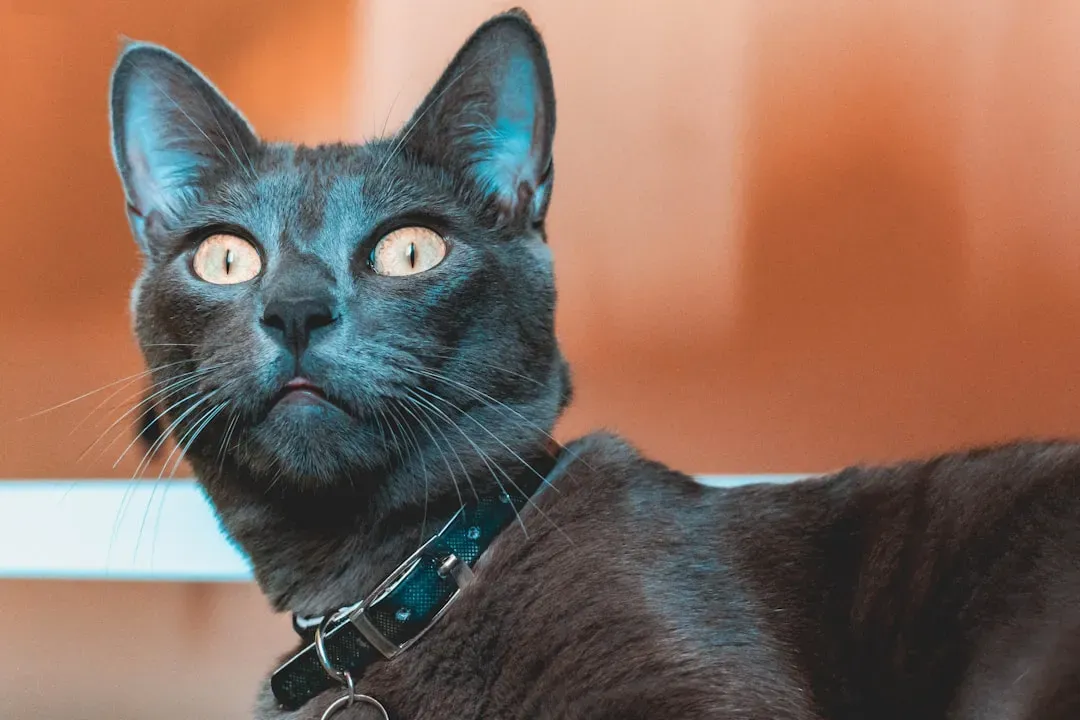
For subtle negative cat behavior videos, participants mostly selected positive emotions rather than negative ones, though the most common responses represented mixed responses like playful and frustrated. In other words, we’re terrible at reading cats when their signals aren’t obvious. Challenges associated with interpreting and managing cat behavior within homes can lead to frustration, missed health problems, and is a leading cause of cats ending up in shelters, and how humans perceive the needs, behavior and emotional state of cats is critically important to cat welfare.
Common misconceptions that cats need less social interaction or are more independent can impact both the amount and quality of social interactions we offer cats, and people who think felines don’t need much attention might be less hands-on, which in turn results in a more aloof kitty. We’re creating the very behavior we complain about. It’s a self-fulfilling prophecy where our expectations shape our cats’ responses to us.
Context Changes Everything About How We See Cats
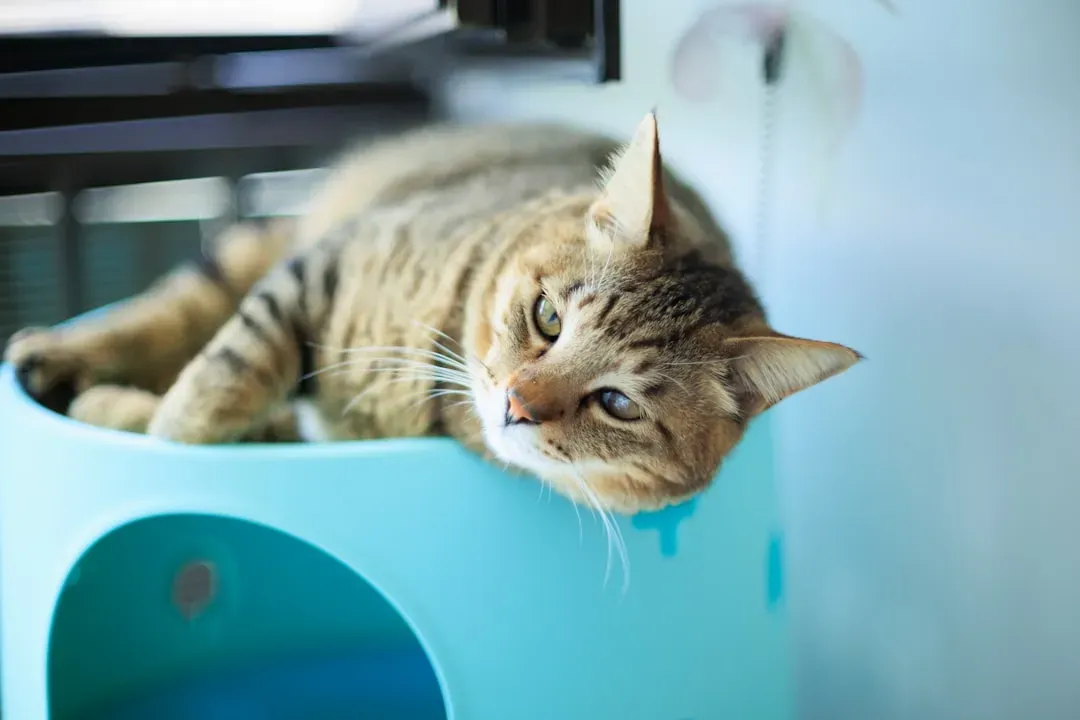
People rated cats as having a more positive emotional state when shown indoors rather than outdoors, even those who believe cats should roam freely outside. Research shows that even subtle environmental cues can shape how people interpret cat emotions, and the study provides compelling evidence that human perception of cat emotion can be directly influenced by context. Our own biases and the setting we see a cat in dramatically affect what we think that cat is feeling.
This has huge implications for how we care for cats. An image of an adoptable cat pictured on an indoor background could result in more positive emotions and a higher likelihood of adoption compared to an image of the same cat taken outdoors. Sometimes the issue isn’t the cat at all – it’s our interpretation filtered through unconscious expectations about what cats should be or how they should behave.
Emotional Intelligence Goes Both Ways
Cats’ ability to respond to human moods, remember emotional experiences, and communicate comfort or distress showcases a notable level of emotional intelligence. Studies show that cats not only sense their caregiver’s mood and stress but often mirror these emotions in surprising ways, and when a person is sad or anxious, their cat may grow more reserved or more affectionate in response. They’re not just passive observers in our lives – they’re active participants in an emotional exchange.
Merely having a cat is associated with reduced negative feelings, while interacting with the cat is associated with positive emotions. The relationship works both ways, creating what researchers call a mutual emotional partnership. Cats are acutely attuned and responsive to their guardians’ moods and movements, and their finely-tuned interpersonal and pro-social capabilities rarely evoke the kinds of negative feelings to which human interactions are susceptible.
Different Attachment Styles Mean Different Needs
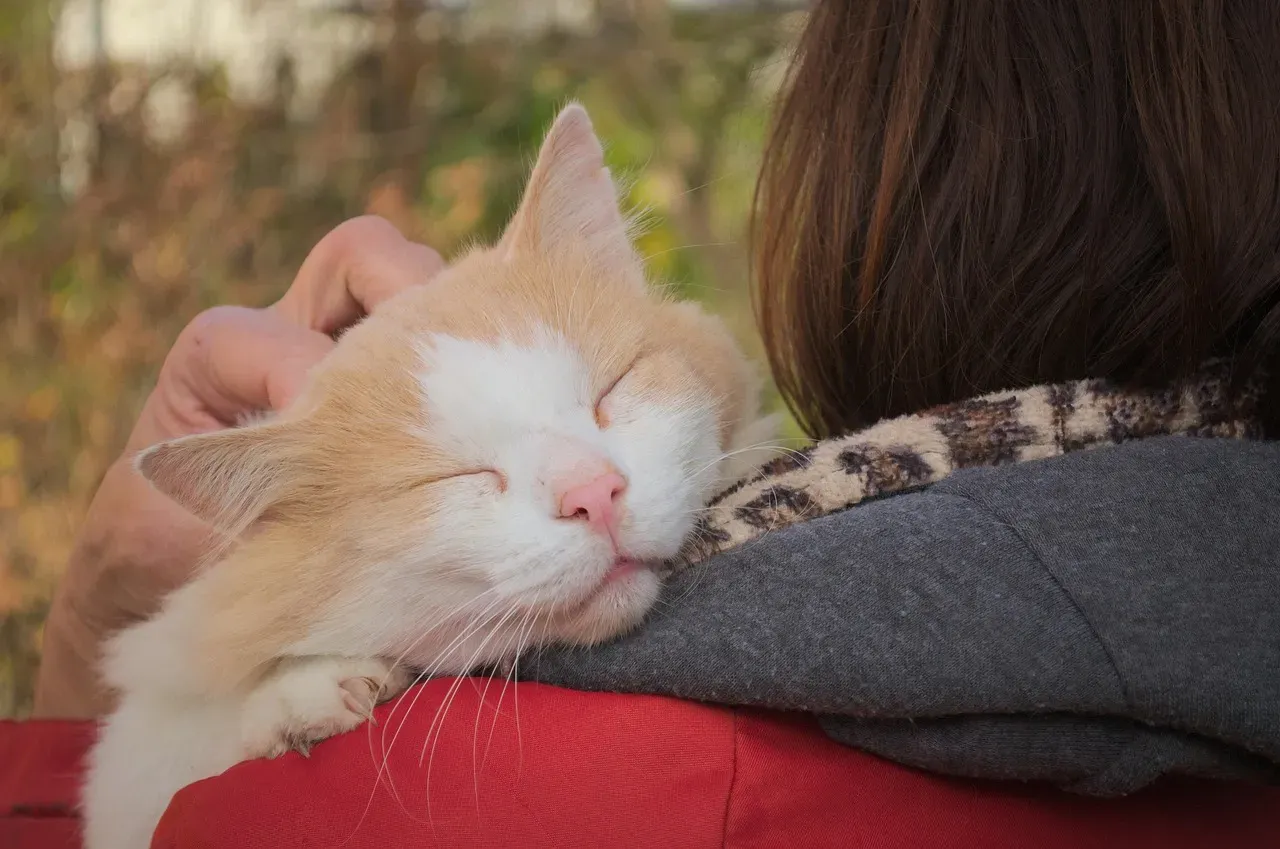
Cats with an insecure attachment show signs of stress such as twitching their tail and licking their lips, and either stay away from the person or cling to them by jumping in their lap and not moving. Not all cats express affection the same way, and that doesn’t mean they love you any less. Anxious or avoidantly attached cats aren’t necessarily less loving, as it all comes down to how they deal with change and separation, and both secure and insecure cats are attached to their caregivers, just their attachment differs in their ability to cope with new situations.
Once an attachment style has been established between the cat and its caregiver, it appears to remain relatively stable over time, even after a training and socialization intervention. This means understanding your individual cat’s attachment style is crucial. A cat who hides when guests arrive isn’t being rude – they might simply be insecurely attached and need extra time to feel safe again.
Cats Understand More Than We Give Them Credit For
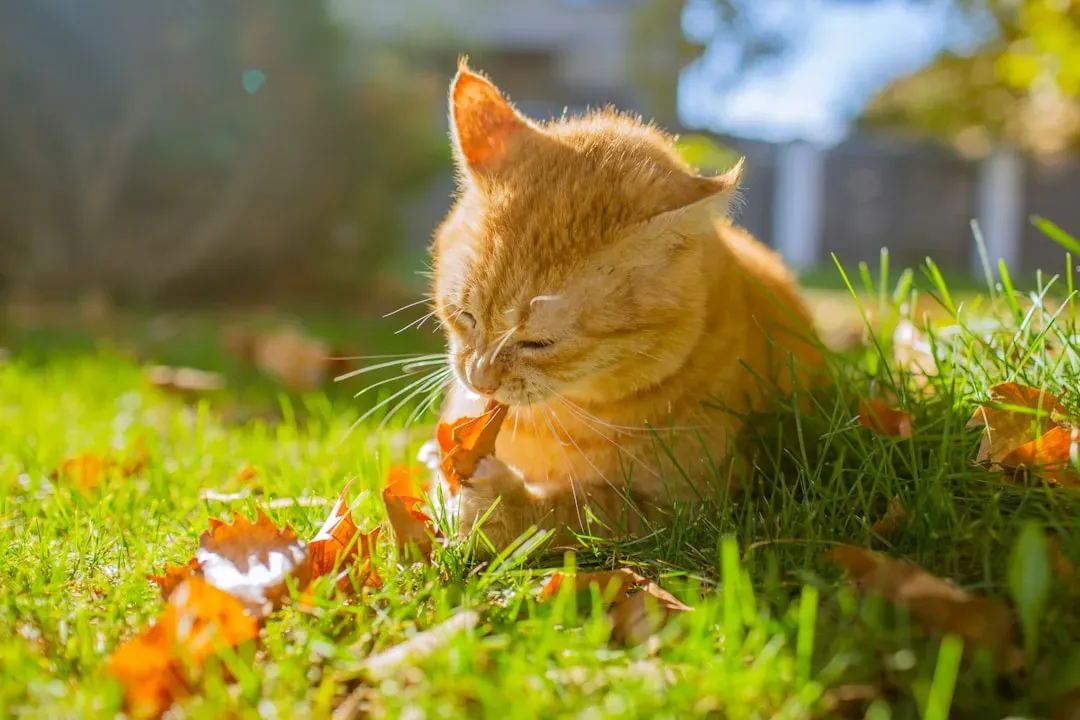
Cats possess remarkable social intelligence when it comes to human interaction. Research suggests we may be underestimating cats’ socio-cognitive abilities. They’re reading our body language, listening to our tone of voice, and even picking up on scent cues we don’t consciously notice ourselves. Recent research on feline recognition of emotion has found that cats can recognize human gestures and expressions, and they behave differently to these emotions, picking up on human emotions.
Honestly, it makes sense when you think about it. Cats have been living alongside humans for thousands of years. Studies of the way domestic cats respond to their caregivers suggest that their socio-cognitive abilities and the depth of their human attachments have been underestimated. They’ve had plenty of time to figure us out, even if we haven’t quite figured them out yet.
The Science Is Rewriting Everything We Thought We Knew
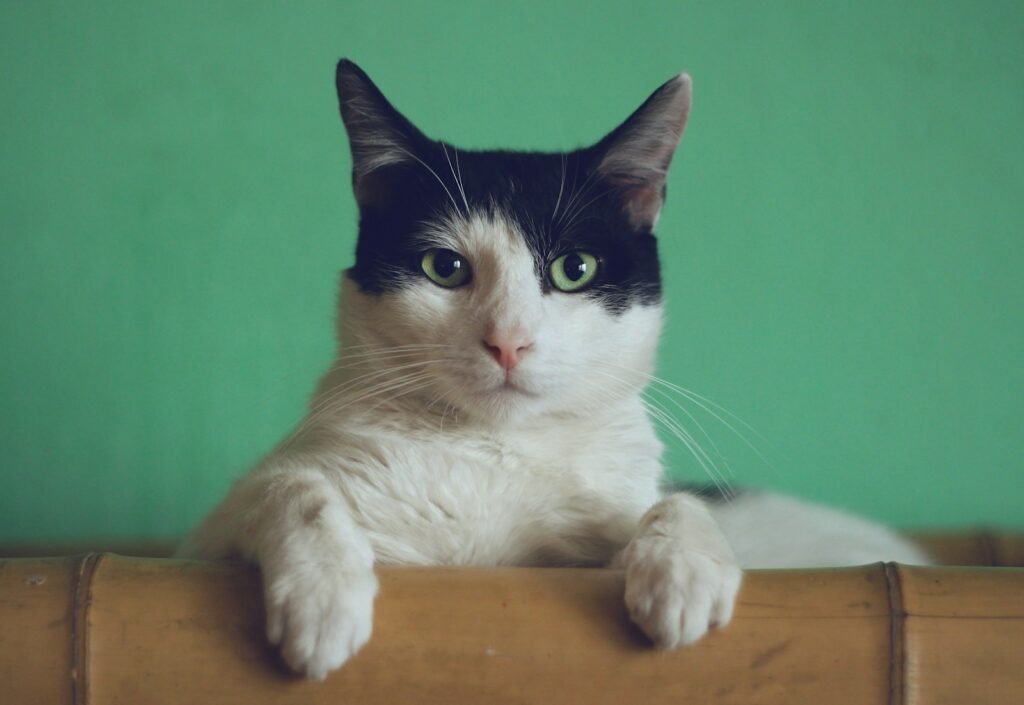
Historically cats have received less research attention than their canine counterparts and their cognitive abilities were less recognized, but in the last 10 years research focusing on trying to better understand our feline companions has grown. We’re finally catching up to what cat lovers have known all along. Cat psychology today reveals just how emotionally intelligent and socially adept our feline companions truly are, challenging the old stereotype of the aloof or uncaring housecat.
These findings challenge the stereotype of cats as indifferent to human emotions, and while they may not express their attachment in the same overt ways as dogs, cats are clearly tuned into the emotional states of their humans, not only recognizing human emotions but responding to them in ways that reflect their own emotional states. The evidence is piling up, and it’s painting a picture of cats as deeply emotional, socially intelligent creatures who’ve been misunderstood for far too long.
Conclusion: Time to Rethink Everything
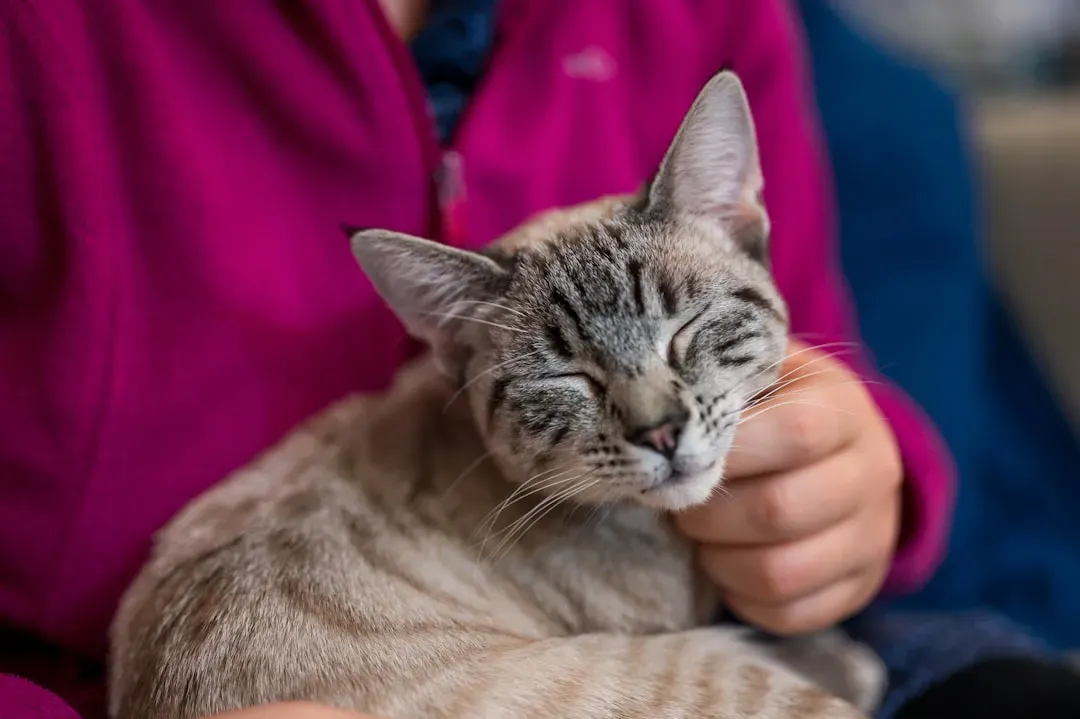
The myth of the aloof cat is exactly that – a myth. Your cat isn’t ignoring you when they walk away after you return home. They’re not being manipulative when they meow at you. They’re not emotionally distant just because they don’t greet you at the door every single time. They’re communicating in their own complex, nuanced language that we’re only just beginning to understand.
The truth is, cats are emotionally rich creatures with deep attachment bonds, sophisticated communication strategies, and a remarkable ability to read and respond to human emotions. They’ve adapted specifically to live with us, developing behaviors they use with no other species. They depend on us for security, they mirror our moods, and they adjust their behavior based on what they sense we need.
What do you think about all this? Has your perception of your cat changed after reading this? Maybe it’s time we all gave our feline friends a little more credit for the emotional depth they’ve been showing us all along.
Kristina is a young writer from India. An arts graduate and an avid content creator, Kristina is passionate about animals and wildlife. She enjoys exploring topics related to pet care, animal behavior, conservation, and nature, combining thorough research with engaging storytelling.