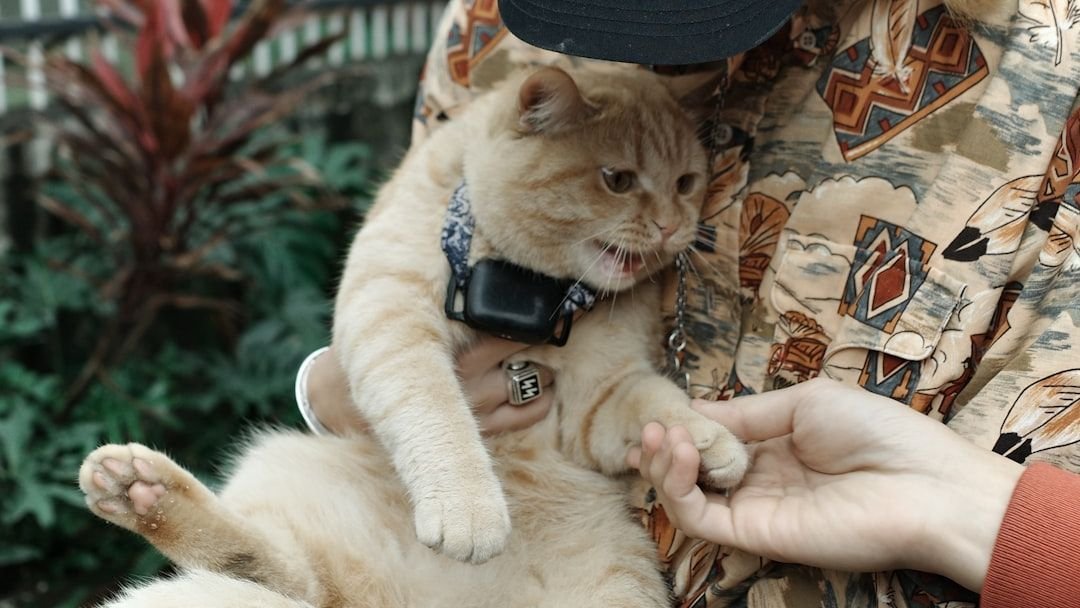
You love your cat deeply. You’ve invested in the best food, upgraded their litter box, and even installed that fancy cat tree near the window. Yet somehow, your feline companion still gives you that piercing stare occasionally, the one that seems to say you’ve committed some unspeakable offense. Here’s the thing: cats are complex creatures with particular preferences, and what you think is loving behavior might actually be driving them crazy. Let’s uncover some surprisingly common habits that might be rubbing your furry friend the wrong way.
Picking Them Up Without Permission
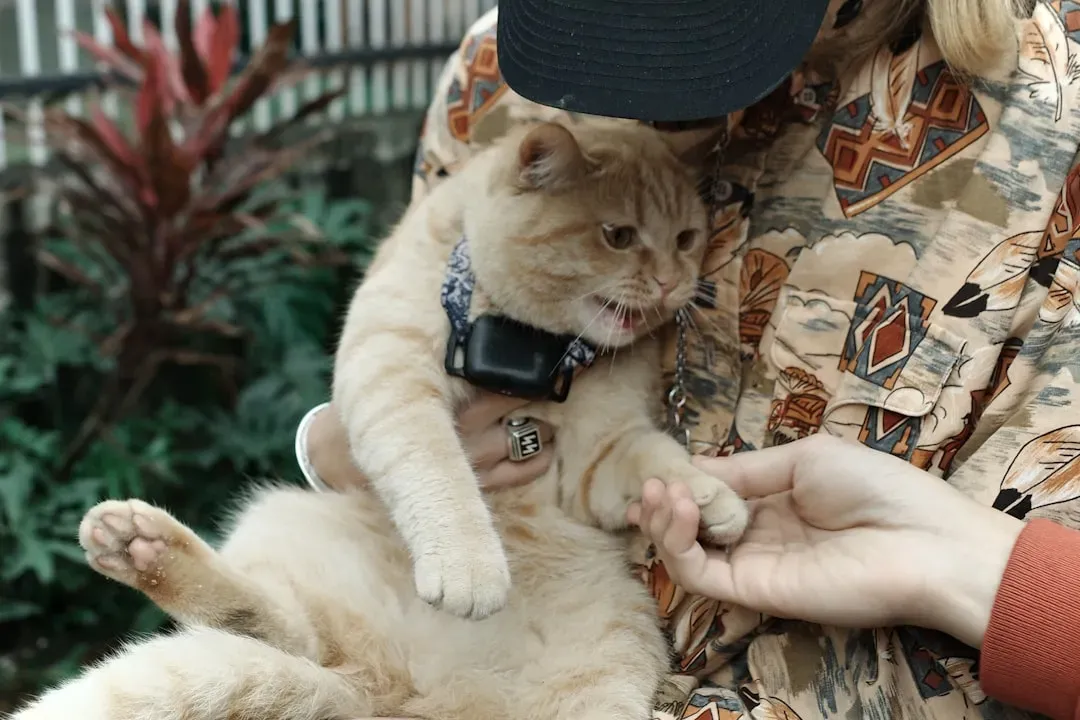
You may want to hold your kitten in your arms, but let them come to you before hoisting them into an embrace, as unwanted hugs and carrying may cause stress for cats and leave owners contending with scratches from an upset pet. Think about it from their perspective: suddenly being lifted off the ground without warning feels like losing control, and cats are all about maintaining their sense of autonomy.
As tempting as it is to cuddle them constantly, cat parents need to play it cool, as cats value their independence and can become irritated if they feel crowded or constantly handled. Your cat might tolerate your affectionate grabbing, but tolerance isn’t the same as enjoyment. Instead, let your cat approach you when they want attention. Wait for them to rub against your legs or hop onto your lap on their own terms. This simple shift in approach can dramatically improve your relationship and reduce their stress levels.
Touching Their Belly or Tail
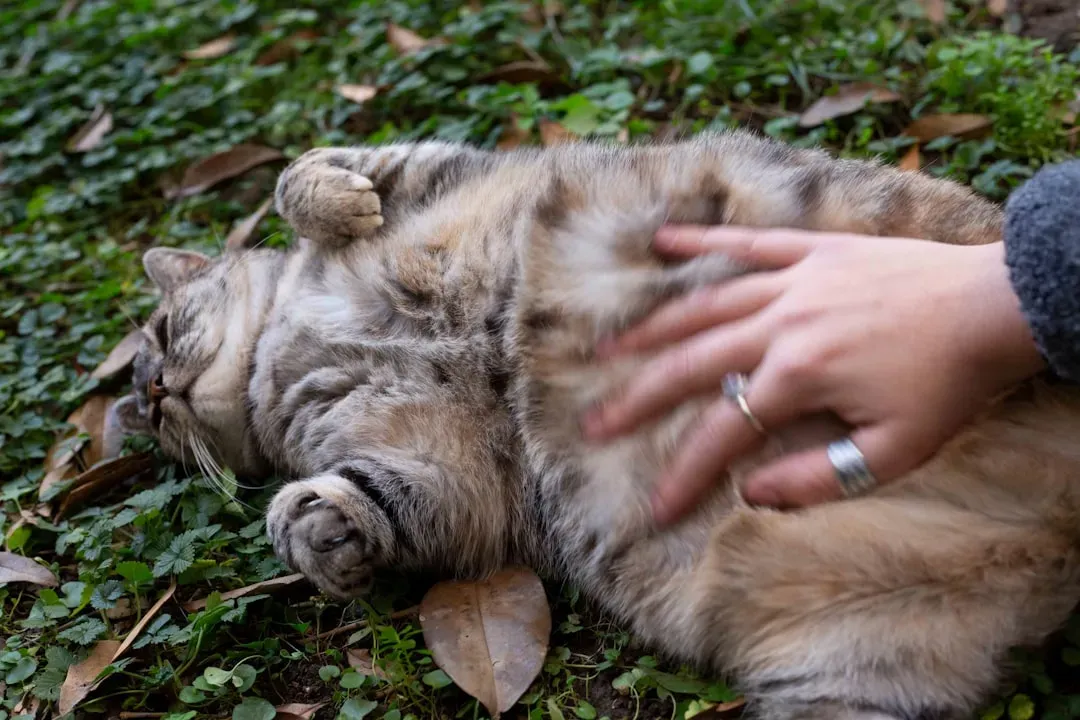
That fluffy belly might look irresistible when your cat rolls over, but resist the urge to dive in. Many cats hate it when you pet their tummy, as a fluffy kitty belly is usually not an invitation to rub their tummy. When cats expose their belly, they’re often showing trust, not requesting a belly rub like a dog would. Reaching for that vulnerable area can trigger their defensive instincts instantly.
Many cats find it upsetting when their tail is touched, as it’s a sensitive area packed with nerves and an extension of the spine and a key way cats express emotions like excitement, fear, or irritation. The tail is basically an emotional barometer for your cat, and interfering with it while they’re using it to communicate can be genuinely uncomfortable for them. Stick to safer zones like behind the ears, under the chin, or along the back near the shoulders.
Neglecting Their Litter Box
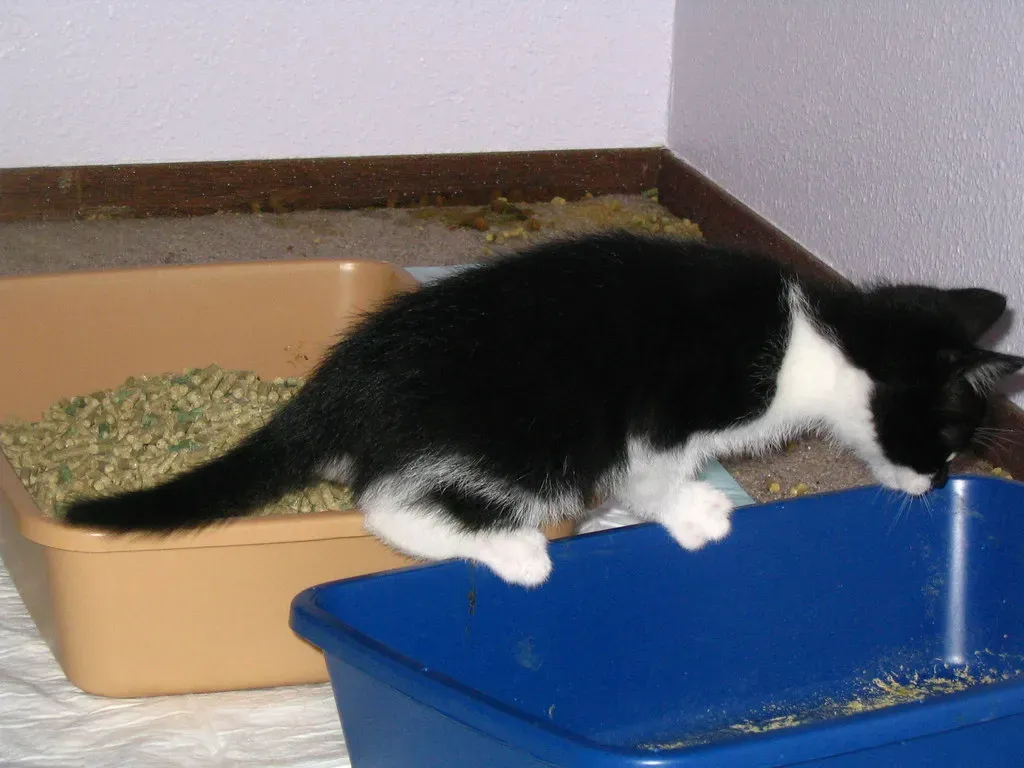
Being an attentive, responsible cat owner means taking care to clean out their litter box regularly and effectively, as leaving cats with dirty litter boxes will earn their ire and could prove hazardous to your health and theirs. Cats are fastidious animals who pride themselves on cleanliness. A dirty litter box isn’t just unpleasant; it violates their natural instincts.
Many cat owners neglect to keep the litter boxes as clean as they should, and if the litter box gets too dirty and smelly, your cat may begin looking for other places in your home to relieve themselves, such as on your bed or in your shoes. You wouldn’t want to use a filthy bathroom, right? Your cat feels exactly the same way. Scoop daily and completely change the litter weekly. If you have multiple cats, remember the golden rule: one litter box per cat, plus one extra. This simple maintenance task can prevent countless behavioral issues down the road.
Constantly Changing Their Routine or Environment
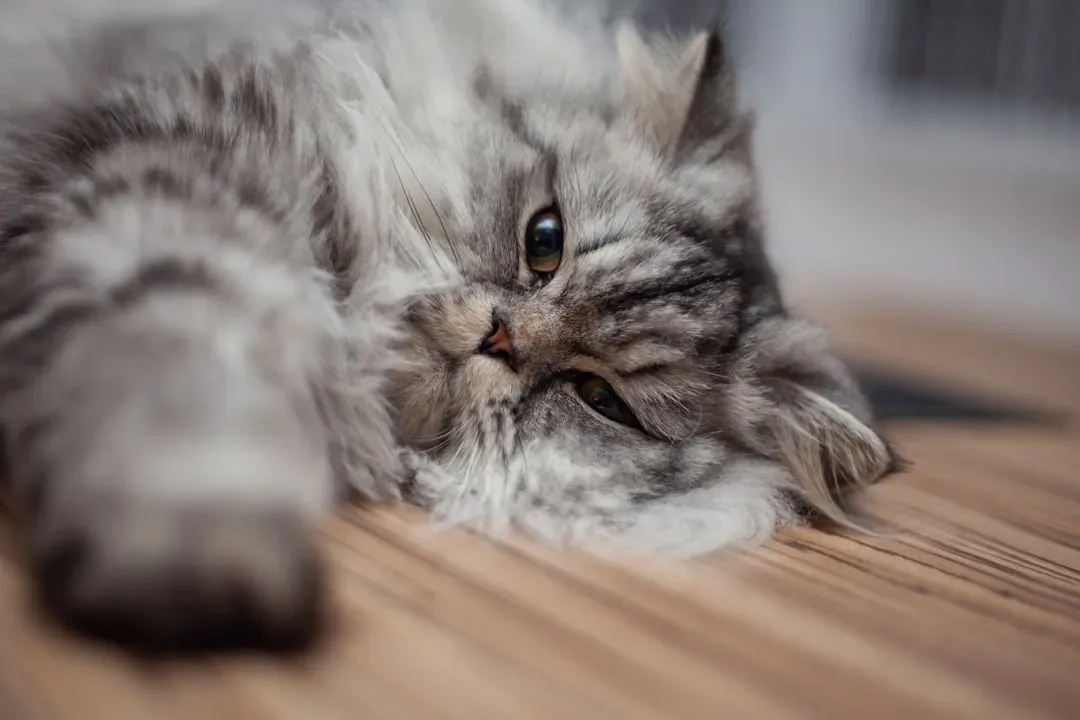
Cats thrive on routine and predictability, and even small disruptions can be stressful for them, as things that shake up these routines or introduce something new can make cats feel like their boundaries have been crossed, and while these changes may seem insignificant to humans, they can be a major source of stress for cats. Maybe you rearranged the living room furniture last weekend or suddenly started feeding them an hour later than usual. To you, it’s no big deal, but your cat’s entire world just got turned upside down.
Because they are creatures of habit, cats see changes in their environment as stressful, and even if you are taking them from a bad environment to a better one, they will likely at least initially experience stress, which could lead to behavior problems. Cats find security in predictability. Their internal clock is remarkably precise, and they expect meals, playtime, and bedtime to happen at consistent times. When you disrupt this pattern without warning, anxiety creeps in. If changes are necessary, introduce them gradually and maintain as much of their routine as possible throughout the transition.
Ignoring Them or Not Providing Enough Interaction
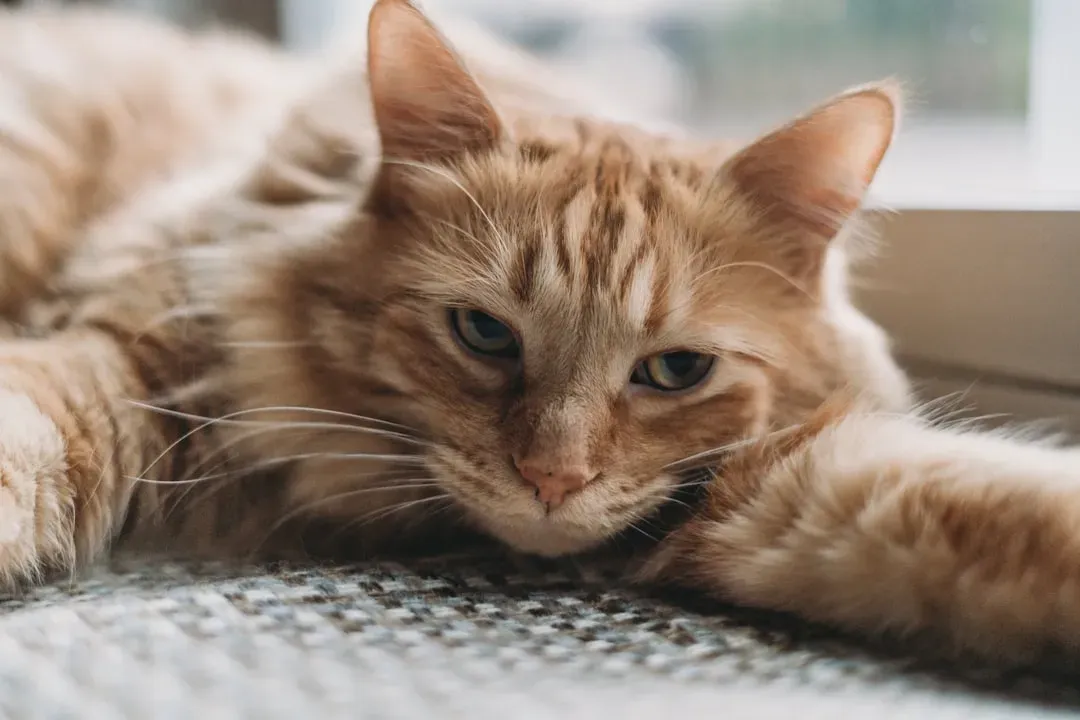
Sure, cats have a reputation for being aloof, but that doesn’t mean they want to be ignored. While they often seem aloof and can be remarkably self sufficient, cats still crave attention and affection, and getting into the habit of leaving cats by their lonesome can make them anxious and negatively impact your bond. The myth that cats are completely independent is just that – a myth.
Dogs aren’t the only pets that get lonely and bored when you spend the whole day at work, and cat owners should give their pets food puzzles when they’re alone as they’ll be too busy solving problems for snacks to miss you much. Your cat needs mental stimulation and social engagement. Honestly, I think many behavioral problems stem from sheer boredom. Dedicate time each day for interactive play, whether it’s chasing a feather wand or stalking a laser pointer. These sessions fulfill their hunting instincts and strengthen your bond. Neglecting this aspect of their care can lead to destructive behavior and genuine unhappiness.
Petting Them the Wrong Way
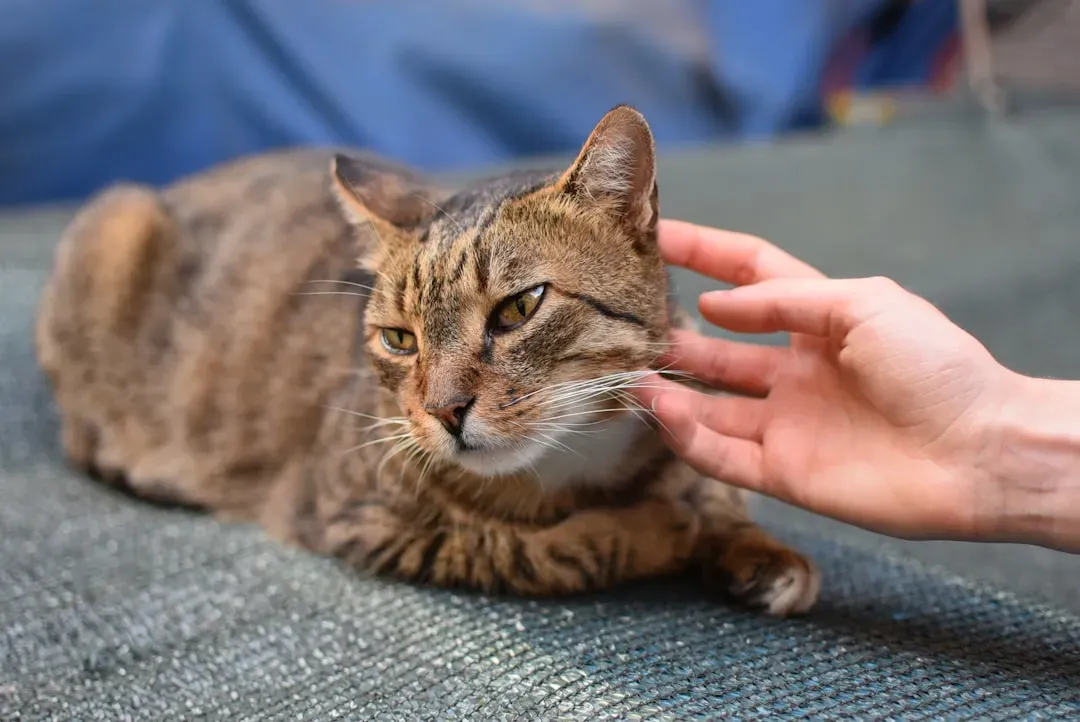
Many cats have very specific preferences for how they want to be pet, and most cats hate it when you pet them too aggressively or pet their fur the wrong way. Every cat has their own map of preferred and forbidden zones. What works for one cat might be completely off-limits for another. Paying attention to their body language is crucial here.
Watch for signs that your cat has had enough: a twitching tail, flattened ears, or sudden restlessness all signal that you should stop. Some cats adore chin scratches but despise having their back touched. Others love being stroked along their spine but will bite if you touch their paws. Learn your cat’s unique preferences through gentle experimentation and observation. When they lean into your hand, purr, or close their eyes contentedly, you’ve found a winner. When they pull away or give you that warning stare, respect the boundary immediately.
Using Loud Noises or Playing Loud Music
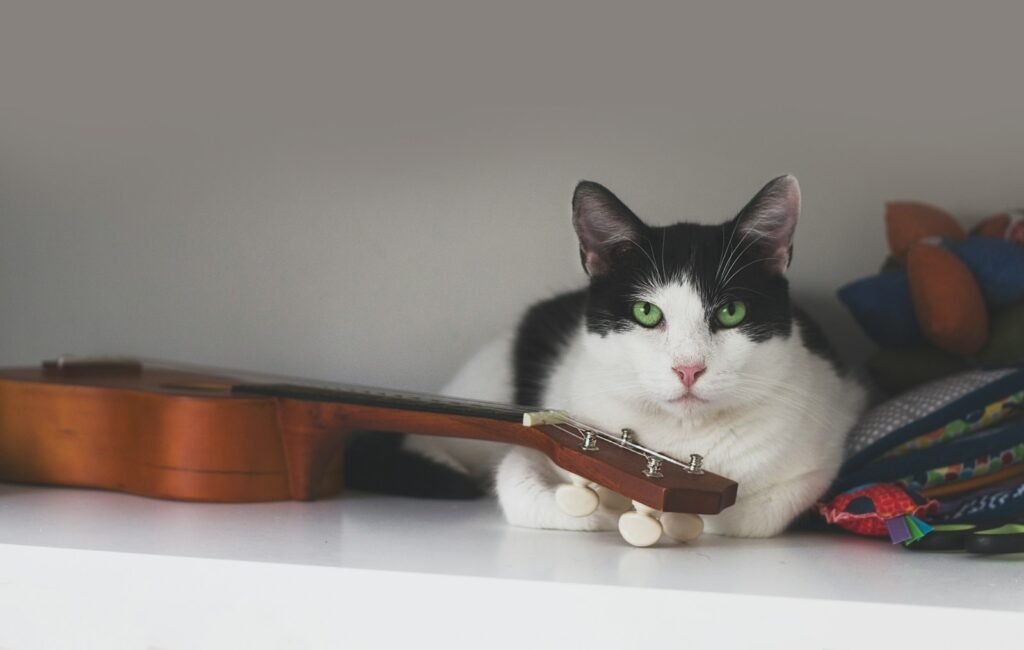
Cats have sensitive ears, and sudden loud sounds, like yelling, vacuum cleaners, or fireworks, can scare or stress them. Their hearing is significantly more acute than ours, which means what sounds moderately loud to you might be overwhelming for your cat. That booming bass from your home theater system or your enthusiastic karaoke session might be sensory overload for your feline companion.
Blowing in your cat’s face is an action to avoid, as cats have sensitive noses, and blowing air directly at them can be unpleasant and can cause stress and anxiety. Creating a peaceful environment isn’t about walking on eggshells, but being mindful of noise levels goes a long way. If you’re vacuuming, give your cat advance warning and provide them a quiet room to retreat to. During particularly noisy events like parties or construction work, set up a sanctuary space where your cat can escape the commotion with their favorite bedding, toys, and water nearby.
Introducing Changes Too Quickly

Many cats prefer routine, and varying your cat’s diet may annoy them, as changing their food flavor and texture frequently might not be the culinary adventure you hope it will be, and introducing a new type of cat food can upset your cat’s stomach. You might think you’re being thoughtful by offering variety, but your cat likely prefers consistency. The same principle applies to bringing new pets into the household.
If you only have one cat, bringing home a companion might not be a nice thing to do, especially if your cat is full-grown, as adult cats can be territorial and often prefer solitude, and adding another cat to your home may trigger stress and disrupt their established routine. If you must introduce another cat, do it slowly over several weeks with careful scent swapping and supervised meetings. Rushing this process almost guarantees conflict and stress. Let’s be real: patience during transitions might test your limits, but it prevents long-term behavioral issues that are far more frustrating to deal with.
Conclusion
Understanding what annoys your cat isn’t about walking on eggshells or completely changing your lifestyle. It’s about recognizing that your feline friend experiences the world differently than you do. Their sensitivity to touch, sound, and routine changes isn’t them being difficult – it’s simply how they’re wired. By respecting their boundaries, maintaining consistent routines, and paying attention to their body language, you’ll create a harmonious home where both you and your cat can thrive.
The beauty of cats is their honest communication once you learn to read it. They’ll tell you exactly what they like and dislike if you’re watching closely enough. What surprised you most on this list? Did your cat’s mysterious behavior suddenly make more sense? Share your experiences in the comments below – we’d love to hear what quirks your feline friend has taught you to avoid.