10 Clever Ways Cats Manipulate Their Humans (and Get What They Want)
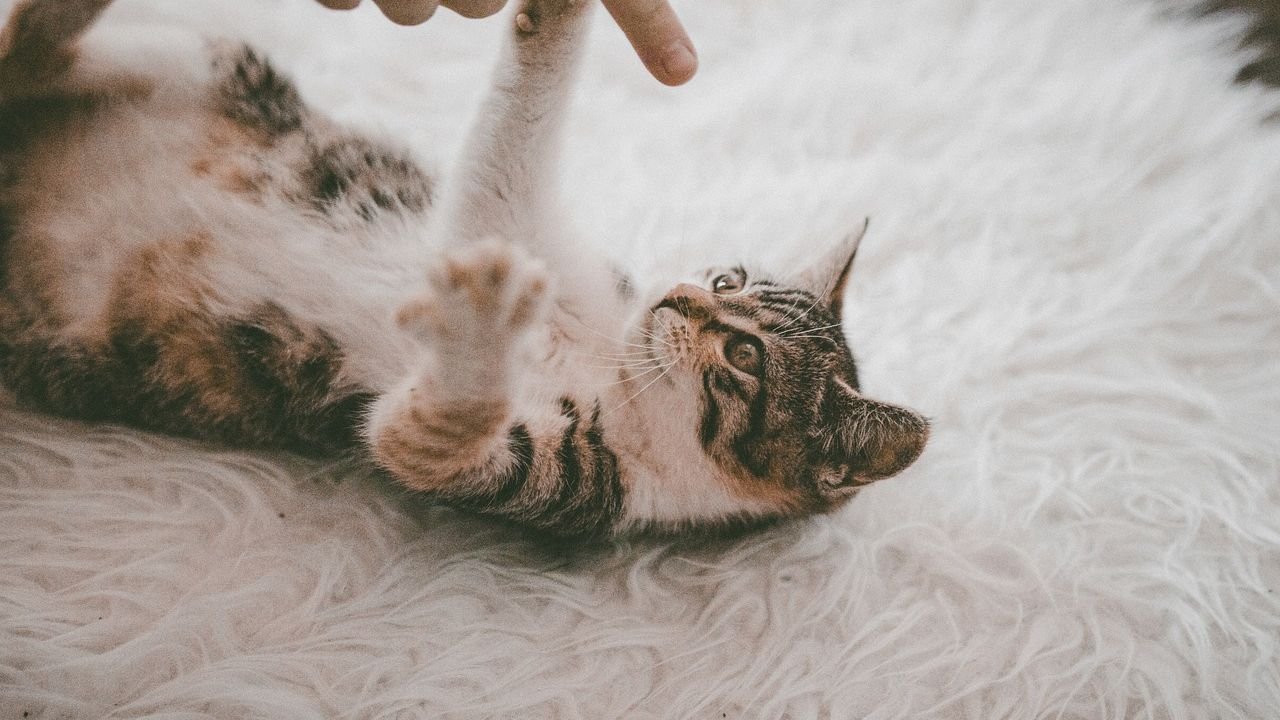
You've probably noticed something by now. Your cat seems to have this uncanny ability to get exactly what they want from you, precisely when they want it. Whether it's waking you at dawn for breakfast or convincing you to abandon your work for lap time, these furry companions have mastered the art of influence. Some call it manipulation, others call it charm. Either way, your cat has you wrapped around their little paw.
Let's be real, felines have been living alongside humans for thousands of years, and they've had plenty of time to figure us out. They've observed our behaviors, learned our patterns, and developed surprisingly sophisticated techniques to control our actions. It might sound devious, but here's the thing: it's not malicious. It's just how they've learned to communicate and get their needs met in a human-dominated world. So let's dive into the fascinating ways your cat pulls your strings without you even realizing it.
The Solicitation Purr That Tugs at Your Heartstrings
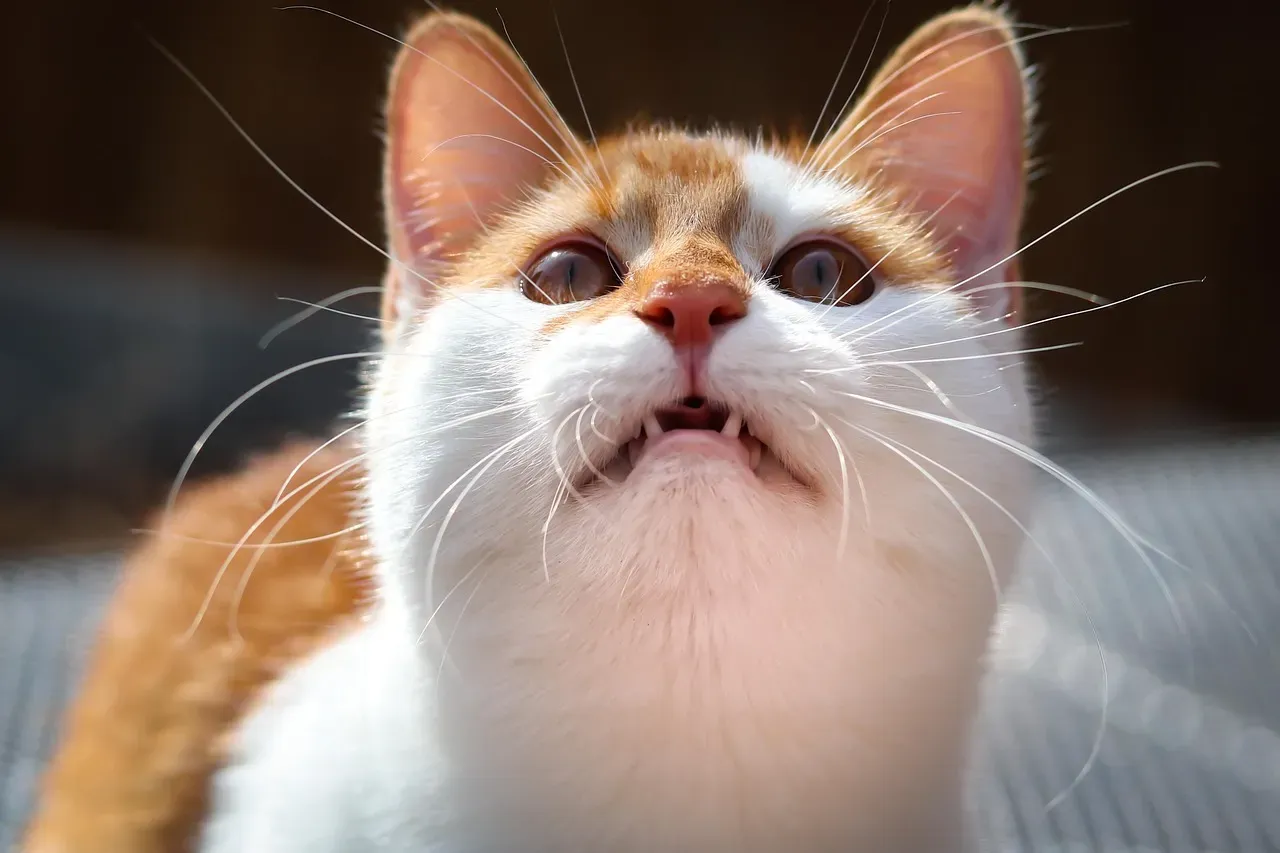
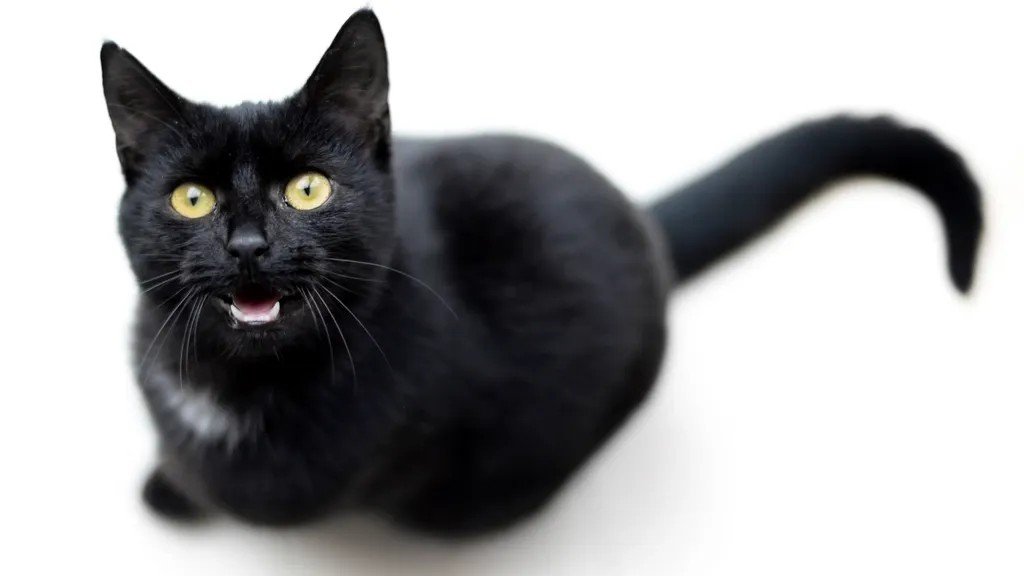
Research published in Current Biology revealed that cats use a special solicitation purr with a high-pitched cry embedded within it. This frequency is remarkably similar to that of a crying infant, which makes it nearly impossible for you to ignore. When your cat wants food or attention, they switch from their regular low, droning purr to this urgent, almost irritating sound that compels you to respond immediately.
Cats learn to dramatically exaggerate this cry when it proves effective, particularly those in one-on-one relationships with their owners. Think about it: your cat has essentially hacked into your nurturing instincts, the same ones that prevent you from ignoring a baby's cry. Every time you respond to that insistent purr by filling the food bowl or offering affection, you're reinforcing the behavior. Your cat knows exactly which buttons to push to make you cave.
Strategic Vocal Adjustments for Maximum Impact
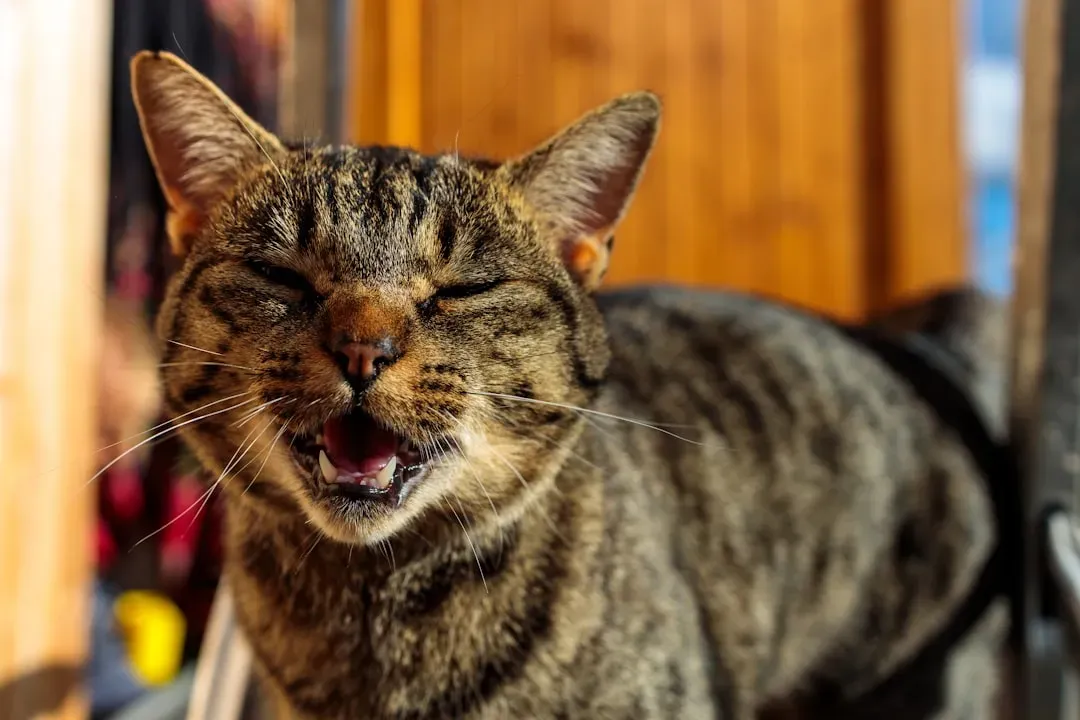
Cats adjust their meows depending on context and how you respond, with sharper calls for food and softer meows during friendly moments. They don't meow at other cats this way, only at humans. Your cat has basically created a custom language designed specifically for you. Over time, they've tested different vocalizations to see which ones work best, fine-tuning their repertoire based on what gets results.
Domestic cats meow far more than feral cats and rarely use meowing to communicate with fellow felines. This vocal manipulation is a learned behavior that has developed over generations of domestication. Your cat might have three different meows for "I'm hungry," "The litter box needs cleaning," and "Pay attention to me right now." Each one has been carefully calibrated to trigger a specific response from you, and honestly, it works like a charm.
Positioning Themselves Where You're Already Looking
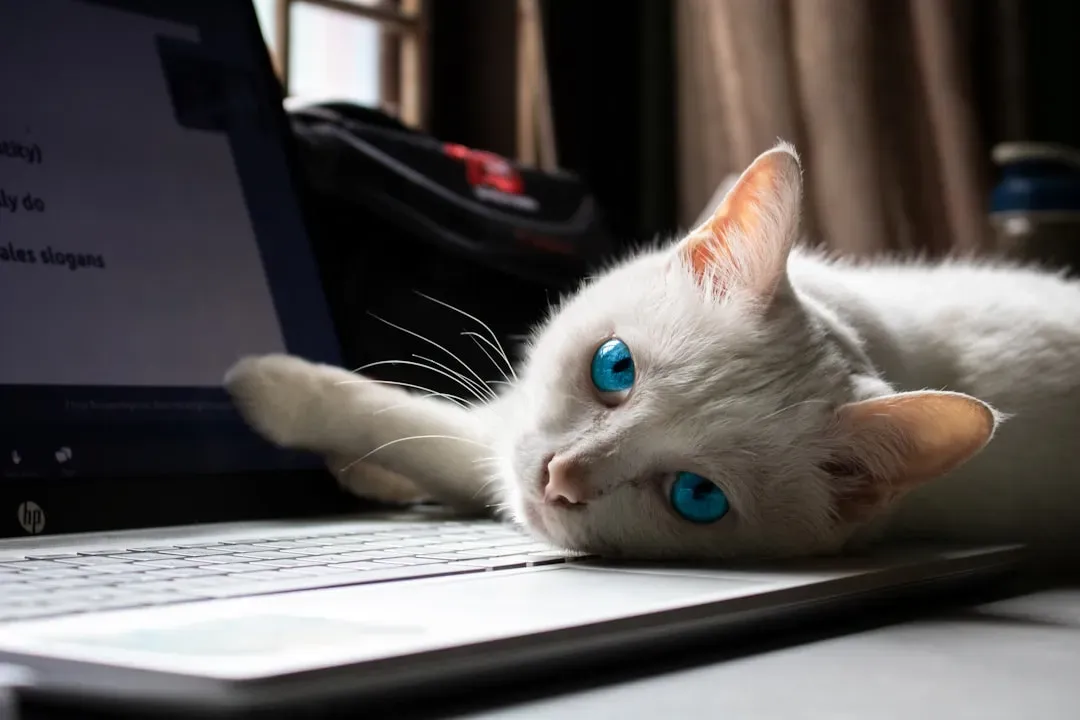
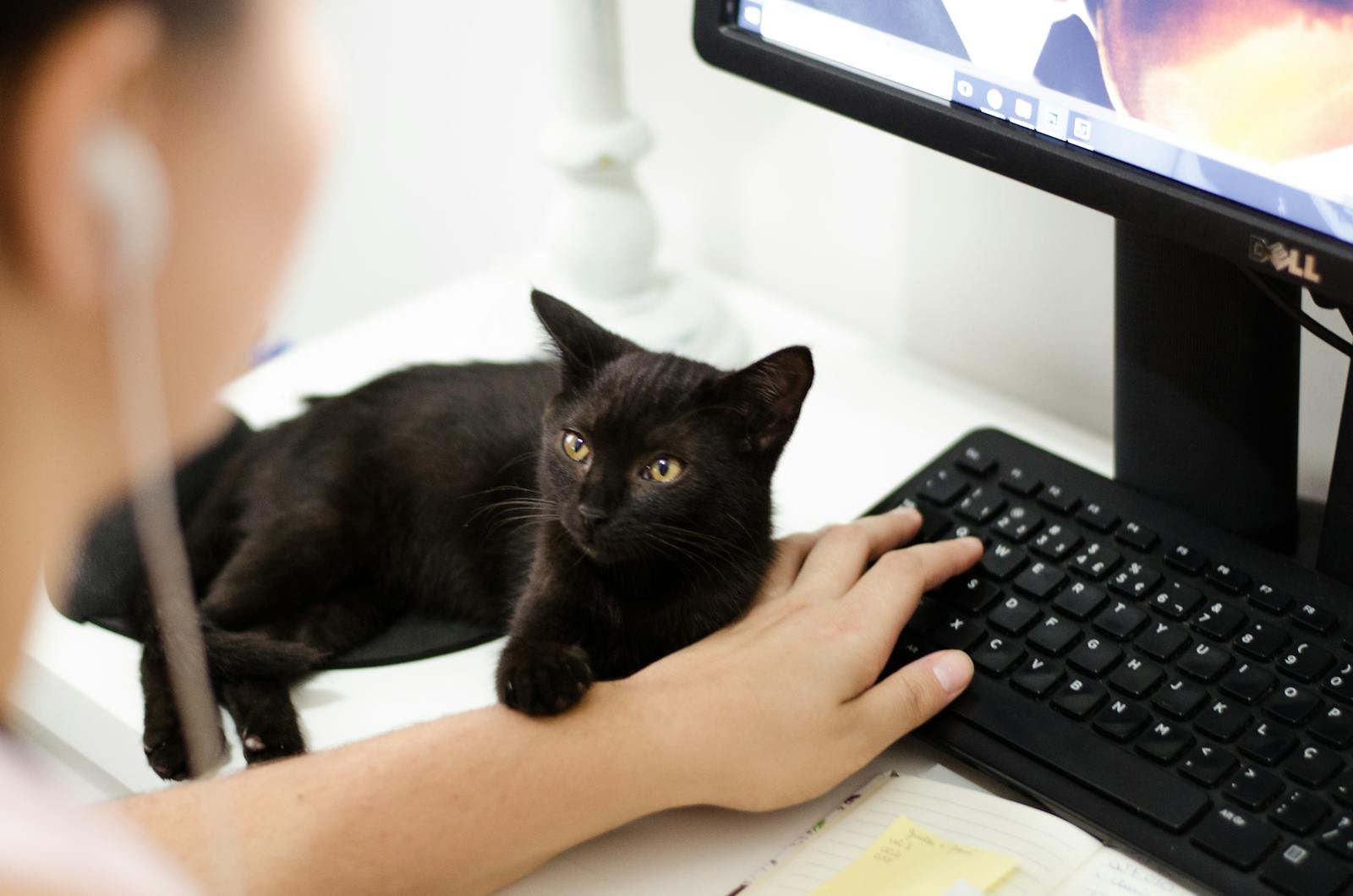
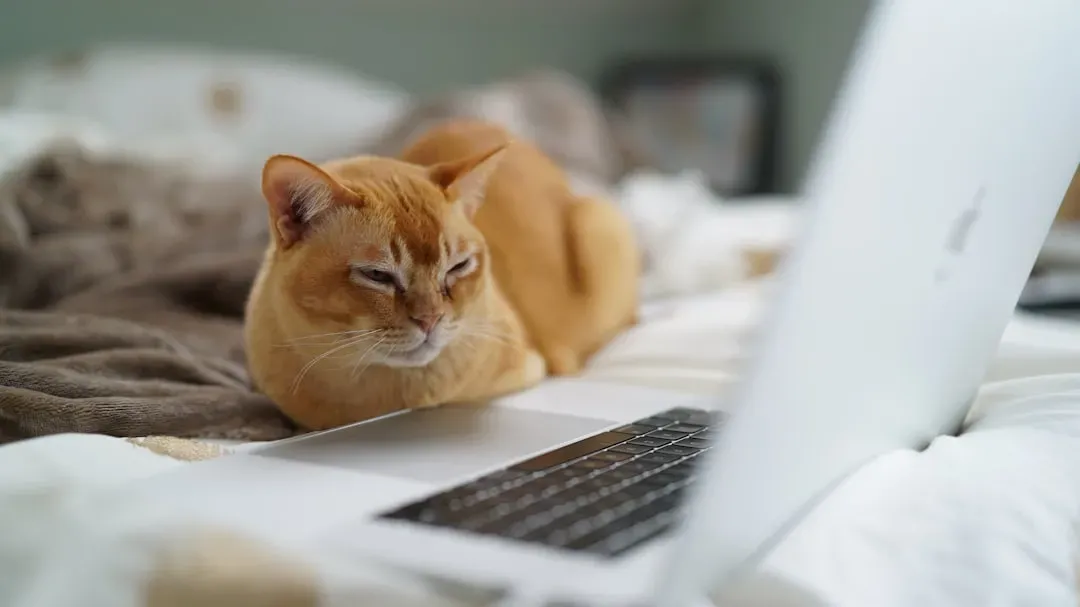
When your cat sits on your keyboard or book, it's because they've noticed how intensely you focus on that object, making it a high-value spot that redirects your attention back to them. This isn't random. Your cat understands that whatever commands your attention must be important, so they simply insert themselves into that space. Suddenly, your laptop becomes a cat platform, and your paperwork becomes a nap spot.
This tactic is brilliant in its simplicity. Instead of competing for your attention from across the room, your cat eliminates the competition by physically occupying the thing you're focused on. You can't exactly type through a cat, can you? They've effectively forced your hand without any aggression or drama, just by understanding spatial dynamics and your predictable reactions. It's hard not to admire the strategy, even when you're on deadline.
The Masterful Head-Bump and Scent-Marking Combo
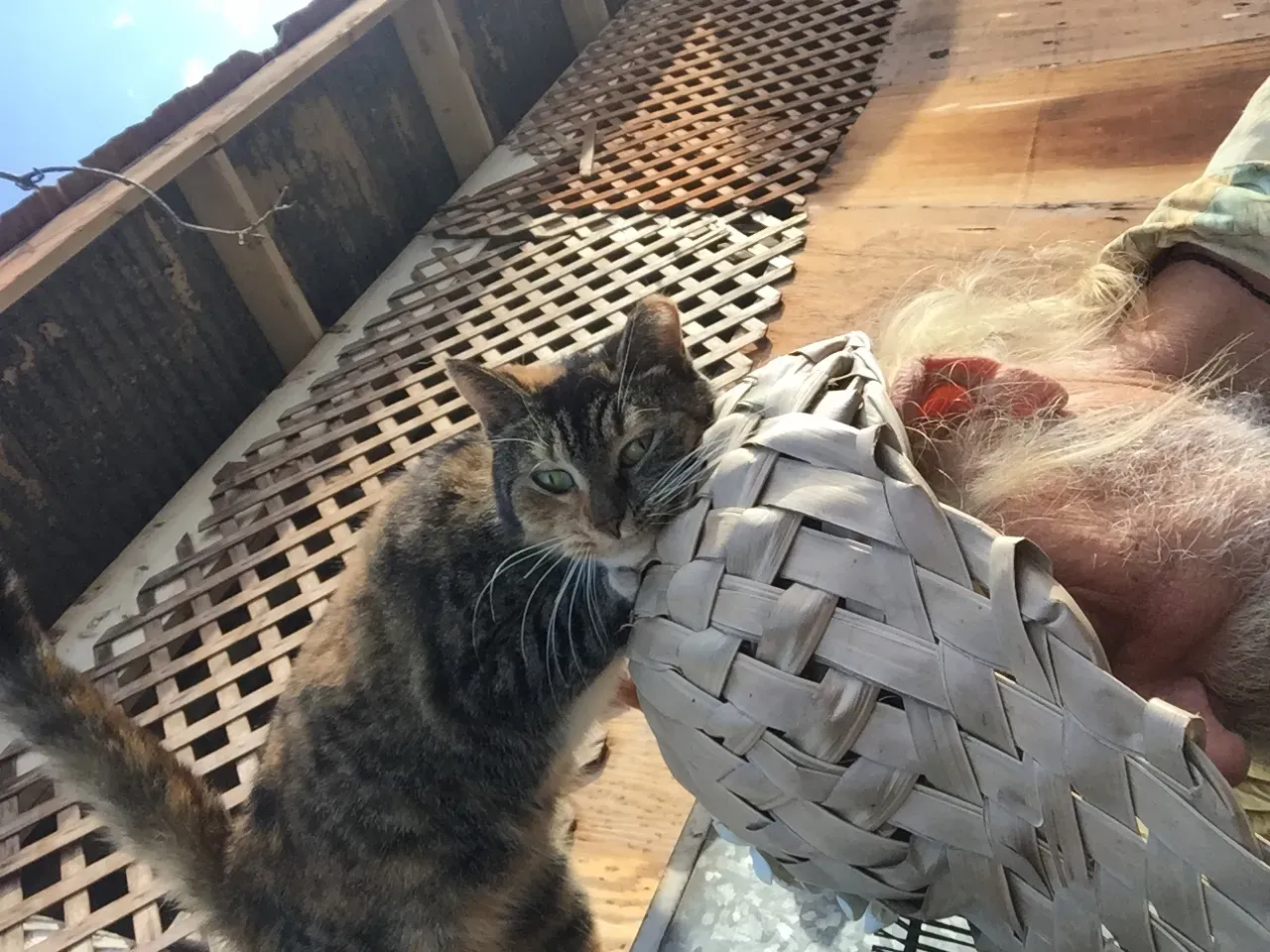
A soft nudge to your face or chin leaves scent markers, and this behavior involves depositing pheromones from facial glands as a way to claim ownership and signal familiarity. When your cat bunts against you, they're doing two things simultaneously: showing affection and marking you as their territory. It feels sweet and endearing, which is precisely why it works so well as a manipulation tactic.
You interpret this behavior as pure love, and maybe it is, to some degree. However, it also serves a functional purpose for your cat. By marking you with their scent, they're establishing claim and creating a familiar environment that makes them feel secure. You respond to these head-bumps with petting, holding, or staying nearby, which is exactly what your cat intended. They've trained you to associate their scent-marking behavior with affection, creating a feedback loop that benefits them perfectly.
Exploiting the Power of Kneading Behavior
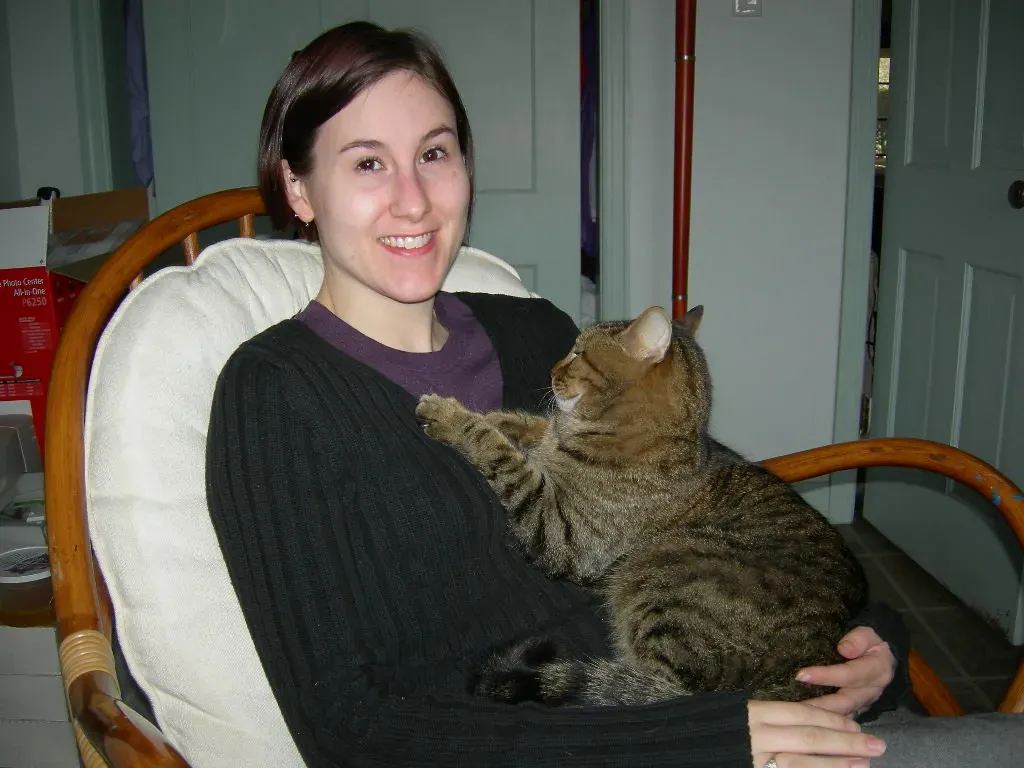
When your cat kneads, you instinctively relax, remain still, or gently stroke them, with the slow movement signaling comfort and reinforcing that calm exchange. This behavior originates from kittenhood when they kneaded their mother's belly to stimulate milk flow. Your cat has carried this into adulthood and weaponized it to create a peaceful, nurturing atmosphere where you're essentially paralyzed by cuteness.
Let's be honest, when a cat is kneading on your lap, purring away, you're not going anywhere. You'll sit there uncomfortably for as long as they want, even if your leg falls asleep or you desperately need to use the bathroom. Your cat knows this. They've created a situation where moving would break the spell and make you feel guilty, so you stay put. It's manipulation through adorableness, and it's incredibly effective.
Tail Language That Controls Your Responses
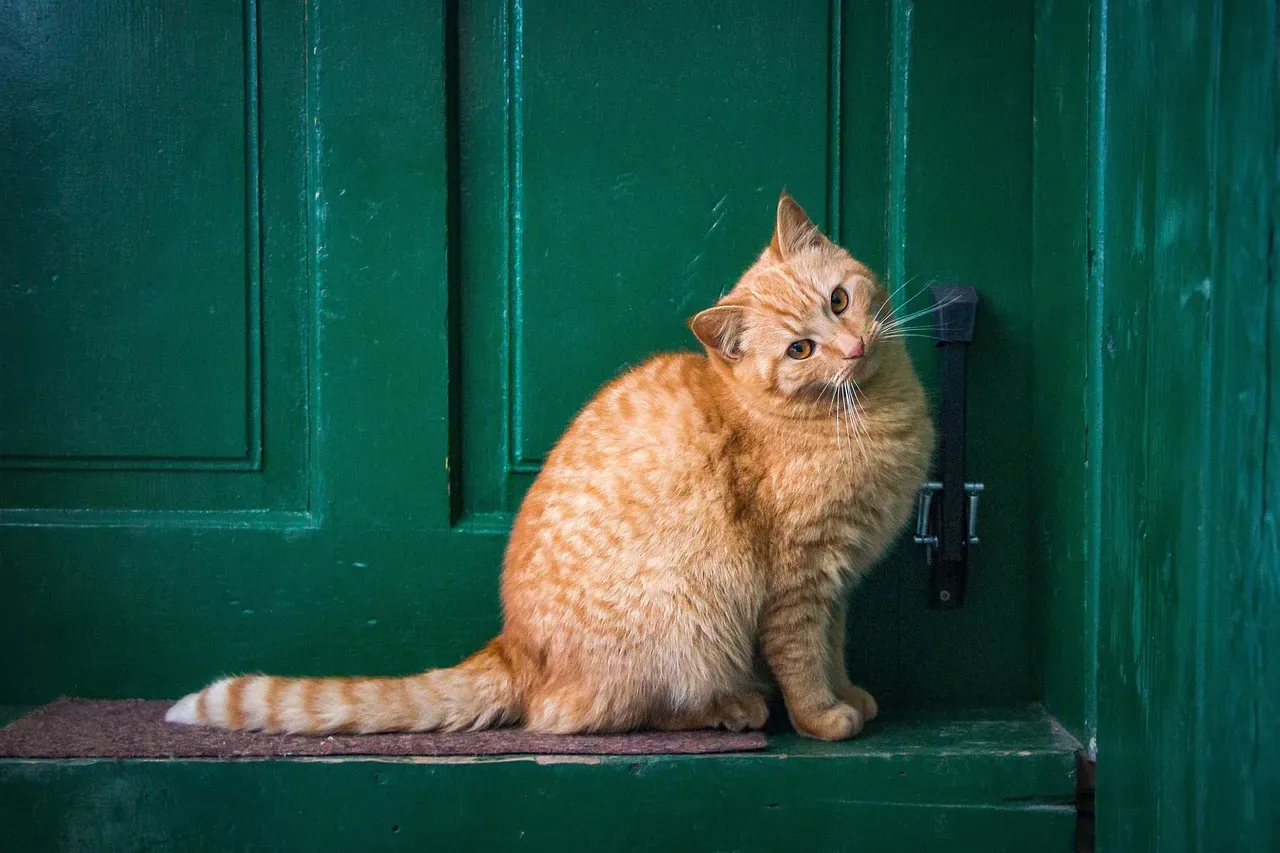
Your cat's tail carries significant meaning, with an upright tail signaling friendliness and a swishing tail reflecting excitement or irritation, and you tend to respond to these cues without overthinking them. Your cat uses their tail like a communication flag, broadcasting their emotional state and intentions. You've been conditioned to read these signals and adjust your behavior accordingly.
When your cat approaches with that confident, vertical tail, you know they're open to interaction, so you reach out to pet them. When the tail starts twitching, you back off to avoid getting swatted. Your cat has effectively trained you to respect their boundaries and respond to their moods using nothing but tail position. They control the terms of engagement, and you follow their lead without even realizing you're being directed.
Timing Their Requests Around Your Routines
Cats have evolved around humans, observing our actions and using these observations to develop habits that get them the results they want. Your cat knows your schedule better than you do. They know when you typically wake up, when you eat, when you get home from work, and when you usually go to bed. They use this knowledge to time their requests for maximum effectiveness.
Through social referencing, cats observe your behavior and train themselves to behave in ways that trigger desired responses. Your cat might start meowing five minutes before your alarm, not because they're psychic, but because they've learned the pattern. They position themselves by the food bowl right before your usual feeding time, creating anticipation and pressure. This calculated timing makes it harder for you to resist or delay because it aligns with your existing routine. Smart, isn't it?
Reciprocity: The "I'll Show Affection If You Do Something First" Trade
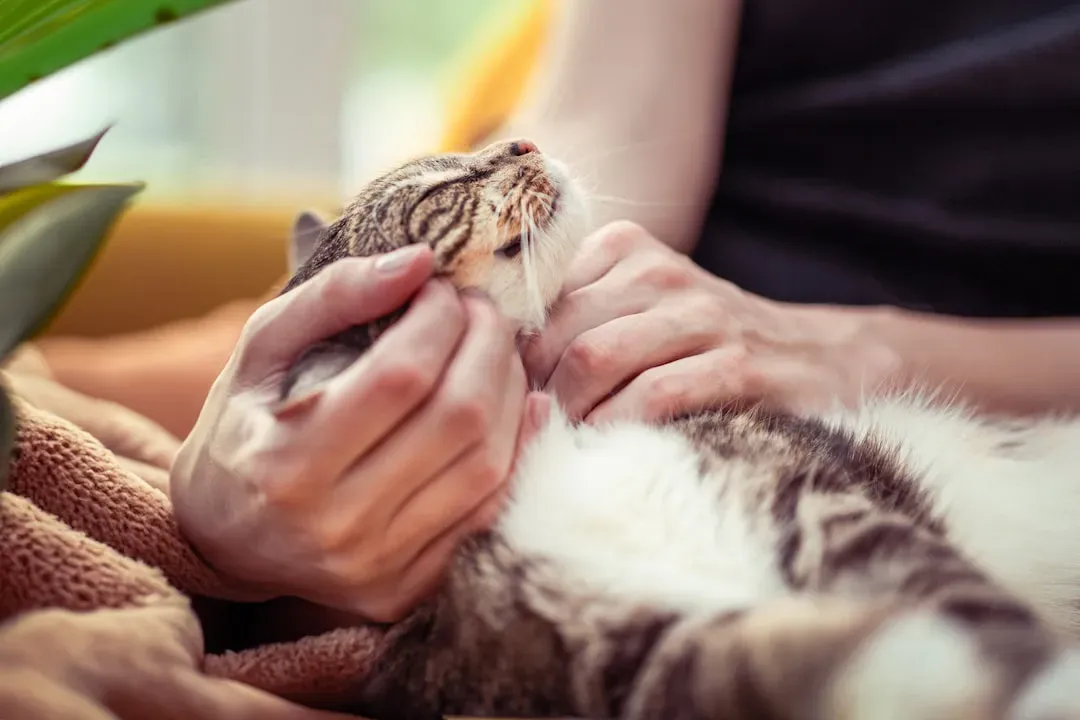
Research in Behavioral Processes found evidence of cats following their human's wishes, but only if the human fulfilled their wants first. Your cat has figured out the principle of give and take. They'll be sweet and affectionate after you feed them, play with them, or clean their litter box. It's essentially a transaction disguised as love.
Think about how often your cat suddenly becomes your best friend right after you've done something for them. That post-meal cuddle session? That's partly gratitude, but it's also positive reinforcement for you. Your cat is teaching you that when you meet their needs, you get rewarded with affection. This creates a powerful incentive for you to keep providing excellent service. You're being trained through intermittent reinforcement, and the worst part is, it feels good.
Exposing Their Belly to Disarm You Completely
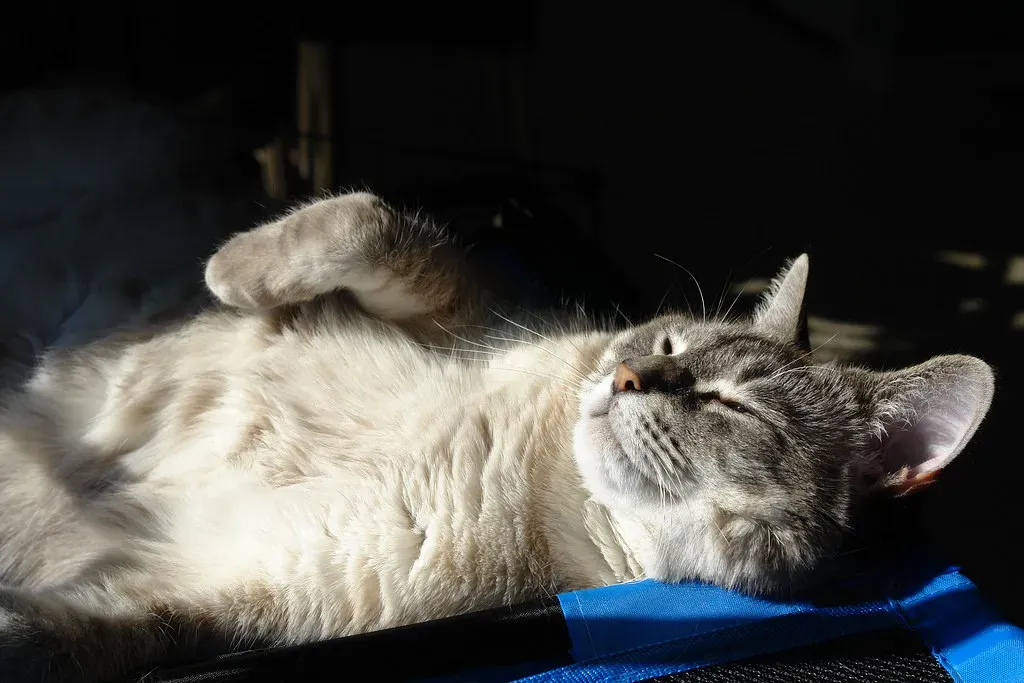
When your cat stretches out on their side or back, they're expressing relaxation and safety around you, and you often respond with gentle words or strokes, creating friendly interaction simply because it signals trust. The exposed belly is a vulnerable position for any animal, so when your cat shows you theirs, you interpret it as the ultimate compliment. They trust you completely.
This vulnerability triggers protective and nurturing instincts in you. However, here's the catch: many cats actually don't want their bellies touched, even when they display them. They're showing trust, not necessarily inviting interaction. Yet you're compelled to respond somehow, whether with verbal affection or careful petting. Your cat has managed to make you feel special and obligated simultaneously, controlling your emotional response through what appears to be defenselessness.
Interrupting Your Focus to Reassert Their Importance
Cats have this remarkable ability to sense exactly when you're deeply concentrated on something important. That's when they decide it's the perfect time to demand attention. Whether you're in the middle of an important phone call, trying to read, or finally getting into that TV show everyone's been talking about, your cat will suddenly require immediate interaction. This isn't coincidence.
Their ability to use social referencing explains how cats manipulate humans, as they're smart enough to put your behavior into context and train themselves to behave in ways that trigger desired responses. Your cat understands that when you're focused elsewhere, they're not getting their fair share of attention. By interrupting at strategic moments, they're reminding you of their presence and importance in your life. You almost always comply because ignoring them feels wrong somehow. They've successfully made themselves the center of your world, one interruption at a time.
Conclusion
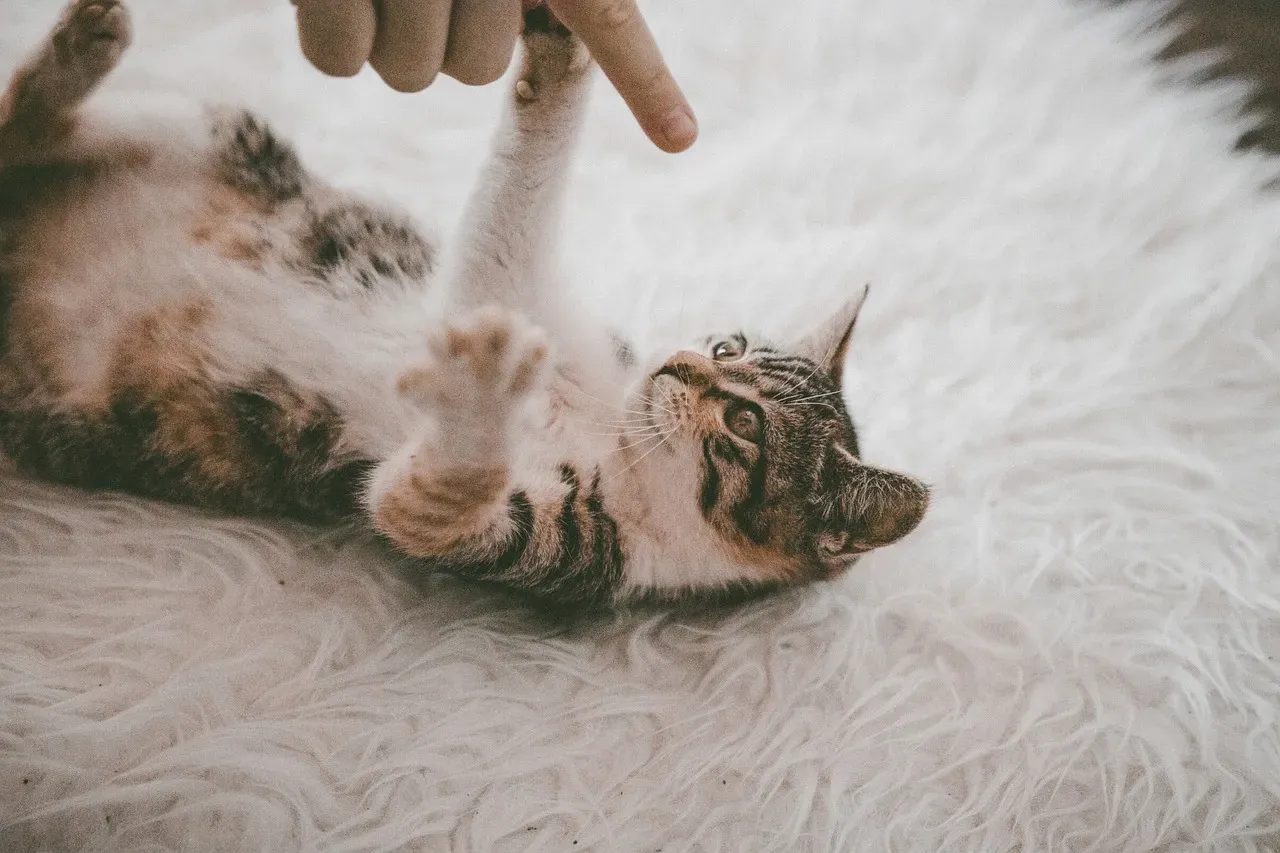
Cats have perfected the art of getting what they want through thousands of years of cohabitation with humans. Their techniques range from vocal adjustments and strategic positioning to exploiting our nurturing instincts and establishing predictable routines. The fascinating part is that this manipulation isn't malicious or calculating in a negative sense. It's simply how cats have learned to communicate and thrive in human households.
In the case of cats, manipulation doesn't necessarily imply bad intent, as scientists believe this behavior is how cats interact with humans and is deeply ingrained in how they form relationships. Your cat's clever tactics are actually signs of intelligence, adaptability, and social awareness. They've figured out how to bridge the communication gap between species and get their needs met in ways that usually leave both of you feeling satisfied.
So the next time your cat pulls one of these tricks, you can appreciate the sophistication behind it. You're not weak for giving in. You're just participating in an ancient relationship between two species that have learned to understand and influence each other. What do you think about your cat's manipulation tactics now that you recognize them? Will you resist, or will you continue being the perfectly trained human your cat knows you to be?