You’ve settled in for a quiet evening, gently stroking your purring cat as they curl into your lap, totally relaxed. The moment feels perfect. Then, suddenly, you feel a sharp nip on your hand. Your cat just bit you. Not hard, not aggressive, but enough to make you wonder what just went wrong. You’re left confused, maybe even a bit hurt. Was it something you did? Does your cat hate you now?
Here’s the thing. That little bite your cat just gave you probably means something completely different from what you think. Understanding why cats deliver these gentle nibbles can transform the way you interact with your feline companion. So let’s dive in and decode this mysterious behavior together.
What Exactly Are Cat Love Bites
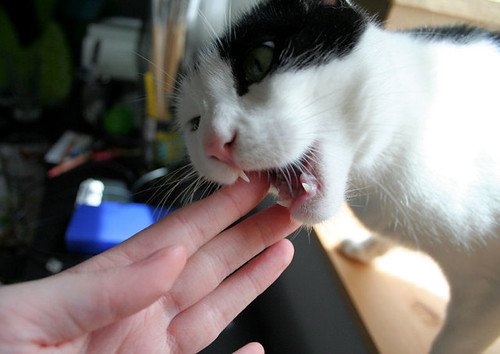
Love bites are when a cat gently places their mouth on their humans, and while they typically don’t break the skin or cause harm, love bites may catch you off guard due to the sharpness of your cat’s teeth. Think of them as a very specific form of feline communication. These bites differ completely from real aggressive bites, which come with a whole different energy.
Love bites are gentle and don’t hurt, pierce the skin, draw blood, or require hospitalization. Your cat’s body language during these moments tends to be fully relaxed. You won’t see the classic signs of anger like hissing, growling, or an arched back. Still, those little teeth can surprise you, especially on sensitive skin like your hands or fingers.
The Communication Behind The Nibble
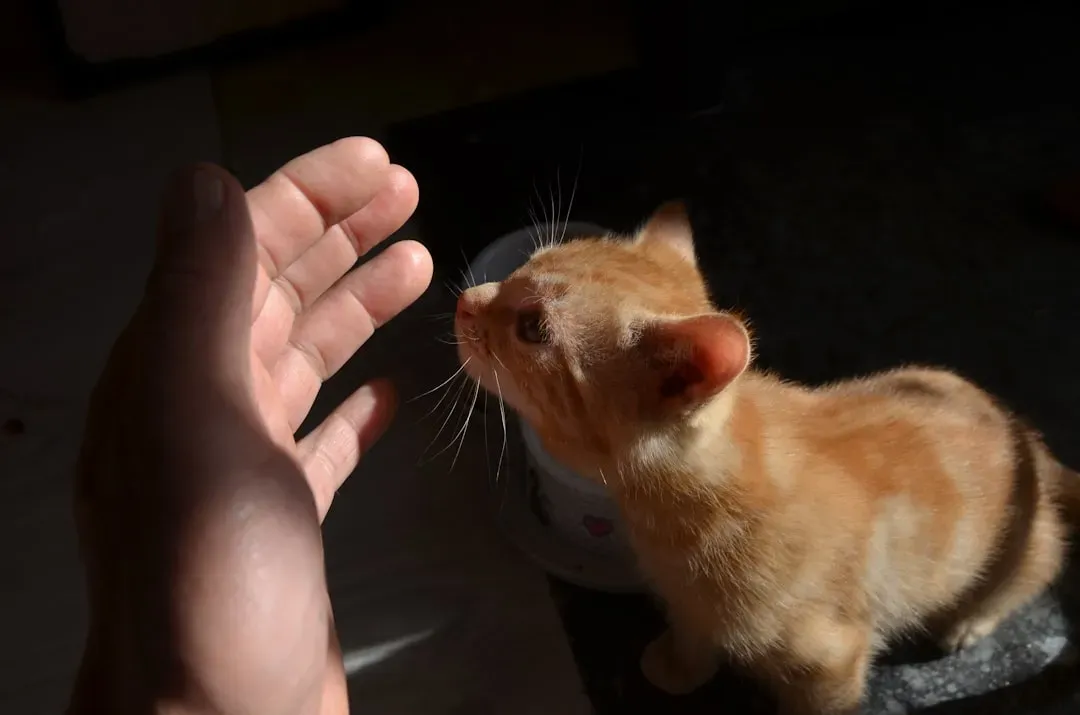
Cat love bites are a form of communication, and your cat’s instinctual nature drives them to give these little nips, especially when they feel overexcited or overstimulated, though they may also be driven to engage in this behavior in moments when they feel a strong sense of bonding. It’s honestly like your cat is trying to tell you something in their own unique language.
Here’s where it gets tricky. Deciphering your cat’s biting can be challenging because the meaning behind it is very much dependent on the specific scenario, as sometimes your cat will give you these little bites as a way to tell you that they feel tired of your petting or want you to put them down, while on the other hand, they might give you a love bite during an especially vigorous play session or when they actually want you to pet them. Reading your cat is part of the journey of getting to know them better. Each cat has their own personality and limits.
The Overstimulation Factor You Need To Know
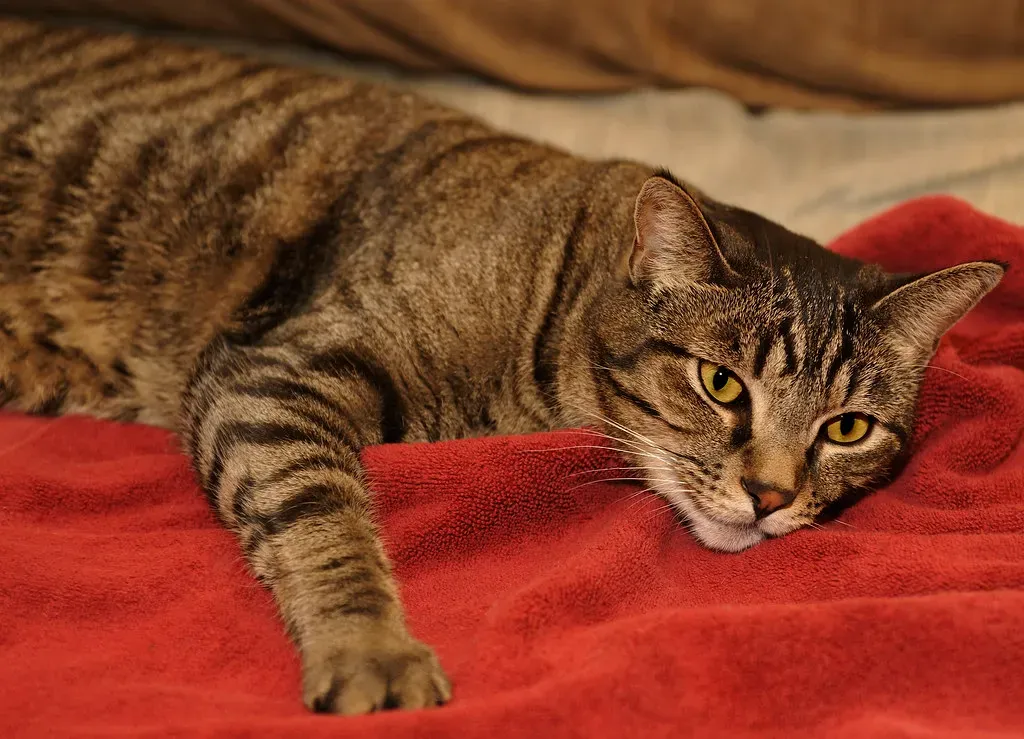
Your cat’s entire coat is incredibly sensitive. Every stroke sends signals through their nervous system. A cat’s entire fur is sensitive and thus a very important sense for cats, and if touched too much or too long, it can become over-stimulated, which is not a pleasant feeling for cats and they may react by biting. Picture being tickled for too long. Eventually, it stops being fun and becomes overwhelming.
Excessive petting, loud noises, crowded rooms, and unfamiliar people can overstimulate cats, and if your cat is overwhelmed, all it takes is one wrong move for your cat to lash out at you. This doesn’t mean your cat is vindictive or suddenly dislikes you. They’re just trying to communicate that their sensory threshold has been reached. Learning to recognize those subtle warning signs before the bite happens is key to avoiding them altogether.
Grooming Behavior Taken To The Next Level
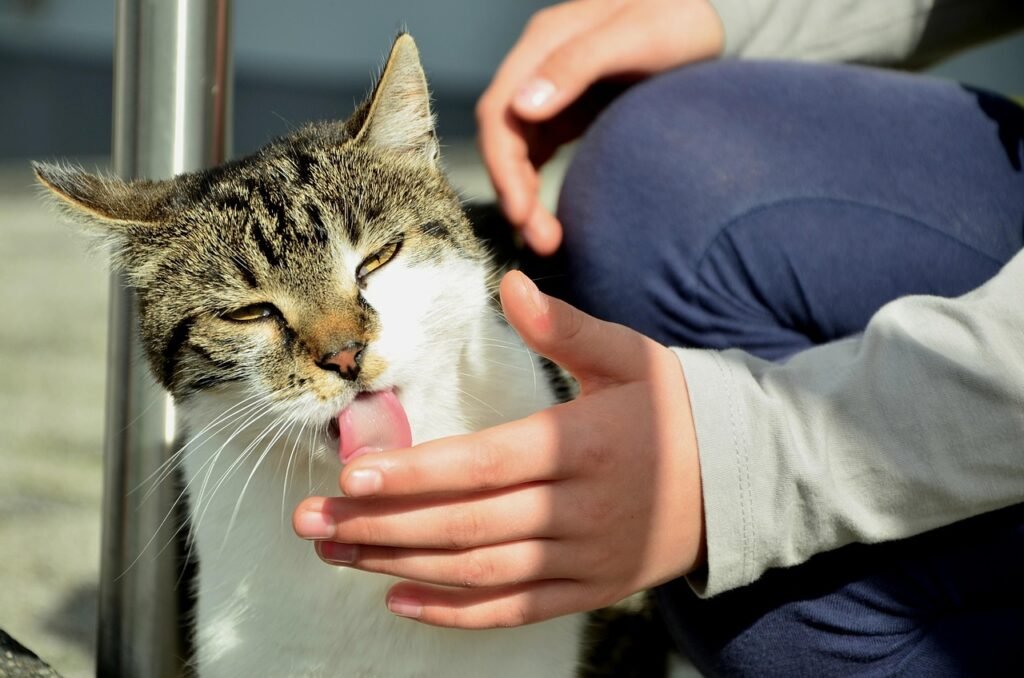
Cats will gently bite their offspring when grooming, to dig deep and excavate the dirt in a delicate and endearing manner, and repeating these attentive mannerisms with their human housemates is a similar sign of care, kindness and love, providing their teeth are applied with a little tenderness. It’s actually kind of sweet when you think about it. Your cat is treating you like family.
Mother cats do this with their kittens, and siblings do it to each other. In these instances, your four-legged friends are simulating the act of grooming to highlight your value and importance to them, as if you were one of their own litter. So in a way, your cat is showing you tremendous affection by including you in this bonding ritual. The issue is that what feels normal to your cat might feel a bit too sharp to you.
When Your Cat Wants Attention Right Now
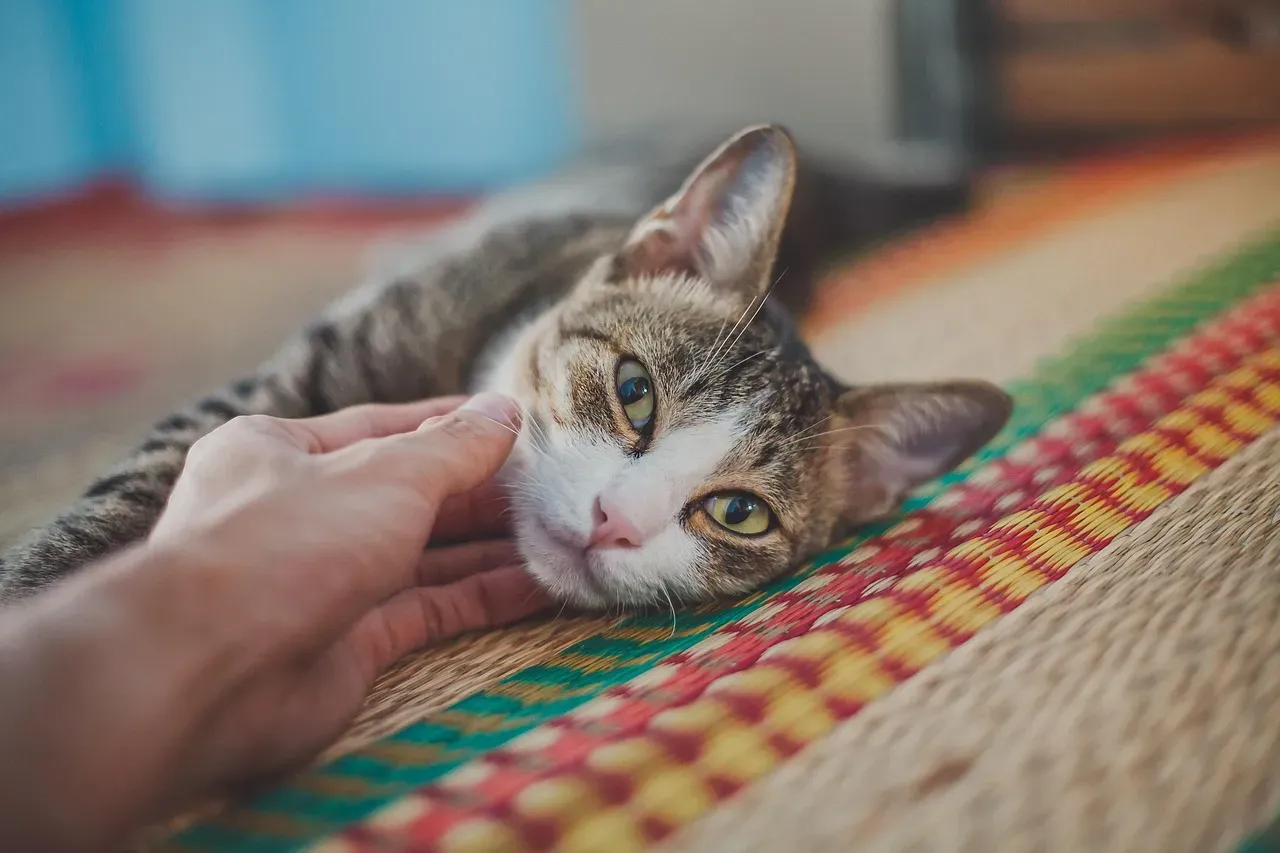
Cats sometimes bite gently to get your attention, especially if they want to play or cuddle. Let’s be real, cats aren’t exactly known for their patience. If they want something, they want it now. That little nip might be their way of saying, “Hey, look at me. I need something.”
If love bites have gotten your attention in the past, your cat might repeat the behavior, as cats are extremely clever and they continuously learn by watching us and our daily routine to achieve the best outcome for themselves, while some cats have grasped that rubbing or nipping on your arm while you’re preparing a meal might solicit your attention and you might provide them with a treat or feed them. Cats are smart. They learn what works. If biting equals attention or food, guess what behavior they’ll repeat?
Playful Biting Versus Aggressive Biting

Some bites are not love bites, as love bites are gentle mouthing occasionally accompanied by rubbing or purring, while real cat bites are caused by aggression, fear, anxiety, or frustration. Knowing the difference matters because your response should be completely different in each situation.
Aggression aimed toward people can vary in its severity, from hostile vocalization like hissing, snarling, or shrieking to piloerection body posture with arched back and hair standing on end, while more severe aggression includes clawing and full-strength bites with deep lacerations that require immediate medical treatment and antibiotics. If you’re seeing those warning signs, back off immediately. Give your cat space. That’s not a love bite anymore.
Reading Your Cat’s Body Language Before The Bite

Understanding your cat’s body language is key to preventing love bites altogether, so pay attention to their tolerance for petting and heed warning signs that they’ve had enough, such as muscle tension, a twitching tail, or dilated pupils. Watch those ears too. When they flatten against your cat’s head, that’s a red flag.
One of the best things you can do is to learn your cat’s body language to avoid bites in the first place, so if you notice your pet’s body tensing up while you’re petting them, or other signs of discomfort such as ears to the side or a twitching tail, stop petting them. Honestly, cats are talking to you constantly through their bodies. You just need to learn their vocabulary. Once you do, you’ll avoid most bites before they even happen.
How To Respond When Your Cat Bites You
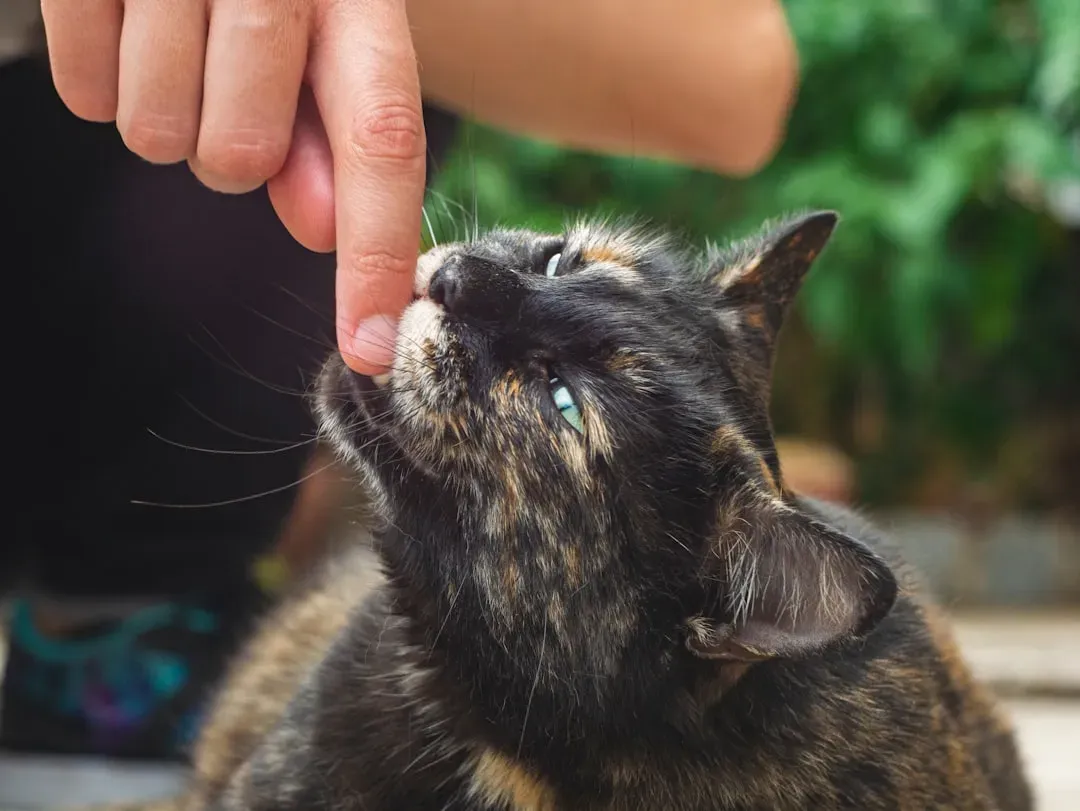
When a cat bites, the instinctive reaction is to quickly move the hand away, but this can trigger the cat’s hunting impulses as prey would try to run from a hunting cat and the visual stimulation of a quick reaction can lead to a deeper, more dangerous bite, so instead, freeze very still and let the cat disengage, then calmly and slowly move away. I know it sounds counterintuitive, but staying still is crucial.
Above all, do not physically retaliate to a cat’s love bite by grabbing, shaking, or striking the animal, as this type of reaction is counter productive and will only serve to heighten a sense of distrust and miscommunication between cat and owner, while furthermore, a harsh reaction could escalate the cat’s behavior to deeper bites, scratches, and other aggressive behavior that will be even more difficult to control. Punishment never works with cats. It only damages your relationship.
Prevention Strategies That Actually Work
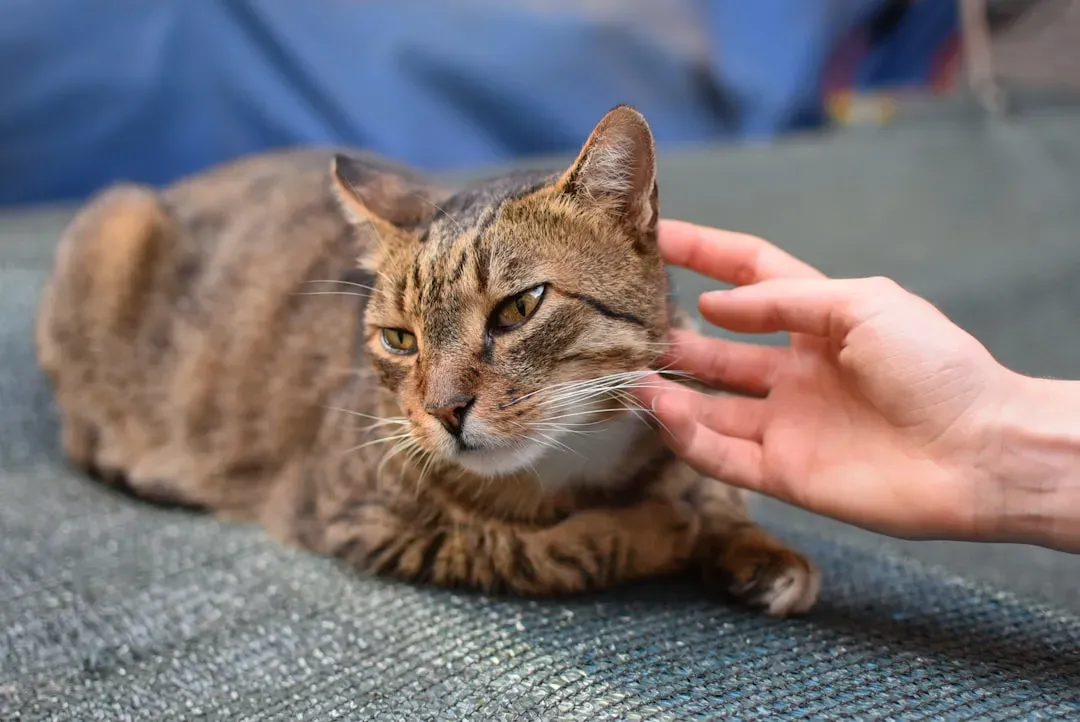
In general, keep petting sessions short and avoid sensitive areas, such as the belly, while allowing your cat to initiate contact may also minimize love bites. Let your cat come to you. Don’t force interaction. Some cats prefer brief cuddles, not marathon petting sessions.
If your cat frequently reacts to being pet by biting, try keeping the petting session brief and pause frequently to gauge their continued interest, while it’s also a good idea to let your cat begin the interaction. Think quality over quantity. A few minutes of enjoyable petting is better than a long session that ends with teeth. Respect their boundaries, and they’ll trust you more.
When To Seek Professional Help
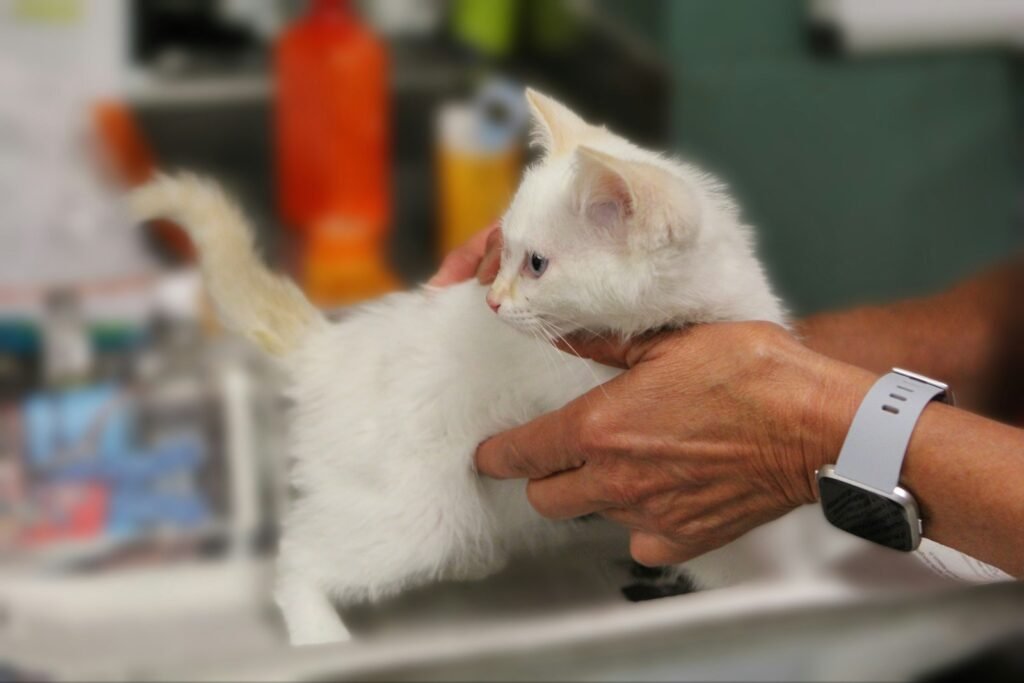
If unwanted biting behavior persists or intensifies, consult a veterinarian to make sure that any underlying issues are addressed. Sometimes what looks like behavioral biting is actually pain-related. If your cat is biting without warning or if the behavior changes suddenly, it could be due to underlying health problems, as painful conditions like dental disease, arthritis or even gastrointestinal issues can cause discomfort, making your cat more likely to bite.
Don’t ignore sudden changes. If your normally gentle cat starts biting aggressively or more frequently, something might be wrong. A vet visit can rule out medical causes. If you find that this aggressive behavior continues, you should reach out to your veterinarian or an animal behaviorist for guidance on what to do next. Professional help isn’t admitting defeat. It’s being a responsible, caring pet parent.
Building A Better Bond Through Understanding

By decoding the messages behind these gentle nibbles, cat parents can strengthen their bond with their furry companions. The more you understand your cat, the deeper your relationship becomes. Those little bites aren’t attacks. They’re communication attempts from a creature who can’t use words.
Gentle cat bites are often signs of affection, playfulness, or mild overstimulation, and by paying attention to body language, respecting boundaries, and providing healthy outlets for energy, you can maintain a happy, bite-free relationship with your feline friend. Remember, your cat chose you. They want connection just as much as you do. Learning their language shows them respect and builds trust that lasts a lifetime.
Cat love bites can feel confusing at first, especially when you’re just trying to show affection and suddenly get nipped. Yet understanding why your cat does this changes everything. Those gentle nibbles usually aren’t about aggression or dislike. They’re about communication, boundaries, and sometimes even affection expressed in a way that feels foreign to us humans. By learning to read your cat’s body language, respecting their limits, and responding calmly to their bites, you create a relationship built on mutual understanding and trust. Have you noticed any patterns with your cat’s bites? Share your experiences in the comments below.
Kristina is a young writer from India. An arts graduate and an avid content creator, Kristina is passionate about animals and wildlife. She enjoys exploring topics related to pet care, animal behavior, conservation, and nature, combining thorough research with engaging storytelling.