Ever run your hand through your cat’s fur and notice it feels different? Maybe a bit coarse, or unexpectedly greasy? Most of us think a cat’s coat is just about how pretty they look lounging in sunbeams, but it’s actually so much more than that. Your feline friend’s fur is like a living, breathing health report card, constantly sending you signals about what’s happening inside their body. Sometimes the changes are subtle. Other times, they practically scream for attention.
Think about it like this: when you’re stressed or not eating right, your own hair and skin suffer, right? Cats are no different. Their coat condition reflects everything from their diet to their emotional state, and even hidden medical issues you might not suspect. So let’s dive in and decode what your cat’s fur is really trying to tell you.
The Shiny Coat That Says All Is Well
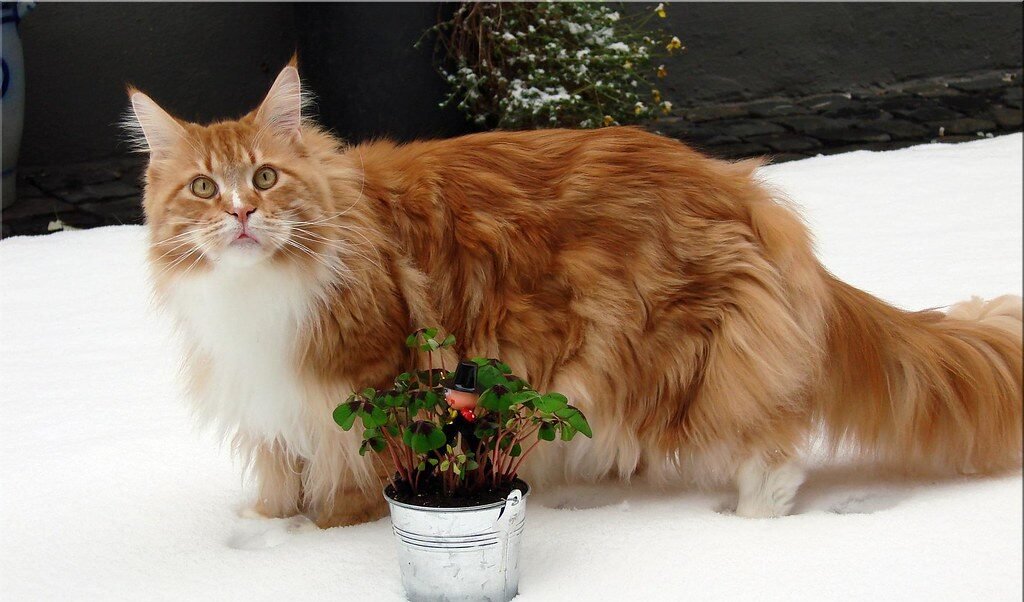
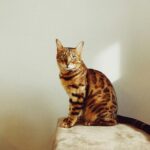
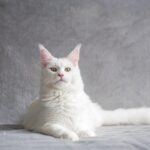
A healthy coat should be shiny and smooth, not coarse or brittle, and when you stroke your cat, the fur should feel soft and supple beneath your fingers. A healthy cat coat tends to be shiny and smooth while the skin underneath is flexible and clear. This lustrous appearance isn’t just luck or good genetics.
It’s actually the result of several factors working harmoniously together. To maintain the skin and hair in a healthy state, your cat requires a properly balanced diet that contains high-quality digestible proteins, carbohydrates, fats, minerals, and vitamins. When your cat is thriving physically and emotionally, their natural oils distribute evenly across their coat, creating that gorgeous shine that makes you want to pet them constantly.
When Dullness Signals Dietary Deficiencies
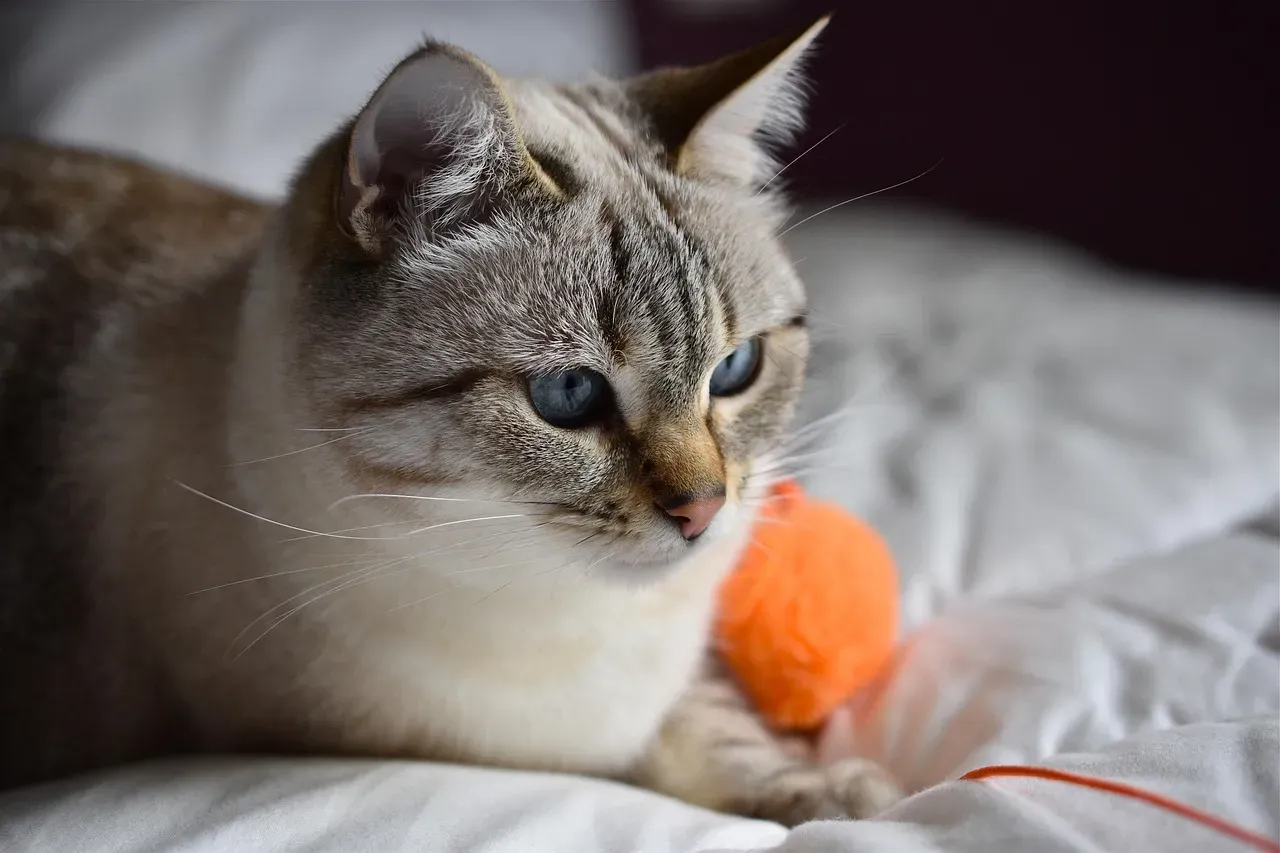
Let’s be real: if your cat’s coat has lost its luster and looks flat or lackluster, the first thing to examine is what’s in their food bowl. A cat whose diet is inadequate to meet her dietary needs will have a dull, dry hair coat and may shed excessively. This happens because fur is almost entirely made of protein, and without adequate amounts of quality protein, things start falling apart literally.
Your cat’s hair coat is composed almost entirely of protein, and if your cat’s diet doesn’t contain enough quality protein, her hair may fall out or become dry, weak and brittle. The same goes for essential fatty acids like omega-3 and omega-6. Without regular consumption of healthy fatty acids, coats will likely become dry and dull while skin may begin to take on a greasy look. If you’ve recently switched foods or if your cat is a picky eater, their coat will likely tell you if they’re not getting what they need.
Stress Written in Every Strand
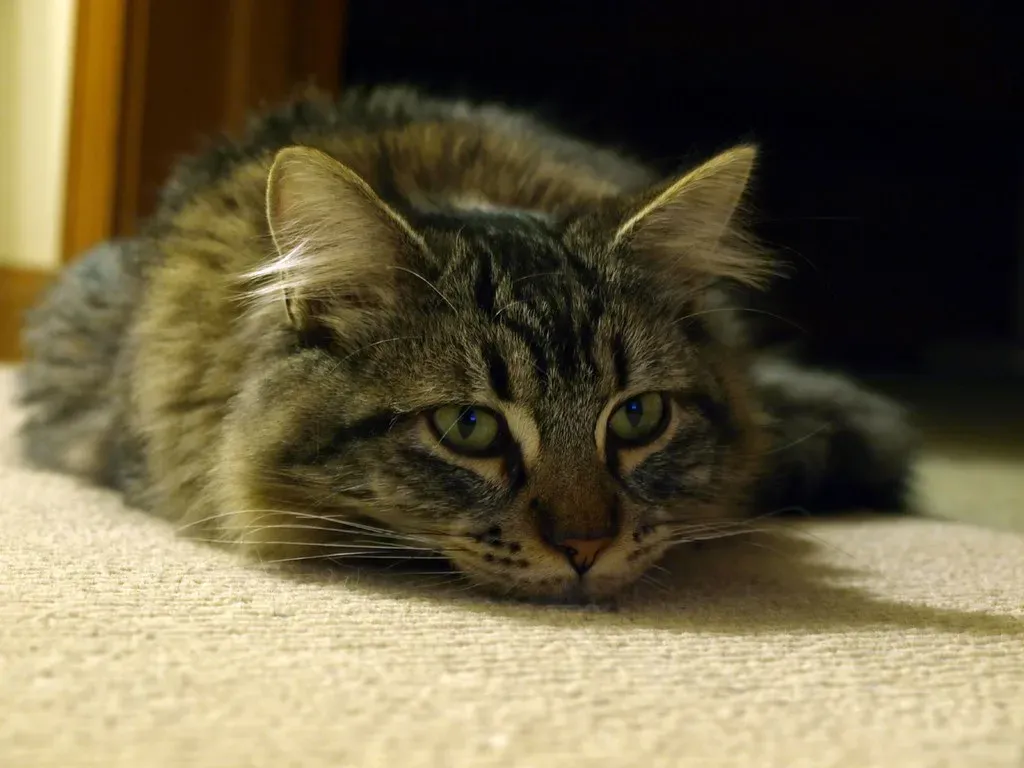
Here’s something fascinating: cats wear their anxiety on their fur, quite literally. Illness or stress, especially if chronic or long-standing, will affect the appearance of your cat’s coat, particularly its shine and texture, and many cats will shed excessively when they are under stress. You might notice your usually pristine cat suddenly looks unkempt or develops a rough texture to their coat.
In cats, this physical response to stress can be particularly harmful and manifest as changes in appetite, coat condition, urinary habits, or digestive system function. Sometimes cats under severe stress will either groom obsessively until they create bald patches, or they’ll stop grooming altogether. Both extremes tell the same story: something is bothering your feline friend deeply, and their beautiful coat is paying the price.
The Greasy Coat That Whispers of Illness
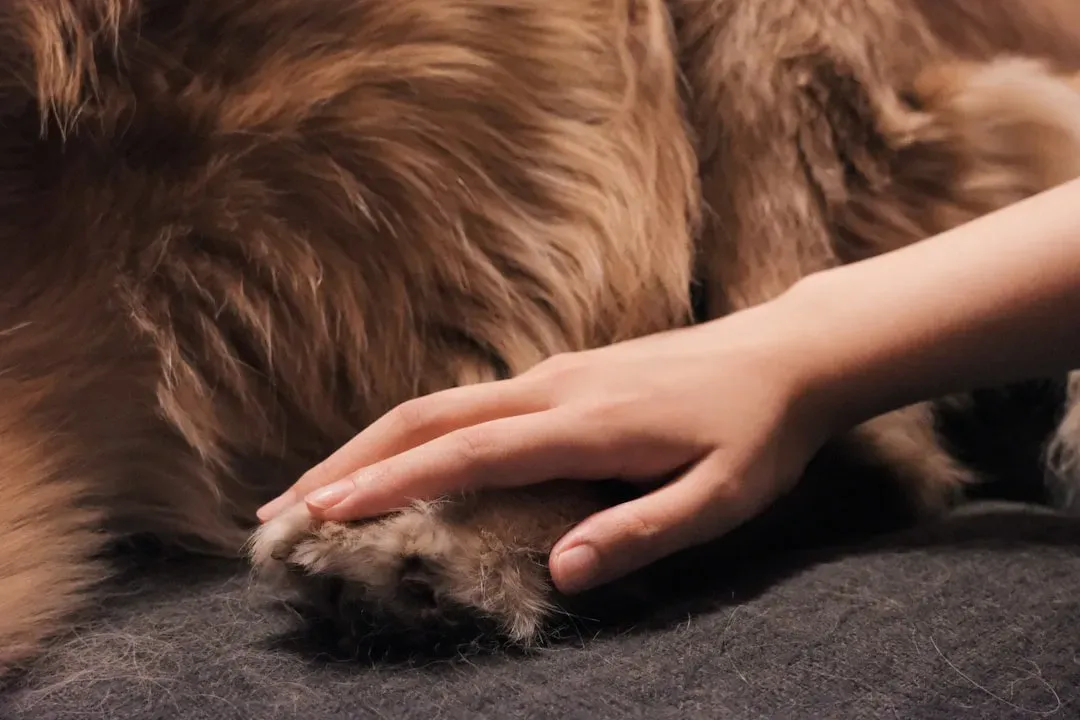
When you pet your cat and your hand comes away feeling oily or greasy, that’s not normal. An oily or greasy coat can be a sign that your cat isn’t grooming properly, and undergrooming is common in overweight, arthritic or sick cats who don’t feel well enough to groom or struggle to reach certain areas. Cats are meticulous groomers by nature, so when they stop taking care of themselves, it’s a red flag.
A greasy or matted coat when accompanied by symptoms such as weight loss, increased appetite or thirst, restlessness, and rapid heart rate could signal an overactive thyroid, while a matted or unkempt coat in the presence of lethargy, weakness, mental dullness, and weight gain could signal an underactive thyroid. These are serious conditions that need veterinary attention. I know it sounds crazy, but something as simple as greasy fur can point to complex metabolic issues happening beneath the surface.
Excessive Shedding Beyond the Seasonal Norm
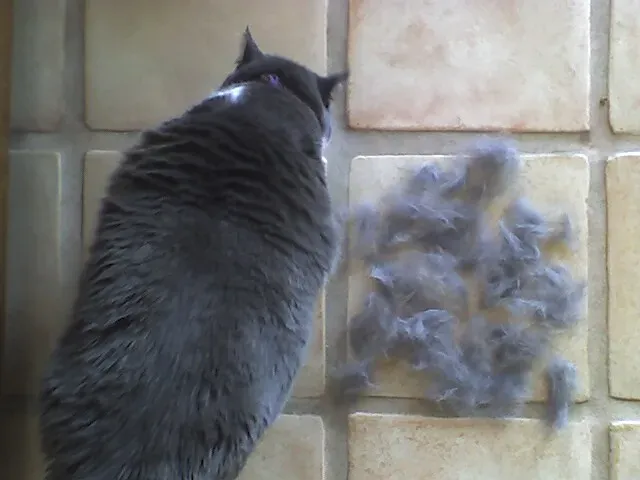
Sure, all cats shed, especially when seasons change. That’s perfectly normal. What’s not normal is when your cat suddenly leaves fur everywhere like they’re molting or when you notice thinning patches that weren’t there before. Seasonal shedding is normal, but if your cat is out-of-the-blue leaving coat everywhere or you notice balding or thinning patches, it could be due to stress, parasites, poor nutrition or an underlying health issue.
Sometimes the shedding happens in specific patterns. Allergic skin disease and seborrhea cause itching and changes in the normal production of skin oils, resulting in a dull coat and excessive shedding, either in patches or over the entire body. If you’re finding clumps of fur instead of individual hairs, that’s worth investigating. Pay attention to where the hair loss is occurring too, as different patterns can indicate different problems.
Patchy Bald Spots and What They Reveal
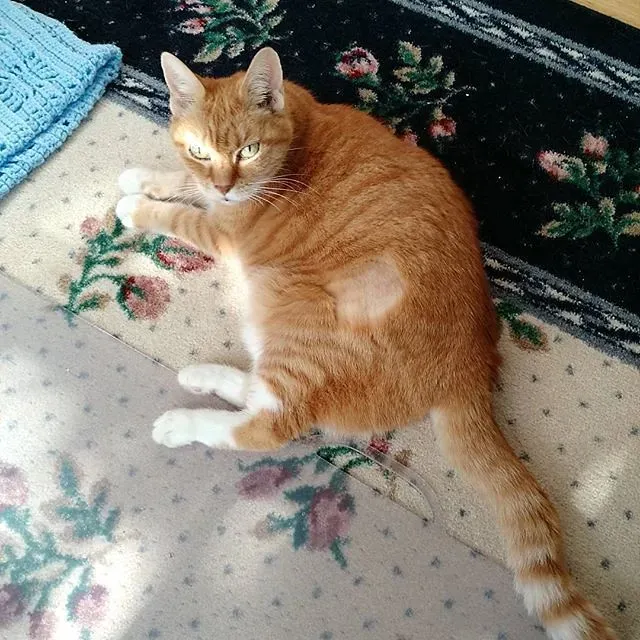
Patchy or complete bald spots are always a red flag, and honestly, they should prompt an immediate call to your vet. These aren’t just cosmetic issues. Hair loss can be caused by overgrooming, external parasites, allergies, skin infections, external parasites and hormonal imbalances.
Interestingly, many cats with anxiety will create these bald spots themselves through compulsive licking. When stressed, some cats may groom themselves so frequently that they develop bald spots or skin irritations, and this behavior is often a coping mechanism to deal with anxiety. It’s their way of self-soothing, but unfortunately it becomes a destructive habit. The tricky part is that cats often do this grooming in private, so you might not even catch them in the act.
Matting and Tangles That Signal Pain
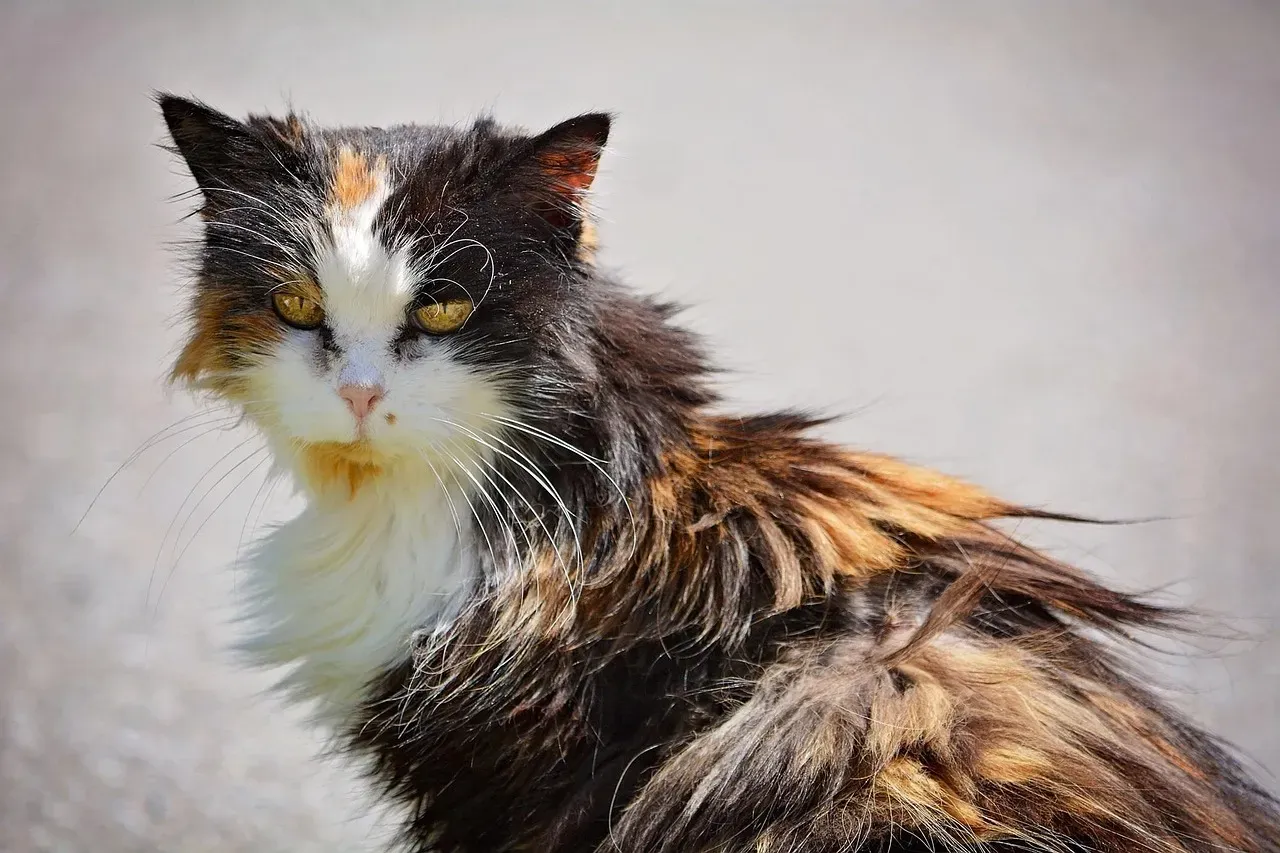
If you start noticing mats forming in your cat’s fur, especially in areas they can normally reach, something is preventing them from grooming properly. Matting is common in long-haired cats or those who have stopped grooming due to pain, obesity, or illness, and it is a problem because matted coat traps dirt and moisture, which can impact skin health.
Arthritis and obesity can cause skin problems such as dandruff and matting if the cat cannot groom herself properly. Think about it: if your joints hurt or you can’t twist around comfortably, you’re not going to reach those tricky spots behind your back or near your tail. Older cats are particularly prone to this, and it’s heartbreaking because they still want to stay clean but physically can’t manage it.
The Telltale Odor of Skin Trouble
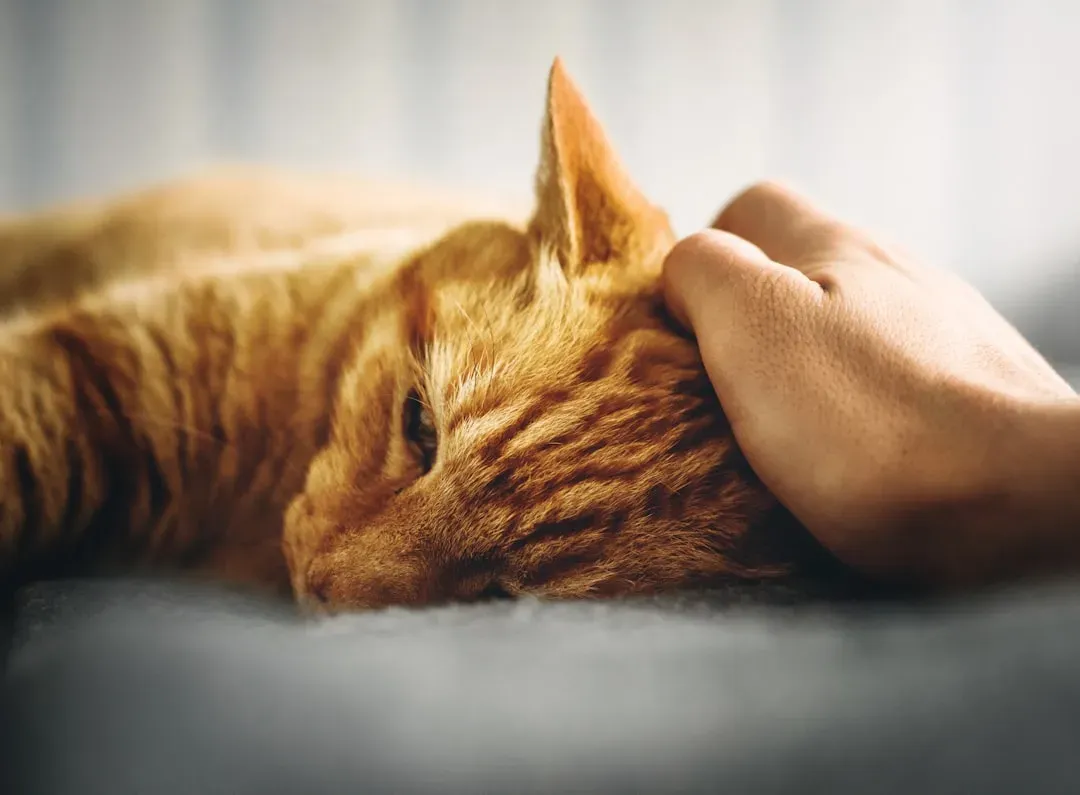
Healthy cats don’t smell. Period. A healthy cat doesn’t have a strong smell, but if your cat’s coat smells bad, musty or unusual, then there’s likely an underlying issue. This could indicate bacterial or yeast infections brewing beneath that fur.
Bacterial and yeast infections cause the skin to smell distinctly unpleasant. If you notice your cat has developed an odor, especially combined with other symptoms like greasiness or redness, don’t wait to get them checked out. Skin infections can escalate quickly and become painful for your cat.
Changes in Texture That Point to Nutritional Gaps
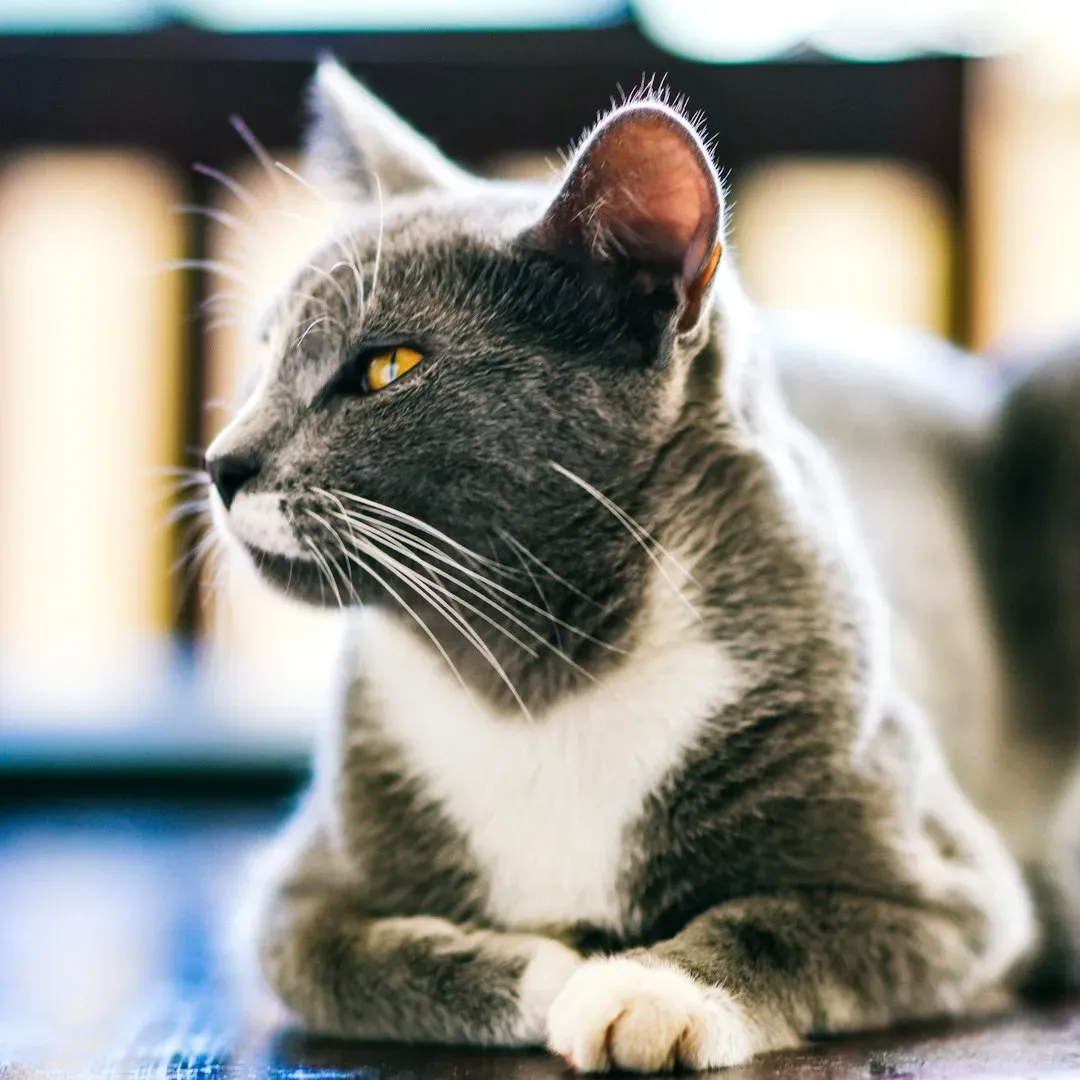
Run your fingers through your cat’s fur regularly so you know what normal feels like. Dullness, texture changes, dandruff, or excessive shedding are all signs of an unhealthy cat coat. Sometimes the fur goes from silky to brittle or coarse, which often points to specific vitamin or mineral deficiencies.
A healthy cat coat depends on normal keratinization, which requires an adequate supply of several nutrients, including protein, fatty acids, zinc, copper and vitamins A and B. When any of these are missing from your cat’s diet, you’ll see the effects in their coat texture before other symptoms appear. Zinc deficiency can show as hair loss and crusty skin lesions, often found in joint areas and foot pads. These nutritional issues are often fixable with the right dietary adjustments.
Grooming Habits as Behavioral Barometers
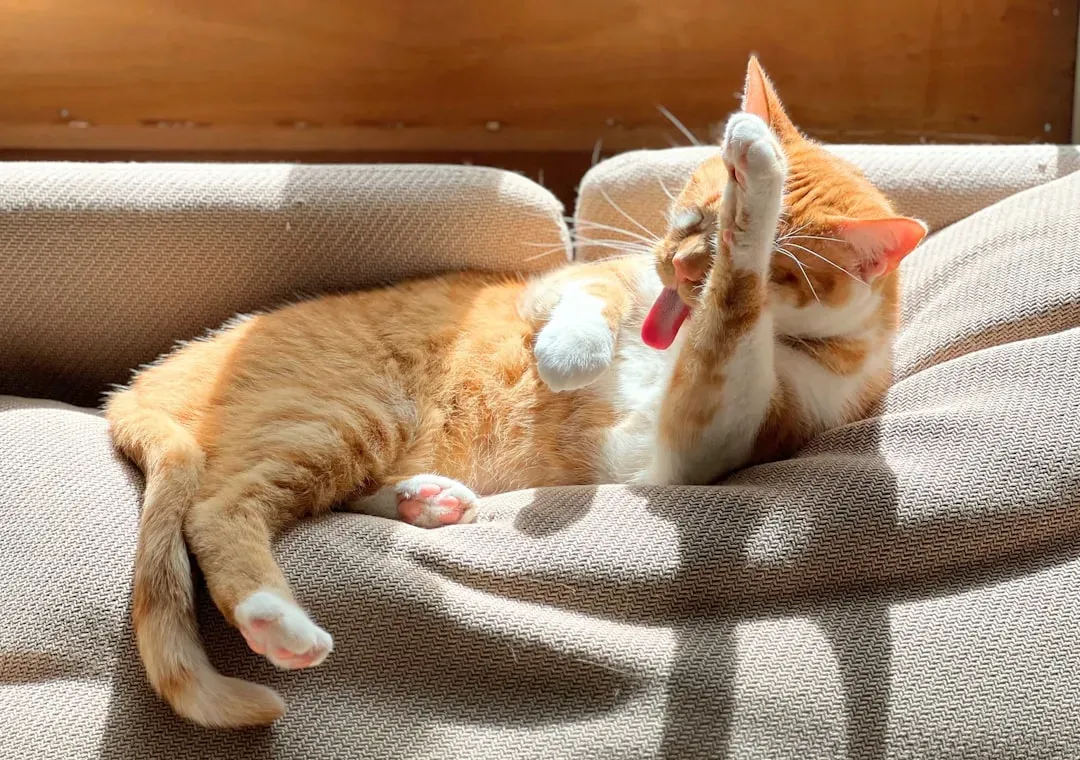
Watch how your cat grooms, not just what their coat looks like. Cats are usually fastidious groomers, sometimes interrupting play or other activities to smooth out an unruly patch of fur, and a sudden decrease in this normal grooming behavior can be a sign of a health problem. On the flip side, obsessive grooming is equally concerning.
Cats typically spend up to 50% of their waking hours grooming, so they do invest significant time in this behavior normally. However, when grooming becomes compulsive or stops entirely, both extremes indicate something has changed. A sick cat’s coat is often dirty, matted and they may even smell unpleasant from the lack of hygiene, and it is a definite sign that the cat is too sick to care for themselves.
When to Seek Veterinary Guidance
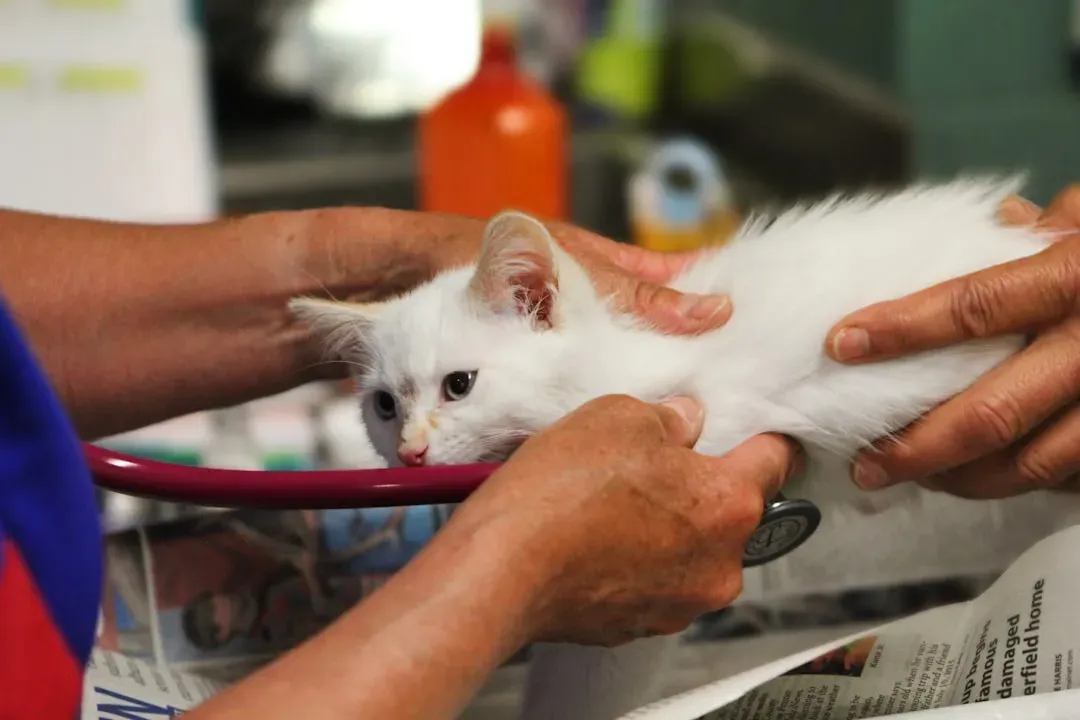
If your cat’s coat changes suddenly, or you notice any of the above signs, it’s time for a veterinary check-up. Let’s be honest, sometimes we convince ourselves it’s nothing or that it’ll resolve on its own. However, coat changes rarely happen in isolation from other health issues.
Some of the more common examples of diseases that can affect your cat’s coat include hormone imbalances or other metabolic problems like hyperthyroidism, digestive disturbances, internal intestinal worms and external parasites, and cancer. Early detection of these conditions makes treatment far more successful. Your vet can run blood work, check for parasites, and evaluate whether the issue is dietary, medical, or behavioral. Sometimes it’s a simple fix; other times, it requires ongoing management. Either way, your cat’s coat is giving you early warning signals that shouldn’t be ignored.
Your cat’s fur is far more than just a pretty exterior. It’s a dynamic reflection of their overall health, happiness, and wellbeing. From the shine that indicates proper nutrition to the dullness that suggests dietary deficiencies, every aspect of their coat tells a story. Stress manifests in excessive shedding, medical conditions reveal themselves through greasiness or matting, and behavioral issues show up as bald patches from overgrooming.
The beautiful thing is that you have the power to be your cat’s advocate. By paying attention to these subtle changes and responding promptly, you can catch potential problems early and help your feline companion live their healthiest, happiest life. What changes have you noticed in your cat’s coat lately? It might be time to take a closer look.
Kristina is a young writer from India. An arts graduate and an avid content creator, Kristina is passionate about animals and wildlife. She enjoys exploring topics related to pet care, animal behavior, conservation, and nature, combining thorough research with engaging storytelling.